We Need YOUR Support TOMORROW on GIVING TUESDAY!
Help Us Continue to Provide Students & Teachers With Great Programs, Services, and Resources!
Join the STEM-H Center Family!
No gift is too large OR too small!
Please click on the button below to make a donation to support our programs, resources, & services. All donations are tax-deductible as allowed by law.
Be part of our amazing team of community partners!!
THANK YOU!
|
|
|
RESEARCH CHALLENGE DEADLINES!! |
|
February 6, 2023
Local SRC-IRB Committee Rosters & School Transmittal Form DUE
February 8, 2023
Online Entry, Paperwork Uploads, Media/Publicity/ Liability/Data Collection Release & Entry Fees DUE ($30 per student ALL divisions)
March 1, 2023
Last date to upload Digital Project Board and Abstract updates in zFairs
|
|
Online, Self-Paced Research Challenge Bootcamp |
Available FREE through our online LMS...open to any teacher, competition coordinator, SRC/IRB Committee member, etc. from ANYWHERE! Bootcamp is a great way to make sure you have all the information you need to guide your student researchers from start to competition!!
|
Ham Radio Operator Program Accepting Applications for
January - May 2023 Program
High school and college students aged 18-20 are invited to participate in the new amateur—or ham—radio program. Amateur radio provides a hands-on entry point to understanding the radio spectrum and its practical uses, including communications, astronomy, and community emergency infrastructure and response. Early support and engagement with amateur radio has the potential to create pathways for students to a future career or lifelong hobby in the sciences.
- Financial support/stipend ($100 per week for the 20-week project)
- Weekly coaching meetings with mentors
- Support exploring academic & professional STEM careers
- Networking opportunities
- Conferences to present their work
- Collaborations with partners
- Connections with amateur radio clubs
- Must be 18-20 years old as of 1/1/2023
More info, including the link to the online application:
|
|
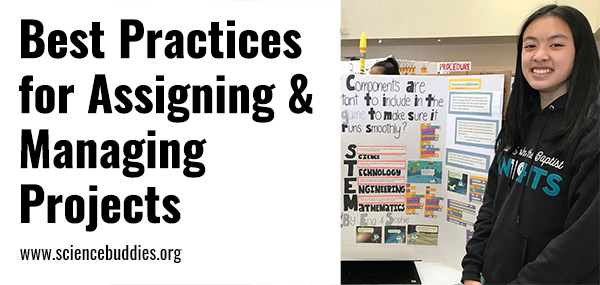
Questions about how to best manage STEM research projects in your class?
A bit of advanced planning and the adoption of some best practices can help streamline the process.
In part 3 of the Science Buddies 5-part series on the benefits of doing independent [STEM research] projects, we cover tips and strategies you can use to help your students get off to a solid start and maintain momentum all the way through. Ultimately, every student should have a rewarding [STEM research] project experience!
Click through to view ten strategies you can easily integrate into your project management and scheduling, including:
- Helping students find a project they will enjoy
- Ensuring students select projects that will work for them and that meet any requirements
- Setting up a clear timeline and breaking the project into smaller assignments
- Using available worksheets, rubrics, and assessment tools throughout the project
- Offering in-class time to work on projects
- Requiring periodic check-ins during the experimental phase
- Communicating with parents about appropriate levels of involvement
- And more
|
|
|
|
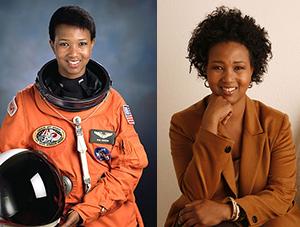
"Don't let anyone rob you of your imagination, your creativity, or your curiosity. It's your place in the world; it's your life. Go on and do all you can with it, and make it the life you want to live.”
- Mae Jemison
Engineer, Physician
Former NASA Astronaut
|
|
Education Loan Finance Offers
College Scholarship Guides for
Women in STEM & African Americans in STEM
Women and ethnic minorities remain underrepresented in science, technology, engineering, and math fields. To help underrepresented students pursue their educational goals, ELFI has created two guides highlighting a list of organizations that offer STEM-specific scholarships:
|
|
|
|
|
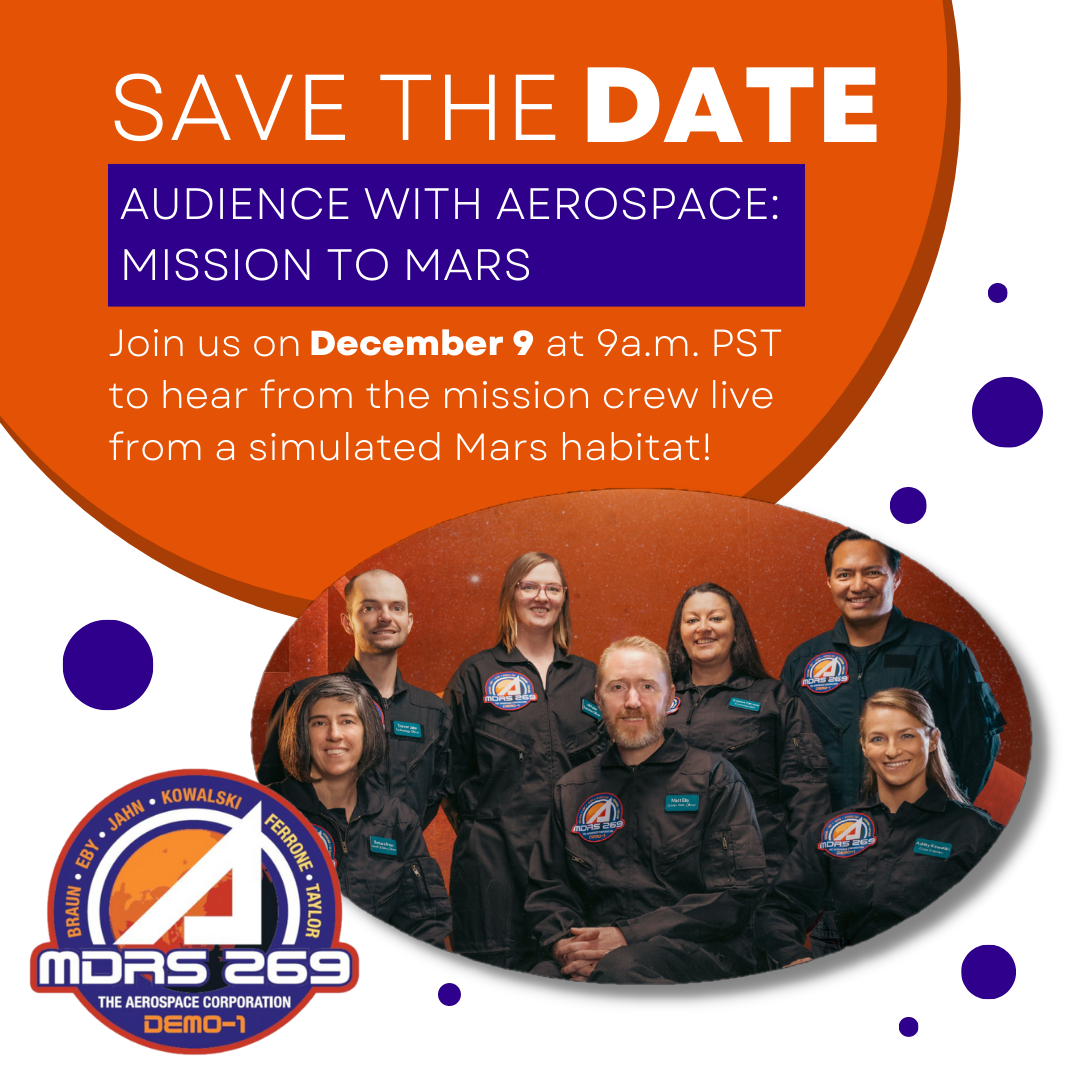
Join the Aerospace Corporation via Zoom on December 9th to hear from the mission crew live from a simulated Mars habitat where they are conducting research!
|
|
We Need Volunteers!
Central NM Science Olympiad Event Supervisors Needed!
Saturday, January 28, 2023 at UNM Main Campus
We need volunteers for the following events...
-
Dynamic Planet (fresh water)
- Environmental Chemistry
-
Forestry (trees in the U.S.)
-
Green Generation (ecology, human impact on environment)
-
Remote Sensing (tracking & analyzing climate change thru remote sensing)
-
Road Scholar (reading & interpreting maps)
- Wifi Lab
What is Science Olympiad?
- Science Olympiad is a national competition that brings together middle school and high school students to compete in STEM-oriented events.
What is an Event Supervisor?
- An event supervisor is a volunteer with relevant expertise who manages an individual event of the competition. It can be a teacher, student (college or above), industry professional, past or present. Nearly anyone with a background in the event's topic is welcome!
What does an event supervisor do?
- Read and become familiar with the event rules.
- Write a test adhering to rules and proctor the test at scheduled date and time.
- Score the test and submit results to event staff.
What support is available to volunteers?
- Advice, insight, and other support are available from the competition coordinator as well as past and current event supervisors.
-
Online resources for event supervisors available through the National Science Olympiad website.
- Technical support in use of the testing platform, Scilympiad.
If you have expertise/experience in any of the subject areas listed above and you are passionate about helping students succeed in STEM, please contact Erin at scifair@unm.edu for more information!
|
|
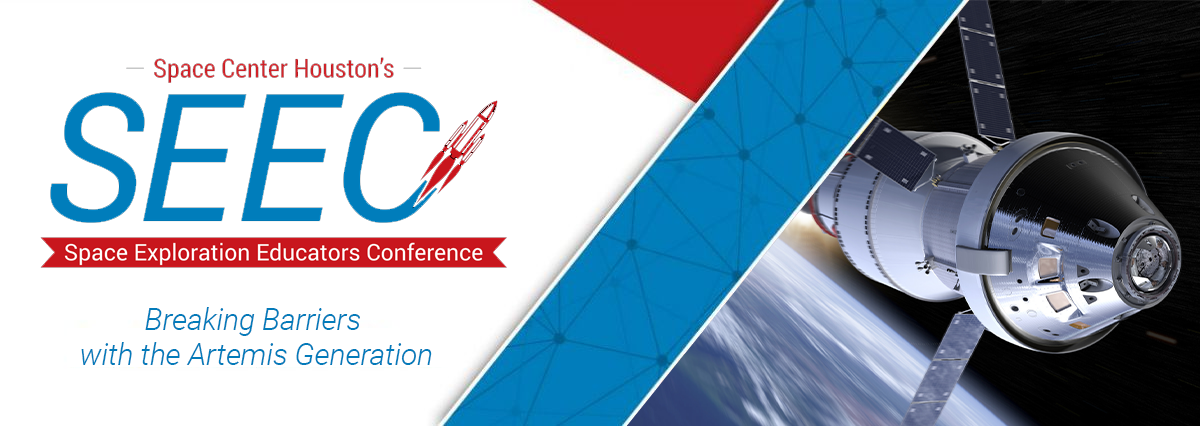
29th Annual Space Exploration Educators Conference
Feb. 9-11, 2023
NASA is leading the next steps to return humans to the Moon. NASA's Artemis program will apply the lessons learned from past missions and take the next giant leap: sending the first woman and the first person of color on the surface of the Moon. Just as NASA is breaking barriers, Space Center Houston is helping educators break barriers with students to reach new STEM achievements.
Dedicated to empowering educators with a multitude of cross-curriculum ideas and ready-to-implement classroom activities, Space Exploration Educators Conference (SEEC) provides educators with the latest teaching tools and interprets what’s happening now in science and human space exploration. Space Center Houston offers educators of all disciplines this three-day authentic learning experience based in science, technology, engineering, and mathematics (STEM).
A one-of-a-kind education conference.
- Hear from inspiring speakers during our daily keynotes.
- Participate in virtual and in-person sessions from educators and NASA experts and interact with other teachers to learn and grow together.
- Network and make valuable connections with presenters and fellow stellar educators who share your professional passion.
- Take back innovative and immersive lessons for all grade levels.
- Embark on tours to explore iconic Space Center Houston exhibits and historic NASA locations.
- Watch as many sessions as you like on demand for an entire year.
- Attendees can earn up to 24 hours of continuing education credit.
|
|
|
|
|
|
|