Volume 6 | Issue 3 | July 2025 | | |
Annual Monitoring Plan and 5-Year Assessment: How the District Ensures Our Air Monitoring Network Stays Strong
Every five years, the Air District is required by federal directive to take a thorough look at its ambient air quality monitoring network. The network is a collection of monitoring stations across the region. Each station houses several pieces of sophisticated instruments for measuring the concentrations of various species of pollutants present in the atmosphere. The 2025 Annual Monitoring Network Plan and 5-Year Network Assessment have been released.
Covering data from 2020 through 2024, the assessment evaluates whether the network is meeting its key objectives: keeping the public informed, supporting progress towards meeting air quality health standards, and advancing pollution research. This review complies with federal requirements under the Clean Air Act and ensures our monitoring system continues to deliver reliable, science-based information that protects public health.
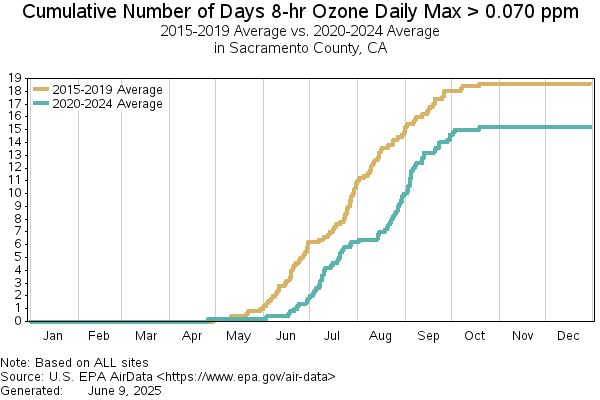
Sacramento County is home to more than 1.6 million people, making air quality an important public health issue. Thanks to regional collaboration, investment in cleaner technologies and policy leadership our region has made significant progress improving air quality, even as the region’s population, economic activity, and vehicle traffic have increased significantly. However, challenges remain with ozone and fine particle pollution. A strong air monitoring network is essential for tracking progress, identifying areas for improvement, and ensuring accountability. Importantly, the network provides evidence necessary for the region to retain eligibility for federal transportation dollars. Overall, Sacramento County showed improvement in ozone pollution, with the number of exceedance days dropping from 18 to 15 per year.
| |
The assessment used a range of evaluation methods set forth by EPA’s guidance and tools for evaluating an air monitoring network, from geographic coverage and population served to pollutant concentrations and the impact of removing monitors from the network. The outcome includes data-driven recommendations to improve the network’s efficiency and reach, such as installing new equipment and adjusting monitoring sites where needed.
To learn more about the 2025 Annual Monitoring Network Plan and 5-Year Network Assessment and what it means for Sacramento County, please visit www.AirQuality.org.
| | |
Powering Clean Air and Rural Economic Growth – Biomass Legislative Days at the Capitol
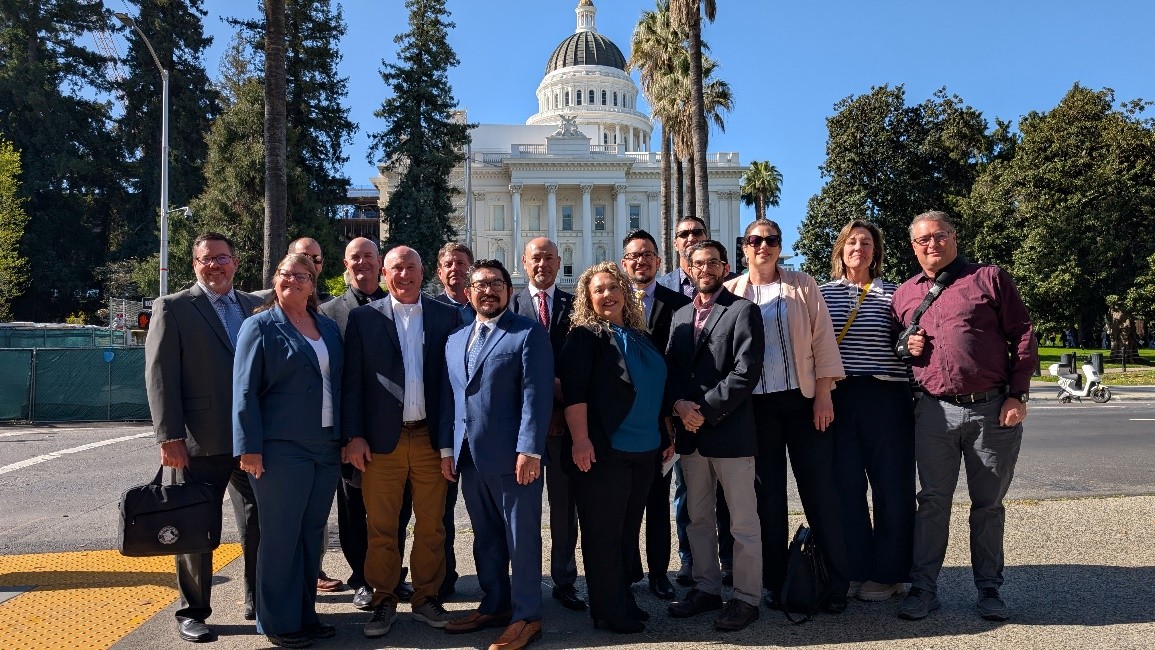
In April, the Air District joined other Sacramento Valley Basinwide Air Pollution Control Council (BCC) members at the State Capitol for the BCC Biomass Legislative Event. The event focused on sharing with legislators and state policy leaders the opportunities and potential of biomass utilization in the Sacramento Valley Air Basin.
Representing an 11-county region with a population of approximately 3 million, the BCC plays a vital role in managing agricultural burning and advancing sustainable clean air strategies. The Sacramento Valley region generates significant volumes of agricultural biomass that can be transformed into valuable resources like bioenergy, biofuels, and bioproducts instead of being burned. This process supports cleaner air while fostering economic development in rural communities.
The event successfully raised awareness among elected officials and key decision-makers about the benefits of biomass utilization and laid important groundwork for future legislative support of advanced biomass technologies. A highlight of the day was the display of Caribou Fuels’ mobile biomass-to-biofuels Gasifier, a device that converts without combustion solid biomass into gaseous fuel. The demonstrations offered a real-world example of how agricultural biomass can be converted into clean energy and other useful bioproducts like biochar using scalable, affordable existing technology.
This outreach helped position biomass as a meaningful part of both the clean energy transition and air quality conversation. The Air District and BCC will continue engaging with state leaders and stakeholders to encourage policies that support renewable energy solutions and improved air quality in the Sacramento region. Ongoing efforts will focus on developing legislation and funding opportunities to accelerate biomass technology adoption and strengthen the region’s leadership in sustainable energy innovation.
| | Cap-to-Cap 2025: From Sacramento to D.C.
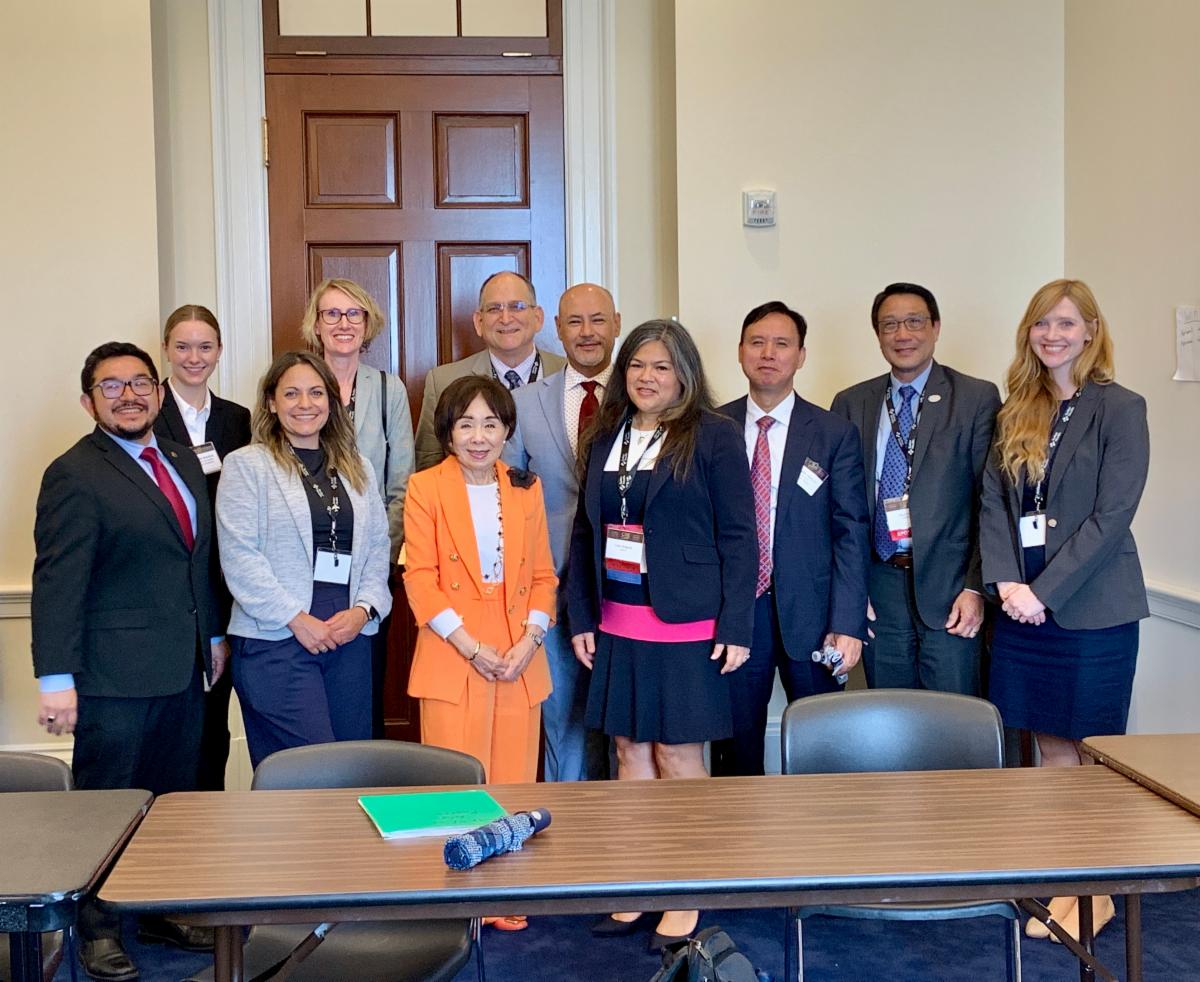
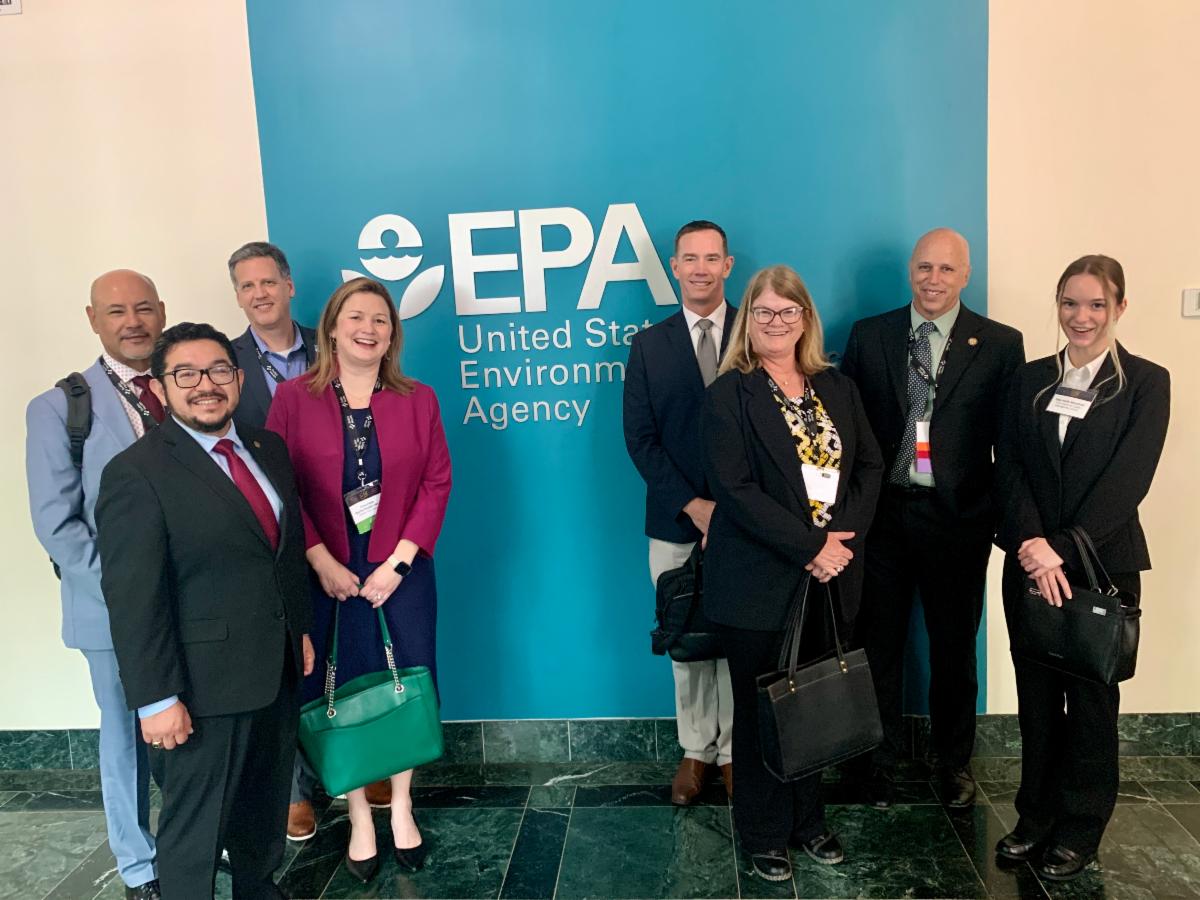
Advancing Clean Air, Infrastructure Investment, and Biomass Innovation | | The Cap-to-Cap Clean Air Team meets with Congresswoman Doris Matsui and EPA officials during its visit to Washington D.C. | | |
With record-breaking attendance and a unified message, this year’s Cap-to-Cap marked a major milestone in Sacramento’s regional advocacy efforts. As the nation’s largest and longest-standing chamber-led delegation, the 2025 trip brought together over 450 attendees from across the six-county region. Together, they delivered a powerful, coordinated voice to Washington, D.C., advocating for cleaner air, more resilient infrastructure, and an economy that supports the entire region.
The Air Quality Team emphasized the vital connection between public health, air quality, and economic opportunity. Their advocacy centered on three key goals:
- Advancing biomass innovation to support rural job creation and renewable energy
- Accelerating clean energy incentives to boost energy independence
- Maintaining critical funding for local agencies and businesses working to improve air quality
The team emphasized that clean air is not just an environmental issue. It is also a public health and economic imperative for the Sacramento region. Cleaner air strengthens workforce health, reduces healthcare costs, and lays the foundation for long-term regional prosperity.
The Transportation Team consistently champions federal support to enhance the Sacramento region’s infrastructure, a critical foundation for economic sustainability. This year, the team traveled to D.C. with five clear priorities aimed at strengthening both infrastructure and regional competitiveness.
- Support for a multi-year federal transportation reauthorization bill focused on infrastructure renewal, safety, passenger rail, and transit operations
- Investment in goods movement infrastructure to improve job access, economic competitiveness, and supply chain efficiency
- Infrastructure funding to support housing and economic development
- Rural connectivity linking agricultural and tourism hubs with major economic centers like the Bay Area and Reno
- Transportation safety improvements across all modes
They met with several members of Congress, U.S. Senators, Congressional committees, and federal agencies. Discussions revealed broad support for traditional infrastructure investment and roadway repair, along with a growing enthusiasm for hydrogen infrastructure.
A major takeaway from this year’s delegation is that local voices truly matter, and it’s vital for community members to share real-world experiences with their representatives to help lawmakers understand how funding gaps are affecting essential local projects. When local needs and stories are brought to the national stage, they shape federal priorities in ways that can directly benefit the Sacramento region.
Cap-to-Cap Issues papers are available at https://capmaterials.org/#papers.
| | |
Air Quality Avengers Unite! CERP Workgroups Craft Air Quality Strategies
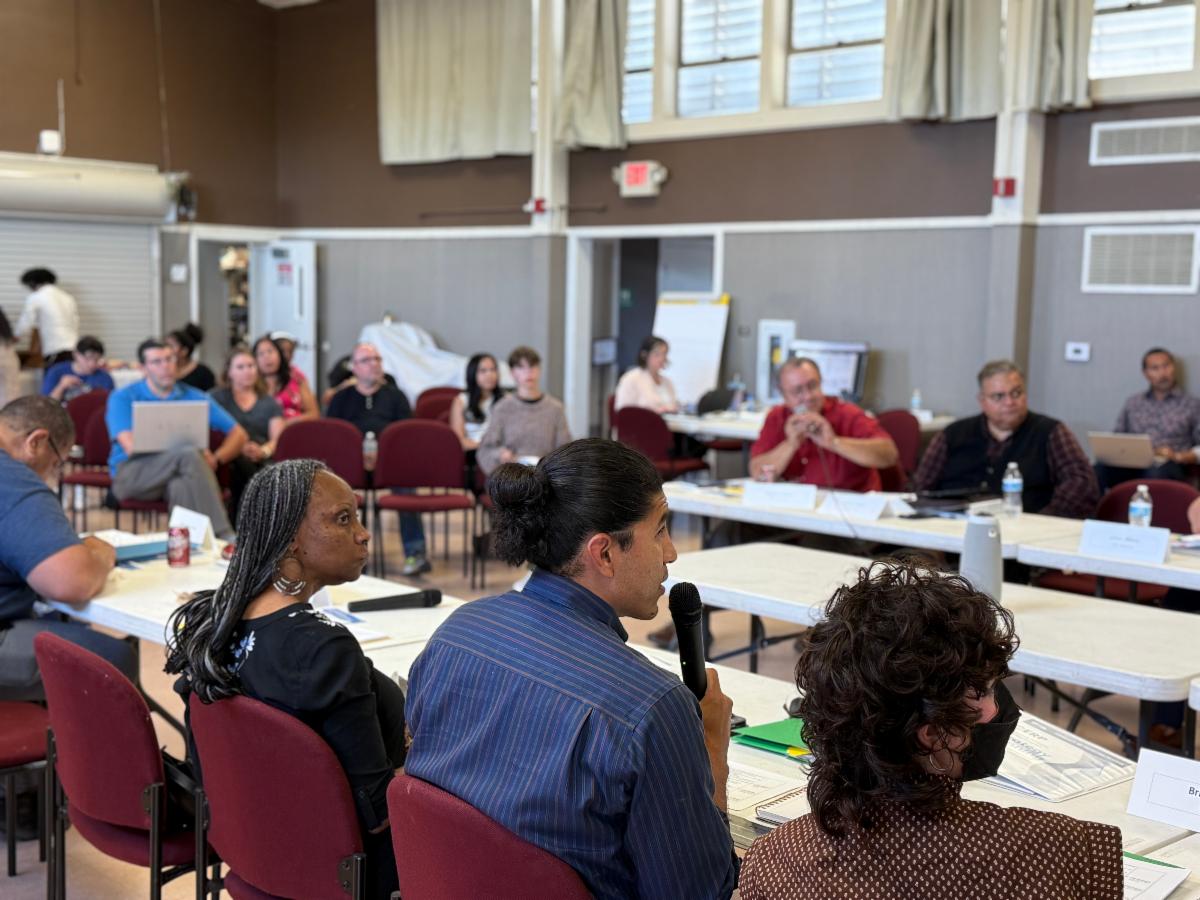
The Community Emissions Reduction Plan (CERP) development process has officially entered its strategy-building phase. Over the past few months, Community Steering Committee (CSC) members have rolled up their sleeves and split into three workgroups — Urban Planning and Mobile, Commercial, and Residential — to begin developing targeted strategies that address the community’s top air pollution concerns. To keep things engaging, each team selected an Avengers-themed mascot, adding a fun and creative twist to their serious mission for cleaner air.
Adopted in 2017, Assembly Bill 617 – Community Air Protection requires identified communities like South Sacramento-Florin to develop and implement a CERP.
Meanwhile, the CERP Outreach Subcommittee has partnered with Air District staff to create community outreach and exposure reduction strategies designed to raise awareness and support meaningful public engagement as the plan takes shape. Their efforts include developing approaches for attending outreach events, improving public awareness of the Air District’s complaint process, and promoting air quality education in schools.
To support this work, Air District staff introduced a user-friendly strategy development form to help CSC members turn their ideas into clear, actionable proposals. The form serves as a blueprint, helping make the technical process of strategy development more approachable and efficient.
The strategy phase officially kicked off in April with an overview presentation from the AB 617 team, which walked CSC members through how to use the new strategy development form and outlined expectations for the months ahead. That same meeting featured the first breakout sessions, where workgroups immediately began drafting strategies tailored to their focus areas.
By June, CSC members added new tools to their toolkit by learning how incentive funding could help bring their strategies to life. During ongoing breakout sessions, workgroups continued refining their ideas, crafting strategies such as increasing urban canopy, expanding green spaces, improving indoor air quality, and offering incentives for small businesses.
June also marked another milestone, as the CSC convened in person at the Air District office for the first time. It was a fitting setting for the critical work ahead. With final breakout sessions underway, teams began putting the finishing touches on strategies that may help shape the final CERP.
To support in-person participation, the Air District now offers transportation assistance for CSC members through its Uber Business account. Members can simply call ahead of a meeting to request a ride, and staff will arrange round-trip transportation to and from the meeting location. This service helps reduce transportation barriers and ensures more members can actively engage in these important discussions.
Looking ahead, each workgroup will present its proposals to the full committee for review. Together, CSC members will decide which strategies to advance for feasibility assessment and further refinement with Air District staff. As part of this next phase, staff will evaluate each proposal and may suggest adjustments to strengthen impact, align with available resources, or overcome implementation challenges.
The momentum is building, and the Air Quality Avengers aren’t done yet. Stay tuned as they continue their mission to clear the air, one strategy at a time.
| | |
Breathe Easier with Spare The Air’s New Air Alert System
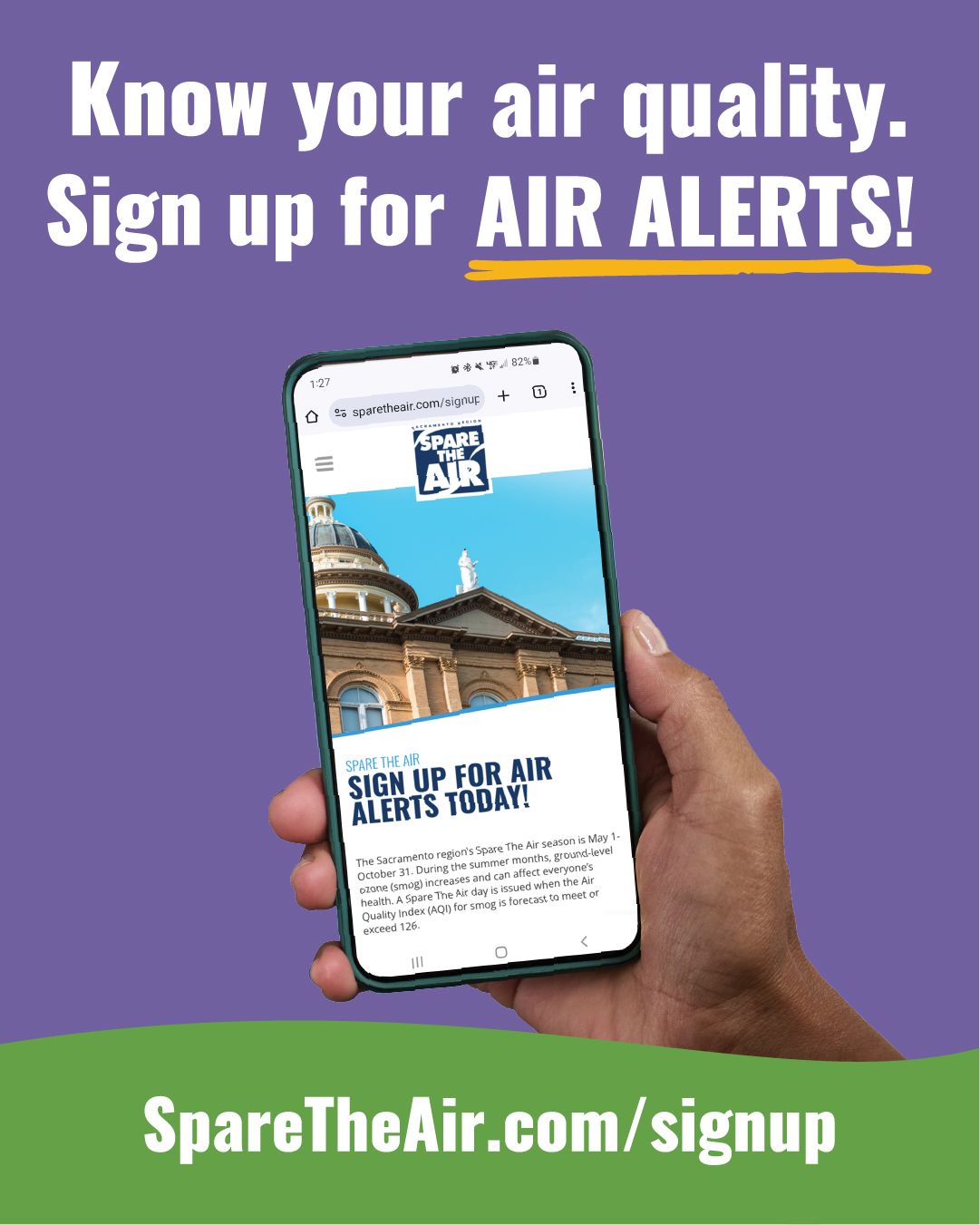
The Sac Metro Air District and the air districts of the Sacramento region launched a new Air Alert system for the Sacramento Region’s Spare The Air program. To receive daily air quality forecasts and Spare The Air day alerts, you’ll need to subscribe to the new system.
During Spare The Air season, from May 1 through October 31, alerts are issued when ground-level ozone (smog) is forecast to hit AQI 126 or higher. When you receive an alert, be sure to help Spare The Air by driving gas-powered vehicles less.
Make sure you receive the most up-to-date info by opting in to receive:
- Daily air quality forecasts and Spare The Air alerts by email
- Spare The Air alerts by SMS text message
Whether you’ve signed up before or you’re brand new to the program, this is your chance to help our region reduce air pollution while protecting your health when air quality is poor.
Sign up today at SpareTheAir.com/signup.
| | |
Air District Expertise in the Spotlight
Air District leadership and staff regularly speak on panels, forums, and at meetings on a variety of air quality and climate issues as experts in their fields. Here is a roundup of recent and upcoming speaking engagements featuring Air District participants.
Past Events
-
California Environmental Health Association (March 1, 2025): Program Supervisor Ashley Reynolds spoke at an educational and networking event hosted by the Superior Chapter of the California Environmental Health Association (CEHA). Her presentation offered an overview of the Air District’s mission to protect public health and a closer look at how the Compliance Division supports regional air quality and health goals. CEHA is a nonprofit dedicated to advancing the environmental health profession through continuing education and professional connections.
-
SF Climate Week (April 22, 2025): Associate Air Quality Specialist Victoria Peña spoke on a panel titled “Can Hydrogen Solve the Energy Needs of Power–Intensive Industries Today” at SF Climate Week, a community-driven series of events focused on advancing climate solutions. She highlighted the importance of grid resilience, the challenges industries face in accessing sustainable energy, and the opportunities and concerns tied to adopting green energy technologies.
-
NACAA Spring Membership Meeting (May 13–15, 2025): APCO Dr. Alberto Ayala moderated a panel entitled “Learning from the Lone Star Locals,” which featured leaders from agencies across Texas, including Houston, Harris County, Galveston County, and Austin. Through thoughtful questions and engaged facilitation, he helped surface key insights on local air quality challenges and community-driven solutions, offering valuable takeaways for attendees.
-
Mitra EV Ribbon Cutting (May 15, 2025): Transportation and Climate Change Program Manager Paul Philley joined Aztec Solar, Sierra Pacific, and local leaders to celebrate the first two MITRA EV charging locations. The new hubs are designed to make it easier and more affordable for small business fleets to go electric. The event received local media coverage from ABC10.
-
City of Sacramento Planning Academy (May 15, 2025): Transportation and Climate Change Division Manager Jaime Lemus spoke during “Meet the Air Districts,” a featured session within the City of Sacramento’s Planning Academy. The session focused on funding strategies for clean transportation and regional collaboration. He outlined available opportunities and shared practical examples of how to combine resources, such as CALSTART programs, LCFS credits, tax incentives, and 0% interest loans to help reduce project costs and support local electrification efforts.
-
CA Hydrogen Leadership Summit (June 3-4, 2025): APCO Dr. Alberto Ayala helped kick off the summit by delivering welcome remarks and later participated in a panel titled “How Will California Maintain Air Quality with Hydrogen.” Joined by executive officers from the state’s largest air districts, Dr. Ayala shared insights on how hydrogen can support local air quality goals, the importance of technology neutrality in climate policy, and the need for clear metrics like well-to-wheel carbon intensity. He also addressed the regulatory and infrastructure challenges air districts face and emphasized what state agencies and legislators should understand about hydrogen’s evolving role in meeting California’s climate and air quality targets.
-
State of California Interagency Hydrogen Strategy Convening (June 5, 2025): APCO Dr. Alberto Ayala, City of Sacramento Councilmember and member of the Air District’s Board of Directors Eric Guerra, and District staff participated in a day-long strategy discussion hosted by the Governor’s Office of Business and Economic Development (Go-Biz). The convening brought 100 participants spanning several local and state agencies including CEC, CalSTA, Caltrans, CPUC, CDFA, CalFire, CalRecycle, DOC, CARB, DGS, and Go-Biz. The gathering was a step towards a coordinated approach to shape California’s hydrogen future. The day included discussion of ARCHES’ ecosystem and modeling plans, updates from state agencies' current and future hydrogen work, and a regional hydrogen leadership panel laid a strong foundation for collaborative breakout discussions in the afternoon. Topics included scaling demand, increasing low carbon hydrogen production, preparing systems for scaled adoption, and strengthening stakeholder engagement and workforce development.
-
BCC Biomass Energy Colusa Field Trip (June 6, 2025): APCO Dr. Alberto Ayala and District staff joined members of the Sacramento Valley Basinwide Air Pollution Control Council (BCC), led by its current Board Chair, Sacramento Councilmember Eric Guerra, on a site visit of two biomass facilities in Williams, Colusa County. The first is Wadham Energy LP, a conventional biomass energy plant turning rice hulls into electricity. The second facility is Aymium, a brand-new venture slated to become operational late this summer. Using pyrolysis and advanced emission controls, the facility turns orchard prunings into carbon-negative biocarbon for use in sustainable steel production in Asia. Organized by the Council’s Technical Advisory Committee, the visit offered attendees an inside look at facility operations and the role biomass should play in supporting regional air quality goals and Northern California’s clean energy.
Upcoming Events
-
Smithsonian Folklife Festival (July 2–7, 2025): The Sacramento Academic and Vocational Academy’s custom-built EV lowrider, a project supported by the Air District, will be showcased on the National Mall in Washington, D.C., as part of “Youth and the Future of Culture.” The lowrider, an example of innovation and cultural expression, highlights how clean transportation enabled by electric vehicles can connect with youth, art, education, and community identity. Youth and the Future of Culture features youth-centered projects, organizations, and individuals who are driving change, sparking new ideas, and addressing today’s most pressing challenges.
Research and Publications
-
The importance of robust vehicle emission control: APCO Dr. Alberto Ayala, in collaboration with expert colleagues from Australia, the Netherlands, and Belgium, recently published a manuscript in the journal Sustainability examining the reasons for excess pollution from vehicles and what to do about it. Access the paper here: https://www.mdpi.com/2071-1050/17/12/5362
| | |
Association of Environmental Professionals (AEP) Public Involvement Education Program Merit Award
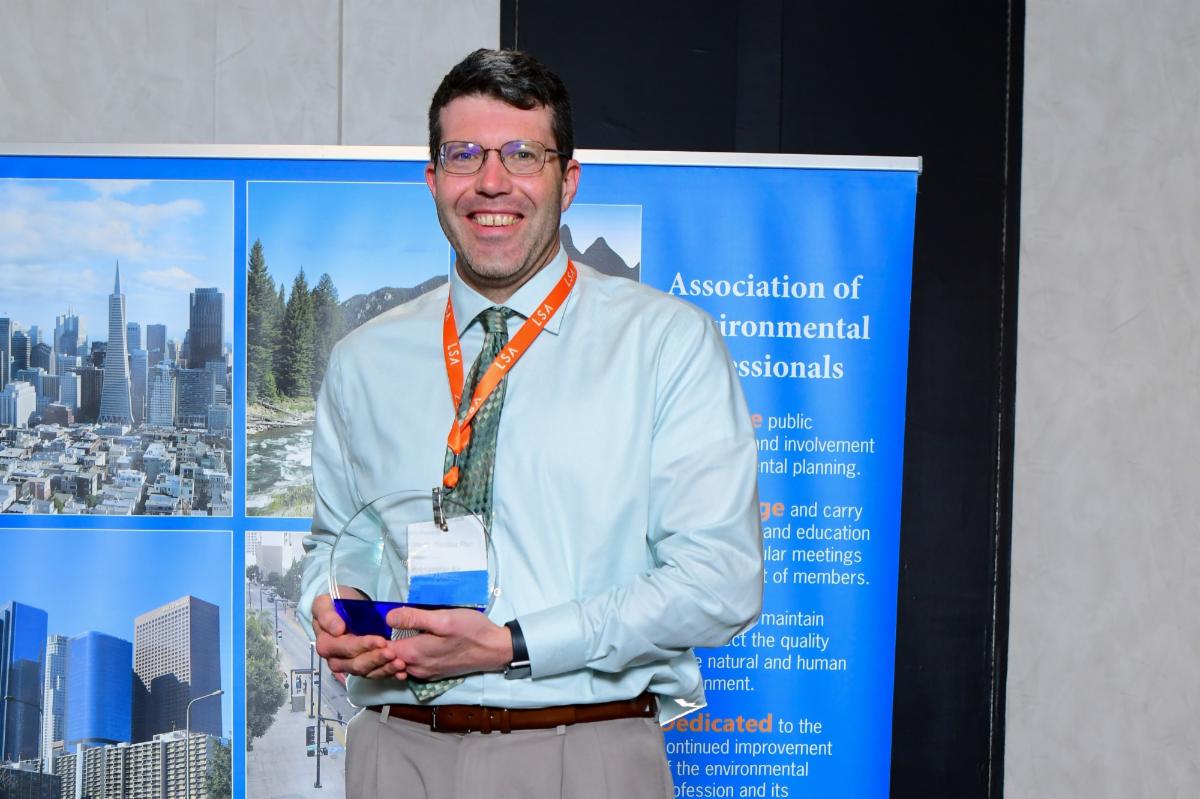
Transportation and Climate Change Program Manager Paul Philley, Climate Coordinator Brianna Moland, and their team accepted the AEP Public Involvement Education Program Merit Award on behalf of the Air District for their work on the Capital Region Climate Priorities Plan. This seven-county climate action plan, developed for the EPA’s Climate Pollution Reduction Grants program, was shaped by a robust community outreach campaign that prioritized engagement with historically hard-to-reach communities.
| | Paul Philley accepts the award on behalf of the Air District. | | | | |