FocalPoint Partnerships

Pennsylvania Issue | January 2026

Volume 10, Issue 3

AI Is Changing Work and Older Women Are Feeling the Impact

Artificial Intelligence (AI) has quickly changed how organizations hire, train, and develop employees. Resume screeners, applicant tracking systems, and automated training tools are now common. While these systems are meant to make work easier, they can also quietly reinforce age and gender bias, especially for older women.


Many AI tools are trained on past hiring data. That data often reflects workplace trends where women and older workers were overlooked or judged differently. As a result, AI may favor certain keywords, job histories, or career paths, while disadvantaging others. Older women are particularly affected when career breaks for caregiving, part-time work, or nonlinear careers are treated as red flags instead of experience.


Research from Stanford Graduate School of Business highlights this issue. In one study, AI systems created resumes from the same qualifications but portrayed women as younger and less experienced, while older men received stronger evaluations. When these tools shape hiring, promotions, or training access, bias can spread without anyone realizing it.


AI impacts workers of all ages, but it doesn’t have to deepen existing gaps. Keeping people involved in decisions, reviewing tools for bias, and expanding access to training can help ensure AI supports, rather than sidelines, older women in the workforce.


Source: Stanford Graduate School of Business

Bridging the Generational Gap in the Workplace

In this TEDx talk, Mitch Lomazov explores how generational differences shape the workplace and offers practical insights for bridging those gaps. Drawing from personal experience and workplace examples, he highlights the value that each generation brings and emphasizes the importance of understanding, empathy, and clear communication for stronger collaboration across age groups.

Building Confidence at Any Age

Personal development doesn’t stop at a certain age. In fact, many older adults bring a depth of experience that younger workers are still building. Yet confidence can take a hit over time, especially after job loss, career change or time away from the workforce. Feelings like self-doubt or imposter syndrome are more common than many people realize.


Imposter syndrome often shows up as hesitation. It may look like holding back in conversations, questioning your skills, or feeling unsure about stepping into something new. Research shows that these feelings can affect adults at any age and may persist even after years of success. Recognizing self-doubt for what it is can be the first step toward rebuilding confidence.


Confidence grows through action. Practicing communication skills, preparing how you talk about your experience, and speaking up in everyday situations all help strengthen self-belief over time. Personal development is not about starting over. It is about building on what you already know and continuing to grow with intention.


Try This  

  • Practice introducing yourself and describing your skills out loud
  • Prepare one example that highlights your experience and strengths
  • Ask one question or share one idea in your next meeting or conversation


Learn more about how MaturityWorks can help you or someone you know restore their confidence and get back into the workforce. Click the button below for more.


Source: Career & Professional Development Western Governors University


Program Success


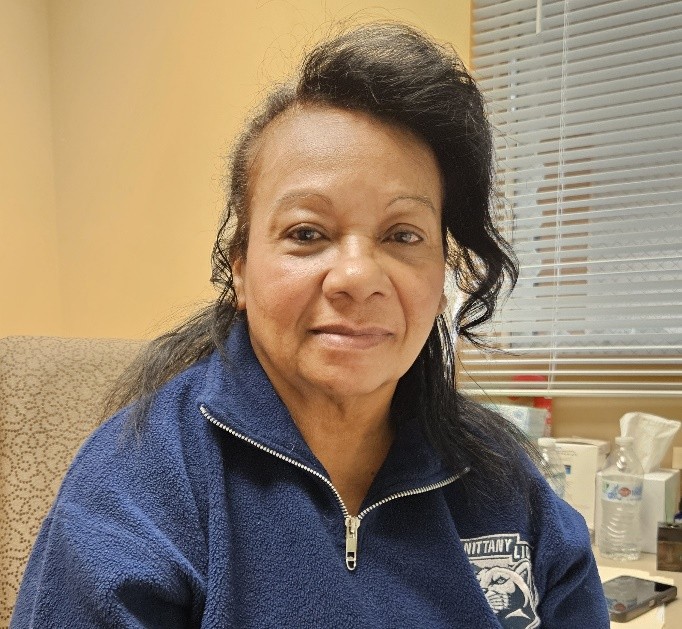
Participant Spotlight: Success in Action


Before enrolling in MaturityWorks, Luz Bernal had been unemployed for several years. Her professional background included office support and caregiving, but after her last office support role ended, she found it increasingly difficult to re-enter the workforce. Despite actively searching for employment, she faced repeated setbacks and limited opportunities.


Through MaturityWorks, Luz worked closely with her career counselor to identify and address these challenges. Together, they focused on strengthening her Microsoft Office skills, expanding her professional network, and rebuilding her confidence.


As part of her training, Luz was placed in an office support role at The Salvation Army in Coatesville, PA, where she gained hands-on administrative experience. Her responsibilities included managing database records, answering and directing phone calls, maintaining files, and handling routine correspondence. In addition, Luz completed targeted training in Microsoft Office and customer service, allowing her skills—and confidence—to steadily grow.


With the support, training, and individualized coaching provided through MaturityWorks, Luz was hired by The Salvation Army as a permanent Administrative Assistant.


Today, Luz is grateful to be back in the workforce and credits the MaturityWorks team for their guidance, encouragement, and belief in her potential. Her success reflects how targeted training and supportive partnerships can open doors to lasting employment.