|
Friends of St. Marks Wildlife Refuge
Reflections Newsletter - August 2025
| | |
Friends President's Message
Text and Photos Courtesy Katasha Cornwell
A Season Of Change at the Refuge
August is a month of transition here at the Refuge. After a long, dry spell, we're finally getting our summer rains, which have been a welcome relief. This shift means our hiking with the dogs is a bit more comfortable as they cool off in the puddles on forest roads. It's also a time of transition for many as vacations wind down and the back-to-school season begins. As you settle into your new routines, look for exciting events coming your way at the Refuge to help ease that change for the kids.
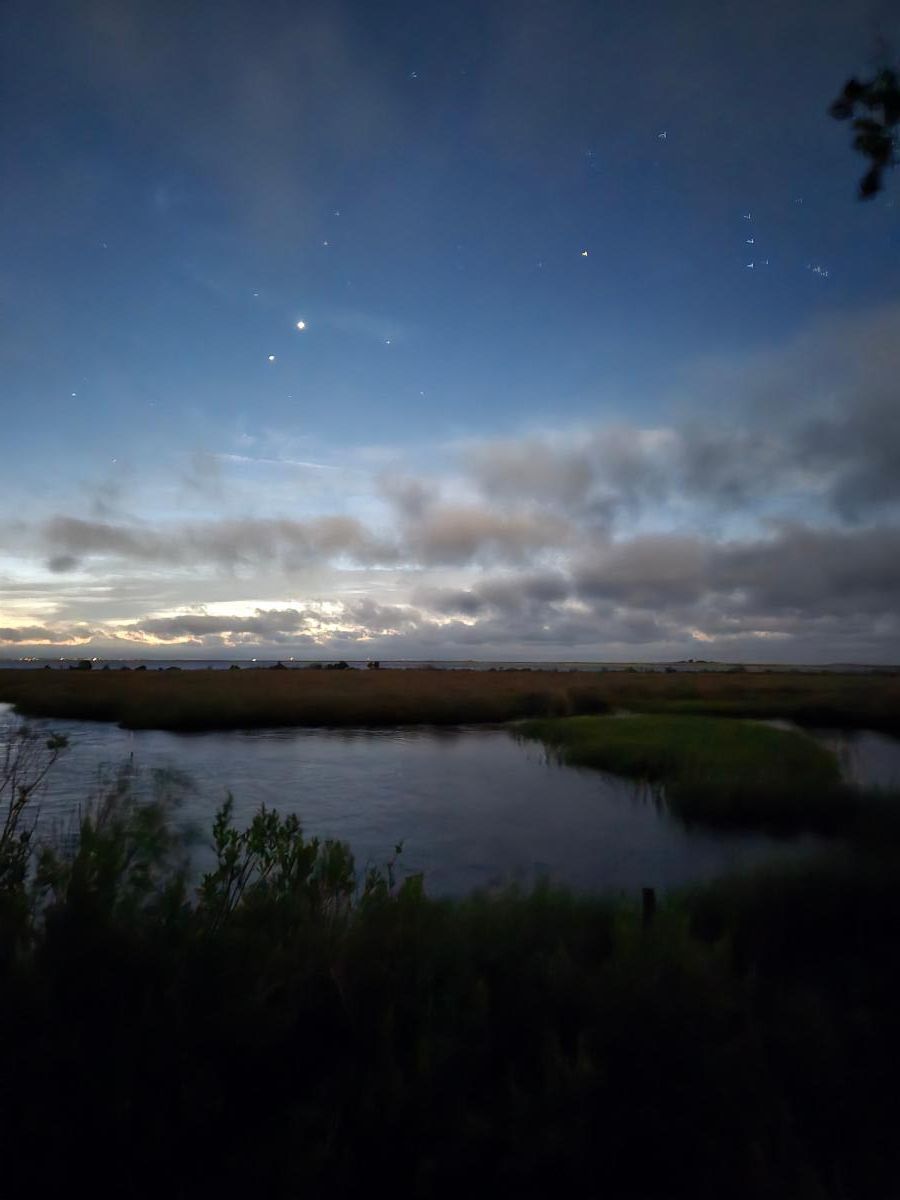
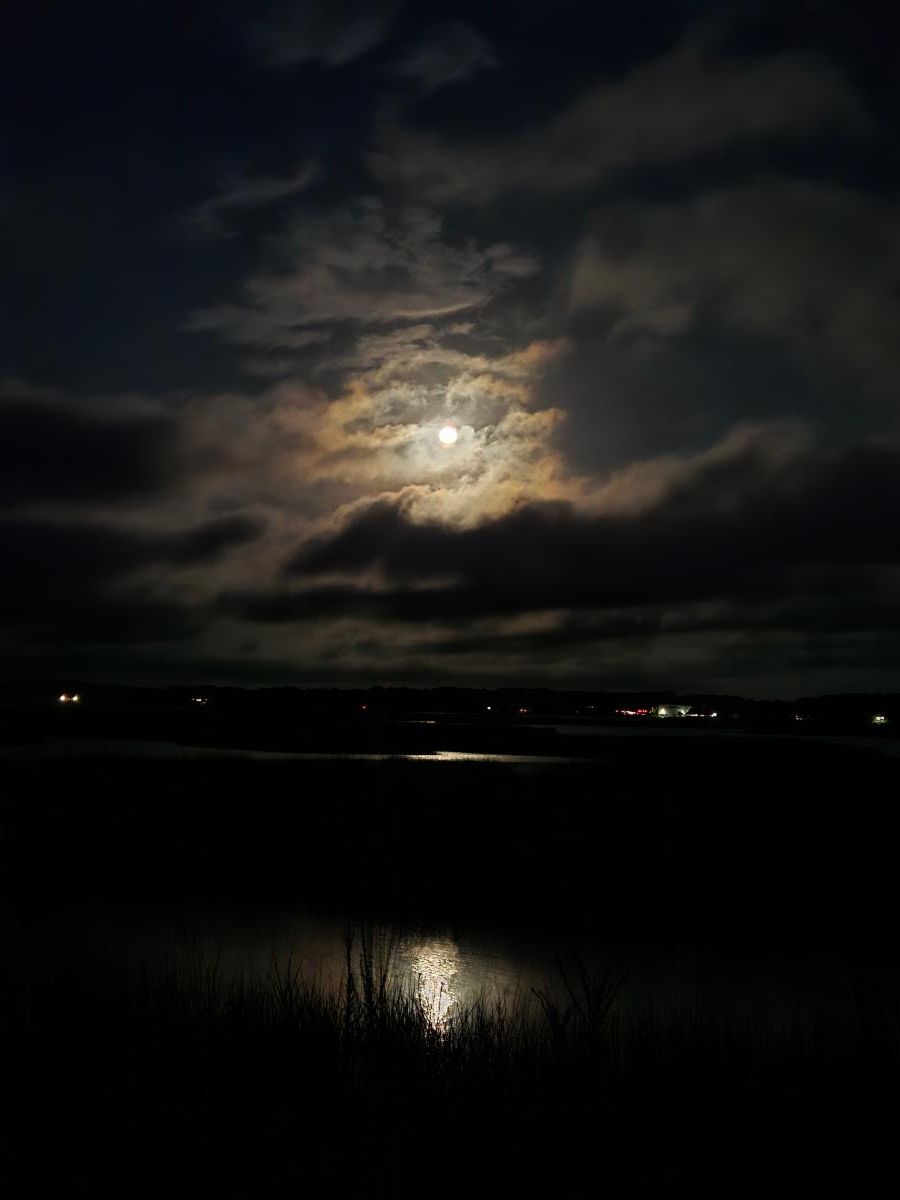
The transitions aren't just on the ground—they're in the sky, too. We recently enjoyed the beautiful conjunction of Venus and Jupiter, where they appeared to be less than a degree apart in the pre-dawn sky. It was a spectacular transition from the celestial event, along with the moon set, to a deep blue-gray, overcast sunrise. The cool breeze on Bottoms Road, along with the cloud cover literally gave me goose bumps in August…how often does that happen?
There's still time to catch the tail end of the Perseid meteor shower. Other planets are also putting on a show: you can spot Saturn from late evening until dawn, while Mars is low in the western sky after sunset. Mercury is also visible low in the eastern sky before sunrise, especially in the second half of the month. Bottoms Road is an excellent spot to park, bring a chair, and watch the sky.
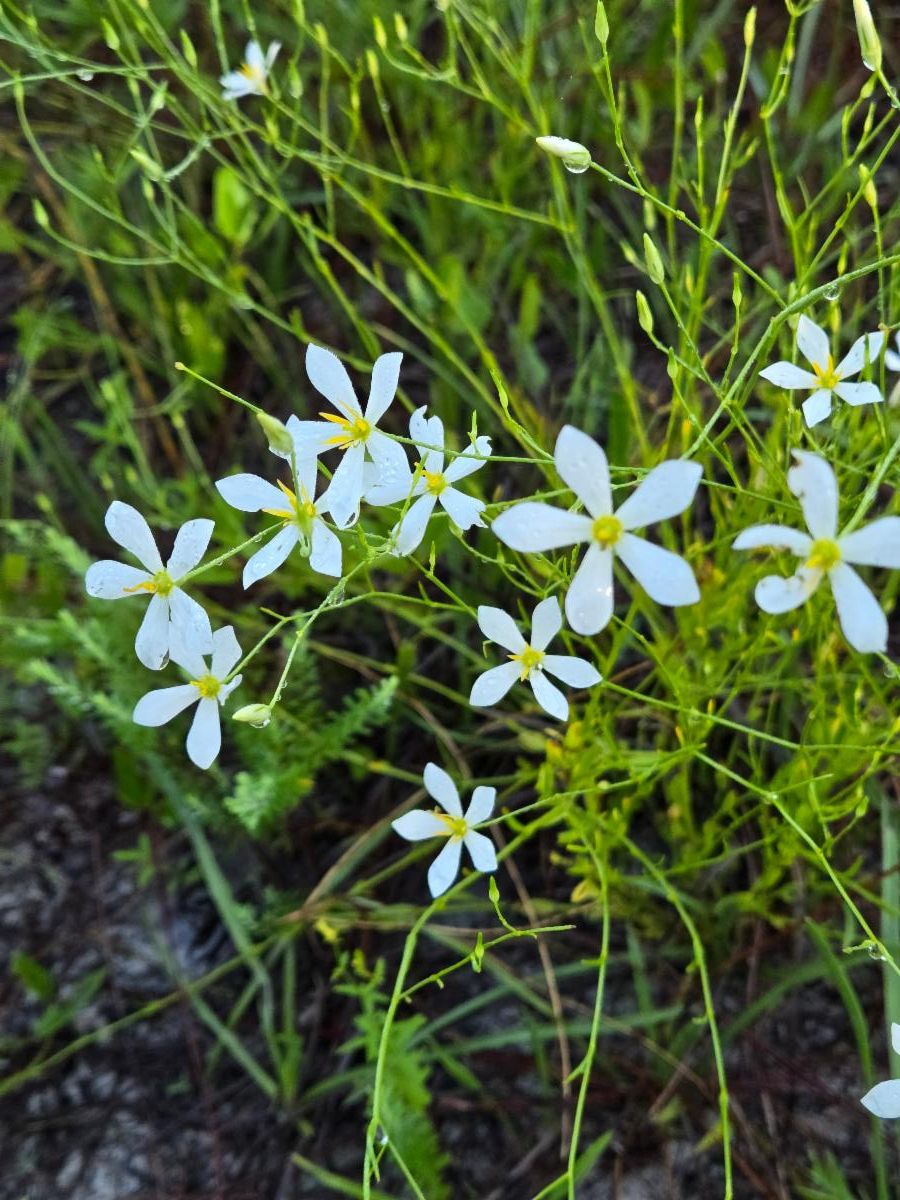
The seasons are also starting to change. While summer officially has over a month left, the flowers in the woods are already transitioning to late-season bloomers like ironweed, one-flower honey-comb head, hammocksweet azalea, and gentians. The last milkweeds are bursting open, creating some nice surprises in the forests. In addition to the flowers, the early migrating birds are beginning their journeys. Look for flocks of kingbirds, which usually gather around late August. I had the pleasure of seeing them a few years ago right off Lighthouse Road. Check BirdCast for the best times to encounter migrants as you plan your trips to the Refuge.
Although fall is still some time away, our Refuge staff and Friends Board are busy planning events for the coming months. Be sure to check this newsletter for upcoming event dates. Invite your friends to become our Friends and join us as we get ready to celebrate another season at the Refuge!
| | |
Refuge Report
Environmental Education Opportunities:
We are gearing up for school groups to start soon along with homeschool programs that will be offered open to all homeschool families to sign up even if they are not in a formal homeschool organization. Continue to check your "This Week at St Marks National Wildlife Refuge" emails for additional opportunities, but here are two coming up soon:
August 25th - 10 AM - 1 PM - Adaptable Animals Homeschool Education Program
Want to learn about the wonderful animals found on St. Marks National Wildlife Refuge and how they are adapted to survive? This program is for you. Hands-on activities for kids of all ages. Please get a ticket for each child you will be bringing to the program. If you have any questions please contact Ranger Nicholson at 850-925-4825 or Lori_Nicholson@fws.gov.
September 4th - 11 AM - 12 PM - Tots on Trails
Tots on Trails is an indoor/outdoor program held on the first Thursday of each month for children 18 months to four years old and their caregivers. Reserve a spot online.
Where You Can Find Us - Tabling Events
First ever Florida Greenways and Recreation Expo: The Florida Department of Environmental Protection's Office of Greenways and Trails, in partnership with the Tallahassee Senior Center (TSC), is hosting this event. It will be held at the Tallahassee Senior Center on September 15, 2025 from 9:30am – 12:30pm. It is intended to educate members of the greater Tallahassee community about nearby outdoor recreation opportunities, support safe recreation practices, promote conservation, and to help connect people with similar interests. Come find the Refuge staff and Friends Group to learn more about your Refuge as well as other recreational opportunities.
21st Annual Blessing of Animals on Saturday October 4, 2025: The event is coordinated by Friends of Florida History, Inc. and supports the educational and community building goals of our historic site. This annual event provides an opportunity for the community to celebrate their pets and enjoy a day at Mission San Luis. The event will be held outdoors at Mission San Luis and run from 10:00 – 2:00. Admission to the site will be free for the duration of the day.
National Wildlife Refuges Week - October 11 - 18
National Wildlife Refuge Week, observed the second full week of October each year, celebrates the great network of lands and waters that conserves and protects Americans’ precious wildlife heritage. In 2025, National Wildlife Refuge Week occurs October 11-18. The week-long celebration kicks off Saturday, October 11, on Urban Wildlife Conservation Day. At refuges that charge an entrance fee, those fees will be waived on Sunday, October 12. At St. Marks, the following events are anticipated. Stay tuned for details through your "This Week at St Marks National Wildlife Refuge" emails.
- Family Fishing Day – Oct. 11 from 10 am – 2 pm.
- Plein Aire watercolor painting class at the lighthouse – Oct. 12.
- Photo Contest on the refuge Facebook page with the skunk ape - Oct 13 - 17
- Night Sky event - Oct 17
- Walk with a Ranger - Oct 18
- Scavenger hunts for youth all week long.
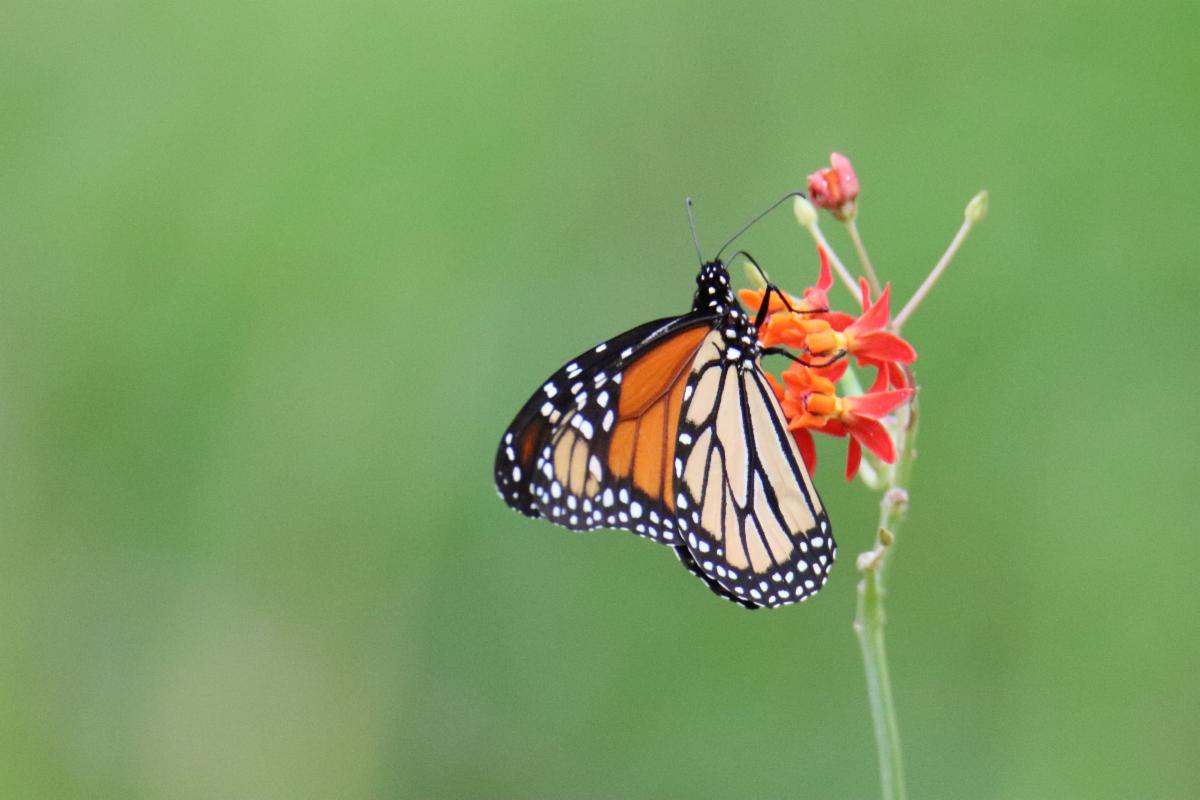
And as always, our world famous Monarch Butterfly Fesitval will be held on October 25th. Check the October newsletter for details.
| | |
Impoundment Management - Part 2
Text and photos courtesy Robin Will, retired Refuge Biologist Joe Reinman and current Refuge Biologist Amanda Bessler
Too much and not enough water makes managing refuge impoundments a constant challenge. With changing weather conditions, it is hard to count on the annual rainy season in early winter to catch and hold water for the spring dry season (April – May). As temperatures climb at that time of year, there is also increased plant transpiration and water evaporation. Storm frequency increases in the summer and early fall, often bringing significant tidal surges from Apalachee Bay up tidal creeks and into refuge pools. In conclusion, there are no guarantees in impoundment conditions! But here is a brief description and what you might expect to find at the following locations as you head from the Visitor Center to the Lighthouse on Lighthouse Road:
| | |
East River Pool – the large pool west of Lighthouse Rd. is a catch basin for freshwater to gravity flood into other pools through culverts controlled by stoplogs in water control structures. This pool is fed by rainwater and two creeks from the Flint Rock area northeast of Lighthouse Rd. through twin concrete bridges under the road. Target wildlife would be diving ducks, wading and shorebirds.
Stoney Bayou Pool #1- across from East River Pool, this impoundment is usually brackish (saltwater water and freshwater mixed). Deeper water is held during the migratory waterfowl season for diving ducks, with drawdowns in warmer months for shorebirds to nest and feed. There are 14 flap gates at the eastern end of the pool to open and move water quickly for drawdowns and for high storm surges.
Wildlife Biologist Amanda Bessler reports that last year this pool was kept drawn down to allow treatment of unwanted freshwater plant species that were taking over the pool and making it difficult for state listed shorebird species to nest. Reducing plants on the mudflats resulted in a much more productive nesting season for shorebirds with no nests lost to wash-overs from heavy rains or tidal surges.
Stoney Bayou Pool #2 – directly east of Stoney Bayou Pool #1, this pool is managed for lower water in the winter for puddle ducks such as mallards, teal, and shovelers. Marsh and wading birds also feed and nest here.
| | |
East Stoney Bayou Pool – for those who have hiked out past Rd. 114, you’ve noticed this marsh which used to be a managed impoundment. The water control structures were opened to tidal flow and the pool returned to natural saltmarsh sometime in the 1960s. There are several low water crossings built into the levee to allow storm surge movement in and out of the marsh.
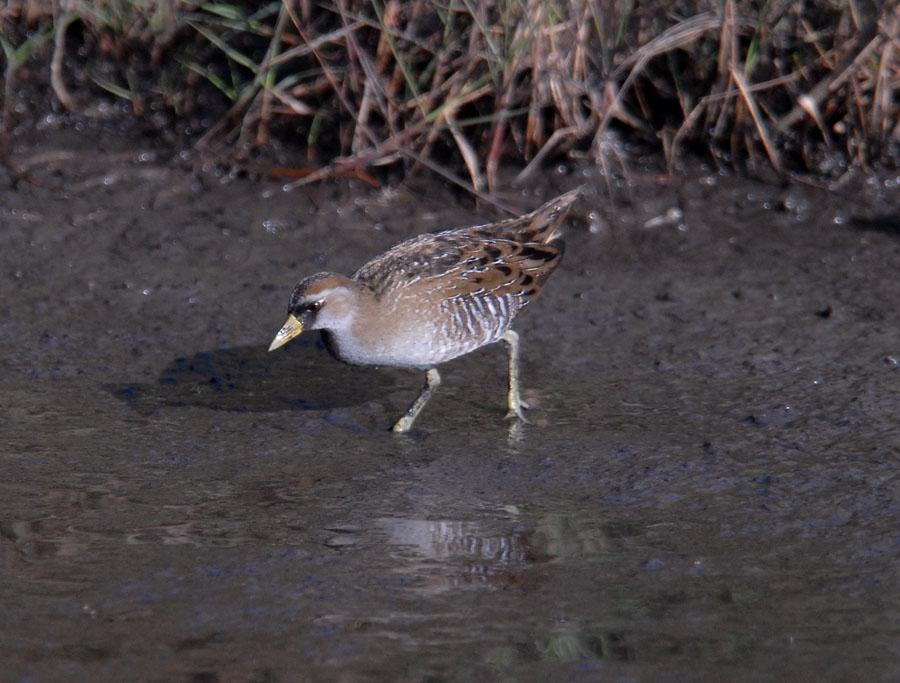
Mounds Pool #1 is directly off Lighthouse Rd. and has had numerous dead snag trees for bird perches throughout the years. It is managed now for black rails and other marsh birds by maintaining lower water levels and allowing regular prescribed burns to enhance habitat.
Mounds Pool #2 is managed similarly to Mounds Pool #1 for marsh birds.
Mounds Pool #3 is drawn down in the winter for puddle ducks but regulating water levels can be challenging due to weather conditions.
Tower Pond is located behind the restrooms and the old fire tower. Water levels are kept higher in the spring to build invertebrates to provide food for shorebirds when water levels are lowered in late summer and into the winter.
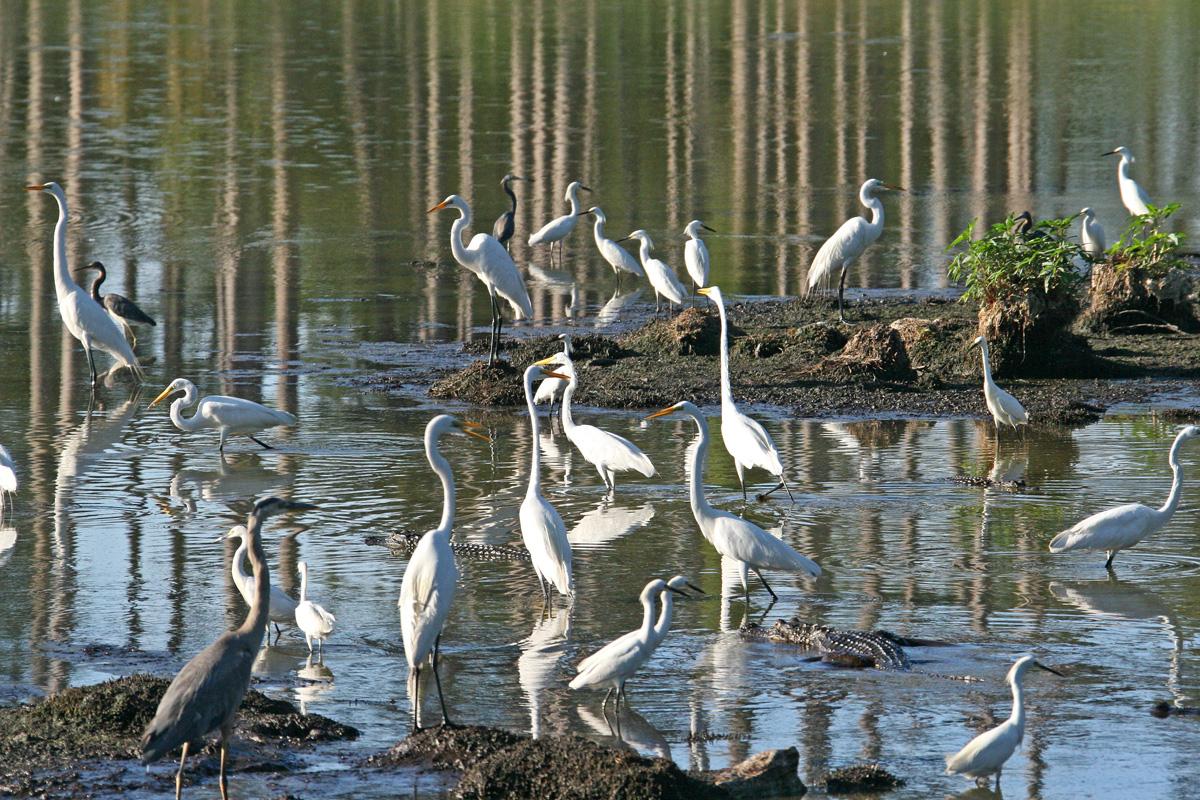
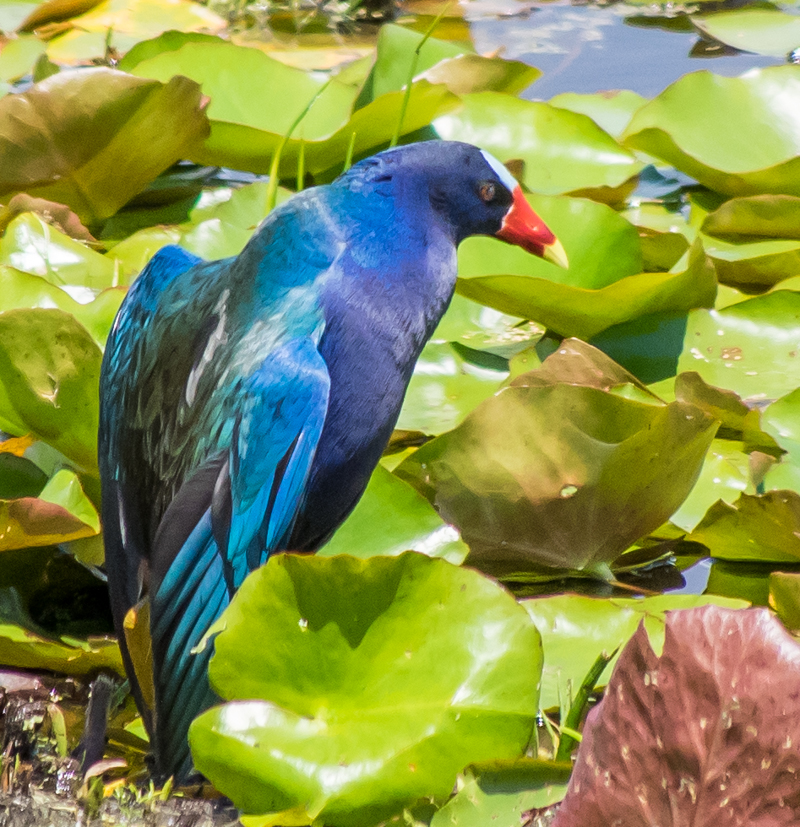
Headquarters Pond also is limited to rainfall and storm surges for input. Cattails are always trying to take over this pool, which has great food and habitat for marsh birds, moorhens, gallinules, night herons and waterfowl.
Picnic Pond water levels are limited to rainfall or storm surges, so it is what it is. You can usually see waterfowl in the winter and marsh birds in the summer.
Lighthouse Pool is only filled by rain or storm surges over the levee. There is an outflow pipe by the levee next to the boat launch parking lot. This pool provides great habitat for wading and marsh birds and waterfowl if there is enough water and food available.
Grab your scope, binos, and bird book (or apps) and come explore the pools to check some new “lifers” off your list!
| | |
Second Sunday
Refuge Talk Series Continues
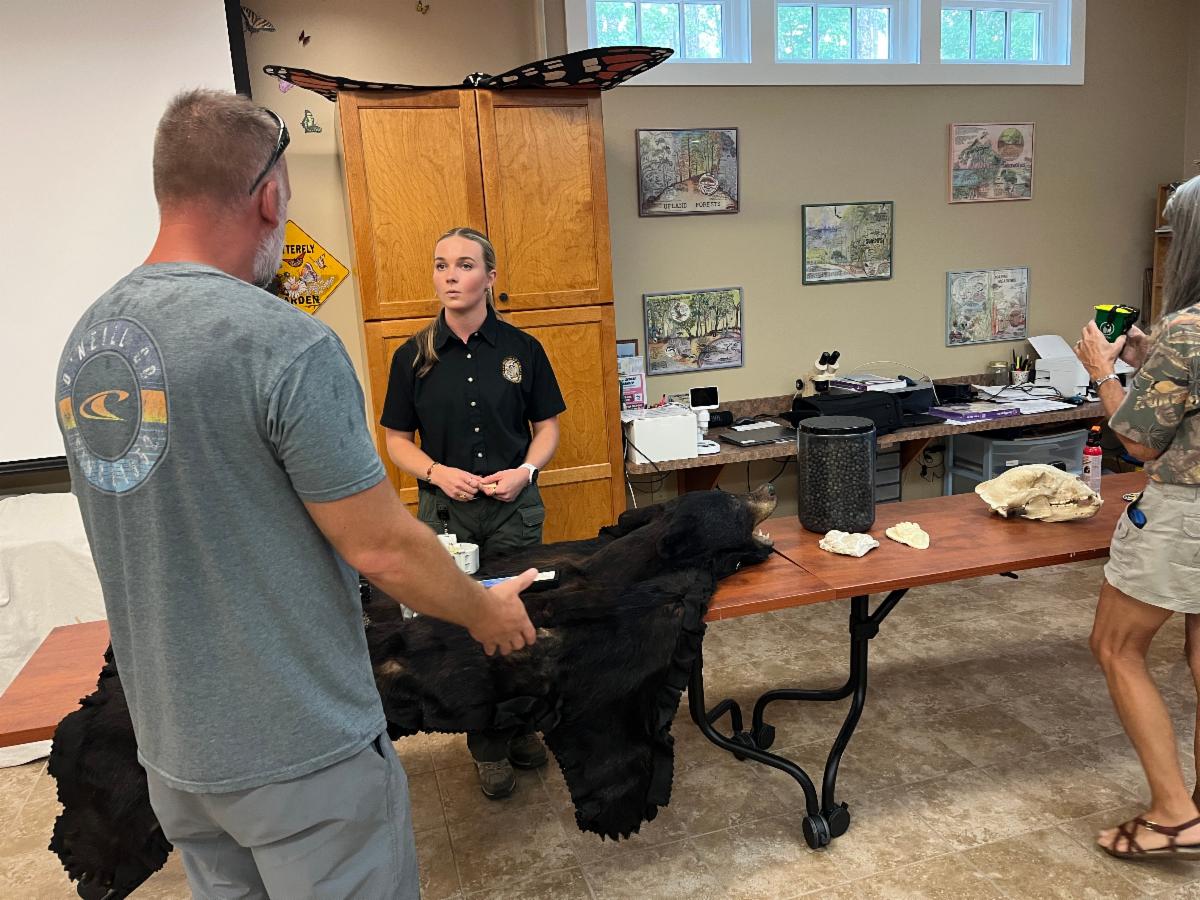
The Refuge's Sunday Talk Series, supported by the Friends, continues to bring "sell out" speakers. Special thanks to the Florida Fish and Wildlife Conservation Commission staff member, Olivia Williams, for her talk about Florida Black Bears earlier this month. We will close out the year with the following events, but rest assured, the team is already planning an amazing lineup for the first half of 2026. So stay tuned for details.
Oct. 12 -Dean and Sally Jue, Butterflies of SMNWR
Nov. 9 - Don Morrow, Waterfowl of SMNWR
December - Break for the Holidays
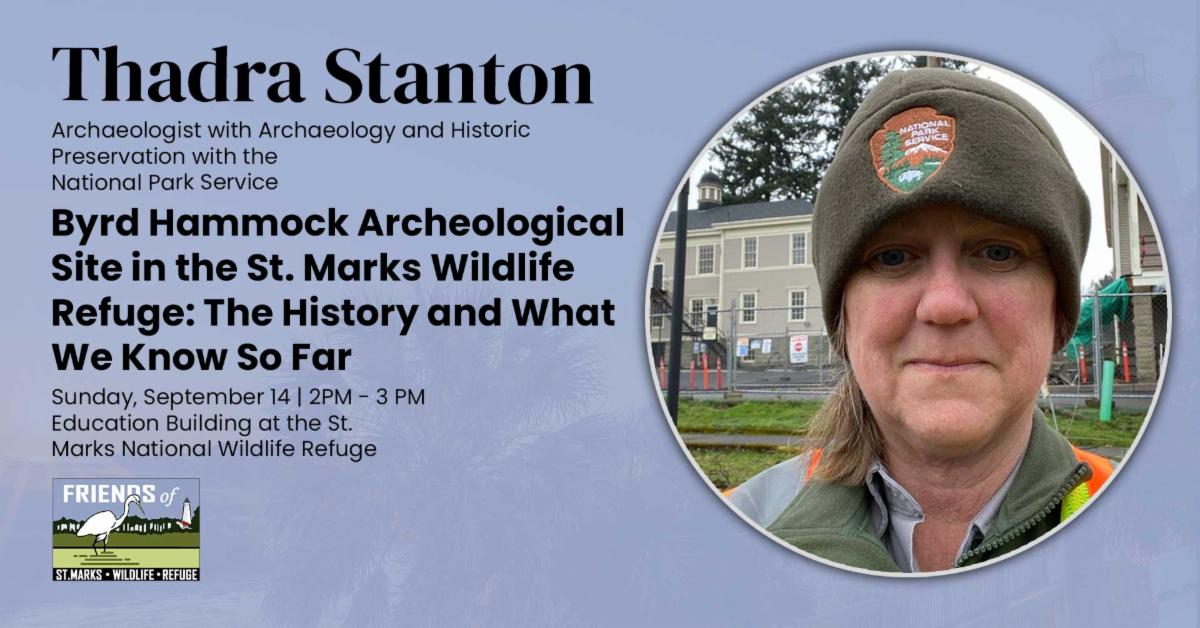
September's Second Sunday Talk, featuring National Park Service's Thadra Stanton, is fully booked. You can register for the waitlist and you'll be notified if a seat becomes available.
| | |
Hunting Milkweeds
Text and photos courtesy Katasha Cornwell
For my husband and me, "hunting" milkweeds has become a true passion. Whether we're hiking the trails or driving along the backroads of our biodiverse state, we're always on the lookout for these special plants. We have been fortunate to find many populations, from just a few stems to hundreds, on our own property and throughout various public lands, especially within the Refuge. I have lost count of how many different species we have encountered.
| |
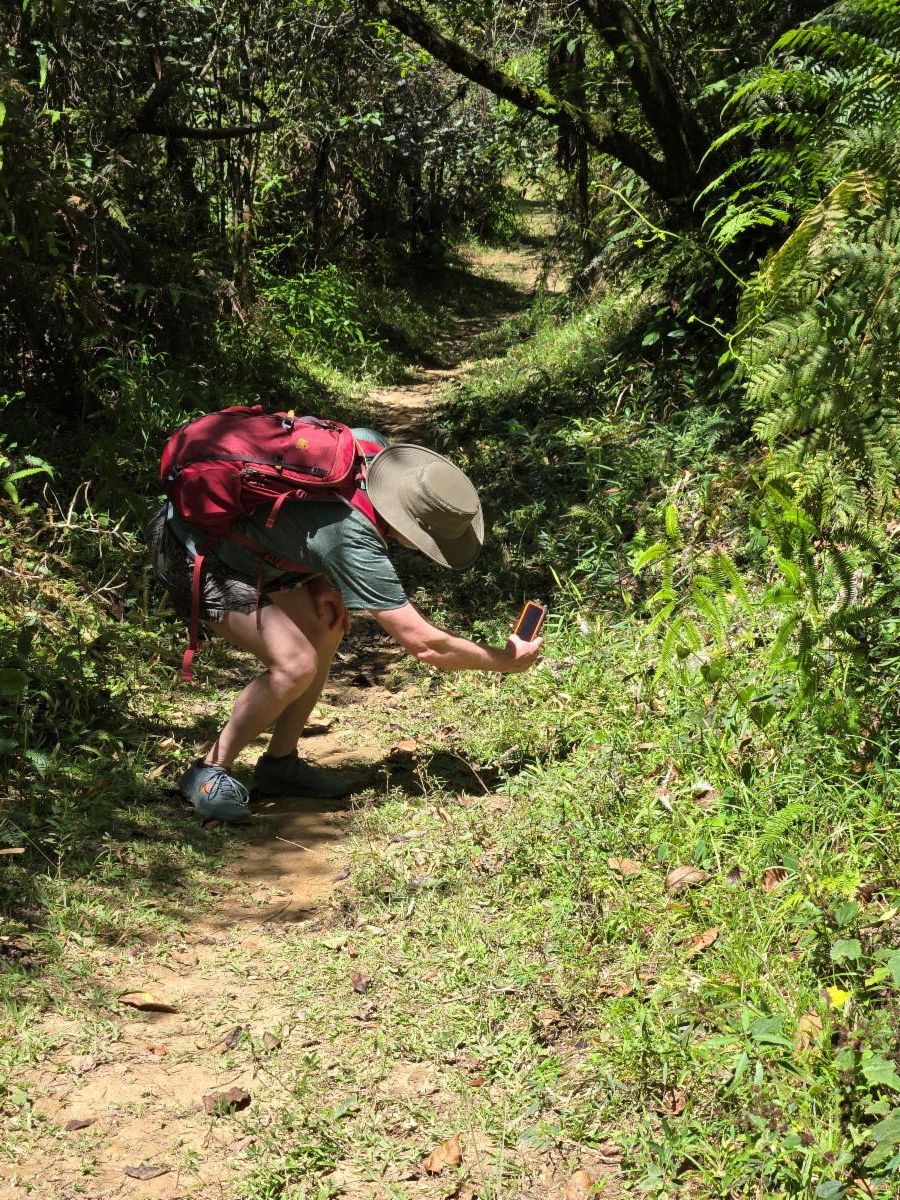
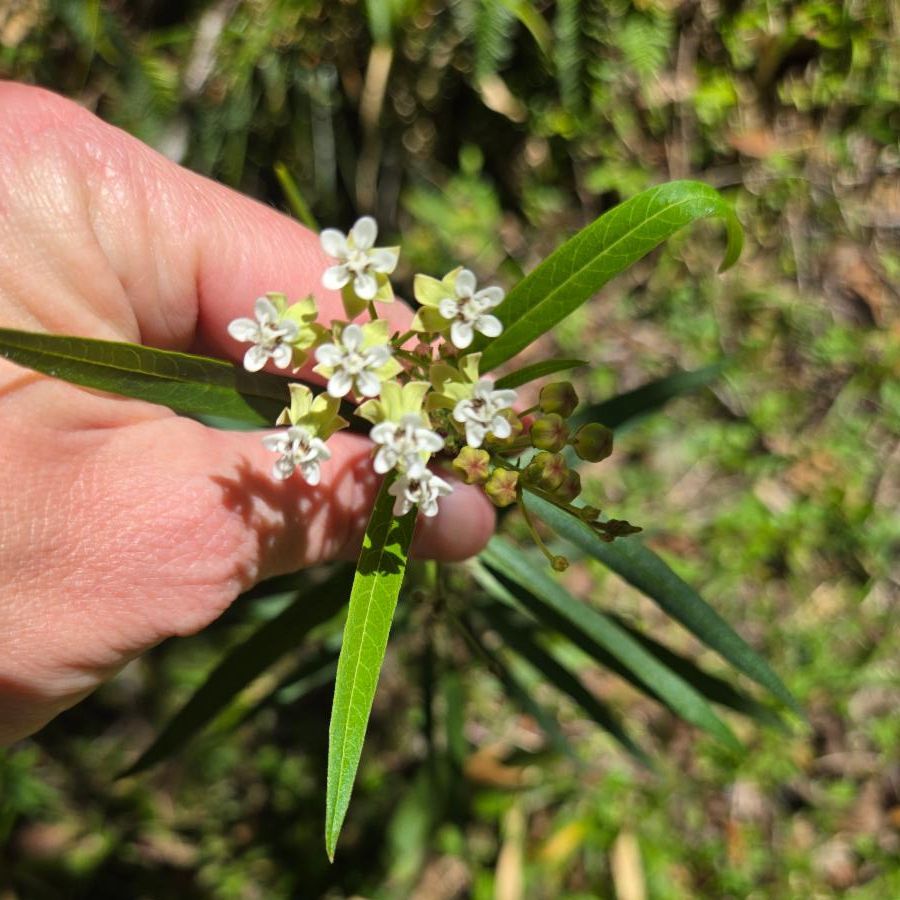
Our quest isn't limited to our home state; we plot milkweed sightings wherever we travel. This year, during our first visit to the Dominican Republic, our “milkweed radar” was on high alert. Even after a tense encounter with an armed guard, we were rewarded with a surprise find: Caribbean milkweed (photo left) growing at the mountaintop reserve we were there to hike!
My husband tends to have a sixth sense for these plants, and we've both honed our eyes to focus on these extraordinary finds. Despite all our discoveries, one particular species had escaped our radar for some time—until just a couple of weeks ago. So let me introduce you to Asclepias tomentosa and happy hunting!
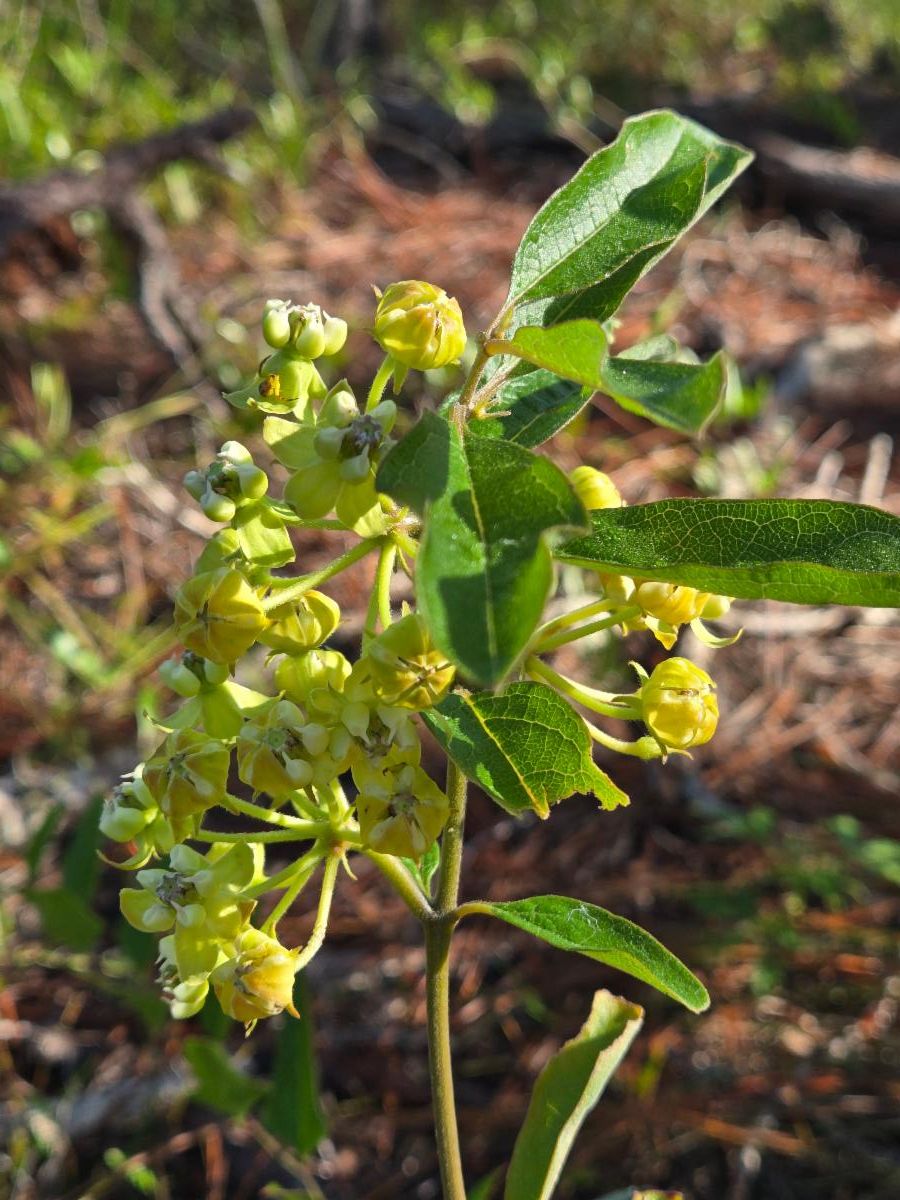
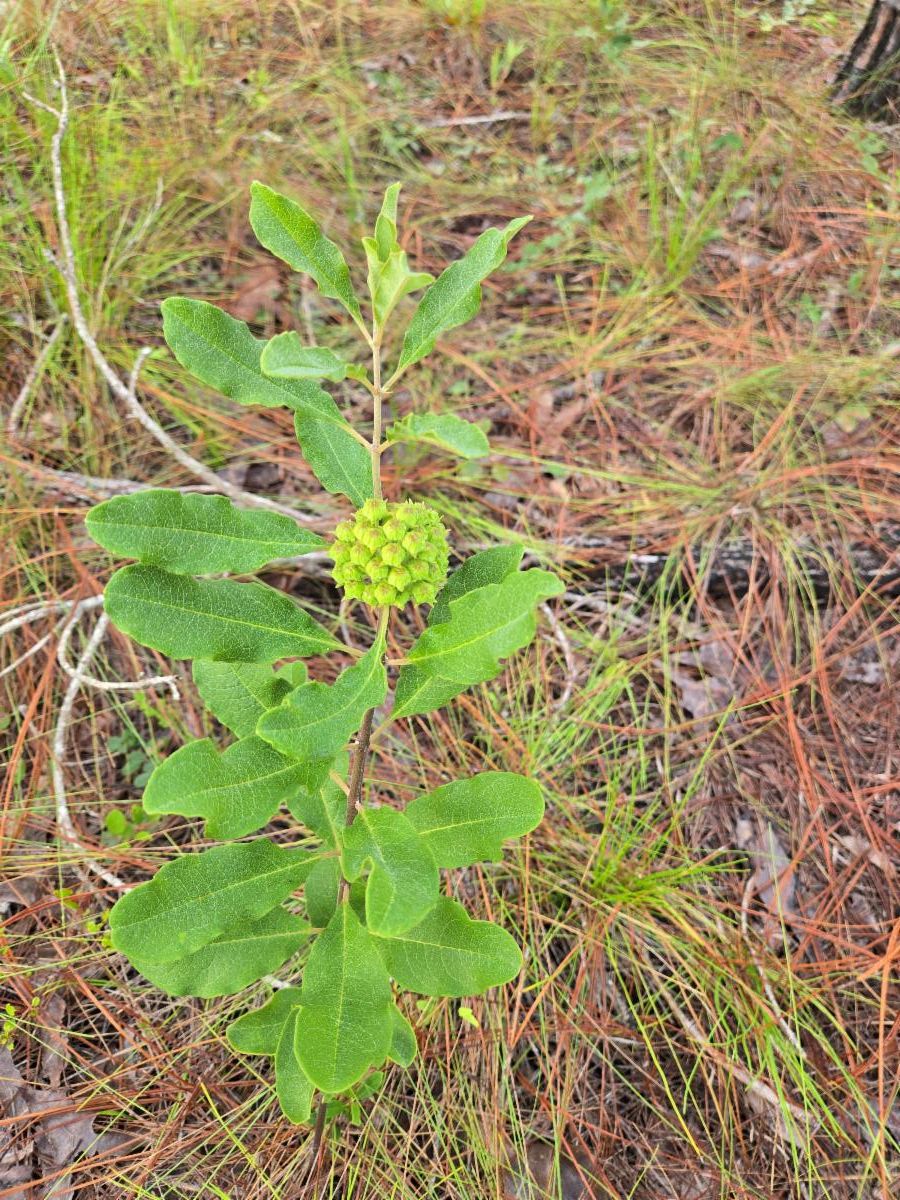
Asclepias tomentosa, commonly known as sandhill or velvetleaf milkweed, is a native perennial herb found predominantly in Florida and other parts of the Southeastern Coastal Plain. Its species name, tomentosa, is a nod to the dense, velvety hairs that cover its leaves, giving the plant a soft, fuzzy texture. This unique milkweed thrives in dry, sandy habitats such as longleaf pine sandhills, scrubby flatwoods, and coastal dunes. It is well-adapted to these xeric conditions, with stems that grow stiffly and upright to a height of about two to three feet. In the warmer months, typically from May through August, the plant produces pale green to yellowish-green flowers in terminal umbels. These flowers, while not as vibrant as some other milkweed species, are a vital nectar source for a variety of pollinators.
Like all native milkweeds, Asclepias tomentosa plays a critical role in the Florida ecosystem as a host plant for monarch, queen, and soldier butterflies. The leaves provide the essential food source for the caterpillars of these species, which have evolved to tolerate the milky, toxic sap within the plant. As a native species, it is part of the natural cycle of monarch migration and does not present the same risks as non-native tropical milkweed (Asclepias curassavica). While A. tomentosa is not currently considered to be of major conservation concern, its habitat is threatened by land development and fire suppression, which are major issues in the sandhill ecosystems where it thrives. Efforts to protect and restore these unique habitats are crucial for the long-term survival of this and many other native Florida plants.
| | Become a member of the Longleaf Society today by clicking this graphic. Your monthly giving provides a tremendous boost to the Friends of St Marks Wildlife Refuge to keep providing the programs and services you have come to expect from this award winning organization. | | |
We Encourage our Friends to SHARE!
As almost all of you know, the Friends give 100% of their support to the St. Marks National Wildlife Refuge. An important way for you increase that support is to share our message. Therefore, when you get this newsletter, we encourage you to send it on to a friend. You can share it via email or through various other social media. Here's the link to the Friends Newsletter page. Scroll to the "current" entry and copy the link.
Text Courtesy Phillip Pollock
| | |
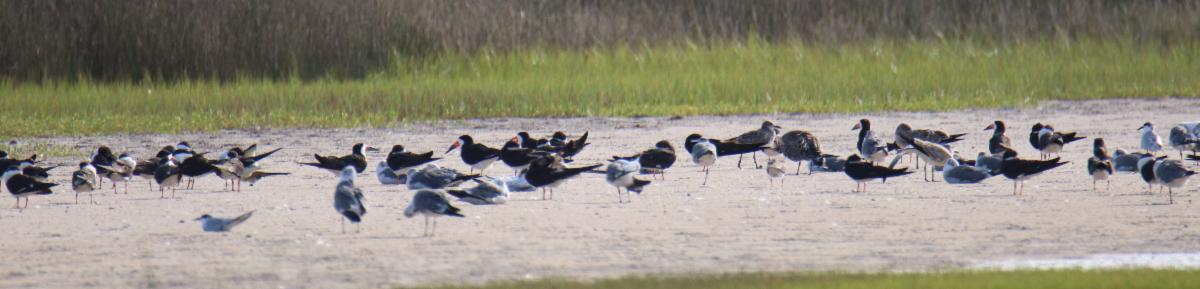
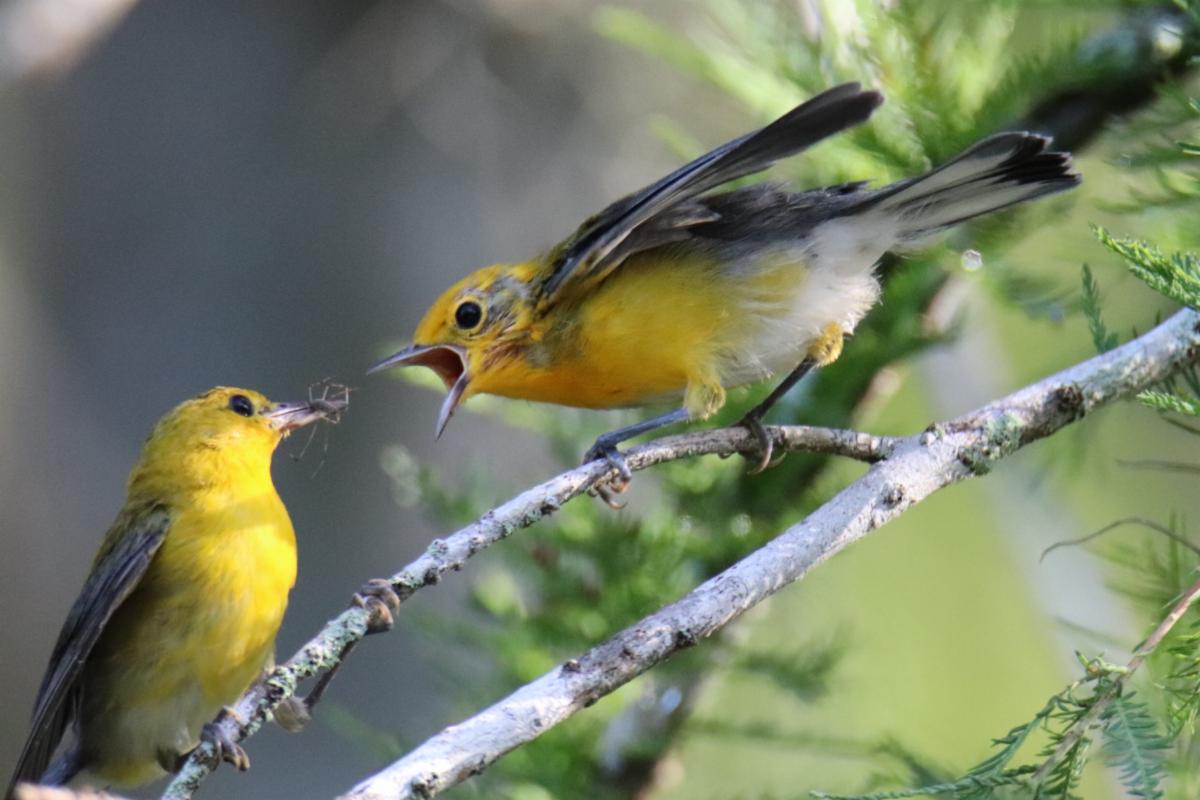
Bird Reports Assist Visitors
Don Morrow, St. Marks National Wildlife Refuge volunteer and expert birder, creates concise bird-sighting reports on a week-to-week basis. Read his current and past reports here.
Photo Courtesy Katasha Cornwell
| | Have you considered including the Refuge in your will? The Friends of St. Marks Wildlife Refuge can provide information and guide you through the process. Just call the Refuge at 850-925-6121, and ask to be contacted by the Friends Board of Directors, or email us. | | |
Reflections newsletter is a benefit of membership for Friends of St. Marks Wildlife Refuge.
It also serves as an important supplement to
the Friends' website.
Both the newsletter and the web site provide members and the public information about volunteer activities and events at the Refuge.
Reflections editor: Katasha Cornwell
| | | | |