December 21, 2020
Top stories
■ The journalist and the pharma bro: How Bloomberg reporter Christie Smythe broke news about Martin Shkreli, then left her husband and job for him (Elle) / Shkreli wishes 'best of luck' to former reporter who left her job, husband for him (USA Today) / The story behind the story: 'It’s every journalist’s fear in some ways’ (Intelligencer) / ’Going public is such a relief, no matter what people think. You have no idea how hard it is to keep this kind of a story bottled up. ... It still amazes me HOW HARD it is to get a story as messy and complicated as this to see the light of day. But it's out now.’ (Christie Smythe) / ‘In journalism school, they don’t really tell you what to do when this comes up,’ Smythe says (The New York Times) / ‘I categorically have never slept with Martin, and did not engage in romantic interactions with him of any sort while covering him as a journalist’ (Christie Smythe) / Shkreli’s lawyer warned against romance with journalist (New York Post) / Shkreli’s long history of harassing female journalists (The Cut)
Throughout 2020, journalists across the country have shared their best practices for working through the pandemic. As we approach 2021, we’re asking what they learned this year and what they hope to learn in the year to come. 

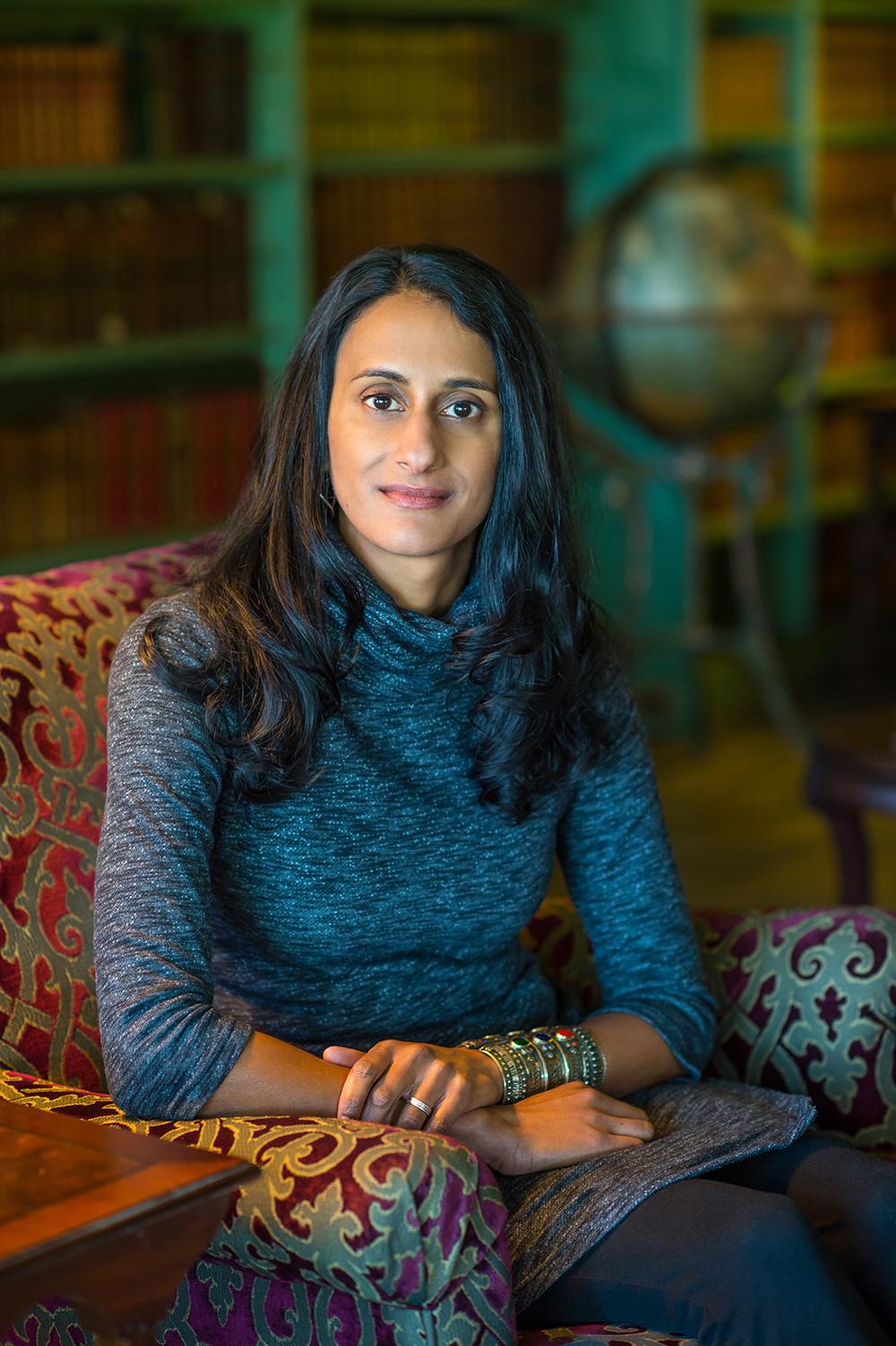
Current job: Editorial page editor, Boston Globe

What are the main lessons you learned this year from your reporting that you’ll use next year?

Venkataraman: Our team (the Globe editorial board and Opinion/Ideas teams) does less shoe-leather reporting than our newsroom, so adapting was easier. Very soon in the pandemic, we launched Globe Op-Talks, a conversation series to take the op-ed into a digital conversation format seizing the fact that so many people were spending more time on their computers. We also used more digital ways of reaching people to capture their voices in our pages, including through a project called Postcards from the Pandemic and an interactive site and newsletter dubbed Don’t Look Back, and via targeted calls to groups and individuals for oped submissions.

How did your work change during the pandemic? 

Venkataraman: Our deliberations as an editorial board, and interviews and meetings with external groups and candidates, were all virtual. We became much more dependent on Slack in our production/editing process and to somewhat replace newsroom banter and other conversations. We also endorsed candidates and ballot questions much earlier than usual in primaries and elections in the pandemic because of mail-in voting.

What do you hope to learn or cover in the coming year? 

Venkataraman: We’ll of course be covering the ongoing public health and economic crisis, the beginning of the Biden Administration, the continued struggle for racial justice, the threat of misinformation to democracy, and far more.

How are you taking care of yourself now that you weren’t at the beginning of the pandemic? 

Venkataraman: Jigsaw puzzling has saved me. It’s become a way for me to noodle on tough problems in the background, while in the foreground putting my hands and mind to work on something tangible and quickly achievable.
If experience is a great teacher, then our annus horribilis was a graduate course in leading through change and challenge. Here are nine other lessons learned by newsroom leaders in 2020. 

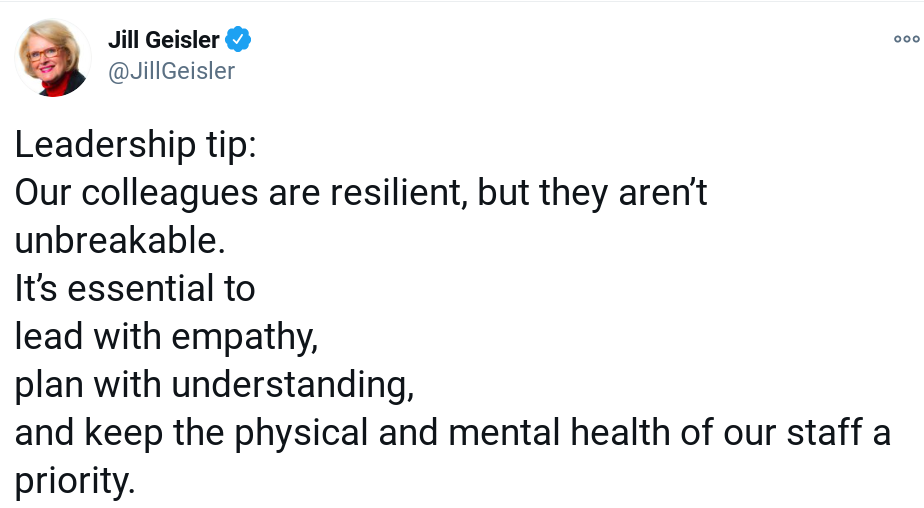
Advice from Jill Geisler, Bill Plante Chair in Leadership & Media Integrity, Loyola University Chicago, Freedom Forum Fellow in Women’s Leadership

Click here to read Jill’s previous posts.
The next generation of journalists graduated in 2020 into a challenging job market unlike any other. We spotlighted them this summer, shared advice from their role models, and are checking in with them this month to see where they are now and what they’re learning about journalism. 

School: University of Oregon
Current job: Easy Reader News

Where are you working right now? Is the position full-time, part-time or an internship?

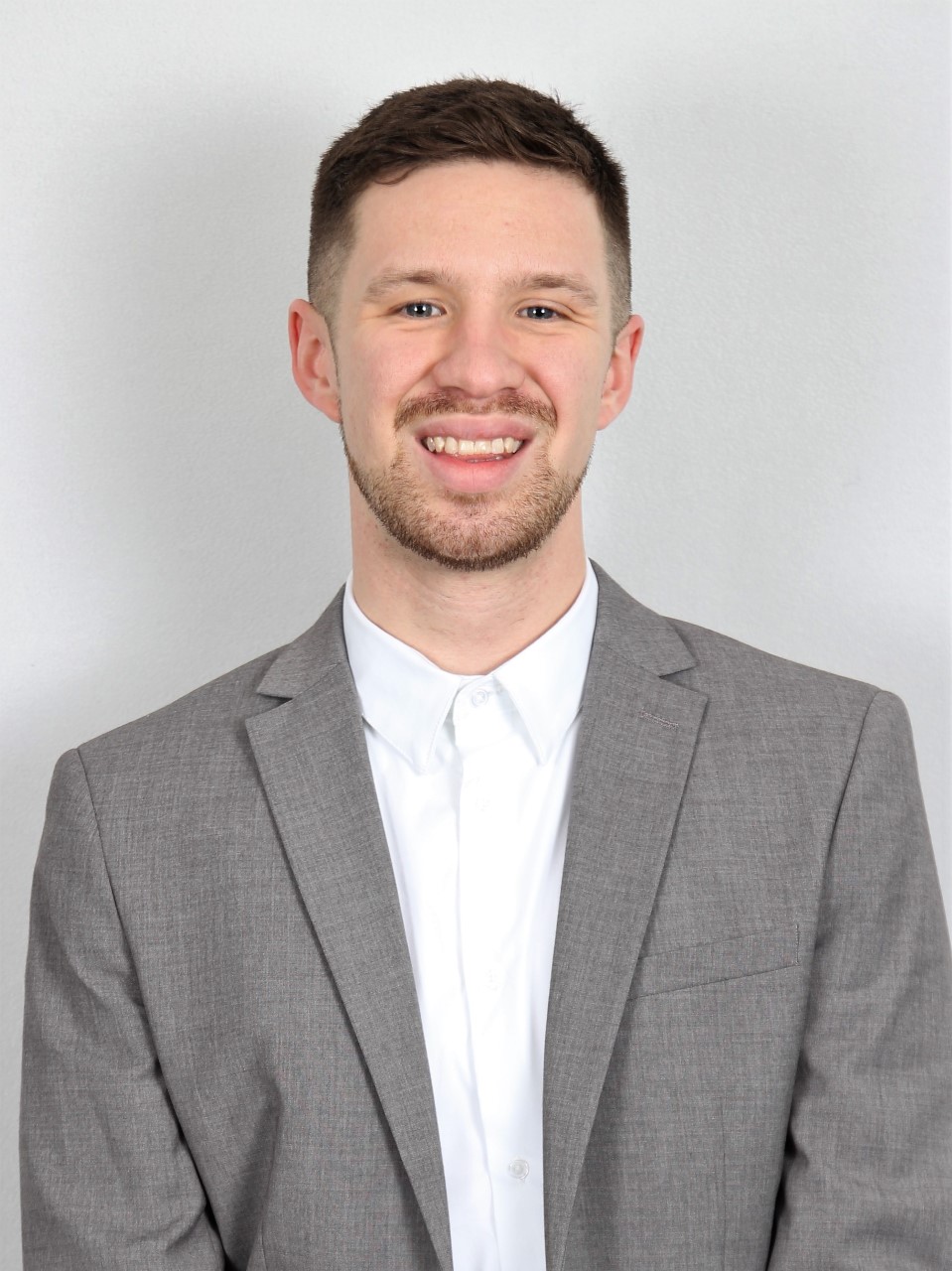
Morrison: I moved to Los Angeles from Eugene, Ore., for a 10-week internship at The Wall Street Journal in September. As a Wall Street Journal intern in fall 2020, I wrote news stories and features, took photos and contributed video reporting on wildfire coverage in three states.

I covered the election, protests, and even a dispute between two well-to-do neighbors in Laguna Beach that involved the “Gilligan’s Island” theme song. One of my goals was to write about the recovery community in my home state of Oregon. I covered the historic passing of Measure 110, which made Oregon the first state to decriminalize all drugs with the aim of reducing incarceration rates and increasing access to treatment. 

At the end of my internship, I got a job at a small weekly newspaper called Easy Reader News that serves the Hermosa, Manhattan and Redondo Beach area of Los Angeles County. I’m still fairly new, but I’ll likely be covering the city beat for both Manhattan and Hermosa Beach. I was hired as a freelancer, but will be getting paid the same amount weekly. 

What’s the biggest lesson you’ve learned on the job search?

Morrison: The biggest lesson I learned on the job search was not to get discouraged, which is much easier said than done. The catch-22 of job hunting for me is that it’s so hard to interview well when I’m desperate or discouraged, which is always the case when I’m looking for employment. It’s hard to sell myself without feeling like a fraud. It’s so important to remain confident and undaunted in the face of mass rejection, but eventually you’ll find something.

What’s been your best moment in journalism since graduation?

Morrison: My best moment was probably having my new boss at Easy Reader News usher me into his car after my job interview and take me to the local surf shop to buy me a $300 wet suit because I mentioned I’d like to learn to surf. One of the craziest job interview experiences ever. 

What do you wish you had learned as a student that you’re learning on the job?

Morrison: I wish I would have learned how to understand and interpret legal documents better. The legalese in a lot of court documents makes my job take a lot longer because I never learned how to navigate these types of documents. I wish there would have been a document digging course at the UO SOJC. 

Have your journalism goals changed since graduation, and if so how?

Morrison: My goals in journalism haven’t changed much. I still want to write features and work on longer, investigative stories. Working at the WSJ and seeing how a prestigious paper works hasn’t deterred me from wanting to work in the biggest newsrooms. It only made me more anxious to get there eventually!

What’s the NEW wackiest story you’ve ever worked on?

Morrison: The wackiest story I did was definitely my Bill Gross feature. A billionaire hedge fund retiree built a gigantic art installation in the backyard of his Laguna Beach mansion. When his tech entrepreneur neighbor complained to the city, the billionaire began playing the Gilligan’s Island theme song on outdoor speakers at all hours of the night in retaliation. I got to go to the houses and take photos. The story was featured on the front page of the WSJ during election week.
This newsletter is written & edited by the National Press Club Journalism Institute staff: Beth Francesco, Holly Butcher Grant, and Julie Moos. Send us your questions and suggestions for topics to cover.

Get this from a friend? Subscribe, and view the archives.