|
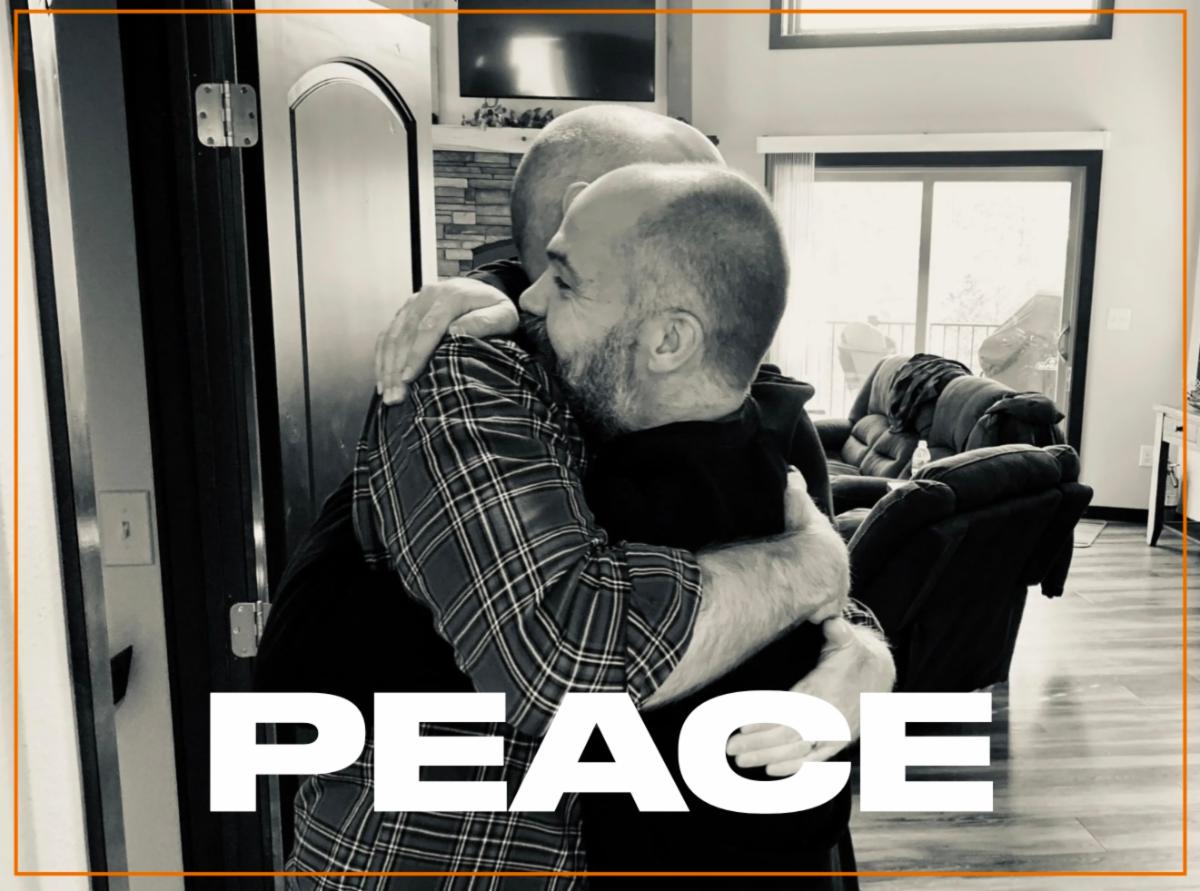
Sonship is an invitation into the peace available to us as sons and heirs of a God who is a compassionate Father.
But why does peace of mind and heart often seem so elusive? Let's look to the word itself.
The English word peace is derived from the Latin pacem, meaning 'an agreement, treaty, or compact'. It shares a root with the term pact, 'a covenant or agreement'. Likewise, the Hebrew shalom is derived from a word meaning 'to be in covenant'.
In order to be at peace with a person, a place, a memory, we have to come to an agreement—we have to enter into covenant to end the conflict.
If we don’t, the combat will continue; it may take the form of low-intensity skirmishes, but a state of hostility will remain. An agreement—a peace treaty—is required.
And forming a peace agreement takes courage. It requires us to come to the table, to sit across from the person or thing we’ve been fighting, and engage differently.
To cease lobbing grenades and firing rounds from a distance (or hiding and avoiding the conflict altogether), and to listen, and respond, until there is a meeting of the minds.
It requires us to receive, and to give, until hope and healing prevails over hurt.
When we do, we will follow the in footsteps of the Son who mediates new agreements, and we'll lead like the Father who invites us into those new agreements.
This kind of peace is available.
Whether we will partner in this peacemaking is up to us. Today.
|