|
|
|
Master Gardeners of
Greene County Newsletter
April 2024
| |
|
Spring Gardening Questions?
Readers statewide can pose questions by calling 417-874-2963 and one of the trained volunteers staffing the Master Gardener Hotline answer your call or leave a message after hours. The hours we are available are 10am - 4pm. Please call 417-874-2963 or fill out an 'Ask A Master Gardener' form or email us at hotline@mggreene.org with your question and information to contact you. Learn more here. There will be someone in the office on Thursdays to collect soil samples for testing. Please call before coming in.
| |
Planning Your 2024 Vegetable Garden: Part 4 | |
|
It's that that time of the year! 'Planning Your 2024 Vegetable Garden' was first featured in our MGGC January 2024 Newsletter. If you are a new or seasoned gardener, MU Extension Master Gardeners of Greene County has information and guides to assist you with 'Planning Your 2024 Vegetable Garden.' In January's issue for review are the New USDA Plant Hardiness Zone Map, Raised-Bed Gardening, Your Gardening Journal, Vegetable Planting Guide plus many more topics are included here.
Be sure to read Previous Month's issue for more information. Link found toward bottom of page.
| |
|
Spring Missouri Frost / Freeze Probabilities Guide Published by the MU Integrated Pest Management Program: Typically, the last spring frost occurs over northern and central Missouri by the third and second week of April, respectively. Frosts are more likely to be experienced... later in the spring over the Ozarks when compared to central Missouri. Learn more here.
HEIRLOOM SEED LIBRARY Starting a garden? Need seeds? Heirloom seeds available for checkout at Springfield-Greene County Library locations now through Nov 1, 2024. Welcome to the world of sharing and saving seeds with the library. Choose from a variety of vegetable, herb and flower and native heirloom seeds to borrow with your Springfield-Greene County Library card. Plant them at home or in your community garden, enjoy the harvest, save the seeds and return them to the seed library to share with others. Borrow...Grow...Share! Learn details with locations here.
Water-Efficient Gardening and Landscaping by Denny Schrock MU Dept. of Hort.: It has been estimated that many gardeners use about twice as much water in their landscapes as is needed. In most gardens, the amount of water used can be reduced without creating serious plant problems. In Missouri's climate, water-efficient gardening is an important approach to wise water use. Learn more here.
| |
INSECTS, PESTS, AND PROBLEMS IN THE GARDEN Complied by Missouri Botanical Garden: If you have plants, you will more than likely experience some issues with them. We have compiled over 200 common plant-related issues that we come across at the Kemper Center for Home Gardening based on what home gardeners experience. Many of these issues... are created with the Midwest in mind. In our resource guides, we have followed an integrated pest management (IPM) approach where simple, safe, and less invasive strategies are listed first. Begin your search here.
Common Diseases in the Home Garden Revised by Patricia Wallace, MU Extension: Parasitic diseases and nonparasitic disorders can cause serious vegetable losses in home gardens. Many species of microorganisms — including fungi, bacteria, viruses, phytoplasmas and nematodes — cause diseases of vegetable crops. Learn more here.
Home Fruit Production: Peach and Nectarine Culture by Michele Warmund, Fruit State Specialist, MU Division of Plant Sciences: The peach has often been called the Queen of Fruits. Its beauty is surpassed only by its delightful flavor and texture. Peach trees require considerable care, however, and cultivars should be carefully selected. Learn more here.
| |
How to Create a Pondless Water Feature by Botanikks: Are you looking to add a water feature to your outdoor space but have limited yard space or want to avoid the maintenance of a traditional pond? The solution: a pondless water feature! The absence of an actual pond makes this option significantly easier to install and maintain, while still providing the soothing sights and sounds of running water. In this article, we will guide you through the process of planning and designing your very own pondless water feature here.
Controlling Voles in Horticulture Plantings and Orchards in Missouri by Robert A. Pierce II MU Extension Fish and Wildlife Specialist Dept. of Fisheries and Wildlife Sciences: learn more here.
Managing a Family Chicken Flock -Small Flock Series by Jesse J. Lyons for MU Dept of Animal Sciences: Maintaining a small poultry flock can be rewarding and will provide an opportunity for various family members to participate in animal care. Chickens are best maintained as a flock and are well suited for such management. Learn more and see related publications here.
| Meet the Ecologist Who Wants You to Unleash the Wild on Your Backyard by Jerry Adler for Smithsonian Magazine: Fed up with invasive species and sterile landscapes, Douglas Tallamy urges Americans to go native and go natural. Learn more, continue reading here. | |
|
Vegetable Planting Calendar
Both first time gardeners and seasoned professionals can benefit from the 'Vegetable Planting Calendar' available from MU Extension. The guide provides a complete list of planting dates and varieties that do well in Missouri." If you live within the Ozarks plateau, you may want to follow the north Missouri planting dates due to the possibility of late spring frosts,” said Patrick Byers, MU Extension. “If you follow the south Missouri planting dates for spring plantings, be prepared to cover plants for frost protection.” The guide also provides information on the following: how much to plant per person; how much seed to purchase for a 100-foot row; row spacing; inches between plants in the row; depth of planting; days from planting to eating; and vitamin content of the vegetable. You may read and obtain a copy of the Vegetable Planting Calendar guide sheet online here.
TWO LINKS: Are These Seeds Any Good? Answer, MU Extension Hort. Jan. 30, 2024 Video: Free seeds, sale seeds, or didn't get around to planting those seeds last year? Your stash is building. What to do? Is it worth risking valuable gardening time to see if your stash of old seeds will still grow? Today’s Tuesday Tip will show you an easy way test and demystify germination rate. And best of all, you only need about a week! View here.
PLUS: Are my seeds still good? Testing seed germination Post by Ken Johnson for Univ. Ill. Extension Jan. 20, 2023: Unfortunately, as seeds get older, their germination rate decreases. Fortunately, there is an easy way to test your seeds to see if planting them will be worthwhile. Learn how here.
Garden Journal and Calendar
This is a must have for every gardener. You can tell from year to year what is going on with your garden. You can record what you planted and how well it did or not, and whether or not there was a drought or too much rain.
From Seed to Harvest and Beyond: Garden Journal and Calendar by MU Extension is a garden journal for Missouri gardeners, as well as a how-to guide and information resource. You can tell from year to year what is going on with your garden. You can record what you planted and how well it did or not, and whether or not there was a drought or too much rain. It provides a place to keep all gardening information, plans and notes together. Learn more details and order your copy online today here.
More information will follow monthly, or you may do an online search by topic at this MU Extension website here.
Gardening Questions Answered Online Statewide Of course, you are welcome to contact your local county University of Missouri Extension office with any unanswered gardening questions or online using the topic search box here: https://extension.missouri.edu/ In addition, for all of your gardening questions statewide, you may also contact the Master Gardeners of Greene County Hotline. To ask them a question call 417-874-2963, visit their webpage, here: https://mggreene.org/ask-a-master-gardener/
What is a gardener? That's a great question with a complex answer. A gardener is a person who works growing and taking care of plants and their surroundings. This could be in a flower or vegetable garden, fruit orchard or other. This could be growing container plants, outside and/or inside. This could be a person who has a lawn looking like a golf green. A gardener has the skill to design and maintain the garden, knows when to plant and harvest. A gardener may garden out of necessity and/or for recreation and enjoyment. If you are a gardener and want to learn more follow the Master Gardeners of Greene County (MGGC) Facebook page here https://www.facebook.com/MasterGardenersGreeneCounty/
The Master Gardener Public Newsletter February 2024 here. ALSO see link to March's issue toward bottom of page as Previous Month button.
| |
|
Cash, Check or Credit Card
Come early for best selection
Join the Master Gardeners of Greene County, for their annual Plant Sale: Mark your calendar for Saturday, April 27, 2024, starts 8 a.m. until sold out.
Located at the Mizumoto Japanese Stroll Garden Pavilion within the Springfield Botanical Gardens at Nathanael Greene/Close Memorial Park, 2400 S. Scenic Ave.
Sale includes house plants, annuals, perennials, vegetables, herbs, bulbs, grasses, vines, ground covers, shrubs and trees. FREE admission, prices vary per plant.
Other plant and garden groups also sell items near the Gray/Campbell Farmstead (some groups may not accept credit cards).
Call 417-874-2963 for more information or visit MGgreene.org/plantsale
| |
WEBINARS, CLASSES & EVENTS | |
|
Naturescaping Your Yard
for Blooms, Bugs, and Birds
Learn with MDC's FREE Webcast
April 10th 12 noon to 1 p.m.
Anyone interested in gardening, landscaping, native plants, and native pollinators join in, it's free, online. The Wild Webcast will feature MDC Urban Wildlife Biologist Erin Shank who will share her expertise on the basics of planning, designing, and creating backyard wildlife habitat. Learn more details and register here.
| |
|
Organics in the Ozarks
A Full Day Program FREE:
Friday, April 12, 2024 Starts at 9:00 a.m.
Hosted by Missouri Organic Association (MOA) and the University of Missouri Southwest Research, Extension & Education Center held at 14548 Highway H, Mt. Vernon, MO 65712.
Join us as we grow ecologically responsible, profit driven and diversified organic production systems in the Ozarks. This full day of programming is made possible by MOA’s participation in The Transition to Organic Partnership Program (TOPP), a network assembled by the USDA’s National Organic Program to support transitioning and organic producers with mentorship and resources.
No fee! More information and registration required to attend here.
| |
|
Dicamba & 2, 4-D and Trees:
Old Chemicals Causing New Problems
Recorded webinar: This is a 1 hr 24 min YouTube webinar presented for the Missouri River Bird Observatory Mar. 12, 2024:
Join the presentation with Robbie Doerhoff, Missouri Department of Conservation Forest Entomologist (BS & MS Biology), for this topic. To view click here.
| |
|
Native Plant Sale Event and Gardening Demonstrations
MDC Invites Public to Native Plant Sale
People can buy native plants from two area businesses that sell native plants.
Sat, April 6 from 9 a.m. to 1 p.m.
At the Springfield Nature Center
Event will also feature gardening knowledge from local experts, including the Master Gardeners of Greene County. Springfield, Mo.
Many homeowners are discovering the benefits of landscaping with native plants. These plants are naturally adapted to their surroundings and provide better habitat for butterflies, songbirds, and other local wildlife.
Homeowners can learn more about using native plants at the Native Plant Sale and Gardening Demonstrations that will be (at the same time) inside the Center. This event will feature gardening demonstrations by Nature Center staff.
Call 417-888-4237 for more information or stop by the Springfield Nature Center to get an event flyer. People can also get information about the plant sale here.
| |
|
Event Book Signing/Talk
'Saving Bull Creek'
A new book is coming out next week about Bull Creek and the ecosystem of its watershed, written by two experts, Loring Bullard and Bob Kipfer. They'll be giving a talk about their new book on
Wed., April 3rd, 6:30 p.m.
at the Library Center, 4653 S. Campbell Ave.
Copies of their book will be available for purchase. For more event details follow this link. HERE
| |
|
Wild Warblers
MDC Naturalist Notes A Virtual Free Program
Tues. April 9 from 6-7 p.m.
By MDC Staff Springfield: Warblers are brightly marked birds that are heard much more often than they are seen. Because of their striking coloration and secluded habits, sightings of these birds are always notable events – even among experienced birders.
Get information online how to improve your warbler identification skills, the species of warblers that can be seen in Missouri, where they can be seen, and what part of the year they are here.
Get more details and register for this online program here.
| |
|
Landscaping with Native Vines
Grow Native! Online Master Class
Wednesday April 10 4:00 p.m.
Native vines are often overlooked in native landscaping yet can fit into any landscape situation.
Learn how to design with and steward native vines from native horticulturist Scott Woodbury. There are vines for hummingbirds and bees plus vines with showy flowers and fruit.
Free for MPF members or Grow Native! professional members. $15 for non-members. Learn more details and register here: https://secure.lglforms.com/form_engine/s/0wQHAhDoGGKPAMHTVeT7Jg
| |
2024 Series of Online Plant Classes
Dr. David Trinklein, MU Extension, Missouri State Master Gardener Coordinator noted in a recent Missouri Master Gardener Association Newsletter: All classes are open to the public. North Carolina State University Extension has announced it is offering a series of online plant classes this year. The lineup includes these and more:
1.- Understanding Plants, March 11 - April 22, 2024, Details here.
2.- Plant Propagation May 13 - June 24, 2024, Details here.
3.- Annuals, Perennials, Vines and Groundcovers: Identification and Use, July 15 - August 25, 2024, Details here.
4.- Trees, Shrubs, and Conifers: Identification and Use, September 23 - November 4, 2024, Details here.
For more detailed information, go to here.
| |
|
ORGANIC GARDENING ONLINE COURSE
Access anytime (Still available)
Information shared by David Trinklein, MU Extension, Missouri State Master Gardener Coordinator July 31, 2023: Oregon State University Extension has just announced the availability of a new online course in organic gardening.
The course builds on the basics of gardening and provides students with a better understanding of organic gardening techniques & methods and how to apply them to your own garden.
On demand, access any time, 15-30 hours online, price $250. For additional details, go here.
| |
|
Veterans Can Learn Beekeeping Skills for Peace and Income
Heroes to Hives - Veterans find peace, skills and income with MU Extension FREE program.
This program seeks to address financial and personal wellness of military veterans through professional training and community development centered around beekeeping.
Learn more details about MU Extension’s 'Heroes to Hives' program here.
| |
|
This ongoing self-paced course provides research based information needed to safely and successfully preserve food at home. Participants of all levels of food preservation experience are welcome, including individuals with little or no previous food preservation experience. This course covers pressure canning, boiling water bath canning, steam canning, dehydration, and freezing. Highlights include preserving salsas, pie fillings, pickling, sweet spreads, and harvesting and storage of produce.
Registration is $30.00
Click here for more information and registration.
| |
|
Get your Lawn and Garden Questions Answered
at the Garden Hour with MU Extension
| |
|
Virtual Town Hall: Mandy D. Bish - MU Extension Specialists will address lawn, garden, and insect questions during the 'Garden Hour' with MU Extension. NOW EVERY Wednesday of the month from 12-1pm. The virtual event is free. To register for the virtual event and/or ask a gardening question, please visit.
To see recordings from previous events, please check out the YouTube videos on the MU Extension IPM channel here.
For more information visit. Or contact Mandy D. Bish, MU Plant Science & Technology at (573) 882-9878 or email: bishm@missouri.edu
| |
Alternatives to the Invasive Burning Bush | |
 | |
Burning Bush's blazing red Fall foliage may be impressive but it's also Invasive!
Burning Bush (Euonymus alatus) is native to China, Japan, and Korea and is recognized as an invasive species in 21 states in the U.S., including Missouri.
Its prolific seeding and tolerance to both sun and shade allow it to easily spread into various types of habitat. Additionally, deer and other wildlife preferentially feed on other plants, giving Burning Bush further advantage over native plants.
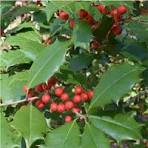
If you love the red Fall foliage, consider replacing Burning Bush (Euonymus alatus) with one of the following natives: Eastern Wahoo (Euonymus atropurpureus)--also frequently called "Burning Bush," Black Chokeberry (Aronia melanocarpa), Serviceberry (Amelanchier arborea), or Winterberry (Ilex verticillata). Although Winterberry doesn't display red foliage like the others, its red berries, provide a similar "red showing" (see picture 5) and native birds and other wildlife feast on the berries!
Lastly, the above native species serve as host plants to 13, 29, 82, and 36 species, respectively, for butterflies and moths.
| |
|
Plant these 'Fab 4' for flowers galore Writer Linda Geist for MU Extension Mar. 20, 2024: It's time to plant some bulbs indoors for later enjoyment outdoors. When started indoors before the weather warms, these inexpensive, tender bulbs give gardeners a jump start on spring color. Call them “instant gratification” for gardeners, said David Trinklein... Home gardeners can start them inexpensively and easily at home. Learn more here.
| |
|
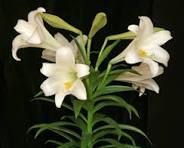
Lily: More than an Easter flower by David Trinklein, MU Plant Science & Tech Mar 6, 2024: Mention the word lily, and it likely will conjure up an image of a white, trumpet-shaped flower sold as a potted plant around Easter. The fact is, there are over 100 species classified into nine different divisions of the plant genus Lilium which makes it more diverse than most people realize. Learn more here.
What to Know About Lily Poisoning in Cats by Alyssa Anderson / Medically Reviewed for WebMD by Amy Flowers, DVM Feb. 20, 2024: There’s one crucial fact about lilies that every cat owner needs to know: consuming any part of the plant — in almost any amount — can be deadly to cats. Learn more here.
| |
|
Hosta: New Light on a Shady Character by David Trinklein MU Plant Science & Tech. Mar. 19, 2024: Once considered a "green filler" for shady areas, hostas are now the stars of shady landscapes because of the plethora of cultivars now available to the gardening public. Hostas are low-maintenance, hardy perennials that are easy to grow. Learn more here.
How to Grow and Care for Spring Crocus by Marie Iannotti for The Spruce Updated Feb. 5, 2024: These late-winter blooms come back every year. Learn more here.
| |
|
How to Grow American Holly by David Beaulieu for The Spruce: There are hundreds of different cultivars of American holly; the pure species plant is almost never planted. Holly cultivars are normally sold as either female (berry-producing) or male plants (necessary to pollinate the females). Learn more here.
30 Gorgeous Plants That Attract Hummingbirds to Your Garden by Michelle Ullman/Lori Lovely/Gretchen Heber for Bob Vila Update Feb. 28, 2024: Do your garden plans include planting flowers for hummingbirds? Discover which species the birds are drawn to—and the bloom colors and shapes that will keep hummingbirds coming back. Learn more here.
Crape Myrtle (Lagerstroemia indica) by Missouri Botanical Garden Plant Finder - Growing crape myrtles in the USDA Zone 6 can be tricky because the above ground branches often die to the ground in winter, particularly when temperatures dip below -5 degrees F. Learn more here.
| |
|
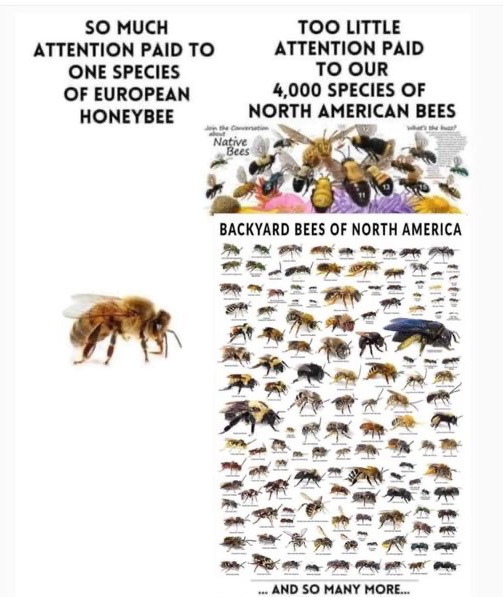
Bees
Plant native plants for native bees.
Education about our North American native bees vs. European honeybees.
We can all help our wild bees by planting native!
| |
|
Mullein (Verbascum thapsus) by MDC Field Guide: Found statewide. A densely hairy, greenish-gray herbaceous biennial. Flowers short, small, yellow, tubular, with 5 petal lobes; tightly packed in a terminal, usually unbranched, tall spike. Blooms May–September. Considered a weedy plant, many people encourage them in their landscape. Learn more here.
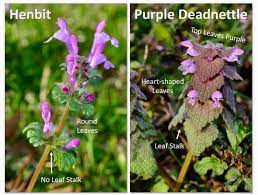
Purple deadnettle and henbit: Two common garden spring weeds by Diane Brown, MSU Extension: Learn more, including photographs, here.
NOTES: Purple deadnettle and henbit are two weedy plants that are commonly confused with each other. Both have square stems, are members of the mint family and are completely edible. The differences between the two are: Henbit has mostly green leaves with purple flowers. Purple deadnettle has triangular upper leaves, on petioles, and distinctly red- or purple-tinted, unlike the upper leaves of henbit. Henbit flowers are pink to purple with darker purple spots than those of purple deadnettle. The flowers of henbit are longer and slenderer than those of purple deadnettle.
|  | |
The Rise and Fall of the Ornamental Callery (Bradford) Pear Tree by Theresa M. Culley for Arnold Arboretum, Harvard Univ: The Callery pear (Pyrus calleryana), and particularly its many cultivars such as ‘Bradford’, ‘Cleveland Select’, and ‘Aristocrat’, has become one of the most popular ornamental trees in North America. However, its commercial success has now become overshadowed by its tendency to spread along roadways and into natural areas through reseeding. Learn more here.
| |
Insects'by MU Extension: Insects are the most abundant animals on earth. They exert important effects, both positive and negative, on our lives in ways we might not even think about. Although the vast majority of insects are either beneficial or harmless, we often are most familiar with those insects that cause problems. Learn more here.
Cicadas: Learn About Cicadas by Jeffrey Hahn, Extension Entomologist, UMN Extension: They are harmless to people, plants and property. No control is necessary. Cicadas have sometimes been described as beetles with wings sticking out. The nymphs have been described as 'beetles that turn into flies.' Learn more here.
| |
Other Newsletters of Interest for Spring Reading | |
|
The Garden Spade Newsletter March 2024 by MU Extension Online Articles Include: Fruit Tree Grafting +Crepe Myrtle Kindness + Buzzworthy Gardens + Solar Eclipse Totality +Beets + Building Great Garden Soil + Asparagus News + Hard Freeze vs. Frost + Kids Ask Dr Bug - Cicadas = Gardening Tips + Upcoming Events & Flyers. Details and more pdf here.
Preserve It Fresh, Preserve It Safe Newsletter March/April 2024 by MU Extension Topics: Why is dry canning not safe? + Why is pressure important in pressure canning? + Interested in learning how to preserve food at home? Or want to brush up on your skills? Try MU Extension's online Food Preservation course! + Contact your local extension office for additional information on food preservation and food safety. Details plus more here.
Natural Resources Newsletter March 2024 by MU Extension Natural Resources Team Topics: Spring Invasive Plant Mgmt. + Time for Ticks to Appear + Black Vultures Migration + USDA Launches New Bobwhite Conservation Program + Callery (Bradford) Pear Trees 2024 “Buyback” Event + Prepping Your Equipment + Flowering Dogwood (Cornus florida) + Workshops, Classes and more details here.
| |
|
The Humane Gardener News March 1, 2024 by Nancy Lawson (speaker last month at the Ozark Empire Lawn & Garden Show in Springfield, Mo) Topics: The Frogs Are Gettin' Busy! + Don't Prune Too Soon! + Unintended hazard + Intentional word choices + New wildlife column. Details plus more here.
Missouri Produce Growers Video Newsletter by MU Extension Hort Team Mar 22, 2024 Topics: Growing Sweet Corn + Strawberry Freeze & Frost Protection + How to Inoculate Logs for Shiitake Mushroom Production + Fruit Physiology for Spray Scheduling + MU Plant Diagnostic Clinic + Class & Publication Offerings for MO Growers. Details plus more Here.
The National Gardening Association Garden.org Newsletter Issue #660 Mar. 9, 2024: Anyone who thinks gardening begins in spring misses the best part of the year, gardening begins now with a dream and planning. Review this new issue here.
| |
|
Missouri Conservationist (Magazine) March 2024 by MDC Feature Topics: 'Infinite Healing' -Spring’s renewing splendor ushers in new beginnings + 'Motus' -Tracking birds and growing partnerships across the hemisphere + Details plus much more here.
April Gardening Tips, tricks & Tasks News by Staff, MU Extension Mar 15, 2024: It's warming up, the first day of spring is March 19th! Find these tips, tricks and tasks to keep you busy in and around the garden the month of April. Learn more about Outdoor Flowering Plants & Ornamentals ✚ Vegetable Gardening ✚ Fruits & Nuts ✚ Cool-season Lawns ✚ Warm-season Lawns ✚ Indoor Plants. Details here.
Show Me Oz News by Jill Henderson Mar 22, 2024 Topic: 'Gardening With Less Water' Humans have been cultivating food plants since the dawn of creation. And one of the most crucial aspects of growing food is the availability of water. How did our ancestors grow food in some of the most arid landscapes on earth? Read more here.
| |
|
Early Spring Monarch Migration Patterns Emerge Across North America by Journey North News Team Mar. 28, 2024: There is so much to report in this edition. The Eastern population of monarchs is making their way as far north as Virginia and Oklahoma. Also, HMANA & Journey North collaborate to share 7,095 monarch count reports collected by HMANA volunteers at 24 hawk count sites. Continue reading here.
Spring 2024 Friends of Kelsey Park Magazine Shared from Article Author, Peter Longley, Beckenham, Kent, England Mar. 19, 2024: NOTE: Peter was the first Horticultural Interpreter at the Springfield Botanical Gardens (SBG). Earlier as a volunteer he created the SBG English Garden (link to garden) in 2003. Review this copy of the 'Spring 2024 Friends of Kelsey Park Magazine', read pdf here.
Missouri Prairie Foundation News March 26, 2024 Topics: April is National Native Plant Month + MPF Native Plant Sales April 13, 20, 27 + Grow Native! Master Class Online on Landscaping with Native Vines April 10 + Elaiosomes: Snack Packs on the Move + Callery Pear Buyback Registration Deadline April 15 + Details on these and more here.
| |
|
AUTHORS CORNER - Angela Hutsell
Starting My 2024 Garden by Angela Hutsell, President Master Gardeners of Greene County, Published March 2024:
Thankfully the rain has come! I was about to roll out the hoses to give my plants and smaller trees a much-needed drink! To be honest, I was not prepared to do all that just yet so I'm happy for the precipitation.
I have been thinking of what I will put in the garden this year and I think I have settled on a few different things as well as some of the items we can never seem to get enough of like potatoes (regular and sweet), tomatoes, peppers, green beans (for my neighbor lady), radishes and carrots. I'm going to try more root vegetables this season because they last so long in storage, and some can be succession planted in order for us to have a steady supply throughout the bulk of the year. My seed starting operation starts today. I know some will think I'm a little behind, but it will all work out.
If you haven't started your seeds yet, the time is upon us. Our MU Extension site has an in-depth and very informative publication on the subject as well. After reading it again, I'm ready to get going. I encourage you all to check out the following web address because I know it will get you prepared to start some seeds too!
Starting Plants Indoors from Seeds Revised by David H. Trinklein, MU Division of Plant Sciences: Many flowers and vegetables may be started from seeds indoors. Vigorous plants started indoors flower sooner and produce an earlier harvest than plants started outdoors. Seeds of certain species, however, are best sown directly outdoors when weather conditions permit and are actually delayed by transplanting. Continue reading here.
| |
|
Get Your Soil Tested This Month
So that it can be ready for planting season. Basic soil testing analysis is done by the MU Soil Lab in partnership with our Master Gardeners of Greene County. Results include fertilizer and lime recommendations. Additional tests are available for nutrient management plans, environmental issues, potting mixes, compost, manure and water usage.
Each sample should contain a total of 2 cups of dry soil and from 6 to 7 inches deep and about 5 or 6 different areas. Results are typically provided within two weeks.
Bring the soil sample(s) to the Greene (or your local county office) County Extension office between 10 a.m. and 4 p.m. on Thursdays. Master Gardeners can complete the paperwork and submit your test. One of our extension specialists will review your results. In most cases, gardens, lawns and fields should be tested every two years.
The cost is $30 per sample. Feel free to call if you have any questions:
417-874-2963.
| |
A LAST THOUGHT Lots of plants are starting to come up and are leafing out. Come and see the beautiful spring flowers at the Springfield Botanical Gardens at Nathanael Greene/Close Memorial Park, 2400 S. Scenic Ave, Springfield, MO and see them. We now have a new fence and water feature in the Hosta Garden. Plan a group or family spring visit today. In addition to the many beautiful floral and demonstration gardens, a number of gardening organizations are headquartered there, including MU Greene County Extension office and the Master Gardeners of Green County Hotline. Questions call 417-891-1515 or tour the gardens and all of the other attractions online. | |
|
Need a Speaker for a Meeting or Group?
Master Gardeners of Greene County are available at this time to speak to garden clubs, civic organizations, schools and other groups on a wide variety of topics within the world of gardening, horticulture, landscaping and the environment.
Please keep us in mind for a future date.
For more information.
Email Us
| |
|
OUR OFFICES ARE INSIDE
Springfield-Greene County Botanical Center
2400 S. Scenic Ave.
Springfield, MO 65807
|
|
| | | |