We would love it if you would
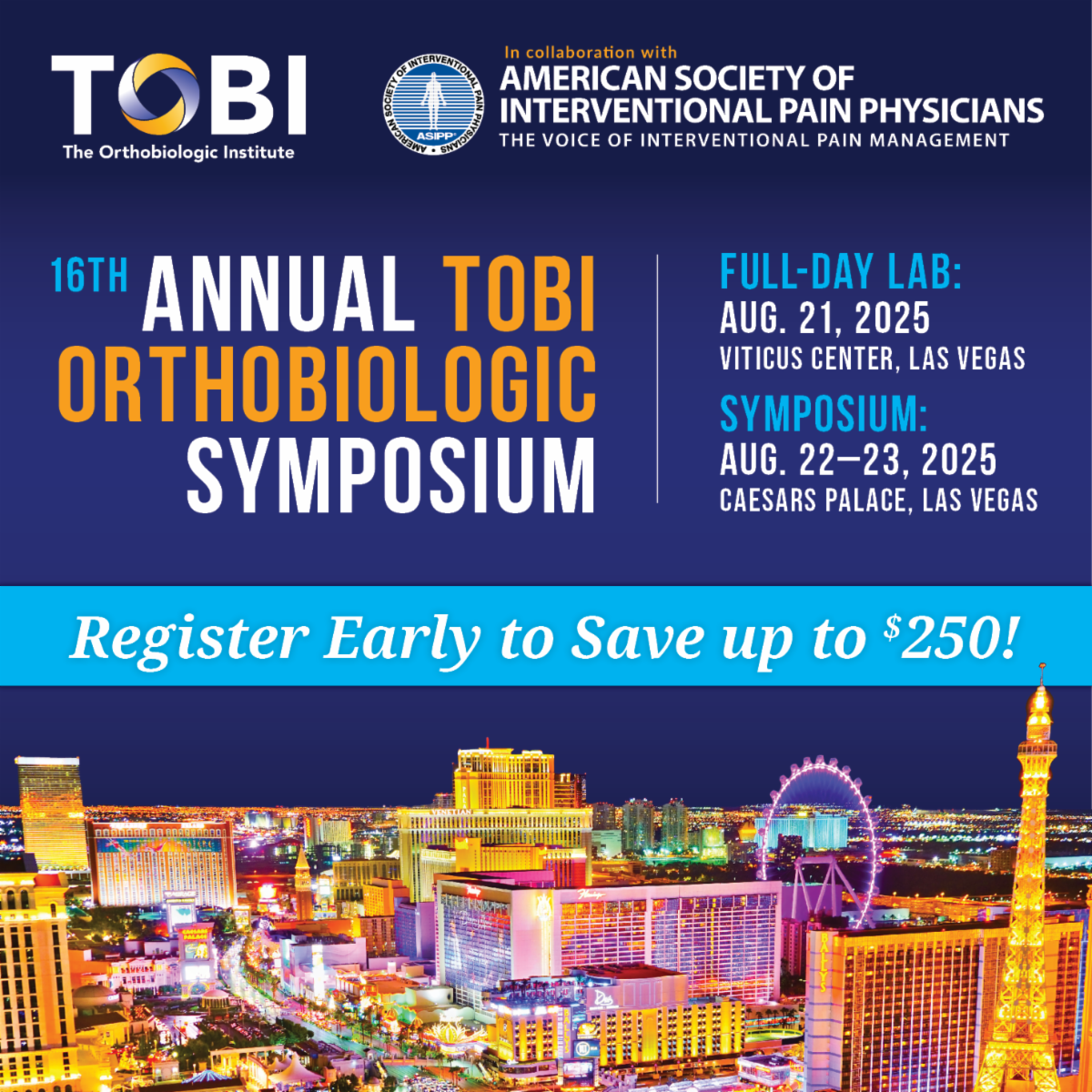
register and join us in Orlando!
| |
|
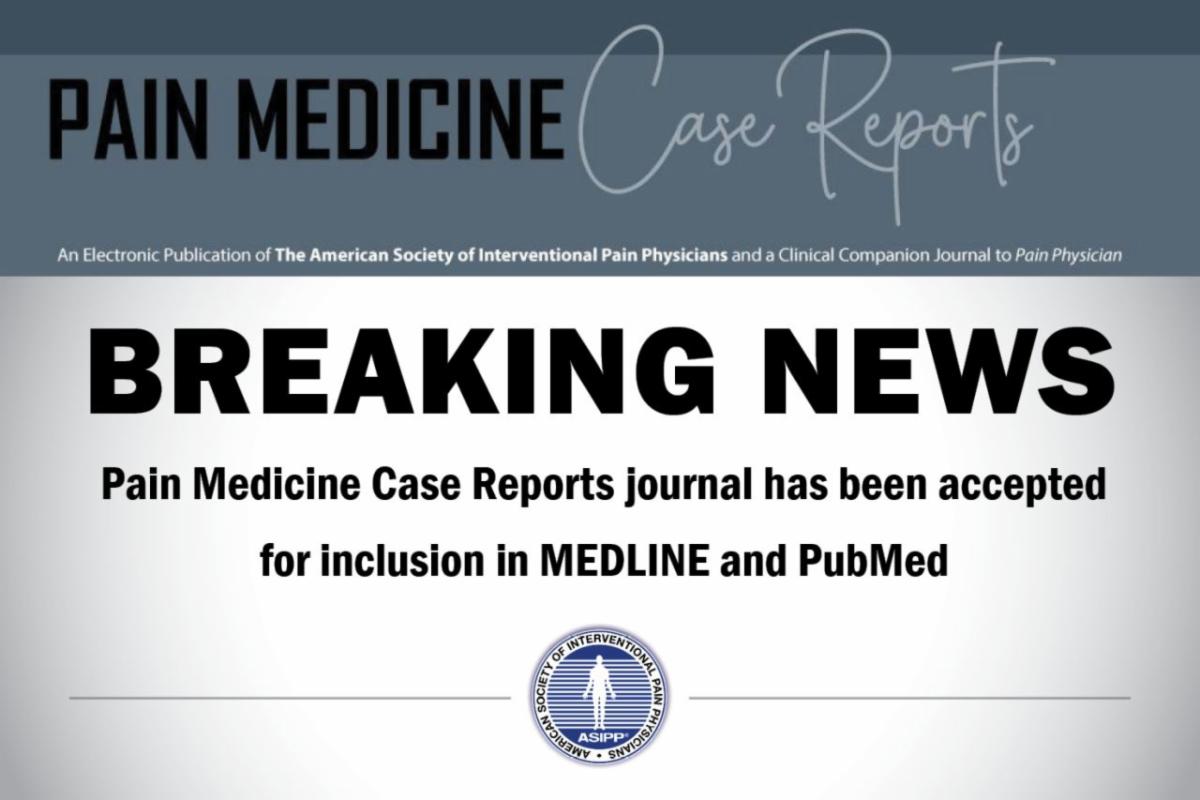
The American Society of Interventional Pain Physicians is excited to announce that Pain Medicine Case Reports (PMCR) journal (eISSN 2768-5152) has been accepted for inclusion in MEDLINE and PubMed, the prestigious bibliographic database of the U.S. National Library of Medicine. PMCR, a companion publication to the prestigious Pain Physician journal by ASIPP, joins its counterpart in achieving indexing in both MEDLINE and PubMed, marking ASIPP’s dual presence in these renowned databases.
The inclusion of PMCR journal in MEDLINE signifies a higher level of selectivity, as MEDLINE consists of the top 5,200 biomedical journals. This indexing also means that articles from PMCR will be searchable using NLM Medical Subject Headings (MeSH terms) and other metadata.
The selection for MEDLINE follows a rigorous evaluation process by reviewers from the Literature Selection Technical Review Committee (LSTRC). According to their criteria, the scientific quality of a journal’s content is the primary factor considered for indexing.
We extend our congratulations to the Pain Medicine Case Reports Editor-in-Chief, Deputy Editor-in-Chief, Journal Team, and Editorial Board for this achievement, which underscores the significance and excellence of this esteemed journal.
| |
Attention Fellows and Residents! | |
|
ASIPP is pleased to announce a scholarship to help fellows and residents participate in the 2025 ASIPP Annual Meeting. Recipients of this scholarship will receive reimbursement for up to three nights stay at the host hotel at the official ASIPP single-occupancy room block rate. This includes room block room rate and tax.
The number of scholarship recipients will be limited so it is important to apply soon! The deadline to apply is March 25!
| |
Abstract submissions are open for ASIPP's 2025 Annual Meeting!
The abstract submission deadline has been extended to March 24, 2025.
Don't miss this opportunity to share your insights and help shape the future of pain management.
| |
|
|
The Medicare Final Rule has significantly changed the provision of telehealth services. Starting April 1, 2025, most telehealth services will require patients to be physically present in an office or medical facility located in a rural area. This restriction excludes patients in non-rural areas from accessing telehealth services altogether. Even for those in rural regions, traveling to a designated facility can be extremely difficult, undermining one of telehealth’s primary benefits—providing care from the patient’s home. These changes will impose substantial transportation costs, create burdens for elderly patients who cannot drive, and disrupt the working population that relies on telehealth for accessible care. Currently, approximately 20% of patients depend on telehealth services.
Furthermore, if this rule remains in place, Medicare Advantage, Medicaid, and commercial insurers are expected to adopt similar policies, likely with reduced reimbursements. This will effectively dismantle telehealth services, severely limiting patient access to essential health services.
This issue is crucial for millions of patients across the country, and we hope you will take action to help preserve access to these vital services. We urgently request you to contact CMS and members of Congress (House and Senate).
| |
Many are often unable to make a video call to their doctor or log into their patient portals
Green lights flickered on the wireless router in Barbara Williams' kitchen. Just one bar lit up -- a weak signal connecting her to the world beyond her home in the Alabama Black Belt. Next to the router sat medications, vitamin D pills, and Williams' blood glucose monitor kit.
"I haven't used that thing in a month or so," said Williams, 72, waving toward the kit. Diagnosed with diabetes more than 6 years ago, she has developed nerve pain from neuropathy in both legs.
Williams is one of nearly 3 million Americans who live in mostly rural counties that lack both healthcare and reliable high-speed internet, according to an analysis by KFF Health News, which showed that these people tend to live sicker and die younger than others in America.
Read More
| |
Measure would extend the program through September
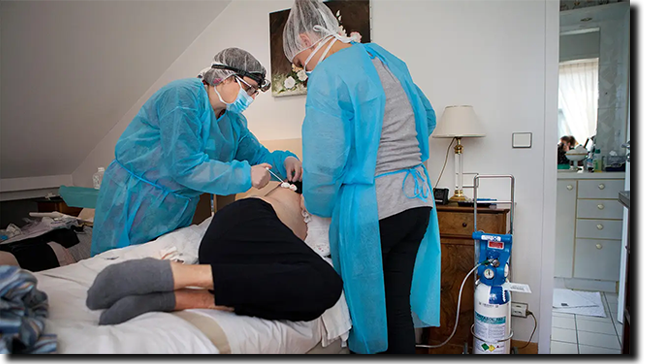
The stopgap funding bill passed Tuesday by the House included a provision to extend the CMS "Hospital-at-Home" (H@H) waiver program.
The program, which currently expires on March 31, allows hospitals to provide hospital-level care to certain patients in their homes, even though doing so would normally violate a condition of participation in Medicare and Medicaid requiring 24/7 availability of nursing care. Hospitals participating in the program get paid the same amount for H@H patients as they would if the patient were actually in an inpatient hospital bed. The provision in the House budget bill -- which still needs Senate approval -- would extend the program through Sept. 30 of this year.
The program, which is also called the Acute Hospital Care at Home program, started in November 2020 during the height of the COVID-19 pandemic. Congress has extended the H@H waivers twice, first in 2022 for 2 years and then again at the end of 2024 for 90 days, according to a fact sheet from the American Hospital Association (AHA). Both extensions received no score from the Congressional Budget Office, meaning they were considered budget-neutral. As of November 2024, 378 hospitals, across 140 systems and 39 states, have been approved to provide H@H services to patients, according to the AHA.
Read More
| |
|
New 2025 Dates
Mark your calendars!
March 29, April 26, May 31, & June 28
Four (4) hour virtual exam
- ABIPP Path – Combined CCPM/ CSM Exam
For those with subspecialty in Pain Medicine
Two (2) hour virtual exam
- ABIPP Competency Exam in IPM
For those without primary board certification
Two (2) hour virtual exam
- ABIPP Competency Exam in Regenerative Medicine
Two (2) hour virtual exam
- Controlled Substance Management Competency Exam
Two (2) hour virtual exam
- Documentation, Coding, Compliance, Practice Management Competency Exam
Two (2) hour virtual exam
| |
|
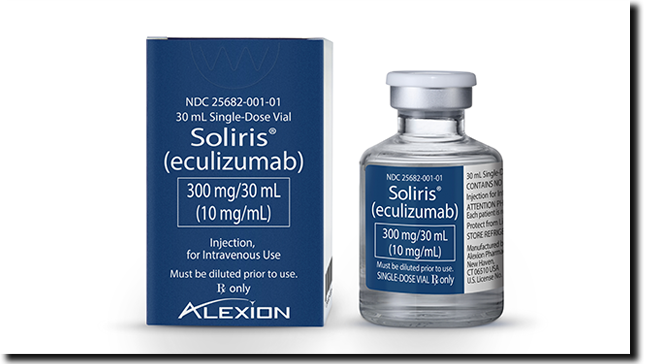
The FDA has approved a new treatment for children with generalized myasthenia gravis (gMG), a disease that makes muscles weak and tired quickly. This is the first and only medicine for children 6 and older with gMG who have certain antibodies linked to the condition.
Generalized myasthenia gravis (gMG) happens when the immune system mistakenly attacks the places where nerves and muscles connect. This leads to the buildup of harmful antibodies, which overstimulate the immune system, damage cells, and make it harder for muscles to work properly.
The drug, known as eculizumab but sold as Soliris, is a monoclonal antibody that blocks a specific complement protein to prevent neuromuscular damage and help relieve symptoms. First approved in 2007, the drug is already used for adults with gMG and other conditions, including blood and immune system disorders.
Read More
| |
- ASIPP Members Only Site Information - | |
-
To log in for the first time you will need to click “forgot password” at the bottom of the login window.
- Check your email and then log in as directed.
-
If you have problems logging into your account, click here.
| |
|
Racial disparities in access to medication for opioid use disorder (MOUD) have persisted in the United States, with Black patients having lower rates of medication receipt, fewer days of medication supply, and reduced retention rates from 2014 to 2022.
METHODOLOGY:
- Researchers used a national database to assess the receipt of MOUD in outpatient settings from 2014 to 2022 to identify whether racial disparities exist in commercially insured populations across the United States.
- They included the data of 32,929 patients (mean age, 52.98 years; 91.68% White individuals; 8.32% Black individuals) with two or more outpatient nondrug claims with OUD diagnosis codes within any 2-year observation period.
- This study focused specifically on comparing Black and White populations and analyzed the receipt of buprenorphine, naltrexone, and methadone within 180 days of OUD index diagnosis.
Read More
| |
|
Insights from the 'Spine Squad'
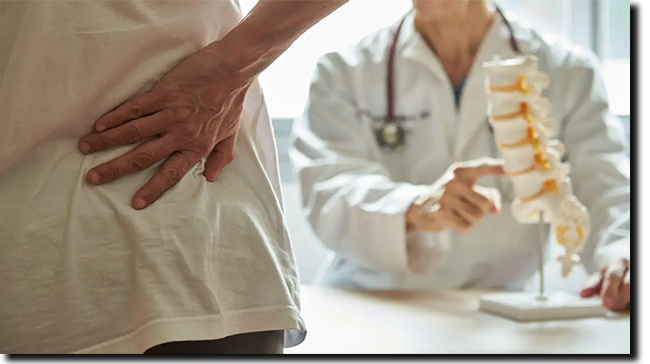
Hopelessness. Fear. Isolation. These are the feelings reflected in the stories we heard from people living with low back pain (LBP) who participated in two focus groups held by the Duke Clinical Research Institute. These patients, members of our 300-person "Spine Squad," volunteered to share their lived experiences with us.
Threading through the conversation was frustration with their doctors. These patients are not alone in their pain, and their experiences with physicians are not outliers.
LBP is the leading cause of years lived with disability worldwide and one of the most expensive conditions to treat. It is one of the top reasons why patients seek healthcare from both primary care physicians (PCPs), physiatrists, and spine surgeons. Most PCPs have little in their toolbox to directly address the needs of patients with LBP, but specialty care is also not the answer for many patients. Evidence supports the use of nonpharmacological (non-drug) care, including spinal manipulation, acupuncture, and exercise as first-line care. However, these treatments do not fall under the purview of PCPs or specialists, resulting in a significant disconnect between clinical practice guidelines and real-world patient care.
Read More
| |
|
Pain Medicine Case Reports (PMCR) and Editor-in-Chief Alaa Abd-Elsayed, MD, PhD would like to invite you to submit case reports and case series to the PMCR journal. Your article will be published free of charge.
Open access journals are freely available online for immediate worldwide open access to the full text of published articles. There is no subscription fee for open access journals. Open access journals are no different from traditional subscription-based journals: they undergo the same peer review and quality control as any other scholarly journal.
Interested in becoming a member of the PMCR Editorial Board?
Editorial board members are asked to review 2-6 manuscripts per year. Please submit your most up-to-date CV to sgold@asipp.org for consideration.
For more information or to submit your articles, click here.
| |
|
Haijun Zhang, MD, Tony Lo, DO, and Kent H. Nouri, MD
Abstract
BACKGROUND: Image-guided splanchnic neurolysis has been performed for decades to relieve abdominal pain due to cancer. Severe complications associated with the procedure are rare but could happen. Different from the previously reported cases of paraplegia due to anterior artery (cord) syndrome, here we presented a case of transient dorsal cord syndrome involving bilateral lower extremities after splanchnic neurolysis.
CASE REPORT: The patient had numbness and impaired proprioception of both legs, ataxic gait, and bowel and bladder dysfunctions shortly after bilateral splanchnic neurolysis. Magnetic resonance imaging of the spine shows new abnormal signals in the dorsal column. Based on the presentations and image findings, the diagnosis of dorsal cord syndrome was made. The majority of the symptoms were resolved in 2 weeks after the treatment of oral steroids and physical therapy.
CONCLUSIONS: Severe neurological complications could happen after image-guided splanchnic neurolysis. Close motoring, early imaging, and multidisciplinary collaboration with different services are strongly recommended to promote a speedy recovery and prevent a permanent deficit.
KEY WORDS: Paraplegia, dorsal cord syndrome, splanchnic neurolysis, cancer pain, case report
Read More
| |
|
Shu-Bao Zhang, MD, Jin Yang, MD, Hao-Wei Xu, MD, Yu-Yang Yi, MD, Chang-Xu Ren, MD, Xiao-Yong Ge, MD, Xin-Yue Fang, MD, Wei Pan, MD, PhD, and Shan-Jin Wang, MD, PhD
Abstract
BACKGROUND: Serum 25-hydroxyvitamin D (25[OH]D) deficiency causes osteoporosis and increases muscle weakness, which worsens the risk of falls and osteoporotic vertebral fractures. However, the effect of a lower serum 25(OH)D level on new vertebral fractures, including osteoporotic vertebral refractures and cascade vertebral fractures post percutaneous vertebral augmentation in patients during postmenopause has not been reported.
OBJECTIVES: This study aimed to investigate the relationship between serum 25(OH)D and the risk of osteoporotic vertebral refractures and cascade vertebral fractures.
STUDY DESIGN: A retrospective case-control study.
SETTING: This study took place at the Department of Spinal Surgery at a hospital affiliated with a medical university.
METHODS: We retrospectively analyzed clinical data from patients during postmenopause aged >= 50 years who underwent percutaneous vertebral augmentation. The patients were categorized into a nonrefracture group, an osteoporotic vertebral refractures group, and a cascade vertebral fractures group. Univariate and multivariate logistic regression analysis models were employed to assess the effect of 25(OH)D on osteoporotic vertebral refractures and cascade vertebral fractures, while a receiver operating characteristic curve was used to evaluate its predictive value.
RESULTS: A total of 528 patients were included in this study. Of these, 163 patients (30.9%) developed new vertebral fractures, with 124 (23.5%) classified as osteoporotic vertebral refractures and 39 (7.4%) as cascade vertebral fractures. The 25(OH)D levels were significantly lower in the new vertebral fracture group. Multivariate logistic regression analysis confirmed that an increase in 25(OH)D levels was protective against osteoporotic vertebral refractures occuring, including cascade vertebral fractures post percutaneous vertebral augmentation, even after adjusting for other potential confounding factors. A Pearson correlation analysis indicated a close relationship between vitamin D levels and L3 paraspinal muscle density and L3 bone mineral density in the enrolled patients with osteoporotic vertebral fractures (P < 0.05). A receiver operating characteristic curve analysis indicated an area under the curve of 0.751 for 25(OH)D levels in predicting the risk of osteoporotic vertebral refractures (cut-off value, 27.5 ng/mL; sensitivity, 62.74%; specificity, 72.60%; P = 0.001) and 0.831 for cascade vertebral fractures (cut-off value, 19.5 ng/mL, sensitivity, 56.41%; specificity, 97.53%; P = 0.001), respectively.
LIMITATIONS: This retrospective study was conducted at a single center with a limited number of patients during postmenopause who had prior percutaneous vertebral augmentation, especially those that developed recurrent fractures.
CONCLUSIONS: A low serum 25(OH)D level is an independent risk factor for new vertebral fractures after percutaneous vertebral augmentation in patients during postmenopause. Appropriate active vitamin D supplementation following percutaneous vertebral augmentation surgery can effectively mitigate the risk of subsequent osteoporotic vertebral fractures.
KEY WORDS: 25-hydroxyvitamin D, osteoporotic vertebral refractures, cascade vertebral fractures, percutaneous vertebral augmentation
Read More
| |
|
Raul Rodas, MD
Abstract
BACKGROUND: Chronic low back and lower limb pain occurs in 13% of Americans, and is the leading cause of disability. Patients with this condition have a reduced quality of life, have mental health disorders, and cognitive disfunction. While back pain alone is difficult to manage, back pain with associated leg pain results in further reduced outcomes. Spinal cord stimulation (SCS) is a minimally invasive therapy that has been used for a variety of chronic pain disorders when conservative management strategies have failed. The therapy is appealing because of its ability to provide long-term relief at a reduced cost and it has low rates of serious adverse events.
OBJECTIVE: The objective of this retrospective study was to examine the safety and efficacy of the Freedom® Spinal Cord Stimulator System for treating patients who have chronic bilateral back and leg pain.
STUDY DESIGN: This retrospective study included 32 patients who received a permanent Freedom® SCS System to treat their chronic bilateral back and leg pain due to nerve compression due to complex regional pain syndrome (CRPS) Type I and/or II. A retrospective chart review was conducted to assess baseline and follow-up Verbal Rating Scale (VRS) pain scores as well as complications.
SETTING: This study was conducted at a single center in the United States.
METHODS: The data were retrospectively collected from patients’ medical records. Pain was assessed using the 11-point VRS scores; these scores were collected at baseline, post-trial, 6 months post-implantation, and 12 months post-implantation. Adverse events were reported descriptively and classified as serious or nonserious and either related or nonrelated to the implantation.
RESULTS: The post-trial VRS scores for the 32 patients were reduced by 73% (P < 0.001). At 6 months post-implantation, the VRS scores were reduced by 71% (P < 0.001) for 30 patients and at 12 months by 74% (P < 0.001) for 19 patients. No adverse events were reported.
LIMITATIONS: Our study’s retrospective design limited us to the data available in the patients’ charts.
CONCLUSION: The Freedom SCS System is an effective and safe therapy for treating patients with chronic back and leg pain that is resistant to conservative therapy due to nerve compression and CRPS Type I and/or II. These types of patients often report aggravation of symptoms with surgery. Minimal invasive surgery should decrease the chance of extra symptoms.
KEY WORDS: Spinal cord stimulation, chronic back and leg pain, complex regional pain syndrome (CRPS), nerve compression
Read More
| |
|
ASIPP is now in collaboration with Curi Medical Liability Program
Since this malpractice insurance program officially launched in November 2018, ASIPP has signed up hundreds of providers with an average savings of 30%. This is professional liability insurance tailored to our specialty and will stand up for us and defend our practices.
Curi is a full-service advisory firm that serves physicians and their practices. Their valued advice is grounded in your priorities and elevated in your outcomes. They are driven by a deep understanding of your specific circumstances in medicine, business, and life. To read a few important points to keep in mind about the program, including discounts, administrative defense, cyber coverage, aggressive claims handling, and complimentary risk management CME activities, visit our website.
| | |
|
Group Purchasing Organization Offer Better Pricing and Creates Added Value
ASIPP has formed a partnership with Henry Schein and PedsPal, a national GPO that has a successful history of negotiating better prices on medical supplies and creating value-added services for independent physicians. Working with MedAssets, PedsPal provides excellent pricing on products like contrast media that alleviate some of the financial pressures you experience today.
Learn More
| |  |
|
ASIPP, Fedora Healthcare Solutions Partnership
ASIPP offers our members the benefit of a unique revenue cycle management/ billing service.
We have received a tremendous amount of interest in the ASIPP billing and coding program.
Click here to learn more about the negotiated rate for practices and more!
| |
Like and follow ASIPP® on Facebook, X, LinkedIn, and YouTube for the most up-to-date news related to you, your practice, and your patients! | | | | |