|
“Play is often talked about as if it were a relief from serious learning.
But for children, play IS serious learning.
Play is really the work of childhood.”
~ Fred Rogers
| | Research shows that play and nature-based learning is crucial for whole-child development. This newsletter offers actionable ideas, resources, and research that supports child-led play and nature connection for educators and families. | | 🌺 The May flowers have arrived and with those we bring you many great resources.🌹 | | Outdoor Napping Provides Many Benefits for Children | | |
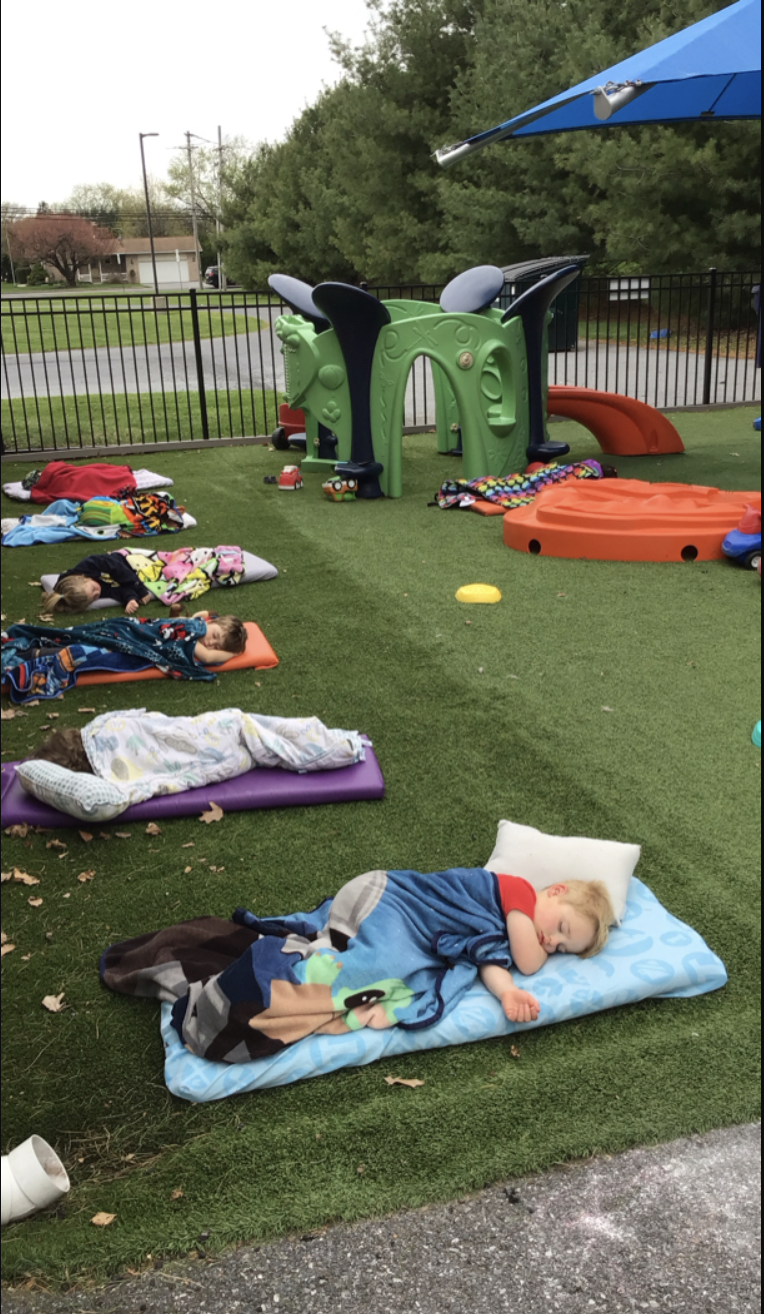
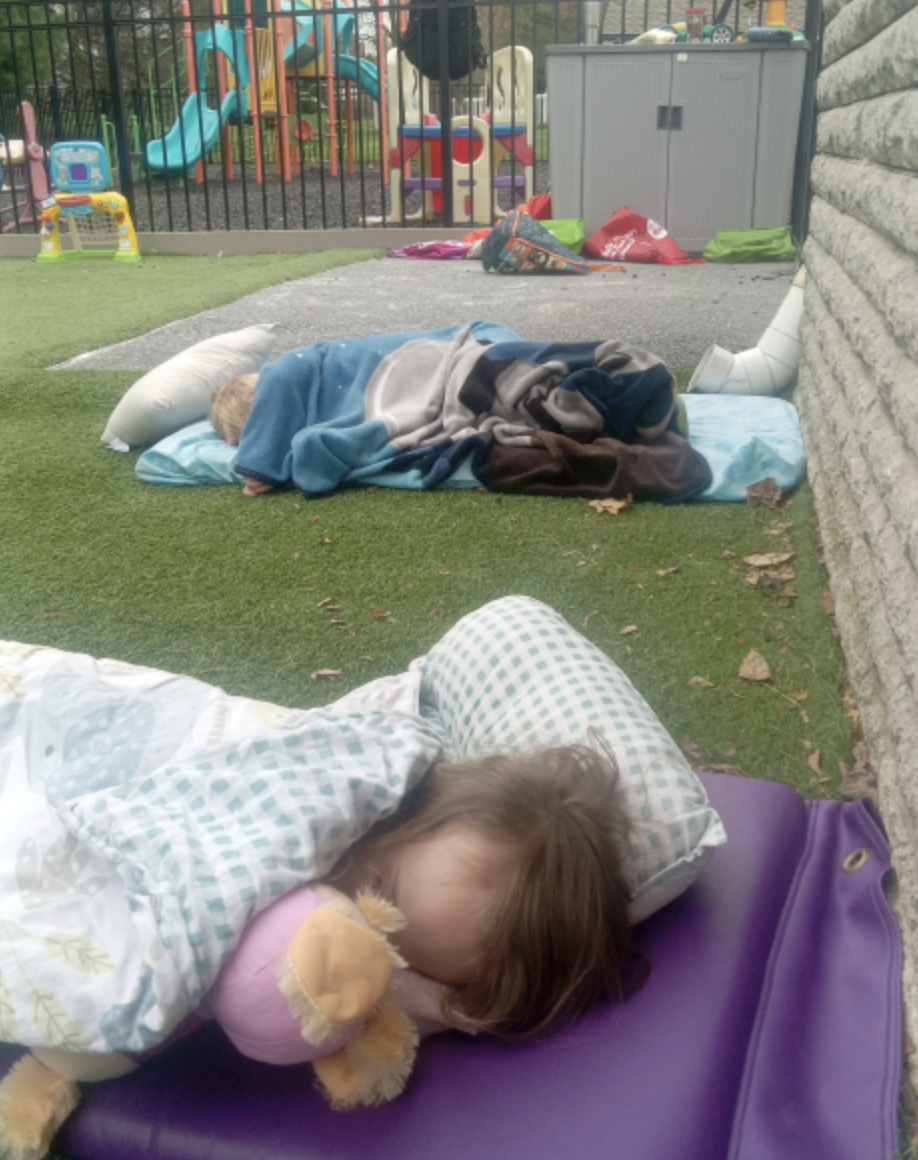
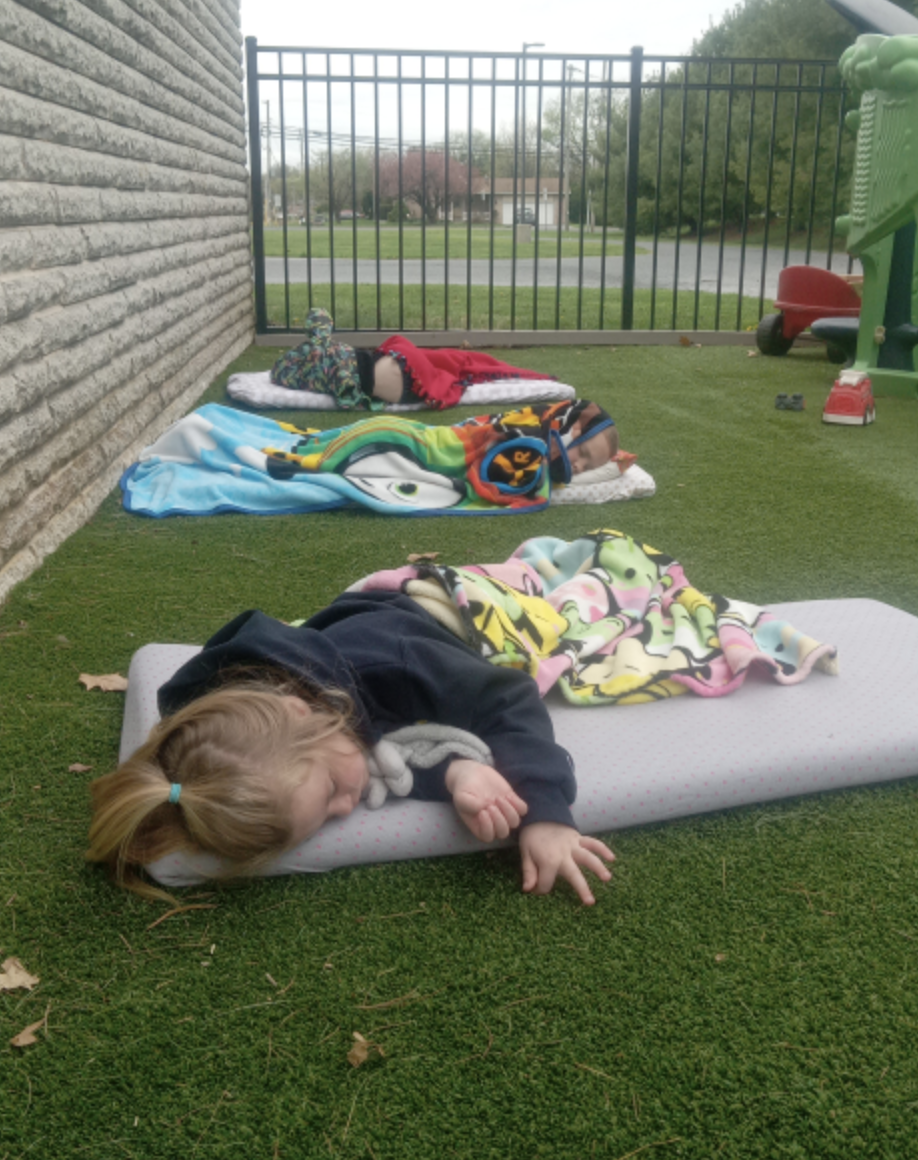
Gracepoint Learning Center in Lebanon is giving outdoor napping a try and is having great success!
From the teacher: "I was apprehensive about doing it, but how can I turn this down if I don't even try it? They were excited about having their nap outside and listened to the birds. Overall, it was a really good experience. "
Check out these resources for more information on napping outdoors:
| |
Mark Your Calendars: International Day of Play is June 11 | |
International Day of Play is a time to celebrate the power of play. It’s a time to raise awareness about how central play is to every child’s development and well-being. And it’s a time when we can come together to make sure that every child is able to fulfil their right to play.
| | | |
Mark Your Calendars: June 29 is International Mud Day | |
International Mud Day is an exciting date not only to play and have fun with mud but to raise awareness about cleanliness and access to sanitation in different parts of the world! International Mud Day strives to bring children from all over the world together through the ground by allowing them to play in the mud. Children and early childhood professionals all over the world celebrate International Mud Day by getting really muddy and observing nature, the outdoors, and mess.
Gain ideas to celebrate Mud Day at your program here. And remember, you can play and learn with mud all year long!
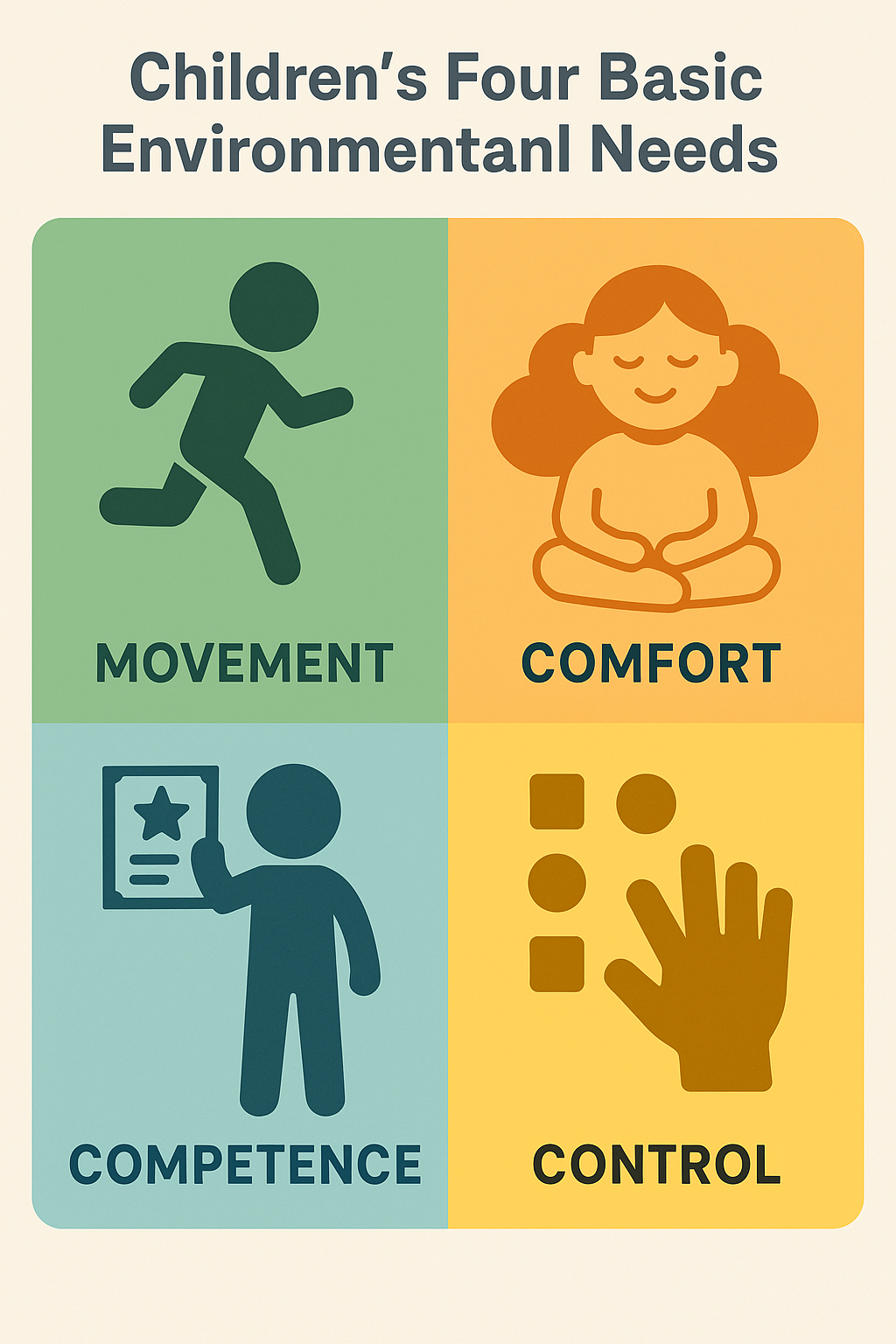
| | | | Children's Four Basic Environmental Needs—movement, comfort, competence, and control | | |
According to Olds (2001), children’s four basic environmental needs—movement, comfort, competence, and control—are critical for their holistic development. Movement provides opportunities for physical exploration and sensory experiences, which are essential for motor skills and cognitive processing. Comfort creates a sense of security and emotional well-being, allowing children to feel safe and focused. Competence involves structured opportunities to practice and master new skills, fostering self-confidence and learning. Control enables children to exercise autonomy and make choices within their environment, supporting self-regulation and independence (Olds, 2001).
| |
Share Your Outdoor Story - Discover the Forest | Whether you're a parent, caregiver, or educator, your story can help inspire others to step outside and connect with nearby nature. Your responses may be used in Discover the Forest materials (with your permission). Everyone who answers the survey will be entered to win a free conference registration for the Nature-Based Early Learning Conference and a conference t-shirt. | | | DEY Dialogues: IPA USA White Paper Policy Briefs | Last year, Susan and Elizabeth published a paper on playgrounds in the IPA USA’s 50th Anniversary White Paper. Learn more about this White Paper and how you can use it as an advocacy tool in this episode of DEY Dialogues, where Denisha talks with Deb Lawrence, President of the International Play Association USA Chapter, about the release of the white paper and policy briefs. | | | |
Episode 144: "More than a Tomato Plant: Engaging the Players" with Sandra Duncan and Clare Nugent | In this enlightening episode, Sandra Duncan and Clare Nugent dive deep into the world of children's learning styles within the outdoor classroom. They explore the various roles that children naturally gravitate toward during outdoor play and learning, and how these roles can be encouraged and nurtured by educators and caregivers. | | | |
Four Ways to Use Story Stones in the Classroom | There is something so special about a stone. They are unique treasures that kids love to collect, play with, and display. They are also inviting learning tools. Here are four ways to use story stones in the traditional, homeschool, or outdoor classroom setting. Check out the bottom of the post to see the easy way we make our story stones! | | | |
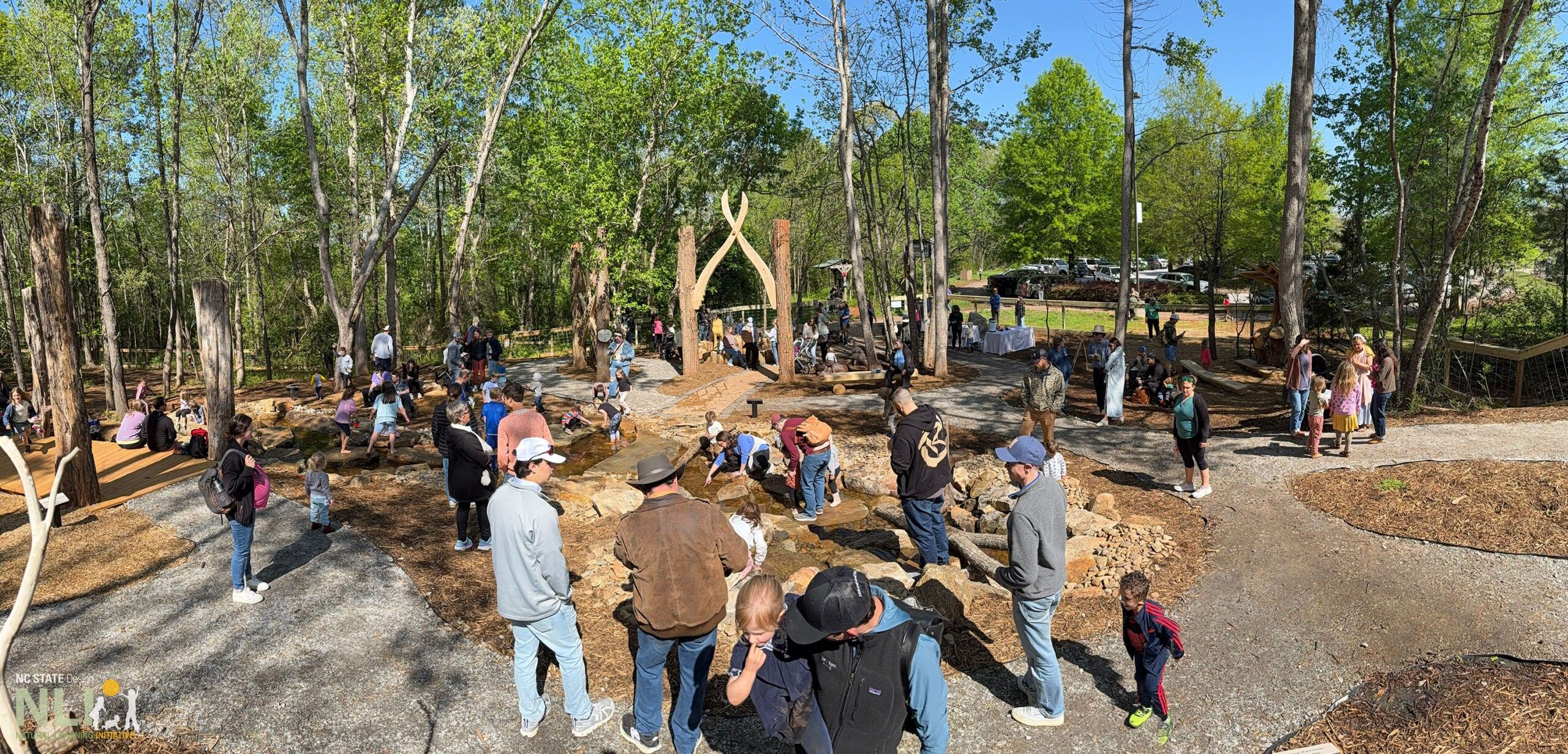
Conestee Nature Preserve: Nature Playscape | Natural Learning Initiative's newest project, The Nature Playscape at Conestee Nature Preserve (CNP) in Greenville, SC, opened in April. This engaging, natural space offers a bounded space dedicated to childhood freedom to explore, discover, play in, and learn about nature - and above all, have fun with family and friends. Designed through a collaborative process, the 0.8-acre space reflects CNP goals of conservation and the strengthening of human connections to nature. | | | | Upcoming Conferences & Webinars | |
Natural Start Webinar: Say "Yes!" to Kids with Disabilities: Stories and Strategies for Including All Kids | May 14, 1 PM | All children have the right to access quality education and the right to play, yet far too often children with disabilities are excluded from recreational activities and families are denied access to enriching programs like nature-based preschool. | | | |
From Control to Collaboration: Re-thinking Classroom Management by Samuel Broaden | Early Childhood Webinars | May 14, 2 PM | Free, expert-led early childhood education webinars offering practical strategies and inspiring insights. Serving over 3 million early education professionals, join to learn and receive certificates. | | | |
Nature Explore: Using Your Outdoor Classroom | May 15, 7 PM | Join us live online as we discuss how well-designed natural outdoor classrooms help you support children’s healthy physical, emotional, intellectual, and social development. In this lively, interactive session, you’ll learn to apply research-based principles to your space, materials, activities, and connections with children in schools, early childhood settings, and public spaces. | | | |
The Power of Rhythm: Singing, Dancing and Moving into Self-Regulation and Learning by Barbara Sorrels | Early Childhood Webinars | Mat 21, 2 PM | Free, expert-led early childhood education webinars offering practical strategies and inspiring insights. Serving over 3 million early education professionals, join to learn and receive certificates. | | | |
Bienenstock Webinar: Water Walls | June 6, 7 PM | All kids love playing with water. Whether it's jumping in a puddle or playing at the water table, it's always a big hit. | | | |
Natural Start Alliance Virtual Conference: July 14-18, 2025 | The Nature-Based Early Learning Conference brings professionals together to explore and promote nature-based learning for young children. Attendees include teachers, program administrators, higher education faculty, researchers, education consultants, landscape designers, and others who are committed to or interested in bringing nature, outdoor learning, and environmental education to young children’s education. The program focuses on nature-based education for preschoolers (ages 3-5), early elementary students (ages 5-8), and infants and toddlers (ages 0-3). Professionals, parents, and caregivers who are just learning about a nature-based approach to education, or may be interested in starting a nature-based early education program, are welcome. | | | | Access our Nature-Based Play Resource List on the Keystone Kids Go website. | | Check out the "Inspiring Nature-Based Early Learning" webinar here. This training counts for 1 hour of PQAS PD (and can count toward STARS indicator EC 3.4.6). | | | |
Quest for Quality Podcast
Part 1: The Benefits of Outdoor Learning and How to Start Small
Research shows that children thrive outdoors and have opportunities for learning, development and self-regulation that cannot be achieved indoors. In this podcast, Susan and Elizabeth discuss how nature play supports the health and well-being of children and adults alike, the features of an Outdoor Learning Environment compared to a playground, the barriers that may limit how much time children spend outdoors, and small-step solutions anyone can take to get started.
| | | | |
Quest for Quality Podcast
Part 2: Diving Deeper into Outdoor Learning Practices
In part 2 of this outdoor learning series, Susan and Elizabeth do a deeper dive into what outdoor play really looks like, including some additional areas you can set up, how to easily connect outdoor play to learning standards, and our role as the adult in this type of play-based, child-led exploration.
Click here for part 1 and 2 resources.
| | | Our Favorite E-Newsletters and Blogs | | |
Have you embraced play and/or nature in your program?
We'd love to hear from you!
| | |
Your ideas, successes and creativity in overcoming some of the
barriers that limit how much children play and experience nature
can help others believe they can make these changes, too.
Please consider sharing your story (or questions/ideas) with us in the link below. If your story is selected, we will feature your program in an upcoming issue.
Your work will then help inspire others!
| |
Looking for more information?
Technical Assistance Coach Elizabeth Marcello and Outdoor Learning & Play Consultant Susan Chlebowski can partner with you to provide center-based or individual classroom coaching and professional development in the topics of play-based learning, nature-based learning, classroom management and challenging behavior support, or innovative solutions to barriers. Complete a "Consultation Request" through your PD Registry Organization Page's Keystone STARS tab to request coaching.
*For early learning providers in ELRCs 8, 9, and 10 only.
| | | | Keep in Touch with Community Connections for Children! | | | | |