|
HTS (Joulani / Ahmed al-Sharaa) Led Government Attacks Firqat al-Ghuraba Compound in Harem
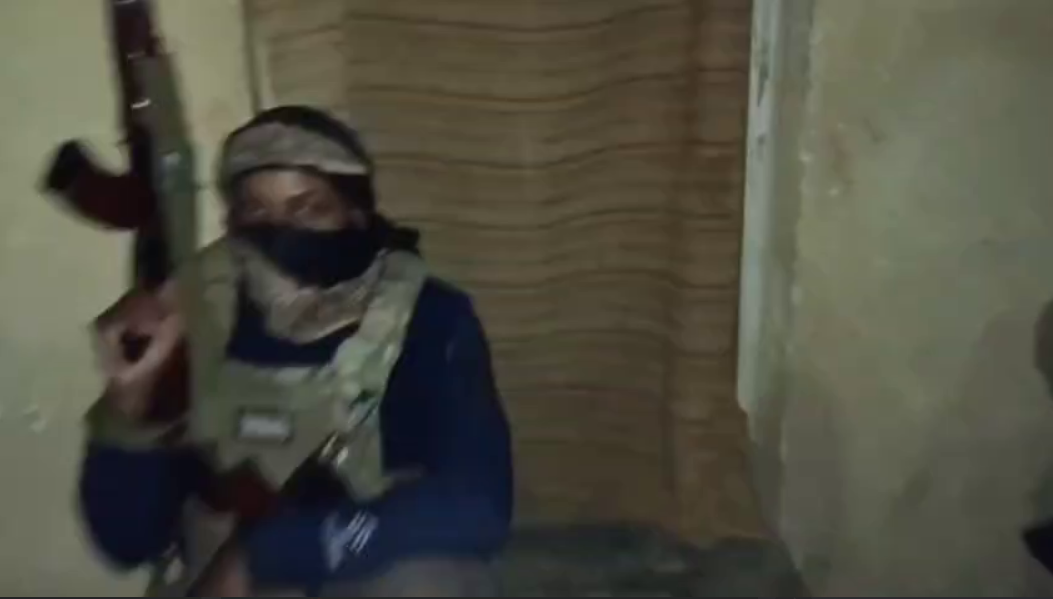
On the night of 21 October 2025, security forces loyal to the Damascus-based Hayy’at Tahrir al-Sham (HTS)-led government surrounded the compound of Firqat al-Ghuraba, a Francophone jihadist faction based in Harem, northern Idlib Governorate. By midnight, open clashes erupted between HTS units and the group, with government forces employing weaponised drones to drop small munitions on the site. The confrontation continued into 22 October, marked by intermittent small-arms exchanges and drone flyovers. As of the latest reports, no casualties were confirmed on either side. Around 15:00 local time, the Ministry of Interior announced that active operations had ceased, stating that it had withdrawn to the perimeter of the camp to allow Omar Omsen to comply peacefully and return the missing child, Maymouna Verstay, without violence.
Firqat al-Ghuraba (“The Foreigners’ Brigade”) is composed of roughly 20–50 French-speaking foreign fighters, most of whom arrived in Syria around 2013 under the leadership of Omar Omsen (Oumar Diaby), a Senegalese-French jihadist influencer originally from Nice. The group initially aligned with Jabhat al-Nusra, al-Qaeda’s branch in Syria, during the early years of the conflict, but later turned against its successor, HTS, accusing it of abandoning al-Qaeda’s ideology and seeking political legitimacy. HTS previously detained Omsen himself in both 2018 and 2020, before releasing him in 2022. Since its creation, Firqat al-Ghuraba has been accused of forming a semi-autonomous enclave in northern Syria, operating its own courts and social structures outside HTS control, effectively functioning as a small parallel state. Omsen’s flamboyant public persona and his efforts to attract media attention have long clashed with HTS’s policy of downplaying its foreign and Salafi-jihadist roots.
The operation against the group began with a tactical siege. Security forces blocked all entry and exit points, perforated water storage tanks, and used drone-dropped grenades to strike positions inside the compound. Heavy weapons were also reportedly used, resulting in visible damage to several perimeter walls. Omsen, according to government statements, refused to negotiate while preventing civilians, including women and children, from leaving the camp, apparently to deter an all-out assault. The Ministry of Interior stated that it was proceeding cautiously to avoid civilian casualties. By the afternoon of 22 October, kinetic activity had paused, likely due to the mobilisation of Uzbek foreign fighters from nearby areas, who pledged to defend Firqat al-Ghuraba and warned HTS against launching an assault.
This confrontation forms part of a wider pattern of HTS repression against foreign jihadist factions operating in northwestern Syria. Earlier in October, on 8 October 2025, HTS security forces arrested Abu Dujana al-Turkistani, head of Muhojir Tactical and a senior military instructor for several HTS units. Around the same period, three foreign clerics were detained while visiting an injured comrade in a Damascus hospital. On 21 October, Firqat al-Ghuraba released videos claiming that government operatives had been impersonating an ARTE television film crew to gather intelligence on their compound. In a related show of solidarity, Uzbek fighters released their own video pledging to defend Firqat al-Ghuraba, underscoring the residual bonds among transnational jihadist groups still present in Idlib.
The immediate trigger for the operation was the alleged kidnapping of 11-year-old French national Maymouna Verstay. Her mother, who had brought her to Syria, accused Firqat al-Ghuraba of abducting the child and reported the case to the authorities. In response, the group published French court documents suggesting the case stemmed from a custody dispute between the girl’s parents, one of whom remains in France. The American and former journalist Bilal Abdul Kareem later announced that he had stepped in to mediate between Omsen and the government to secure the child’s release. However, the scale of the siege, involving drones, armour, and multiple security branches, indicates that the incident served more as a pretext for a broader political objective.
The operation in Harem fits within a broader campaign by HTS and the Damascus government to neutralise or expel foreign fighters deemed politically inconvenient or ideologically intransigent. While these groups were once instrumental in the insurgency’s early military successes, they now pose a liability as HTS seeks to consolidate power, project moderation, and court international legitimacy. The campaign has focused on reducing the influence of hardline Salafi-jihadist factions, whose globalist rhetoric undermines HTS’s efforts to recast itself as a nationalist, Islamist governing movement. By suppressing such groups, HTS aims to demonstrate its control over remaining militants, reassure neighbouring countries such as Turkey, and appeal to conservative Sunni business and bureaucratic elites in post-war Syria.
This balancing act, however, remains delicate. The treatment of foreign fighters is a deeply divisive issue within Islamist circles in Syria. Many sympathisers and factions still view the mujahideen as comrades who sacrificed for the revolution, and resent their perceived betrayal by HTS. For that reason, HTS has often conducted similar purges discreetly, avoiding public statements to minimise backlash among its core base in Idlib. Yet, Omsen’s celebrity status and defiance make this operation difficult to contain quietly. His outspoken criticism of HTS’s ideological compromises and his status as one of the few remaining Western jihadist leaders in Syria lend the confrontation a potent symbolic dimension.
Ultimately, the incident underscores how HTS’s evolution from insurgent movement to quasi-state actor is forcing it to confront and suppress its own ideological past. The confrontation with Firqat al-Ghuraba is as much a political theatre of transformation as it is a security operation, one meant to demonstrate that the new Syria under HTS’s stewardship can exercise both control and restraint, even against its former allies.
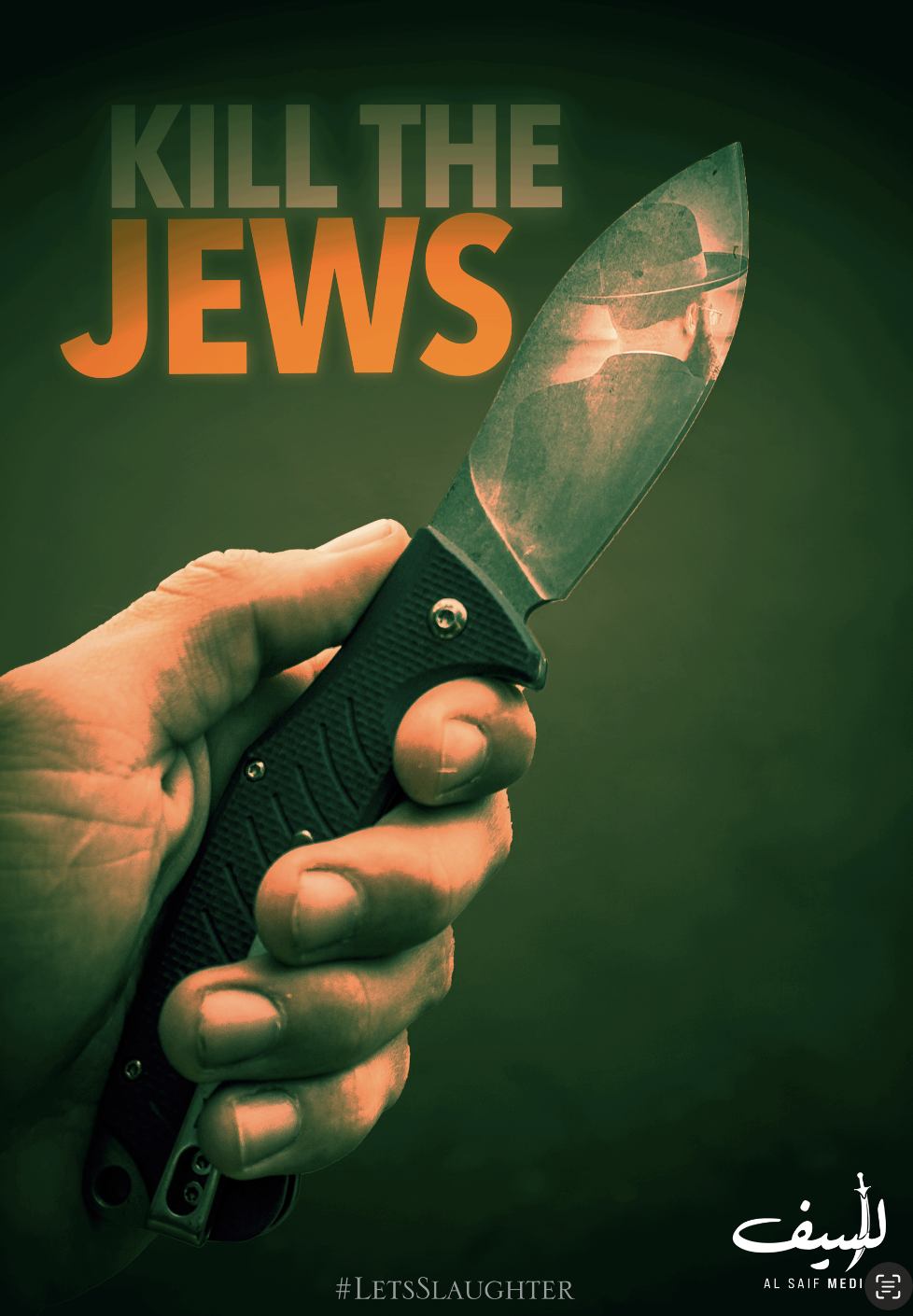
| | | (Poster) al-Saif Media (Unofficial Islamic State): ‘Kill the Jews’ (‘Tötet die Juden’) – 22 October 2025 (German) | | |
This unofficial Islamic State (IS) propaganda poster, released by al‑Saif Media on 22 October 2025 in German, bears the slogan “Tötet die Juden” (“Kill the Jews”). The poster shows a hand gripping a knife, its blade reflecting the figure of a Jewish man, an unmistakable incitement to religiously motivated violence. The inclusion of both German and English versions indicates that this piece is part of a multilingual propaganda effort targeting Western audiences, particularly within Europe, where IS sympathisers continue to conduct knife attacks.
The choice of German underscores an intent to radicalise/mobilise potential lone actors in Europe by invoking local language familiarity while framing the message within IS’s broader anti‑Semitic and anti‑Western narrative. The imagery, paired with the hashtag #LetsSlaughter in English, reflects IS’s longstanding tactic of blending shock visuals with simple, emotionally charged directives to inspire low‑tech, spontaneous acts of terror.
This increase in German-language propaganda appears to be yielding tangible results, as 2025 has already witnessed a disturbing rise in IS-inspired attacks across both Germany and Austria. By leveraging visually striking content and targeted messaging, IS has managed to insert itself into the online radicalisation space with alarming effectiveness. Given the historical precedent of past IS-linked knife and vehicular attacks in the region, the presence of tailored propaganda in German, alongside sustained recruitment efforts, indicates a persistent and evolving threat landscape in Central Europe.
| | TRAC Incident Report: Bello Turji Frees Over 100 Kidnapped Victims Freed Amid Renewed Peace Efforts in Zamfara State, Nigeria | | |
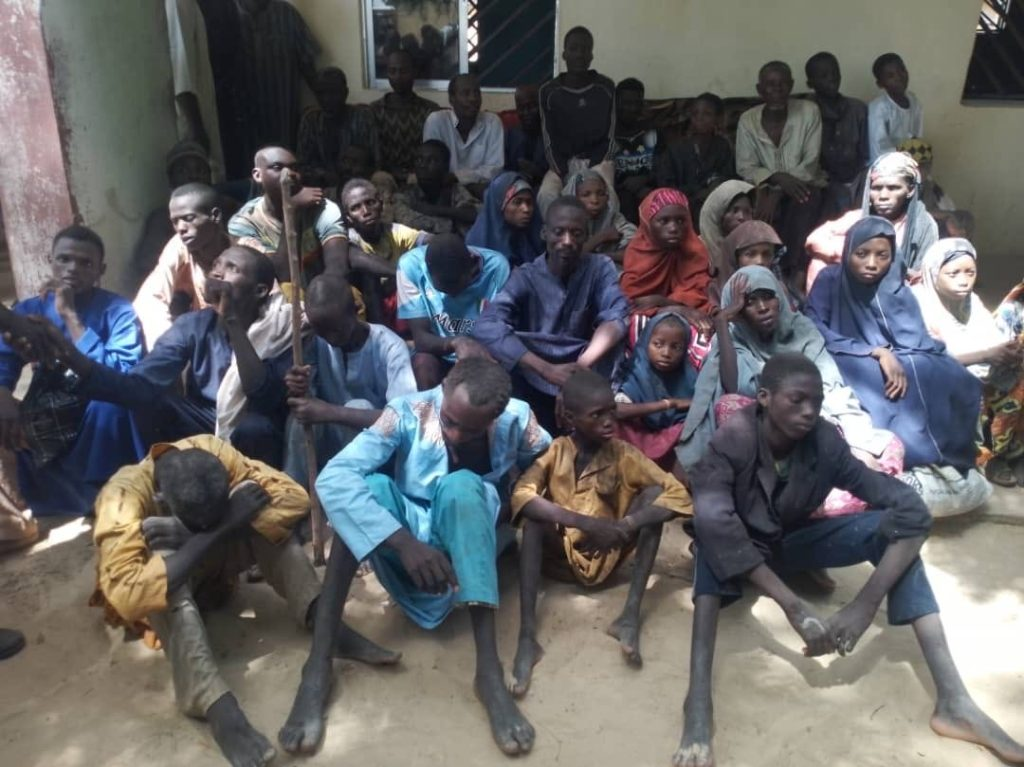
On 21 October 2025, more than 100 kidnapped victims were released by notorious bandit leader Bello Turji in Zamfara State, following a new round of informal peace talks brokered by community elders and security officials. The releases mark one of the largest mass liberations of hostages in recent months, reflecting both the persistence of Turji’s influence and the Nigerian government’s continued reliance on local negotiation frameworks to reduce violence in the northwest.
Turji maintains de facto control over swathes of Shinkafi Local Government Area (LGA) and adjoining territories in Zamfara and Sokoto States, where his network of armed groups enforces its own taxation and governance system. Villages under his sway are often compelled to pay “protection levies,” such as the ₦25 million levy reportedly imposed on a community in Isa LGA, in exchange for temporary safety from attacks or kidnappings. Over time, this system has allowed Turji to establish a rudimentary political order in parts of rural Zamfara, one enforced not by the state but through coercion and selective patronage.
By engaging in negotiated releases and truces, Turji signals to the authorities and local elites that he remains a “stakeholder” to be involved rather than eliminated. Such gestures often provide him with temporary breathing space to reorganise, rearm, or consolidate control while reducing military pressure on his camps. For the government and mediating elders, these negotiations are framed as humanitarian acts, attempts to save lives and defuse local tensions. Yet they also risk legitimising Turji’s parallel authority, reinforcing the perception that he can dictate terms of peace and war across Zamfara’s northern belt.
The freed victims, including men, women, and children, were handed over to local authorities in Shinkafi for medical evaluation and debriefing before being reunited with their families. According to community sources, the release occurred in three phases: an initial group of 36, followed by eight, and then the remaining captives, bringing the total to just over 100. Additional releases are anticipated as discussions between Turji’s emissaries and government intermediaries continue.
Bello Turji (real name Bello Turji Kachalla) remains one of the most prominent and militarily capable bandit leaders in northwest Nigeria. His network operates as a loosely organised proto-insurgent structure, commanding hundreds of fighters, access to heavy weaponry, and influence over key smuggling routes connecting Sokoto, Zamfara, and the Niger Republic. His faction’s combination of violence and diplomacy has made him a paradoxical figure, both a brutal warlord and an occasional broker in ceasefires. Since 2021, Turji has periodically used mass releases of captives to position himself as a negotiable actor, particularly when faced with intensified military airstrikes or internal disputes among rival commanders.
| | TRAC Incident Report: United Liberation Front of Asom (ULFA-Independent) Militants Strike an Army Camp in Kakopathar, Tinsukia, Assam, India | | |
In the early hours of 17 October 2025, militants of the United Liberation Front of Asom – Independent (ULFA-I) carried out a coordinated attack on an Indian Army camp in Kakopathar, Tinsukia District, Assam. The assault began around 12:30 a.m. and involved the use of grenade launchers followed by approximately 30 minutes of sustained gunfire, leaving three soldiers injured. According to initial reports, the attackers arrived in a truck from the Doom Dooma direction. They fired three to four grenades—likely from rocket-propelled or under-barrel grenade launchers (RPGs/UBGLs), before opening fire with automatic weapons. The militants later escaped toward Arunachal Pradesh, taking advantage of the area’s rugged forested terrain.
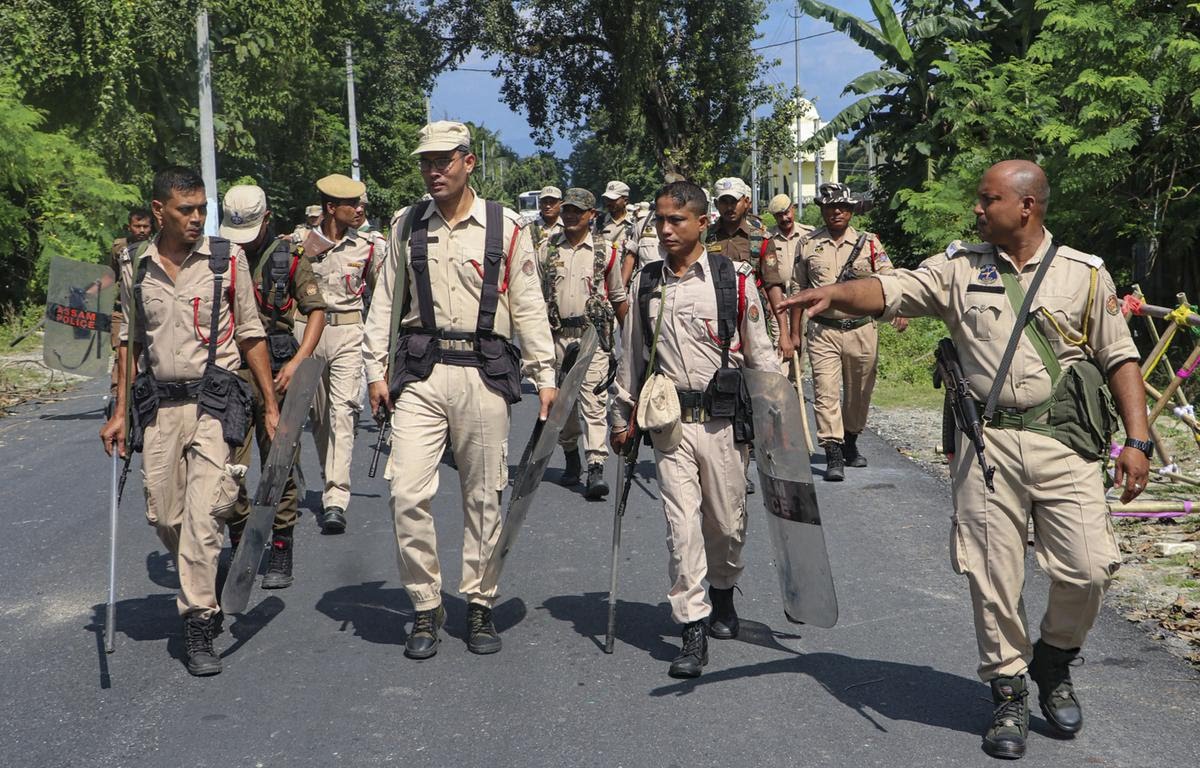
The Indian Ministry of Defence confirmed the incident, noting that troops “responded immediately and effectively,” while ensuring no collateral damage to nearby civilian homes. The quick retaliation reportedly forced the assailants to withdraw. Security forces subsequently cordoned off the area and launched joint search operations with state police. Investigators later recovered a truck believed to have been used in the assault, registered as AS-25-EC-2359, found abandoned near Tengapani Ghat along the Noa-Dihing River close to the Assam–Arunachal Pradesh border. The discovery provided key leads to track the attackers' movements and possible logistical support.
The assault comes less than 24 hours after a similar 16 October 2025 attack on an Assam Rifles (AR) camp in Changlang District, Arunachal Pradesh, which injured two personnel. Together, these back-to-back incidents suggest a renewed phase of coordinated insurgent activity across India’s northeast, the most significant escalation since the 2023 peace accord with ULFA’s pro-talks faction. The ULFA-I claimed responsibility for the Kakopathar attack, describing it as part of “Operation Vengeance”, which analysts believe is retaliation for alleged Indian drone strikes in July 2025 that reportedly killed several senior ULFA-I commanders in Myanmar.
According to ULFA-I’s own account, drone strikes on 13 July 2025 targeted multiple camps near the India–Myanmar border, allegedly killing senior leaders including Nayan Medhi, Brigadier Ganesh Asom, and “Colonel” Pradip Asom, while injuring at least 19 others. Although Indian authorities have neither confirmed nor denied the operation, the group’s October attacks appear designed to avenge these losses and demonstrate continued operational resilience despite setbacks. The timing and nature of the Kakopathar attack indicate strategic planning and access to advanced weaponry, reaffirming ULFA-I’s ability to coordinate cross-border strikes and exploit regional terrain.
Led by Paresh Baruah, ULFA-I remains headquartered along the China–Myanmar border, where it maintains ties with regional insurgent networks, including the Yung Aang faction of the NSCN-K-KYA. In August 2025, both groups issued a joint statement urging residents of Assam, Arunachal Pradesh, Manipur, and Nagaland to boycott India’s Independence Day celebrations. The Kakopathar attack, therefore, serves a dual purpose: avenging ULFA-I’s battlefield losses while reasserting its presence and ideological defiance after the July strikes.
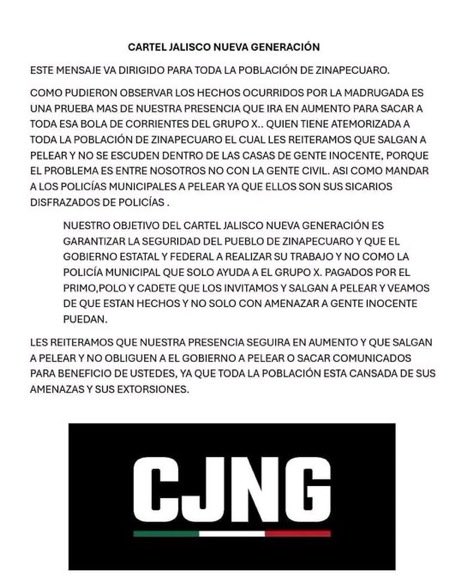
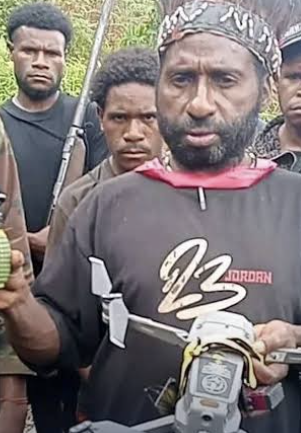
| | TRAC Incident Report: Jalisco New Generation Cartel (CJNG) Conducted a Coordinated Armed Assault & Weaponised Drone attack Targeting the Municipal Presidency in Zinapécuaro, Michoacán, Mexico | | TRAC Incident Report: Indonesian Security Forces (TNI) Eliminate Free Papua Movement (OPM) Commander Lamek Alipky Taplo and Three Other OPM Rebels in Kiwirok, Pegunungan Bintang Regency, Papua Highland, Indonesia | |
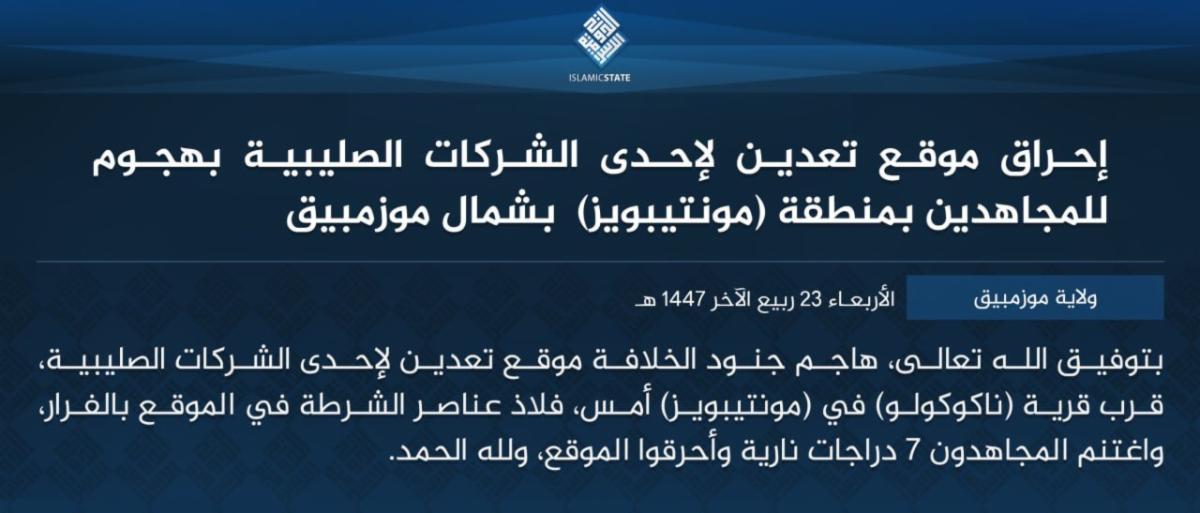
TRAC Incident Report: Islamic State Mozambique (IS-M/Shabaab Cult/Wilayat Muzinbik) Militants Led an Armed Assault Targeting a Gem Mining Company in Nakalolo, Montepuez District, Cabo Delgado Province, Mozambique
| | | | |