|
THINK YOU JUST CAN’T SLEEP?
IT MIGHT BE INSOMNIA DISORDER
Everyone has the occasional sleepless night, but insomnia disorder is more than that. It’s a chronic condition that makes it hard to fall asleep, stay asleep, or wake up feeling rested, even when you have plenty of time and opportunity to sleep.
How Do You Know If It’s Insomnia Disorder?
Insomnia disorder is diagnosed when:
- You have trouble falling asleep, staying asleep, or wake up too early and can’t get back to sleep
- Your sleep problems happen at least 3 nights a week
- They’ve been going on for at least 3 months
- The lack of sleep is causing problems in your life, such as affecting your mood, focus, work, relationships, or energy
- You’re giving yourself enough time to sleep, but you just can’t
- Your sleep problems aren’t fully explained by another sleep disorder, a medical condition, or a substance like caffeine, alcohol, or medication
How Common Is It?
Insomnia affects a large portion of the population. Approximately 1 in 10 adults struggles with chronic insomnia. About 1 in 3 people experience insomnia symptoms at some point in their lives. It is more common in women and tends to increase with age. Without treatment, insomnia can persist for months or even years, becoming a long-term issue.
What Causes Insomnia?
Insomnia usually doesn’t have just one cause. It often develops from a combination of influences. Stressful life changes, job pressure, or family concerns can make it hard to sleep. Mental health conditions such as anxiety or depression are common contributors. Chronic medical issues like pain, asthma, or heartburn can also interfere with restful sleep. Certain habits, such as irregular sleep schedules, excessive screen time before bed, or late-day naps, can create long-lasting sleep problems. Substances like caffeine, alcohol, nicotine, and some medications may also play a role in sleep disruption.
Treating Underlying Conditions
Insomnia is sometimes linked to other health issues, such as anxiety, depression, chronic pain, or sleep apnea. In these cases, addressing the underlying condition is an essential part of the treatment plan. Effective care may involve collaboration between mental health providers, primary care physicians, and sleep specialists.
Do You Have Insomnia Disorder?
The good news is that you don’t have to keep struggling with sleep. Cognitive Behavioral Therapy for Insomnia, or CBT-I, is a highly effective approach that can help you break free from chronic sleep problems and reclaim restful nights.
What Is CBT-I?
CBT-I is a structured, short-term therapy typically completed in four to six sessions. It targets the thoughts and behaviors that get in the way of healthy sleep. Unlike common sleep tips that may not be backed by research, CBT-I addresses the underlying causes of insomnia using proven, personalized strategies that support lasting improvement.
Why CBT-I Works
CBT-I is supported by decades of clinical research and is recommended by organizations such as the American College of Physicians and the National Institutes of Health. People who complete CBT-I often fall asleep more easily, stay asleep through the night, and wake feeling more refreshed. The therapy helps retrain both your mind and body to follow a healthy sleep rhythm. Best of all, the benefits often continue long after treatment ends.
Ready to Sleep Better?
As a therapist trained in CBT-I, I guide clients through this process with compassion and clarity. Together, we work to create lasting changes that support natural, restorative sleep.
Let’s work together to help you finally get the rest you deserve.
Email me at ARubel@lakescenter.com for more information or to schedule an intake.
| | |
June Is Men’s Health & Mental Wellness Month – Let’s Prioritize You!
This June, Lakes Center is spotlighting Men’s Health Month, dedicated to early detection, preventive care, and normalizing mental wellness for men. Encourage men to:
- Schedule routine checkups – blood pressure, diabetes, cancer screenings – don’t wait for symptoms
- Adopt healthy habits like balanced diets, regular workouts, adequate sleep, and quitting smoking – key for long-term well-being.
- Care for mental health: Men experience higher rates of suicide and often avoid help. Seeking support – from peers, professionals, or safe online tools – is a sign of strength.
Read More...
| | |
Lakes Center at the Men's Mental Health & Wellness Summit
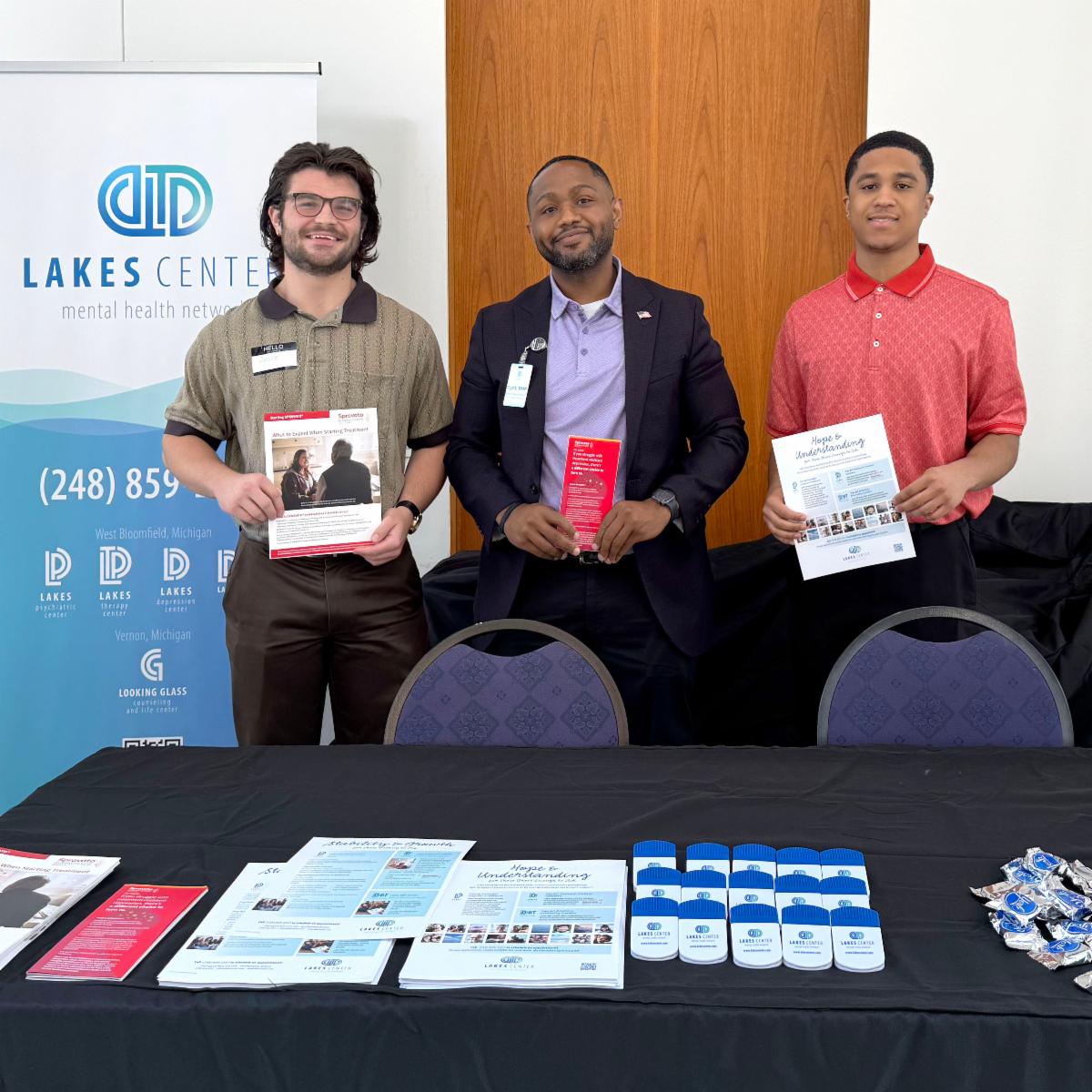
On June 7, 2025, Lakes Center Mental Health Network proudly served as a vendor at the Men’s Mental Health & Wellness Summit at Wayne State University. It was an inspiring and impactful experience for all involved.
The summit featured engaging panels, informative workshops, and opportunities to connect with passionate experts and fellow attendees. More than just an event, it represented a collective movement toward fostering a healthier, stronger, and more resilient future for men everywhere.
We were honored to have NFL referee Shawn Smith as the keynote speaker. His insights, wisdom, and practical advice provided valuable guidance on how men can incorporate wellness and resilience into their daily lives.
A sincere thank you to everyone who visited our booth, shared their stories, and embraced the journey toward growth and well-being. Your participation and openness significantly advance mental health awareness and support within our community.
| | |
Changes to LGBTQIA+ Resources at 988 Lifeline
The federally funded 988 Suicide & Crisis Lifeline will no longer offer dedicated resources for LGBTQIA+ teens and young adults starting July 17, 2025. This decision has raised significant concerns within the LGBTQIA+ community and among advocates. We worry that removing these specialized services will create barriers for LGBTQIA+ youth seeking mental health support.
This change is particularly troubling because LGBTQIA+ individuals often face disproportionate mental health challenges due to societal stigma and discrimination. The removal of tailored resources through such a vital lifeline raises serious questions about ensuring equitable access to care for this vulnerable population.
Though 988 will continue to provide general life-saving crisis intervention, if you are part of the LGBTQIA+ community, you may also consider looking into the following resources:
The Trevor Project:
The leading national organization providing crisis intervention and suicide prevention services to LGBTQ young people ages 13-24. They offer 24/7 support.
www.thetrevorproject.org
Phone: 1-866-488-7386
Chat: TheTrevorProject.org/Get-Help
Text: START to 678-678
LGBT National Hotline:
Offers confidential peer support connections for LGBT youth, adults, and seniors.
www.lgbthotline.org
Phone: 1-888-843-4564
Youth Talk Line: 1-800-246-7743 (youth serving youth through age 25)
| | |
Discover Restful Nights: Lakes Center Introduces CBT-I for Lasting Sleep!
We're excited to announce a new addition to the services offered at Lakes Center: Cognitive Behavioral Therapy for Insomnia (CBT-I)! This evidence-based treatment is a highly effective, drug-free approach to overcoming chronic insomnia. CBT-I helps individuals identify and change their thoughts and behaviors that contribute to sleep difficulties - leading to lasting improvements in sleep quality and overall well-being. Our trained therapist will guide you through personalized strategies to help you reclaim restful nights.
Contact Ashely Rubel at ARubel@lakescenter.com for more information or to schedule an intake session.
| | |
Mental Health Tip:
Micro-Joy Moments
Practice quick “micro‑acts” of positivity – like jotting three things you’re grateful for, sharing a kind word, or pausing to appreciate something beautiful. According to UCSF and UC Berkeley, just 5-10 minutes a day can significantly reduce stress and lift mood – especially in challenging times
| | |
Mental Health Tip:
9 Step Routine for Mind-Body Health
Use this simple, effective 9‑step daily routine that promotes energy, focus, and emotional well‑being:
- Walk ~9,000 steps daily
- Sleep 8 hours
- Drink 7 glasses of water
- Meditate for ~6 minutes
- Eat 5 servings of fruits/veg
- Take stretch breaks
- Avoid screens 2 hours before bed
- Exercise once daily
- Eat three healthy meals + snacks
| | | |
We provide comprehensive psychiatric and psychotherapy services for a vast array of mental health issues, including depression, anxiety, bipolar disorder, psychotic illness, borderline personality disorder, substance abuse/addiction, trauma related issues, relationship difficulties, life transitions, and behavior problems. Call (248) 859-2457 to set up an appointment.
| | |
Did you know? SPRAVATO® can have a rapid antidepressant response and is added on to an antidepressant and the rest of your regimen. It is the first new mechanism of action to treat depression that has come out in over 30 years.
There is hope for treatment-resistant depression. Call (248) 859-2457 to set up an appointment.
| | | | |
|
Lakes DBT
We provide comprehensive DBT services to provide effective treatment of Borderline Personality Disorder (BPD) and other disorders involving emotion dysregulation, including co-occurring substance use disorders, major depressive disorder, and individuals with history of trauma. At Lakes DBT Center, we believe that with effective evidence-based treatment and a caring and coordinated treatment team, clients can create a life they love.
| | |
Discovering Wellness:
A Therapy Group for Depression and Anxiety
New group beginning September 9, 2025
Tuesdays, 10:30 am - 12:00 pm
Lakes Center, 2300 Haggerty Road, Suite 1170, West Bloomfield, MI 48323
Contact Josephine Salem at JSalem@lakescenter.com or Catherine DuFresne at CDuFresne@lakescenter.com for the starting date of the next group.
This is an adult outpatient therapy group treating Depression and Anxiety related mental health disorders. Click here for more information!
| | |
OCD/ERP Online Support Groups:
Networking for Change and Growth
Tuesdays 12:30 - 1:30 pm and Thursdays 3:00 - 4:00 pm
(Both are Online only)
Contact Terrie Browning at TBrowning@lakescenter.com or (248) 342-9254.
To Sign Up: Call (248) 859-2457 or click here to fill out our Contact Form.
This group is open to people who have OCD, PTSD, Hoarding, Trichotillomania, Excoriation and Tics. We discuss how ERP works to treat these as well as Generalized Anxiety and Panic Disorders. Since ERP can be difficult to maintain, sharing similar experiences with each other, as well as learning from the leaders will help you stay on the course.
| | |
Catherine DuFresne, LMSW
Clinical Social Worker
Cathy is a clinical social worker with 20 years of experience working with adults, teens, and families. She is committed to helping people build happiness and joy in their lives, while also helping them learn to manage feelings of anxiety and depression. Her life experiences have taught her the importance of compassion and empathy; she strives to incorporate these qualities into her practice techniques. She believes change is possible.
Using mindfulness skills along with learning to manage thoughts and emotions can be powerful tools to help cope with challenges in life. She is a person-centered therapist, focusing on your goals and strengths. She is DBT informed and often uses ACT, CBT, and somatic techniques in her practice style.
Read more...
| |  |
Terrie Browning, LPC, CFC, DCC
Licensed Professional Counselor
Hello! I’m Terrie Browning, a Licensed Professional Counselor, Certified Forensic Consultant, Credentialed Telehealth, with specialization in Counseling Psychology. I am trained in ERP (Exposure and Response Prevention) therapy, which is the gold standard of treatment for Obsessive Compulsive Disorder with a strong research base to prove its efficacy.
I offer goal-oriented therapies for adults and adolescents, individuals, couples, and families. I am passionate about the mind/body connection and use CBT, ACT, DBT, ERP along with a mindfulness skill set to increase awareness, create necessary habit changes, improve relationships both personal and professional, and maintain a healthy balance in your life.
Read more...
| | | | | |