The Blessed Days of Dhul Hijjah

﷽


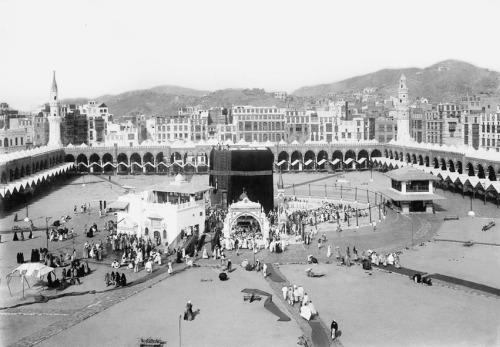
The blessed month of Dhul Hijjah began at Maghrib on May 28, and with it come the most beloved days to Allah ﷻ. Whether you are performing Hajj or staying home, these first ten days are a sacred opportunity to deepen our worship, and connect more intimately with our Lord.


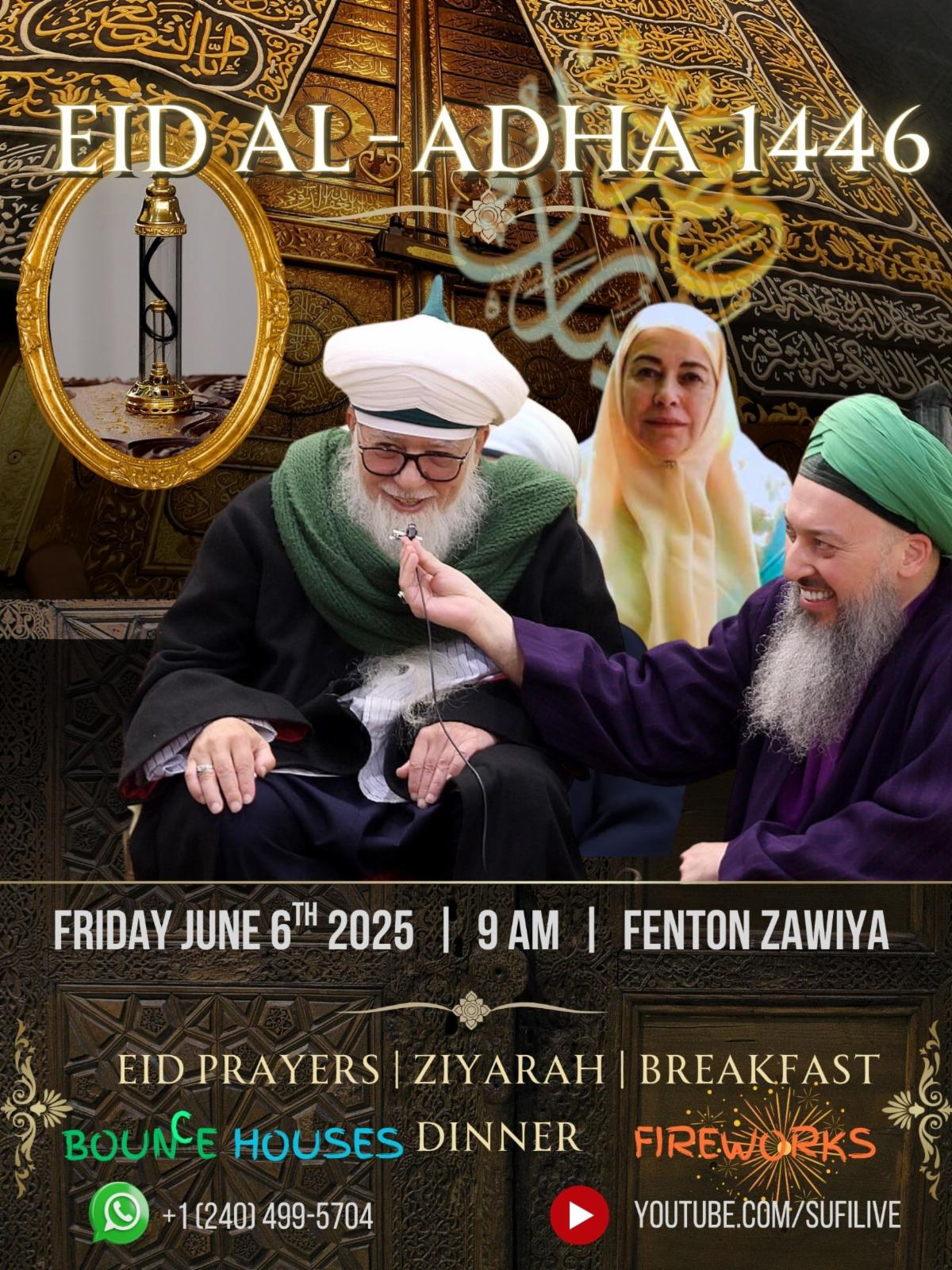
This year, Eid al-Adha will be on Friday, June 6, insha’Allah. That means Thursday, June 5 is the Day of Arafah, a day of mercy and forgiveness. Fasting on Arafah makes up for the sins of the past and coming year, and is one of the greatest acts of devotion you can perform.


In this week’s newsletter, we’ll share simple yet powerful actions to make the most of these ten divine days, taught to us by our beloved Mashayikh.


First Ten Days & Nights of Dhul-Hijjah


`Abd Allah ibn Mas`ud said: The Prophet ﷺ said: “There are no days in the year in which deeds are more meritorious than in the Ten Days [i.e. the first ten days of Dhu al-Hijjah].” Someone asked: “Not even Jihad in the path of Allah?” He replied: “Not even Jihad in the path of Allah.” Haythami said: “Tabarani narrated it in al-Mu`jam al-kabir and the narrators in its chain of transmission are all those of sound (sahih) narrations.


The nights are included in the mention of the days. Allah swore an oath by them when He said: “By the Dawn! By Ten Nights!” (89:1-2) and the authors of Tafsir al-Jalalayn said: “They are the first ten nights of Dhul-Hijjah.”


Fasting on Yawmu `Arafah


Abu Hafsah (r) reported that the Prophet (s) said:

“Fasting on the Day of `Arafah absolves the sins for two years: the previous year and the coming year, and fasting on `Ashura, (the tenth day of Muharram) atones for the sins of previous years.”
Reported by all except Al-Bukhari and At-Tirmidhi

In another saying the Prophet’s wife Hafsah, (r), said:

“Four things the Prophet of Allah (s) never neglected: Observing fast on the day of `Ashura, `Arafat, three days every month, and offering Fajr sunnah prayers early in the morning.”
(Muslim)

Mawlana Shaykh Hisham Recites Du'a at Arafat

November 5, 2011

Any gathering here, in this area particularly, is equal to 100,000 gatherings for the sake of Allah (ﷻ) anywhere else. This dhikr is equal to 100,000 gatherings of dhikr. The dhikr we made at Ka`bah is also equal to 100,000. Inshā-Allah, all those who came with us from anywhere around the world under Mawlana Shaykh Nazim’s name, and those who are not here, are dressed with the blessings of Hajj al-Akbar. The Prophet (ﷺ) prayed Zhuhr and `Asr combined in Masjid Namirah, which we just did earlier, and then after that he would come here and make his du`ā. 


MEMORIES: HAJJ 2011 WITH MAWLANA SHAYKH HISHAM KABBANI


Mawlana began the hajj in 2011 landing in Madinatul-Munawwara, the Illuminated City of the Prophet of Allah Sayyidina Muhammad (ﷺ). In this video Mawlana points to house of Sayyidina 'Umar (ر), Dar al-Qada.


Submit you Qurban Request Now!


لَن يَنَالَ ٱللَّهَ لُحُومُهَا وَلَا دِمَآؤُهَا وَلَـٰكِن يَنَالُهُ ٱلتَّقْوَىٰ مِنكُمْ ۚ كَذَٰلِكَ سَخَّرَهَا لَكُمْ لِتُكَبِّرُوا۟ ٱللَّهَ عَلَىٰ مَا هَدَىٰكُمْ ۗ وَبَشِّرِ ٱلْمُحْسِنِينَ ۝


“It is neither their meat nor their blood that reaches Allah, but it is piety from you that reaches Him. This is how He has subjected them to you so that you may proclaim the greatness of Allah for what He has guided you to, and give good news to the good-doers.”


Surah al-Hajj 22:37


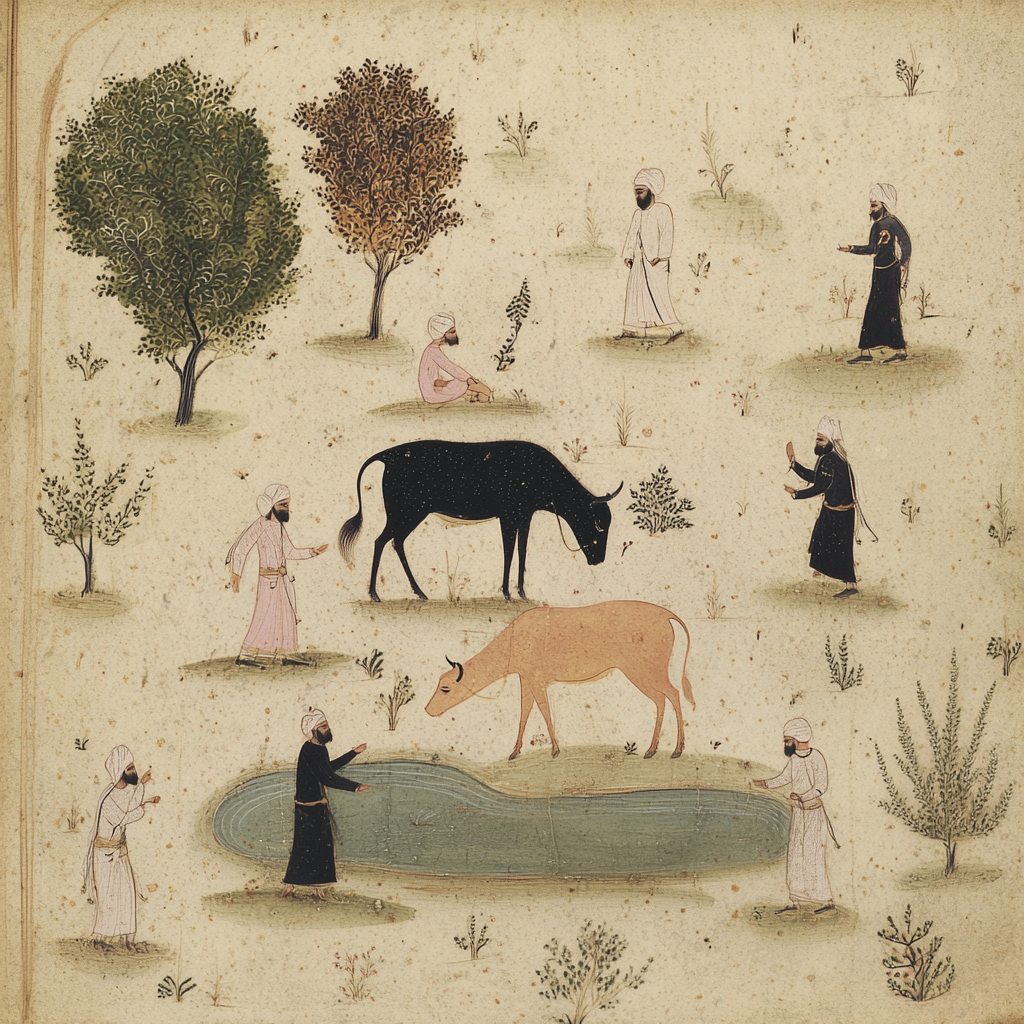
Qurbān (also known as Udhiya) is the ritual sacrifice of an animal performed during Eid al-Adha in commemoration of Prophet Ibrahim’s ﷺ willingness to sacrifice his son in obedience to Allah ﷻ.


It is an act of devotion and submission, typically involving the slaughter of a sheep, goat, cow, or camel. The meat is then distributed — one-third for the family, one-third for relatives and friends, and one-third for the poor.


The act of qurban carries immense spiritual benefit. It’s a means to cleanse oneself, share with the poor, and reflect the selflessness of Sayyidina Isma'il ﷺ, who was described as carrying “the light of Sayyidina Muhammad ﷺ”.


Qurbani is offered from the 10th to 13th of Dhul Hijjah. Submit your request now to ensure it’s completed on time!


🐐 🐄 🐑


The Immense Value of Knowledge

Shaykh Nour Kabbani

Streamed live on May 25, 2025


وَلَقَدْ ءَاتَيْنَا دَاوُۥدَ وَسُلَيْمَـٰنَ عِلْمًۭا ۖ وَقَالَا ٱلْحَمْدُ لِلَّهِ ٱلَّذِى فَضَّلَنَا عَلَىٰ كَثِيرٍۢ مِّنْ عِبَادِهِ ٱلْمُؤْمِنِينَ ۝

Indeed, We granted knowledge to David and Solomon. And they said, “All praise is for Allah Who has privileged us over many of His faithful servants.”


Surah an-Naml 27:15


فَتَبَسَّمَ ضَاحِكًا مِّن قَوْلِهَا وَقَالَ رَبِّ أَوْزِعْنِي أَنْ أَشْكُرَ نِعْمَتَكَ ٱلَّتِي أَنْعَمْتَ عَلَيَّ وَعَلَىٰ وَٰلِدَيَّ وَأَنْ أَعْمَلَ صَـٰلِحًا تَرْضَاهُ وَأَدْخِلْنِي بِرَحْمَتِكَ فِي عِبَادِكَ ٱلصَّـٰلِحِينَ۝


“So (Sulayman) smiled joyously at her (the ant’s) speech, and said, ‘My Lord, enable me to be grateful for Your favor which You have bestowed upon me...”


Surat an-Naml, 27:19


How did Sayyidina Sulayman (a) hear the words of an ant? We cannot even hear the movement of an ant, let alone its words!


There are two types of knowledge, 'ilm al-bayan and ilm al-‘ayan. Bayan means to clarify or explain to people what you have learned through words and books. There are so many eloquent speakers online who address people with what they know. 


But there is also ‘ilm al-‘ayan, that knowledge that is from the unknown, from the unseen. ‘Ayan means outright vision, viewing, experiencing. You don’t read it in a book. By the power of Allah ﷻ, He will allow you to see it and hear it. If you perfect your ‘ubudiyyah, your servanthood, and you clear your heart from everything else, any other gods, any other deities in your heart, then you are taking that way of ṣafa’, purity.


Then you can understand things that you don’t hear on YouTube and Instagram. You hear things that you don’t see and hear in Reels. You hear something different.


You see online: “Do you want to be rich? Do this. Do you want to be powerful? And they tell you, “Do this dhikr or that du'a. Recite Fatiḥah this many times.” And you do it, just because you want to be king, not because you want to get closer to Allah ﷻ!


No. Leave that! It is your ego leading you through these online reels, clips, and instructions, because your ego wants to be on top. How are you a servant then, of Allah ﷻ? You are competing with Allah ﷻ. You’re telling people, “Yes, there is God, but there is also me.” Who are you? “I’m not as big, maybe a bit under Him, but I’m still there.”


Riyaḍah means dhikr, lots of dhikr that is given to you by the murshid, not by yourself. Some say, “I like to do Ṣalat al-Fatiḥ today,” or “I want to do this ṣalāh today and another tomorrow,” or “I like to do 100 times this or that.”


May Allah forgive us. That is the opposite of servanthood! 


If you are still into books, then say: “Ya Rabbi, open to me what You have opened to Your Anbiya and Awliya.” That happens with dhikrullah, through riyaḍah, spiritual exercise, and mujahadah, struggle within the self.


The Anbiya and Awliya have come for what? To brag? To say, “I see and you don’t see? I have become a big one, you are still a small one.”


No! They have come to tell you:


“Come with me. I take you where I am. I take you where I went.”


They say:

“Come with me. Give me your hand.”


When you give the hand, you are giving it to someone who is able to take you to where he has gone. Not simply because others are doing it, but you have to find out which one is able to take you to Ṣafa’. Did he reach the Ḥaram? Did he reach that mountain? If he did, follow him. He will take you around around the ‘Arsh, around the Ka‘bah.


Note: This transcript has been abridged and lightly paraphrased for clarity and brevity. To experience the full sohbah, click the link above to watch the complete video.


Hajjah's Heavenly Recipes


كُلُوا۟ وَٱشْرَبُوا۟ هَنِيٓـًٔۢا بِمَا كُنتُمْ تَعْمَلُونَ ۝


(To the will be said:) "Eat and drink, with profit and health, because of your (good) deeds."


Surah at-Tur 52:19

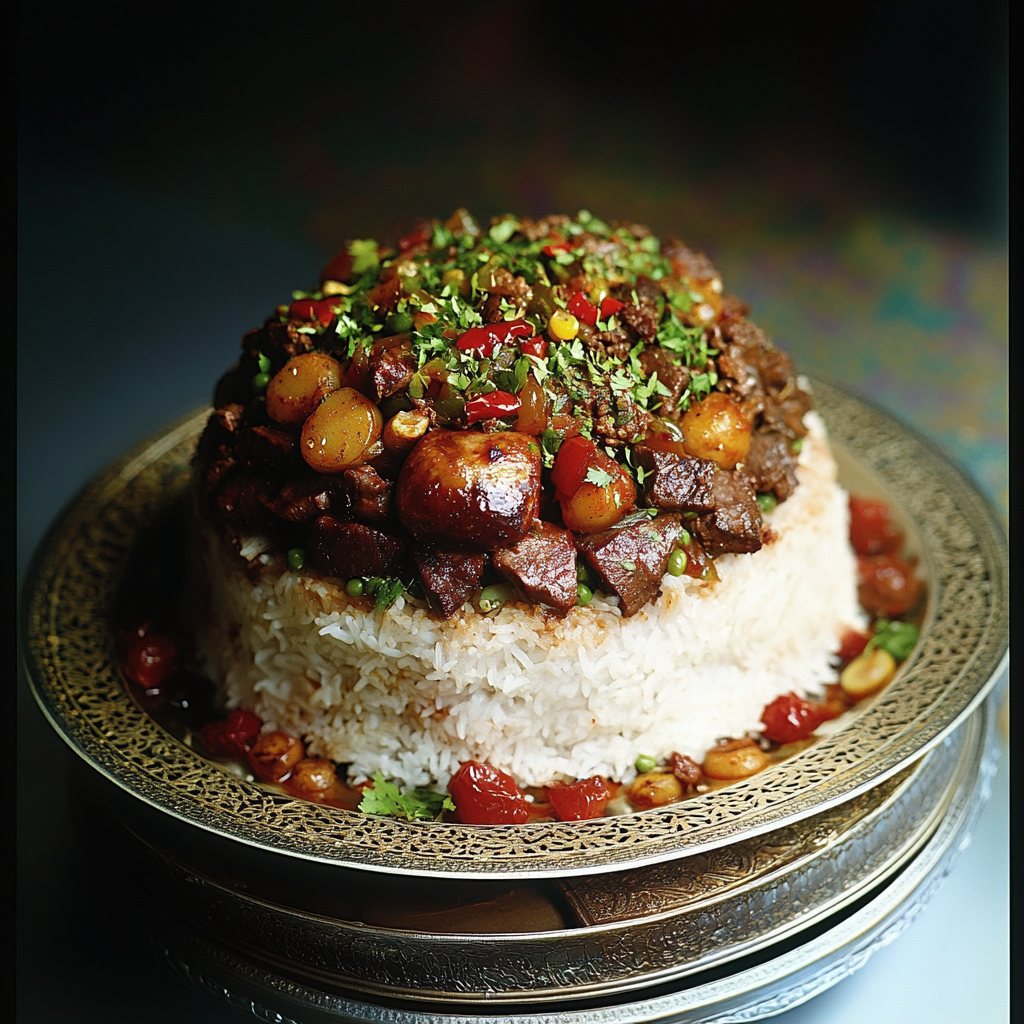
Maklube (Layered Lamb, Rice, and Vegetables on a Platter)


Maklube is especially wonderful for Eid gatherings because it looks striking when served upside-down, to form a savory "cake" of meat, rice and vegetables.

Ingredients:

(Serves 6-8)


  • 2 lbs lamb chunks (or beef, cut into 2-inch pieces)
  • 4 cups basmati rice
  • 3 teaspoons salt
  • 1 teaspoon black pepper
  • 1 teaspoon cinnamon
  • 2 tablespoons butter
  • 1½ cups vegetable oil
  • 4 medium potatoes, peeled, sliced into ½-inch rounds
  • 1 large carrot, sliced into ¼-inch rounds
  • 1 cup frozen peas
  • 1 small onion chopped
  • 8 cups water (if using pressure cooker), or 14 cups (if using a pot)


Preparation:

  1. Cut meat into 1/8 inch slices. Rinse meat in a strainer.
  2. Rinse and soak the rice for 10-20 minutes in hot water. Drain when ready to use.
  3. If using a pressure cooker, place meat in with salt, pepper, cinnamon, onion, and water. Bring to a boil on high heat. When pressure cooker whistles, reduce heat to low and cook for 20 minutes or until meat is tender.
  4. If using a regular pot, place meat with 14 cupes of water and salt, pepper, cinnamon, and onion. Boil on high heat. Reduce heat to medium-low simmer for one hour and 45 minutes, or until meat is tender. Note: You can add a teaspoon of baking soda to soften the meat faster.
  5. In a separate pan, heat 3/4 cup of oil on high heat. Fry the potatoes until golden. Set aside on paper towel to drain excess oil.
  6. In a small pan, boil or sautee the carrots and peas on high heat (5-10 minutes). Strain extra water/oil.


7. Open pressure cooker or pot carefully, and remove the meat with a slotted spoon, saving the broth. Place the meat, carrots, and peas in a bowl. Mix gently.


8. Melt butter and 1/2 cup of oil in a pan. Add the boiled meat, carrots, and peas. Sprinkle with salt and pepper. Saute together for about 5 minutes or until the meat begins to brown.


9. In a large wide pot, start to layer the ingredients. First place a layer of cooked potatoes at the bottom. Then place meat and vegetables over the potatoes.


10. Pour rice over meat and vegetables. Level rice with the back of a spoon (to make an even layer).


11. Very gently & slowly pout 6 cups of the meat broth over the rice. Cover and reduce the heat to medium-low. Cook for approximately 20 minutes or until rice is cooked.


12. Once rice is booked, turn off the heat and remove lid. Place a towel over the pot and replace lid over towel. Let steam for 5-10 minutes. Remove from the stove to cool for 15 minutes.


13. Remove the lid. Place a large serving plate over the top of the pand and gently flip the pan over. Slowly lift the pot straight up so the layers remain as intact as possible; like a savory layered cake with potatoes on top and rice on bottom.


To Serve:

  • Serve hot
  • Enjoy with plain yogurt or cucumber-yogurt salad.
  • Garnish with parsley, pine nuts, or lemon wedges for extra flavor.


Community Moments from Fenton Zawiyah


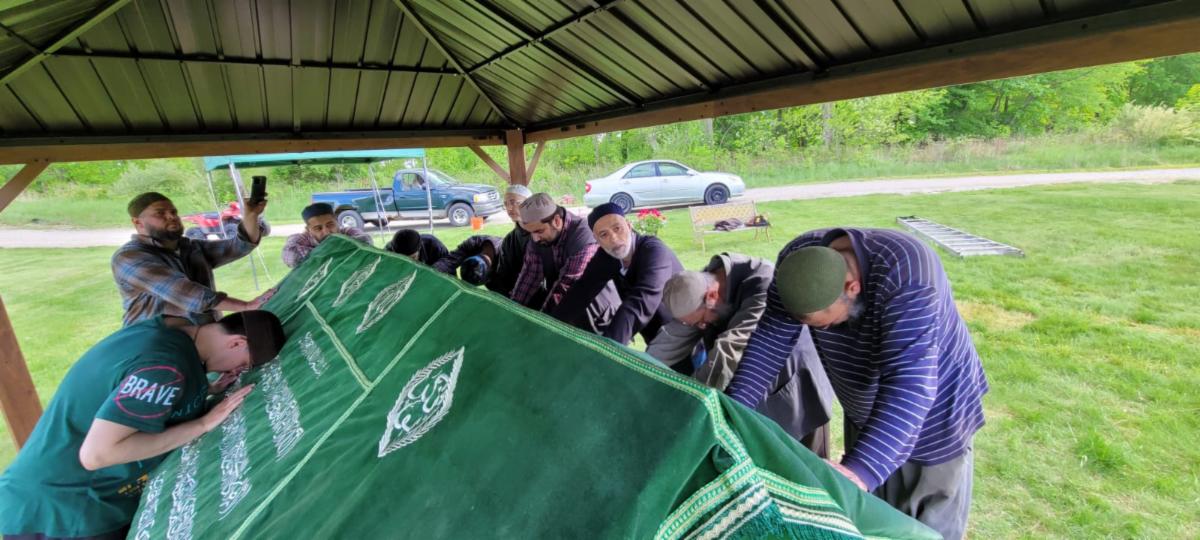
Mawlana Shaykh Hisham's Maqam: Construction continues with love and reverence.

The maqam is more than a structure—it’s a symbol of connection across generations.

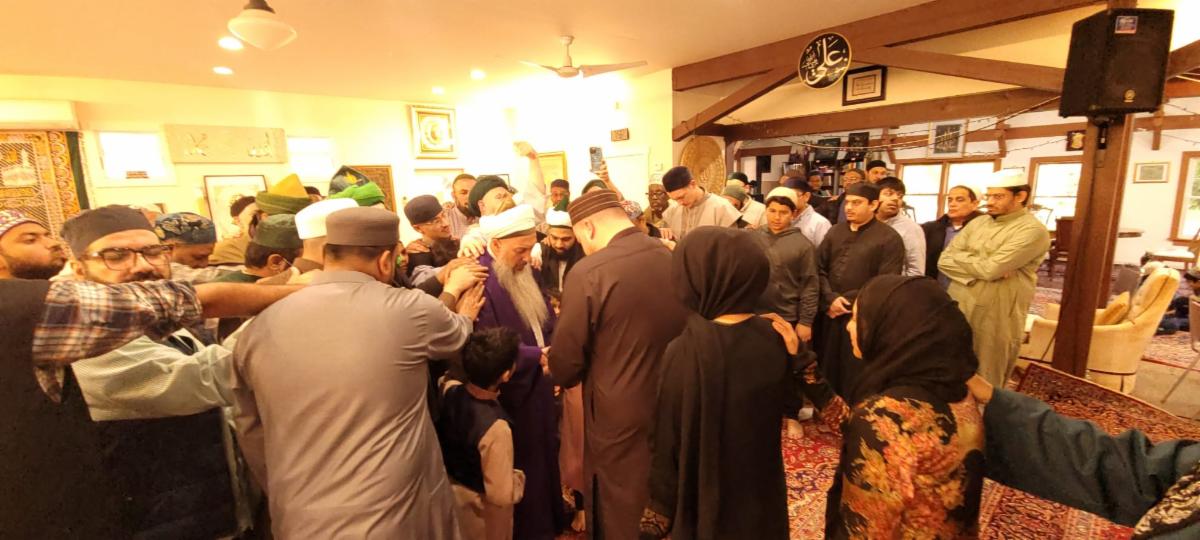
Murids taking bay‘ah reaffirming their commitment to the Naqshbandi path and the journey toward Allah ﷻ

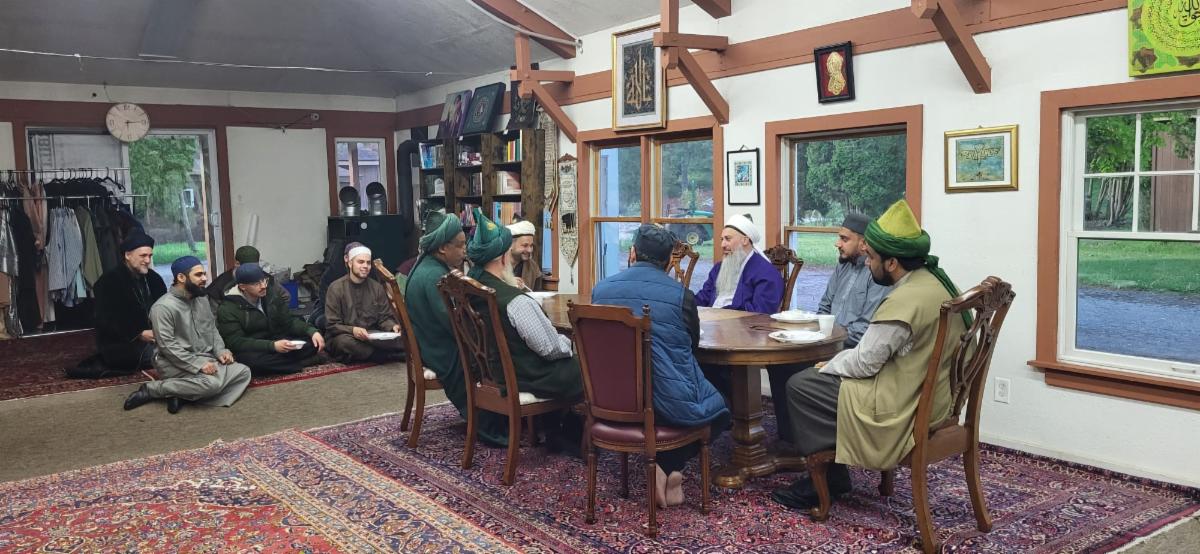
Sitting as One Spiritual Family: Sharing reflections after Fajr, remind us that the zawiyah is more than a building, it is a sanctuary. A place where seekers come to recharge spiritually through the warmth of being held in a spiritual family. Alhamdulillah!

Visiting Fenton Zawiyah?

We created this Whatsapp group dedicated to helping visitors at Fenton Zawiyah. This group connects local mureeds who can host and welcome our visiting mureeds from out of town. Let us know when you are planning to visit, inshallah!


Build Your Naqshbandi Library


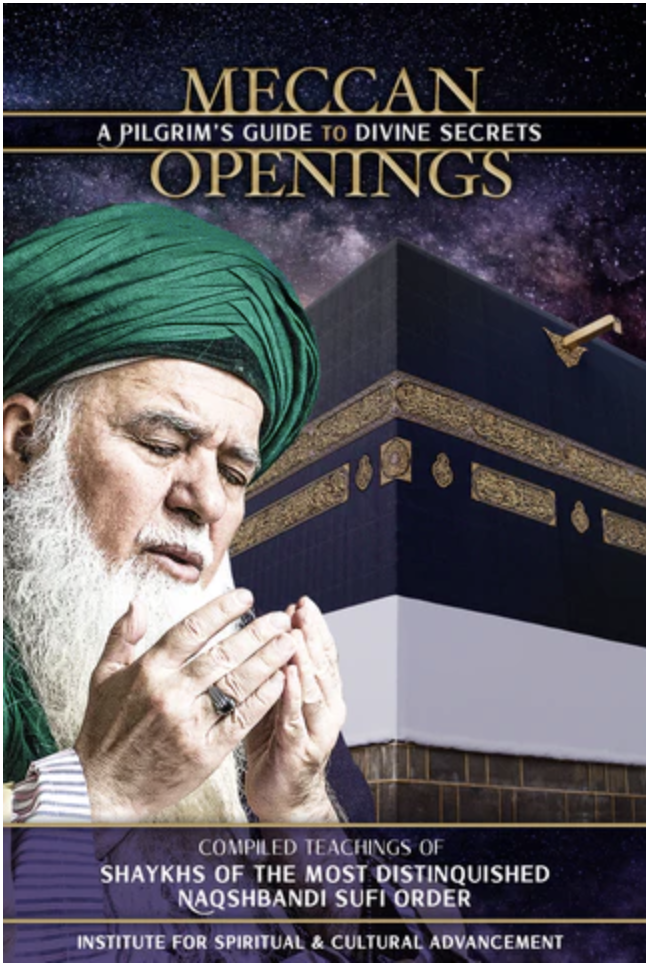
Meccan Openings: A Pilgrim's Guide to Divine Secrets, 2nd Edition


What if Hajj was not just a journey across land—but a passage between worlds?


The Meccan Openings reveals the spiritual blueprints of Hajj as taught by our living saints. With clarity and majesty, it uncovers how every ritual of pilgrimage is more than an action—it is an ascension.


As one of the blessed books in the Islamic Holy Lands series, this work connects:

  • The outer path of Shari’a with the inner truth of Haqiqa
  • The Ka'bah on Earth with the Bayt al-Ma’mur in the Heavens
  • The physical Hajj with the soul’s longing for Divine union

Whether you have made the pilgrimage or still yearn to go, this book is a spiritual Hajj in itself.


📖 Available in full-color and black & white paperback editions.


[ EMAIL]  [SUFILIVE.COM]

Sufilive/ISCA is a 501(c)(3) nonprofit religious organization. Your contribution is tax-deductible to the extent allowed by law. Update your contact information BELOW in order to receive year-end tax-deduction documentation for tax purposes.