|
Get Ready for Casino Night & Learn about Deaf Awareness Month | |
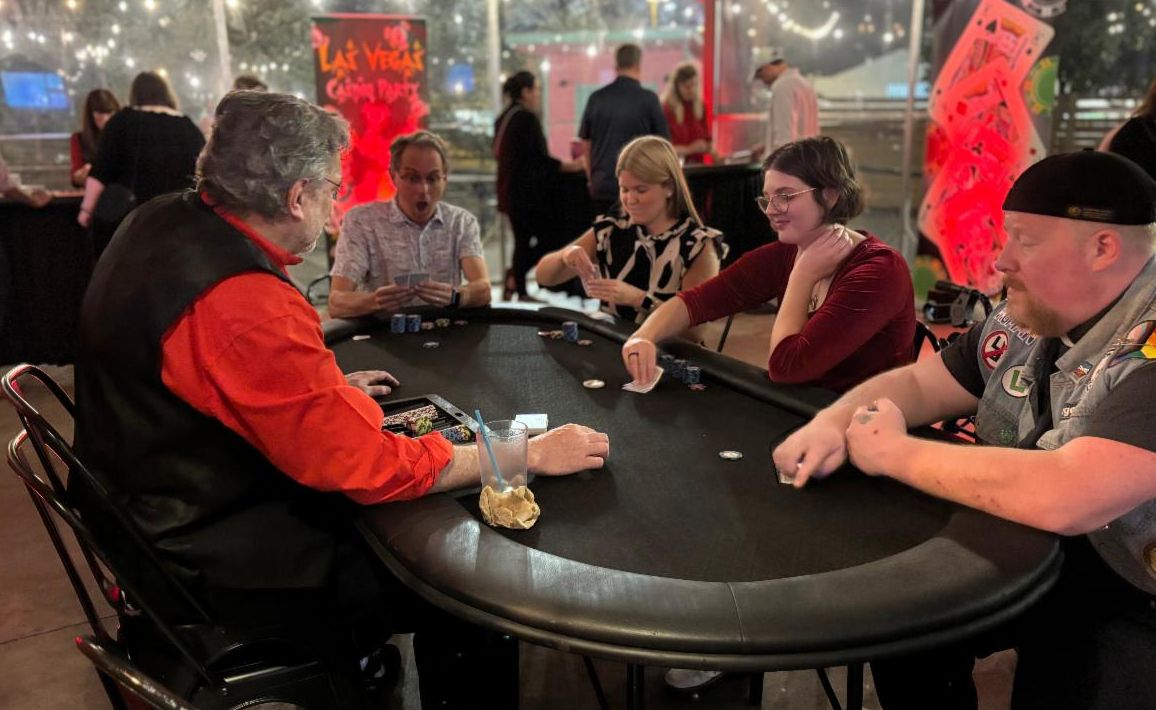
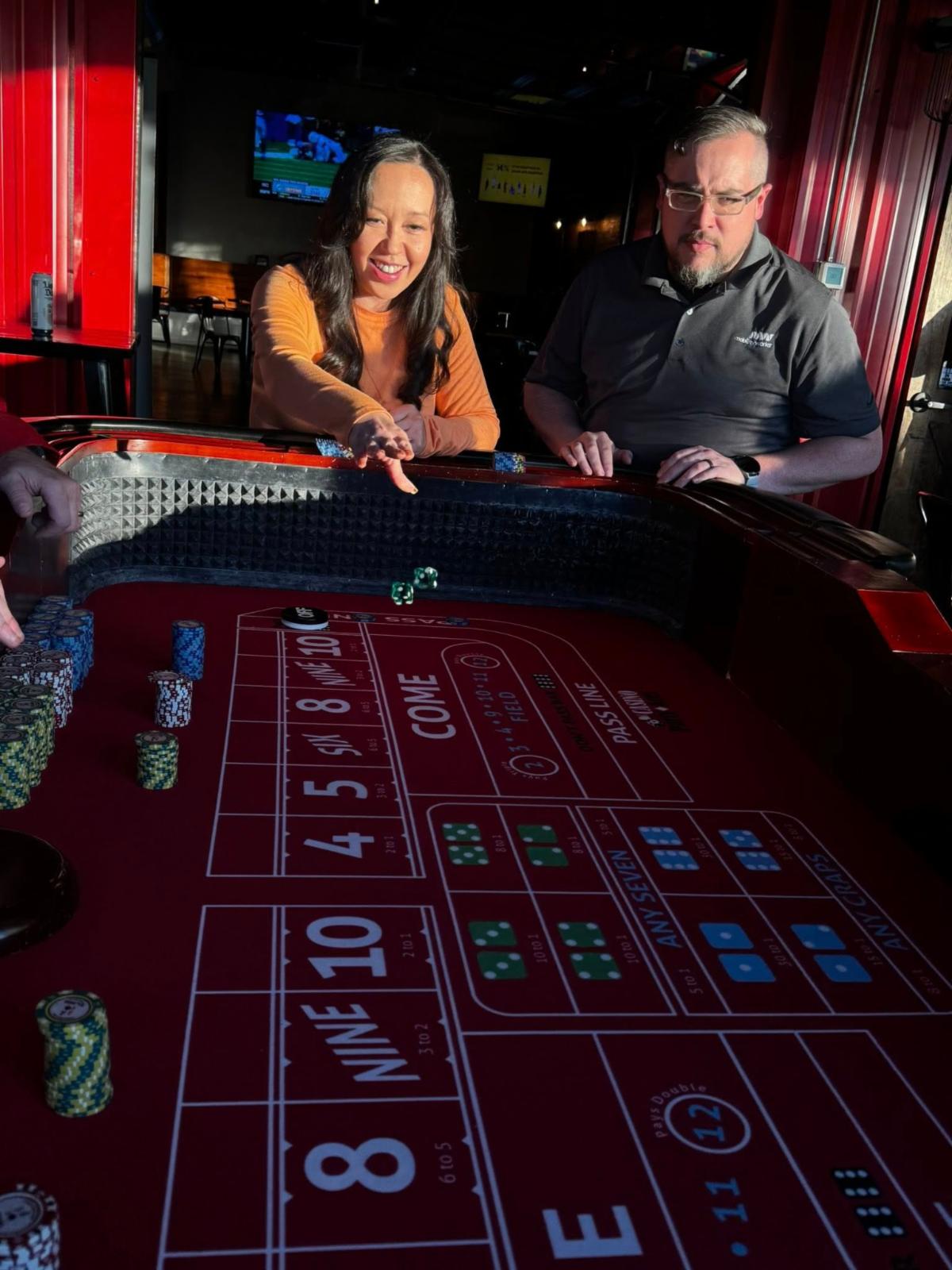
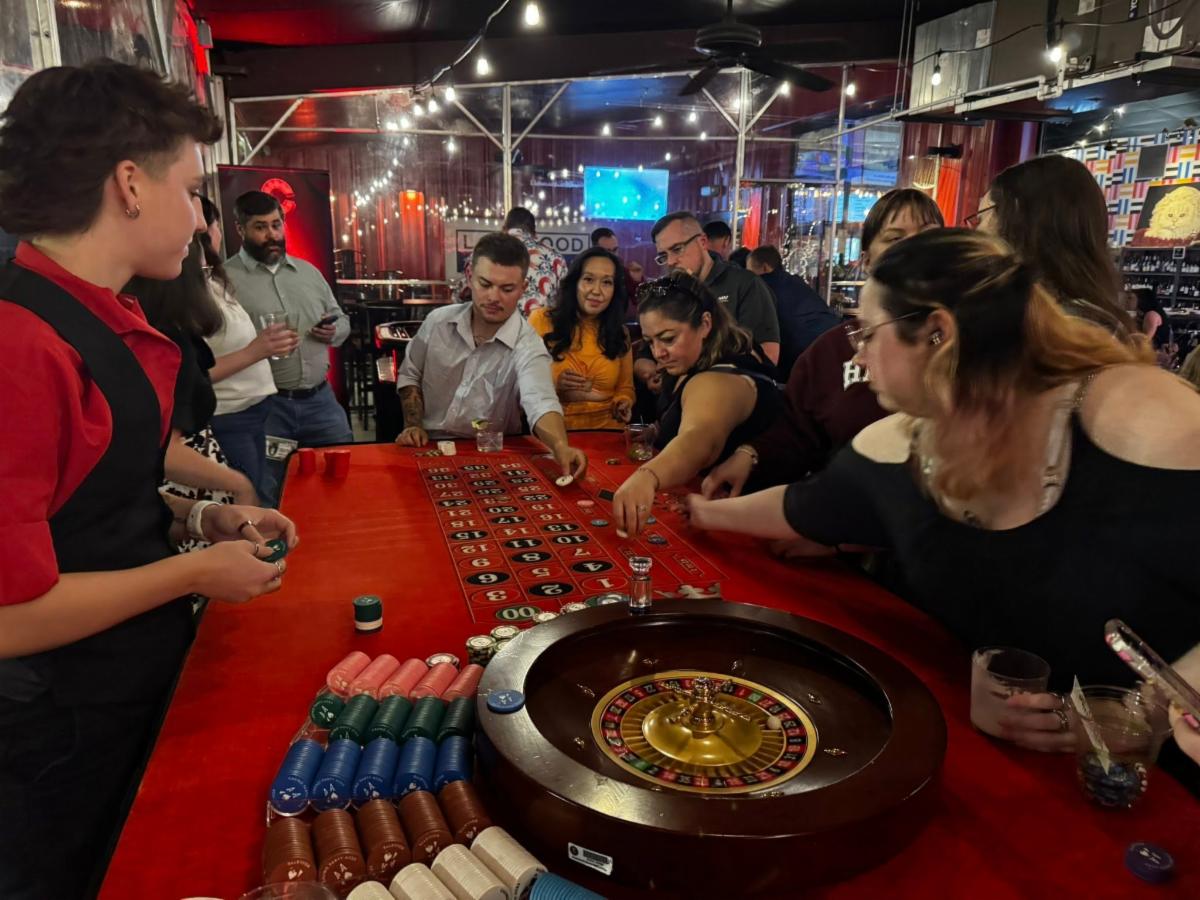
Alliance of Disability Advocates' annual fundraiser is coming up soon! Join us on October 15th for an evening of fun, games, and celebration.
This event is a primary contributor to allowing us to sustain our programs throughout the year.
Proceeds will directly support our Adaptive Sports Club, empowering athletes with disabilities through inclusive recreation. Funds will also help sustain the five core services we provide as a Center for Independent Living: Advocacy, Peer Counseling, Independent Living Skills Training, Transition Services, and Information & Referral. Together, we’re building stronger, more inclusive communities.
Event Details
When: October 15th, 2026, 6 – 9 PM
Where: Lakewood Social, 1920 Chapel Hill Rd, Durham, NC
Price: $75 (discounted tickets available, see more on website)
Tickets Include: Dinner, drink tickets, casino money, music, and so many prizes!
| | | Current Happenings in the Disability World | |
Deaf Awareness Month
by Emily Kibler | September 30, 2026 | Read in Browser
| | |
September is Deaf Awareness Month. To mark this important celebration, we wanted to promote important information about Deaf culture, etiquette, and lived experiences.
The Basics - Language and Etiquette
Referencing deafness and the Deaf community is actually quite simple once you know the correct terms to use. There are only three terms you need to know: Deaf, Hard of Hearing, and DeafBlind. While there is not a concrete division between being Deaf and hard of hearing, Deaf/deaf (we'll return to the capitalization discussion in a bit) is typically used to describe people who have very limited or no hearing, while Hard of Hearing is typically used by people with diminished hearing. As is likely self-explanatory, DeafBlind is a term used by people who are both Deaf and Blind to varying extents. This is a unique identity within the Deaf community with its own communication methods, experiences, and challenges. To learn about the unique methods of communication used by DeafBlind individuals, visit How do Deaf-Blind People Communicate?
Since these are the only terms accepted by the Deaf community, terms like "hearing impaired" or "a person with deafness" should be avoided. To understand more about why these terms are considered offensive and other phrases to avoid, visit Towards an Inclusive Language for Deaf, DeafBlind and Hard of Hearing Individuals.
The main other thing that you need to pay attention to when discussing the Deaf community is capitalization. Deaf (with a capital D) is used to refer to the cultural identity surrounding being deaf. People who refer to themselves as Deaf have accepted themselves as part of the Deaf community with the shared culture, history, and language that comes along with this identity. On the other hand, deaf (with a lowercase d) refers to the audiological or medical condition of not hearing. Using the lowercase d implies that you are referencing the condition of deafness, rather than the culture.
In addition to understanding inclusive language to use when referring to the Deaf community, it is also important to learn proper communication etiquette to use when interacting with Deaf and hard of hearing individuals.
-
If a person is using an interpreter, always speak directly to the person as if the interpreter was not there. For example, rather than turning to the interpreter and saying "Ask her what she is doing later," you should talk directly to the person and say "What are you doing later?" The interpreter with translate your question, receive the answer, and voice the response directly to you in the exact way it was communicated to them.
-
Always ask someone their communication preferences rather than assuming. Some people might have limited hearing and might be able to communicate in semi-traditional ways. Some people, regardless of their hearing abilities, may prefer to speak verbally, while others may choose to never verbalize. Some people may be able to read lips while others may want to use written language. Others still might only be able to communicate through the use of sign language. The important thing to remember is that there is no correct way to communicate and you should always respect a person's preferences.
-
Do not expect someone to be able to read your lips. Even the most trained lip reader is only able to understand about 30% of spoken English from lip reading alone. The rest they have to put together through context clues or educated guesses. This is both incredibly tiring and risky as it can lead to misunderstandings and social isolation.
-
Always maintain eye contact when talking to someone who is Deaf or Hard of Hearing, especially if you are relying on them to read your lips to understand you. If you turn away from a person who is trying to read your lips or cover your mouth, it is incredibly unlikely that they will be able to follow what you are saying. Think of it like a phone call where a person is mumbling so much you can barely follow and then the connection gets interrupted and they start cutting out every few words. You would likely lose patience for that in less than a minute, if you hadn't already before the connection was interrupted.
- If a person is trying to read your lips, the best way to help them understand is to speak with your normal talking voice and pattern. If you typically speak quickly, it might be beneficial to slow down slightly, but don't overexaggerate or shout—this will likely make it harder for them to understand. Even with this, they might ask you to repeat something or rephrase. Don't get frustrated with them or lose patience; remember that they are the one putting in the most effort to understand you and be grateful for their consideration.
-
Some people might prefer to use written language to communicate rather than relying on lip reading or limited hearing abilities. If you communicate with a Deaf person in this manner, never look down on their English or grammar. Remember that English is likely their second language.
-
Don't dismiss conversation with a Deaf or hard of hearing person by saying "never mind" or "I'll tell you later." It is important to recognize how often these phrases are said and how disheartening it can be for a person to be excluded over and over again. Make every effort to communicate, not matter how much of an inconvenience it may feel like.
-
The best ways to get attention from a Deaf person are to wave in their line of vision, tap gently on their shoulder, or ask someone in their line of sight to motion to you. Do not grab someone, poke them hard, or shout.
-
Keep the lights on when interacting with a Deaf or hard of hearing person through any of the stated communication methods. Deaf people are very visual by nature and limiting this sense can take away their power and increase the difficulty of communication.
- Some people who are Deaf, DeafBlind, or hard of hearing might choose to use hearing aids or receive a cochlear implant. This is a personal decision, although it is sometimes decided for people before they are able to choose it for themselves. Hearing aids and cochlear implants are never a complete 'fix' for a person's hearing. While these technologies can improve hearing, they can also cause a lot of stressful background noise and straining that may be exhausting for a person. Many people who use these devices often take long periods of time with them off in order to preserve their energy for when hearing is crucial. Never ask anyone to turn on their hearing aid or cochlear implant for you. They are the expert at knowing when their technology is needed and when it is best to keep it off.
Deaf Culture, History, and Lived Experiences
Note from the author: While I have studied Deaf culture and American Sign Language, as a hearing individual, it does not feel proper for me to speak to the history and importance of Deaf culture. Therefore, I have included several articles below that come from people who are part of the community themselves who can share their firsthand knowledge.
Exploring the Rich Heritage of Deaf People
| | |  | |
One of the earliest examples of a Deaf community can be found in ancient Egypt, where sign language was used to communicate with Deaf individuals. Similarly, in ancient Greece, Plato wrote about using sign language among Deaf people. Throughout the centuries, Deaf communities have formed in many different regions of the world, including Europe, Asia, and the Americas.
The establishment of schools for the Deaf in the 18th and 19th centuries played a crucial role in the development of Deaf culture. These schools, which were often founded by religious organizations, provided a space for Deaf individuals to come together, learn, and communicate with each other. Over time, these schools became important centers of Deaf culture, fostering the development of sign languages, arts, and other cultural practices.
One of the most significant events in American Deaf history occurred in the early 19th century when Thomas Hopkins Gallaudet founded the first school for the Deaf in Hartford, Connecticut. With the help of Laurent Clerc, a Deaf educator from France, Gallaudet established the American School for the Deaf, which paved the way for the development of American Sign Language (ASL).
Over the next century, Deaf culture flourished in the United States as Deaf people began to publicly assert their identity and advocate for their rights. Deaf clubs and organizations were established, Deaf newspapers and publications were created, and ASL became recognized as a legitimate language.
| | | | |
[T]he key event in history that strengthened deaf culture was the 1988 Deaf President Now movement at Gallaudet University. A huge protest erupted at the time when a hearing person was chosen to be the 7th president of the institution, while running against two other deaf professionals. After days of protesting and students having taken over the campus, the hearing candidate resigned and Dr. I. King Jordan, a deaf professor, was appointed the new president.
The movement received international media attention and is now known as the deaf community’s seminal civil rights accomplishment. It is important to highlight that Gallaudet is an important icon for deaf culture, being the only liberal arts college for deaf students in the world.
| | | | Here’s the thing people often get wrong: BASL isn’t simply ASL performed by a Black interpreter. BASL is its own language variety – a distinct dialect that developed inside historically segregated African American deaf communities, shaped by generations of shared experiences, culture, and history. Like other language varieties, it has its own phonology, syntax, vocabulary, grammar, signing style, and expression. One community member put it simply: BASL is like Ebonics, developed naturally within the Black community. It wasn’t formally created or taught – it evolved through community, culture, and lived experience. | | | | |
There are some things in life you know will happen, but they don't seem real. When you're a kid, you know you'll grow up, but you cannot imagine what it will feel like. You know you'll eventually die, but you don't spend every moment thinking about it.
That's how I felt nine years ago, at 19, when a doctor told me I was going to be both deaf and blind one day. I was scared, of course, but when you've always seen and heard, you can't comprehend life any other way. Only in the past year have I begun to understand what complete silence and darkness could be like.
| | | | I got my first hearing aids in high school, but I would only wear them with my hair down, and only in history class because the teacher mumbled. At least I had the built-in coolness that came with being a twin. I was good at sports (so long as it wasn't a game with a small ball — those were becoming hard to see). And yet, I was starting to feel I didn't quite belong. | | | | Maybe I was seeking control in a chaotic situation, but soon I was wrestling with anorexia and exercise bulimia. I'd work out four to six hours a day until I went into rehab for a month after graduation. At least I was just as compulsive about my schoolwork: I asked other people to take notes for me. In one class, a girl had live closed-captioning at her desk; I read over her shoulder. I did well, graduating with honors. | | | | Sometimes, my brain tries to compensate for lost peripheral vision by creating images. For a while, I kept a frying pan by my desk because when I was at my computer, I would think I saw a man walking by the door out of the corner of my eye. No one was there. I used to love going to the movies, but it's tiring since I'm constantly scanning my environment. Still, I teach eight Spinning classes a week — they're often in the dark, and I've memorized the layout of each Spin room. I think my students would be surprised to find out the person telling them to pedal harder can barely hear or see them. | | | | My doctors say it's possible that I will completely lose my hearing and vision in just a few years. It's finally becoming believable. But I think I'm ready to deal with it. I'll soon be a candidate for a cochlear implant, which will require major surgery but could drastically improve my hearing. If all goes well, I'll never live in total silence. But one of these days, I'll actually start using that cane. I try to stay optimistic. At 19, I couldn't imagine I'd have as much loss as I do now. But I'm OK. It's my life, and I don't have time for fear. | | | | If someone offered me a pill to wake up tomorrow as a hearing person, I would take that pill and crush it to death and blow it to the wind. I am sure some deaf (especially those who go deaf later in life) would grab this, but not me. I am a proud Deaf Mum who experiences life differently. This has given me many opportunities I would not have if I was hearing. And, the world is a better place if we can all embrace differences and individualities instead of trying to conform to the ‘norm’. | | | | |
I pulled out of drama, music and other irrelevant subjects so I could dedicate that time to catch up and do well on the core, academic subjects. Because of all this, I never had a social life. I spent lunchtimes in Learning Support, weekends at home studying, than being out with friends, but I suppose I never had any ‘true’ friends anyway as people treated me differently due to my deafness.
Written language takes me twice as long to understand and process it, as I have to comprehend it, translate into simple English and work out if it’s important or not. That’s why when I write, I use simple English, because;
1. Why bother using complicated words when I don’t use/understand them myself?
2. As well as raising Deaf awareness through the hearing community, my target audience is aimed at the deaf community, so using simple English makes my blogs easier for them to understand.
| | | | Growing up as a child of Deaf adults may seem very different from growing up in a hearing home. But in reality, the differences are small, and they don’t make it easier or harder. My brother and I grew up in a loving, caring family. We never felt like we missed out on anything. We grew up learning ASL naturally—saw ASL modeled, and we mimicked what we saw. My brother Dean and I both agree that our home life wasn’t difficult; it was just a little different from a hearing home. We both feel that growing up in a Deaf home has given us a gift. Our gift was a visual language in ASL, a beautiful culture, and a community of caring friends. | | | | |
While growing up as a child of Deaf adults wasn’t hard, it still presented some challenges for our family, some of them small, and others that could have been quite serious.
Part of the challenge is that Deaf people do not perceive the intensity of sounds or know how sounds travel. It wasn’t unusual for Mom to vacuum the floors at 5:00 a.m., or for the television volume to be extremely loud, or for dad to talk very loudly in his “deaf voice” in a public setting.
| | | | More seriously, several years ago, my mother was in the hospital with chest pains. It ended up not being major heart problems, but as a precaution, the doctor prescribed nitroglycerin. Instead of having an ASL interpreter convey the instructions, the nurse gave the information verbally. She relied on my mother’s ability to read her lips. I was hundreds of miles away when my mom contacted me, telling me she had taken four nitroglycerin tablets and still had chest pain. I knew she had taken too many pills and sent her to the emergency room, where she was properly assessed. It was disconcerting to me that a nurse thought she could give critical information to a deaf person orally without a qualified Sign Language interpreter to ensure she could convey the right dosage. | | |
American Sign Language (ASL)
While it is highly likely that you have heard about ASL, there are many misunderstandings about this language that is important for you to know before learning any signs.
First, like most sign languages, ASL is a language independent from English. It is not merely "signed English." Even if you were to learn individual signs for words in ASL, you would not be speaking ASL by signing the words, for example, 'What is your name?'
Instead, since ASL has its own independent grammar and syntax, the signed sentence would look closer to either 'Your name what?' or simply 'You name' with the facial expression signifying it as a question.
This is what differentiates ASL as its own unique language, and why it is so important to learn ASL from a qualified teacher who can help you understand the way that tone is portrayed visually. This also explains why interpreters are crucial for inclusion and accessibility, as it should not be assumed that someone who is fluent in ASL also knows English.
Still, if you are not looking to fully learn the language that is ASL, there is nothing wrong with learning a few signs that could help you communicate with a Deaf or hard of hearing person. In fact, it is highly encouraged for everyone to learn a few basic signs to promote inclusion and acceptance for people in the Deaf community. You never know when it might make someone's day or even save their life.
To learn some basic signs and tips for proper ASL grammar, visit Top 10 & 25 Basic Sign Language Words – Signs for Beginners to Learn First.
| | |
|
"I hope I inspire people who hear. Hearing people have the ability to remove barriers that prevent Deaf people from achieving their dreams."
― Marlee Matlin, Deaf Actress, Author, and Advocate
|
| | |
Want to Join our Board?
Alliance of Disability Advocates is looking for individuals to join our Board of Directors. See more information and learn how to apply on our website at adanc.org/about-us/board/
| | |
|
Are you on our Facebook?
If you want more frequent updates about events and occurrences related to the disability community in the triangle area, follow our Facebook page. Search Alliance of Disability Advocates or go to facebook.com/AllianceCIL
| | |
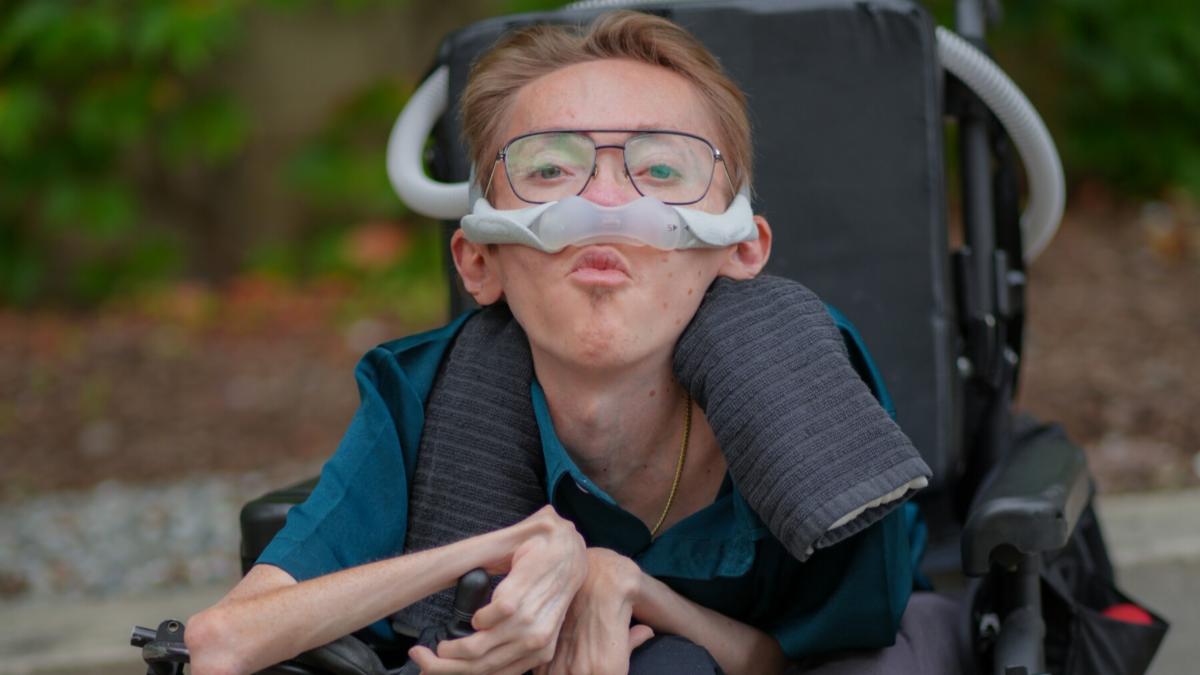
Nobody tells you the good part of life with muscular dystrophy
by Steve Way | Sept 21, 2026
If you or someone you love just got a muscular dystrophy diagnosis, I’m sorry. Not in the greeting card way. Rather, in the way of someone who’s been holding this particular bag since he was a kid and knows exactly how heavy it is when they first hand it to you. I’m here to tell you the stuff...
| | | |
NC wants out of mental health settlement as federal disability protections weaken
by Taylor Knopf | Sept 16, 2026
State leaders say North Carolina has met the terms of a 2012 settlement with the federal government over community living for people with disabilities. The independent reviewer says there is more work to be done. North Carolina...
| | | |
|
3725 National Dr, Suite 105 Raleigh NC 27612 • (919) 833-1117
www.adanc.org
| | | | | |