|
A Word from the Mitra: Facilitating Local Needs and Resources
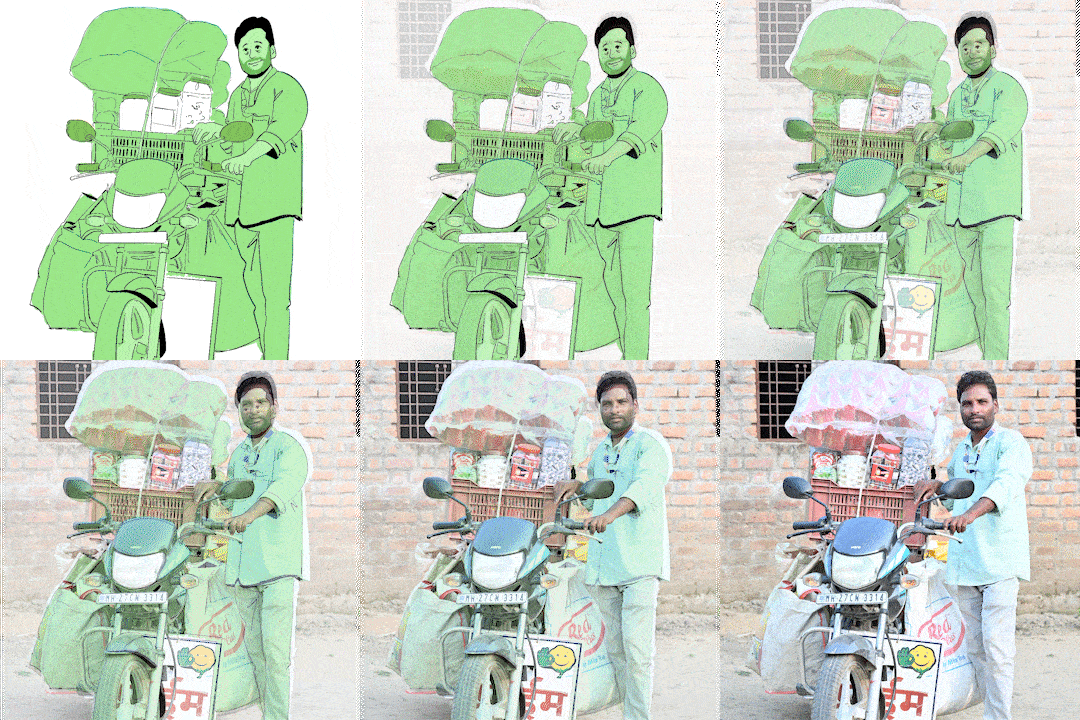
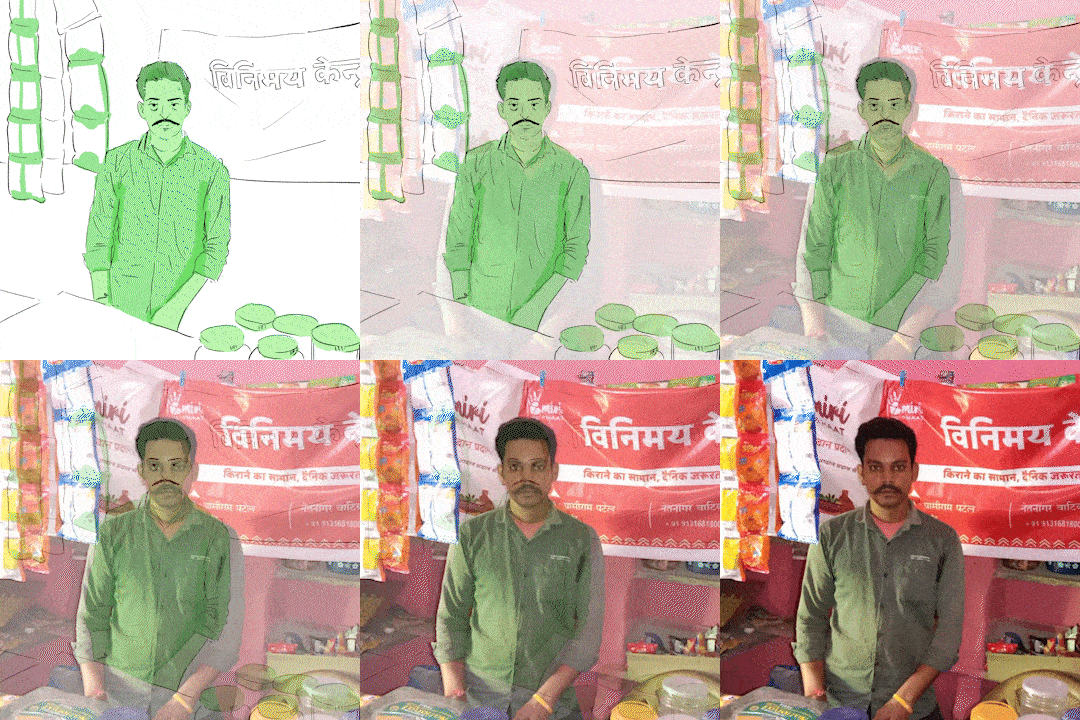
“I run a grocery shop, but as a Mitra, my role goes beyond simple transactions,” says Ghasi Ram Patel, a Mitra from a small village in Chhattisgarh. “In the Swavlamban model, I collect and analyze data about our community’s resources and needs. I get a full picture of what we have, like local crops, handicrafts, or services like carpentry, and what we need, like groceries, clothes, and supplies.”
The Mitra’s role as a community connector is vital in creating a “haves and needs” list for the village. Producers of essentials like rice, vegetables, and local crafts are cataloged, as well as the daily needs of consumers. This allows Mitras like Ghasi Ram to identify how the community can use its own resources to meet demand. This insight even led Goalpora’s women we met last week to produce banana chips from local bananas, which otherwise went to waste, boosting income for everyone involved.
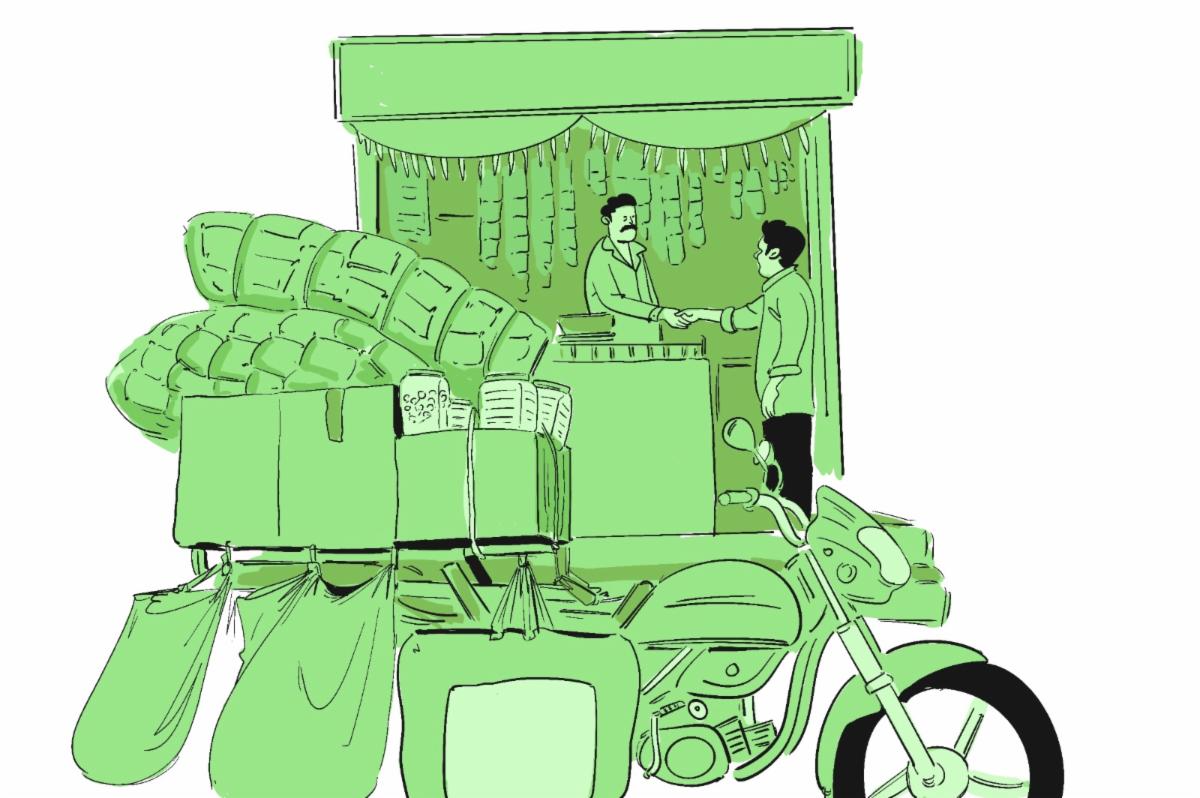
“Another unique aspect is the barter system. In many rural households, they have seasonal produce in surplus, like wheat or rice. Using barter, they trade these for other items like soap, detergent, or snacks,” explains Ghasi Ram. “Through the Swavlamban model, we’ve added a digital currency called Livelihood Points (LP), where 1 LP equals 1 Rupee. This currency helps balance trades and eliminates issues that arise in traditional bartering, like differences in value.”
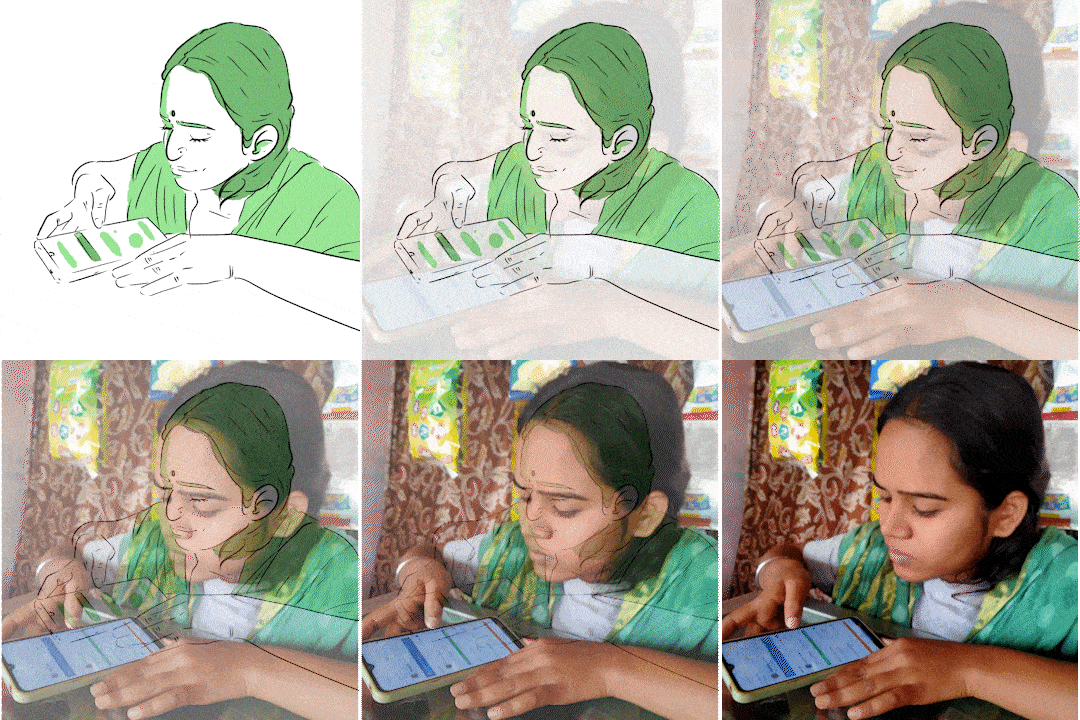
Managing transactions through Livelihood Points and entering all the data in Drishtee’s app took some getting used to. But for Ghasi Ram, the benefits soon outweighed the challenges: “Once I got the hang of it, I saw how much time it saved me and how it streamlined our trade system. Now, I know I’m not just supporting myself—I’m making sure the whole village thrives.”
|