Coast Posts
- A Newsletter From FEC

July 2024

Monthly News Updates

News from Future Earth Coasts International Project Office
Shanghai | East China Normal University
Subscribe to Our Newsletter!

Highlights:


  • Tour de Coasts Survey
  • FEC Awards 2024 ECR Small Grant to ECOP Morocco Team
  • Invitation to FEC Fellows Session 2024 on August 21st
  • FEC Recruits New Affiliated Project: Creating Resilience among Coastal Communities: Communication Outreach and Climate Change
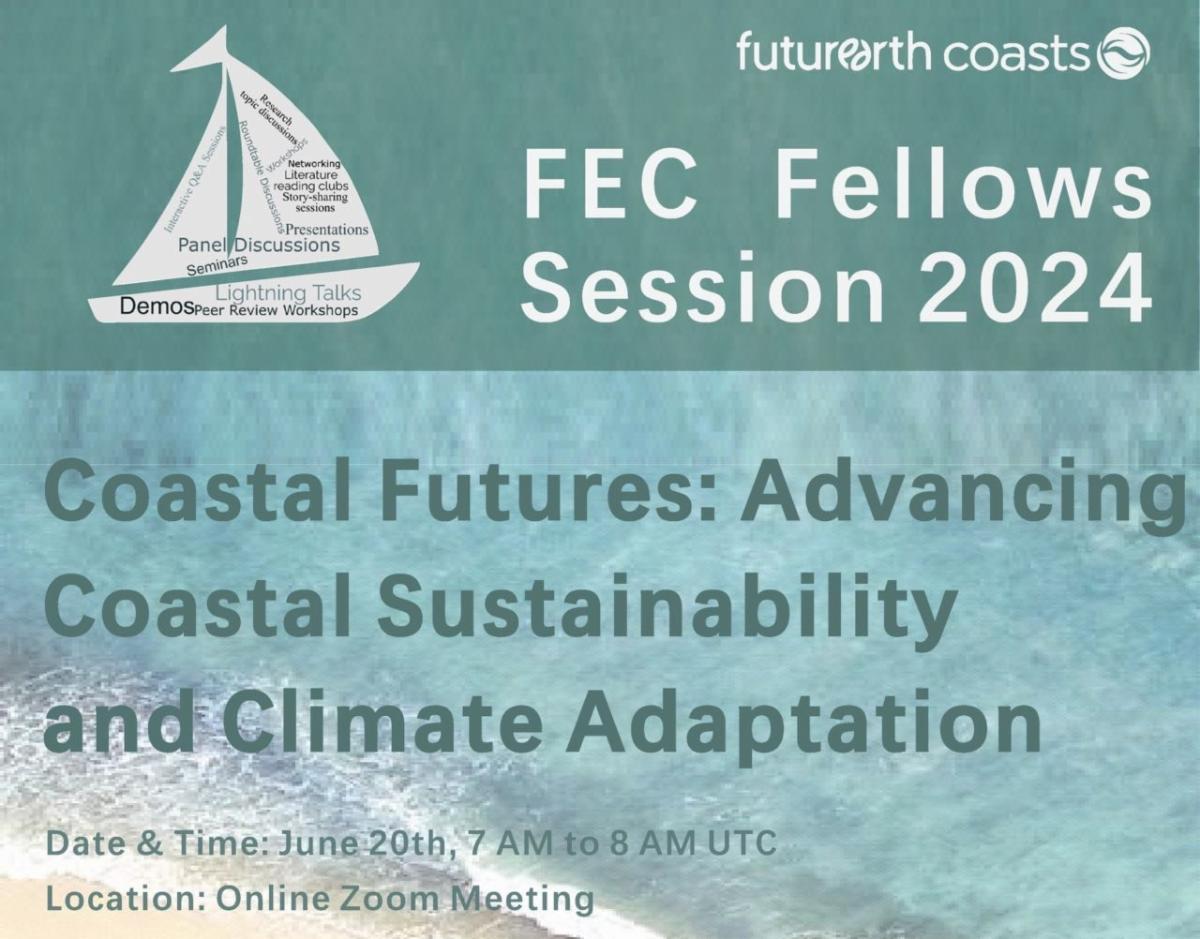
  • Coastal Futures: Advancing Coastal Sustainability and Climate Adaptation
  • FEC Dialogue with Female Scientists: Prof. Sian Davies-Vollum
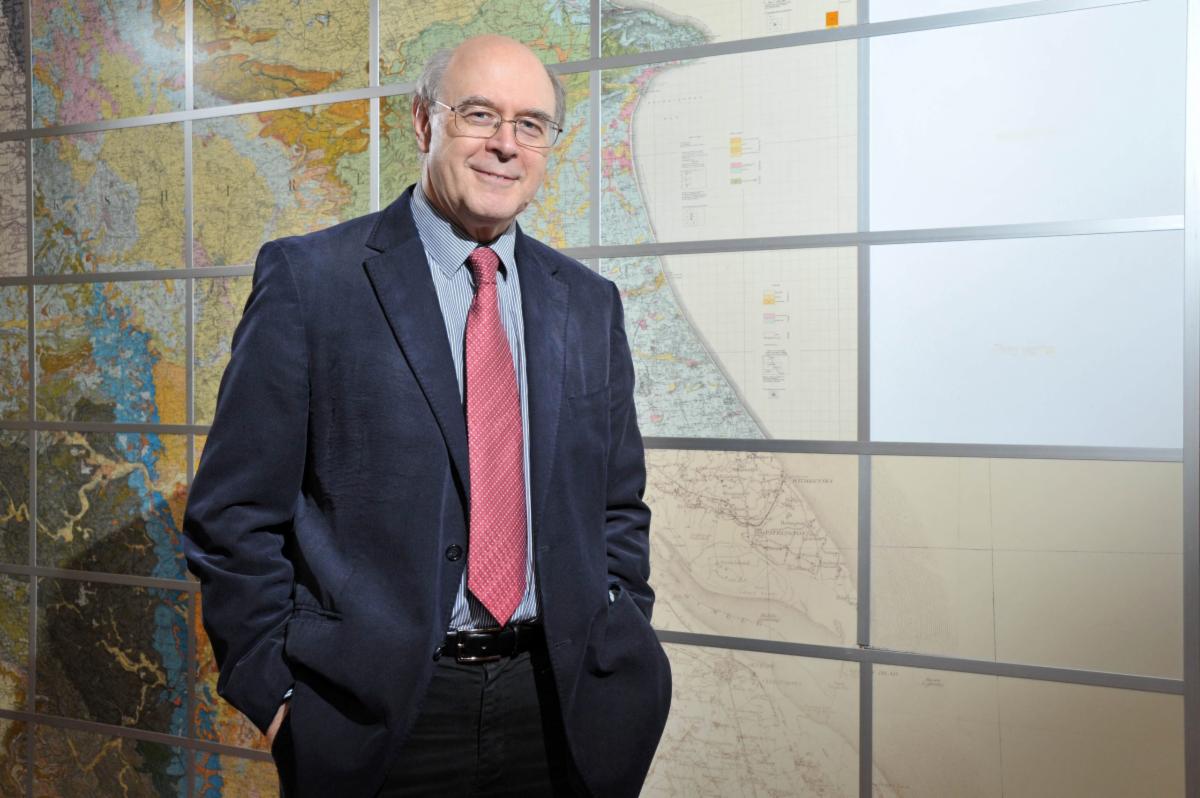
  • Updates from FEC Academy Members: Prof. Eric Wolanski, Prof. Nadia Pinardi
  • Updates from FEC Fellows: Dr. Dhritiraj Sengupta
  • Updates from FEC Supported Networks: The Early Career Ocean Professionals Programme (ECOP), Commission on Coastal Systems – International Geographical Union
  • Calling for Submissions: The Road to Implementation of the UN High Seas Treaty 2023
  • Call for Applications for the 2025 UNNF Fellowship
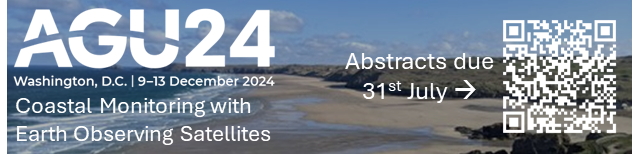
  • Calling for Abstracts: AGU24 - Session on Coastal Change Monitoring with Satellites
  • Request for Abstracts for the AGU24 Session:GC121 - Quantifying Nutrient Budgets for Sustainable Nutrient Management


Tour de Coasts


Join us in shaping the future of our coasts by sharing your thoughts through the Tour de Coasts survey!

Click to Take the Survey

What have we been up to

FEC Awards 2024 ECR Small Grant to ECOP Morocco Team

Future Earth Coasts (FEC) is delighted to announce the recipients of its 2024 “ECR Small Grant Program”. This initiative funds early career professionals who propose innovative projects to enhance the understanding and management of human activities and climate change impacts on estuarine and coastal regions.


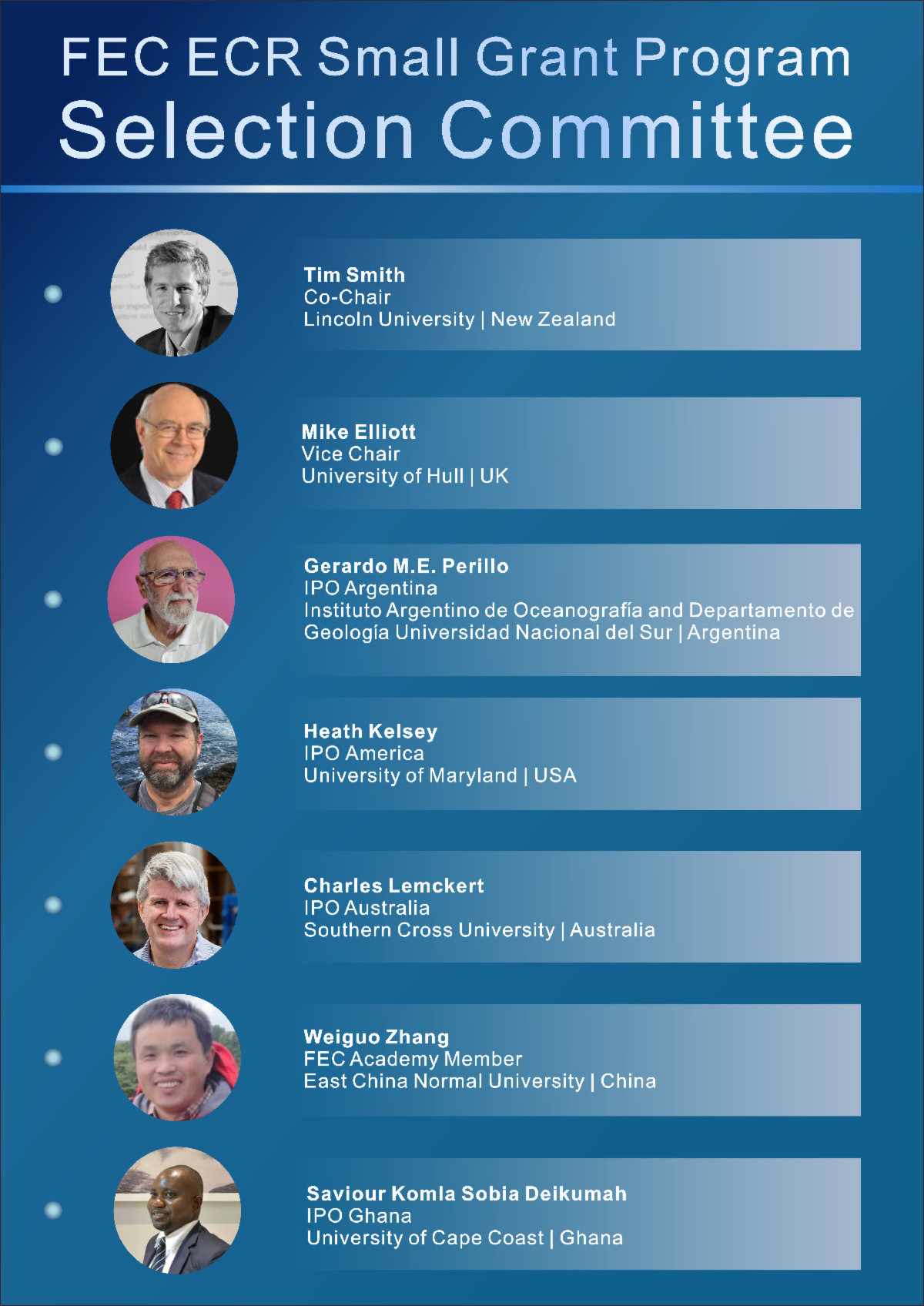
This year saw a remarkable number of applications from highly qualified candidates. A selection committee comprising FEC Executive Committee members and Academy Members conducted a thorough review process to evaluate the submissions.


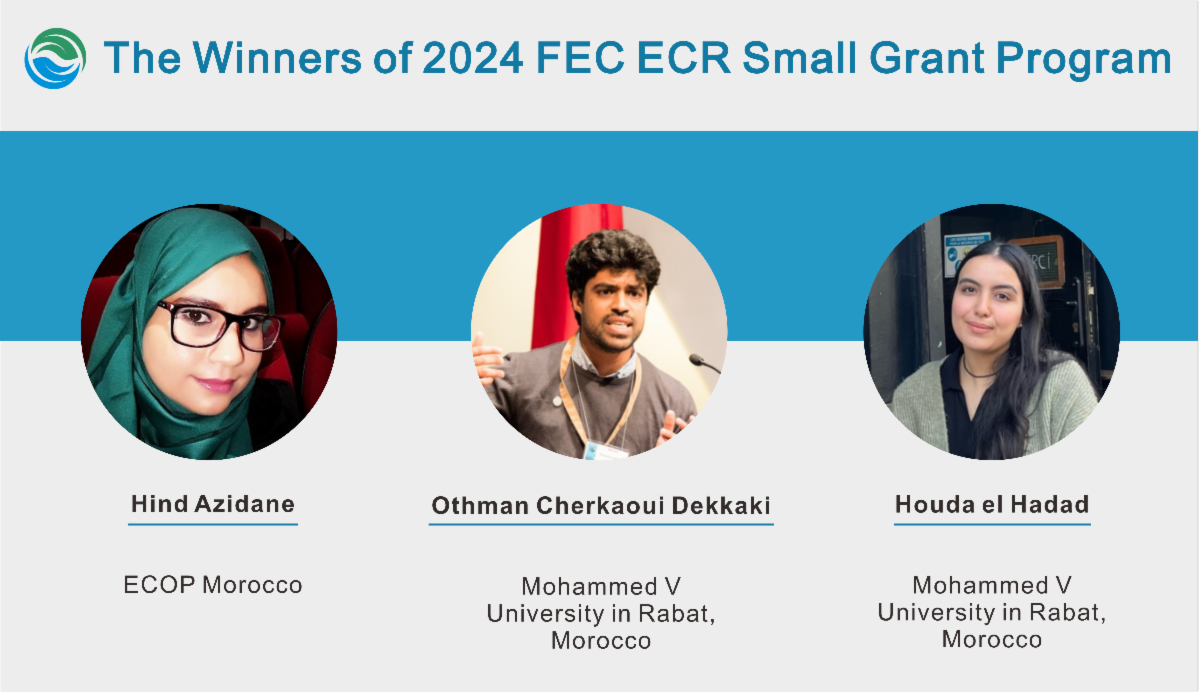
We are pleased to announce that the project ‘Capacity Building for Young Professional Researchers in Oceanography (Early Career Ocean Professionals - ECOP Morocco)’ has been awarded the 2024 FEC ECR Small Grant. Congratulations to Hind Azidane, Othman Cherkaoui Dekkaki, and Houda el Hadad on their successful application and for receiving this year’s FEC ECR Small Grant! 


Click here to read more.


Invitation to FEC Fellows Session 2024 on August 21st

TALK


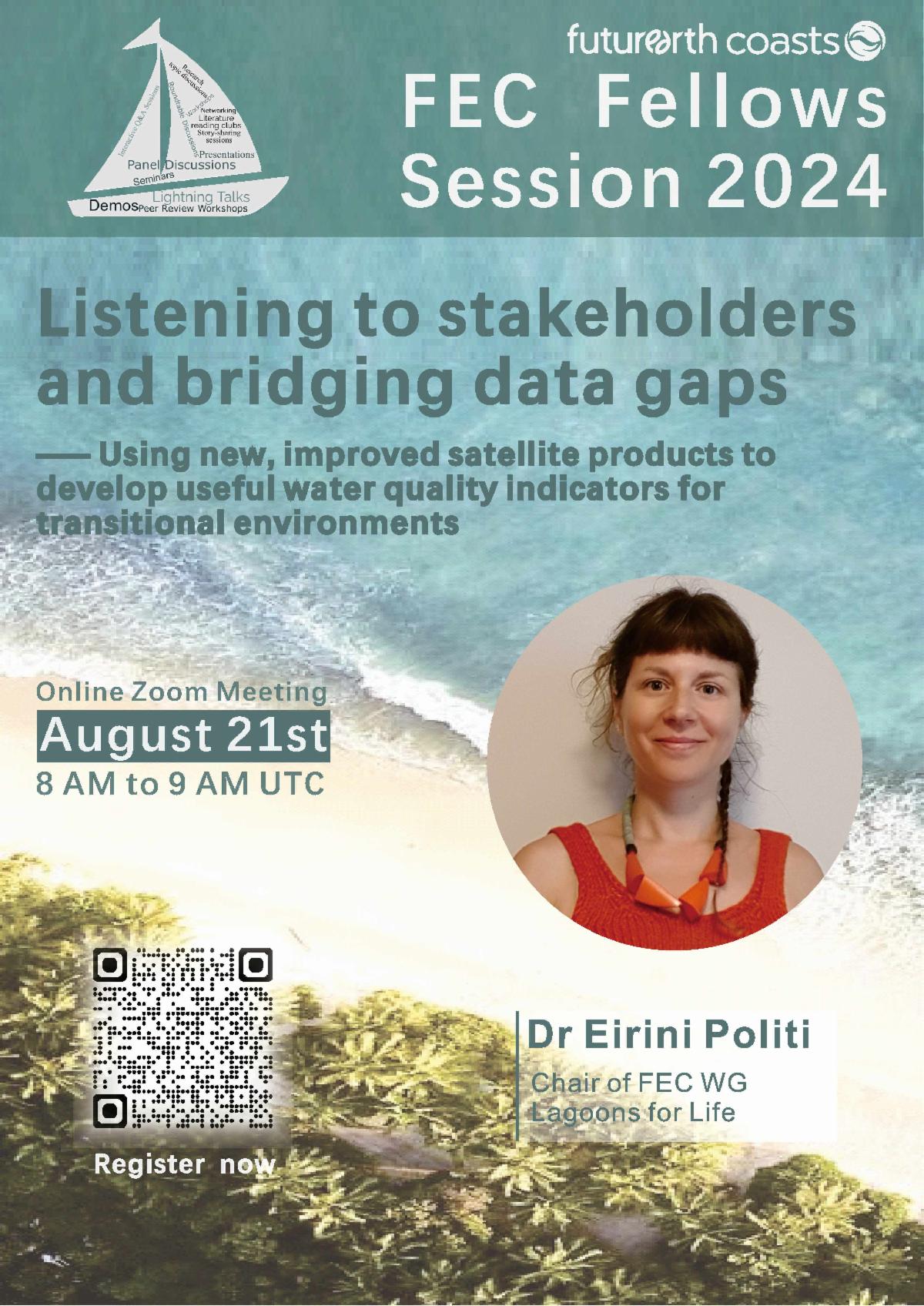
  • Listening to stakeholders and bridging data gaps – Using new, improved satellite products to develop useful water quality indicators for transitional environments

Dr Eirini Politi, Chair of FEC WG Lagoons for Life, Future Earth Coasts (FEC) Fellow


The need for improved remote sensing techniques that complement in-situ campaigns for reliable and consistent monitoring of water quality (WQ) in different water body types is pivotal to addressing UN Sustainable Development Goals and complying with European policy, e.g., the Water Framework and Marine Strategy Framework Directives. Three European Copernicus services (Marine, Climate Change and Land) provide satellite-based WQ information in oceanic, shelf and lake waters. Although transitional waters are partly covered by the Marine coastal service, there has been no coherent approach across the three Services aiming at consistent products across the water continuum. Harmonised, transferable, robust and reliable approaches are still needed to map WQ water bodies from oceans to coasts, to inland waters. To address this gap, the H2020 CERTO project (2020-2023) produced harmonised WQ datasets suitable for integration in the Copernicus services and uptake by downstream users such as water resource managers. Click here to read more.


The event is free to attend and open to all. It will take place at 08:00 AM to 09:00 AM UTC on August 21st.


Click here to register.


FEC Recruits New Affiliated Project: Creating Resilience among Coastal Communities: Communication Outreach and Climate Change


Click here to read more.

The project intends to explore the relationship between media and climate change with a focus on the information needs of the coastal communities. The project activities in the form of small sensitization workshops and community outreach campaigns will help the coastal community to understand the impact of climate change on coastal ecologies. The communication and outreach activities will help the state and private development agencies and the opinion leaders of the coastal communities to expand their understanding and awareness of macro and micro ecological interventions in terms of economic stability, climate resilience and maintaining the coastal biodiversity. The activities can play a significant role by acting as a source of awareness, advocacy and policy change.


Coastal Futures: Advancing Coastal Sustainability and Climate Adaptation

Missed our June FEC Fellows Session on “Coastal Futures: Advancing Coastal Sustainability and Climate Adaptation”? You can watch the recorded session here:


Stay tuned for future events and initiatives by visiting FEC website.


FEC Dialogue Interview Series

FEC Dialogue with Female Scientists

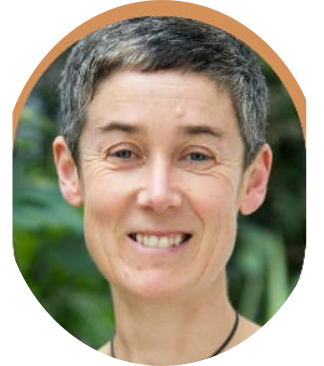
Prof. Sian Davies-Vollum


University of Northampton | UK

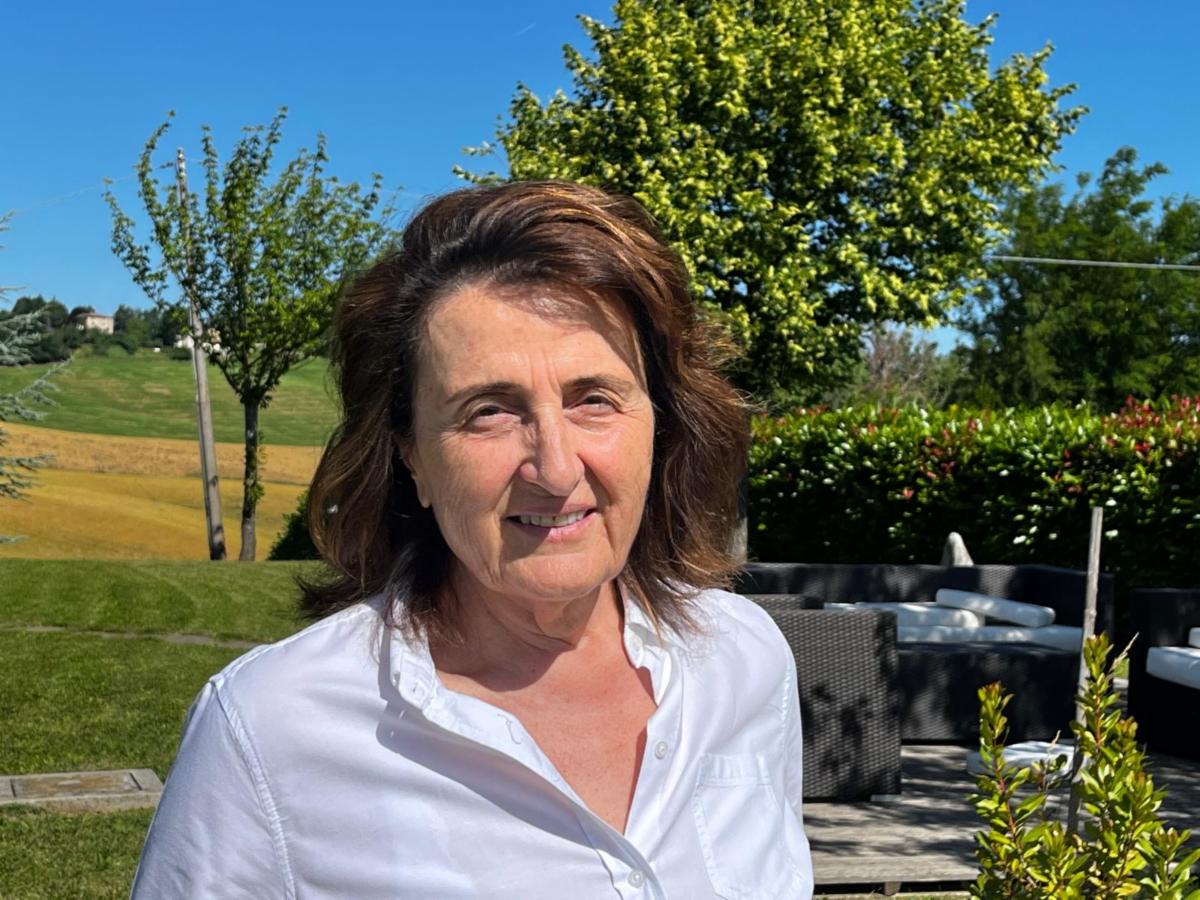
Professor Sian Davies-Vollum has a PhD in Earth Science, MSc in Environmental Technology and a background that bridges Geology, Geography and Environmental Science. Her work focuses on understanding environmental and climate change in coastal and wetland environments and she has worked on a variety of multi-disciplinary projects that have taken her around the world. In 2014 She had the opportunity to visit Ghana, which led to research on coastal sustainability in West Africa. She established and co-leads the Resilient Lagoon Network, funded by the UK Global Challenges Research Fund, which brings together researchers from across the region to work on issues of sustainable coastal governance. Sian is a Trustee of the Geological Society, Chairs University Geoscience UK (the organisation that represents Geoscience at UK universities), and led the recent review of the QAA Benchmark Statement that guides degree content for Earth and Environmental Science/Studies. She is currently Deputy Dean in the Faculty of Arts, Science and Technology at the University of Northampton.

Could you share what initially drew you to the field of environmental geoscience and what continues to inspire you in your role as a scientist?


My grandparents lived near the coast and as a child I loved hunting for fossils and pebbles on the beach and generally being outdoors. A trip to the Natural History Museum in London got me interested in minerals and then when I developed a fascination for maps and enjoyed studying geography at school all of that came together and I knew that I wanted to study geology at university. I became increasingly aware of environmental issues so following my undergraduate degree, I took an MSc in Environmental Technology and have been drawn to projects that combine geoscience and environment ever since. I am inspired as a scientist by the underpinning role science has in creating and enabling an environmentally sustainable future and in the small role I can play in that through my own research. 


Click here to read more.

Coastal Radar

Updates from FEC Academy Members

New Publications by FEC Academy Member and FEC Vice-Chair

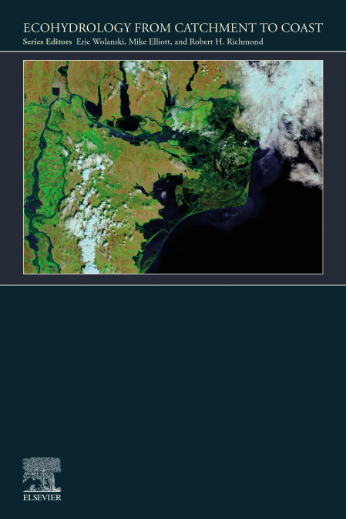
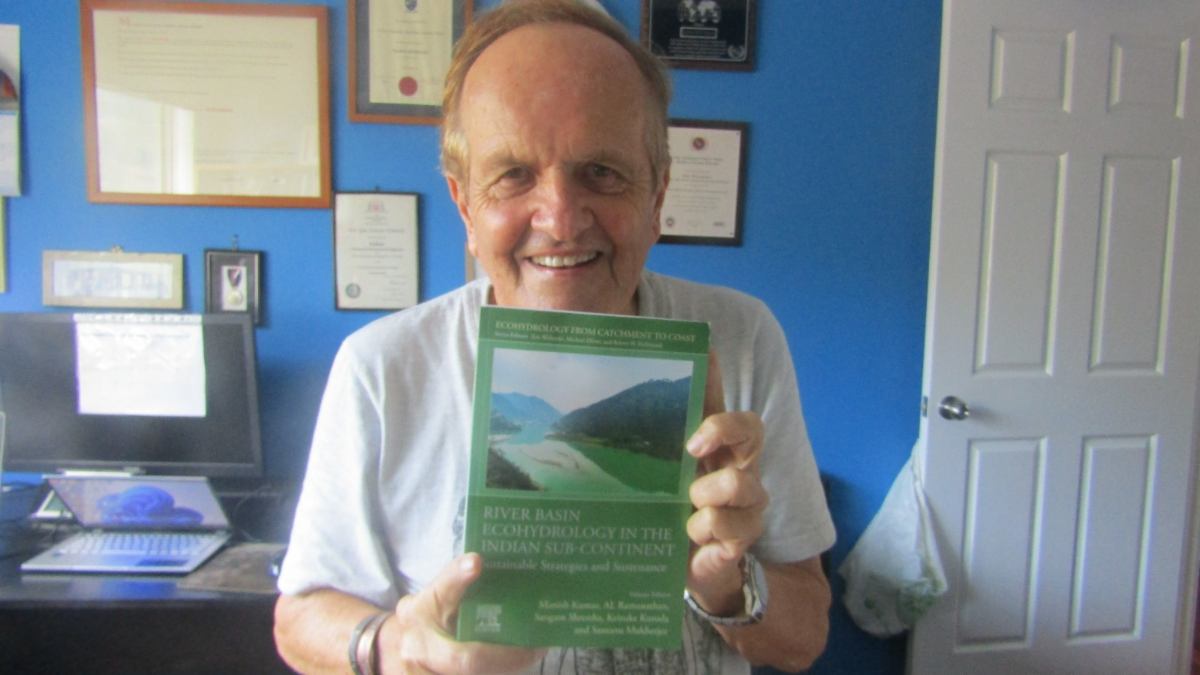
FEC Academy Member Prof. Eric Wolanski and FEC vice chair Prof. Mike Elliott, along with Bob Richmond, are editing the Elsevier book series “Ecohydrology from Catchment to Coast”.

Prof. Eric Wolanski

Prof. Mike Elliott

The 4th book in the series has just been published. This book deals with the “River Basin Ecohydrology in the Indian Sub-Continent: Sustainable Strategies and Sustenance”. Click here to read more.


Upcoming books will cover the ecohydrology from catchment to coast of the industrialized Scheldt River basin in Belgium and The Netherlands, the Danube River basin in Eastern Europe, Japan Rivers basins, and the Rufiji River basin in Tanzania. Previous books in this series dealt with the Murray-Darling River system in Australia, the Nile River basin in Africa, and the Mekong River system in SE Asia.


Click here to read more.


Prof. Nadia Pinardi Invited to Attend the G7/EU High-Level Conference

FEC Academy Member Prof. Nadia Pinardi, Director of the UNESCO Decade Collaborative Center for Coastal Resilience (DCC-CR) at the University of Bologna, has been invited to attend the G7/EU High Level Conference on Mediterranean and Atlantic Ocean Health and Coastal Resilience”. The conference took place in Bologna on the 11th of July 2024 and was organized by the Italian Ministry of Universities and Research and in collaboration with the European Commission, under the auspices of the HE Mission “Restore our Ocean & waters” and in the framework of the Italian G7 Presidency, Science and Technology track.

Focused on the Mediterranean macro-region and Atlantic Ocean, the conference aims to showcase international efforts to restore their marine biodiversity, enhance climate resilience, and mitigate the impacts of extreme weather events on their coastal communities. The event featured strategic mobilisation initiatives involving G7 countries, with particular focus on the EU Mission ‘Restore our Ocean and Waters by 2030’, as well as the “Sustainable Blue Economy Partnership”, the “All-Atlantic Ocean Research and Innovation Alliance”, and the “Partnership for Research and Innovation in the Mediterranean Area - PRIMA”.

Prof. Nadia Pinardi Co-Chairs White Paper on Increasing Community Resilience to Ocean Hazards

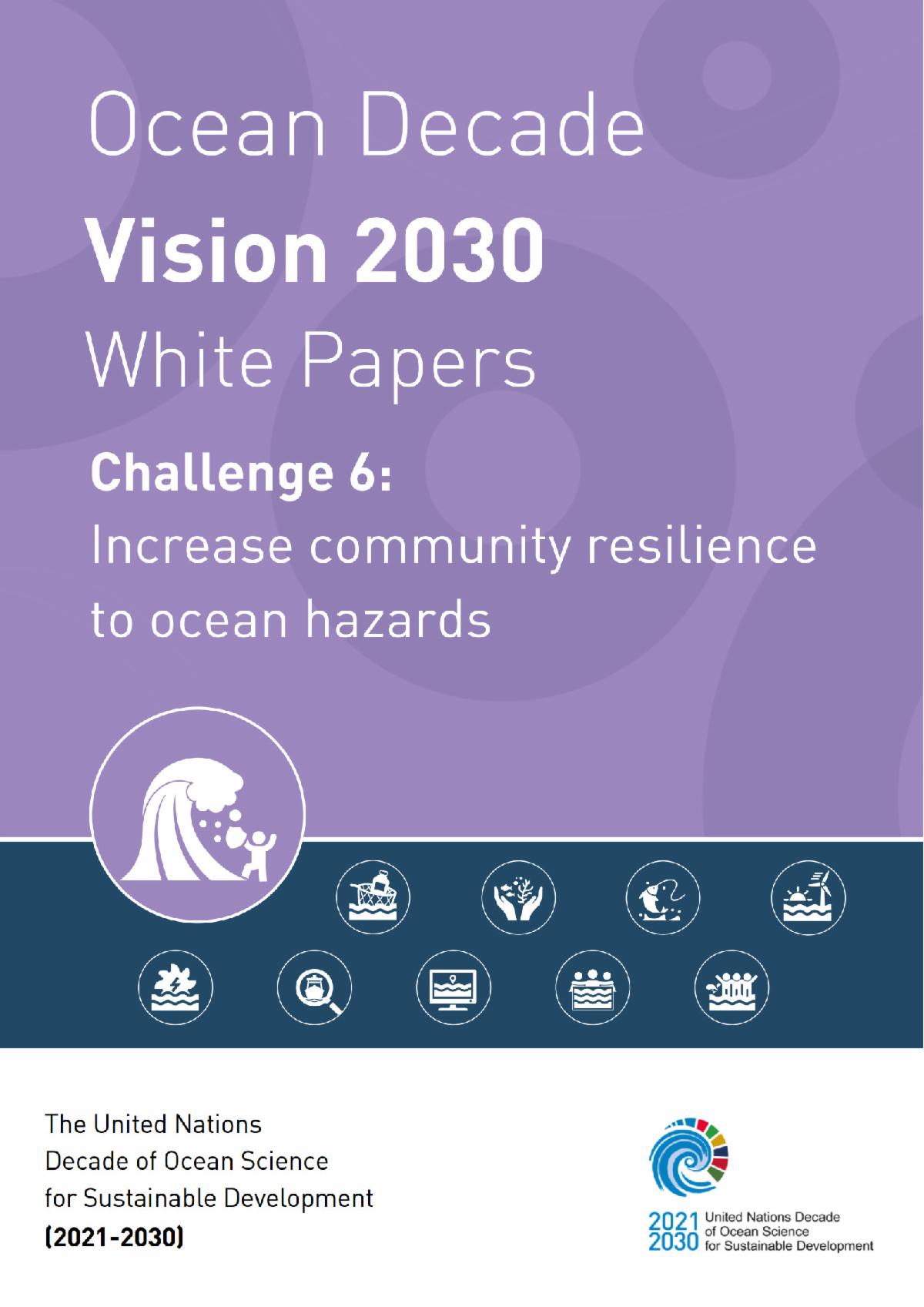
FEC Academy Member and DCC-CR Director, Prof. Nadia Pinardi, co-chaired the group that authored the Ocean Decade Vision 2030 White Paper Challenge 6: Increase Community Resilience to Ocean Hazards


The Ocean Decade Vision 2030 White Papers have been launched, comprising 10 papers, each addressing one of the Ocean Decade Challenges. There papers delve into the resources, infrastructure, partnerships, capacity development, and technology solutions necessary to achieve the Ocean Decade goals and providing strategic recommendations to meet the challenges. White Paper 6 focuses on enhancing multi-hazard early warning services for all geophysical, ecological, biological, weather, climate and anthropogenic related ocean and coastal hazards.


Click here to read White Paper 6. 


Click here to read all 10 papers.


Updates from FEC Fellows

Dr. Dhritiraj Sengupta Recognized with Google’s Geo for Good Impact Awards

The Geo for Good Impact Awards honor individuals and organizations creating real-world impact using Google’s mapping tools. FEC Fellow Dr. Dhritiraj Sengupta has utilized Google Earth Engine to quantify large-scale coastal land reclamation, such as the Palm Jumeirah, estimating a global loss of over 1,000 km² of marine habitat since the 1990s. His research enhances understanding of the challenges presented by new coastlines.


Upon receiving the award, Dr. Sengupta shared his excitement:

Dr. Dhritiraj Sengupta

"I am thrilled to receive the Geo for Good Impact Award from Google. Leveraging Google Earth Engine, I processed terabytes of satellite images to analyze 21st-century large-scale coastal reclamation globally. This research contributed to the Working Group II of the Sixth Assessment Report of the Intergovernmental Panel on Climate Change 2022. I plan to continue this multidisciplinary research to understand the impact of coastal expansion and provide key insights to policymakers and stakeholders from local to global scales. I extend my gratitude to institutions like East China Normal University, University of Cape Town, and University of Southampton for their support since 2016."

Become a fellow
 

Updates from FEC Supported Networks 

The Early Career Ocean Professionals Programme (ECOP)

ECOP Publication:

"Building Bridges for Ocean Sustainability: The Evolution and Impact of the Early Career Ocean Professional (ECOP) Programme"


ECOP recently published an ECOP Commentary in the Marine Technology Society Journal. It provides a concise overview of the ECOP Programme's network and highlights ECOP’s progress and achievements over the past two years.


Click here to read more.

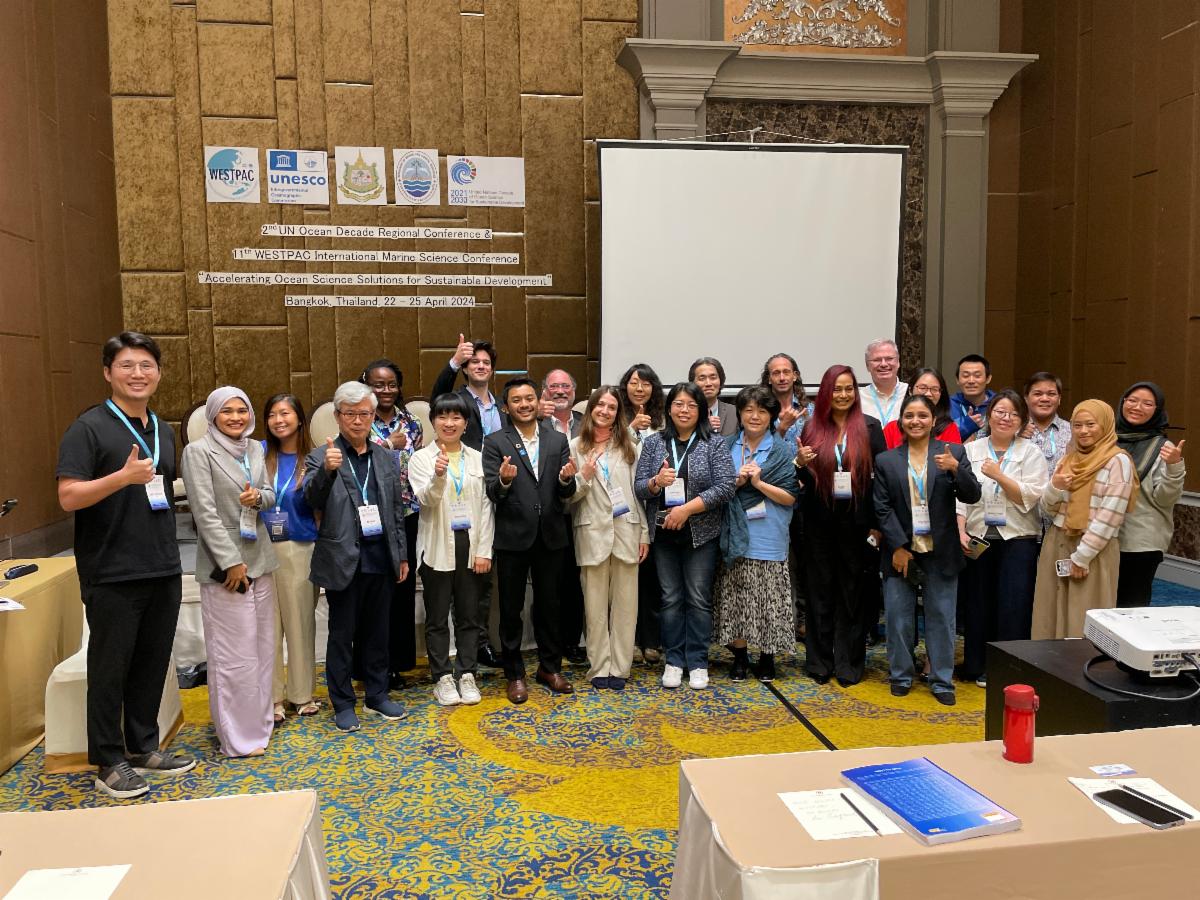
Asian ECOPs Make Waves at the Ocean Decade and WESTPAC Marine Science Conferences in Bangkok (April 22-25, 2024)

The ECOP Asia team successfully organized three ECOP side events at the WESTPAC conference in Bangkok, Thailand (April 22-25, 2024). The team moderated two workshops on Ocean Literacy and Multidisciplinary Practices, and one "incubator" on (3) Citizen Science. Together with fellow ECOP conveners, they co-wrote a summary article that is now available on the ECOP Programme website. It was released late last month. 


Click here to read more.

ECOPs embrace the chance to participate at the Ocean Literacy World Conference in Venice

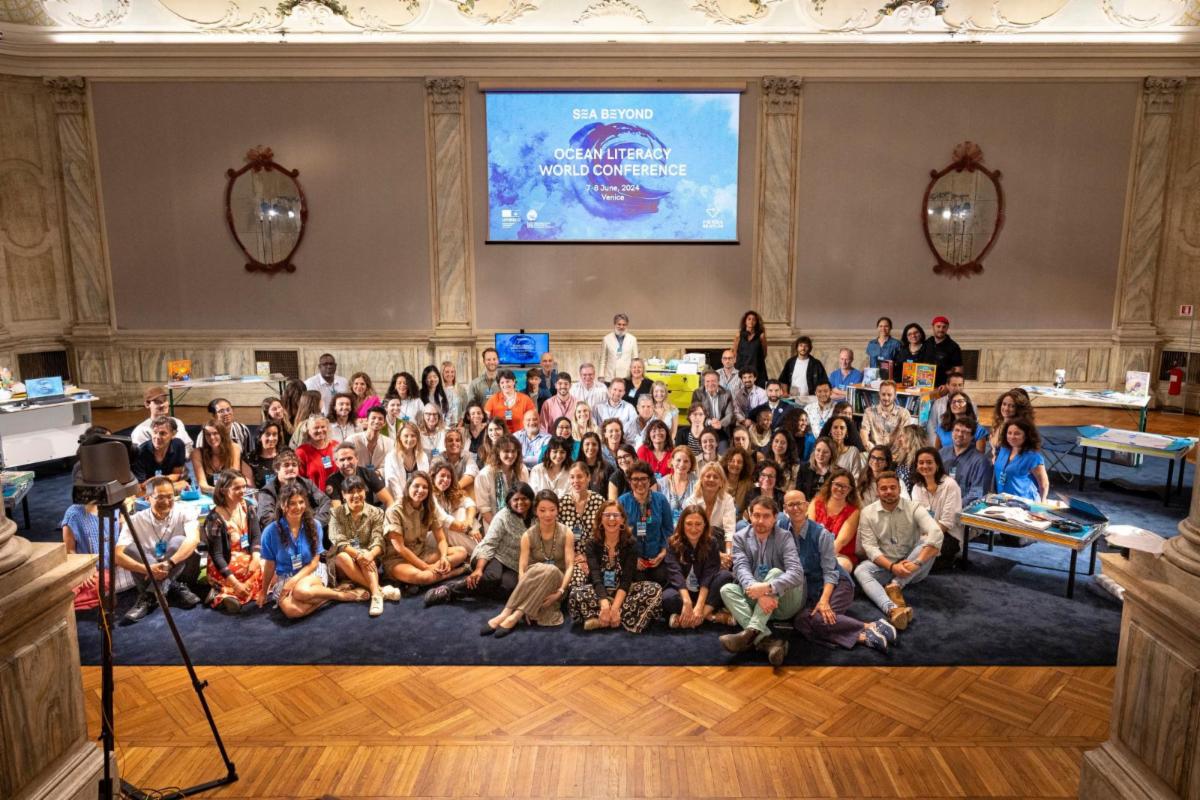
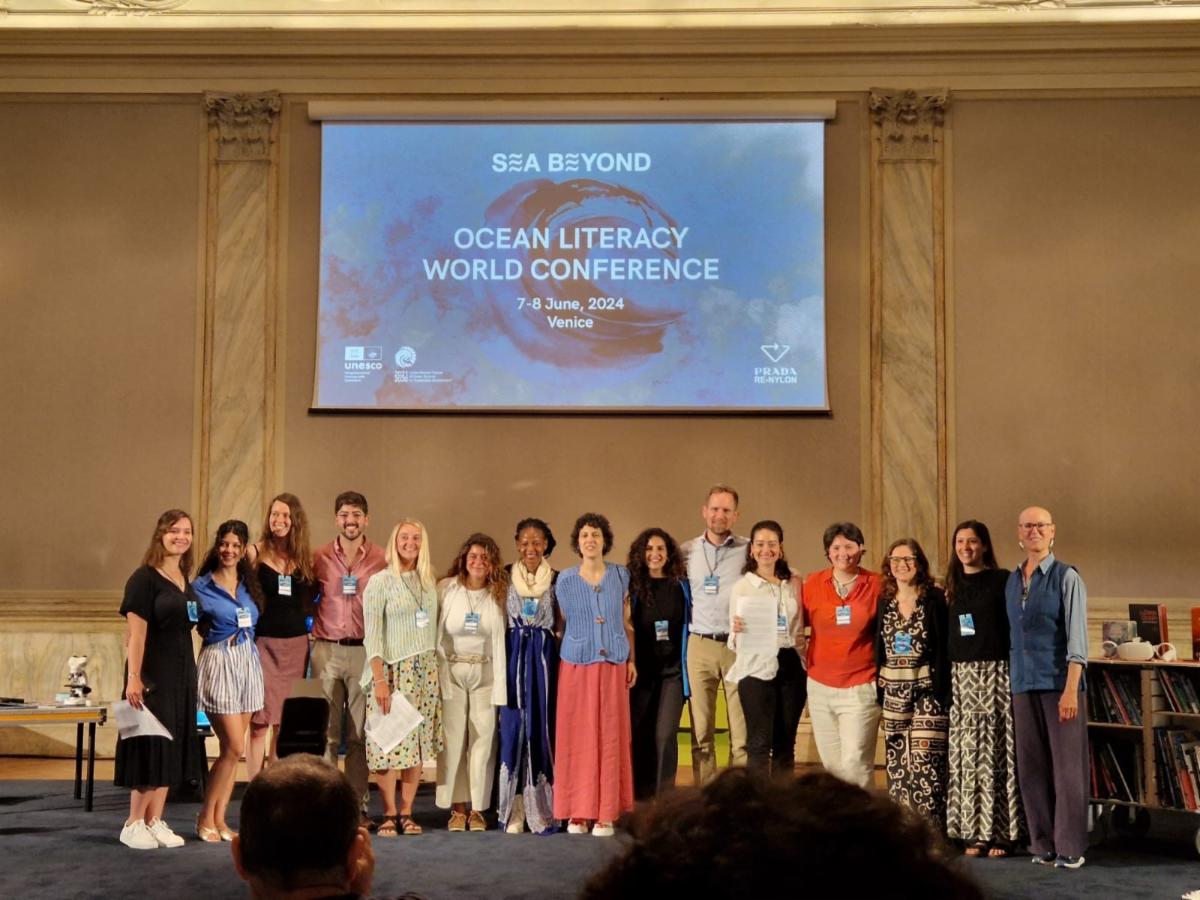
Several ECOP Programme team members attended the first Ocean Literacy World Conference in Venice, Italy on 7-8 June 2024. The event was hosted by the Intergovernmental Oceanographic Commission of UNESCO (IOC-UNESCO), in collaboration with the Government of Italy, the Municipality of Venice, and the Prada Group. Francesca Santoro, Senior Programme Officer at IOC-UNESCO, and Coordinator of the Ocean Literacy With All Programme expertly guided everyone through an (ocean) action-packed agenda of speakers and activities. Afiq Durrani (from the ECOP Programme's Ocean Literacy Hub in Asia) was a guest speaker the panel on best practice in international partnerships and highlighted the extensive efforts happening in Asia right now, the vast range of cultures inherent within the region, and how the range of local communities, projects, languages, Islands and ecosystems, make it truly diverse.


Click here to learn more about the Ocean Literacy Hub in Asia.  


The ECOP group contributed to the development of the Venice Declaration, a living document which will help shape the agenda for the 2025 UN Ocean Conference.


Click here to read the full Venice Declaration.

Photo by IOC-UNESCO


A group photo after reading the final version of the Venice Declaration.


Commission on Coastal Systems – International Geographical Union

Click here to read the entire IGU-CCS newsletter. 

The latest bi-annual newsletter from IGU-CCS has been released recently, showcasing a wealth of compelling information. Among its contents are details about upcoming events with coastal interests, reports on past meetings, recent publications, and calls or abstracts.


This edition of the IGU-CCS newsletter celebrates the coastal sessions that were convened at the EGU in April, looks forward to the coastal sessions and fieldtrip at the forthcoming International Geographical Congress in Dublin, and highlights a series of subsequent meetings and workshops with a coastal focus.


Opportunities

Calling for Submissions: The Road to Implementation of the UN High Seas Treaty 2023

We are now in the United Nations (UN) Decade of Ocean Science for Sustainable Development (2021-2030). Focus on a sustainable future for human-Ocean relations is therefore becoming a rapidly growing area of research. The agreement on the UN High Seas Treaty reached by 193 nations in March 2023 after almost 20 years of talks constitutes a milestone in the conservation and managed use in ocean areas beyond national jurisdiction, which cover nearly two thirds of the Ocean.


The UN High Seas Treaty is as much about conservation as it is about sustainable use of marine resources. As such, ocean citizenship values and ocean literacy by diverse stakeholders are vital to effectively implement the treaty. This Research Topic initiative led by Dr. Sebastian Ferse, Specialty Chief Editor of the Marine Governance specialty section of Frontiers in Ocean Sustainability, alongside Dr. (TBC), aims to explore various initiatives to improve ocean citizenship and literacy in the context of the UN High Seas Treaty, with a focus on existing approaches, gaps, and emerging opportunities. It will also examine the role of various stakeholders such as governments, NGOs, academia, and the private sector in fostering increased ocean literacy and promoting ocean citizenship values. In addition, the Research Topic will explore questions of equity and justice in the access to and sharing of benefits from resources in the High Seas by diverse actors, particularly from countries in the Global South.


Click here to read more. 

Call for Applications for the 2025 UNNF Fellowship

United Nations - The Nippon Foundation Fellowship Programme Human Resources Development and Advancement of the Legal Order of the World's Oceans

Eligibility criteria:

To qualify, candidates must: 

• Be between the ages of 25 and 40.

• Possess at least a first university degree or equivalent.

• Demonstrate an ability to undertake advanced academic research and studies.

• Be from a developing State.

The Division for Ocean Affairs and the Law of the Sea of the Office of Legal Affairs of the United Nations (“OLA/DOALOS”), is now accepting applications for the 2025 session of the United Nations-The Nippon Foundation (UNNF) Fellowship Programme.


Structure:

The UNNF Fellowship is structured as a 9-month Programme, divided into two phases:


• Phase One: A three-month training phase with OLA/DOALOS at United Nations Headquarters in New York (from approximately mid-March to June 2025).

• Phase Two: A six-month research stay at an academic Host Institution participating in the UNNF Programmes, selected for its expertise in the Fellow’s field of research (from July to December 2025).


The deadline for submitting the complete application is 15 September 2024. Applicants should familiarize themselves with the eligibility requirements and use the application forms made available on the website to apply for the Programme. Click here to read more. 

Calling for Abstracts: AGU24 - Session on Coastal Change Monitoring with Satellites

Coastlines are dynamic landscapes that change at a range of different spatial scales and at timescales of hours to millennia. Until recently, coastal monitoring capabilities often fell short of providing data at a relevant rate and breadth. Earth-observing satellites have enabled multiscale monitoring of coastal change over the past four decades by providing global imagery with regular, and increasingly higher spatial and temporal resolutions. Combined with recent advances in machine learning, cloud computing, and data assimilation, Earth-observing satellites now offer coastal scientists and engineers large volumes of data that can inform sustainable coastal management and future adaptation strategies, bringing coastal geosciences into an era of big data.


This session seeks abstracts on monitoring, analyzing, and predicting coastal change using satellite observations. We welcome investigations from diverse physical environments, using or improving upon a variety of satellite-observation techniques, and applied to understanding or modelling past, present or future coastal change.


Click here to read more.

Request for Abstracts for the AGU24 Session:GC121 - Quantifying Nutrient Budgets for Sustainable Nutrient Management

Interested researchers are encouraged to submit an abstract for the AGU24 session GC121 - Quantifying Nutrient Budgets for Sustainable Nutrient Management.


Description: Nutrients, such as Nitrogen (N) and Phosphorus (P), are critical for net primary productivity in agricultural and non-agricultural ecosystems and are consequently important for food and climate security. However, increasing nutrient inputs to the biosphere has led to severe environmental and human health issues. Quantifying nutrient budgets, including the nutrient inputs and outputs of a defined system or within a spatial boundary, is an essential step towards sustainable nutrient management, and provides critical inputs to agronomic, biogeochemical and climate models. Therefore, this session calls for research efforts on quantifying, analyzing, and/or projecting nutrient budgets on various system levels (e.g., crop and livestock production systems, atmospheric deposition, waste) and spatial scales (e.g., farms, watersheds, nations). This session aims to provide an opportunity to assess the advances and challenges in the existing nutrient budgeting methods and databases, and to engage in discussions towards better quantification of nutrient budgets for various applications.


Please consider submitting an abstract if you are interested in sharing your results and learning about others’ work to design, build, apply or use nutrient budgets at scales from local watersheds to national to global.


Abstracts are due Wednesday, 31 July 2024 at 23:59 EDT.


Click here to read more.


New FEC Publications (Since April 2024)

○ Day, J. W., Xu, Y. J., Keim, B. D., Brown, V. M., Giosan, L., Mann, M. E., & Stephens, J. R. (2024). Emerging climate threats to the Mississippi River Delta: Moving from restoration to adaptation. One Earth.

https://doi.org/10.1016/j.oneear.2024.03.001

○ Perillo, G.M.E., Piccolo, M.C., 2024. Global variability in estuaries and coastal settings. En: Whitfield, A.K., Elliott, M. (eds.) Treatise on Estuarine and Coastal Science, 2nd Ed. Vol.1 18-24 Elsevier.

DOI 10.1016/B978-0-323-90798-9.00038-X

○ Perillo, G.M.E., Gao, S., Cuadrado, D.G., 2024. Tidal flats: geomorphology and dynamics. En: Uncles, R.J., Mitchell, S., French, J. (eds.) Treatise on Estuarine and Coastal Science, 2nd Ed. Vol.2 809-842 Elsevier

DOI10.1016/B978-0-323-90798-9.00034-2

○ Politi, E., Brito, A. C., Gomes, M. R., Lebreton, C., & Falcini, F. (2024). Listening to stakeholders: Development of water quality indicators for transitional environments using satellite data. Ocean & Coastal Management, 253, 107140. https://doi.org/10.1016/j.ocecoaman.2024.107140

○ Raha, D., Davies-Vollum, K. S., Hemstock, S. L., Boateng, I., Islam, M. T., & Pierce, C. A. (2024). We need collaboration and co-creation to address challenges facing coastal communities. Nature Human Behaviour, 1-9.

https://doi.org/10.1038/s41562-024-01875-y

○ Valderrama-Landeros, L., Flores-de-Santiago, F., Ávila-Flores, G., Flores-Verdugo, F., Alcántara-Maya, J. A., Troche-Souza, C., ... & Suarez, E. (2024). IUCN Red List of Ecosystems, Mangroves of the Warm Temperate Northeast Pacific.

https://doi.org/10.32942/X2B03V

○ Wolanski, E., & Kingsford, M. J. (Eds.). (2024). Oceanographic processes of coral reefs: Physical and biological links in the Great Barrier Reef (2nd ed.). CRC Press.

https://www.routledge.com/Oceanographic-Processes-of-Coral-Reefs-Physical-and-Biological-Links-i/Kingsford-Wolanski/p/book/9781032340746

○ Xue, L., Li, T., Li, X., Bi, Y., Su, L., Song, Y., ... & Shi, B. (2024). Short-term evolution pattern in salt marsh landscapes: the importance of physical constraints. Landscape Ecology, 39(5), 1-16.

https://doi.org/10.1007/s10980-024-01898-w

○ Zhu, Q., Xing, F., Wang, Y. P., Syvitski, J., Overeem, I., Guo, J., ... & Gao, S. (2024). Hidden delta degradation due to fluvial sediment decline and intensified marine storms. Science Advances, 10(18), eadk1698.

https://doi.org/10.1126/sciadv.adk1698


FEC Publications (2023-2024)

○ Alarcón Borges, R. Y., Pérez Montero, O., Tejera, R. G., Silveira, M. T. D., Montoya, J. C., Hernández Mestre, D., ... & Milanes, C. B. (2023). Legal Risk in the Management of Forest Cover in a River Basin San Juan, Cuba. Land, 12(4), 842. https://doi.org/10.3390/land12040842

○  Alice Newton, Michele Mistri, Angel Pérez-Ruzafa and Sofia Reizopoulou. (2023). Editorial: Ecosystem services, biodiversity, and water quality in transitional ecosystems, Front. Ecol. Evol., Volume 11. https://doi.org/10.3389/fevo.2023.1136750

○  Baird, D., Elliott, M. (Editors-in-Chief), 2024. Treatise on Estuarine and Coastal Sciences, 2nd Edition, 7 Volumes, Elsevier, Academic Press, Hardback ISBN: 9780323907989, eBook ISBN: 9780323910422. https://www.sciencedirect.com/referencework/9780323910422/treatise-on-estuarine-and-coastal-science-second-edition

○  Baumann, L., Riechers, M., Celliers, L., & Ferse, S. C. (2023). Anticipating and transforming futures: a literature review on transdisciplinary coastal research in the Global South. Ecosystems and People, 19(1), 2288957. https://doi.org/10.1080/26395916.2023.2288957

○  Bezerra, Moisés & Goyanna, Felipe & Lacerda, Luiz. (2023). Risk assessment of human Hg exposure through consumption of fishery products in Ceará state, northeastern Brazil. Marine Pollution Bulletin. 189. 114713. https://doi.org/10.1016/j.marpolbul.2023.114713

○  Botero, C. M., Palacios, M. A., Souza Filho, J. R., & Milanes, C. B. (2023). Beach litter in three South American countries: A baseline for restarting monitoring and cleaning after COVID-19 closure. Marine Pollution Bulletin, 191, 114915. https://doi.org/10.1016/j.marpolbul.2023.114915

○  Brempong, E. K., Almar, R., Angnuureng, D. B., Mattah, P. A. D., Jayson-Quashigah, P.-N., Antwi-Agyakwa, K. T., & Charuka, B. (2023). Coastal Flooding Caused by Extreme Coastal Water Level at the World Heritage Historic Keta City (Ghana, West Africa). Journal of Marine Science and Engineering, 11(6), 1144. MDPI AG. http://dx.doi.org/10.3390/jmse11061144

○ Brendel, Andrea & Ferrelli, Federico & Echeverria, María & Piccolo, Maria & Perillo, Gerardo. (2022). PROCESAMIENTO DE DATOS SATELITALES ÓPTICOS Y DE RADAR PARA LA DETECCIÓN DE CAMBIOS MORFOMÉTRICOS: EL CASO DE LA DESEMBOCADURA DEL RÍO SAUCE GRANDE (ARGENTINA). Caminhos de Geografia. 23. 85-94. https://doi.org/10.14393/RCG238658189 

○ Carmen E. Elrick-Barr, Julian Clifton, Michael Cuttler, Craig Perry, Abbie A. Rogers, Understanding coastal social values through citizen science: The example of Coastsnap in Western Australia, Ocean & Coastal Management, Volume 238, 2023, 106563, ISSN 0964-5691, https://doi.org/10.1016/j.ocecoaman.2023.106563

○  Castiglioni, Eduardo & Gaucher, Claudio & Perillo, Gerardo & Sial, Alcides. (2022). Marine deposits of the Chuy Formation (Late Pleistocene) and isostatic readjustments in the area of Laguna de Rocha (Uruguay). Agrociencia Uruguay. 26. https://doi.org/10.31285/AGRO.26.799

○  Celliers, Louis & Manez Costa, Maria & Rölfer, Lena & Aswani Canela, Shankar & Ferse, Sebastian. (2023). Social innovation that connects people to coasts in the Anthropocene. Cambridge Prisms: Coastal Futures. 1. 1-22. 10.1017/cft.2023.12. https://doi.org/10.1017/cft.2023.12

○  Charuka, B., Angnuureng, D. B., Brempong, E. K., Agblorti, S. K., & Agyakwa, K. T. A. (2023). Assessment of the integrated coastal vulnerability index of Ghana toward future coastal infrastructure investment plans. Ocean & Coastal Management, 244, 106804. https://doi.org/10.1016/j.ocecoaman.2023.106804

○  Chen, Y., Deng, B., Zhang, G., Zhang, W., & Gao, S. (2023). Response of Shallow Gas‐Charged Holocene Deposits in the Yangtze Delta to Meter‐Scale Erosion Induced by Diminished Sediment Supply: Increasing Greenhouse Gas Emissions. Journal of Geophysical Research: Earth Surface, 128(1), e2022JF006631. https://doi.org/10.1029/2022JF006631

○  Cunha, J., Cabecinha, E., Villasante, S., Balbi, S., Elliott, M., Ramos, S., (2023) Defining hotspots and coldspots of regulating and maintenance ecosystem services is key to effective marine management – an assessment of a coastal-open sea gradient, Portugal. Ocean & Coastal Management, 245: 106876; https://doi.org/10.1016/j.ocecoaman.2023.106876

○  Datta, Satabdi & Roy, Joyashree. (2022). Exploring adaptive capacity: Observations from the vulnerable human-coastal environmental system of the Bay of Bengal in India. Frontiers in Climate. 4. 1007780. https://doi.org/10.3389/fclim.2022.1007780 

○  Davies-Vollum, K. S., Koomson, D., & Raha, D. (2024). Coastal lagoons of West Africa: a scoping study of environmental status and management challenges. Anthropocene Coasts, 7(1), 7. https://doi.org/10.1007/s44218-024-00039-9

○  Davranche, A., Arzel, C., Pouzet, P., Carrasco, A. R., Lefebvre, G., Lague, D., ... & Poulin, B. (2023). A multi-sensor approach to monitor the ongoing restoration of edaphic conditions for salt marsh species facing sea level rise: An adaptive management case study in Camargue, France. Science of the Total Environment, 168289. https://doi.org/10.1016/j.scitotenv.2023.168289

○  Day, J. W., Hall, C. A., Klitgaard, K., Gunn, J. D., Ko, J. Y., & Burger, J. R. (2023). The coming perfect storm: Diminishing sustainability of coastal human-natural systems in the Anthropocene. Cambridge Prisms: Coastal Futures, 1, e35. https://doi.org/10.1017/cft.2023.23

○  de Oliveira, E.B., Newton, A. & Botero, C.M. Development of a management-based ranking of beaches. Anthropocene Coasts 7, 6 (2024). https://doi.org/10.1007/s44218-024-00040-2

○  Elegbede, I. O., Lawal-Are, A., Oloyede, R., Sanni, R. O., Jolaosho, T. L., Goussanou, A., & Ngo-Massou, V. M. (2023). Proximate, minerals, carotenoid and trypsin inhibitor composition in the exoskeletons of seafood gastropods and their potentials for sustainable circular utilisation. Scientific Reports, 13(1), 13064. https://doi.org/10.1038/s41598-023-38345-w

○  Elegbede, I., Lawal-Are, A., Favour, O. et al. Chemical compositions of bivalves shells: Anadara senilis, Crassostrea gasar, and Mytilus edulis and their potential for a sustainable circular economy. SN Appl. Sci. 5, 44 (2023). https://doi.org/10.1007/s42452-022-05267-7

○  Elegbede, I., Zurba, M., Hameed, A., & Campbell, C. (2023). Gaps and Challenges in Harnessing the Benefits and Opportunities of Indigenous Certification for a Sustainable Communal Commercial Lobster Fishery. Environmental Management, 1-20. https://doi.org/10.1007/s00267-023-01852-7

○  Elliott M. (2023). Marine Ecosystem Services and Integrated Management: "There's a crack, a crack in everything, that's how the light gets in"!. Marine pollution bulletin, 193, 115177. Advance online publication. https://doi.org/10.1016/j.marpolbul.2023.115177

○  Elliott, M., Borja, Á., & Cormier, R. (2023). Managing marine resources sustainably–Ecological, societal and governance connectivity, coherence and equivalence in complex marine transboundary regions. Ocean & Coastal Management, 245, 106875. https://doi.org/10.1016/j.ocecoaman.2023.106875

○  Elliott, M., Wither, A., (Eds.) (2024). Environmental Consequences and Management of Coastal Industries: Terms and Concepts. Elsevier, Amsterdam, Paperback ISBN: 9780443137525, eBook ISBN: 9780443137532, pp 371. https://doi.org/10.1016/C2022-0-00268-3

○  Elrick-Barr CE, Clifton J, Cuttler M, Perry C & Rogers AA (2023). Understanding coastal social values through citizen science: The example of Coastsnap in Western Australia. Ocean & Coastal Management, 238, 106563. https://doi.org/10.1016/j.ocecoaman.2023.106563

○  Elrick-Barr, C. E., Smith, T. F., & Thomsen, D. C. (2024). Is ‘hope’helpful or a hinderance? Implications for coastal governance. Ocean & Coastal Management, 248, 106953. https://doi.org/10.1016/j.ocecoaman.2023.106953

○  Feng, Y., Tu, C., Li, R., Wu, D., Yang, J., Xia, Y., ... & Luo, Y. (2023). A systematic review of the impacts of exposure to micro-and nano-plastics on human tissue accumulation and health. Eco-Environment & Health. https://doi.org/10.1016/j.eehl.2023.08.002

○  Ferreira, A.C.; LACERDA LD, Rodrigues, J.V.; Bezerra, L.E.A. 2023. New contributions to mangrove restoration/rehabilitation protocols and practices. Forest Ecology & Management Journal 31, 89-114. https://doi.org/10.1007/s11273-022-09903-2

○  Foley, Aideen & Moncada, Stefano & Mycoo, Michelle & Nunn, Patrick & Tandrayen-Ragoobur, Verena & Evans, Christopher. (2022). Small Island Developing States in a post‐pandemic world: Challenges and opportunities for climate action. Wiley Interdisciplinary Reviews: Climate Change. 13. https://doi.org/10.1002/wcc.769 

○  Forero-López, A. D., Toniolo, M. A., Colombo, C. V., Rimondino, G. N., Cuadrado, D., Perillo, G. M. E., & Malanca, F. E. (2023). Marine microdebris pollution in sediments from three environmental coastal areas in the southwestern Argentine Atlantic. Science of The Total Environment, 169677. https://doi.org/10.1016/j.scitotenv.2023.169677

○  Fragoso, C.; Gatts, P.V.; Di Benedittoa, A.P.; Martinelli, L.A.; LACERDA, L.D. & Rezende, C.E. 2023. Stable isotopes and Mercury as tools to depict aquatic food webs. Quimica Nova 46 (11) http://dx.doi.org/10.21577/0100-4042.20230125

○  Fu, C., Li, Y., Tu, C., Hu, J., Zeng, L., Qian, L., ... & Luo, Y. (2023). Dynamics of trace element enrichment in blue carbon ecosystems in relation to anthropogenic activities. Environment International, 180, 108232. https://doi.org/10.1016/j.envint.2023.108232

○  Fu, C., Li, Y., Zeng, L., Tu, C., Wang, X., Ma, H., ... & Luo, Y. (2024). Climate and mineral accretion as drivers of mineral‐associated and particulate organic matter accumulation in tidal wetland soils. Global Change Biology, 30(1), e17070. https://doi.org/10.1111/gcb.17070

○  Gallo Velez, David & Restrepo, Juan & Newton, Alice. (2023). Assessment of the Magdalena River delta socio-ecological system through the Circles of Coastal Sustainability framework. Frontiers in Earth Science. 11. 10.3389/feart.2023.1058122. https://doi.org/10.3389/feart.2023.1058122

○  Goyanna, F., Silva, G., Bezerra, M.F., LACERDA, L.D. 2023. Mercury in oceanic upper trophic level sharks and bony fishes - A systematic review. Environmental Pollution 318, 120821 https://doi.org/10.1016/j.envpol.2022.120821

○  Guzmán, D. H., Mier, R. L., Vergara, A., & Milanes, C. B. (2023). Marine protected areas in Colombia: A historical review of legal marine protection since the late 1960 s to 2023. Marine Policy, 155, 105726. https://doi.org/10.1016/j.marpol.2023.105726

○  Harvey N & Smith TF, 2023, 'Key lessons from new perspectives on Australian coastal management', Ocean & Coastal Management, Volume 239, 15 May 2023, 106581 https://doi.org/10.1016/j.ocecoaman.2023.106581

○  Hawkins, S. J., Todd, P. A., Russell, B. D., Lemasson, A. J., Allcock, A. L., Byrne, M., ... & Swearer, S. E. (2023). Review of the Central and South Atlantic Shelf and Deep-Sea Benthos: Science, Policy, and Management. Oceanography and Marine Biology: An annual review. Volume 61, 61, 127-218.

○  Huddleston, P., Smith, T. F., White, I., & Elrick-Barr, C. (2023). What influences the adaptive capacity of coastal critical infrastructure providers?. Urban Climate, 48, 101416. https://doi.org/10.1016/j.uclim.2023.101416

○  Inguaggiato, S., Meng, Q., Mondal, E., Chen, Y.-X., LACERDA, L. D., eds. (2024). Reviews in geochemistry: 2022. Lausanne: Frontiers Media SA. https://doi.org/10.3389/978-2-8325-4261-3

○  LACERDA LD, Godoy, JMO, Gonçalves, R.A., Rocha, M.F. & Dutra, B.F. 2023. Metais em sedimentos de talude da Bacia Potiguar em área de exploração de petróleo e gás natural offshore, NE Brasil. Química Nova 46 (6), 54-560. http://dx.doi.org/10.21577/0100-4042.20170959

○ Lange, M., Cabana, D., Ebeling, A., Ebinghaus, R., Joerss, H., Rölfer, L., & Celliers, L. (2023). Climate-smart socially innovative tools and approaches for marine pollution science in support of sustainable development. Cambridge Prisms: Coastal Futures, 1, E23. https://doi.org/10.1017/cft.2023.11

○  Laubenstein T, Smith TF, Hobday AJ, Pecl GT, Evans K, Fulton EA & O'Donnell T, 2023, 'Threats to Australia's oceans and coasts: a systematic review', Ocean & Coastal Management, 231 (published online 29 Oct 2022). https://doi.org/10.1016/j.ocecoaman.2022.106331

○  Lehuen, A., & Orvain, F. (2024). A cockle-induced bioturbation model and its impact on sediment erodibility: A meta-analysis. Science of the Total Environment, 912, 168936. https://doi.org/10.1016/j.scitotenv.2023.168936

○  Li, Y., Fu, C., Hu, J., Zeng, L., Tu, C., & Luo, Y. (2023). Soil Carbon, Nitrogen, and Phosphorus Stoichiometry and Fractions in Blue Carbon Ecosystems: Implications for Carbon Accumulation in Allochthonous-Dominated Habitats. Environmental Science & Technology, 57(14), 5913-5923. https://doi.org/10.1021/acs.est.3c00012

○  Li, Y., Fu, C., Wang, W., Zeng, L., Tu, C., & Luo, Y. (2023). An overlooked soil carbon pool in vegetated coastal ecosystems: National-scale assessment of soil organic carbon stocks in coastal shelter forests of China. Science of The Total Environment, 876, 162823. https://doi.org/10.1016/j.scitotenv.2023.162823

○  Li, Yingjie & Robinson, Samuel & Nguyen, Lan & Liu, Jianguo. (2023). Satellite prediction of coastal hypoxia in the northern Gulf of Mexico. Remote Sensing of Environment. 284. 113346. https://doi.org/10.1016/j.rse.2022.113346 

○  International Science Council, 2023. Global Sea-level Rise: ISC Policy Brief. Coordination: Seag, M., Contributors: Lebbe, T.B., Church, J., Colleoni, F., Elliott, M., Hinkel, J., Jacot des Combes, H., Mycoo, M., Naish, T., Post, J., Scobie, A., Stevance, A.S., Thomas, A., van de Wal, R., Webster, D.G. ISC Liaison to the UN System, International Science Council, 5 rue Auguste Vacquerie, 75116, Paris, France. 

○  Mabon L and Kawabe M (2022) 'Bring Voices from the Coast into the Fukushima Treated Water Debate' PNAS 119 (45) e2205431119. https://doi.org/10.1073/pnas.2205431119

○  Madhanagopal, D. (2023). Local Adaptation to Climate Change in South India: Challenges and the Future in the Tsunami-hit Coastal Regions. Taylor & Francis.

https://doi.org/10.4324/9781003187691

○  Mestanza-Ramón, C., Monar-Nuñez, J., Guala-Alulema, P., Montenegro-Zambrano, Y., Herrera-Chávez, R., Milanes, C. B., ... & Toledo-Villacís, M. (2023). A Review to Update the Protected Areas in Ecuador and an Analysis of Their Main Impacts and Conservation Strategies. Environments, 10(5), 79. https://doi.org/10.3390/environments10050079

○  Moura, V.L. & LACERDA, L.D. 2022. Mercury sources, emissions, distribution and bioavailability along an estuarine gradient under semiarid conditions in NE Brazil. International Journal of Pollution Research and Public Health 19, 17092 https://doi.org/10.3390/ijprph192417092

○  Mycoo, M. A., & Roopnarine, R. R. (2024). Water resource sustainability: Challenges, opportunities and research gaps in the English-speaking Caribbean Small Island Developing States. PLOS Water, 3(1), e0000222.https://doi.org/10.1371/journal.pwat.0000222

○  Newton A, Mistri M, Pérez-Ruzafa A and Reizopoulou S (2023) Editorial: Ecosystem services, biodiversity, and water quality in transitional ecosystems. Front. Ecol. Evol. 11:1136750. https://doi.org/10.3389/fevo.2023.1136750

○  Ollivier, M. E. L., Newton, A., & Kelsey, H. (2023). Social-Ecological analysis of the eutrophication in Chesapeake Bay, United States of America. Frontiers in Marine Science.

○  Pauli, Natasha & Clifton, Julian & Elrick-Barr, Carmen. (2023). Evaluating marine areas in Fiji. Nature Sustainability. 10.1038/s41893-023-01136-2. https://doi.org/10.1038/s41893-023-01136-2

○  Peng, Ya & Sengupta, Dhritiraj & Yuanqiang, Duan & Chunpeng, Chen & Tian, Bo. (2022). Accurate mapping of Chinese coastal aquaculture ponds using biophysical parameters based on Sentinel-2 time series images. Marine Pollution Bulletin. 181. 113901. https://doi.org/10.1016/j.marpolbul.2022.113901 

○  Pereira CI, Botero CM, Ricaurte-Villota C, Coca O, Morales D, Cuker B, Milanes CB. Grounding the SHIELD Model for Tropical Coastal Environments. Sustainability. 2022; 14(19):12317. https://doi.org/10.3390/su141912317

○  Perillo, G. M., Zilio, M. I., Tohme, F., & Piccolo, M. C. (2024). The free energy of an ecosystem: towards a measure of its inner value. Anthropocene Coasts, 7(1), 4. https://doi.org/10.1007/s44218-024-00036-y

○  Pickering K, Pearce T, Manuel L, Doran B & Smith T, 2023, 'Socio-ecological challenges and food security in the 'salad bowl' of Fiji, Sigatoka Valley'. Regional Environmental Change, 23, 61. https://doi.org/10.1007/s10113-023-02059-6

○  Rodriguez CAB, LACERDA LD, Bezerra, MF. 2023. Pilot study of mercury distribution in the carapace of four species of sea turtles from Northeastern Brazil. Bulletin of Environmental Contamination & Toxicology 110, 99 (2023). https://doi.org/10.1007/s00128-023-03745-1

○  Rölfer, L., Abson, D. J., Costa, M. M., Rosendo, S., Smith, T. F., & Celliers, L. (2022). Leveraging governance performance to enhance climate resilience. Earth's Future, 10. https://doi.org/10.1029/2022EF003012

○  Rölfer, Lena & Celliers, Louis & Abson, David. (2022). Resilience and coastal governance: knowledge and navigation between stability and transformation. ECOLOGY AND SOCIETY. 27. https://doi.org/10.5751/ES-13244-270240 

○  Sengupta, D., Choi, Y. R., Tian, B., Brown, S., Meadows, M., Hackney, C. R., ... & Zhou, Y. (2023). Mapping 21st century global coastal land reclamation. Earth's Future, 11(2), e2022EF002927. https://doi.org/10.1029/2022EF002927

○  Smith, T., Elrick-Barr, C., Thomsen, D., Celliers, L., & Le Tissier, M. (2023). Impacts of tourism on coastal areas. Cambridge Prisms: Coastal Futures, 1, E5. https://doi.org/10.1017/cft.2022.5

○  Taryn Laubenstein, Timothy F. Smith, Alistair J. Hobday, Gretta T. Pecl, Karen Evans, Elizabeth A. Fulton, Tayanah O'Donnell, Threats to Australia's oceans and coasts: A systematic review, Ocean & Coastal Management, Volume 231, 2023, 106331, ISSN 0964-5691. https://doi.org/10.1016/j.ocecoaman.2022.106331

○  Thomsen, D. C., Smith, T. F., & Elrick‐Barr, C. E. (2023). The Anthropocene Obscene: Poetic inquiry and evocative evidence of inequality. The Geographical Journal. https://doi.org/10.1111/geoj.12559

○  Valenzuela, V. P. B., Esteban, M., & Onuki, M. (2023). Middle-class risk perception of disasters and land reclamation in Metro Manila, Philippines. Anthropocene Coasts, 6(1), 13.

○  van Onselen, V., Bayrak, M. M., & Lin, T. Y. (2023). Assessment of Ecosystem-Based Disaster Risk Reduction Strategies in Coastal Environments of Taiwan. Journal of Disaster Research, 18(7), 700-707. https://doi: 10.20965/jdr.2023.p0700

○  Vargas, S. M., Vitale, A. J., Genchi, S. A., Nogueira, S. F., Arias, A. H., Perillo, G. M., ... & Delrieux, C. A. (2023). Monitoring multiple parameters in complex water scenarios using a low-cost open-source data acquisition platform. HardwareX, 16, e00492. https://doi.org/10.1016/j.ohx.2023.e00492

○  Verzele, P., Rodriguez, C.A.B., Bezerra, M.F. & LACERDA, L.D. 2023. Regional differences in Hg contents in liver and muscle of Chelonia mydas from three foraging grounds in Northeast Brazil. Environmental Science & Pollution Research https://doi.org/10.1007/s11356-023-31407-6

○  Ward, R.D., LACERDA, L.D., Cerqueira, A.C., Hugo, V., Hernandez, O.C. 2023, Impacts of sea level rise on mangroves in northeast Brazil. Estuarine Coastal and Shelf Science, 108382. https://doi.org/10.1016/j.ecss.2023.108382

○  Wolff M, Ferse SCA, Govan H (eds) (2023) Challenges in Tropical Coastal Zone Management - Experiences and Lessons Learned. Springer International Publishing, Cham, Switzerland. https://doi.org/10.1007/978-3-031-17879-5

○  Yang, H., Li, X., Elliott, M. (2023). An Integrated Quantitative Evaluation Framework of Sustainable Development – the complex case of the Yangtze River Delta. Ocean & Coastal Management, 232: 106426, https://doi.org/10.1016/j.ocecoaman.2022.106426

○  Yingjie Li, Samuel V.J. Robinson, Lan H. Nguyen, Jianguo Liu, Satellite prediction of coastal hypoxia in the northern Gulf of Mexico, Remote Sensing of Environment, Volume 284, 2023, 113346, ISSN 0034-4257. https://doi.org/10.1007/s44218-023-00028-4

FEC Official Journal

Anthropocene Coasts

special column

Anthropocene Coasts, the official journal supported by Future Earth Coasts, is archived by 17 databases, such as Emerging Sources Citation Index (ESCI), SCOPUS, Google Scholar, Catalogue of Chinese High-Quality Sci-Tech Journals (Geosciences), CLOCKSS, CNKI, Wanfang, CNPIEC, Dimensions, EBSCO Discovery Service, Naver, EBSCO Discovery Service, OCLC WorldCat Discovery Service, Portico, ProQuest-ExLibris Primo, ProQuest-ExLibris Summon, TD Net Discovery Service.


Official Website:

https://www.springer.com/journal/44218

Submission system:

https://www.editorialmanager.com/anth/default1.aspx

FEC Official Journal

Anthropocene Coasts Seeks Associate Editors

Anthropocene Coasts, Future Earth Coasts' first official journal, is a Green Open Access journal hosted by East China Normal University. The journal publishes multidisciplinary research addressing the interaction of human activities with our estuaries and coasts.


To help build on the success of Anthropocene Coasts and to explore more exciting international opportunities representing the journal, we’re seeking more international Associate Editors who will recruit high-quality papers and increase the journal’s impact. Candidates will also be expected to coordinate with the Editors-in-Chief, Prof. Shu Gao and Prof. Ian Townend, to oversee manuscript review and make recommendations for manuscript reviewing.


Main responsibilities:


  • Secure high-quality journal content. Actively support the journal during your term of office by soliciting submissions to the journal, leading or encouraging others to lead special collections and promoting the journal to peers, colleagues, and the wider coastal research community.
  • Raise the journal’s profile in your country and internationally.
  • Safeguard the integrity of the peer review process. Ensure it is rigorous, timely, unbiased, and confidential.
  • Attend our editorial board webinars and work with the Editors-in-Chief to help journal develop.


Click here to read more


Call for Papers:

Special Collection on Coastal Blue Carbon - Tang Jianwu Memorial Special Collection

MILESTONES

  • Jan. 1st 2024: Call for Paper Opens; submit manuscripts for 2x independent review
  • Oct. 31st 2024: Manuscript submission deadline


Click here to read more


Special Issue: Coastal hazard risk in the Anthropocene

GUEST EDITORS: 


Bruce Glavovic, Massey University, New Zealand


Robert J. Nicholls, University of East Anglia, UK


For this Special Issue, Anthropocene Coasts invites manuscripts that focus on coastal hazard risk in the Anthropocene, including ecological, cultural, social, economic, and governance (including political, administrative, policy and legal) considerations.


UPDATE MILESTONES

  • Jan. 31st 2024: Open call for abstracts closes; submit MS for 2x independent review
  • October 31st 2024: Manuscript submission deadline


Click here to read more

Online Resources

"World Large River and Delta Systems Source-to-Sink Online Talk Series" continue to update!

Links:

(1) Bilibili: https://space.bilibili.com/441864512

(2) YouTube:https://tinyurl.com/s2stalks


For more resources in 2022: https://meas.ncsu.edu/sealevel/s2s/talks.html

Most of our subscribers are coasts-related researchers. If you would like to put some recruitment information or share some latest news about coastal research in FEC monthly newsletter, please feel free to contact us through fecchina@ecnu.edu.cn.

FEC IPO is supported by:
Follow us on Wechat !
「FEC微信公众号」


FEC IPO-China

联系方式:

FEC 国际项目办公室(中国)| 河口海岸学国家重点实验室
华东师范大学
东川路500号 上海 | 200241

邮箱 | fecchina@ecnu.edu.cn
Contact details:

FEC IPO (China)
State Key Laboratory of Estuarine and Coastal Research
East China Normal University
No.500, Dong Chuan Rd. Shanghai | 200241

Email | fecchina@ecnu.edu.cn
 
 
Facebook  Twitter  Linkedin