|
As a leader, do you feel like you're navigating a perfect storm?
Between market volatility, rising anxiety in teams, and economic uncertainty, it's no surprise that many leaders feel overwhelmed. But the truth is — organizations that adapt won't just survive... they'll leap forward.
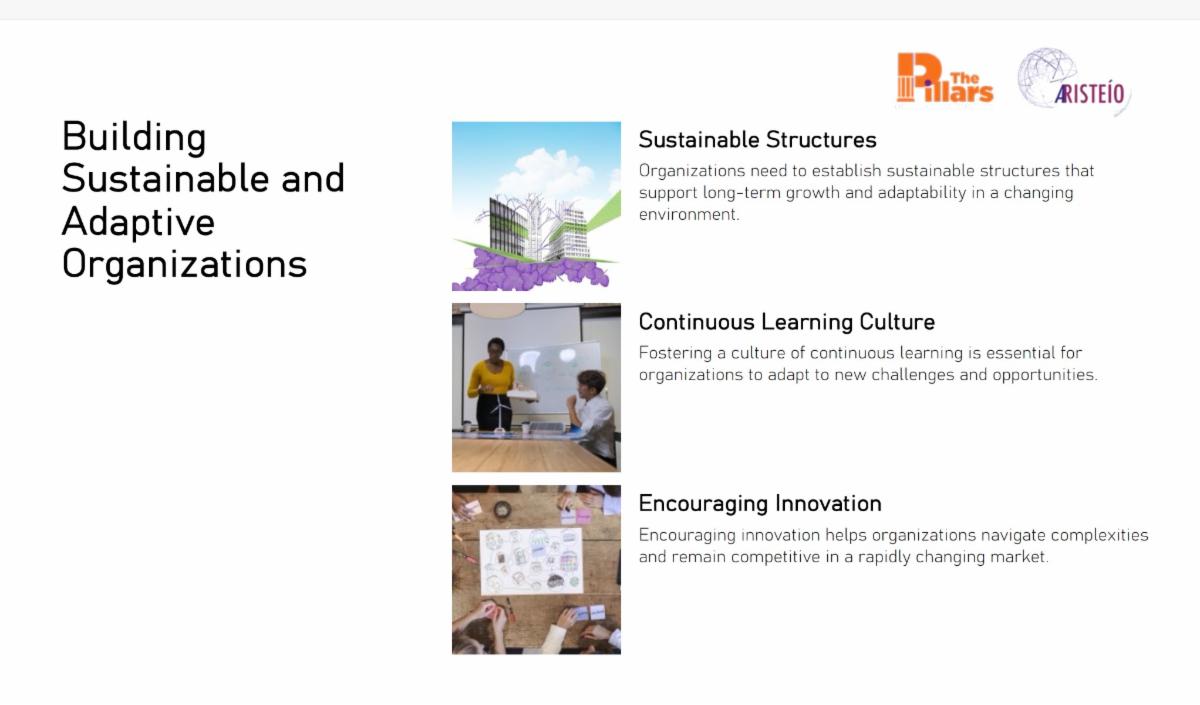
So, how can organizations build the conditions not just for adaptability, but for future success?
🌱 1. Develop flexible, scenario-based strategies.
Rigid plans break under pressure. Use scenario planning — and invite your people into the process to leverage collective intelligence.
🗣️ 2. Create space for people to express how they’re feeling.
This isn't just about releasing stress. It’s also about tapping into that energy and transforming it into creative problem solving.
🧠 3. Strengthen change leadership capabilities.
Equip your leaders with emotional intelligence and empathy. These human-centered leadership skills are the real differentiators in times of change.
If you'd like more strategies or support, we’re always happy to chat.
And we’d love to hear from you — how is your organization building resilience and adaptability?
__________________________________________________________
Where We've Been Speaking
Navigating a BANI World: Key Takeaways from Our Session with ASQ (American Society for Quality) Montreal
On March 26th we had a fantastic session with the ASQ Montreal chapter on navigating in a BANI world—Brittle, Anxious, Nonlinear, and Incomprehensible.
Some key insights from our discussion:
🔹 Organizations must leverage collective intelligence to tackle complexity.
🔹 Resilience—in both people and systems—is critical for adaptability.
🔹 Leaders need high emotional intelligence to create stability in uncertain times.
🔹 Psychological safety and emotional resilience help individuals and teams thrive, even amidst chaos.
Is your organization equipped to navigate today’s challenges? How do you foster resilience and collective intelligence?
___________________________________________________
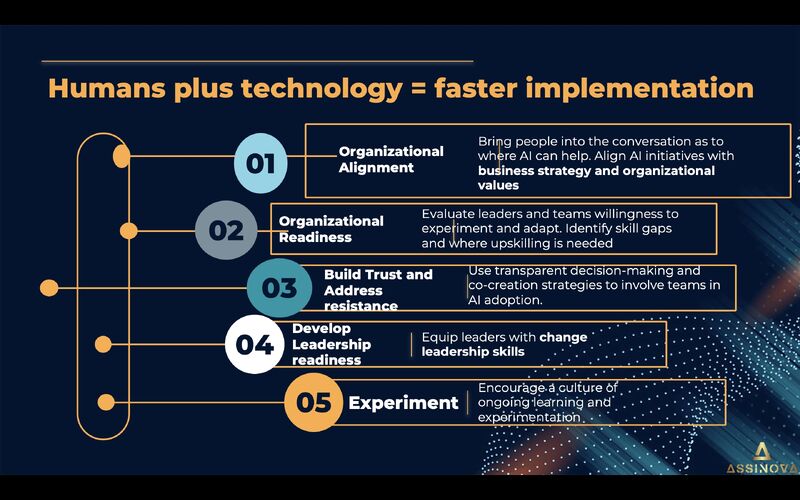
We held an Executive Brief on February 11th , where we discussed real-life AI use cases and how to lead organizations through this transformation.
One of the key takeaways? AI strategy starts with clarity—before adopting any tool, we must first define the problems we're solving and how AI aligns with our business strategy and culture.
Another critical insight: AI is not about replacing humans but augmenting them. While AI enhances productivity and efficiency, its true power lies in enabling people to focus on more meaningful, high-value work. We should think of AI as Augmented Intelligence rather than Artificial Intelligence.
💡 Is your organization ready—culturally and mindset-wise—to lead in this AI-powered future?
|