Faulkner County Agriculture Update
June 5, 2026
| | |
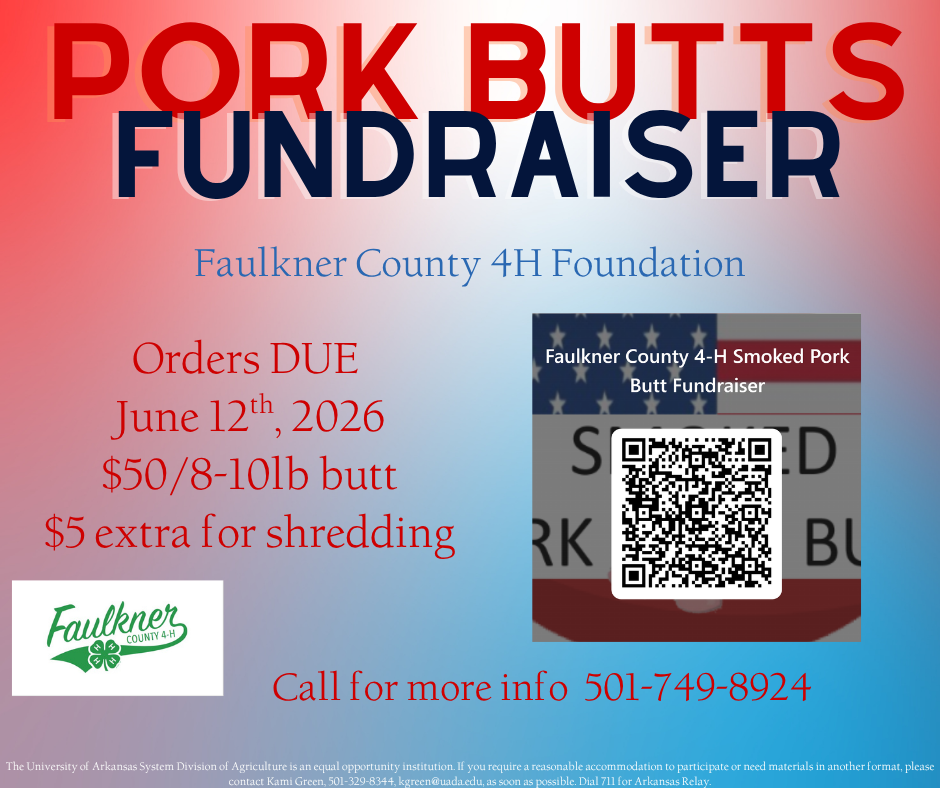
Faulkner County 4-H Foundation Annual Pork Butt Fundraiser
It is time again to order your pork butts for the 4th of July. Use the QR code below to order yours by June 12th. Pick up will be at the Flying "C" Ranch July 2nd 4-6pm and July 3rd 9-11am.
|
| |
Weather
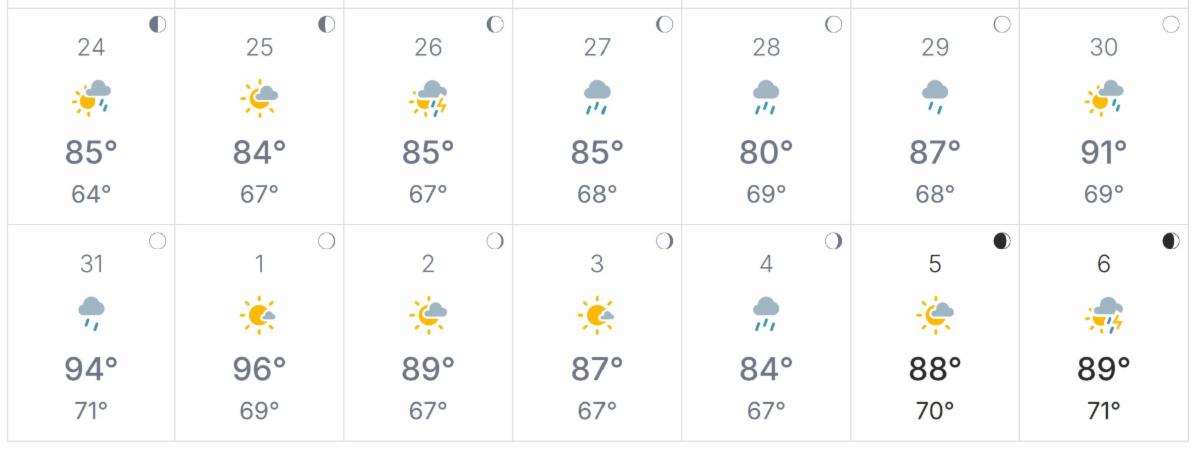
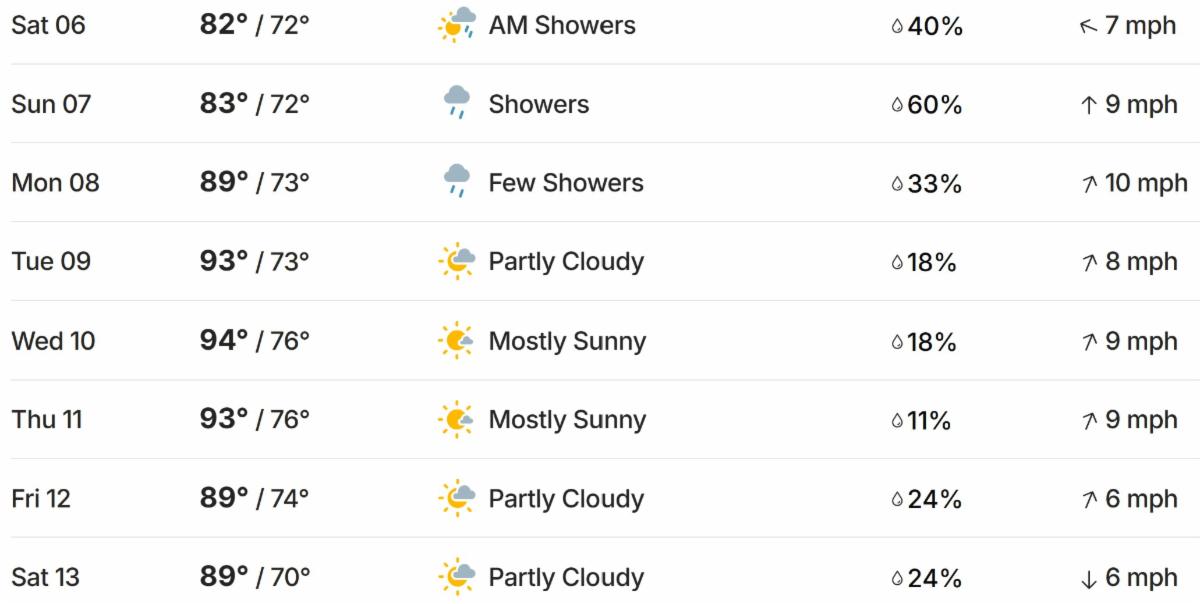
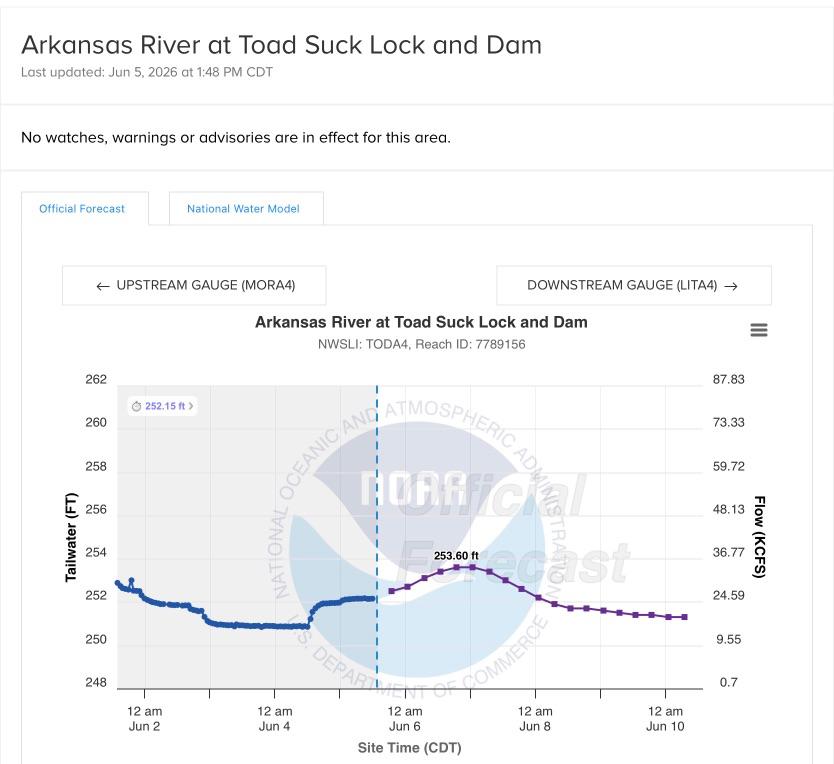
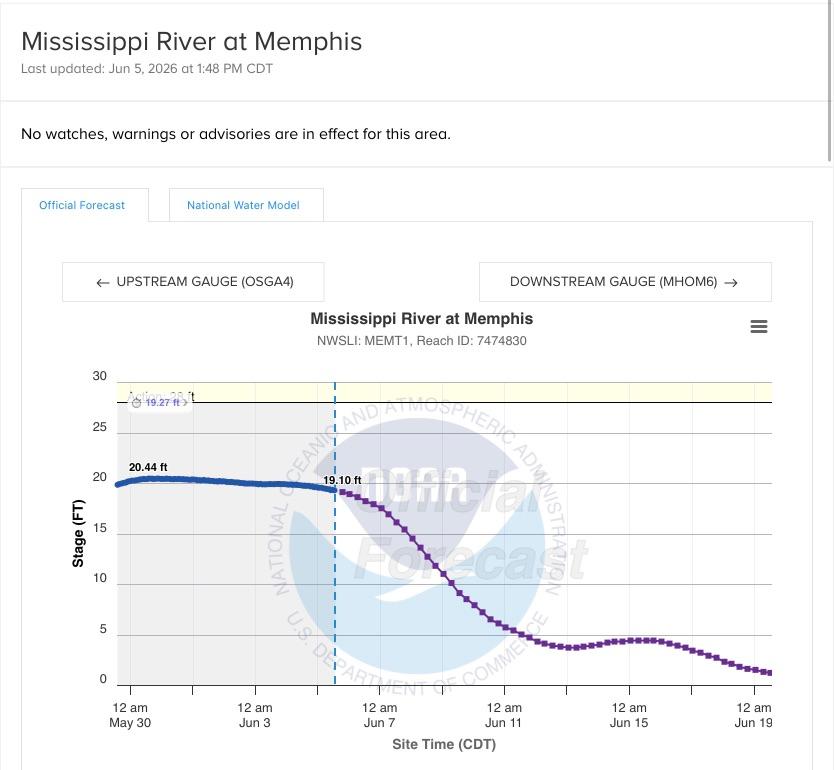
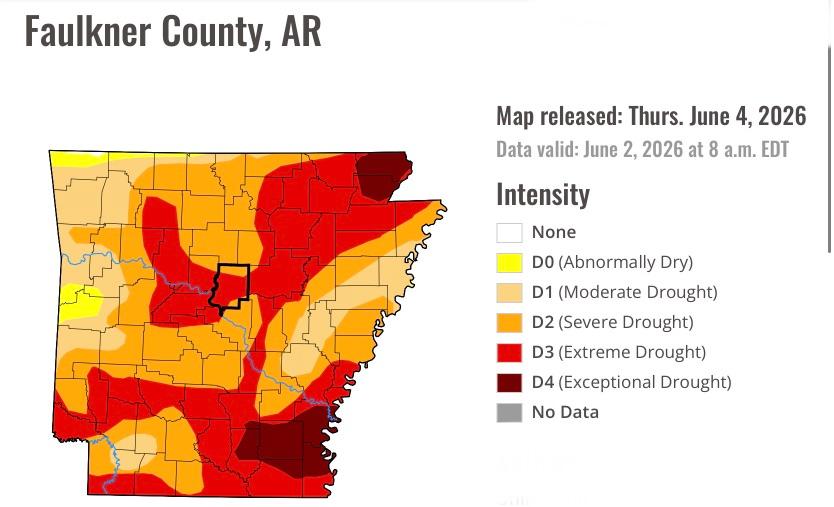
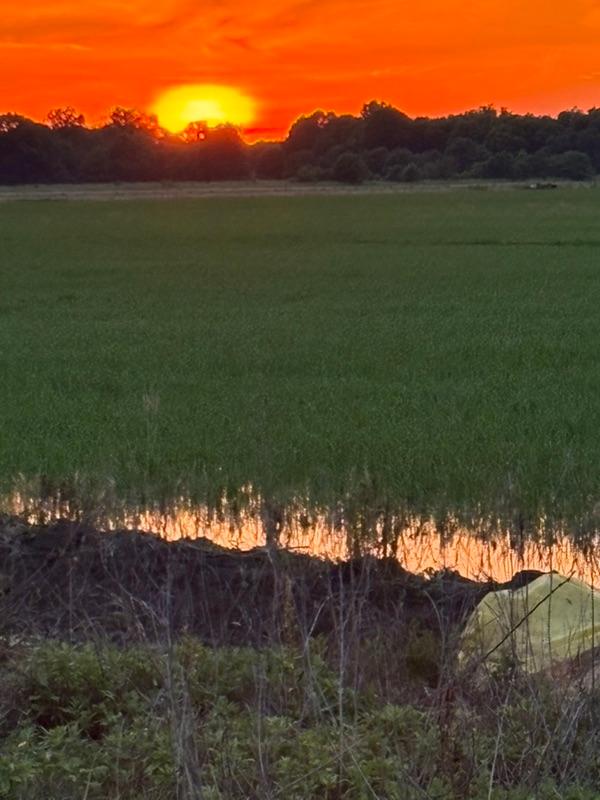
This week was fairly dry with a small rain shower moving through the area yesterday. Saturday and Sunday have the biggest chances of rain coming up with summer like temperatures. The humidity was extremely high earlier in the week.
| | Arkansas and Mississippi River | |
Corn
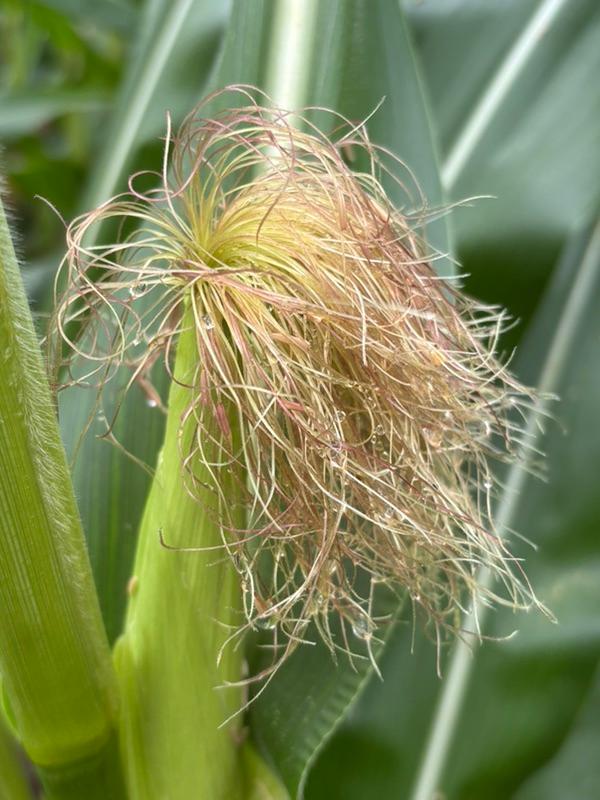
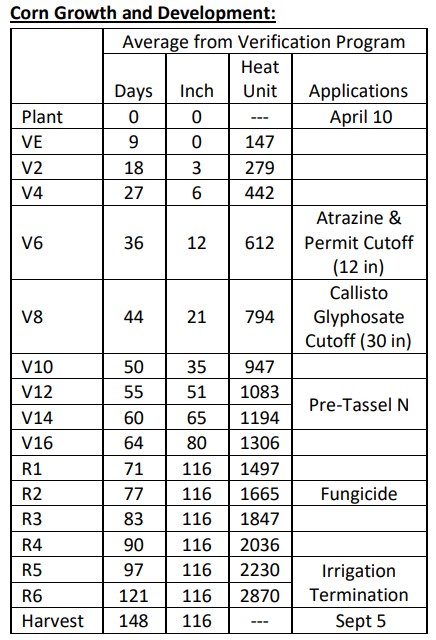
Corn is moving towards late R1 and early R2 in early planted fields and tassel in later planted fields. I will say corn looks amazing and everyone has done a great job getting fertilizer out in a timely manner. I would like to have all the units out around R1, so you still have a little time to get fertilizer out, but after this week we are probably done on early planted fields. It is time to start thinking about irrigation. Corn in reproductive stages will use 0.2 - 0.33 inches of water a day. That is an inch every 5 days when we start reproductive to an inch every three days later in reproductive stages. Be prepared to start the pivots on the early planted corn if we don't get a rain this weekend.
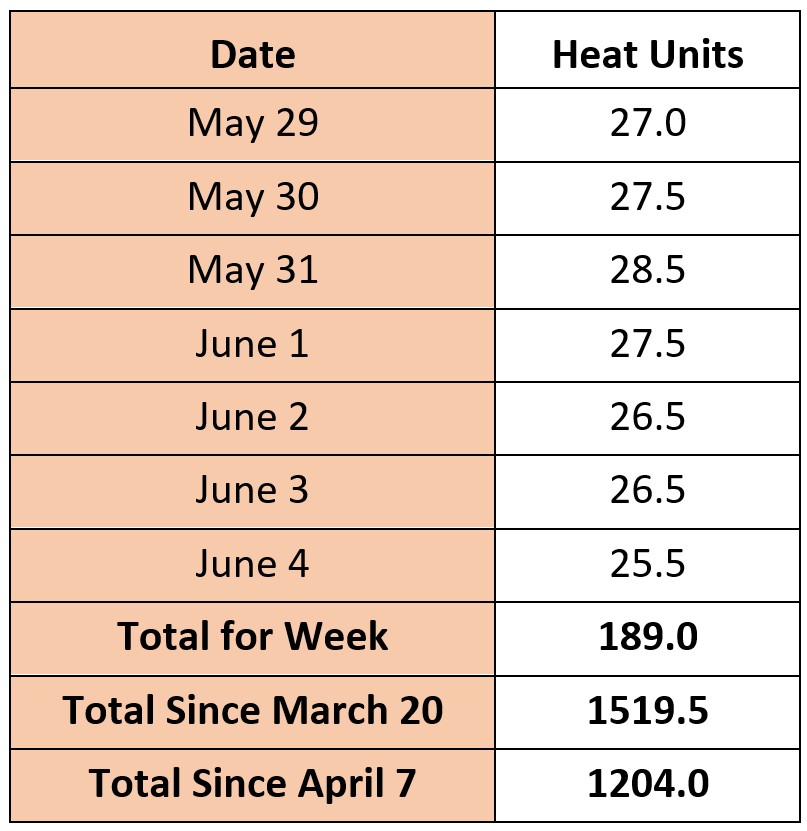
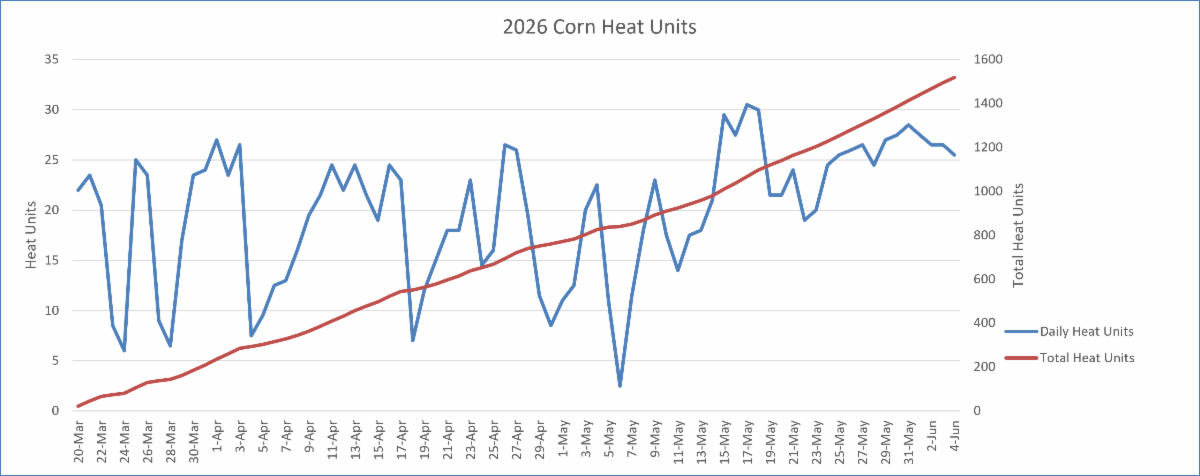
We accumulated 189 heat units for this week. Heat units for corn planted on March 20 is at 1519.5 and for fields planted on April 7 there is 1204 heat units. Early planted fields are at R1 while late planted fields are around V14 - V15.
| | |
Rice
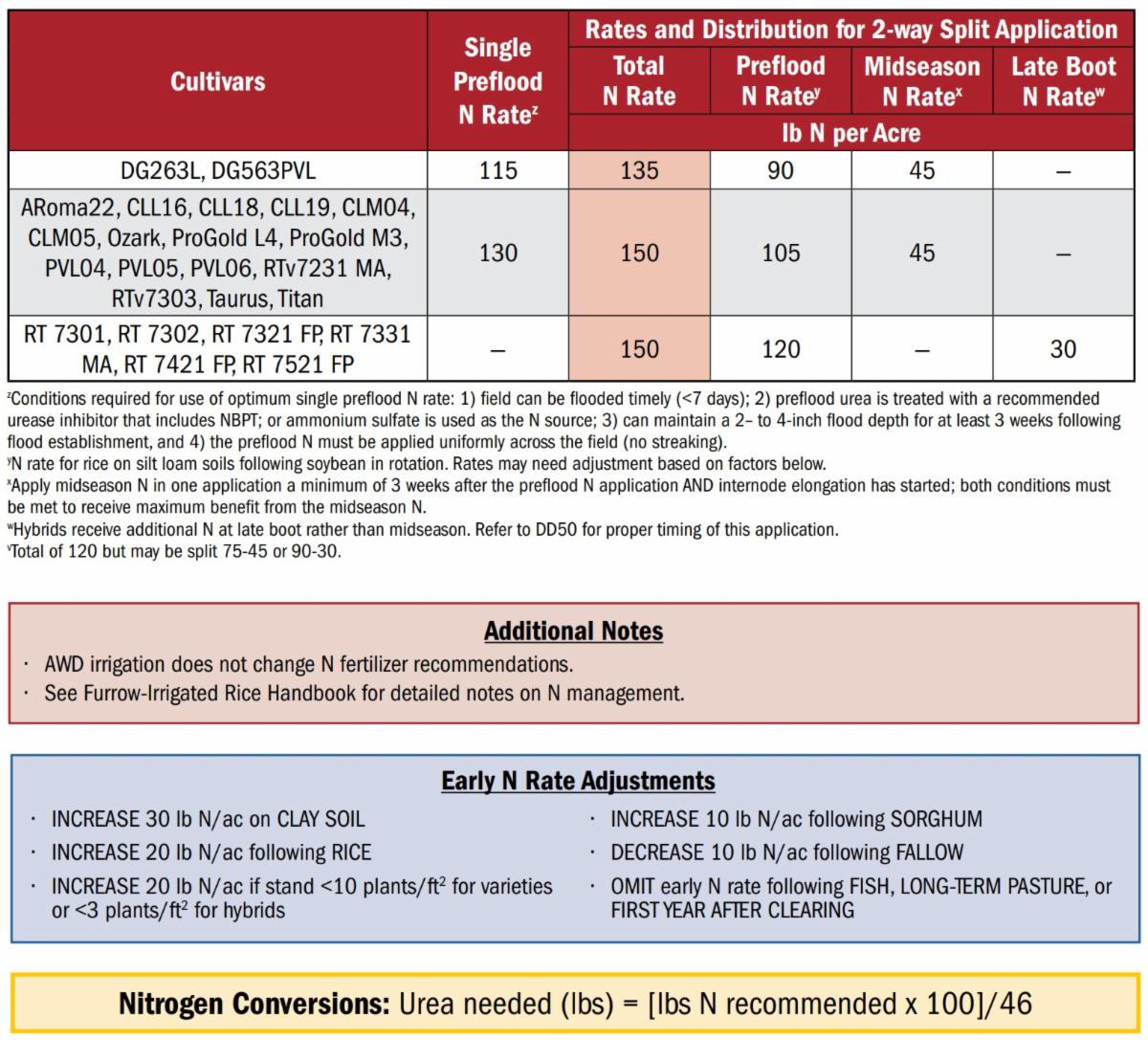
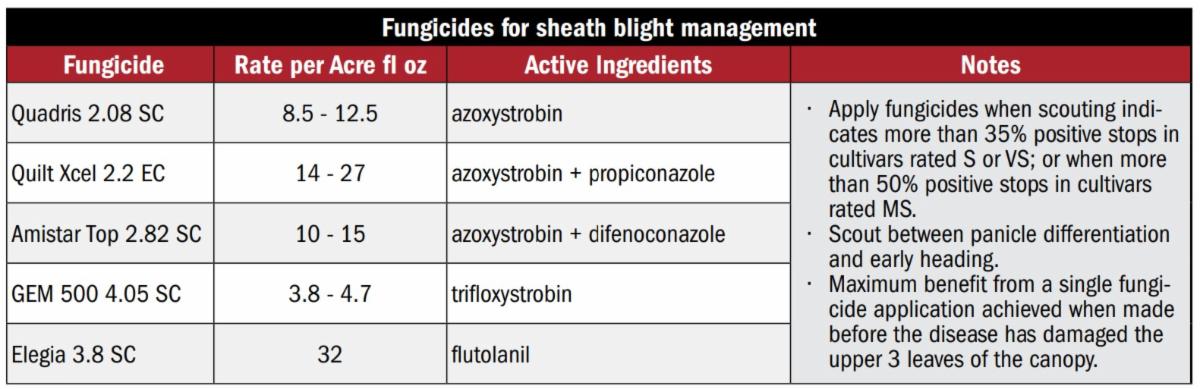
We are slowly moving out of the fertilization part of rice into the disease part. We are putting out preflood nitrogen on most of the late fields this week, and midseason applications will be going out on early planted fields next week. After that we need to start scouting for sheath blight. Keep an eye of flood levels, rice is about to start sucking the water like crazy and you will lose a flood quickly if you aren't careful. The Hank Chaney saying is "when it is so humid outside you are miserable walking a rice field, then rice is loving that weather". That means it is about to take off because it was miserable this week!
| | Latest rice update from Dr. Jarrod Hardke and our 2026 Rice Management Guide. | | |
Soybeans
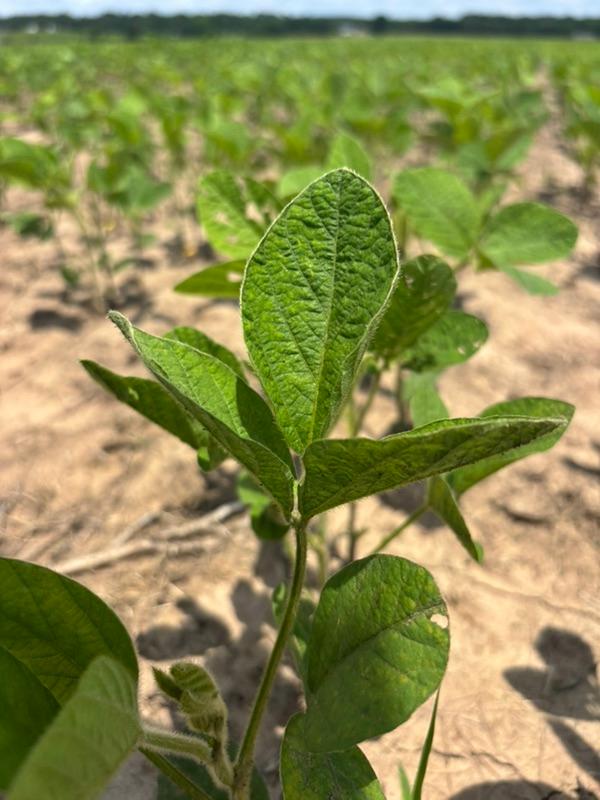
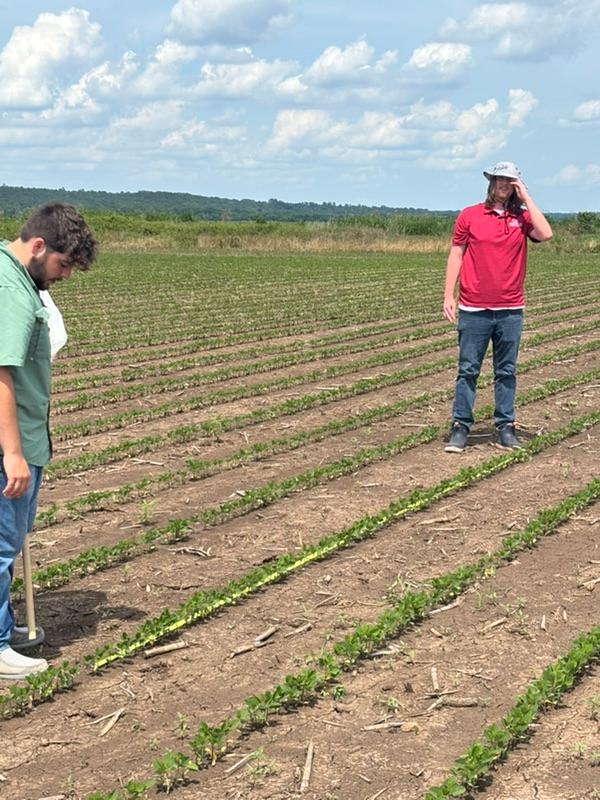
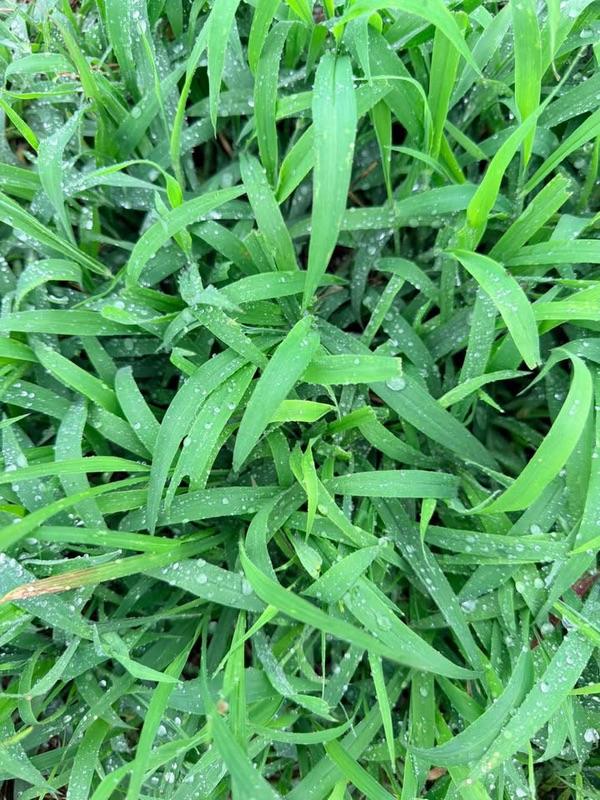
Producers that had flooded parts of fields are now evaluating the damage. It looks like to me we will have a few low areas to replant but all and all we will be okay. Spray applications of Enlist and glyphosate have been going out on most fields. Our intern and I swept a few beans this week and didn't see much going on. Mostly three cornered alfalfa hoppers were all we found with a few bean leaf beetles. I walked one field that did have some alfalfa hopper damage, but it wasn't too bad.
| | |
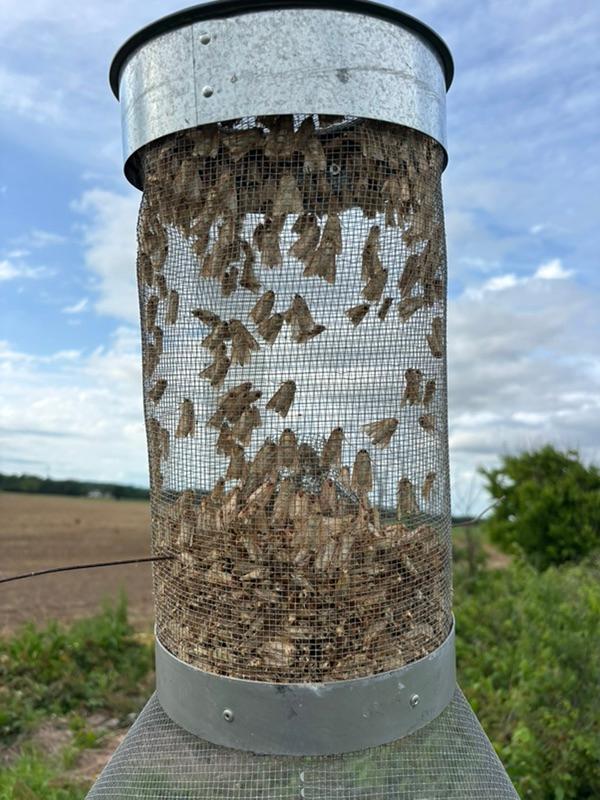
Corn Earworm Moth Traps
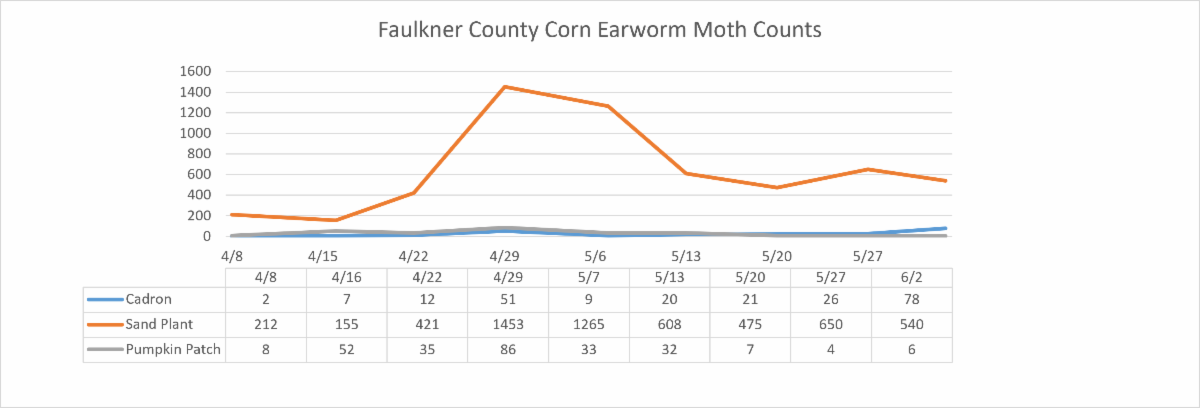
Corn Earworm Moth Counts for June 2, 2026
Cadron - 78
Sand Plant - 540
Pumpkin Patch - 6
| | |
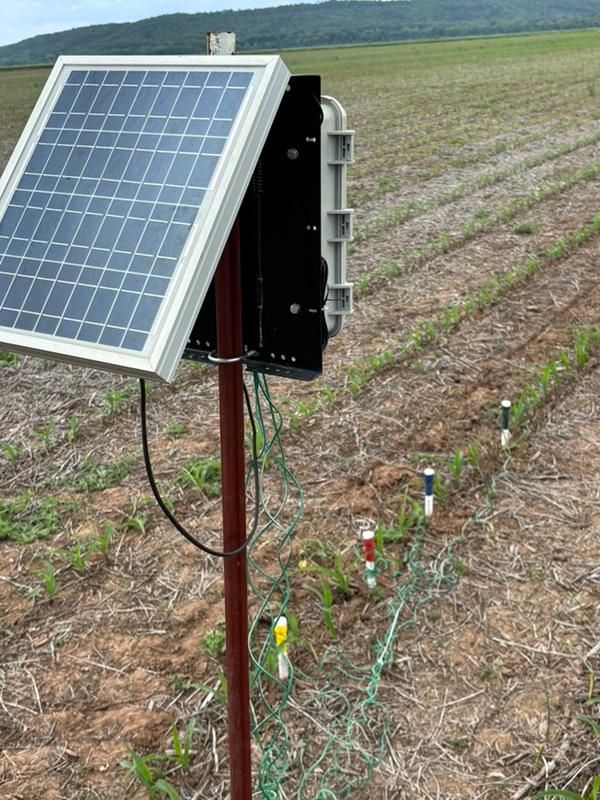
Moisture Sensors
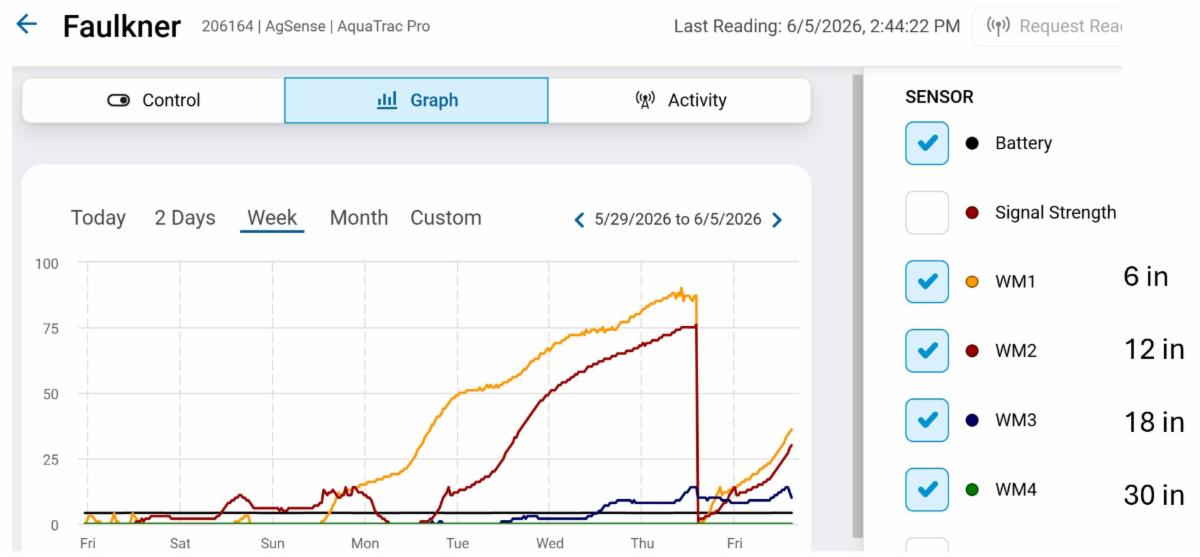
The moisture sensor corn field is around V14 and the corn has started pulling from the 18 inch sensor. Before it rained yesterday the 6 inch and 12 inch sensor were really high with the 18 inch sensor about 14. After the rain, the 6 and 12 dropped for a little bit but started to go up again quickly. The 18 inch sensor never moved from the rain.
| | |
Corn Earworm
Korbin Singleton - Faulkner County Intern
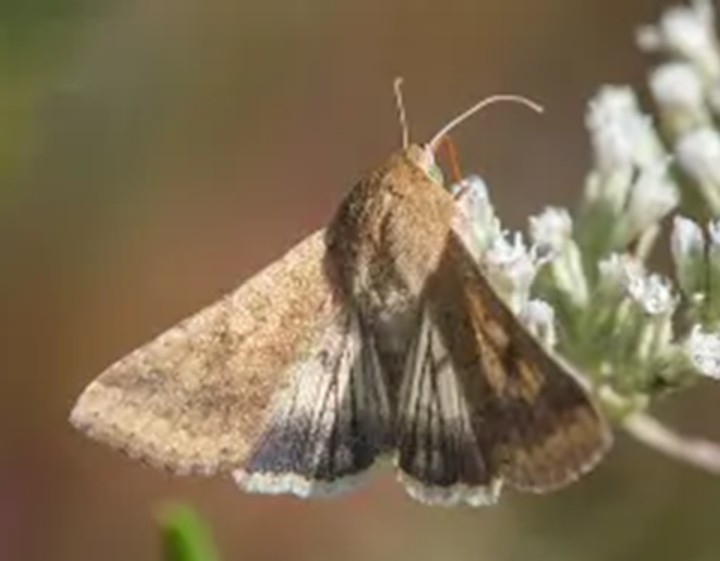
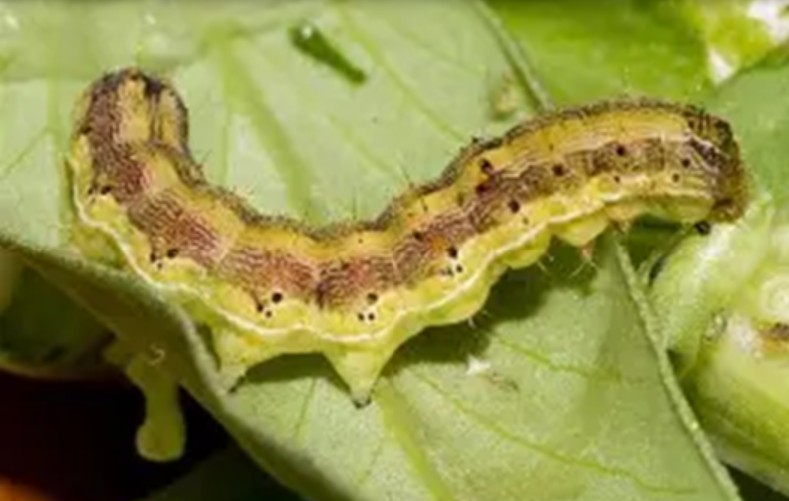
One of the more common pests you will encounter is the Corn Earworm (Helicoverpa zea). Corn earworm moths have light brown forewings with subtle darker markings, while the hindwings are pale with a distinct dark band along the edge. Adults are nocturnal and often feed on nectar from flowers. The larva is polyphagous, feeding on over 100 plant species, including tomatoes, lettuce, cabbage, and beans.
These moths are destructive in all stages of life, but the most costly is the larvae stage. Young larvae feed on corn silks, then burrow into the ear to consume kernels, leaving frass at the tip as a sign of infestation. However, with corn, you will only see one larva per ear of corn due to the cannibalistic habits that they have. This makes it to where you do not have to worry about controlling them on corn. On other crops such as soybeans, the larvae will not encounter each other, so the damage will be much more evident.
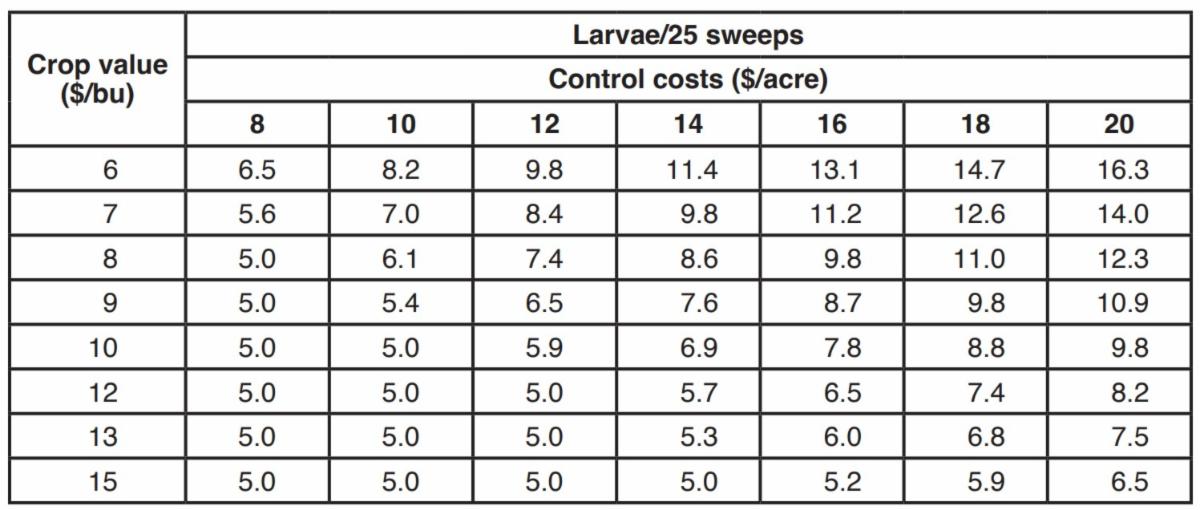
To control these pests on soybeans, the UADA recommends the use of any of these three insecticides: Besiege at 8.0/10.0 oz “Do not exceed 20 fl oz per acre per season," Vantacor at 1.2/2.5 oz “Make no more than 4 applications a year," or Intrepid Edge 3F 4/6.4 oz “Make no more than 4 applications a year." If you're going to treat the worms before bloom a 40% defoliation level is required, and after the bloom use the table shown below.
| | |
Prevented Planting: When (if ever) is it a good business decision to take the PP indemnity?
Hunter D. Biram, University of Arkansas
Francis Tsiboe, Agricultural Risk and Policy Center at North Dakota State University
Prevented Planting (PP) coverage is a component of all federal crop insurance buy-up policies. Historically, farmers could choose to either buy five more percentage points of PP coverage for a fee or take only the base coverage provided which differed by crop. The USDA released a final rule titled Expanding Access to Risk Protection (EARP) which contained a program change that removed the option for insured farmers to buy the additional five percentage points. As a result, farmers will likely increase their underlying buy-up coverage in their base policy (i.e., Yield Protection (YP) or Revenue Protection (RP)). However, the amount of buy-up that a farmer can purchase changes based on the underlying base policy coverage level. We call this adjustment capacity. Insured farmers face more adjustment capacity at lower coverage levels and less adjustment capacity at higher coverage levels. Rice farmers, in particular, face less adjustment capacity and have historically incurred a significant amount of prevented planting (Turner et al., 2025; Biram and Tsiboe, 2026).
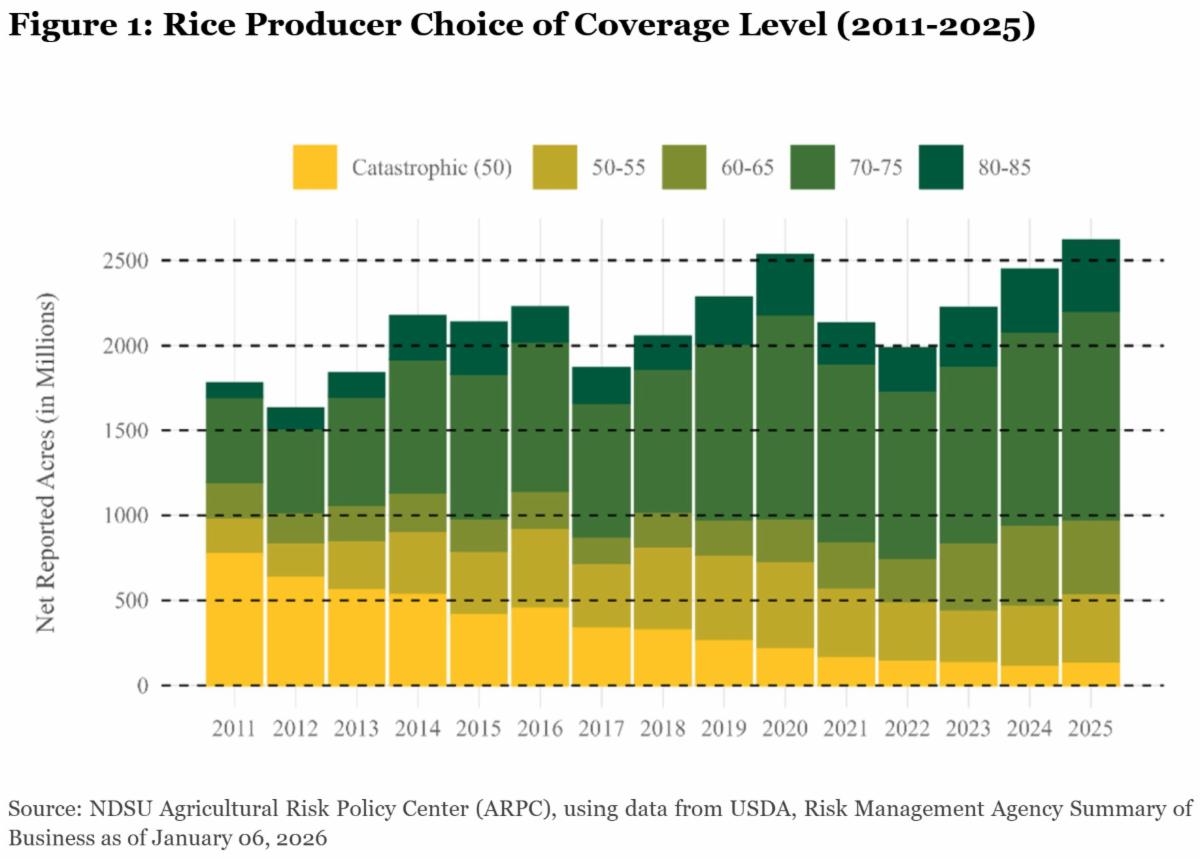
Aggregate coverage distributions for rice producers in Arkansas, Louisiana, Texas, Mississippi, and Missouri show a pronounced narrowing of adjustment capacity over time (Figure 1). Since 2011, insured acreage has shifted decisively away from catastrophic and low coverage elections toward higher coverage levels. Catastrophic (50 percent) coverage declined sharply from approximately 770 thousand acres in 2011 to about 125 thousand acres by 2025, while enrollment at the 50–55 percent level remained volatile and insufficient to offset this contraction.
In contrast, acreage insured at 70–75 percent coverage expanded steadily, increasing from roughly 503 thousand acres in 2011 to more than 1.23 million acres in 2025 and emerging as the dominant coverage tier over the latter half of the sample period. Participation at 80–85 percent coverage also grew substantially, rising more than fivefold—from about 80 thousand acres in 2011 to over 410 thousand acres by 2025. By 2025, the majority of insured rice acreage in these states was concentrated at coverage levels of 70 percent or higher.
As a result, a growing share of rice producers—particularly those already insured at 80–85 percent—face little to no remaining scope to increase coverage. Even producers insured at 70–75 percent, while not yet at the coverage ceiling, experience a shrinking adjustment margin as incremental coverage increases become increasingly costly and constrained by program limits. Taken together, these patterns suggest that EARP limits the risk-management flexibility of rice producers by restricting the remaining adjustment capacity for more coverage.
| | Beef, Small Ruminants, & Forages | | |
Forages
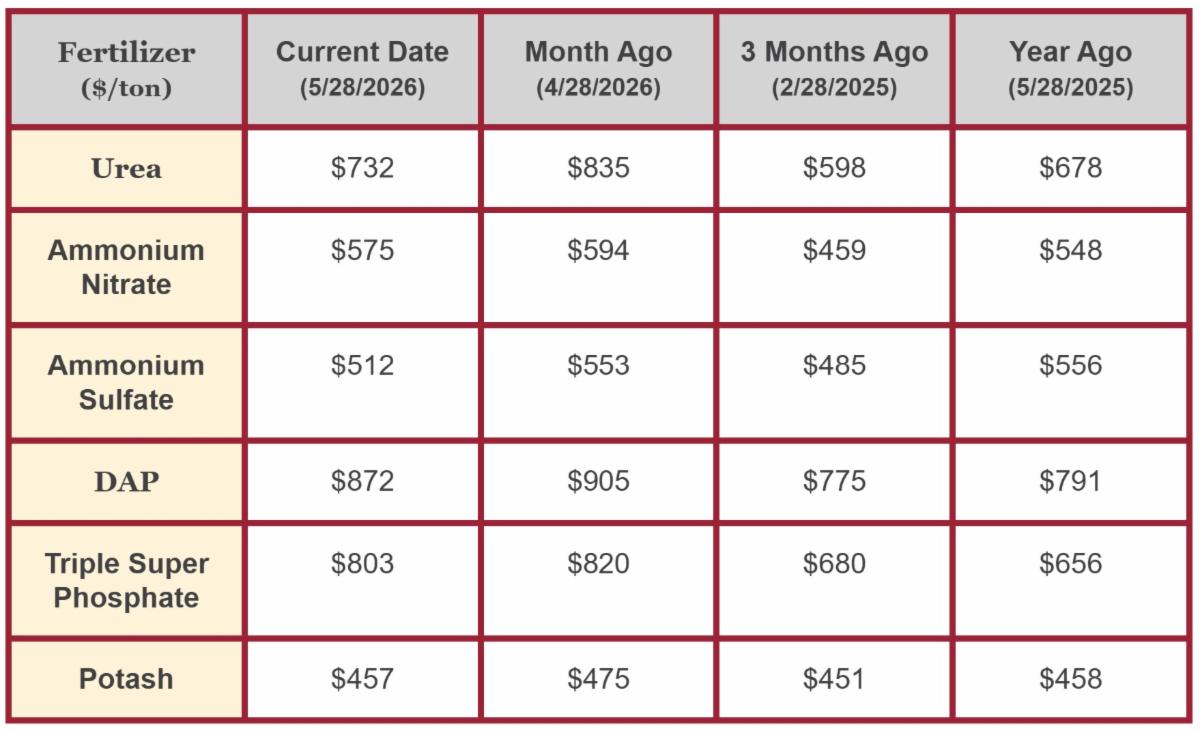
Several hay fields were harvested this week, and several of them got a little wet. I know getting rained on while you are trying to bale is frustrating, but one small rain will not damage any quality. It just makes life difficult as we have to wait for it to dry for a second time. After this harvest be prepared to fertilize with at least some nitrogen and potassium. If using urea, apply 100 lbs of Urea and 100 lbs of potash. If using coated ammonium nitrate, use 175 lbs of coated ammonium nitrate and 100 lbs of potash.
| |
|
New World Screwworm Economist Thoughts
James L. Mitchell
Assistant Professor & Extension Economist
Department of Agricultural Economics & Agribusiness
I wanted to provide my thoughts regarding the recent New World Screwworm case in Southern Texas and the potential impacts on the cattle market. Obviously, this is a fluid situation that will continue to develop.
The New World Screwworm detection in Texas on June 3, 2026, is an important animal health issue, but it does not change the fact that U.S. cattle inventories remain at their lowest level since 1951. Current cattle prices are being driven by historically tight cattle supplies. The biggest economic risk is not the current case itself, but the potential for additional detections, movement restrictions, or disruptions to cattle trade that could affect how cattle move through the supply chain.
1. The NWS case in Texas is a localized animal health issue, not a national cattle supply issue
-
The immediate impact on cattle supply is likely very small. The statement below from APHIS references a 20 km quarantine zone. While very significant for those directly affected, the impact on the overall quantity of cattle moving will be minor. If additional cases are confirmed, or the nature of the quarantine zone changes, this supply impact could grow. But I think the supply impact is very small at this point. https://www.aphis.usda.gov/news/agency-announcements/usda-confirms-presence-new-world-screwworm-united-states
- However, a single localized case does not materially change U.S. cattle supplies or beef production.
- Fundamentally, markets are likely to react more to changes in animal movement restrictions, eradication efforts, or additional detections than to the initial case itself.
- Over the next several days, futures markets will likely continue treading on headlines, uncertainty, and changing expectations regarding the scope of the NWS situation.
- In the short term, expect heightened market volatility as traders react to new information
2. U.S. cattle inventories remain historically tight and current cattle prices reflect years of herd contraction
- U.S. cattle inventories totaled 86.2 million head on January 1, the lowest since 1951.
- Beef cow inventories have declined for six consecutive years.
- Feeder cattle, fed cattle, and calf prices are being driven primarily by limited supplies and strong consumer demand.
- The factors supporting cattle prices today existed before the NWS detection and remain in place afterward.
3. The biggest economic risk is disruption to cattle movement.
- If NWS were to spread and require broader movement restrictions, marketing costs could increase.
- Depending on future developments and USDA policy, delays in moving cattle could affect basis levels, regional price relationships, and marketing timing.
4. Potential to impact current ban on live cattle imports from Mexico
- Mexico supplies a significant number of feeder cattle to the United States each year.
- The southern border has remained closed, with a few brief reopenings in 2025, since November 2024. This has had major impacts on the Texas cattle feeding sector and local feeder cattle markets.
- Reduced imports generally support feeder cattle prices in the short run by limiting available supplies.
- A decision to resume livestock imports from Mexico would not immediately restore import volumes to previous levels. Reopening would likely occur through a phased approach with continued oversight and movement controls.
- Pre-NWS, roughly 4-5% of our feeder cattle supply was imported from Mexico. If imports were allowed again, I don’t expect that type of volume because Mexico has begun finishing and processing more cattle domestically. But the value differences are such that cattle would start moving into the US from the South again. This would have a supply impact and likely a price response.
5. What would change the short-term market outlook?
- I would have lost a bet on this today. I expected the futures market to trade the headline and be limit down today. I did not expect live cattle and feeder cattle futures to be higher today, let alone be up as much as they were. The trading range on August feeders was wide, and we sure tested some much lower levels, but we closed with substantial gains. I think two things are worth noting here.
- First, I think this was largely priced into the markets already. There had been several cases very close to the US border in the last couple of weeks, and futures had dropped a great deal since early May.
- Second, the market may be pricing in a potential decrease in supply if additional cases are confirmed. I maintain that it would take a lot of those to truly move the needle on supply, but I also think we would be naïve to think this is all that will be seen this summer.
| |
New World Screwworm on Sheep and Goats
Dr. Dan Quadros - Extension Small Ruminant Specialist
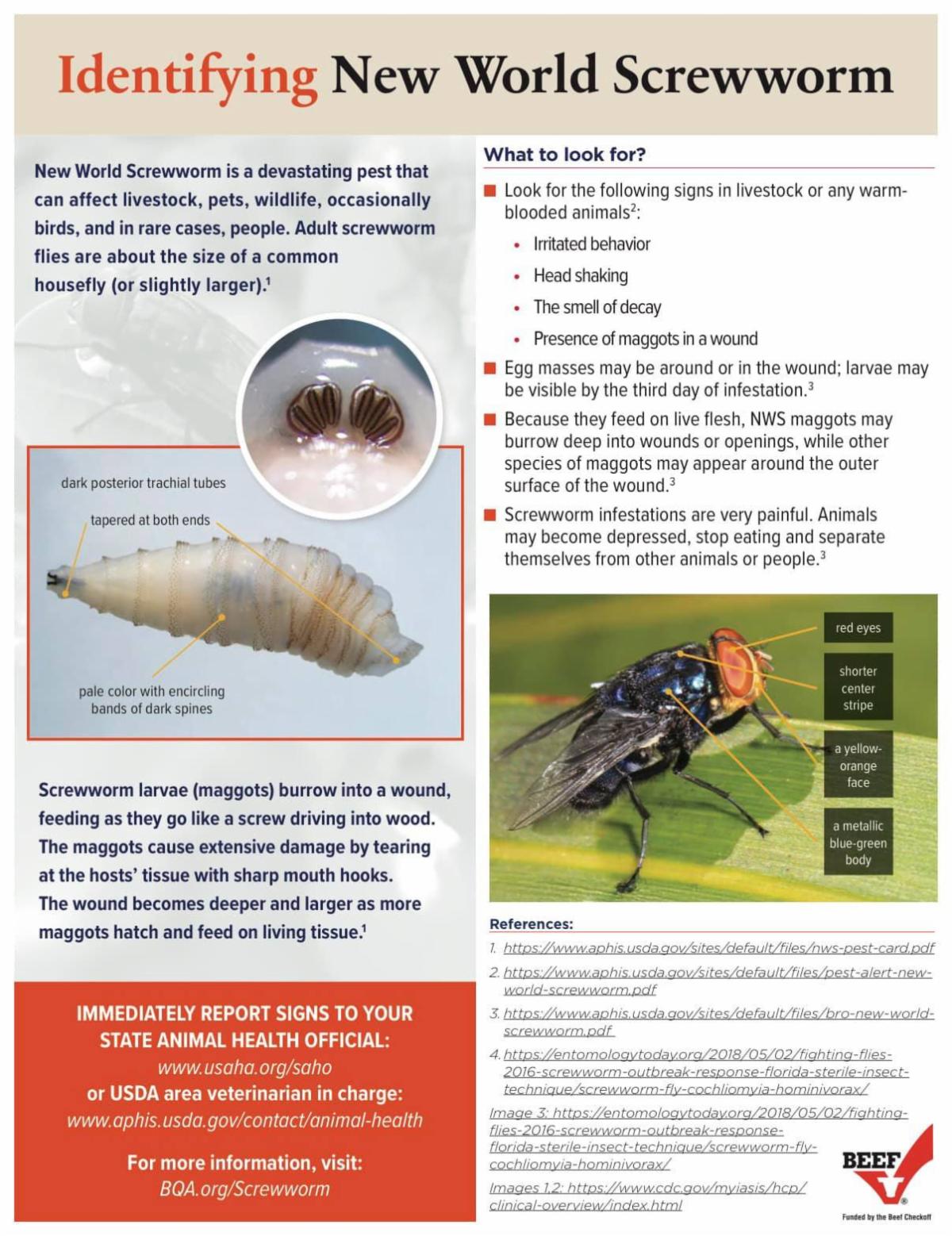
New World screwworm was confirmed in Texas on June 3, 2026. Personally, I am very familiar with this problem, which is common in the tropical areas of South America.
Sheep and goats are prime targets for screwworm flies for several reasons:
- Open Wounds: Adult female flies are attracted to any break in the skin, including minor bug bites, scabs, barbed-wire/thorns scratches, and shearing nicks.
- Birthing, Ear Tags & Castration Sites: The moist navels of newborns and open tissue from tail docking, castrating, and ear tagging are primary egg-laying sites.
- Herd Size: Because sheep and goats are often run in flocks, individual inspections can be challenging, allowing infestations to go unnoticed until they are severe.
Stay informed: http://screwworm.gov/
| |
Selection for Teat Size and Udder Suspension in Beef Cattle
Mark Z. Johnson, Oklahoma State University Extension Beef Cattle Breeding Specialist
Conformation of the teats and udder of beef cows are economically important traits in cow-calf operations. Correct teat and udder conformation are traits essential to a productive cow. Beef females with poor teat and udder conformation are a management problem that can drain profitability. Substandard teat and udder conformation requires extra management intervention to physically “milk-out” quarters to prevent infection, save the quarter and permit new born calves to nurse. As well as increasing the likelihood of mastitis and calf sickness while reducing weaning weights and cow longevity.
Teat and udder scores are moderately heritable meaning improvement can be made when selection pressure is applied. Since teat and udder conformation is a challenge to evaluate at selection time in weaned or yearling heifers, it is best to monitor in the cow herd and avoid keeping replacement heifers from dams with substandard teat and udder conformation. Teat and udder conformation can also be considered in sire selection. For example, since 2025, the American Angus Association generates EPDs for Teat Size and Udder Suspension. Higher EPD values indicate smaller teats and tighter suspension. These EPDs are generated using breeder submitted data, pedigrees and genomics. The guidelines for collection of teat and udder score phenotypes are as follows:
- Collect within 24 hours of calving
- Use the worst quarter to score teat size and udder suspension
- Best if the same person scores all the females in a management group
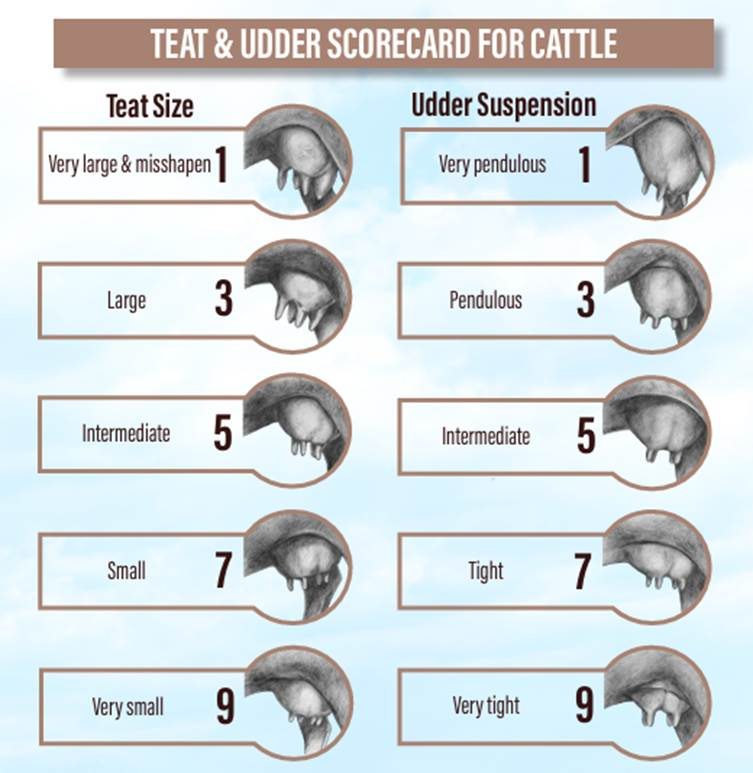
- Score teat size and udder suspension independently on a scale ranging from 1 – 9. Using the following chart as a guide:
|
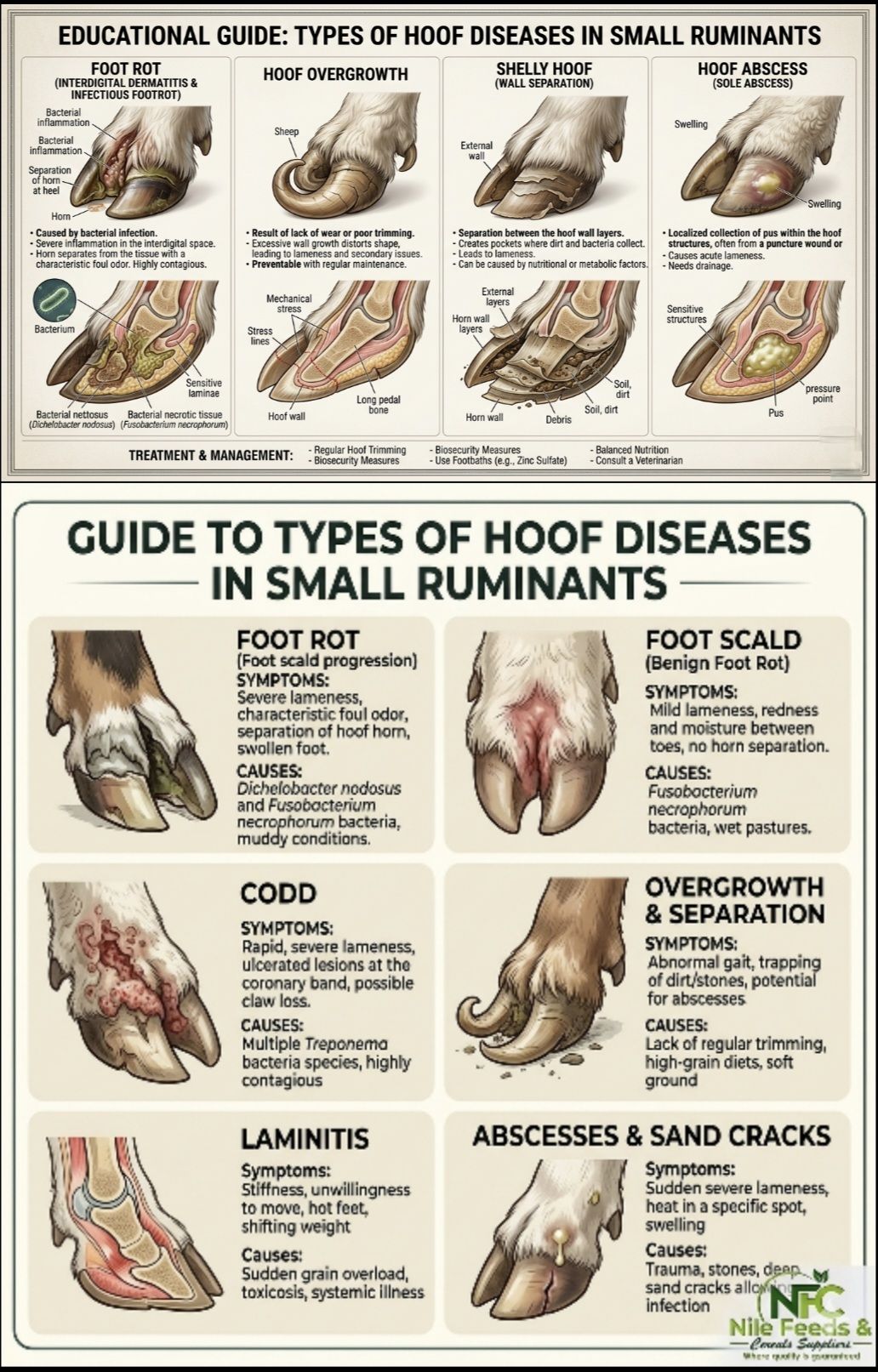
10 Ways to Prevent Foot Rot
By Dr. Dan Quadros, Extension Small Ruminants Specialist
Pamela Rogers, UofA graduate student
Foot rot is a highly contagious bacterial infection affecting cattle, sheep, and goats. Caused primarily by Dichelobacter nodosus and Fusobacterium necrophorum, it can lead to major consequences when left uncontrolled.
Foot rot leads to:
- lameness
- hoof damage
- decreased productivity
Contagious foot-rot symptoms include:
- redness
- swelling
- foul odor
- lameness
To read more about the 10 ways to prevent foot rot for small ruminants click on the link below.
| |
Arkansas Shepherds Association
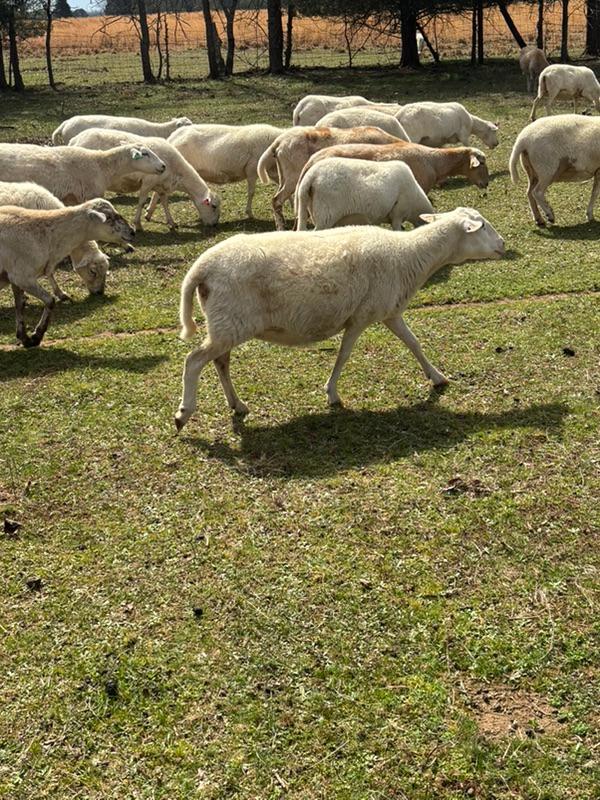
The Arkansas Shepherds Association is an organization for sheep owners or businesses that want to support the Arkansas sheep industry. They will have lots of information for sheep owners and an annual educational workshop.
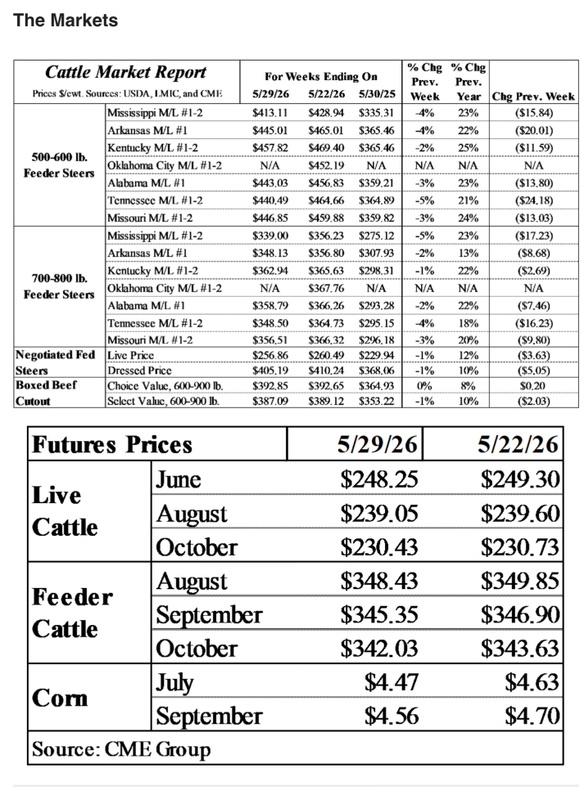
| | Here is this weeks Cattle Market Notes Weekly | | |
Pesticide Applicator Trainings
There will be no more in person Pesticide Applicator Trainings until this winter. If you need a license you can still do the training online. There is a link below for the online training and a link to check your license status.
| | |
Livestock Market Report
The following links are for the weekly livestock market report from the Arkansas Department of Agriculture website and the Livestock Auction Dashboard from USDA. Both sites have marketing data for all livestock sold at Arkansas Sale Barns.
| | |
2025 Faulkner County Agriculture Demonstration Summary
The 2025 Faulkner County Agriculture Demonstration Summary is now available at the link below.
The 2025 Faulkner County Demonstration Summary is a collection of on-site demonstration results conducted in Faulkner County by local County Agents. Demonstrations are the cornerstone of the University of Arkansas System Division of Agriculture Cooperative Extension Service’s mission which is:
“We strengthen agriculture, communities, and families by connecting trusted research to the adoption of best practices.”
On-site demonstrations allow producers and homeowners to see firsthand how Extension recommended varieties and best management practices work in their counties and surrounding area.
| | |
Sign up for Text Alerts
You can now sign up for text alerts from me throughout the year. I have two areas you can sign up for which includes Faulkner Livestock or Faulkner Ag (Row Crop Updates). To sign up you can follow one of these links or use the QR Codes below.
| | Pursuant to 7 CFR § 15.3, the University of Arkansas System Division of Agriculture offers all its Extension and Research programs and services (including employment) without regard to race, color, sex, national origin, religion, age, disability, marital or veteran status, genetic information, sexual preference, pregnancy or any other legally protected status, and is an equal opportunity institution. | | | | |