|
Keep our Wildlife Safe this Halloween
It's that time of year for carving Jack-O’-Lanterns and spooky decorations for Halloween. You can have fun, and help keep our pets and wildlife safe while decorating for the season. Carved pumpkins rot quickly and can grow toxic fungi. If you notice your Jack-O'-Lanterns getting moldy, it’s time to take them off your porch. Mold, candle-wax, painted or bleached pumpkins can be toxic to animals if ingested and should be disposed of safely.
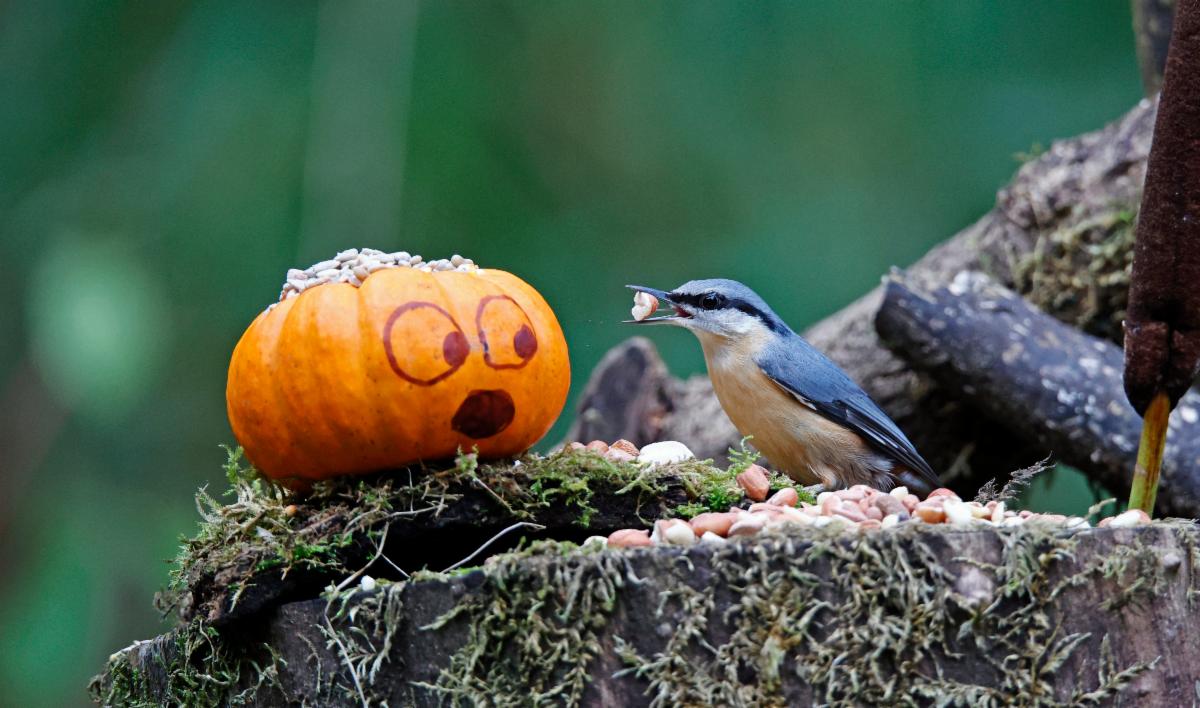
If your pumpkins are clean and fleshy, add them to your compost pile and “pump” up your soil. Cut your pumpkin in half, and turn it into a bird feeder filled with birdseed. Many bird species, squirrels, and other animals also enjoy pumpkin seeds. Just rinse the seeds and lay them out to dry.
Fake spider webs are another potentially dangerous Halloween decoration. Birds can become entangled in them when stretched on bushes and trees so it's best to use them as indoor decorations only.
Have a fun and safe Halloween!
Stephanie Ellis
Executive Director
| |
|
What do you call a Group of Crows? The Name Might Give you Chills!
There are many strange and interesting collective nouns for birds, but none quite as macabre as a murder of crows. So why such a sinister name? Superstitions and folklore around crows being associated with death could be the cause. In reality crows are extremely social and intelligent birds known for their loud “caw”. So if you see a group of crows, chances are they are not plotting a murder, but communicating with each other. Not to be confused with a conspiracy of Ravens, but that’s another story.
For decades the city of Lawrence, Massachusetts has been home to an incredible annual winter crow roost which starts as a swarm of approximately 2,500 in October, and grows to an impressive 15,000 crows in late January and early February! Watch this four minute documentary which shares beautiful footage of the flight and sound of American and Fish Crows in their annual gathering in Lawrence.
WATCH the Lawrence, MA Winter Crow Roost
| |
|
Love Chocolate?
Thank a Bat!
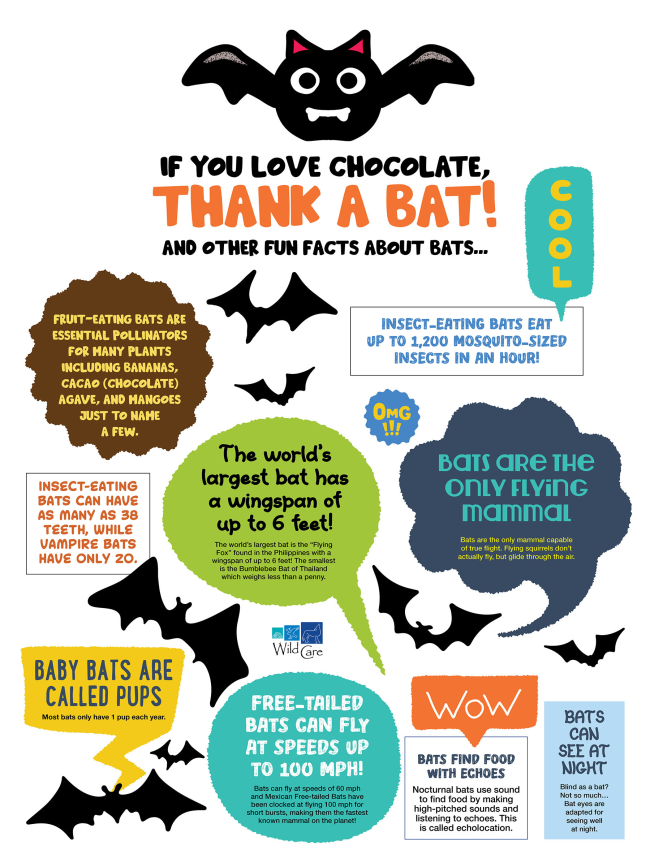
Halloween and chocolate go together like a hand in a glove. Halloween is also the time of year for all things spooky, but bats and chocolate? Yup, if you enjoy a good chocolate bar, and who doesn't, you can thank a bat for that! Bats are significant pollinators of cocoa. So even though some people only think of bats as spooky, they are very beneficial animals, and we wouldn't have our favorite chocolate treats without them!
Wild Care has put together some fun facts about these amazing creatures. Some may surprise you!
CLICK HERE for Fun Facts About Bats
READ more about these unexpected pollinators
| |
|
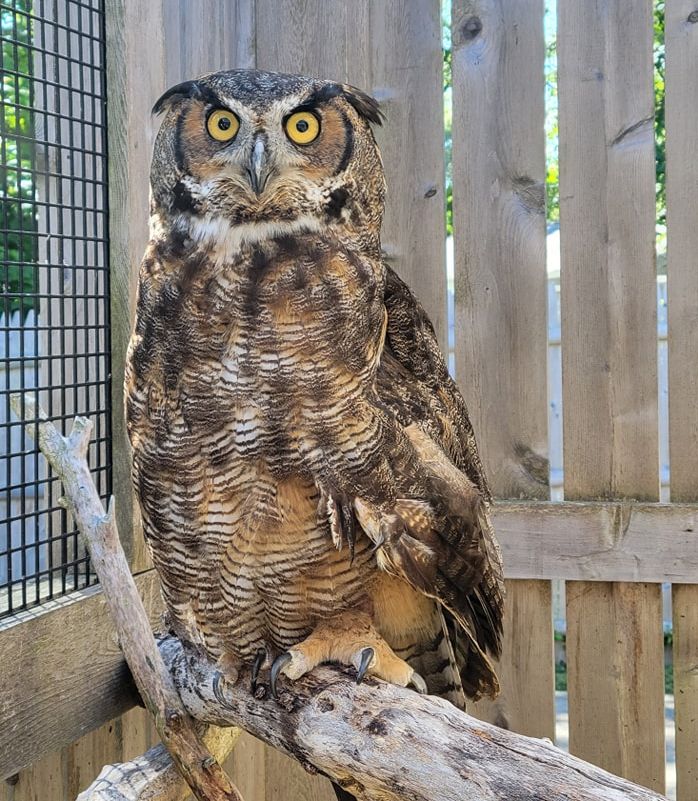
Dracula, the Great Horned Owl
from Amazing Animal Ambassadors
| |
|
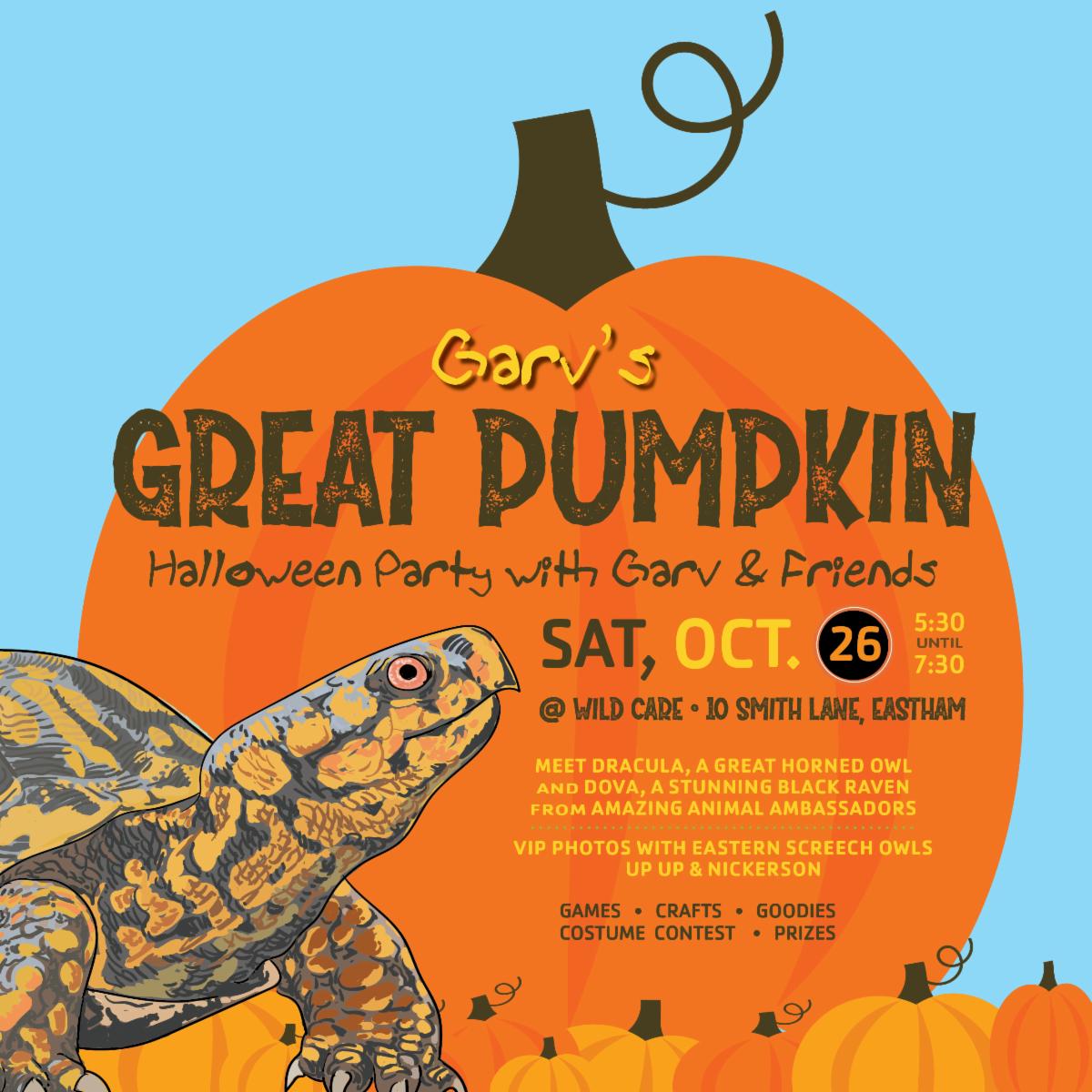
Meet Dracula, a Great Horned Owl and Other Animals at Wild Care's Halloween Party!
Tickets Available Now
Wild Care's charming Eastern Box Turtle Garv and his friends are having a family-fun wildlife themed Halloween party at Wild Care on Saturday, October 26th from 5:30 til 7:30pm. This not at all scary fall celebration will feature a Great Horned Owl named Dracula, a stunning Raven named Dova, a visit from Garv, the Eastern Box Turtle and other turtles. Costumes are optional. Come dressed as your favorite wild creature for a chance to win a private meet and greet with Garv himself! There will be children’s games, crafts, goodies and more.
Bring the whole family, and join Garv and his friends for some Halloween fun, and help support Cape Cod’s wildlife and Wild Care!
Limited VIP tickets available online only include a photo op with an owl at 4:30 PM. Get event tickets in advance and be entered to win a basket of goodies from the Hot Chocolate Sparrow!
| | |
Good advice from the Catskill Native Nursery | |
|
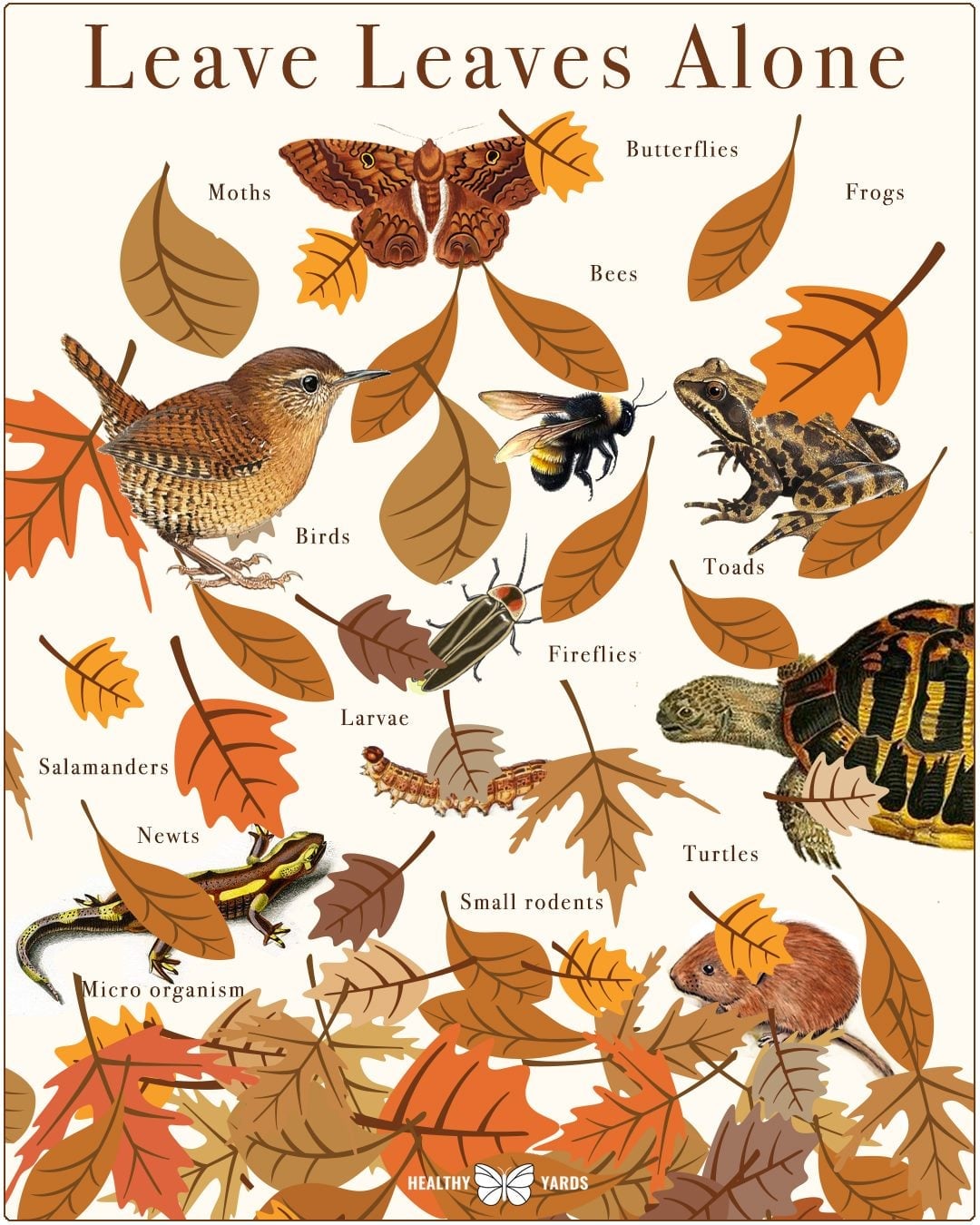
It's that time of year again - Please consider raking your leaves into a corner of your property, putting them in a compost area or using them as a blanket for your flower beds until spring. Wildlife such as turtles, toads, songbirds, mammals and invertebrates rely on leaf litter for food, shelter and nesting material. Many moth and butterfly caterpillars overwinter in fallen leaves before emerging in spring. Rotting leaves are the food that feed our forests and their decomposition is an important part of our environment. Avoid gas powered leaf blowers as the blasts are strong enough to kill the smallest creatures who use leaves as shelter; plus, raking is good exercise.
| |
|
Blue Angelfish Found by Orleans Oyster Farmers has a Permanent Home at the New England Aquarium
This gorgeous little Blue Angelfish is one of the tiniest and most unique patients we've ever had at Wild Care, and it had quite a journey and story. In fact, according to the Gulf Steam Orphan (fish) Project, it is the Northern-most angelfish ever reported!
It was brought to Wild Care by Oyster Farmers Tim Silva and Danielle Orcutt. Knowing it was a tropical saltwater fish that was way off course, our staff placed it into a bucket with heated saltwater and an aerator, when it arrived at Wild Care.
The New England Aquarium participates in The GSO Program which rescues tropicals that get swept North beyond their native range by the Gulf Stream, and within an hour arranged to pick up the fish at Wild Care the next morning.
Video - Tim Silva
READ about Blue Angelfish
LEARN MORE about the
Gulf Stream Orphan Project
READ the story in the Boston Globe
| |
|
Corey Shearwater
Found in Provincetown Recovering and Eating
Well at Wild Care
This sweet Cory's Shearwater was rescued by Volunteer Elena Calabrese after it was found sitting on Ryder Street in Provincetown. It arrived at Wild Care thin, dehydrated, and debilitated. The bird is currently gaining weight and we are working on its waterproofing, so it can be released back into the wild.
The Cory's Shearwater is a beautiful bird and long-distance migrant. They nest primarily on islands off of Portugal and visit waters off the east coast of North America. These pelagic birds only come to land to breed, and spend their lives at sea. It is not uncommon to see Cory's Shearwater feeding offshore from Provincetown in August through October when food and conditions are right.
Video - Kerry Reid
READ more about
Cory's Shearwaters
| |
|
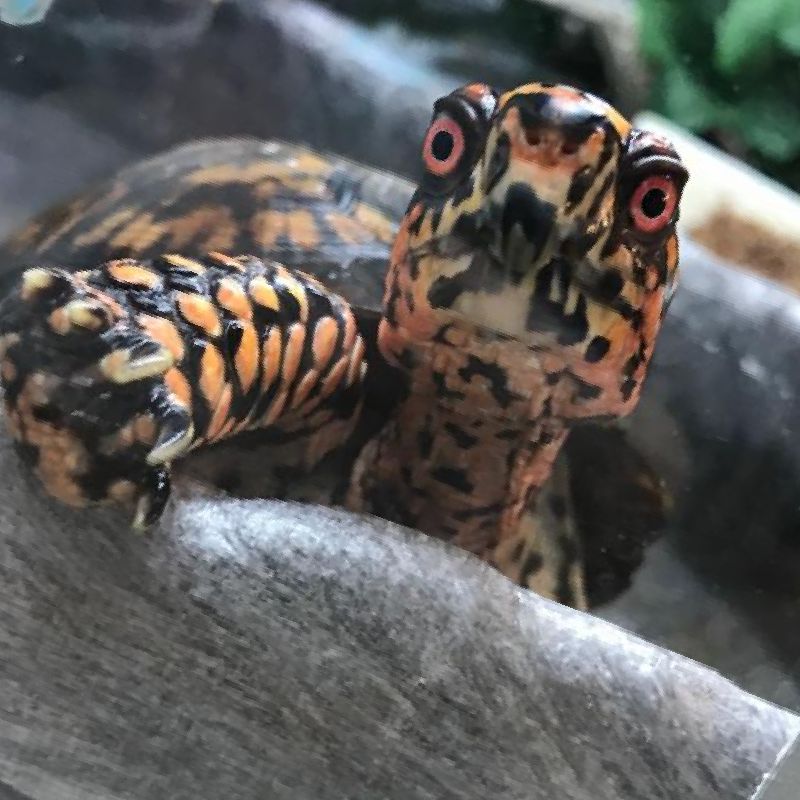
Educational Ambassador Garv the Eastern Box Turtle Sponsored in Loving Memory of Wild Care Volunteer Laura Runkel
Than you to Tom O’Connell for his 2024/2025 sponsorship of the care of Garv, our Eastern Box Turtle Animal Ambassador. This sponsorship is made in loving memory of Tom’s wife Laura Runkel who loved Garv. Laura was a beloved Wild Care Volunteer. She is missed by all of us here at Wild Care. We are honored and grateful for this sponsorship in her name.
READ more about Garv
and Wild Care's
Animal Ambassadors
| |
|
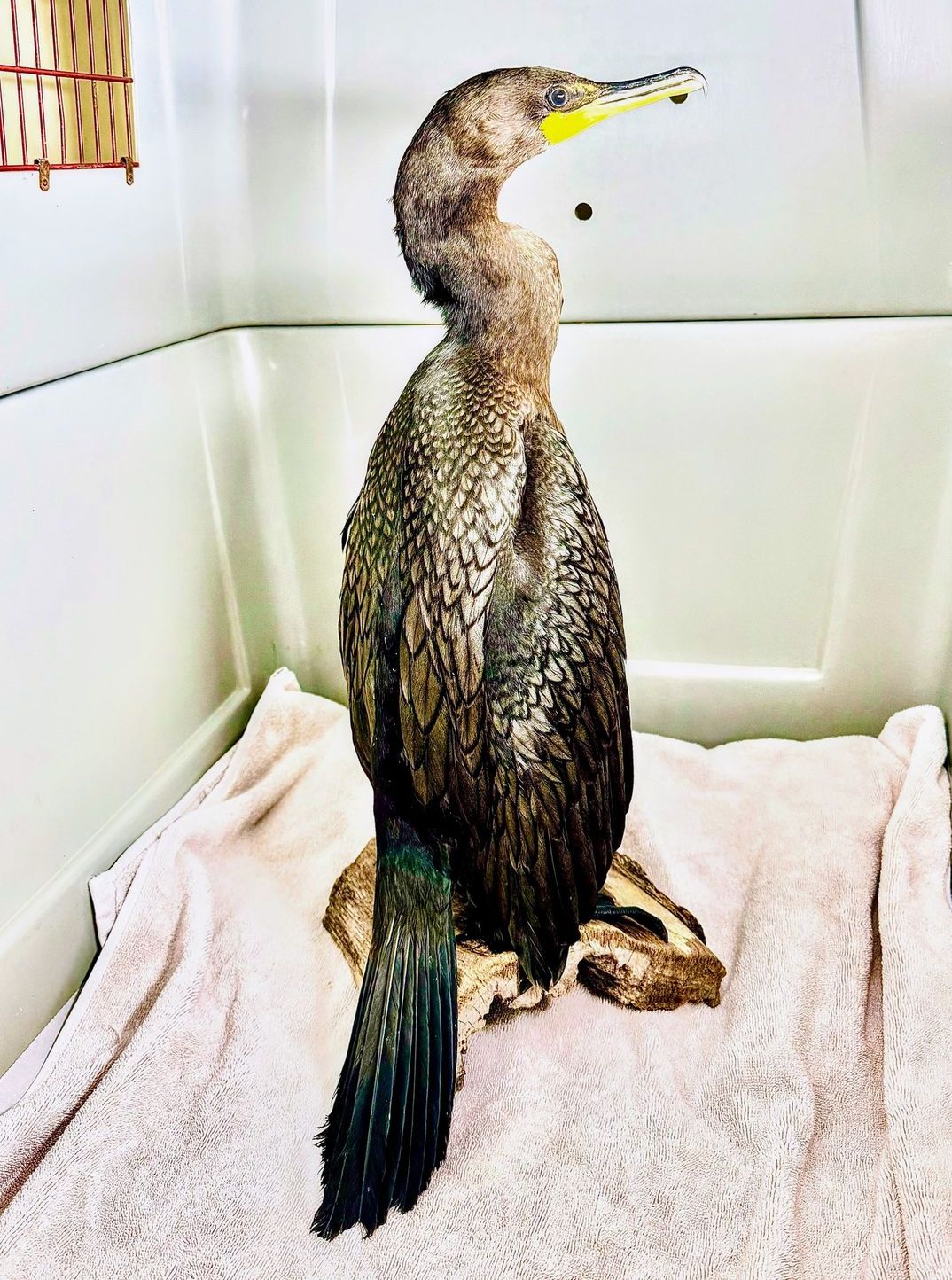
Double-crested Cormorant is a Surgical Success Thanks to Dr. Larry Venezia
This Double-crested Cormorant was rescued in Brewster by our Volunteer Elena. She had to wade into water to retrieve it! Upon examination at Wild Care, it had large puncture wounds to its abdomen, one of which penetrated the abdominal wall. Larry Venezia, DVM, conducted surgery and successfully repaired the wounds. After a month in our care, this lucky cormorant was released back into the wild!
We LOVE these native, charismatic birds with their voracious appetites and antics! They always steal our hearts.
READ more about
Double-crested Cormorants
| |
|
|
|
Wild Care to be Featured on New TV Show Created by Cape Cod and The Islands Magazine
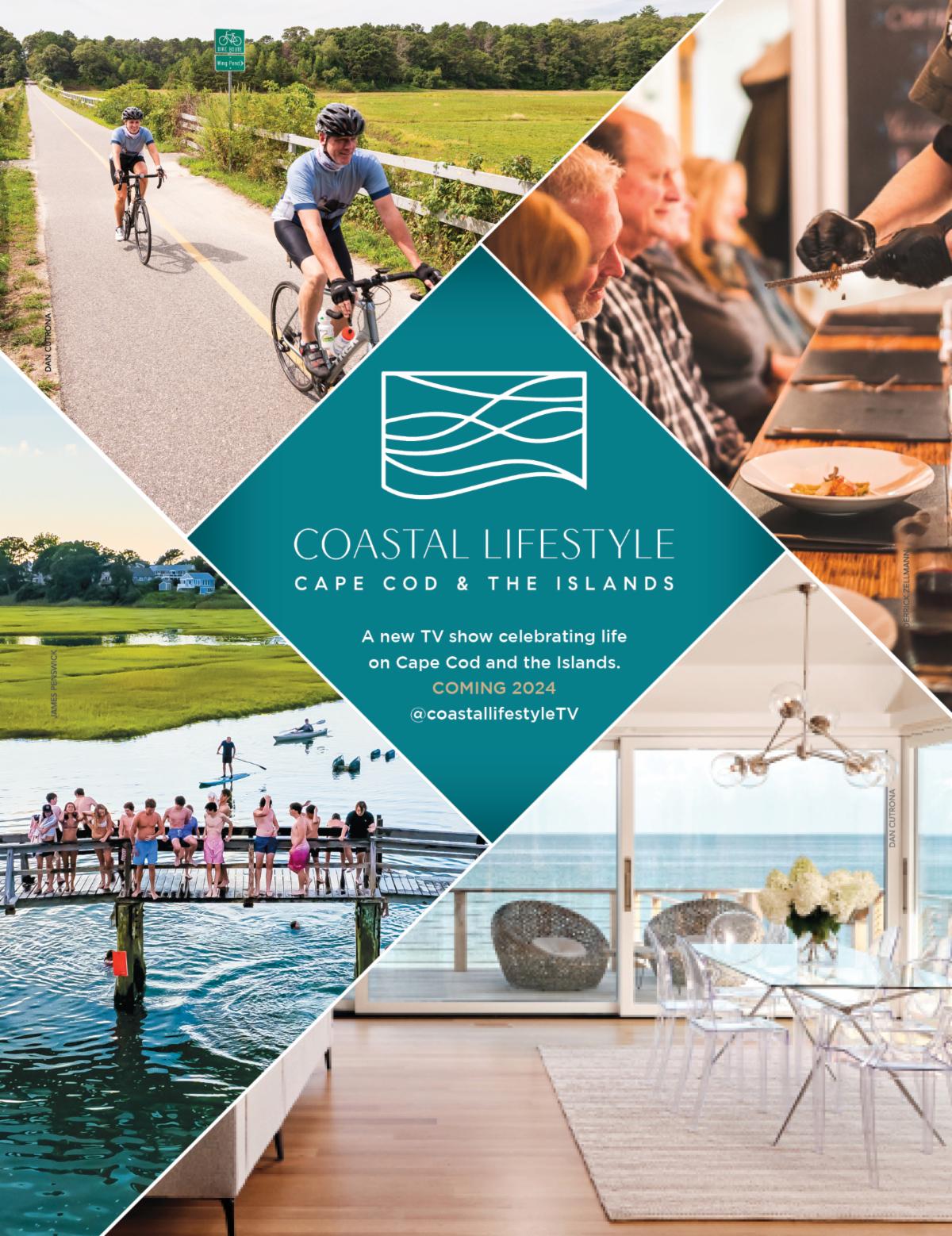
Be sure to tune in on Saturday, October 26th at 12:30 pm to the new TV show "Coastal Lifestyle Cape Cod & The Islands” airing in the Boston area on channel 38 - WSBK. The show showcases "the hidden gems and distinctive lifestyle of our region", from the pages of Cape Cod & The Islands Magazine. This episode will take a look at a day inside Wild Care!
If you are outside the Boston area, watch on YouTubeTV. Search: WSBK.
| | | |
|
Cape Cod Times Article Features
Wild Care's Expansion Project and Passion for Wildlife Rescue
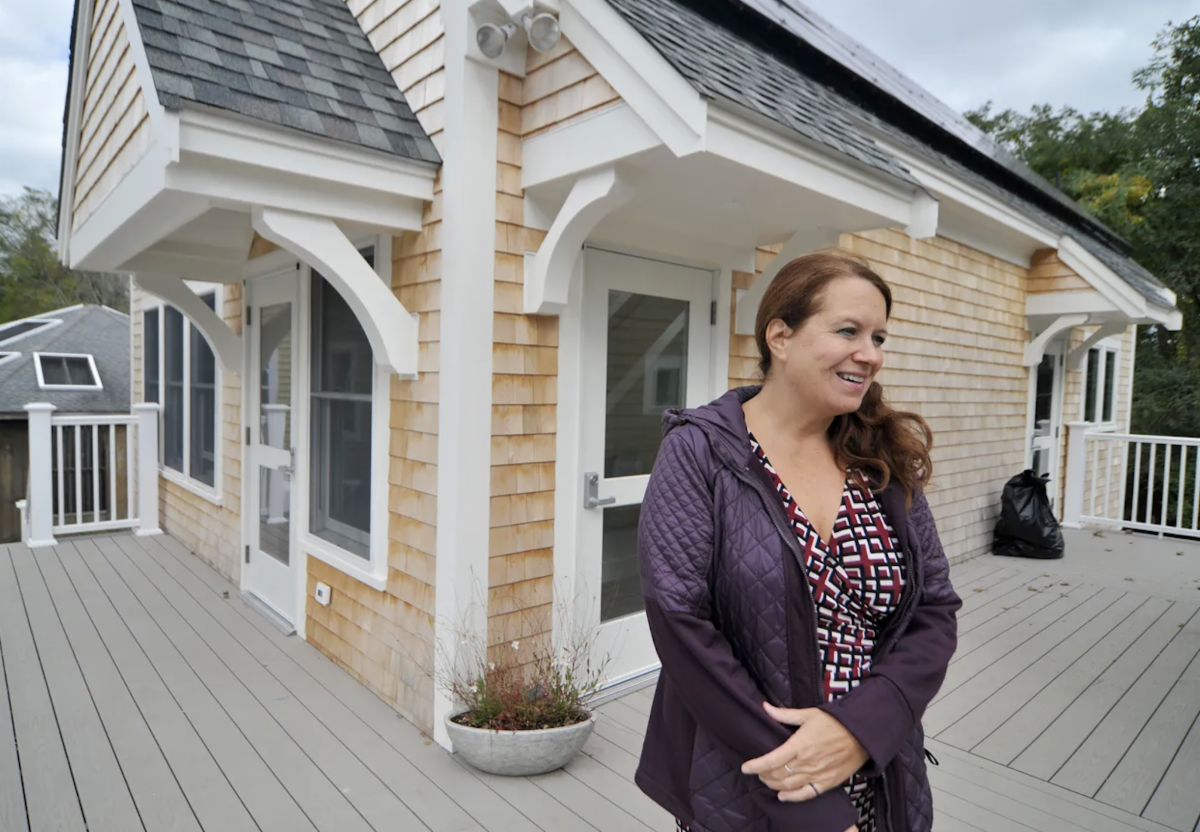
Wild Care’s expansion project was recently featured in the Cape Cod Times. This new building has been nearly six years in the works. It would not be possible without the support of a caring community and the Town of Eastham. The new Education Center will provide a welcoming reception area for the drop off of animals, and our new cleaning room will enable efficiency. This new building frees up space for animal care in our existing farmhouse. Exciting times ahead!
READ the Cape Cod Times article here
SEE the Cape Cod Times Wild Care Expansion Project photos
PHOTO Cape Cod Times
| | | |
|
Here's to Co-Existing by Stephanie Ellis
| |
|
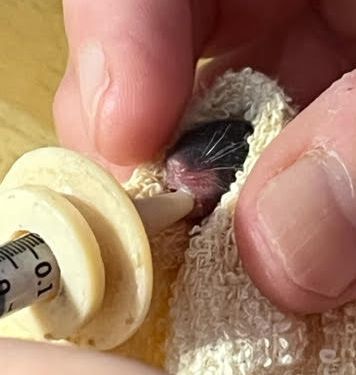
This 5-day old mouse was brought to us on a paper bowl, rolling around like a little pink and gray ball with legs in the air. It was found in a driveway in Orleans and brought to us by a compassionate person who said, "I need your help!". This young mouse was healthy, but must have been dropped by a mother mouse who was in a hurry. The baby mouse was placed in an incubator and nursed every 2-3 hours for 9 days and is now all grown up and will be released into a wooded area soon.
Now, I realize that most people do not like mice as much as I do. But after all, mice do play important roles in the environment. They exist all around us and are here to stay.
This is the time of year when mice and other "creepy crawlies" start entering homes to retreat from the cold weather. There are many ways to humanely deter mice from your home and other dwellings without poisoning wildlife and their habitats.
For humane rodent control solutions
| |
Check out our Amazon and Chewy WISH LISTS and donate much
needed supplies to help the animals being cared for at Wild Care.
| | | | |