Author Josh M. Beach examines the idea of "educational accountability," which has become a new secular gospel. But do accountability policies actually make schools better? Beach is the author of books, including How Do You Know?: The Epistemological Foundations of 21st Century Literacy and Gateway to Opportunity? A History of the Community College in the United States. He is the founder of 21st Century Literacy, a nonprofit organization focused on teacher training. "The most important variables that affect a student’s school achievement are environmental," Beach writes. "These three variables, which are deeply intertwined, are the social construction of: race, parental income and wealth, and parental education (especially the highest level of schooling that parents achieve)." These, in turn, are proxies, writes Beach, for the "social and economic resources that can help students learn and succeed in school, such as parenting skills and child development, especially the time parents spend talking to and reading with children, proper nutrition, access to tutors and extracurricular activities, access to top-quality schools with the best teachers, and also peer networks."
|
|
The new book by Johns Hopkins University President Ronald Daniels called What Universities Owe Democracy is a deeply researched, closely reasoned call to respond to an urgent crisis in our national history, and thus likely to become a classic in the literature of higher education, writes historian and Catalogue for Philanthropy founder George McCully. The book by Daniels and his colleagues Grant Shreve and Phillip Spector argues powerfully that scholars and scientists have civic responsibility. Daniels, who is known as an advocate for eliminating legacy admissions at prestigious institutions, concludes by reviewing the overall argument for reform, which includes: ending legacy admissions (as he did at Johns Hopkins), restoring federal financial aid, instituting a democracy requirement for graduation, embracing “open” science (but with guardrails), reimagining student encounters on campus and infusing debate into campus programming.
|
|
ICYMI from The New England Journal of Higher Education ... Some Food for Thought on "Infrastructure Week" |
|
|
NEJHE reports on the colorful findings of the New England Economic Partnership's Outlook meeting, this time with a special focus on the surprisingly compelling subject of infrastructure.
|
|
|
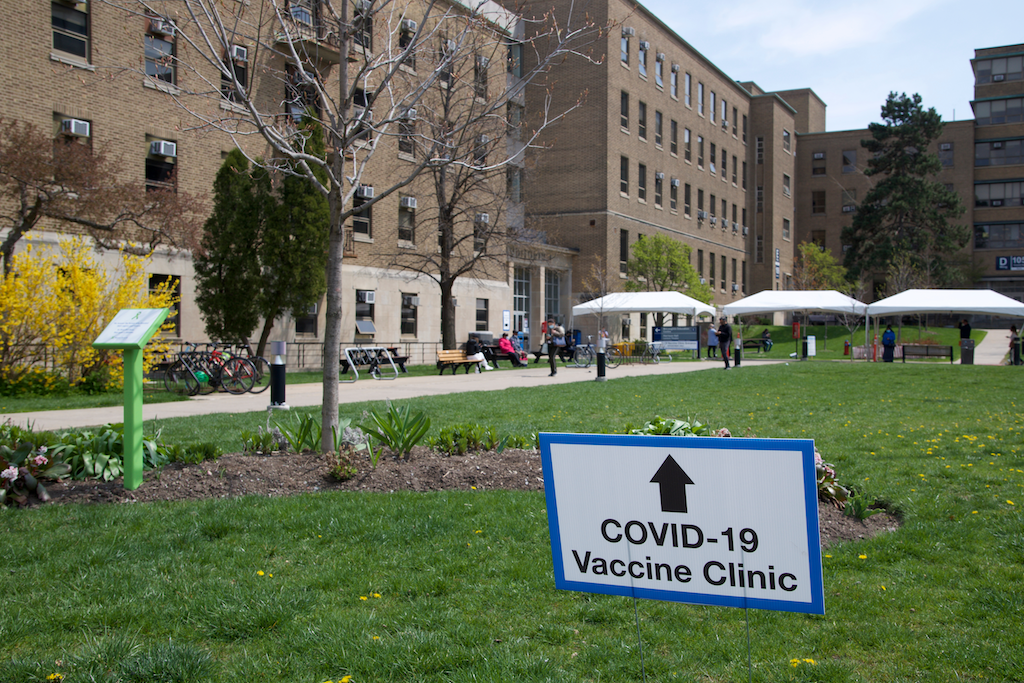
The U.S. Labor Department released a new vaccine mandate requiring that federal government employees and those of companies with greater than 100 employees get their COVID-19 vaccine or get tested weekly by Jan. 4. A 10-state coalition of Alaska, Arkansas, Iowa, Missouri, Montana, Nebraska, New Hampshire, North Dakota, South Dakota and Wyoming has filed a lawsuit to stop the mandate.Texas and Florida have filled separate lawsuits. ... Microsoft announced that it would provide cybersecurity training to faculty at 150 community colleges around the country and financially support 25,000 students studying cybersecurity. Mastercard and AT&T have also created similar programs by partnering with community colleges to create greater accessibility to on-the-job training and updated resources. ... Read the latest from NEJHE's DC Shuttle, featuring national news drawn from our friends at the New England Council.
|
|
|
Thirteen New England higher education institutions have signed on to NEBHE's new North Star Collective (NSC), a multi-institutional collaborative to boost Black, Indigenous and People of Color (BIPOC) early-career faculty at the region's colleges and universities. NEBHE was also awarded a $20,000 grant from the Hildreth Stewart Charitable Foundation to support the development and implementation of a key part of the program: the NSC Faculty Fellowship. Built on a Reparative Justice Framework, NEBHE developed the NSC to restore, nourish and uplift BIPOC faculty in the region and support leaders as they transform institutions around racial equity. The NSC's 13 founding members are: Bridgewater State University, Clark University, Endicott College, Eastern Connecticut University, Framingham State University, Goodwin College, Rhode Island College, Roger Williams University, Salem State University, Simmons University, the University of Bridgeport, UMass Boston and the University of Southern Maine. |
|
|
NEJHE NewsBlast is a summary of NEJHE content and other news around NEBHE prepared weekly by NEJHE Executive Editor John O. Harney and emailed every Wednesday to opinion leaders and practitioners. When responding to NEJHE content, please make sure that your remarks are relevant, courteous and engaging. Individuals are responsible for their comments, which do not represent the opinions of the New England Board of Higher Education. We urge commenters to briefly note their occupational or other interest in the topic at hand. Please refrain from offensive language, personal attacks and distasteful comments or they may be deleted. Comments may not appear immediately. Thank you for staying engaged.
|
|
NEJHE NewsBlast is sponsored by
|
|
For more information about partnering with NEBHE, click here
or send an email message to our events coordinator Marla Phippen.
|
|
© 2020 New England Board of Higher Education |
|
|
|
|
|
|
|