|
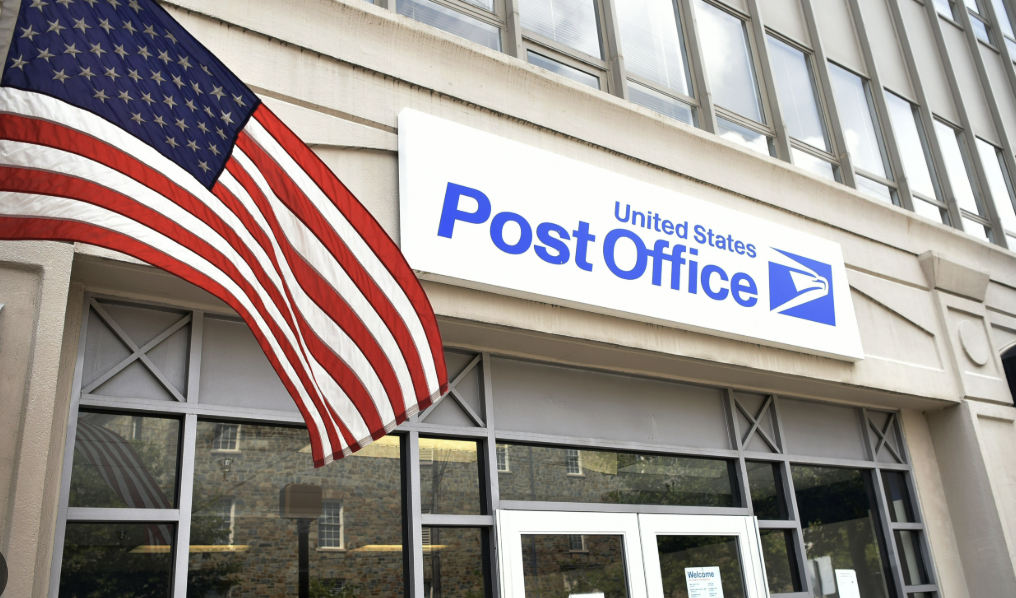
I stopped by the post office this week to drop off a package and couldn’t help noticing something familiar.
The three clerks behind the counter moved through the line like robots. Minimal greeting. No eye contact. Short, scripted prompts. If you didn’t follow the exact sequence on the payment pad, the frustration was almost immediate.
It felt less like a human interaction and more like navigating an automated system.
That moment made me think about the phrase “going postal.”
The term originated in the late 1980s and early 1990s after a series of violent workplace incidents involving postal workers. It became slang for explosive, uncontrollable anger.
But what I observed wasn’t anger.
It was the complete absence of emotion.
Apathy.
And it struck me that this experience is remarkably consistent. In the many times I’ve visited the post office over the years, the atmosphere rarely feels different.
Now, to be fair, the job likely isn’t easy. It involves repetitive tasks, high volumes of customers, and constant public interaction. Any one of those factors can drain the energy out of a workplace.
But the result is unmistakable.
The experience feels unpleasant.
So unpleasant, in fact, that many of us actively avoid it. We look for alternatives whenever we can. We go to UPS. We schedule pickups. Sometimes we’ll even deliver packages ourselves just to bypass the experience.
That’s the lesson.
Customer experience is not just about efficiency or process. It’s about how people feel when they interact with your organization.
Too much emotion can be destructive.
But no emotion at all can be just as damaging.
Because when people feel like a burden instead of a valued customer, they remember.
And when they have a choice, they act on it.
Experience is a differentiator.
Even in places that believe they have a monopoly.
Until one day, they don’t.
Have an immediate reflection on this? Tell me about it!
|