|
Upcoming Events
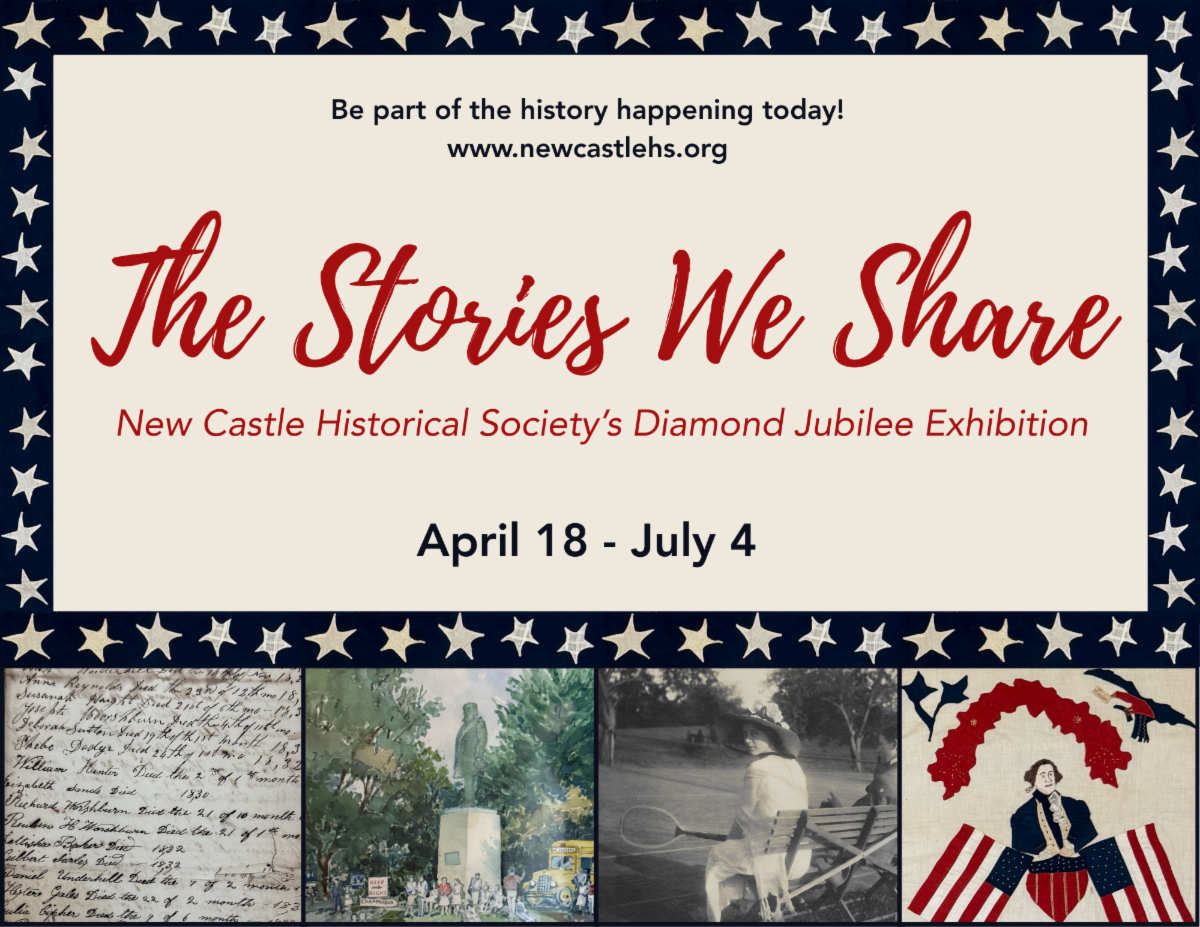
The Stories We Share
New Castle Historical Society's Diamond Jubilee Exhibition
April 18 - July 4 at the Greeley House
NCHS Annual Meeting and Lecture
Sunday, April 26, 2pm at the New Castle Community Center
| |
|
Exhibition: The Stories We Share
April 18 - July 4
| This spring, the New Castle Historical Society celebrates it 60th anniversary with a jubilee exhibition, The Stories We Share. Featuring rarely-exhibited objects from our collection, this exhibition will showcase New Castle stories from the the past 250 years, marking our local milestones alongside America250. | |
New Castle Historical Society Annual Meeting and Lecture
Sunday, April 26 at 2pm
New Castle Community Center
| |
|
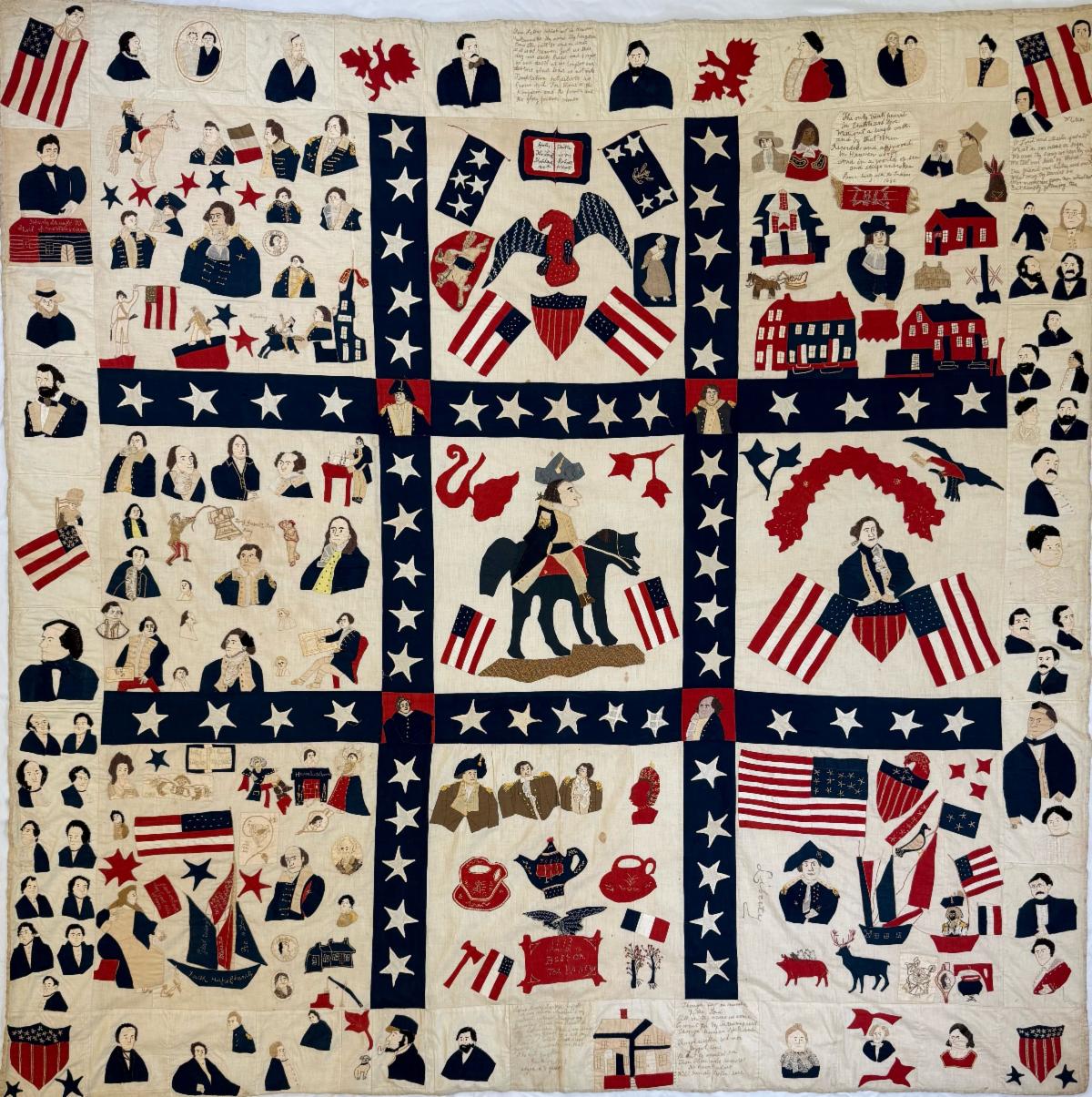
Join us for New Castle Historical Society's Annual Meeting and Lecture on Sunday, April 26 at 2pm at the New Castle Community Center. The lecture will be presented by quilt expert Peggy Norris and New Castle Town Historian Gray Williams, who will discuss a jewel of the New Castle Historical Society collection: the 1903 Patriotic Quilt by Sarah Birdsall Griffith. This illuminating talk will weave together local stories and a celebration of 250 years of American history!
Following the annual meeting and lecture, there will be a special viewing at the Greeley House of the exhibition, The Stories We Share, in which the Patriotic Quilt is a major feature. Refreshments will be served there as well.
| |
|
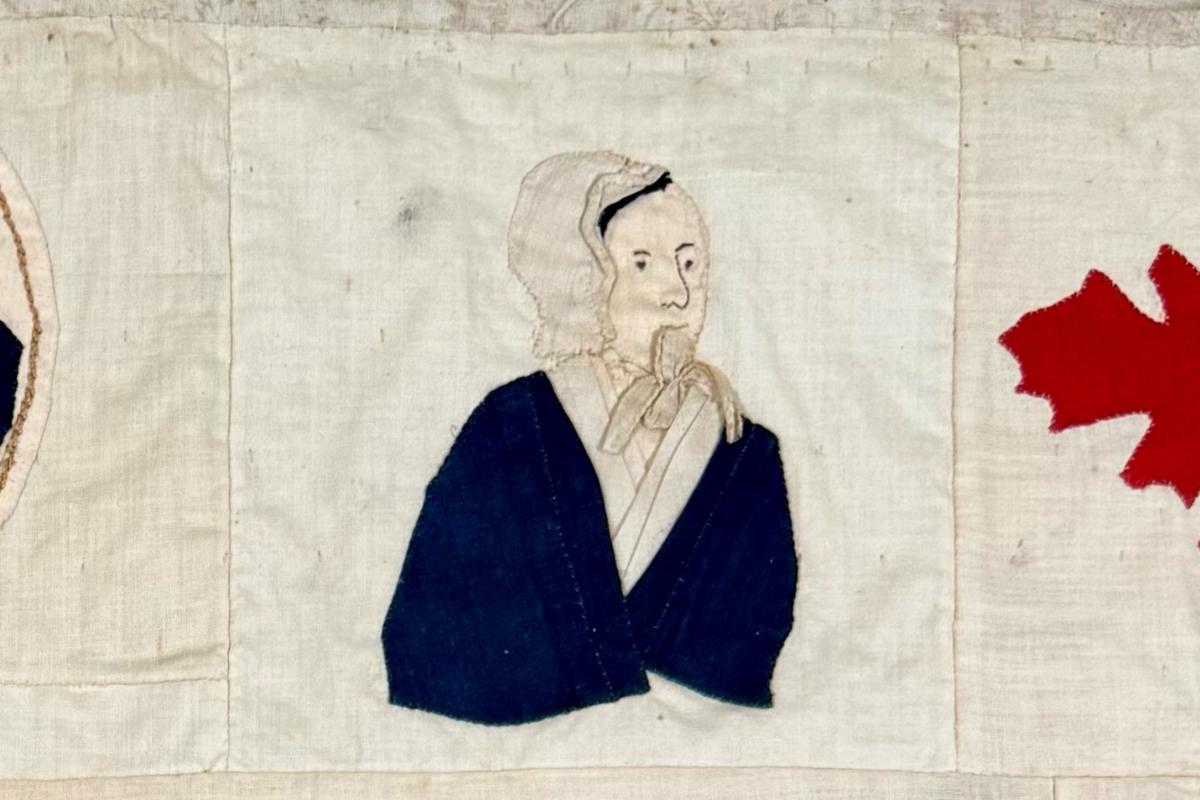
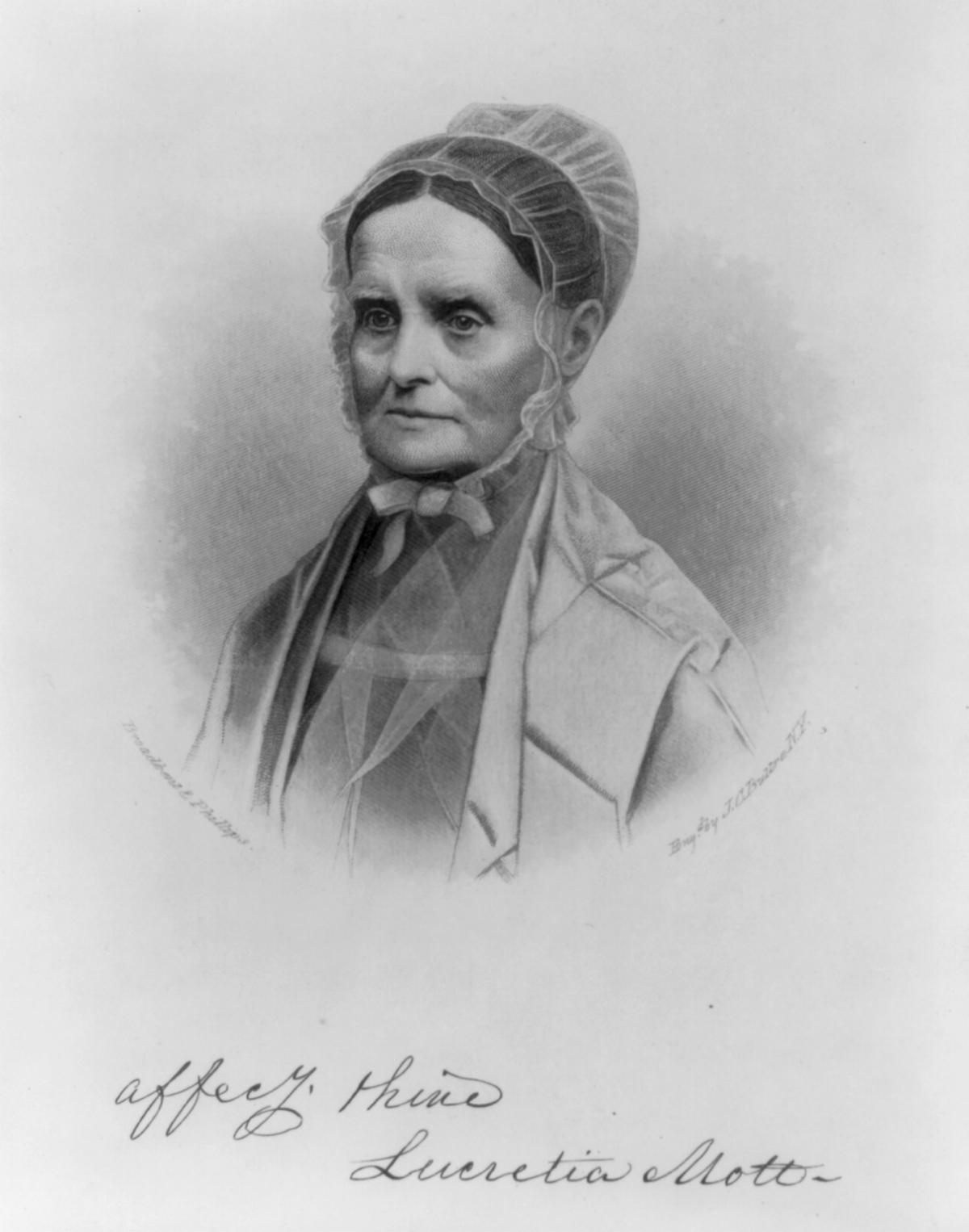
Sarah Griffith’s Patriotic Quilt contains scores of portraits of famous Americans, based on contemporary prints, photographs, and illustrations from books and magazines. Included are notable women such as Lucretia Mott, Quaker, abolitionist, and leader in the cause for women’s suffrage. On the quilt, her image, wearing a characteristic Quaker cap, was based upon an illustration in the 19th-century classic History of Woman’s Suffrage by Elizabeth Cady Stanton.
You will meet more of these portraits and their subjects at the annual meeting talk and the anniversary exhibition.
| |
Packed House for Concrete Leprechaun Reading
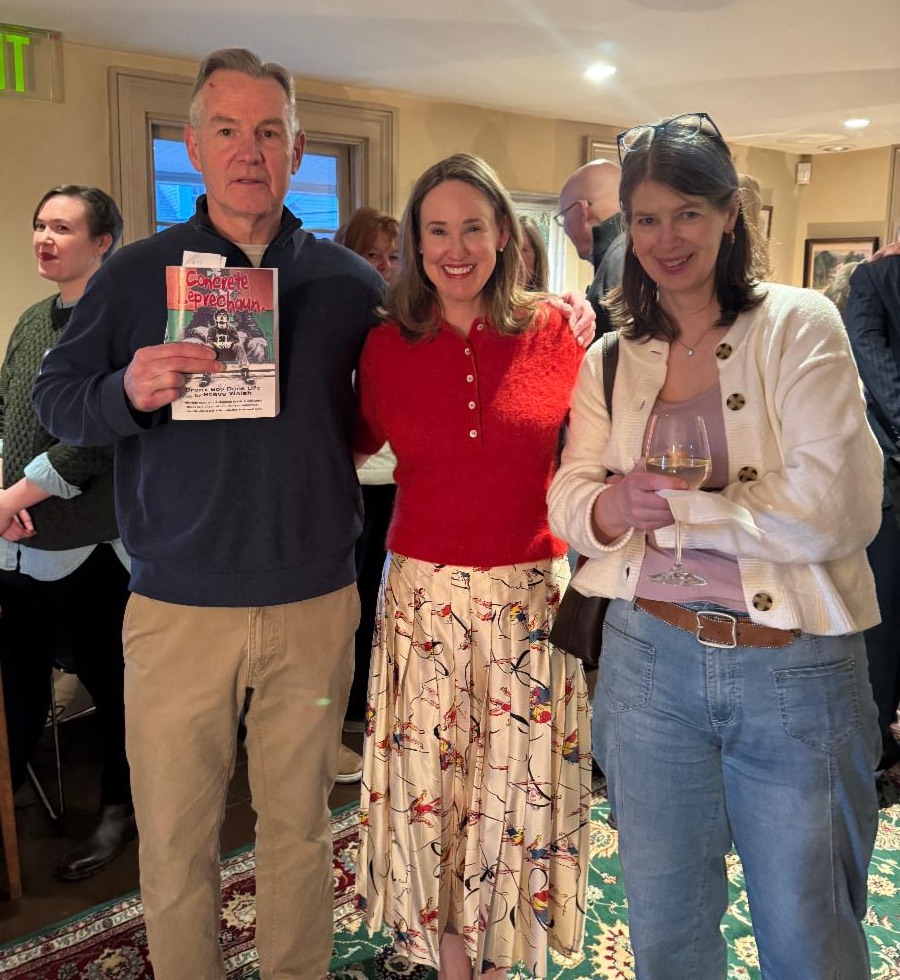
| | We were thrilled to host Steve Walsh earlier this month and to have him read from his book Concrete Leprechaun. It was a great turnout for the reception followed by reading and signing from his riveting book following the story of a boy growing up on the violent streets of 1970s Bronx. | |
| The Ladies of The Orchard: Chappaqua's Gilded Age Intellectual Salon | | |
At the turn of the 20th century, Chappaqua was undergoing a transformation from a quiet farming community into a sophisticated intellectual retreat for New York’s cultural elite. At the heart of this shift was "The Orchard," a grand estate on Pines Bridge Road (now South Greeley Avenue) that served as a beacon of scholarship and civic leadership. While many historical accounts of the era focus on the men who shaped the town, the true engine of Chappaqua’s intellectual life during this period was a household led by two remarkable and independent women: Sarah Elizabeth Chamberlain and Maria Gerard Messenger.
Elizabeth Chamberlain, as she was known, the daughter of the influential New York World editor Ivory Chamberlain, brought a legacy of journalistic rigor and political awareness to New Castle. Growing up in the inner circles of the American press, Elizabeth was accustomed to a life of the mind. When she and her lifelong companion, Maria Gerard Messenger, established their residence at The Orchard, they did more than just occupy a house; they created a salon. Their home became a gathering place for thinkers, artists, and leaders, continuing the tradition of intellectual inquiry that Horace Greeley had established in the town decades earlier.
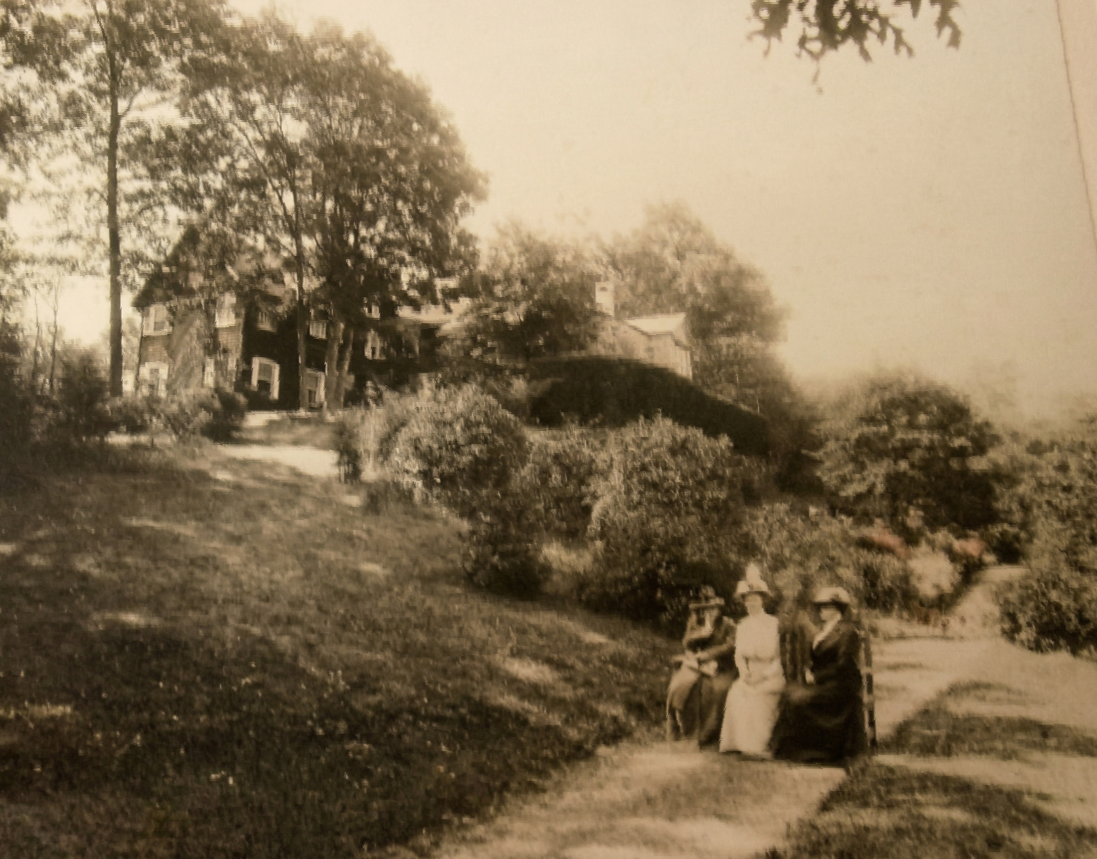
| | The Orchard estate, with its large house and elaborate landscaping, extended from South Greeley Avenue to the railroad. | |
| |
While Elizabeth managed the family’s significant social and financial presence, Maria Gerard Messenger was a world-renowned scholar in her own right. A pioneer in the field of ex-libris, Maria curated one of the most extensive and significant collections of bookplates in the United States. Her intellectual reach extended far beyond the borders of Westchester, as she corresponded with collectors and historians across the globe. By day, she was the devoted organist for the Church of Saint Mary the Virgin, but by evening, she was a curator whose collection—now housed at the Grolier Club in Manhattan—remains a vital resource for scholars of print history.
The influence of these two women was not confined to their library. They were the architects of much of Chappaqua’s early social safety net. Recognizing the needs of a growing community, they were instrumental in the founding in 1898 and funding of the District Nursing Association of Northern Westchester County. This organization provided critical healthcare to families long before modern municipal services were established.
Other prominent women in the community took up the causes championed by Elizabeth Chamberlain. In a historical link to our upcoming exhibition and Annual Meeting lecture, Sarah Birdsall Griffith exhibited her patriotic quilt at her home in 1906, charging 10 cents per person to raise money for the District Nursing Association.
| |
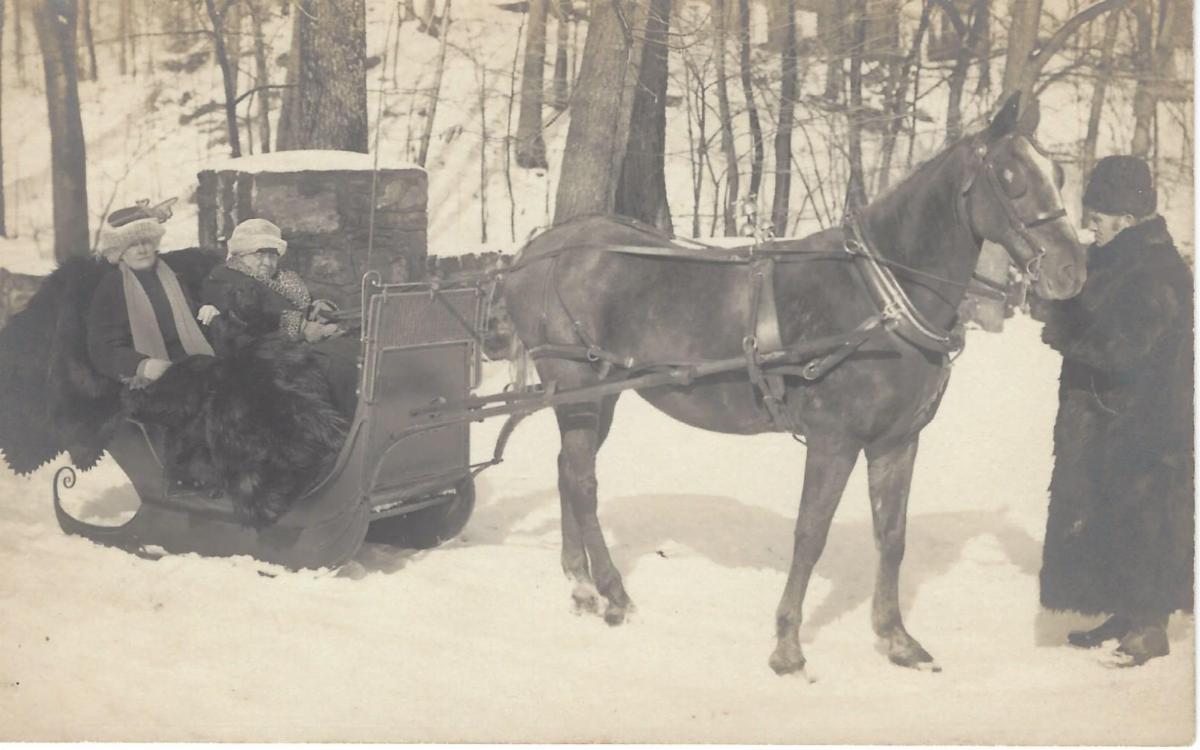
| Elizabeth Chamberlain and Maria Messenger on a winter sleigh ride. | |
| Elizabeth and Maria's social circle was a "who's who" of the Gilded Age intelligentsia. Frequent guests included neighbors such as Horace Greeley's daughter Gabrielle Greeley Clendenin, and prominent visitors from the New York publishing world. A visit to The Orchard often meant engaging in spirited debates on literature, theology, and the pressing social issues of the day. In an era when women were often relegated to the sidelines of public discourse, Elizabeth and Maria stood at the center, commanding respect through their intellect, their philanthropy, and their unwavering commitment to the Chappaqua community. | |
| | | |