|
Sicarios Attack Public World Cup Screening in Mexico
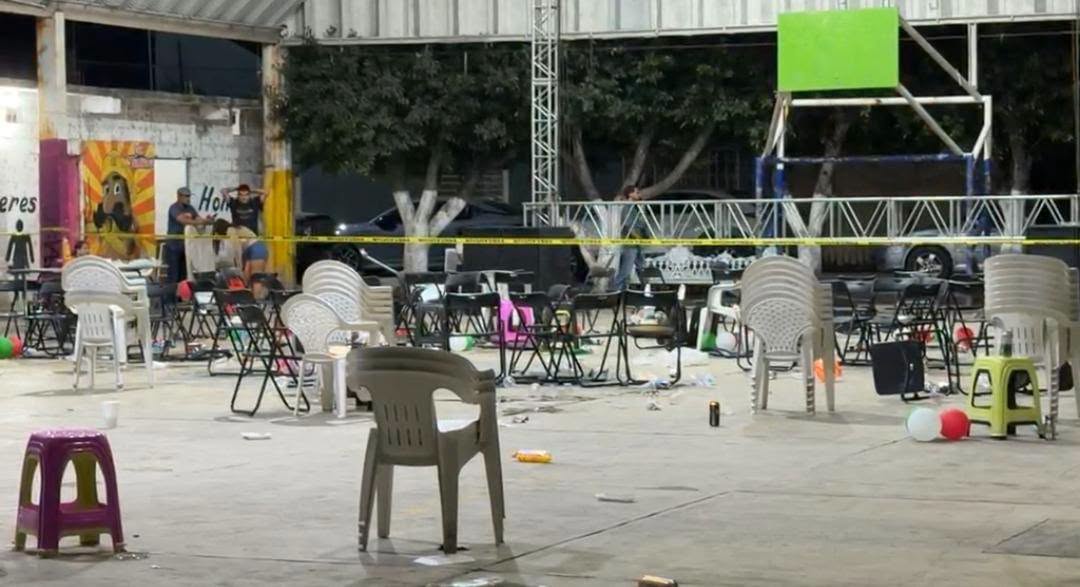
On the evening of 30 June 2026, unidentified sicarios opened fire during a public screening of the FIFA World Cup match between Mexico and Ecuador at the Puentecillas multipurpose sports court in Rancho Nuevo, Yautepec, Morelos. Witnesses reported that the attackers arrived in a pickup truck and on a motorcycle before entering the venue and indiscriminately firing into the crowd.
The event had been organised by Sandra Fernández Gómez, a New Alliance Party pre-candidate for municipal president of Yautepec. The attack killed three people, two women and one man, including Miguel Ángel Tijera, an aide to federal deputy Agustín Alonso and Fernández Gómez's husband. Nine others were wounded, including Fernández Gómez herself. Several minors were among the injured. Conflicting reports indicated that one of the fatalities was either a 17-year-old girl or an eight-year-old child, although authorities had not clarified the discrepancy at the time of writing.
Likely Politically Motivated Criminal Intimidation
The attack displays characteristics consistent with a targeted political-criminal intimidation operation rather than an indiscriminate mass shooting. TRAC is certain that Fernández Gómez was the primary target due to her status as a mayoral pre-candidate and as the event organiser. The killing of her husband forms part of the same coercive message or represented a secondary target.
The decision to strike during a highly attended community event significantly increased the attack's visibility and psychological impact, reinforcing its objective of intimidating political rivals and local communities ahead of the 2027 municipal elections. The attackers' ability to locate the gathering and strike with precision also indicates prior intelligence, surveillance, or access to local information networks.
Cartel Competition Continues to Shape Local Politics
The incident highlights the increasingly blurred line between organised crime and municipal politics in Morelos, where criminal organisations routinely seek to influence local governance through intimidation and violence. The state remains contested by several major criminal groups, including the Jalisco New Generation Cartel (CJNG), the Sinaloa Cartel (CDS), La Familia Michoacana (LFM), and numerous local cells. The Cuernavaca–Jiutepec–Yautepec corridor is particularly fragmented, with overlapping spheres of influence contributing to persistent violence against political figures and community leaders.
The attack serves as an early indicator of the heightened security risks to accompany the lead-up to Mexico's 2027 local electoral cycle, where candidates and their associates increasingly face coercion from criminal organisations seeking to shape local political outcomes.
| | | TRAC Incident Report: Iranian Man Arrested After Targeting an Islamic Prayer Hall in an Arson Attack, Talbot Street, Central Dublin, Ireland | | |
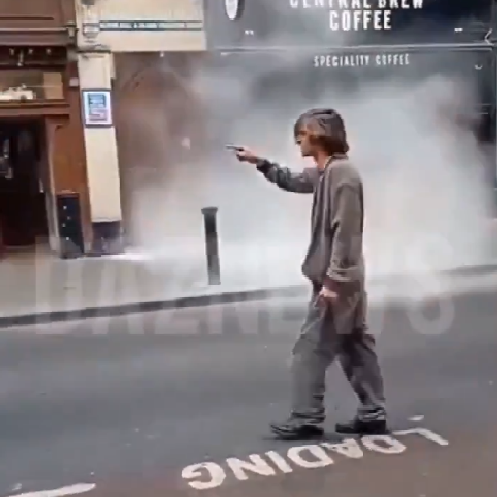
On 29 June 2026, at approximately 15:30 local time, a man in his 40s carried out an arson attack against the Al-Madinah Prayer Hall (Faizan-e-Madinah) on Talbot Street in central Dublin. The suspect poured petrol over the mosque's wooden entrance before setting it alight. A major emergency response involving four fire engines and more than 20 firefighters brought the blaze under control after several hours. No injuries were reported following the swift evacuation of the building, although the mosque entrance and an adjacent coffee shop sustained significant damage.
The suspect remained at the scene and was arrested shortly after the attack. Footage circulating on social media showed him shouting, "We don't want Islam in this country." Irish authorities later identified the suspect as an Iranian national with a reported history of prior grievances.
The case is notable because the perpetrator is an Iranian national targeting a Sunni place of worship. While the motive remains under investigation, Iran's Islamic Republic has long persecuted political dissidents, secular activists, and religious minorities, leading many to seek asylum abroad. Whether the suspect's background or personal experiences influenced the attack remains unclear, and there is currently no evidence that the incident was connected to Iranian state actors or organised extremist networks.
The attack follows another significant anti-Muslim incident in the British Isles less than two weeks earlier, when a Scottish man was arrested after carrying out a series of knife and axe attacks targeting Muslims in Edinburgh. While the two incidents do not currently appear to be linked, they reflect a continued threat posed by individuals motivated by anti-Muslim hatred targeting places of worship and Muslim communities across Europe.
| | TRAC Incident Report: Unidentified Perpetrators Detonate Improvised Explosive Device (IED), Killing Several Palace of Justice Officials at Nearby Café on al-Nasr Street, al-Hamidiyah District, Damascus City, Rif Dimashq Governorate, Syria | | |
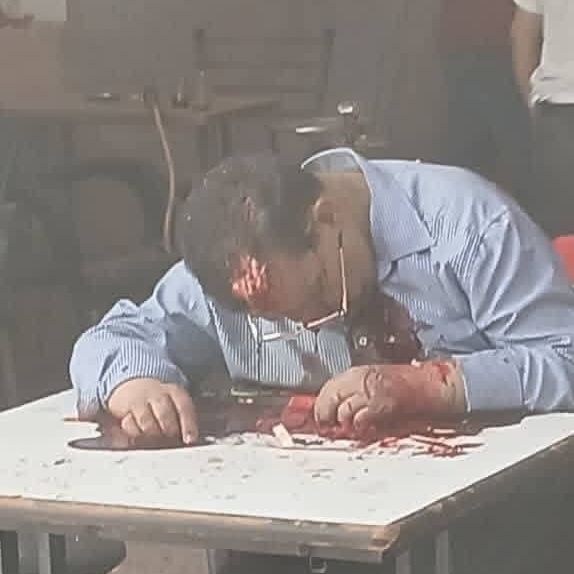
On 2 July 2026, an improvised explosive device (IED) detonated at a café adjacent to the Palace of Justice on al-Nasr Street in the al-Hamidiyah district of Damascus, killing nine people and injuring at least 22 others. Among the fatalities were seven lawyers working at the Palace of Justice, while several of the injured were also members of the legal community affiliated with the judicial complex.
The attack bears strong similarities to recent Islamic State (IS) activity in the Syrian capital. All three attacks claimed by IS in Damascus over the past year have relied on IEDs, indicating that the group retains an experienced bomb-making capability in the city. TRAC assesses that the same IS cell responsible for previous IED attacks in Damascus is the most likely perpetrator. The assessment is further strengthened by the fact that just two weeks earlier, an IED assassinated a Palace of Justice official in Damascus, while the latest attack targeted a location routinely frequented by judicial personnel.
While IS remains the most likely suspect, alternative actors cannot be ruled out. In recent months, Syrian authorities disrupted an alleged Hezbollah-linked IED plot in Damascus, and Hezbollah-affiliated networks have previously attempted to destabilise the capital through rocket attacks. Additionally, a VBIED attack targeting Syria's Ministry of Defence armaments department on 19 May 2026 remains unclaimed, highlighting the presence of multiple actors capable of conducting sophisticated explosive attacks in Damascus.
The timing of the attack is particularly significant. It occurred one day after President Ahmed al-Sharaa completed the appointment of the remaining members of parliament, formally restoring the country's legislative institutions. An attack targeting the judicial sector at this stage represents a direct challenge to the transitional government's efforts to project stability, restore state institutions, and demonstrate that Damascus is secure. Whether conducted by IS or another hostile actor, the bombing underscores that high-profile terrorist attacks remain capable of undermining confidence in Syria's post-conflict political transition.
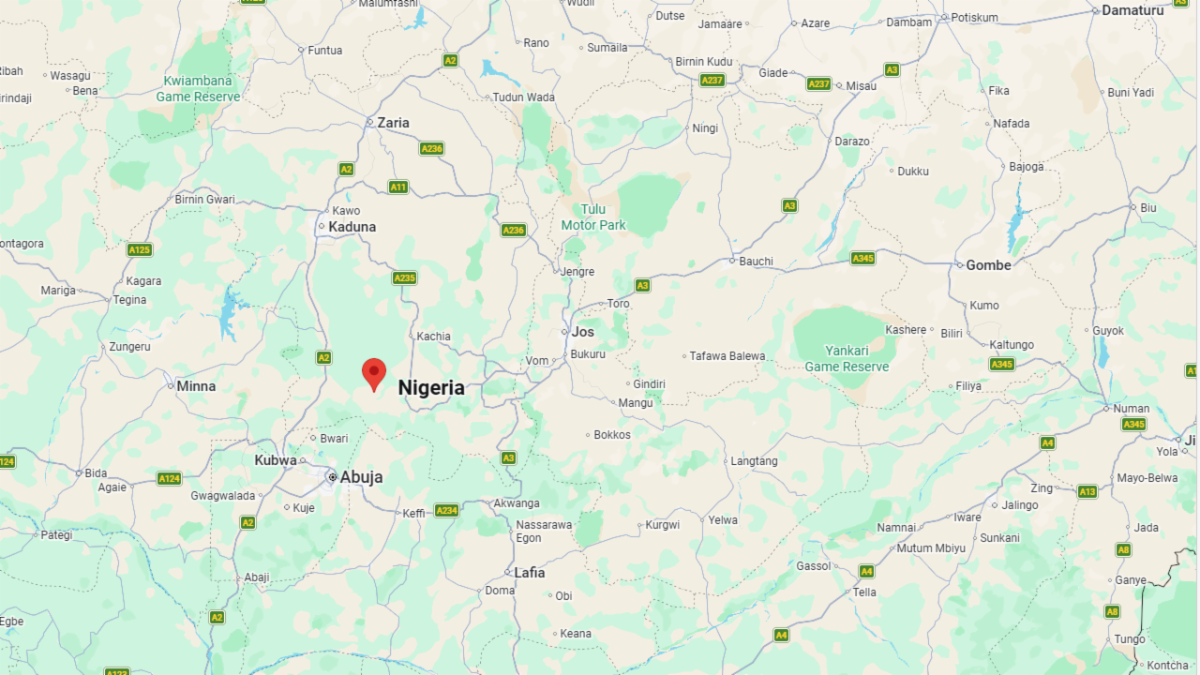
| | TRAC Incident Report: Bandits Kill Catholic Catechist & Five Others After Over 120 days in Captivity (After Receiving Partial Payment of Ransom), Kugir Community, Aribi Ward of Kagarko LGA, Kaduna State, Nigeria | | |
On 2 July 2026, six abductees, including a Catholic catechist who was tortured before his death, were killed by bandits after spending more than 120 days in captivity in Kutaho, Kaduna State, highlighting the increasingly prolonged and brutal nature of kidnapping-for-ransom operations in northwestern Nigeria.
The case is particularly significant as it demonstrates that partial ransom payments no longer guarantee the safety of hostages. The kidnappers repeatedly increased their demands, from an initial ₦30 million and motorcycles to an additional ₦15 million, before ultimately executing six captives despite receiving part of the requested ransom. The release of some women, children, and male hostages, while others, including the catechist, were killed, suggests that victims are increasingly selected for release based on perceived value, leverage, or negotiating strategy rather than as part of a uniform agreement.
The incident will reinforce the perception among rural communities that they cannot rely on state security forces for protection or hostage recovery. With no reported security intervention and authorities yet to provide a substantive response, the killings will further erode public confidence in the government's ability to counter banditry while emboldening criminal groups, who increasingly appear willing to prolong captivity, renegotiate ransom demands, and execute hostages even after receiving partial payments to maximise financial returns and psychological pressure on affected communities.
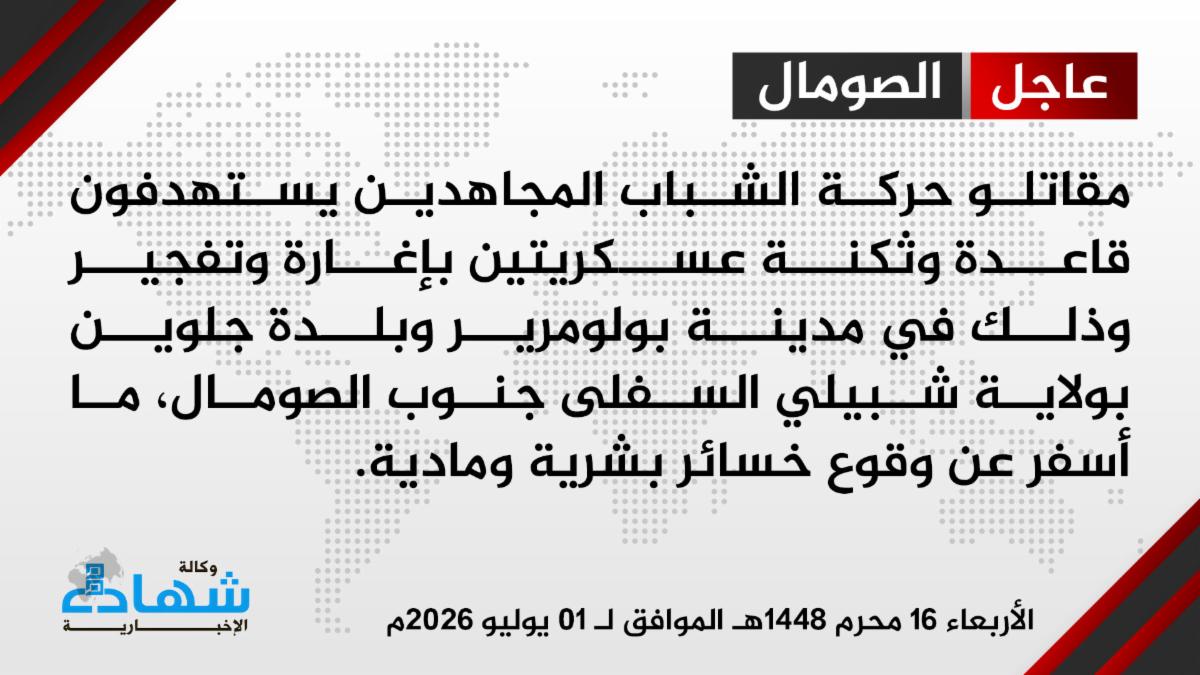
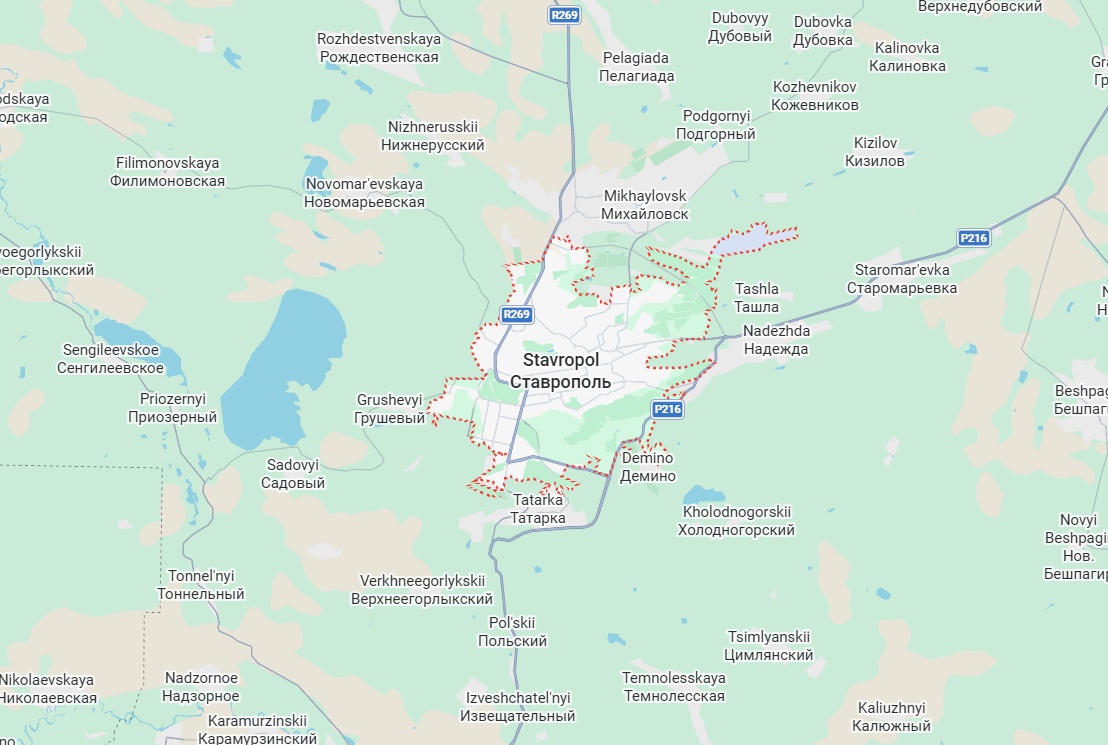
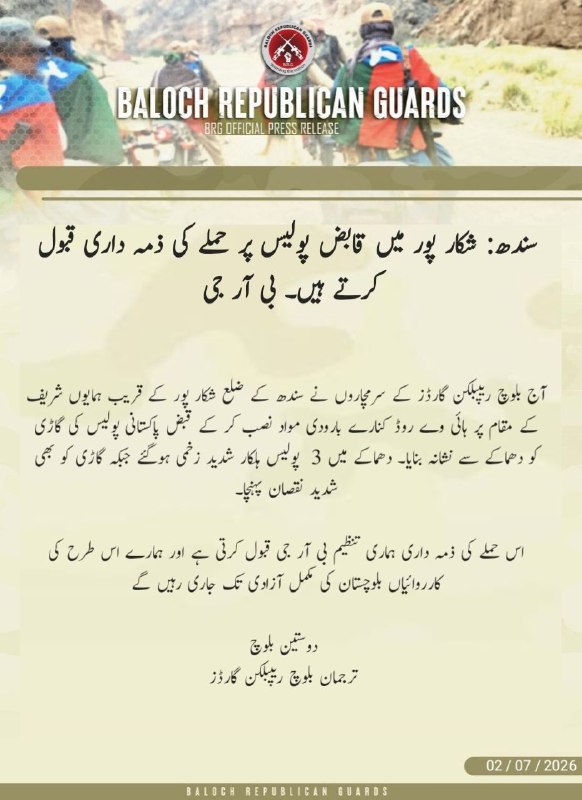
| | (Claim) Al-Shabaab Militants Bombed (IED) and Raided a Somali Militia Forces Base and Barracks in Buulo Mareer and Golweyn, Lower Shabelle Region, Somalia | | TRAC Incident Report: Authorities Arrest Two Teenagers for Attempted Arson of Cellular Base Station in Stavropol, Stavropol Krai, Russia | | (Claim) Baloch Republican Guards (BRG) Take Credit for Remote-Controlled IED Attack on Police Vehicle near Humaayoon Shareef, Shikarpur District, Sindh, Pakistan | | | | |