A Guide to University Weather Alerts, Safety Protocols, and Air Quality Guidelines | | |
As we transition into the warmer months, HSRM reminds the campus community to remain vigilant regarding seasonal weather hazards. While the Inclement Weather Safety Fact Sheet serves as your primary resource for all official thresholds, criteria, and detailed operational recommendations, here are the critical highlights you need to know this season:
-
Dangerous Heat: When a Heat Advisory or Extreme Heat Warning is issued (triggered by a Heat Index of 95 °F or 105 °F), you should limit strenuous outdoor tasks, drink plenty of water, and utilize shaded or air-conditioned spaces.
-
Severe Storms & Lightning: If a Thunderstorm Warning is active, immediately delay outdoor activities and seek shelter. If lightning or thunder is within 15 miles, all outdoor activities and field work must be suspended until 20 minutes after the last strike or rumble. Work in aerial lifts is strictly prohibited during lightning or when wind speeds exceed 28 mph.
-
Tornados: A Tornado Watch means you should review your emergency plans. A Tornado Warning means a tornado is imminent; take action immediately and move to a windowless interior room, hallway, or bathroom on the lowest possible floor.
-
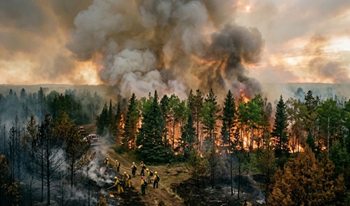
Wildfire Smoke & Air Quality (AQI): With wildfire season upon us, it is important to pay attention to AirNow’s AQI.
-
AQI 151–200 (Unhealthy): Outdoor work and heavy exertion should be limited, voluntary N95 respirators are recommended for outdoor work over an hour (particularly for sensitive groups), and outdoor classes should consider moving indoors.
-
AQI 201–300 (Very Unhealthy): All outdoor classes, sports, and recreational events may be canceled or moved indoors.
- AQI 301–500 (Hazardous): Outdoor work may be suspended entirely unless absolutely critical, and campus operations will be reduced to the extent possible.
Real-Time Alerts: Ensure your contact preferences in MyU are updated to receive critical SAFE-U Notifications during severe weather events.
| | |
Maintaining a safe and inclusive environment for participants under the age of 18 is a cornerstone of the University’s mission and a fundamental component of our reputation as a responsible community leader. The Safety of Minors (SOM) program is designed to uphold this commitment by supporting youth protection policies and coordinating compliance across all University units.
This article serves as a high-level refresher for faculty and staff preparing for summer programs. It outlines the essential steps required to ensure all activities align with HSRM’s standards.
Covered Activities and Programs: A covered program includes any planned event, activity, or educational experience offered by University faculty, staff, or units intended for minors (under age 18) as the primary participants, where University staff maintain supervisory control. Examples include:
- Academic, sport, and recreational camps.
- 4-H activities and conferences.
- Volunteer experiences in laboratories or offices.
- Internships, employment, and participation on research teams.
The SOM policy does not apply to the following scenarios:
-
Matriculated Students: Activities for students formally admitted to a degree-granting program, including PSEO students.
-
Admitted Student Enrollment: Activities that are part of the enrollment process, such as Orientation and Welcome Week.
-
Credit-Bearing Courses: Faculty and teaching personnel who interact only with registered students in credit-bearing courses are exempt from SOM background checks and training.
-
Public Events: Events open to the general public where minors are incidentally present (e.g., museums, athletic events, or public lectures).
-
Brief Interactions: One-time informational interviews or tours conducted with parents or guardians.
Compliance Checklist: Before hosting any covered youth activity, units must complete three baseline administrative requirements:
| | |
Health, Safety, and Supervision: Strategic operational standards transform a program from "compliant" to "high-quality." Rigorous supervision and comprehensive emergency preparedness are essential for creating an environment where parents feel confident and participants can thrive. Program staff must be trained in specific topics, including program orientation, youth/staff interaction standards, supervision responsibilities, health and safety requirements, emergency procedures, and incident reporting.
-
Emergency Preparedness: Develop a written emergency preparedness plan and ensure all staff and youth are trained in these procedures. A written, practiced plan ensures that response times are minimized and actions are coordinated during a crisis; HSRM resources are available to help units draft these protocols.
-
Staff-to-Minor Ratios & Interaction Standards: Conduct regular observations and provide constant monitoring of staff and volunteers. This includes planning for participant interactions, the safe movement of minors (check-in/out), and supervised access to bathrooms. Robust supervision ratios and "Safe Movement" protocols are the most effective way to prevent accidents and ensure all staff-participant interactions remain professional and transparent.
-
Medical & Physical Health: Ensure at least one adult on-site is CPR/First Aid certified, establish medication distribution procedures, and remain attentive to food allergies and access to handwashing/drinking water. Immediate access to certified first aid and allergy awareness prevents minor incidents from escalating into medical emergencies that could result in institutional liability.
-
Documentation: Utilize the General Release Waiver (OGC 250), signed by adult caregivers, and maintain accessible emergency contact information. Standardized OGC 250 waivers ensure that the University’s Office of the General Counsel can effectively defend the unit in the event of a claim; modified forms may be unenforceable.
Minors in Research Labs: Research laboratories present a heightened risk environment that necessitates additional oversight. When minors engage in lab-based activities, the complexity of potential hazards requires a more stringent approach to supervision and documentation. To host a minor in a laboratory, program leaders must ensure:
-
Guardian Consent: Obtain a signed "Minors in Labs" form (for paid positions) or a "Volunteers/Guest in Labs" form (for unpaid internships/volunteering).
-
Administrative Approval: Secure written approval from the Unit or Department Head. Documentation of this communication may be stored internally by the department to reduce administrative "red tape."
-
Safety Instruction: Deliver specific safety instructions tailored to the lab activities before any work begins.
-
Supervision & Hazard Assessment: Provide constant supervision. Contact HSRM for a risk assessment if the minor will be present in areas where chemicals, dusts, fumes, vapors, gases, biological materials, or radioactive materials present a significant hazard.
Additional Resources:
| | Glove Up, Smartly: Choosing and Using the Correct Glove | | |
Whether you are working with hazardous chemicals, biological agents, or sensitive analytical equipment, disposable gloves are likely your daily lab companion. But are you getting the protection you actually think you are?
In a diverse research ecosystem like the University of Minnesota, there is no such thing as a "one-size-fits-all" glove. Practicing proper glove use means understanding that a glove is only as good as its specifications and how it interacts with your skin.
Why Glove Charts Matter
It’s a common misconception that all nitrile or latex gloves are created equal. In reality, chemical resistance varies drastically by manufacturer, thickness, and formulation.
When planning your experiments, always choose a glove from a manufacturer that publishes a comprehensive glove compatibility chart. You shouldn't have to guess how a material will perform. Look specifically for three critical metrics:
-
Permeation Rate: The speed at which a chemical permeates through the glove material on a molecular level.
-
Breakthrough Time: The elapsed time between the initial contact of the chemical on the outside of the glove and its detection on the inside. Tip: If your breakthrough time for a chemical is 15 minutes, your gloves need to be changed well before that mark.
-
Compatibility/Degradation Rating: An assessment of how the glove holds up physically (swelling, shrinking, or tearing) when exposed to specific solvents or reagents.
Never assume a glove blocks everything. A glove that is excellent for handling ethanol might degrade in seconds when exposed to acetone or dichloromethane. Check the chart before you pour.
Listening to Your Skin: Allergies and Accelerants
Hand hygiene and comfort are vital to lab safety. If your hands are itchy, red, or blistered, your gloves might be the culprit. Understanding what goes into your gloves can help you pinpoint the issue:
- Latex Allergies (Type I): A reaction to the natural rubber latex proteins. Because this can lead to severe systemic reactions (including anaphylaxis), many UMN labs have shifted entirely to synthetic alternatives like nitrile or neoprene.
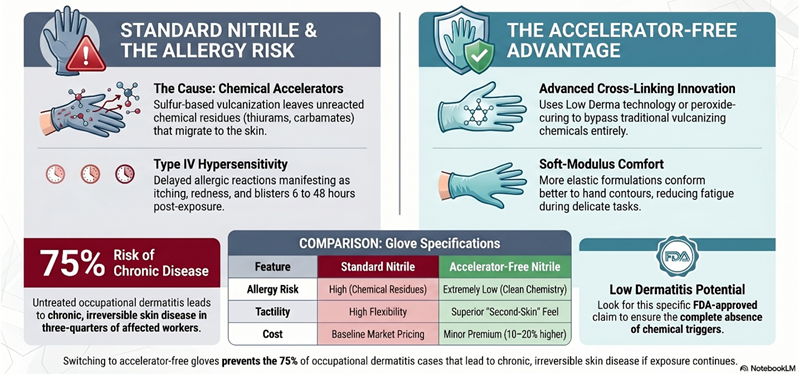
- Chemical Accelerant Allergies (Type IV): If you’ve switched to nitrile and are still experiencing contact dermatitis, you might be reacting to accelerants. These are chemicals (like thiurams, carbamates, or thiazoles) used during the manufacturing process to cross-link raw materials into a stretchy glove. If you suspect a Type IV allergy, look for gloves explicitly labeled as "accelerant-free."
Quick Reminders for Daily Practice
Each day:
- Inspect gloves for punctures, discoloration, or tears before putting them on.
- All lab PPE, including gloves, must be removed before leaving the lab and hands must be washed thoroughly. Do not wear laboratory gloves or lab coats in public spaces such as hallways, elevators, or cafeterias.
- Disposable gloves are a secondary barrier, not an absolute shield. Always wash your hands with soap and water immediately after removing your gloves.
-
Always follow proper protocol when removing gloves.
For assistance with glove selection, assessing chemical compatibility, or finding alternative PPE options for sensitive skin, please contact HSRM (hsrm@umn.edu; 612-626-6002).
|
Choosing the Right Glove: Standard Nitrile vs. Accelerator-Free Technology
While nitrile gloves solved latex allergy issues, standard manufacturing relies on chemical accelerators that trigger Type IV hypersensitivity. Accelerator-free technology uses advanced cross-linking to eliminate these triggers while maintaining identical barrier protection and superior comfort.
| | Your Safety Matters: Reporting Injuries and Near-Misses | | |
At the University of Minnesota, our greatest asset is our community. Keeping our campuses safe, healthy, and thriving requires a collective effort, and one of the most impactful actions you can take is simple: report it. Whether you work in a lab, an office, a dining hall, or outdoors, keeping our environment safe depends on open communication. If you experience a workplace injury, no matter how minor it may seem, it is critical that you take action immediately.
What to do if you are injured at work
Take the following steps if you are injured at work:
-
Seek immediate medical attention: If the injury is serious and presents an emergency situation, immediately call 911.
-
Notify your supervisor: Let your supervisor know about the incident as soon as possible. This ensures they are aware of the situation and can help coordinate any immediate assistance or operational adjustments.
-
Complete a First Report of Injury (FROI): Filing a FROI is a crucial step. It ensures that you receive the proper care and support you need, protects your rights for workers' compensation coverage, and helps the University understand what went wrong so we can prevent it from happening again.
Beyond Injuries: Reporting Near-Misses and Safety Concerns
You don’t have to wait for an accident to happen to make a difference. We strongly encourage everyone to report safety concerns and near-misses (close-call situations where an injury could have occurred but fortunately didn't). Reporting a loose handrail, a potential chemical exposure hazard, or a blocked exit today could prevent a colleague or student from getting hurt tomorrow. By speaking up, you help HSRM identify trends and continuously improve our campus safety protocols.
Bookmark the HSRM Report an Injury or Safety Concern page for quick access to forms.
| |
Prioritizing Safety in the Field
| | |
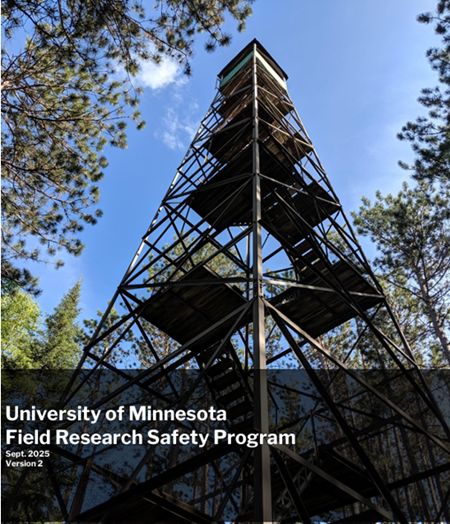
From public lands and wilderness waterways to active construction sites, agricultural outreach centers, and mines, the University of Minnesota’s research community operates in highly diverse and dynamic environments. While field research drives academic discovery, it also presents unique physical, environmental, and situational challenges that differ from a traditional lab space. To ensure all researchers remain safe and supported, HSRM has developed the Field Research Safety Program. This safety program establishes clear guidelines and resource templates designed to assist researchers in proactively managing the risks associated with outdoor and remote field activities. Recently a Field Work Survey was disseminated in an attempt to gather information about the breadth of field work being done at the University. If you have not yet filled out the survey, please follow this link to complete the Field Work Survey.
The Core Elements of Field Safety: A successful field operation relies on structured preparation before anyone sets foot on a site. The program emphasizes several key operational requirements:
-
Designated Crew Leadership: Every trip to the field must have a designated Crew Leader (either the PI or someone designated by them) who is responsible for ensuring the crew is properly trained, tracking weather forecasts, and confirming that the team is signed in and out.
-
Field Safety Plan (FSP): For every project, teams must complete a Field Safety Plan (FSP). This vital document outlines specific site hazards, documents available cell phone coverage, notes nearest hospital directions, and inventories communication tools like satellite messengers or Personal Locator Beacons (PLBs).
-
Points of Contact (POC): For off campus trips, an off-site Point of Contact must be designated. This person stays back, holds a copy of the FSP, and receives regular check-ins from the field crew to act as an emergency lifeline.
-
Proactive Risk Assessments: Teams are encouraged to utilize tools like a Job Hazard Analysis (JHA) or the Green, Amber, Red (GAR) risk assessment worksheet to evaluate daily environmental conditions, equipment safety, and overall team readiness before starting tasks.
Holistic Safety Awareness: Field safety extends past preparing for severe thunderstorms, heat stress, or sub-zero temperatures. The program recognizes that entering unfamiliar communities or isolated regions can expose researchers to unique socio-environmental challenges. Holistic field safety means addressing risk factors like identity prejudice, intimidation, and harassment, which can disproportionately impact minority or marginalized individuals. PIs and supervisors are expected to review potential local risks ahead of time, foster an inclusive culture, and provide field workers with official identification, such as UMN-logoed clothing, business cards, or car magnets, to clearly establish their role as university researchers to local stakeholders.
Resources and Training: Safety is a collective team effort. Training should be customized to your specific hazards, ranging from mandatory annual lab training to specialized field courses, first aid/CPR certifications, and Research Occupational Health Program (ROHP) requirements for animal handling.
Ensure your next trip is planned with safety at the forefront. Editable copies of the Field Safety Plan template, JHA forms, and risk worksheets can be accessed by visiting HSRMs Field Research Safety webpage. For questions or specific field hazard evaluations, please reach out directly to HSRM at (612) 626-6002 or via email at hsrm@umn.edu. Have a safe and productive field season!
| | New Online Training Modules Available in Training Hub | | |
We are pleased to announce that we have added the following training courses to Training Hub:
-
Electrical Safety for Labs: This course raises awareness about electrical safety when using equipment such as PCR machines, hot plates, ovens, and heat guns as these devices can cause serious harm if mishandled.
-
PI Responsibilities: This course identifies key responsibilities of the Principal Investigator (P.I.) and the importance of creating and sustaining a strong safety culture in your laboratory.
-
Pressure Vessel Safety: Lab reactors present significant risks because they contain hazardous reactants that can reach extremely high pressures and temperatures. In this course, you will learn to identify different types of vessels, recognize associated chemical and physical hazards, and evaluate the risks of various reactions. By the end of the course, you will be equipped to select appropriate vessels, apply essential safety features, and prepare effectively for emergency situations.
| | Laboratory Self-Inspections | | |
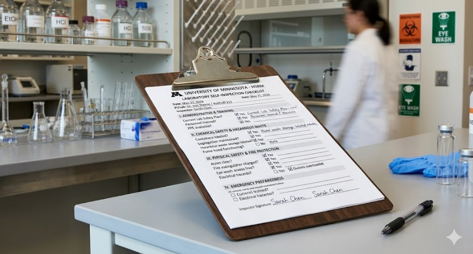
While HSRM is always here to support you, the true frontline of laboratory safety is you and your team. Nobody understands the unique hazards of your space better than you do. That’s why we’re asking all labs to complete a self-inspection this summer if you haven’t already done so this year.
To make it easy, HSRM has a dedicated lab self-inspection checklist built into our inspection module, SafetyStratus. If you need help logging in, navigating the checklist, or just want a second pair of eyes on a specific hazard, your dedicated HSRM Safety Partner is ready to assist!
Resources:
Self-inspection help document
SafetyStratus login
| |
HSRM is here to help!
-
Ergonomics: Would you like to have an ergonomic evaluation conducted? Visit our Ergonomics web page and schedule an appointment to visit our Ergonomics Showroom.
-
Regulated Waste: Have questions about how to properly dispose of regulated waste (biological, chemical, radiological)? Visit our Hazardous Waste Disposal web page or contact our Regulated Waste team directly at hazwaste@umn.edu.
-
Hazard Assessment: Have questions about how to properly handle a hazardous chemical, proper PPE, or need a laboratory safety consultation? Contact our Research Safety team.
-
Health and Safety Training: Interested in learning more about the health and safety courses that HSRM offers? Visit our Training website to view the online training courses that we offer.
-
Safe Campus: Want to learn more about additional safety resources offered by the University such as public safety and personal well-being resources? Visit the Safe Campus web page.
-
Clinical Services: Need to complete medical requirements to work in your role? Visit the Clinical Services website for a list of clinics that offer these services across the state. Employees that have sustained an occupational health injury, illness, or exposure are also strongly encouraged to visit these clinics.
Please feel free to contact us anytime at:
hsrm@umn.edu
(612) 626-6002
| | | |
| |
Suggest a topic for a future newsletter or provide feedback to HSRM
Is there a topic that you would like us to include in a future HSRM newsletter? Would you like to provide HSRM with feedback on this newsletter or more broadly on our services? If so, please go to the HSRM Feedback Survey.
| | | | Have a question for HSRM? | | | | |