Faulkner County Agriculture Update
November 13, 2026
| | Faulkner County 4-H Foundation Ham Fundraiser | | |
Pesticide Applicator Trainings
Pesticide applicator trainings for Faulkner County have been lined up and our first training will be in December. Private Pesticide Applicator Licenses are good for five years, so if your five years is up, you need to attend a class to get certified then send off to the Arkansas Department of Agriculture to get your license. To attend a training costs $20 the day of the training.
The 2026-2027 trainings will be held at the Faulkner County Extension Office and the dates and times are:
Tuesday December 15, 2026 starting at 2:00 PM
Thursday January 14, 2027 starting at 2:00 PM
Thursday February 11, 2027 starting at 5:30 PM
If you aren't sure if you need your license, you can click the Pesticide License Search button below and it will tell you if your license is still active or expired. There is also a link to the online training if you would rather do that than in person.
| | |
Weather
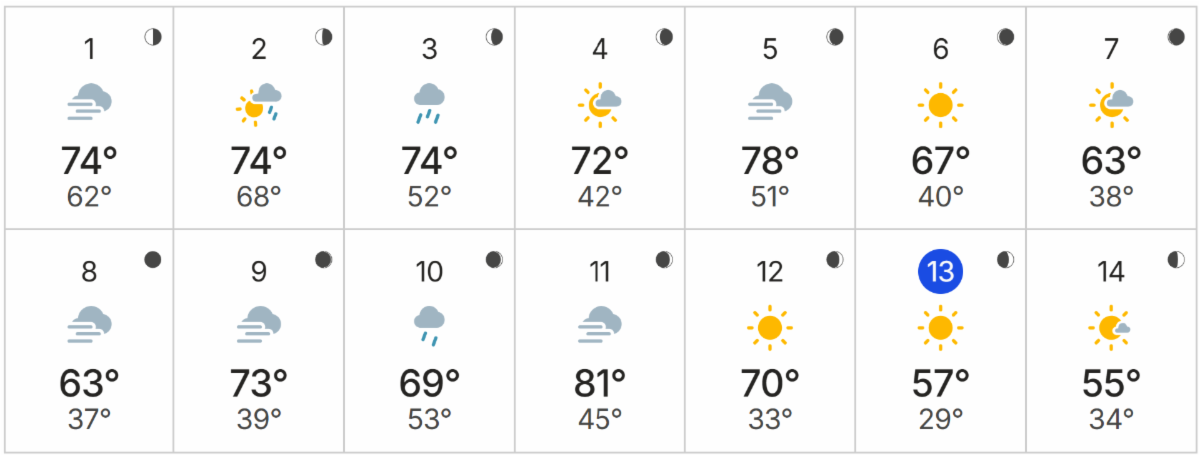
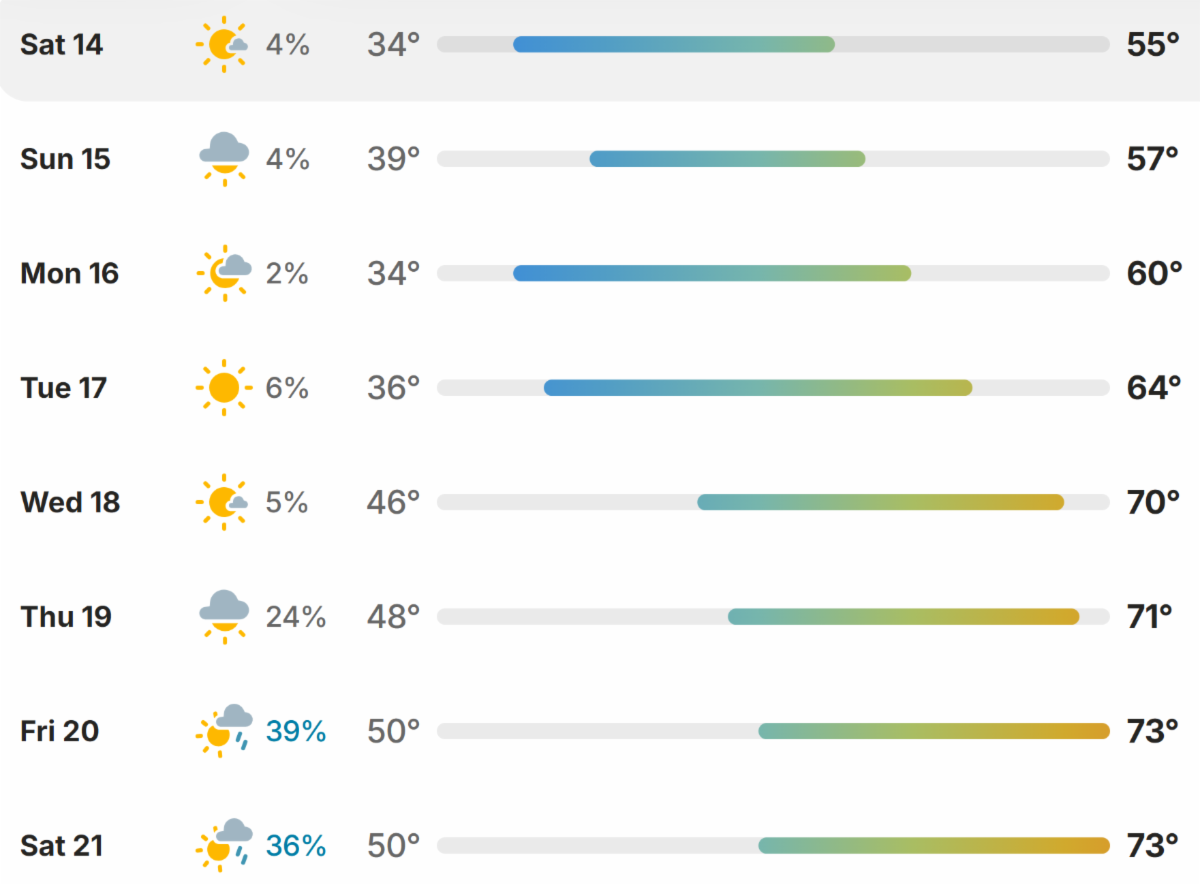
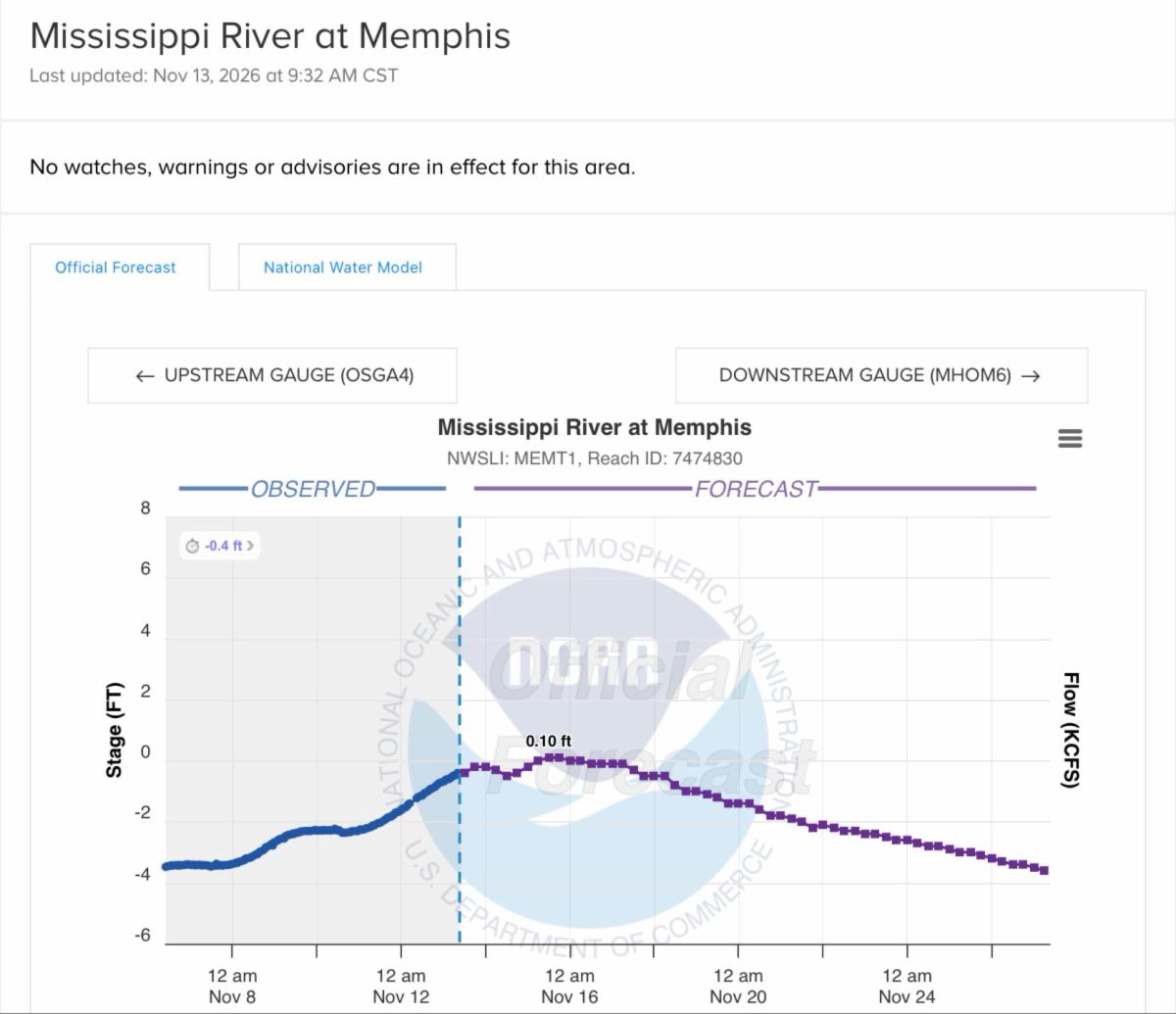
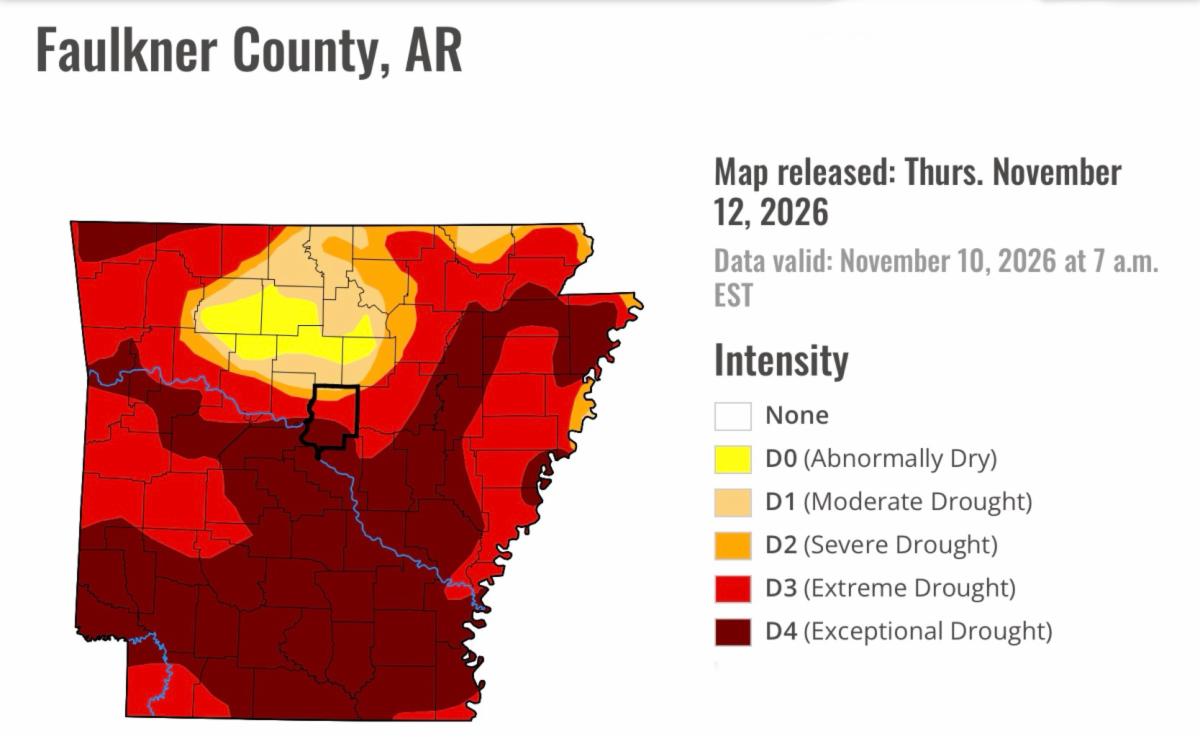
This week was nice with cooler weather. We are still in extreme drought conditions and the forecast still doesn't look good for rain. We could see our first freeze tonight as temperatures are supposed to get down to 29 degrees. There could be a warm up towards the end of next week with better rain chances.
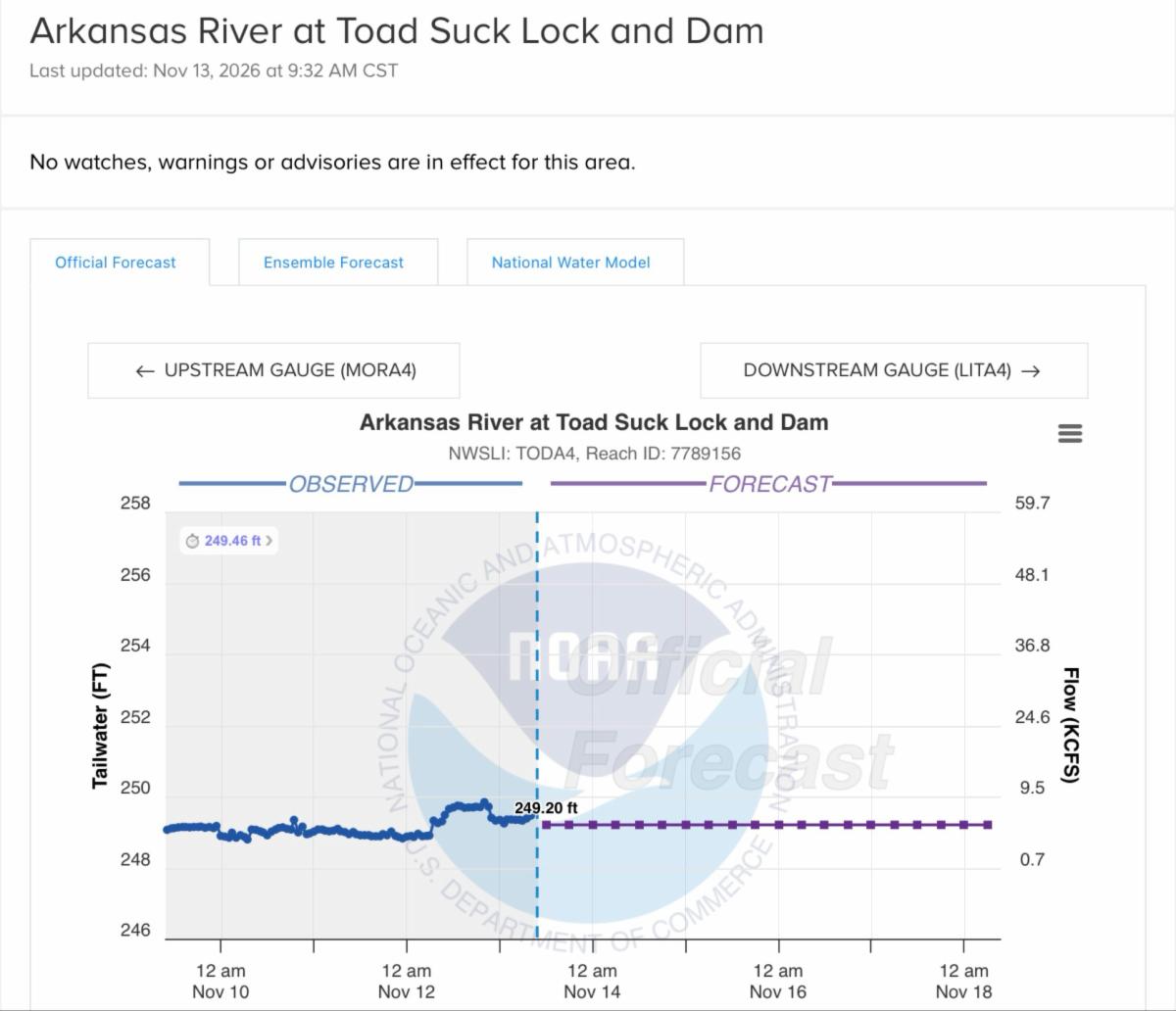
| | Arkansas and Mississippi River | |
2027 Arkansas Crop Enterprise Budgets
The crop enterprise budgets are now available and they are made possible thanks to support from check-off funds administered by the Arkansas Corn and Grain Sorghum Board, Arkansas Rice Research and Promotion Board, and Arkansas Soybean Promotion Board as well as the University of Arkansas Division of Agriculture.
The crop enterprise budgets and calculator are developed by Breana Watkins, Instructor with the Agricultural Economics and Agribusiness Department (AEAB).
| | |
Variety Trial Information
All of the Faulkner County variety trial results can be found on our website listed below.
| | |
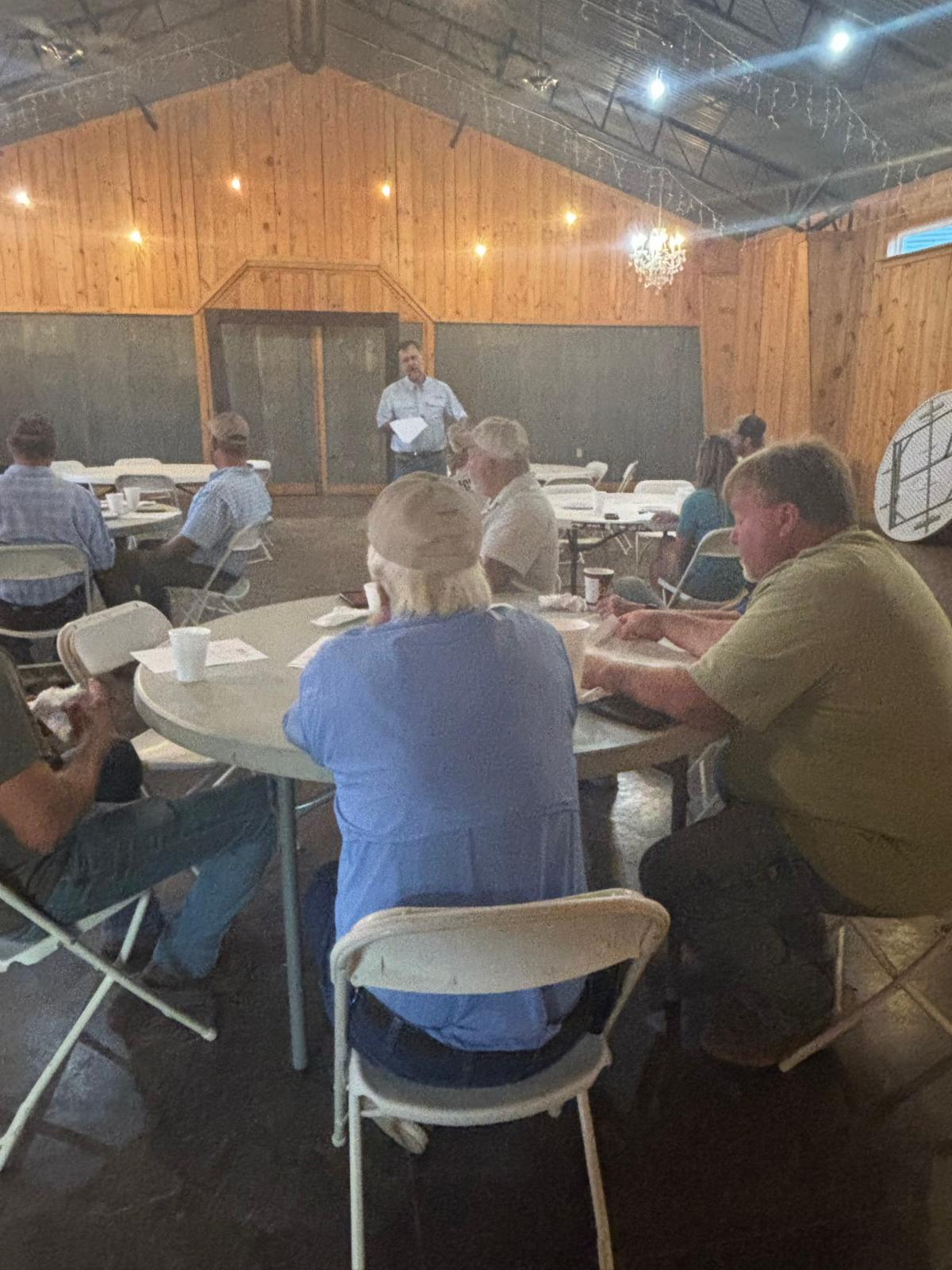
Winter Production Meetings
Save the dates for our upcoming Winter Production Meetings.
Soybean & Corn - January 29, 2027 - Conway County Extension Office
Rice - March 4, 2027 - The Barn at Lollie
| | |
Producer Risk Management Tools
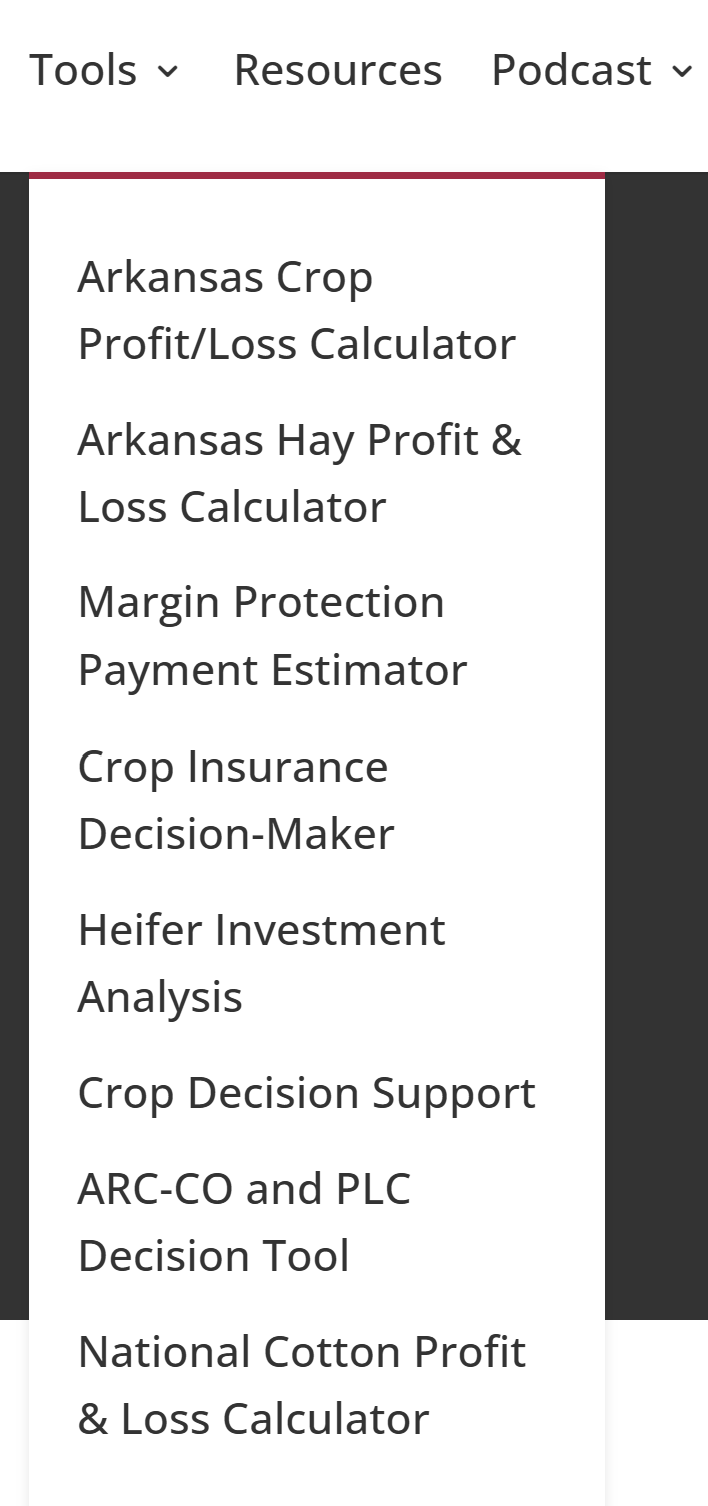
In today's world of Agriculture, financial risk management is very important if we are going to continue farming. Our University of Arkansas Division of Agriculture Economists are some of the best we have ever had, and they are doing a great job coming up with ways to assist producers with financial management. Take time to look at these decision making tools that are available to producers and if anyone needs assistance with these, please get with me and we can pull in a specialist to help. There are tools here for livestock, forage, and row crop producers!
| | | |
2026 Rice Market Update
Alvaro Durand-Morat, Associate Professor, University of Arkansas
Ryan Loy, Assistant Professor and Extension Economist, University of Arkansas
[Adapted from Southern Ag Today]
Domestic Market
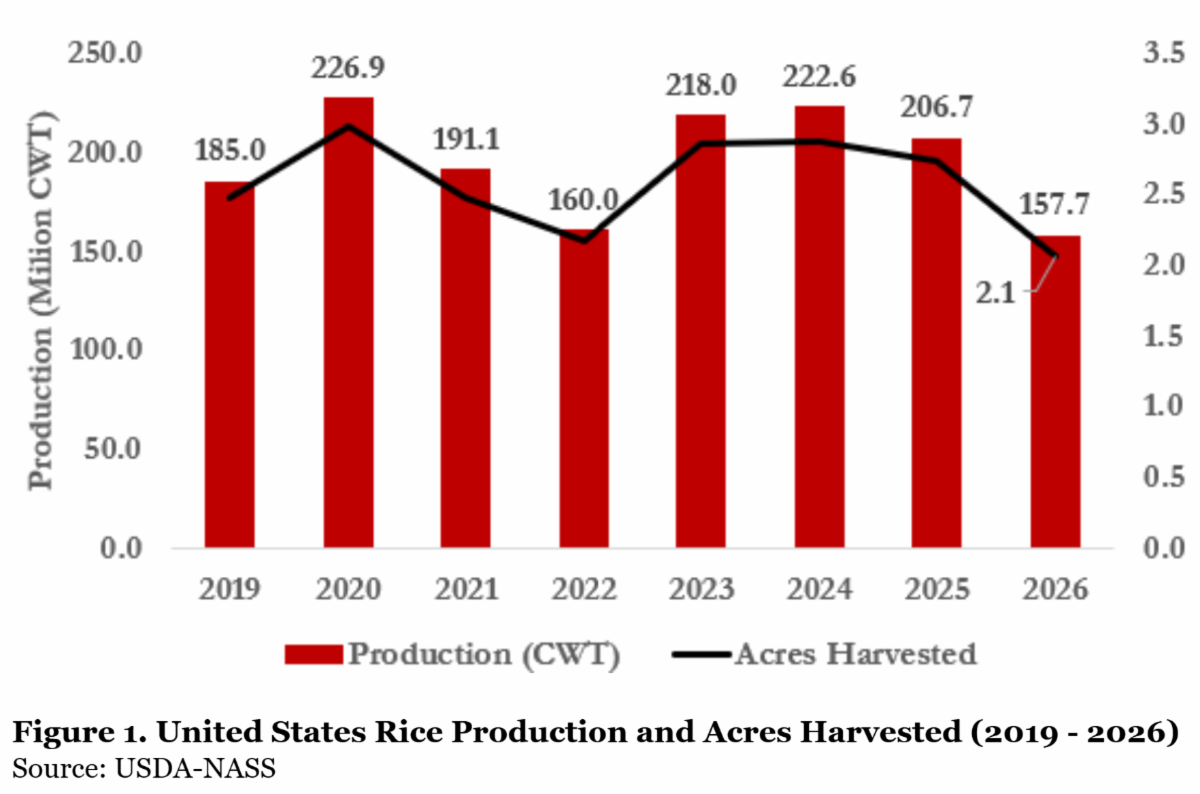
USDA's October 2026 WASDE further confirmed that the 2026 U.S. rice crop will be one of the smallest in decades. All-rice production is projected at 157.7 million cwt, down 24 percent from last year. Total rice harvested acres fell to roughly 2 million, down 25 percent from 2.74 million in the 2025/26 marketing year (Figure 1). Arkansas saw the largest decline, falling from 1.25 million acres to 886,000 (down 29% YoY). Yields partially offset the acreage loss, though, as the national average is currently forecast at 7,668 pounds per acre, up from 7,544 a year ago but down ~22 pounds from last month due to late-season conditions in the Mississippi Delta region.
| | |
With lower overall supply and use down, 2026/27 ending stocks are projected at 40.0 million cwt. The stocks-to-use ratio has tightened, which could provide some upside potential for prices. The all-rice season-average price is projected at $15.20/cwt, up from $12.40 last year. USDA raised its long-grain rice forecast $0.50 this month to $14.00/cwt, on stronger cash and futures values since harvest began.
At the same time, USDA NASS estimates the long-grain price received at just $10.70 per cwt in August 2026. The October WASDE forecast assumes prices will firm up for the rest of the marketing year as the smaller crop comes online. For Mid-South producers, a historically smaller crop, driven by fewer acres, is moving through a tighter balance sheet and pulling long-grain prices up off the multi-year lows seen earlier this year.
International Rice Update
Several factors are providing upside price support globally, among which the ongoing Super El Niño event and the conflict in the Middle East, particularly the situation in the Strait of Hormuz, are arguably the most relevant.
The ongoing Super El Niño event is providing market support because of its potential impact on rice production. For example, in India, the largest rice producer and exporter globally, the southwest monsoon season ended on September 30 with a 12.6% rainfall deficit for June-September, making it the weakest monsoon since 2015 and threatening the productivity and quality of the main Kharif crop (Government of India, 2026). As of October, the USDA projects 2026 rice production to be 4.6% lower than in 2025 (but still 4% higher than the 2021-25 average). The drier-than-usual Summer and Fall in Southeast Asia is also a concern, threatening Vietnam’s Winter-Spring rice crop (which accounts for roughly 45% of the annual production) and Thailand’s secondary crop (which accounts for roughly 20% of the annual production), and creating concerns about the yield and quality of Thailand’s main crop currently under development. The USDA projects a 1.9% and 0.4% decrease in rice production in Thailand and Vietnam, respectively, in 2026. Finally, El Niño is affecting planting progress in Mercosur due to wetter-than-normal conditions. For example, CONAB (Brazil’s National Supply Company) estimates 2026 production would be 3% lower than in 2025, while Argentina and Uruguay face potentially larger losses.
While the situation in the Strait of Hormuz affects the entire economy mainly through crude oil prices, it affects rice trade with Iraq, Kuwait, the UAE, and Qatar, which together account for around 6% of total rice imports in 2023-25. Iraq is particularly important for US long-grain rice, the third-largest export market overall, and the second largest for milled rice after Haiti in the last three marketing years.
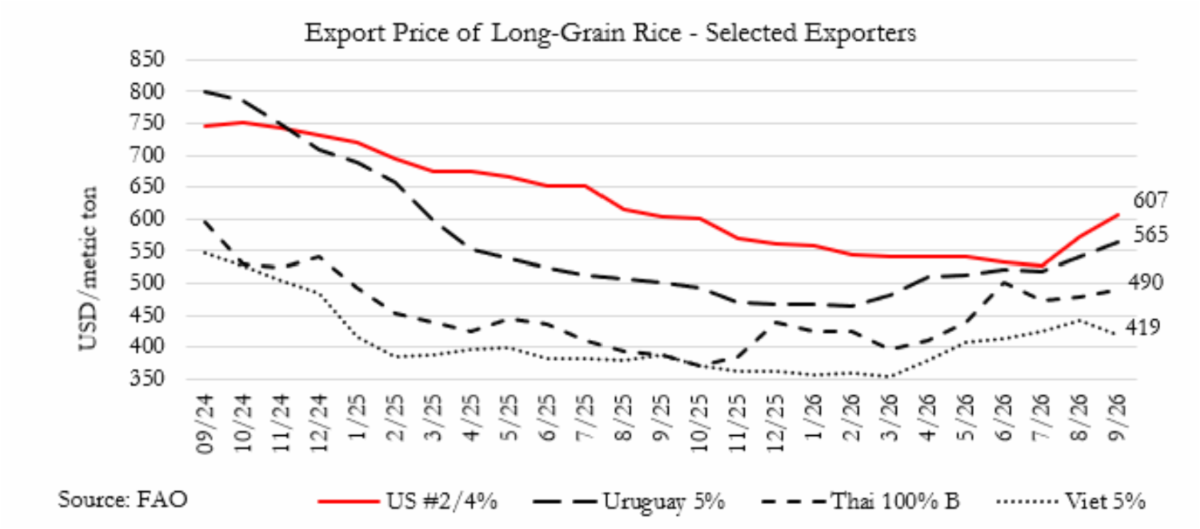
Based on the discussion above, we can infer that international market prices should remain firm in the current marketing year. The FAO indica index, which tracks export prices for long-grain rice from top exporters, grew 15% from March to September, driven by increases in the export price of high-quality long grain from India (10%), Thailand (23%), Vietnam (19%), Uruguay (17%), and the U.S. (12%) (Figure 2). Projections from the Arkansas Global Rice Economics Project (AGREP) point in the same direction, with a projected export (FOB) price for Thai long-grain rice of $453/metric ton (mt) in marketing year 2026, up from $395/mt in 2025. We project the U.S. long-grain export price (US #2/4, FOB Houston) to average $675/mt relative to $569/mt in 2025, and farm prices to reach $14.05/hundredweight in 2026.
| | |
The increase in long-grain rice prices in the domestic market is constrained by the ongoing growth in rice imports (mainly aromatic rice). According to the latest WASDE Report, rice imports this year are projected to reach 43 million hundredweight (1.95 million mt), amounting to 36.7% of the domestic long-grain market. Imports have grown 134% since 2010, and the trend is not slowing, with projections that the U.S. will become a net importer of long-grain rice (including aromatic rice) by 2035.
In conclusion, current global market conditions support firm prices in the 2026 marketing year, with a high probability of spillover into 2027 if the El Niño event lingers a bit longer. There is always the potential for policy interventions to change the price conditions (e.g., will India react to a lower production by banning exports as they did in 2023?), which can provide further upward support.
| | Beef, Small Ruminants, & Forages | | |
Genomics in Beef Replacement Heifer Selection
Mark Z. Johnson, Oklahoma State University Extension Beef Cattle Breeding Specialist
One of the most economically significant decisions we make in a cow-calf operation is that of which heifers we select to develop as replacements. Replacement heifer selection and breeding decisions are challenging and impactful. The development of replacement heifers comes at a cost of both time and money. Replacement heifers selected this fall (from our spring born calves) are 24 months from returning on this investment. The current value at which heifers could be marketed now is lost for the opportunity to be developed as a cow. The next two years to properly develop, grow, breed, calve-out and get the heifer to promptly breed back will require additional feedstuffs, prudent nutritional decisions and labor.
How do we hedge our bets to increase the accuracy of replacement heifer selection?
Genomic testing informs decisions on replacement heifer selection by predicting genetic merit and lifetime productivity. This information can be obtained early in life to provide genetic values beyond what can be surmised from visual appraisal alone. For example, genomic testing results in:
- Genetic values for hard-to-measure (unseen) traits, expressed later in life, such as fertility, pregnancy rates, teat and udder conformation, calving ease, milk production, longevity, feed efficiency, and carcass merit.
- Economic Indices combining genetic values for multiple traits into single, easy-to-use scores tailored to your herd's specific goals.
- Cost savings. With input expenses on the rise, the realistic cost of developing a replacement heifer is $2,000 or more. Early DNA screening (costing about $15 to $40 per animal available from multiple sources) provides actionable information to be used in keep/cull decisions on young heifers prior to sinking time and feed into their development.
- Confirmation of parentage and breed composition, allowing you to better manage mating decisions.
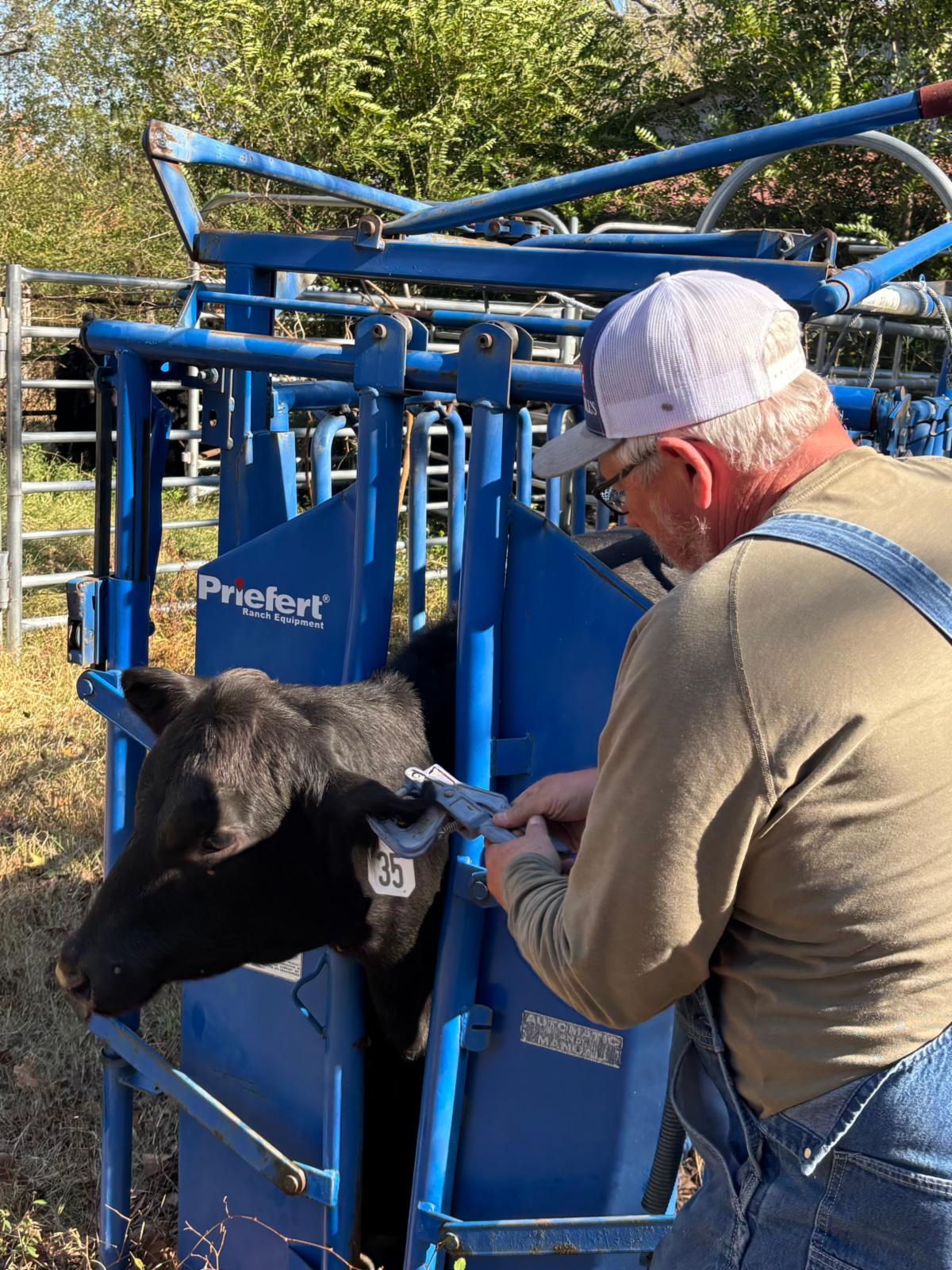
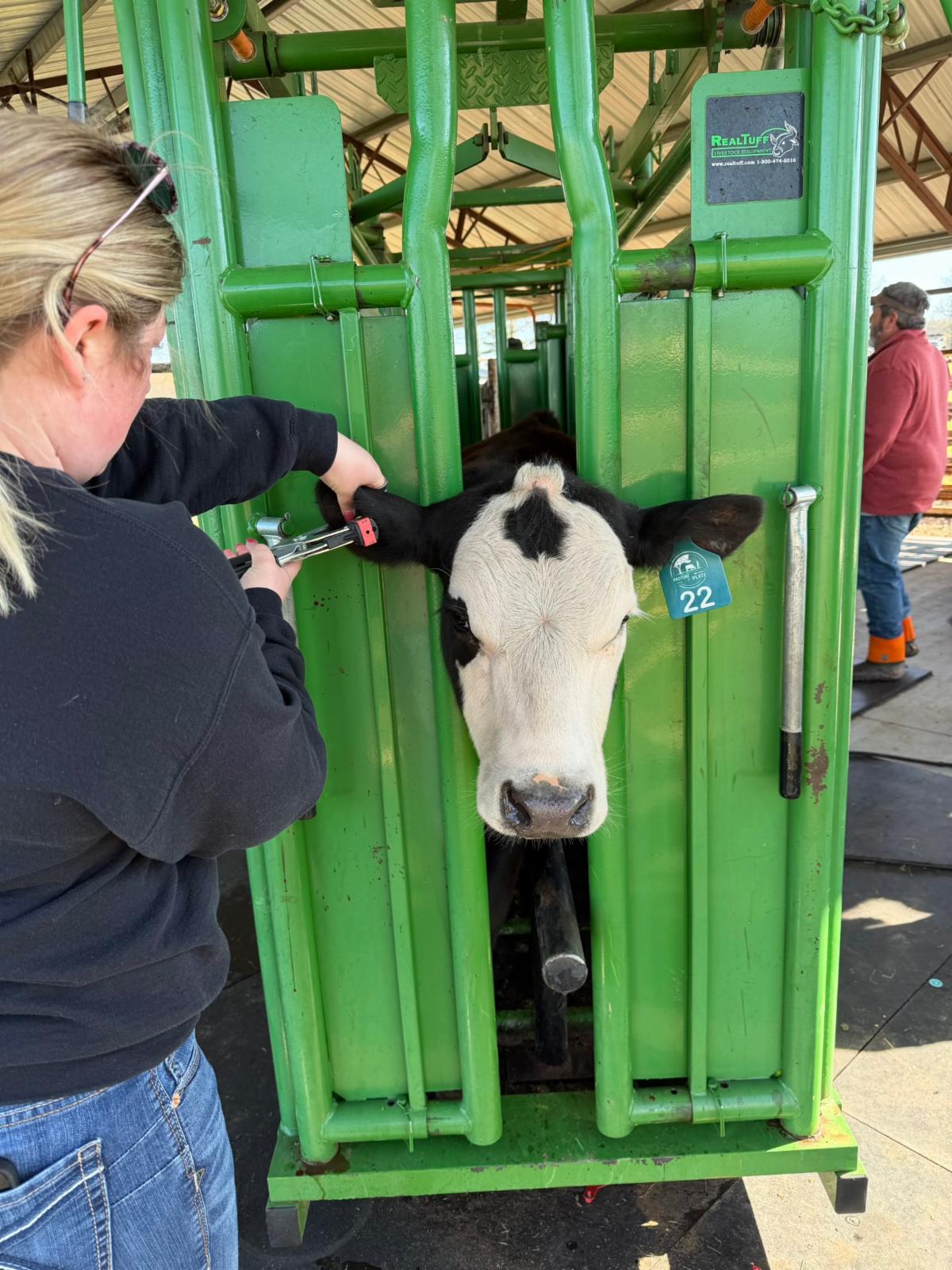
Implementation begins with sample collection. Ear tissue or blood samples from heifer calves can be collected at birth or anytime thereafter. Submit the tissue to a service provider to obtain Genomic Expected Progeny Differences (GEPDs) and Economic Indices. Combine this genetic information with traditional visual appraisal in your decision making. Solving the mystery of which heifer calves hold the most genetic potential to become productive cows now, as opposed to later, offers a greater return from your resources. Genomic testing of commercial heifers serves as a readily available and cost effective means of improving the lifetime productivity of your cowherd.
| |
|
Hay Feeding
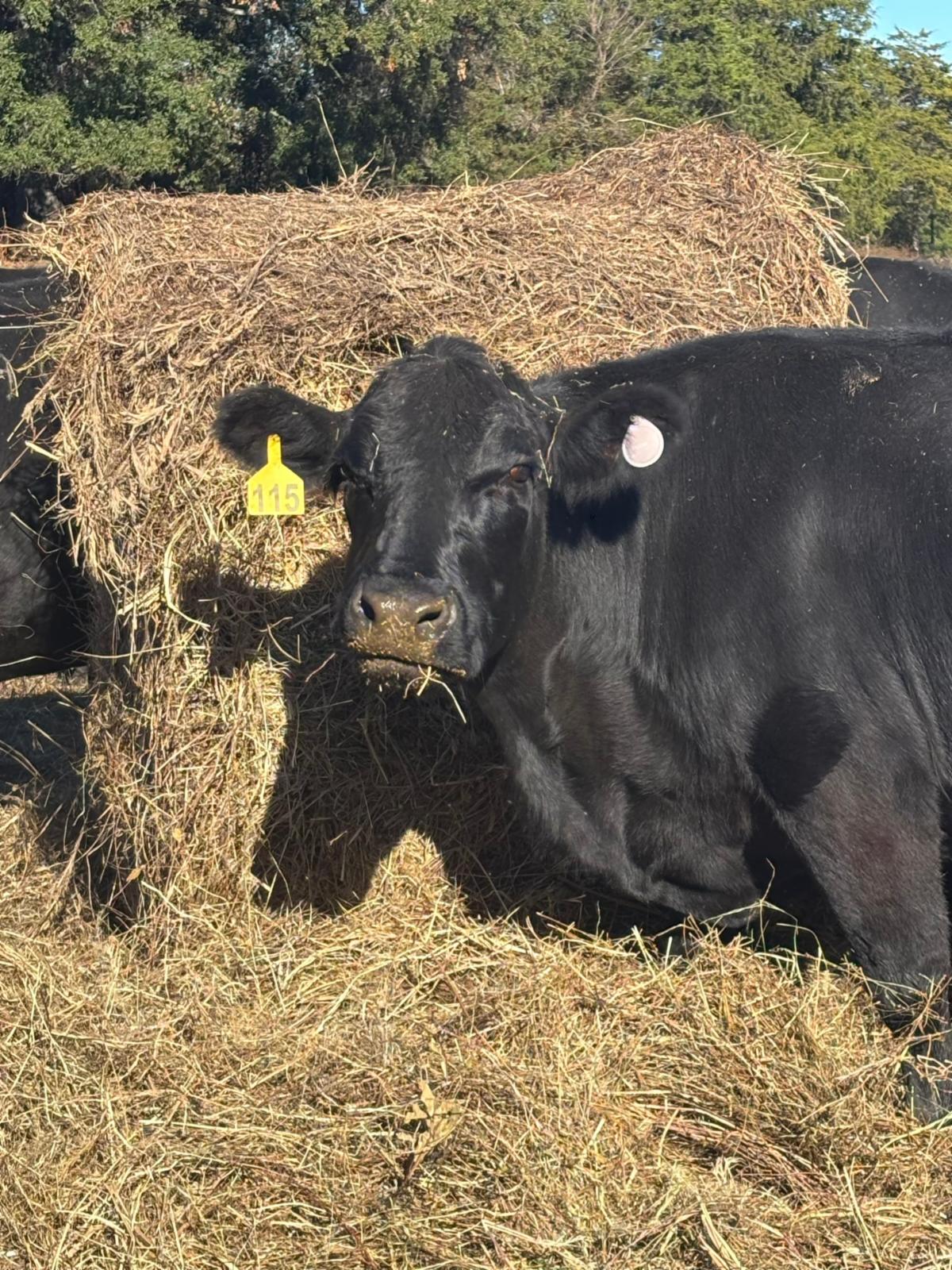
As much as I hate it we have been feeding hay for a week. There are some advantages of feeding hay in a drought though. Now is a good time to feed hay in lower areas that would usually be too wet to feed. This is a chance to spread nutrients around to those areas that usually wouldn't get it. If it ever does start to rain again we can move back up to the high areas.
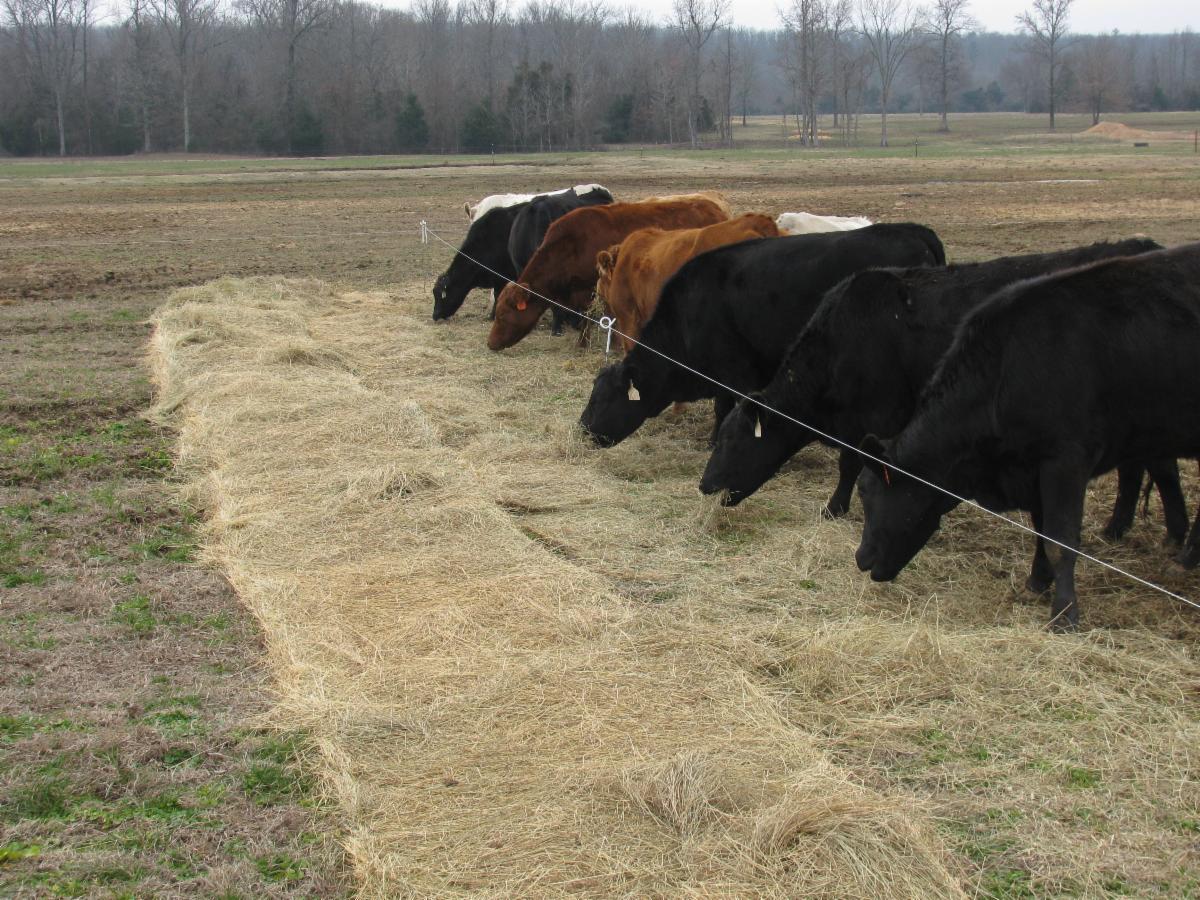
I know most people use hay rings and move them around because of the time factor, but if you can spend a little more time with your hay feeding, think about unrolling several bales side by side then using electric fence to allow the cattle to eat the hay in strips. This a good efficient way to reduce waste and your are spreading out the nutrients on more of your farm.
| | |
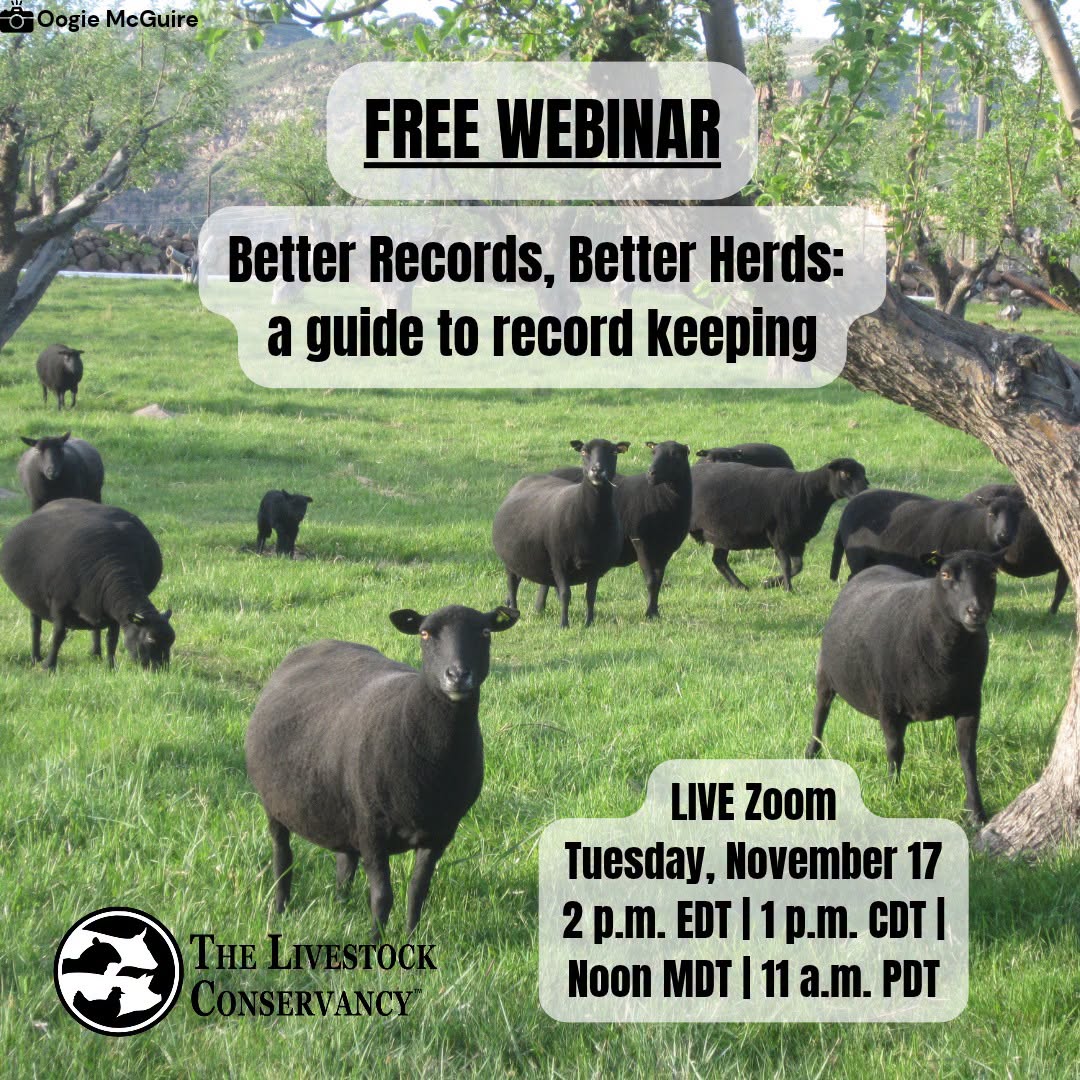
Sheep Success Series
The fourth and final meeting of our 2026 Sheep Success Series quarterly meetings has been scheduled for December 12 at the Faulkner County Extension Office. Just like the other three meetings we will be starting at 9:00 in the morning and going until 12:00. The theme for this meeting will be Finances and Marketing. We are still getting all of the speakers lined up but it should be a great one! Please call the Extension Office at 501-329-8344 and register.
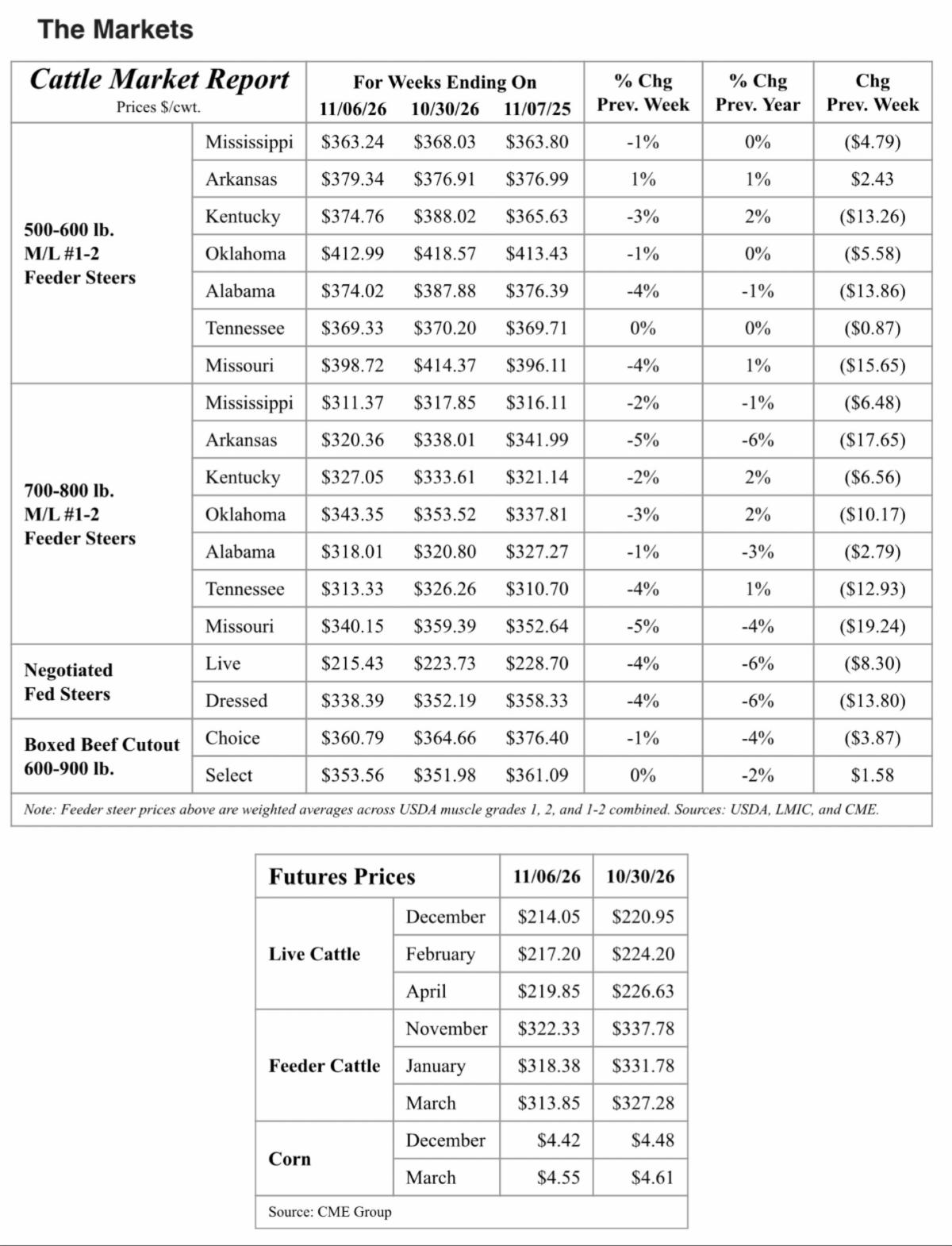
| | Here is this weeks Cattle Market Notes Weekly | | |
Livestock Market Report
The following links are for the weekly livestock market report from the Arkansas Department of Agriculture website and the Livestock Auction Dashboard from USDA. Both sites have marketing data for all livestock sold at Arkansas Sale Barns.
| | |
2025 Faulkner County Agriculture Demonstration Summary
The 2025 Faulkner County Agriculture Demonstration Summary is now available at the link below.
The 2025 Faulkner County Demonstration Summary is a collection of on-site demonstration results conducted in Faulkner County by local County Agents. Demonstrations are the cornerstone of the University of Arkansas System Division of Agriculture Cooperative Extension Service’s mission which is:
“We strengthen agriculture, communities, and families by connecting trusted research to the adoption of best practices.”
On-site demonstrations allow producers and homeowners to see firsthand how Extension recommended varieties and best management practices work in their counties and surrounding area.
| | |
Sign up for Text Alerts
You can now sign up for text alerts from me throughout the year. I have two areas you can sign up for which includes Faulkner Livestock or Faulkner Ag (Row Crop Updates). To sign up you can follow one of these links or use the QR Codes below.
| | Pursuant to 7 CFR § 15.3, the University of Arkansas System Division of Agriculture offers all its Extension and Research programs and services (including employment) without regard to race, color, sex, national origin, religion, age, disability, marital or veteran status, genetic information, sexual preference, pregnancy or any other legally protected status, and is an equal opportunity institution. | | | | |