June 2022 (214)
New Video:
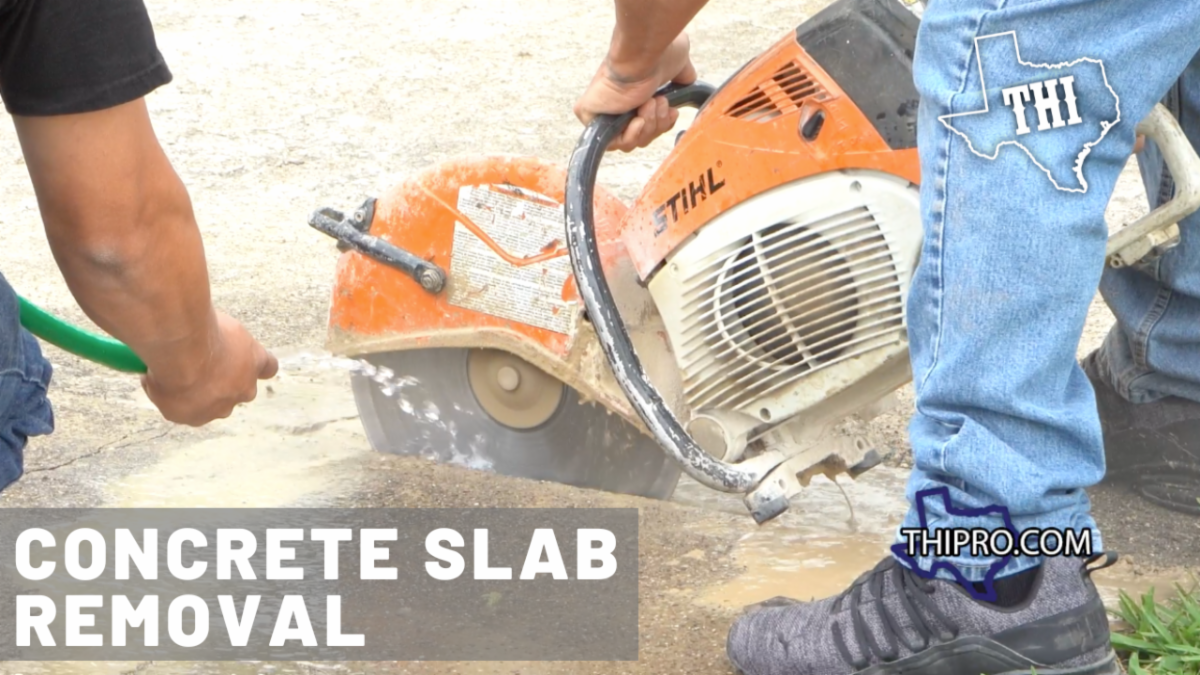
Concrete Slab Removal
When removing a concrete slab (patio, driveway, etc.) the right tools make the job. Jim's preferred tool is Stihl Cutquik saw to slice through the concrete and a forklift to remove it. With the right tools this big job can be done quickly and with minimal mess.
Your Questions -- Jim's Answers
Clearing A Clogged AC Condensation Drain Line
If a pipe in your eaves is dripping water that indicates a problem in the attic - most commonly the condensation line in the AC system is clogged. Jim describes how to clear it and prevent it for happening in the future.
Replacing Shower Tile For Bathroom Remodel
Mary is needing to replace some or all of the tile in her shower. Jim outlines the proper procedure and materials needed specifically in a bathroom.
Hurricane Season Is Here
Are you and your property prepared?
 
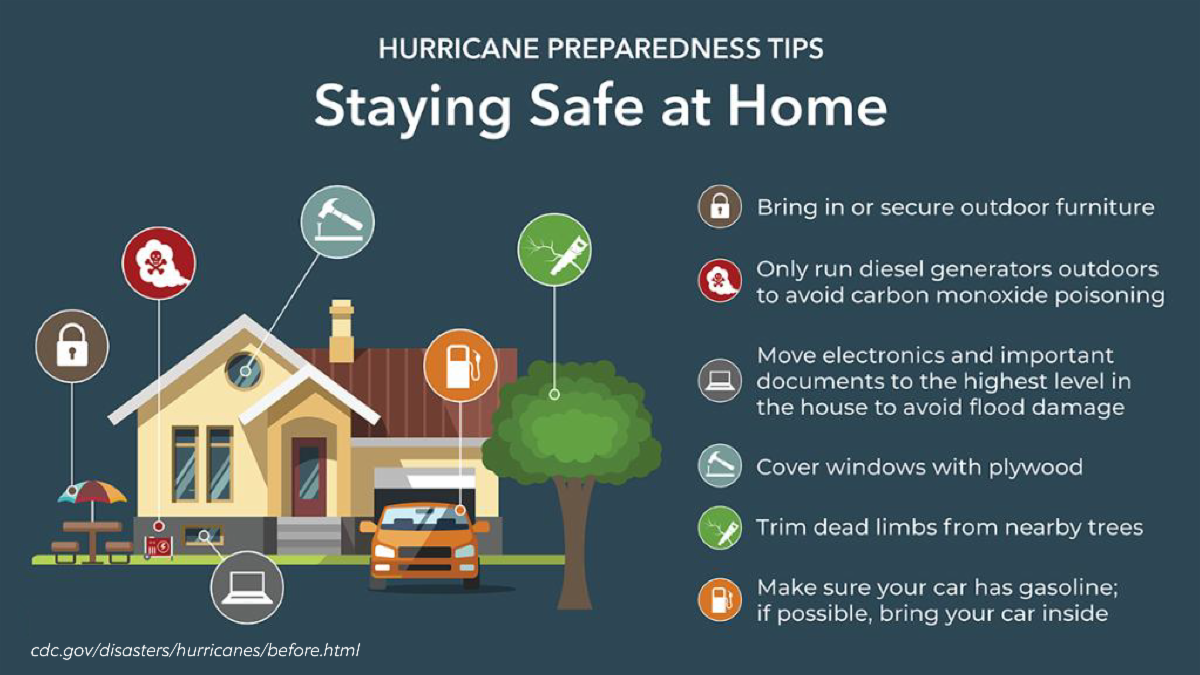
Quick list of items to review now that hurricane season is here:

  • Get the right insurance - know whether your home is in a flood zone area. If you are, consider investing in flood insurance. Your typical homeowner's policy usually won't cover damage caused by hurricane-related floods.
  • Make a complete list of all your possessions, including outdoor items. List lawn furniture, patio umbrellas, grills, tools and toys. This can help your insurance broker ensure you have enough insurance to replace any damaged items after a hurricane.
  • Confirm that your hurricane shutters are in good condition. If you do not have hurricane shutters, consider installing them. You can also replace your windows with hurricane glass. Both will provide protection from shattering glass during strong winds. 
  • Secure and seal your roof - it all starts with the roof - so get it checked and make necessary repairs or modifications.
  • Check seals on windows and doors.
  • Clear your gutters. Clean gutters can prevent damage to your home during long periods of heavy rain.
  • Remove dead or damaged trees, especially those near the house. Pick up and dispose of all limbs, sticks and other debris on or near your property. 
  • Secure/anchor porches and carports.
  • Clear the lawn – or have a plan to – walk the yard and make a list of those items that need to be stashed when a hurricane is approaching.

Remember: Your own safety is more important than protecting your home, so staying behind when others are evacuating is never a good idea.
We can't always stop disasters from happening,
but we can get prepared.
Quick Tip:
Storing Leftover Paint

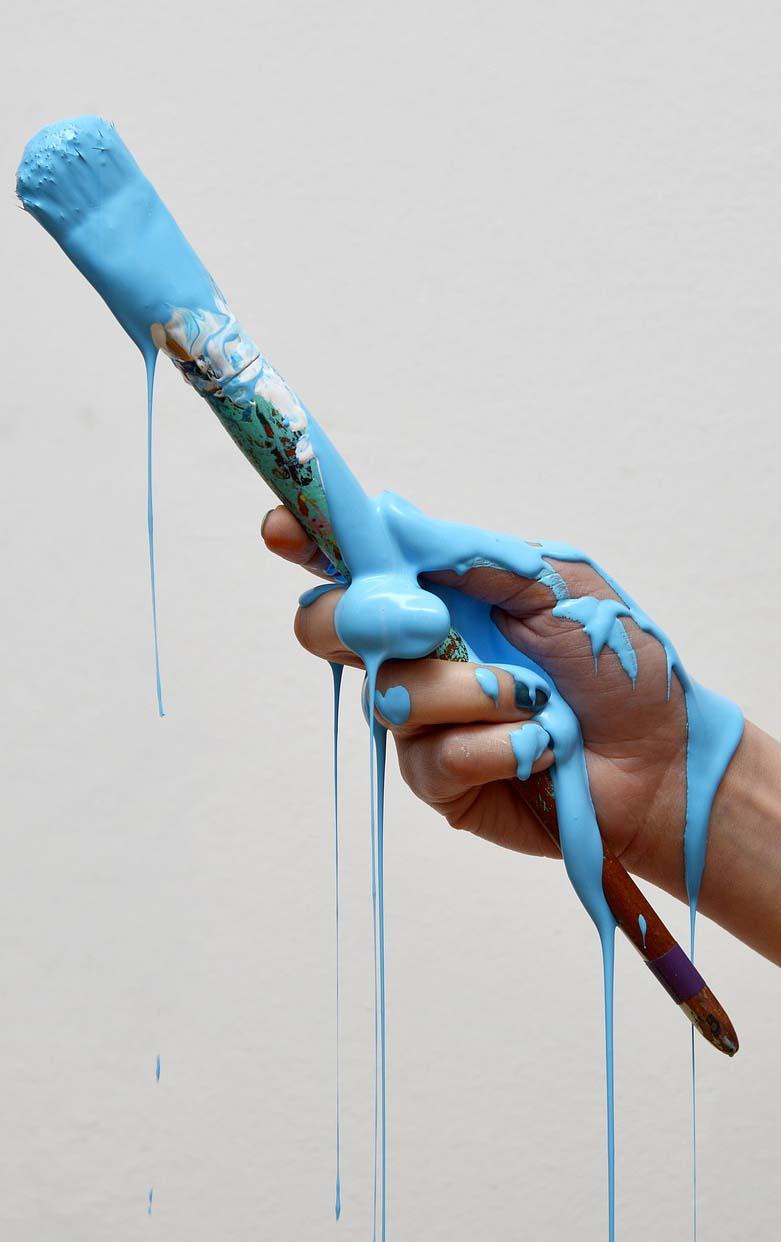
It is a great idea to save leftover paint for future touch-ups, but proper storage is imperative. To keep the water in and the microorganisms out store it in an airtight container. You can use the original can or transfer the paint to a clean jar with a screw-on lid. Keep it at room temperature. Texas heat will kill paint so don't put it in the garage or shed!
How to tell if it has gone bad? If the lid is popping up or the can is bulging microorganisms are eating the paint and giving off gas. Other signs that a paint is past its prime include a thick, rubber-like film topping the paint, or when the paint won't mix well or stay blended. 
Thanks for listening - Jim Dutton