|
PIONEER PORCH
Mackerel Fishing
Commercial fishing once played a significant role in the Bonita Springs area, providing a livelihood for many local families. As most of you know, the Weeks family was among them, along with the Johnsons, Hogues, Gants, Hamiltons and many others. The 1970s were my heyday in commercial fishing.
We kept our boats at the Hickory bridge on the north end of Bonita Beach. While we lived in Bonita rather than at Weeks Fish Camp, the spot served us well, with quick access to the bay or the Gulf. Under the bridge we could keep the different nets we needed for a quick change-out, depending on the species of fish we came across. The bridge also shaded our nets from the sun and kept them safe.
Mackerel was one of those species. I mention it because, from time to time, there was an option when you went to sell your mackerel catch to the fish house. We used VHF radios back then, and I remember Dad calling Roy Johnson at the Coconut fish house to see whether there was a price difference between “round” and gutted. At times it was just Dad and me on the boat, and I was always hoping to hear no. But usually it was yes, and if gutting paid 3 to 5 cents more per pound, we would be gutting our catch before we could go home after fishing all night.
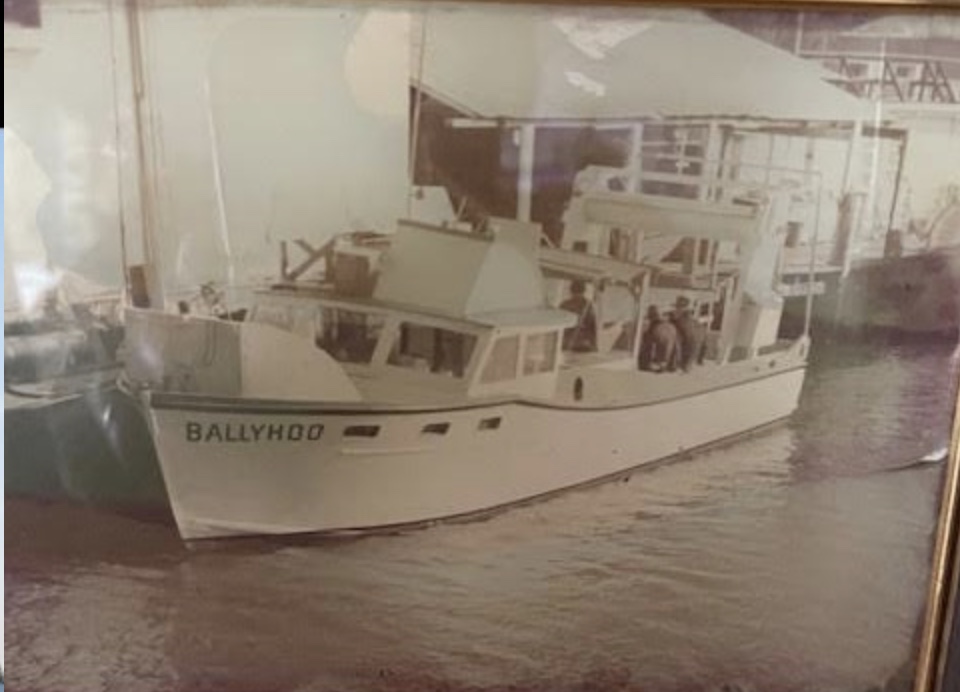
We also fished for mackerel and kingfish out of Kelly’s Fish House in Naples. That was a bigger operation aboard our 32-foot boat, the Ballyhoo, usually with a crew of two or three men. Larger catches meant more gutting, and plenty of guts for the catfish in the Gordon River.
I remember Dad yelling instructions at my brothers and me as we worked. We knew what to do and couldn’t understand why he kept yelling, so we asked our stepmother. She explained that we could only fish on weekends and days off from school. Dad yelled at us so the crew would take the hint, without his yelling at them directly and risking their quitting while we were back in school.
Before each trip, Dad bought $2 Barlow pocketknives by the case. We lined up the fish for whoever was gutting, who worked quickly and tossed the guts overboard. As we grew tired, many a pocketknife went over the side too.
On the next trip, Dad brought another case of knives and some five-gallon buckets. Puzzled, we asked what the buckets were for. In true captain fashion, he told us to toss the guts into the buckets instead of overboard. If one of his knives fell in, we were to retrieve it, empty the bucket over the side and keep going.
Guess that is why he was captain.
Jim Weeks
Director of Local History and Heritage, Bonita Springs Historical Society
|