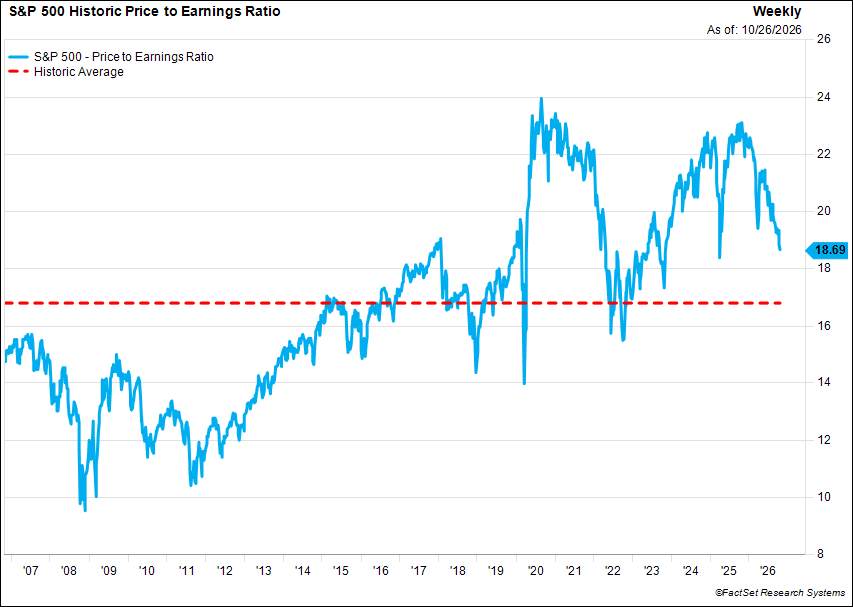
|
This material is confidential and has been prepared solely for the information of the intended recipient and may not be reproduced, distributed, or used for any other purpose or shared with anyone in any form or format. This has been prepared for you by Legacy Financial Independent Advisors, LLC (“Legacy”), an SEC registered investment advisor. The report contains information from third parties that Legacy believes to be accurate but has not independently verified, and the views expressed by these third parties do not necessarily reflect those of Legacy. Reference to registration with the Securities and Exchange Commission (“SEC”) does not imply that the SEC has endorsed or approved the qualifications of the firm or its respective representatives to provide any advisory services described on the report or that the Firm has attained a level of skill or training. The targets herein reflect analysis regarding potential outcomes, are presented solely for informational purposes and are not guarantees of future performance. Investments in securities are not FDIC insured, are not bank guaranteed and may lose value. Before investing, consider your investment objectives and Legacy charges and expenses. Legacy advisory services are designed to assist clients in achieving discrete financial goals. They are not intended to provide financial planning with respect to every aspect of a client’s financial situation, they do not incorporate investments that clients hold elsewhere, and they do not provide tax advice. Past performance does not guarantee future results, and the likelihood of investment outcomes are hypothetical in nature. Nothing in this presentation constitutes an offer, solicitation of an offer, or advice to buy or sell securities in jurisdictions where Legacy is not registered. ADV Part 2. Form CRS.
The CERTIFIED FINANCIAL PLANNER™, CFP®, and federally registered CFP® (with flame design) marks (collectively, the “CFP® marks”) are professional certification marks granted in the United States by CERTIFIED FINANCIAL PLANNER™ Board of Standards, Inc. (“CFP® Board”).
The CFP® certification is a voluntary certification; no federal or state law or regulation requires financial planners to hold CFP® certification. It is recognized in the United States and a number of other countries for its (1) high standard of professional education; (2) stringent code of conduct and standards of practice; and (3) ethical requirements that govern professional engagements with clients. Currently, more than 87,000 individuals have obtained CFP® certification in the United States.
To attain the right to use the CFP® marks, an individual must satisfactorily fulfill the following requirements:
-
Education – Complete an advanced college-level course of study addressing the financial planning subject areas that CFP Board’s studies have determined as necessary for the competent and professional delivery of financial planning services, and attain a Bachelor’s Degree from a regionally accredited United States college or university (or its equivalent from a foreign university). CFP Board’s financial planning subject areas include insurance planning and risk management, employee benefits planning, investment planning, income tax planning, retirement planning, and estate planning;
-
Examination – Pass the comprehensive CFP® Certification Examination. The examination includes case studies and client scenarios designed to test one’s ability to correctly diagnose financial planning issues and apply one’s knowledge of financial planning to real-world circumstances;
-
Experience – Complete at least three years of full-time financial planning-related experience (or the equivalent, measured as 2,000 hours per year); and
-
Ethics – Agree to be bound by CFP Board’s Standards of Professional Conduct, a set of documents outlining the ethical and practice standards for CFP® professionals.
Individuals who become certified must complete the following ongoing education and ethics requirements in order to maintain the right to continue to use the CFP® marks:
-
Continuing Education – Complete 30 hours of continuing education hours every two years, including two hours on the Code of Ethics and other parts of the Standards of Professional Conduct, to maintain competence and keep up with developments in the financial planning field; and
-
Ethics – Renew an agreement to be bound by the Standards of Professional Conduct. The Standards prominently require that CFP® professionals provide financial planning services at a fiduciary standard of care. This means CFP® professionals must provide financial planning services in the best interests of their clients.
|