Message from Mayor Lisa Brown

Progress amid funding uncertainty

In my last newsletter, I described much of the work my Administration has done over the last year in regard to our housing and homelessness response. We closed the Trent Resource and Assistance Center, a homeless shelter that the City was throwing money into, with little success to show for it. We, alternatively, opened a navigation center, which is statistically more effective, and began serving the various needs of those living unsheltered in our community through our scattered site model. We have six unique locations online so far, with two more opening soon. We also awarded affordable housing dollars to build new projects that were previously sitting untouched, and we began utilizing dollars from national opioid settlements to invest in behavioral health and substance use disorder programs.


The City of Spokane and local partners continue the tireless work to address homelessness through shelter programs, targeted case management and outreach, as well affordable housing initiatives. But the reality is that the success of many of these programs depends heavily on federal and state funding, which is now facing serious threats. 


Proposed budget cuts and policy shifts at the national level put critical resources like housing and eviction prevention services, and emergency assistance at risk. We are seeing terminations of active agreements from the U.S. Department of Housing and Urban Development and HUD intends to reduce its workforce by 50 percent, including the vast majority of workers in the Fair Housing and Equal Opportunity Division. 


We also face additional cuts due to the state's budget crisis. Here at the City, we face the reality of nearly $35 million being at risk. Without sustained federal and state support, the progress made locally could stall, leaving our vulnerable neighbors without the help they need. 

My take on a regional homeless authority

There has been a lot of discussion over the years about developing a regional authority to address homelessness. Dialogue about this model has resurfaced recently and I want to provide context to why I am not supportive of the idea as it currently stands.


While the latest proposal went dead before I was even elected, I announced early in my term that I wanted time to thoroughly evaluate the proposal. My findings showed the authority would rely on Continuum of Care dollars -- funds that flow through the City -- but there was no commitment of crucial mental health dollars, that flow through the County. 


I am also concerned that creating another public development authority would give the City of Spokane only two seats on a 14-member board and would give them control over how to allocate Continuum of Care dollars. In my opinion, this raises serious questions about accountability and oversight. I am also concerned about the proposed makeup of the board. While I believe in utilizing subject matter experts to help inform policy, they should not be responsible for the spending of tax dollars. Financial accountability is crucial and rather than handing over taxpayer dollars to a new entity, I believe that funds should be handled by local governments who are accountable to taxpayers.

Positive outcomes from regional collaboration

While we evaluate what a regional authority might look like in the future, work is being done across municipalities to put critical foundations in place. 


Just two weeks ago, the City of Spokane announced a $1.5 million proposal to invest opioid settlement funds into treatment and behavioral health funding – a proposal crafted in partnership with the Spokane County Board of Commissioners, County staff, and City staff. Spokane County has indicated its support to match City of Spokane dollars and increase investments the County already has underway. 


Over the past several months, City of Spokane staff have also been working closely with with their counterparts at Spokane County, the City of Spokane Valley, and the Spokane Regional Health District to collect critical data to help us better understand homelessness and the programs that exist to support those who are unhoused. 


We launched a new data dashboard in December and are now using that information to inform how we utilize our resources. Our latest report shows that over 7,000 people in Spokane County used a homeless service that offers a bed within the past year. While that number seems daunting, there are signs of progress. 


The data shows the number of people who have moved into permanent housing has doubled. Our records also show early support for our move to a scattered site model, which focuses on intensive case management and tailored services based on the people being served. When connected to services like rapid rehousing, we see nearly 70 percent of people move into permanent housing. That is compared to just 7 percent of people who use emergency shelter. LEARN MORE.

What I'm Working On

The City of Spokane is considering asking voters to rejoin the Spokane County Aquifer Protection Area (APA) as the measure comes up for renewal.


The APA has operated for the last 40 years, and funds are used for projects that protect the aquifer from pollution, educate about the importance of the aquifer, and provide long-term water quality monitoring and research.


Protection of our sole source aquifer is critical for the City of Spokane because we operate the largest drinking water utility in the region. The opportunity to rejoin the APA is important as we face new threats by things like PFAS and other contaminants, climate change, and increased urban activities over the aquifer. LEARN MORE.

Good News

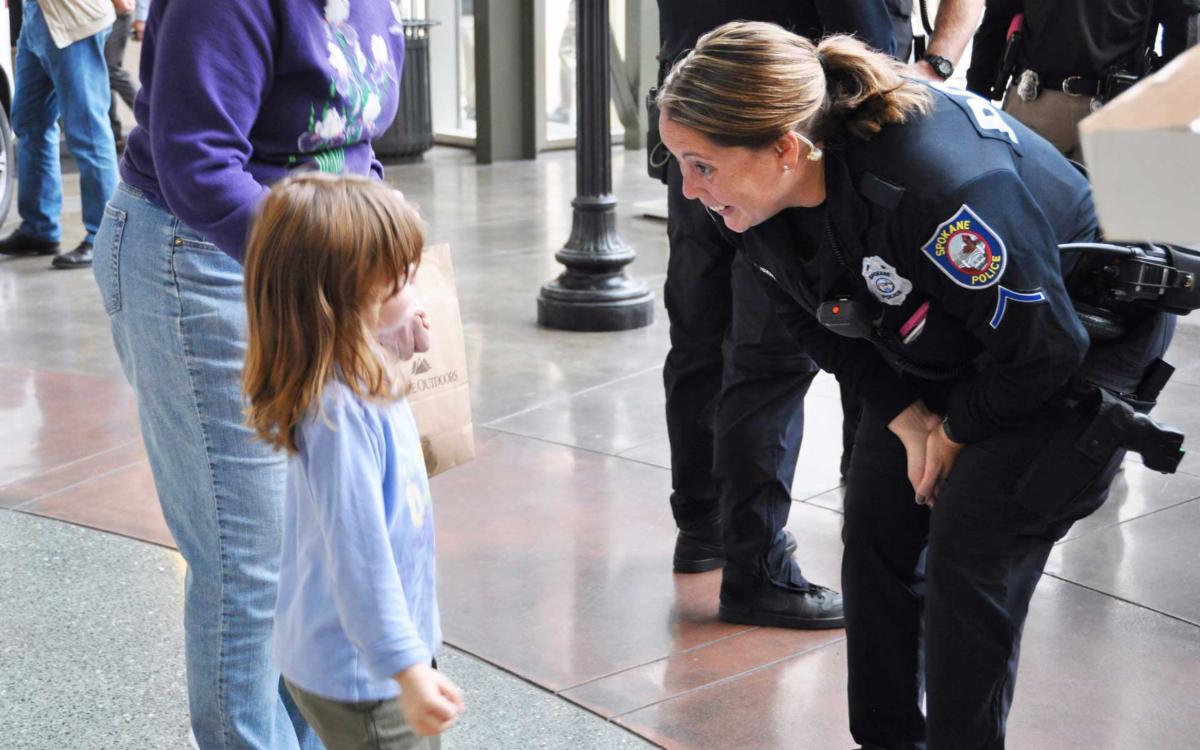
Neighborhood Resource Officers are back! Earlier this month, three Spokane Police officers started their new positions as NROs.


The NRO program was eliminated in 2023 to provide support to the patrol division. In the fall of 2024, voters passed the Community Safety Sales Tax, which was designed specifically to revive and strengthen the NRO program. This program is a direct investment in our neighborhoods and a key step toward fulfilling our public safety goals. We look forward to adding more officers to the program in coming months.

Get Involved

National Volunteer Month!


April is National Volunteer Month! Here at the City, staff are volunteering their time over the next few weeks to prep new street murals and help with river and neighborhood clean up events. Are you looking to get involved in your community? There are many ways to volunteer! Consider joining a board or commission, volunteering with Spokane Parks, or donating to the Police Chaplaincy Fund or Friends of Spokane Public Library. Interested in learning more? CLICK HERE!


Let's Connect!

Stay up to date with the latest information from my office by following me on social media or signing up for this newsletter. Follow me on X, Facebook, Instagram, and now, Bluesky!

X •  Facebook  •  Instagram  •  Bluesky

Sign up for my newsletter