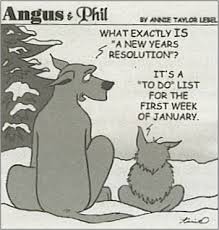
According to U.S. News & World Report, 80% of New Year's resolutions fail by the second week in February. If you're still going --- congratulations you are definitely a special snowflake!
There are lots of viable theories on the reasons behind this stat:
- We bite off more than we can chew. We may lack a way to simplify the steps, structure accountability or engage support. Often we are trying to add when it would actually be more helpful to take away.
- We rely on willpower which research has shown to be limited resource that is quickly exhausted.
- We aren't exactly sure WHY we are trying to accomplish x,y or z.
- We get caught up in the "I should" cycle. I should think, feel, act a certain way. This creates a compare and despair thinking pattern. Everyone else is smarter, better, leaner, happier than me. The negative voice inside your head may motivate for a short term, but in the long run works more against you than for you.
- We apply if-then rules. "If I lose 20lbs, then I will be happy."
- We get caught up in motion vs action. Motion is thinking, planning, learning. It doesn't produce an outcome by itself. Action is the behavior that delivers an outcome. Motion is looking into 3 gyms to join. Action is joining the gym.
- We resist when it feels like we are being deprived and we perceive it's going to be too hard.
As a result, all too often, our best New Year's (or March or summer or...) good intentions never actualize. And when we give up? We often do more harm than before. "I've blown the diet anyway - I might as well eat the whole tub of ice cream."
An Alternative Approach
Choose a word or mantra that you would like to embody for 2020.
What describes or inspires the mindset you need to move forward?
What could you use just a little more of?
We all have stories that drive our behaviors. In his book,
Redirect
, Timothy Wilson talks about editing the underlying self-stories that are currently operating. This strategy is essential in creating sustainable change. If you lose 100 pounds, but you never learn to think and behave like a thin person, that weight is guaranteed to creep back. The key is to embody, believe, think and act
now
as the person you want to be. "I want to be optimistic" turns into "I am a person with a positive outlook." What would the positive me think, choose or do in this situation?
Link that word or mantra with a new habit.