Q: Tell us about yourself, and your work.
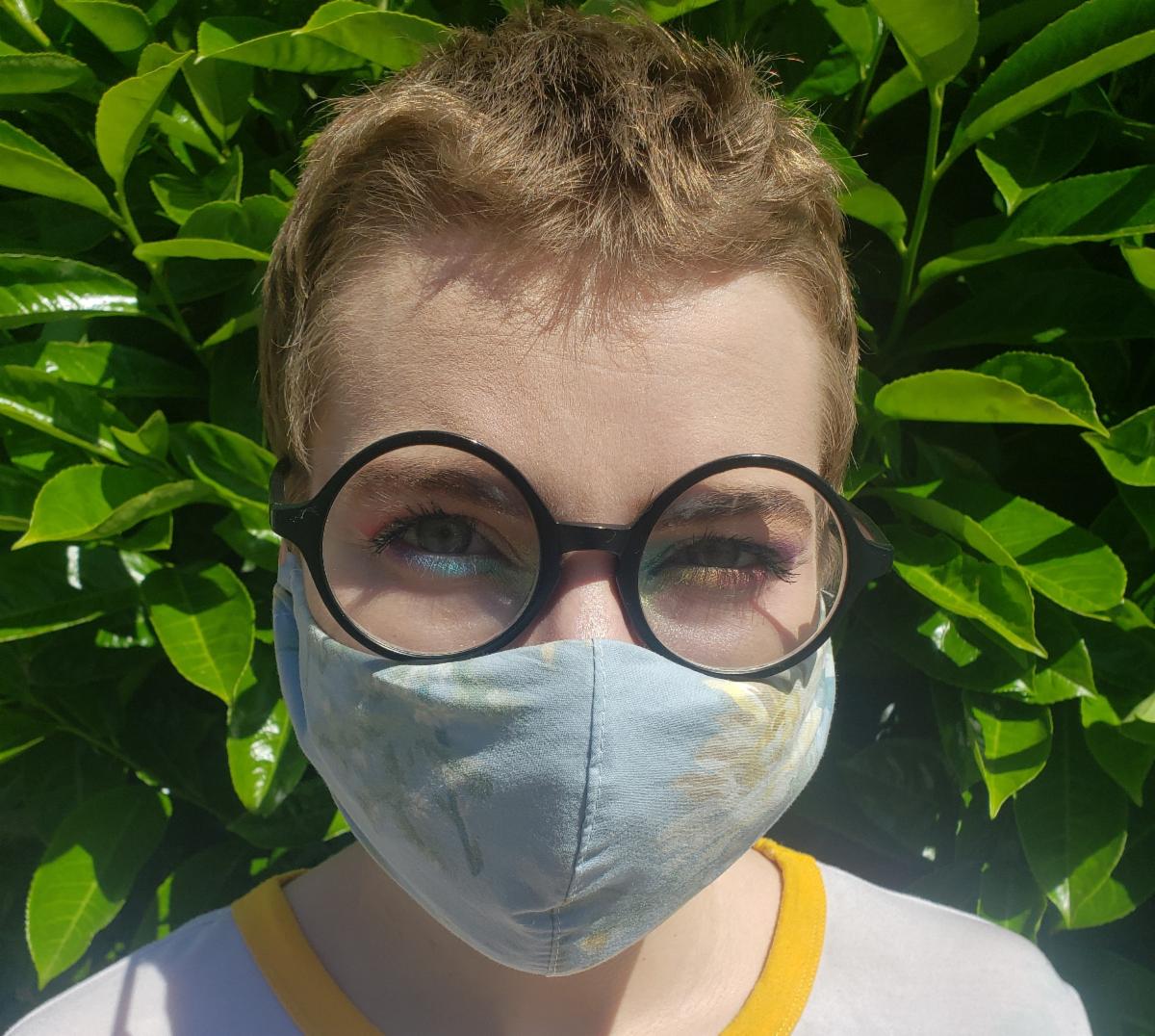
Hi! I am Summer Diegel. I was raised by a big-but-somewhat-disconnected family, mostly in Helena, MT, which is the traditional land of the Salish Kootenai (Flathead) people. I have lived in traditional Coast Salish / Duwamish land, aka Seattle, WA, for about six years. I describe myself as a full-spectrum doula because I'm skilled in offering choice and support to my clients throughout transitional moments. I meet folks in the middle of these cascading conversations in topics like reproductive care, pleasure, sex, and death! My doula toolkit and interfaith education are deepened by experiences with harm reduction and domestic-violence prevention.
I value transformative justice and abolitionist frameworks of accountability, and I welcome collaboration, feedback, and building relationships.
Currently I am the assistant director on the Board of Directors for A Sacred Passing: Death Midwifery (ASP), Co-Chair of the Access & Equity Committee for the National Home Funeral Alliance (NHFA), and of course a member of Pearl Collective PNW. Folks who want to meet, collaborate, or work together can also find my Instagram @thesunflowercycle or schedule a one-on-one or small group session with me.
Q: How did you get interested in death care?
Death didn't really come up as an interest for me; I developed harm-reduction and home health-care skills as a very young person experiencing poverty and violence. That is a story I share verbally in some spaces when I can care for my safety. For now, I will just share a little bit about my process.
For about eight years I have been working professionally in end-of-life care. I have offered care in skilled nursing facilities, assistive living communities, and independently in folks' homes. What I do has largely been in-person, physical, emotional, spiritual personal care co-created with people I care for, often things like grief support, comfort, respite care, etc.
This has shifted in the past two years. Lately, I've been doing a lot more community death work, including education, art, and advocacy, especially in the past six months as I've been working from home to practice social distancing.
Q: What do you do in your spare time?
Outside of my death-related work, I use my time for many things! I am also a sex educator and theologian. I have been teaching sex ed to peers and adults for about a decade. I also participate in interfaith activist organizing and am currently working towards my Master's of Education in Advanced Teaching for K-12. A lot of my foundational skills in consent, negotiation, and communication come from my background as a sex educator, and these intimate conversational skills are vital to offering death care.
I have been fascinated by these topics my whole life. I grew up in a deeply spiritual home. My step-dad raised us with a white, patriarchal, gospel Christian understanding of God; my mother told me that there was magic in everything, and taught me to love; and my grandmother is a Crone. I value these traditions as sacred, and I have explored, recontextualized, broken down, blended, and adapted them for who I am today. I am a playful human. I sing often and make up new words to get my ideas across to others all the time. I have this cassette tape of baby me -- maybe three or four years old -- and I am singing of dolphins and God. Nothing specific, just repetition and melody. "Dolphins annnnnnd
god!
DOLPHINS! DOLPHINS!
DOLPHINS!
and
GOD
!" And it goes on like this for quite some time. When I think of myself back then, I mean... this kid hadn't even seen
The Hitchhiker's Guide to the Galaxy
yet. I am in my room making up little prayers to myself and recording these magical moments for adult me to just drink up. I have tons of journals from throughout my life, too. Even outside of my own practice, I enjoy exploring religion and learning from others about how their cultures of ritual, prayer, and celebration make meaning for them.
Sunflower Services will be hosting a webinar & group conversation series at the beginning of August, exploring critical interpretations of spiritual texts, anti-oppressive alternatives to systems of harm in doula care, and discussing how to build accountability into doula practices. I share some really honest stories of my pain, joy, process, and mistakes. I'm hoping it'll be a welcome offering, and folks who are interested can sign up for the Sunflower Services newsletter on my website to find out more details when they are released.
Q: Do you have a favorite artist that has helped you connect with grief or death work?
Yes! So many. Mia Mingus, Leah Lakshmi Piepzna-Samarasinha, and adrienne maree brown. I am thankful for all of the femmes and trans folks in the Disability Justice Movement, which was created by Black, brown, queer, and trans members of the Disability Justice Collective founded in 2005. Gratitude especially to the creative dreamers in my own circles who come together in safe spaces to create small, intentional circles in the aftermath of serious harm and violence in our lives, including domestic violence and sexual assault.
My floral and botanical tattoos are a part of my artistic process of building safety and security in this body. Naming the gender-based violence and harm that has come to my enby, femme body -- and to continue to live within this body and heal is a spiritual act. So I guess I'm saying my favorite artists are myself, my lover, and other survivors who are just existing and creating our lives.
Q: Are there any books or favorite resources that shaped how you approach death care?
Oh goodness, there are! Let's see, I think some of the most foundational books I've read are:
- Medical Apartheid: The Dark History of Medical Experimentation on Black Americans from Colonial Times to the Present by Harriet A. Washington
- Octavia's Brood edited by adrienne maree brown and Walidah Imarisha
- The Ethical Slut: A Guide to Infinite Sexual Possibilities by Dossie Easton and Janet Hardy
I know those don't sound like they are about death necessarily, but professional death-care skills are about more than what is "topical". I also love reading the work of fiction and science-fiction authors who are vital to activist movement building, like Octavia Butler, adrienne maree brown, and Ursula K. Le Guin.
Q: Is there anything else you'd like to share?
I have witnessed both faith leaders and death professionals alike who do not know where to start regarding conversations about religion and death, whether the context is interfaith or secular. Death and interfaith community-building work is often heavily stigmatized, and it can be difficult to bring these conversations together organically.
The increased fear, rejection, and denial of death in our society uncovers a critical need to re-imagine our relationship to end-of-life care. I believe that interfaith collaboration can be key to exploring how to do that, especially in the context of systemic police and military violence resulting from U.S. imperialism and white supremacy. This is a culture that death professionals and theologians alike should be grappling over and co-creating strategies to change.
Right now, I am working in collaboration with Interfaith Youth Core to develop a toolkit and curriculum for death professionals that discuss interfaith, mutual aid, and transformative justice frameworks of end-of-life care and dying. The curriculum will bring together socio-cultural understandings, social movements, and interreligious history about end-of-life and death care. My complete project will be released in collaboration with
A Sacred Passing
and
Interfaith Youth Core
in January, 2021.