|
Food & Nutrition
HHS and USDA Release 2025-2030 Dietary Guidelines for Americans
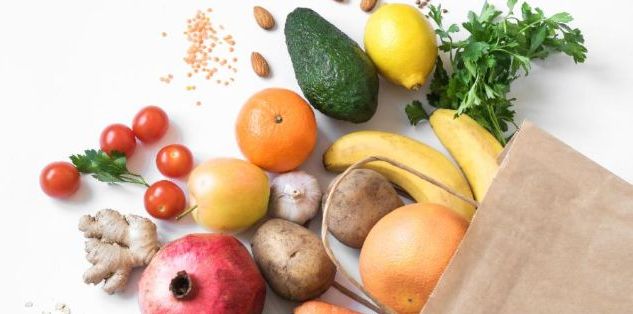
HHS and USDA released the long-awaited 2025-2030 Dietary Guidelines for Americans (DGAs), in support of the Trump administration’s Make America Healthy Again agenda. The updated Guidelines, released alongside the new food pyramid, are centered around the message to “Eat Real Food” and emphasize a shift toward whole, minimally processed foods. The Guidelines recommend increased protein intake and encourage the consumption of healthy fats from both animal and plant-based sources, including meats, poultry, full-fat dairy, eggs, nuts and seeds, and other fats such as olive oil, beef tallow, and butter. While existing limits on sodium and saturated fat are maintained, the Guidelines, for the first time, recommend limiting the consumption of highly processed foods. They also advise reducing intake of refined carbohydrates and added sugars, and recommend limiting artificial colors, flavors, preservatives, and non-nutritive sweeteners. Considerations across the life stage for infants and children, adolescents, pregnant and lactating women, older adults, individuals with chronic disease, and vegetarians and vegans are also provided. All materials and supplemental documents are available on the new HHS and USDA website realfood.gov.
In celebration of the Guideline’s release, the White House and HHS also held separate press events to highlight key updates and reaffirm the administration’s intent to “end the war” on saturated fat and “declare war” on added sugars. These events were held alongside various government officials, including HHS Secretary Robert F. Kennedy Jr., FDA Commissioner Dr. Marty Makary, and USDA Secretary Brooke Rollins, among others.
USDA Issues Memorandum Clarifying SNAP Food Restriction Waiver Retailer Compliance
USDA’s Food and Nutrition Service (FNS) published a memorandum for affected retailers outlining compliance expectations and guidance for state food restriction waivers under the Supplemental Nutrition Assistance Program (SNAP). To date, USDA has approved 18 state agency SNAP waiver requests, in which each will go into effect throughout 2026 to prohibit SNAP recipients from purchasing certain foods and beverages such as soda and candy. The memorandum details FNS policies and plans for SNAP-retailer compliance with such waivers, including guidance on which SNAP retailers must comply, online orders and deliveries, and the consequences for non-compliance. The FNS Office of Retailer Operations and Compliance (ROC) will begin enforcing state SNAP food restrictions 90 days after the state’s implementation date.
USDA Releases 2024 Household Food Security in the United States Report
USDA’s Economic Research Service (ERS) released the agency’s 2024 Household Food Security report, which presents statistics that cover household food security, food expenditures, and the use of Federal food and nutrition assistance programs. The report found that hunger in the U.S. increased from 2023, citing that overall food insecurity increased by 0.2% to 13.7% of households. The release of the report comes as USDA terminated the annual Household Food Security Report in September 2025.
CMS Announces Awards to States Under Rural Health Transformation Program
The Centers for Medicare & Medicaid Services (CMS) announced that all 50 states will receive awards under the Rural Health Transformation Program. In 2026, states will receive first-year awards from CMS averaging $200 million within a range of $147 million to $281 million. The Rural Health Transformation Program’s $50 billion in funds will be allocated to approved states over five years, with $10 billion available each year from 2026 through 2030. With this funding, many states are implementing various strategies, such as food-as-medicine initiatives, physical fitness and nutrition programs, and chronic disease prevention models. CMS project officers dedicated to each state will convene program kickoff meetings and provide ongoing guidance and technical assistance during implementation.
NASEM to Host Webinar on Use of AI to Provide Nutrition and Dietary Recommendations
The National Academies of Sciences, Engineering, and Medicine (NASEM) is hosting a webinar on January 21, 2026, to examine how to better understand the use of artificial intelligence (AI) to provide nutrition and dietary recommendations. During the event, speakers are anticipated to discuss AI use cases, such as clinical and personal uses; methods to assess data used and provided by AI; variables such as diet-related diseases or conditions; and the ethics of AI usage. Registration is open with the webinar agenda now available.
Scientific Review Examines Impact of Ultra-Processed Foods on Pediatric Health
A new study published in Obesity Pillars reviewed the impact of ultra-processed foods (UPFs) on pediatric health in the U.S. The review examined the social, environmental, and economic drivers of UPF consumption, associated health consequences, and proposed various mitigation strategies. Researchers found that UPF intake dramatically increased during early childhood, with toddlers and school-aged children obtaining 47% and 59% of their daily calories, respectively, from UPFs. Higher consumption was also linked to pediatric obesity and cardiometabolic risks such as gut microbiome disruption. The authors also recommended several strategies to reduce UPF intake, including screening for UPF and sugar-sweetened beverage consumption during well-child visits, policy restrictions on food marketing, clearer nutrition labeling, healthier school meals, and personalized family-centered dietary counseling.
|