New Project to Combat Loneliness in People 

With Spinal Cord Injury

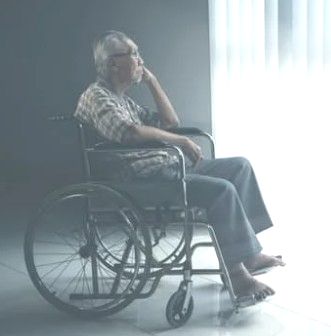
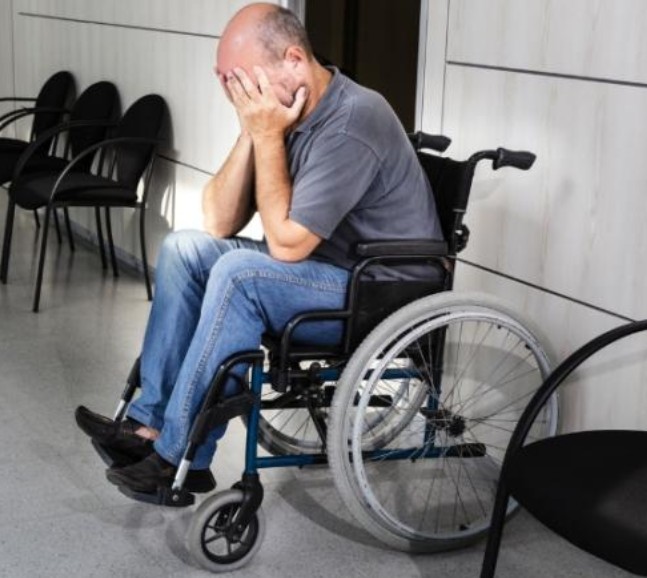
A new grant from the Craig H. Neilsen Foundation will support the development of an innovative smartphone app aimed at reducing loneliness among people living with spinal cord injury (SCI). The project is led by Alex Wong, PhD, DPhil, assistant director of the Center for Rehabilitation Outcomes Research (CROR) at Shirley Ryan AbilityLab.

Dr. David Chen Retires After 38 Years of Treating Patients with SCI at Shirley Ryan AbilityLab


David Chen, MD, has retired from Shirley Ryan AbilityLab after nearly four decades, leaving behind a nationally respected SCI program and a legacy of clinical excellence, research, mentorship and innovation. With his retirement, the Midwest Regional Spinal Cord Injury Care System (MRSCICS) National Spinal Cord Injury Model Systems Database project now transitions to a new generation committed to advancing care and outcomes for people with SCI.

Available Now: New Fact Sheet on 

Anxiety & SCI

The Model Systems Knowledge Translation Center (MSKTC) has released a new fact sheet, Anxiety and Spinal Cord Injury. Learn how anxiety can affect people with SCI; what kind of therapy is available; what you can do to alleviate anxiety on your own; and more.

Online Training on Wheelchair Skills

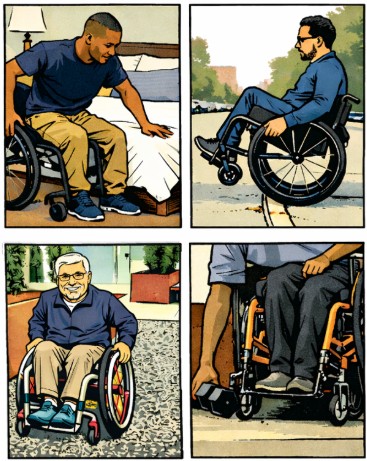
A new, web-based wheelchair skills training program is now available to support everyday mobility and independence. Developed by the University of Pittsburgh Model Center on Spinal Cord Injury in collaboration with other SCI model systems, including MRSCICS at Shirley Ryan AbilityLab, the program offers self-directed courses with step-by-step guidance, videos, photos and safety tips.


Courses cover key skills such as: maneuvering, navigating ramps and thresholds, transfers and wheelies. Available for three propulsion styles: both arms, hemi propulsion and 
both legs.

SCI Research Opportunities


Researchers at Shirley Ryan AbilityLab are recruiting participants for MENTOR, a free, 8-week online wellness program designed to support the health and well-being of people with mobility limitations. The program is tailored to each individual's goals and includes free exercise equipment; live virtual sessions with health and wellness professionals and a supportive community.


Learn more about MENTOR.


Researchers at Shirley Ryan AbilityLab are seeking current and former home and community-based services (HCBS) recipients to test survey questions designed to measure the person-centeredness of their services.


Eligible participants will complete two or more one-hour surveys online or via phone or Zoom.


Take this online screening to see if you are eligible.


INside the OUTcomes: A Rehabilitation Research Podcast

On this episode of INside the OUTcomes, we talk with Viraj, 29, about living independently in Utrecht, the Netherlands, after an SCI. Viraj shares his journey from a life-changing accident in India to intensive rehabilitation and returning to work in Utrecht — highlighting the unique support system that allows him to live independently in fully accessible housing.


Find the podcast on ⁠Spotify⁠, ⁠Apple Podcasts⁠ or ⁠YouTube⁠, and browse the podcast archive for past episodes.

The Midwest Regional Spinal Cord Injury Care System (MRSCICS) at Shirley Ryan AbilityLab is a leading center for innovative, integrated, interdisciplinary research and care for persons with spinal cord injury. It manages several research projects, both unique to MRSCICS and in collaboration with other SCI Model Systems around the nation. MRSCICS also contributes data to the National Spinal Cord Injury Model System Database, established in 1973 as a repository of data collected through the collaborative efforts of federally funded SCI Model Systems.


Read our archive for past issues of MRSCICS Matters.

Facebook  LinkedIn  YouTube

For questions or comments, email outcomesresearch@sralab.org

This newsletter is supported by a grant from the National Institute on Disability, Independent Living, and Rehabilitation Research (NIDILRR grants 90DPKT0007 and 90SIMS0015). The contents of this newsletter do not necessarily represent the policy of NIDILRR and you should not assume endorsement by the federal government.