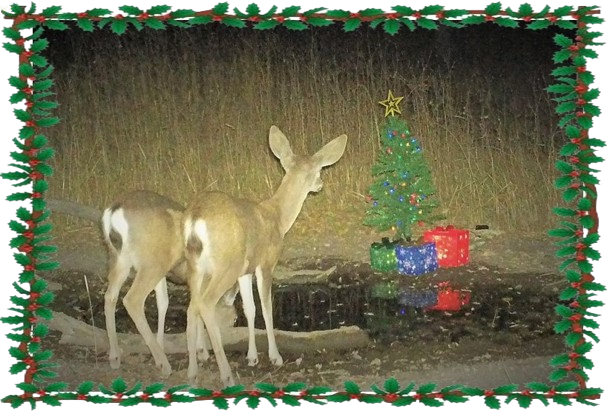
Happy Holidays

from Sedgwick Reserve!

In this newsletter:

Dear Sedgwick Community,


Some of my clearest, brightest memories of this past year are simple moments with friends out in nature-watching large flocks of tricolored blackbirds hunting on the wing, basking in the mist of a seasonal waterfall by Blueschist Trail, and breathing in the tangy smell of vinegarweed on the trails. I think these memories are vivid because nature engages all of the senses, hearkening back to when we first began to explore as children. It reminds me how lucky we are to have wild places like Sedgwick Reserve to fill us with a sense of wonder. During this busy holiday season, I hope you have moments to observe nature with all of your senses and engage in child-like wonder. 


As 2023 comes to a close, we reflect on an incredibly productive and exciting year at Sedgwick Reserve. We currently support 67 active research projects including NASA’s FireSense program (highlighted in this newsletter), advanced weather modeling research as part of a Moore Foundation grant, and multiple projects studying water stress in our region’s oaks from UC Los Angeles and UC Santa Barbara. In addition, dedicated volunteers helped us welcome nearly 900 members of the public through our gates as part of our public programs, bringing people out to experience the enchantment of hiking under the full moon, the joy of dancing alongside the 1908 barn, and the contentment of being able to identify our region's spring wildflowers. See below for more details about who came to Sedgwick in 2023. All together, we welcomed 3,632 people to Sedgwick Reserve to undertake the important business of learning from the natural world.


As we plan for another engaging year ahead, we hope you will consider supporting us. 


With warm gratitude,


Dr. Heather Constable

Reserve Director

Sedgwick Reserve's

Year in Review

As part of the University of California Natural Reserve System, Sedgwick Reserve's mission is to contribute to the understanding and wise stewardship of the Earth and its natural systems by supporting university-level teaching, research, and public service.

When we say Sedgwick Reserve 'supports' university-level teaching, research, and public service we are referring a huge range of activities undertaken by our staff and volunteers. For starters, Sedgwick Reserve has managed access, which means that we administratively and logistically assist every single group who comes through our gates. Before a group, researcher, or class ever steps foot in the Reserve, a tremendous amount of preparatory work and coordination has already occurred. Users come to us with their questions from the basic (e.g. 'Can I rent the bunkhouse?') to the complex (e.g. 'What is the best place to set up a meteorological flux tower?') and we do our best to answer them all. Many times, we are coordinating about current trail and road conditions, setting up times for projector demos in Clarke Hall, providing information about safety, and assessing the suitability of intended research in the Reserve. On the other side, there is all the work that goes into ensuring the facilities are maintained and the many miles of roads and trails accessible. There is a significant haul and cost associated with each group that comes through the gates.


Our small team clears the trails, changes the bulbs, answers the e-mails, and does everything else required to open the gates to as many users within our mission as possible in a given year. Over the last 10 years, Sedgwick Reserve has supported an annual average of 2,983 distinct users across 5,917 user days. This year was no exception. The following public groups, university classes, and researchers came to Sedgwick in 2023:

Public Use

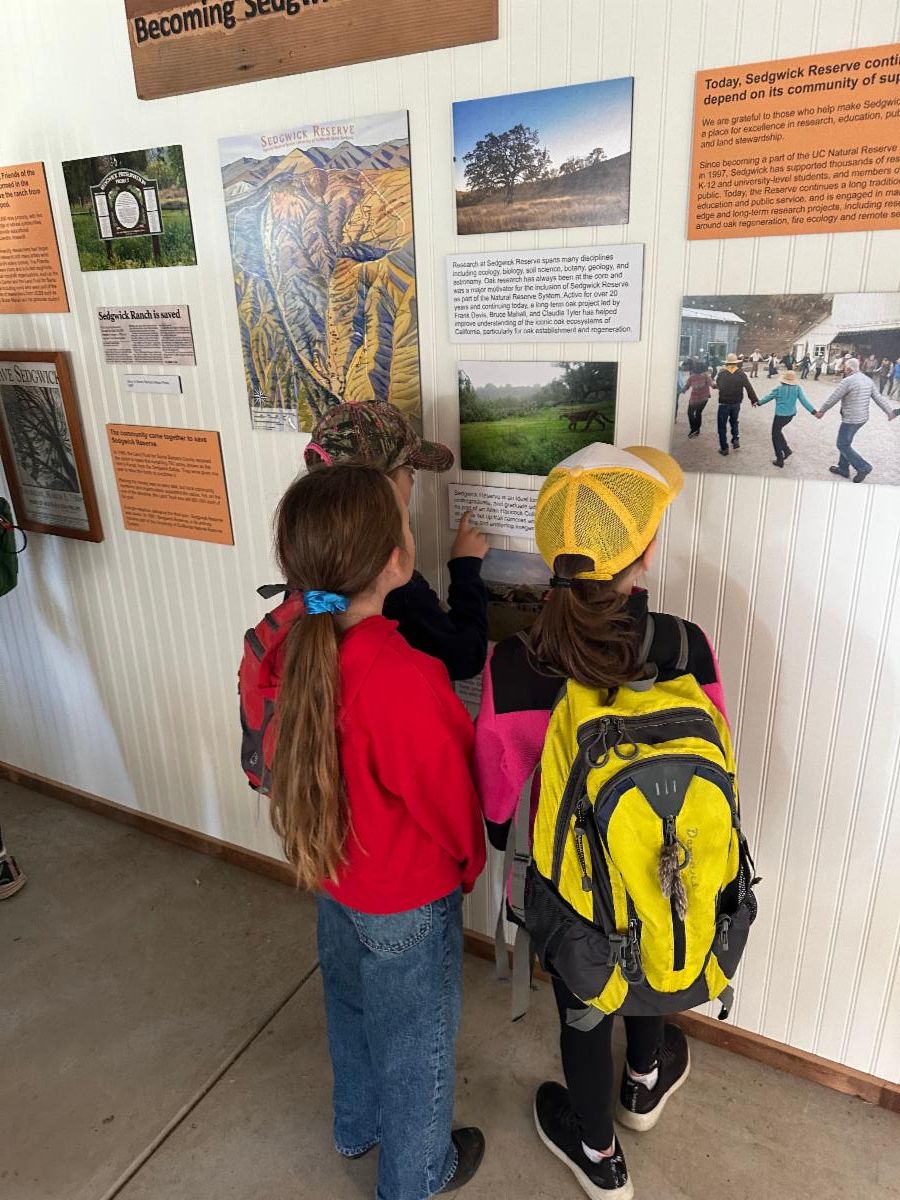
Figure 1. Students visiting the new Interpretive Center in the Barn's Tack Room

In 2023, Sedgwick Reserve supported 58 visits from University, K-12, and nonprofit groups

University Groups


UC Santa Barbara

CAPPS Center

Cheadle Center for Biodiversity and Ecological Restoration

Community Based Literacies VR Project

Faculty Emeritus Group

Film and Media Studies

Humanities/Library/Creative Studies

Interdepartmental PhD Emphasis in Environment and Society (IPEES)

National Center for Ecological Analysis and Synthesis Working Group on Food Justice

Southern California Thermal Theory

Vice Chancellor Administrative Services


UC Berkeley

Society and Environment Program


UC Davis

Hydraulic Sciences

Bird Survey


UC Los Angeles

Sork Lab

Political Ecologies Lab


California Polytechnic State University (CSU), San Luis Obispo

Physiological Ecology of Reptiles Lab


Mount San Antonio College

Astronomy Club


Santa Barbara City College

Plein Air Painting


K-12 Education


Edify Home School


Heartland Charter School


NatureTrack

20 field trips


The Family School

Nonprofits


California Invasive Plant Council


Conservation International

Global biodiversity Team


Environmental Defense Center


Fund for Santa Barbara

Grant Making Committee


Moore Foundation

Wildfire Resilience project


The Nature Conservancy

Islands of the Californias Botanical Collaborative workshop


Santa Barbara Gals Hiking Group


Santa Barbara Museum of Natural History

Quasars to Sea Stars

Winter Birding Class


Santa Barbara Prescribed Fire Training Exchange (SB TREX)


Santa Ynez Valley Natural History Society

Saving Sedgwick lecture

Serpentine along Blueschist


Santa Ynez Valley Women Hikers


Southern California Artists Painting for the Environment (SCAPE)


The Western Section of the Wildlife Society

California Condor Workshop

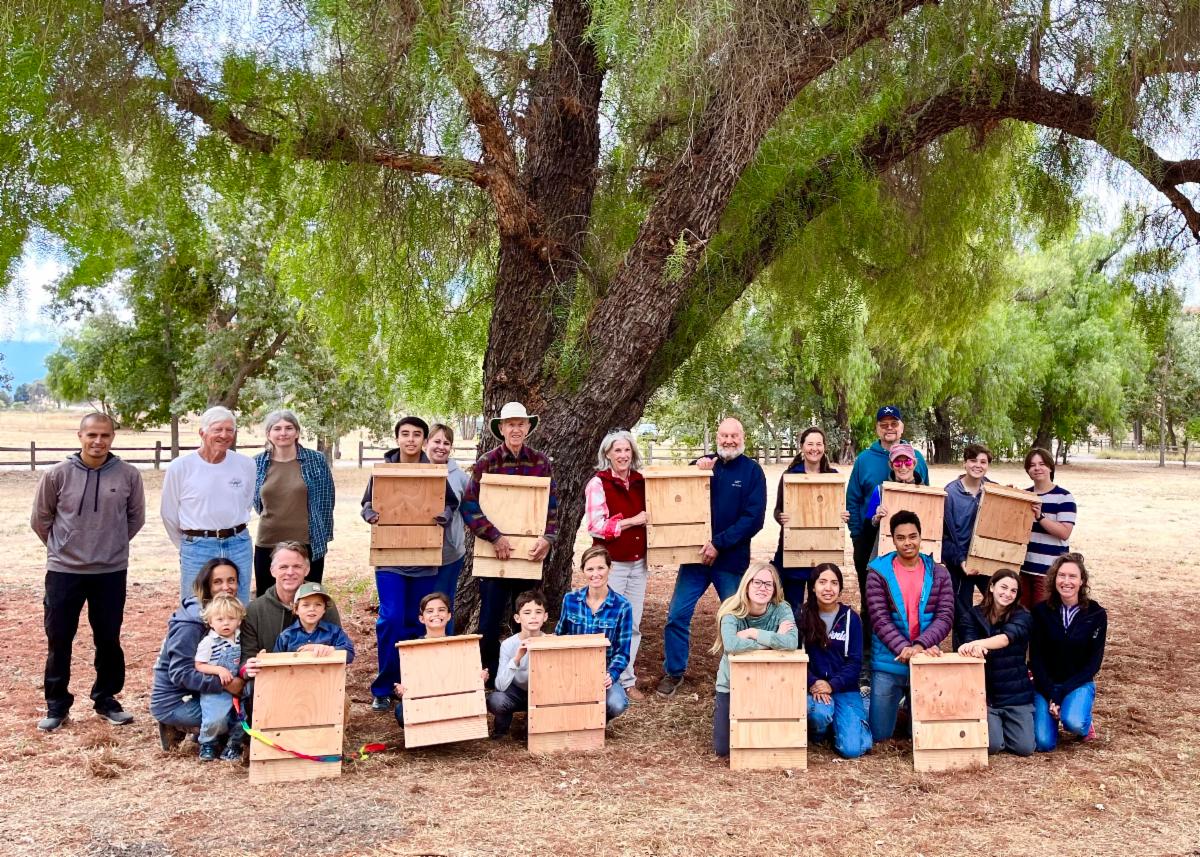
Figure 2. Participants from September's Build a Bat House Program

In 2023, Sedgwick Reserve public programs brought in 875 people and trained 29 new docents

Barn Dance


Build-a-Bat-Box Workshop


Full moon hike


Solar eclipse hike


Spring public hikes


Winter public hike

Docent training

Introduction to Sedgwick

History of Sedgwick

La Kretz and Science Communications

How to Lead a Hike

Oaks and Oak Ecology

CPR and First Aid

Geology

Botany

Wildlife

University-level Classes

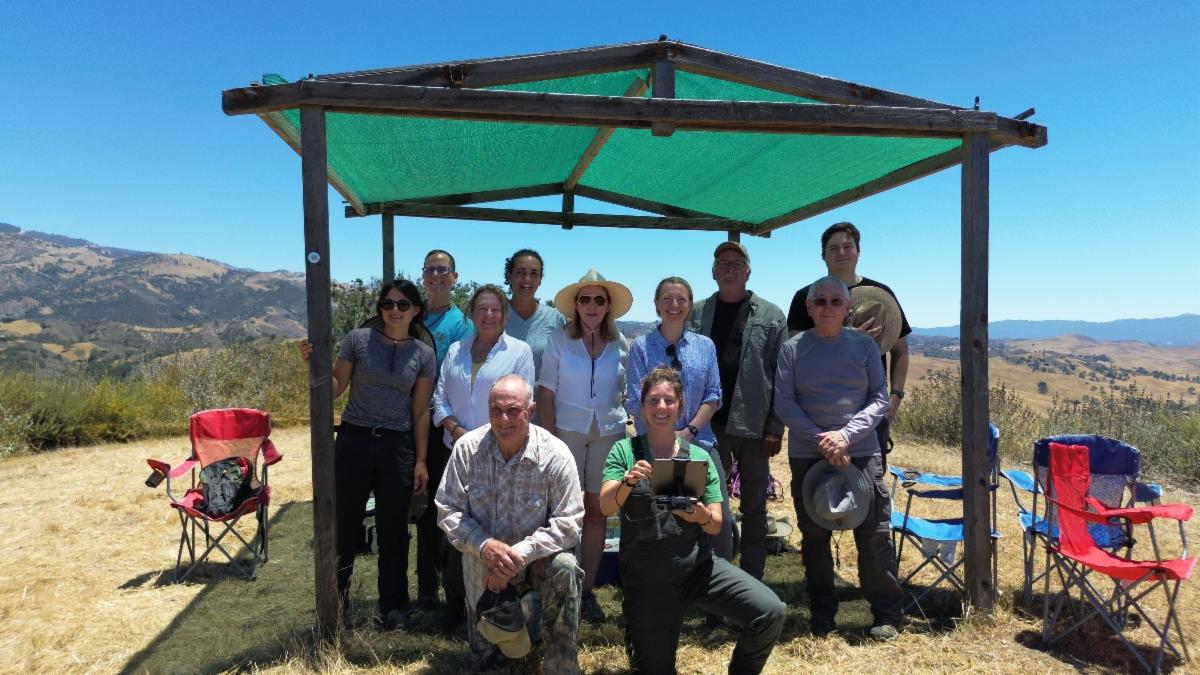
Figure 3. Students from the California Ecology and Conservation Class visit Sedgwick Reserve. This seven-week program immerses students in field research at NRS reserves.

 In 2023, Sedgwick Reserve supported visits from 13 university-level classes

Allan Hancock College

General Zoology


San Diego State University

NASA Student Airborne Research Program


University of California

California Ecology & Conservation


University of California, Los Angeles

Field Methods in Physical Geography


University of California, Santa Barbara

Biological Community Survey and Analysis

Introduction to Environmental Media Production

Measuring our Environment

Professional Writing for Global Careers

Reserve Officers' Training Corps

Soundscape Ecology

Walking Biology

Writing and the Research Process for Engineers


University of Southern California

Ecological Security and Research Design

Research

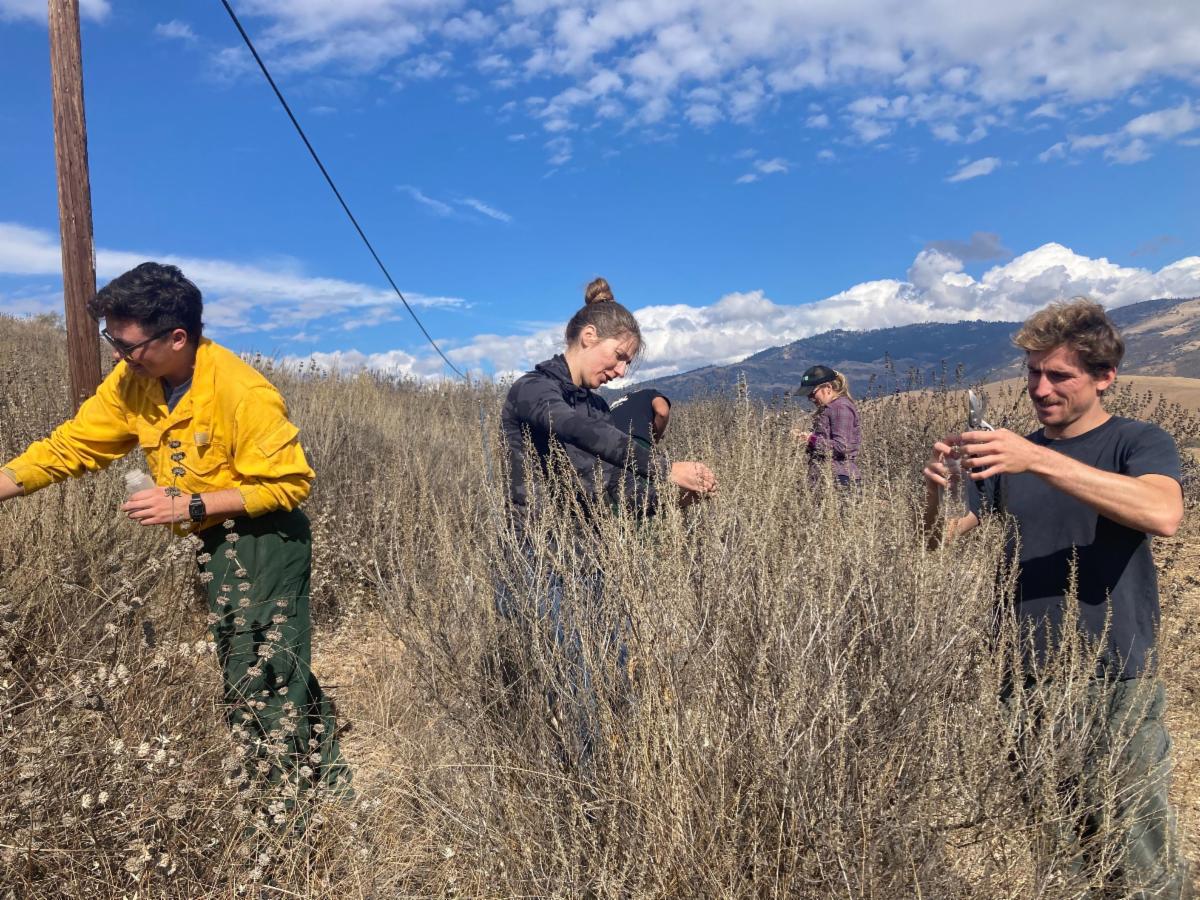
Figure 4. Fire Effects Monitors collecting plant material for measuring live fuel moisture

In 2023, Sedgwick Reserve supported 67 active research projects

"Acoustic Monitoring with AudioMoths in the SHIFT SBG Campaign Footprint to Monitor Riparian Birds"                           

Conor McMahon                   

University of CA, Santa Barbara


"Air Samples During TREX Prescribed Burn"

Michael Morrison                  

Lawrence Livermore National Laboratory


"Assessing the Determinants of Collective Behavior of Veromessor Harvester Ants at the UCSB Sedgwick Reserve"                       

Sean O'Fallon                         

University of CA, Los Angeles


"Assessing the Effects of Climate on Tick Community Composition, Infection Prevalence, and Human Risk of Tick-Borne Disease in California"   

Andrew MacDonald                

University of CA, Santa Barbara


"AVRIS-NG Plant Disease Validation"

Kaitlin Gold                             

Cornell University/Jet Propulsion Lab (California Institute of Technology)


"Bioacoustic Monitoring of Tricolored Blackbird Colonies"          

Wendy Shackowitz                 

Point Blue Conservation Science


"CALeDNA Wildfire Risk: Pre-Fire Season Soil Sampling"          

Rachel Meyer                         

University of CA, Santa Cruz


"California Ecosystem Resilience With Climate Change"            

Anna Trugman                        

University of CA, Santa Barbara


"California Insect Barcode Initiative: Snapshot Collecting"          

Austin Baker                           

Natural History Museum of Los Angeles County


"California Insect Barcoding Project"                                            

Christopher Grinter                 

California Academy of Sciences, University of CA, Berkeley


Read more>>>

Research Feature

Another Successful Prescribed Burn Brings Field and Air Crews from NASA’s FireSense Project to Sedgwick Reserve

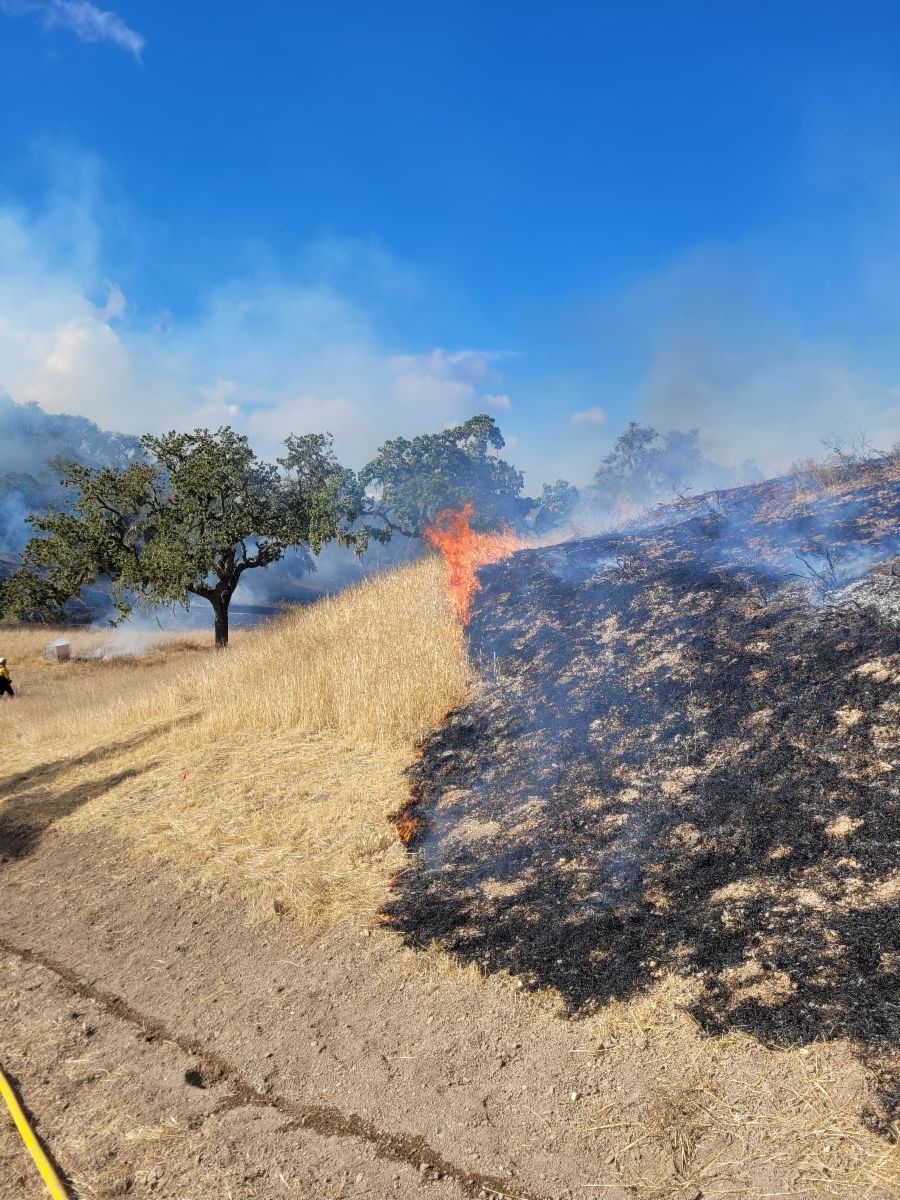
Figure 1. The prescribed burn moves slowly down the slope burning mostly non-native  annual grasses in the southwest corner of Sedgwick Reserve.

Sedgwick Reserve - with collaboration and support from The Nature Conservancy and many other collaborators (listed below) - hosted its second annual Prescribed Burning Training Exchange (TREX). The overarching goals of the prescribed burn were to reduce wildfire risk near neighboring properties, facilitate fire research, steward the land and educate the community about the use of “good fire.” The week-long TREX provided a wonderful hands-on training opportunity for participants to learn fire management and preparedness and achieve community objectives. 


The prescribed burn occurred in the southwest corner of the Reserve and burned about 20 acres of oak woodland, annual grasslands, California sagebrush (Artemisia californica), and purple sage (Salvia leucophylla).  Read full article>>>


An Opportunity to Support Sedgwick Reserve

Supporting all of Sedgwick Reserve's diverse users takes a lot of communication. Sedgwick Reserve is in need of modernized communications systems that will keep us connected across the remote and rugged environment of the Reserve and through power outages. With your support, the Reserve could purchase several essential items, such as:


  • A backup generator to maintain connectivity in power outages


  • Integration of satellite cellular networking (E.g. Starlink) to enhance the reliability and accessibility of communications across the Reserve


  • High-powered, long-range, very high-frequency radios for communication across the Reserve to provide staff with immediate access to police reports and weather data


Expanding our communications systems will significantly enhance our ability to monitor the environment and provide critical information to inform our decision-making capabilities. Radios can be used to communicate when researchers are going deep into the reserve, when staff are working in remote areas, during our public hike days, and during power outages. Modernized communications systems at Sedgwick will also benefit the growing research initiatives and programs at the Reserve that rely on strong communications and dynamic partnerships such as the Prescribed Burn Training Exchange (TREX).


Please consider investing in our communication systems today! Your generosity will help ensure that Sedgwick Reserve continues to be a landscape of excellence in science, education, and land stewardship. 


We extend our heartfelt thanks if you have already made your year-end gift.

Give to Sedgwick Reserve Today