|
Deep in the land of the hollows an’ creeks
If’n you git lost you git lost for weeks
Listen to the tale of a man who got lost
A hundred feet under the winter frost
—Ballad of Floyd Collins
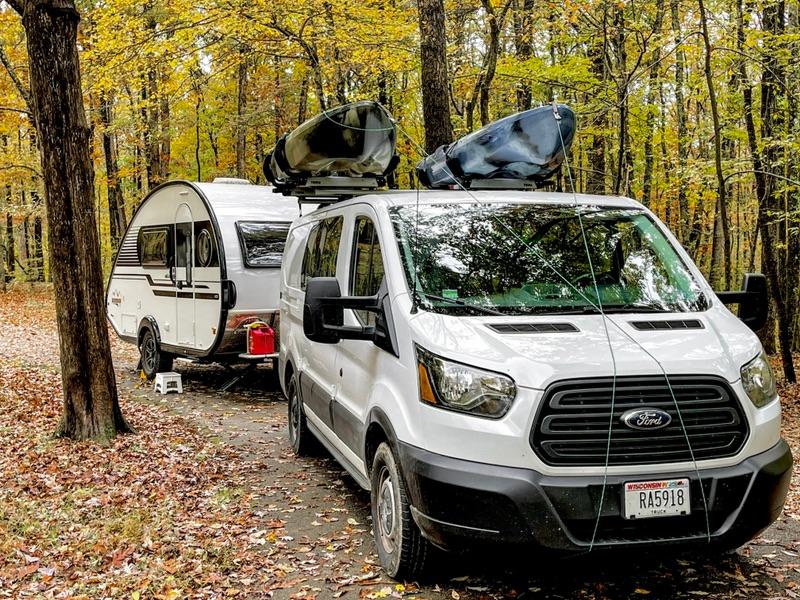
When we left Fenton Campground at 8:30 am, there wasn’t one stray cloud to screen out the glorious yellow orb that had abandoned us for three days. We donned our sunglasses, put the van’s visors down, and headed east, straight into the sun’s power.
By the time we reached Bowling Green, the elusive sun had again vanished. Drat! It was great while it lasted.
Bowling Green seemed to exist solely for Western Kentucky University. The football stadium was colossal. Campus buildings stretched for blocks. All the finest old mansions were folded into the campus.
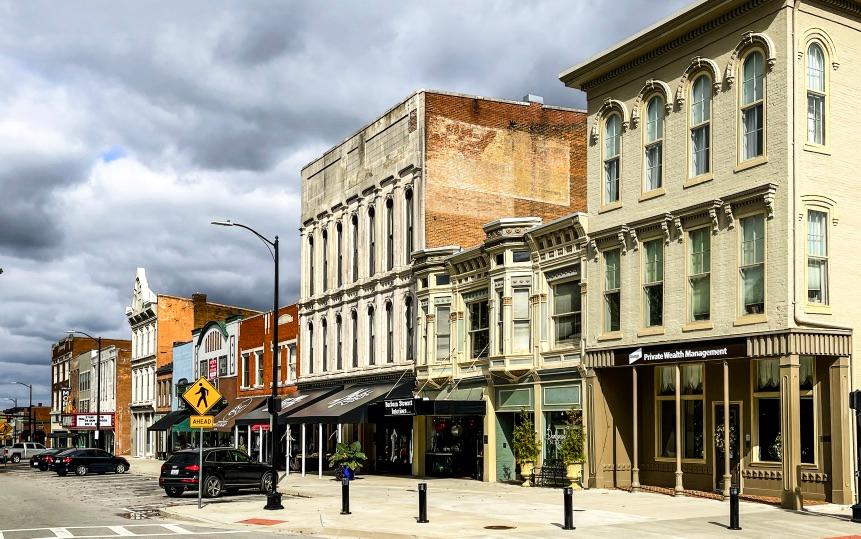
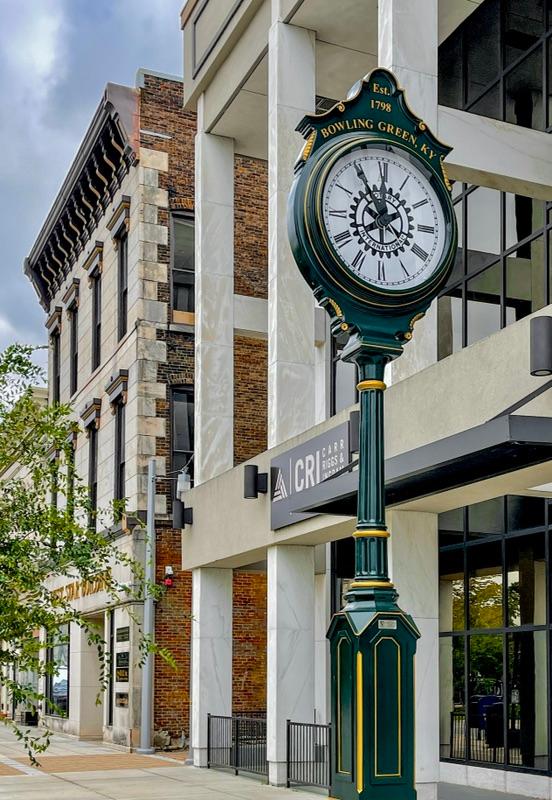
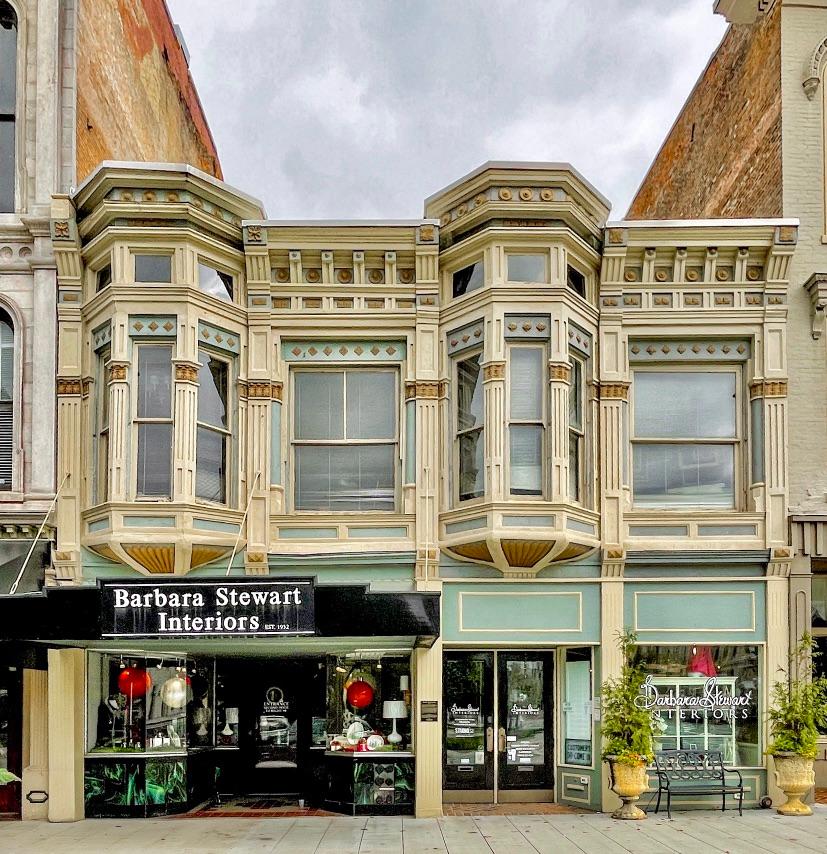
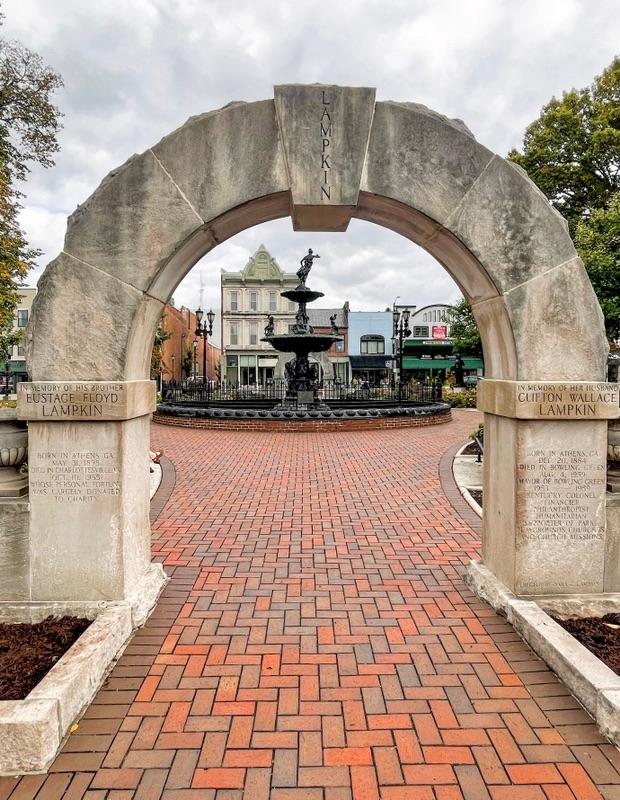
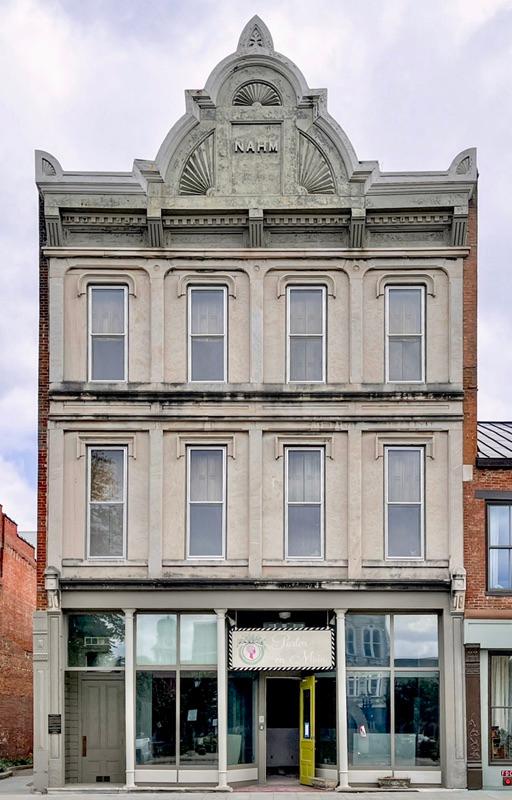
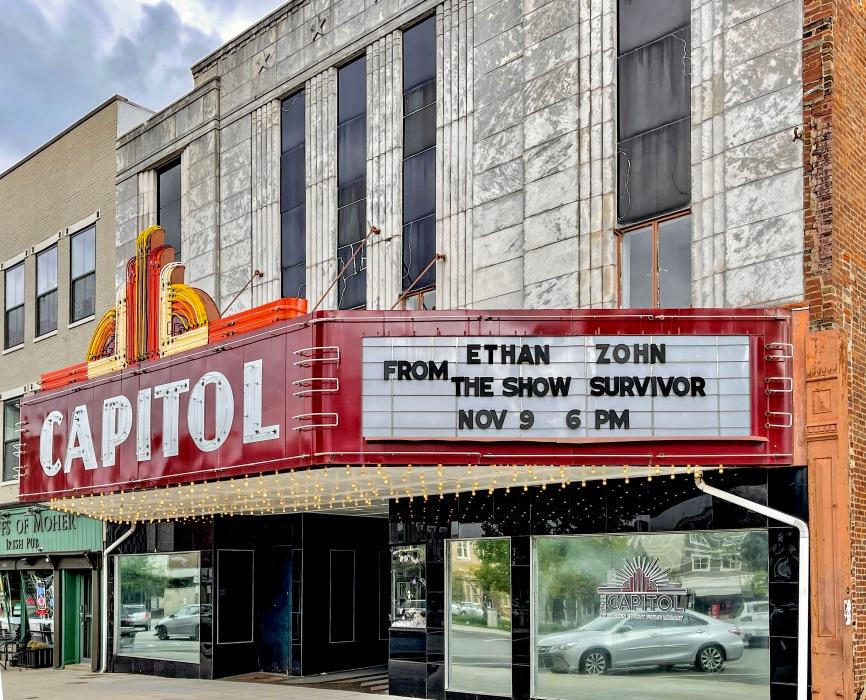
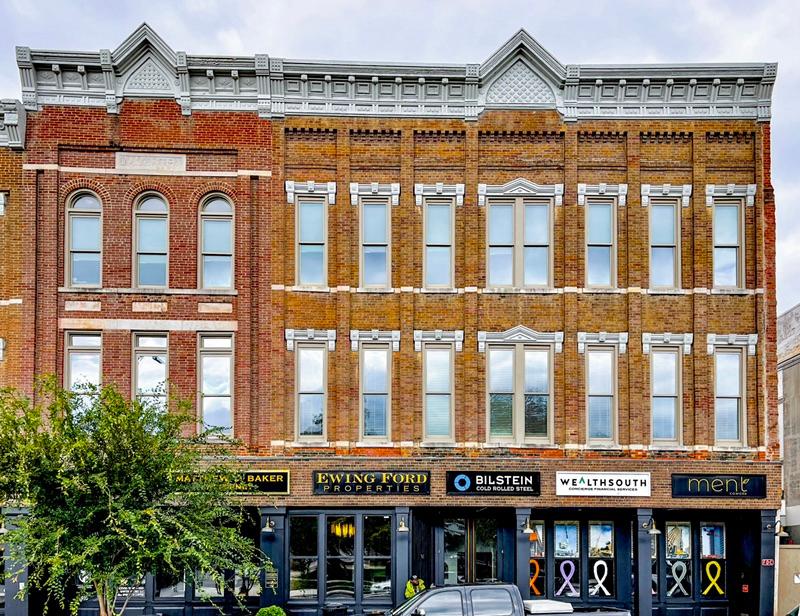
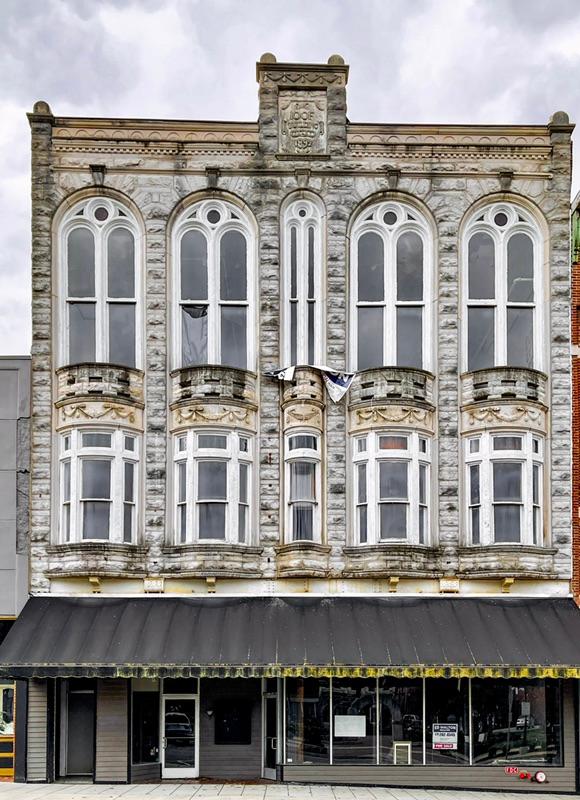
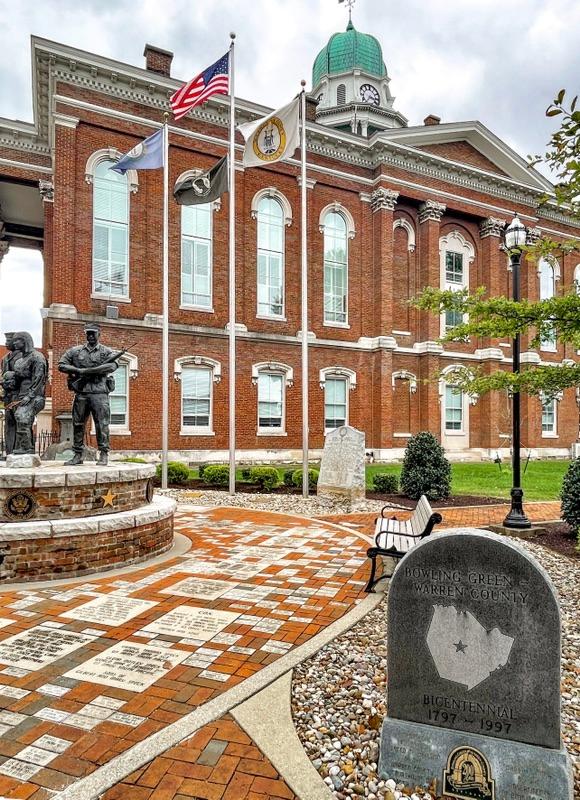
I was expecting the rest of Bowling Green to be equally lovely. On this, we were a bit disappointed. Downtown had a nice layout - a big square of buildings surrounding a large park in the middle. Most of the store buildings were ordinary, and many were abandoned. The rest of the city had that “past-its-prime” industrial appearance.
I have to say that western Kentucky has wholly embraced its brief Confederate past. Both Abraham Lincoln and Jefferson Davis were born in Kentucky. I do not know if Lincoln’s birthplace is celebrated here, but Jefferson Davis’ birthplace is. We drove by a monument that could have been the Washington Monument’s twin brother. Sure enough, it marked Jefferson Davis’ origins with all the glory afforded to George Washington.
Kentucky began the Civil War as a neutral state. Early in the conflict, the Confederates violated that neutrality by crossing the border with an army. In retaliation, Kentucky joined the Union.
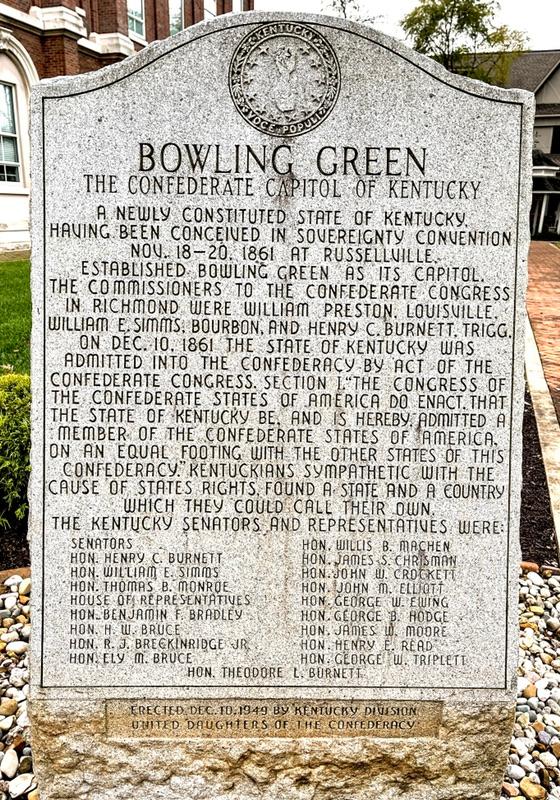
Western Kentucky, however, continued to harbor Confederate sympathies. A shadow government was established in Bowling Green and petitioned Jefferson Davis to be included in the Confederacy. Davis, knowing how iffy the shadow government was, reluctantly relented, and an extra star was added to the Stars and Bars in December 1861. Confederate General Sidney Johnston headquartered his army in Bowling Green to give this extra-legal government some legitimacy.
When Fort Donelson fell to Grant in February 1862, Johnston took his army and skedaddled. That was pretty much it for Kentucky’s Confederate flirtation. There were some battles in Kentucky as the South occasionally contested the state, but it remained Union.
In all, 60,000 Kentuckians joined the Confederate army. 120,000 joined the Union Army. Another 25,000 Kentucky Black men joined the Union effort. Still, Bowling Green has several plaques celebrating the city’s brief stint as Kentucky’s Confederate capital. Not one mentioned Kentucky’s stronger and more official Union affiliation.
|