Every city in New Jersey with combined sewer overflows (CSOs) was required by the New Jersey Department of Environmental Protection (NJDEP) to evaluate options for reducing CSOs by July 1, 2019. Each of those evaluations of potential strategies, called “Development and Evaluation of Alternatives Reports,” has beenpublished online by the NJDEP.
The Sewage-Free Streets and Rivers Campaign is summarizing several of those reports into shorter fact sheets which will be posted on this web site.
Additional fact sheets will be posted in the coming weeks. If you do not see a fact sheet for your community and want us to create one, please email info@sewagefreenj.org.
Sewage-Free Streets and Rivers partners reviewed all of the Development and Evaluation of Alternative reports from a community and quality of life perspective to ensure that communities have access to waterways and benefit environmentally and economically from these plans. Here are the comments that we submitted to the New Jersey Department of Environmental Protection on August, 23 2019. Learn more.
The Sewage-Free Streets and Rivers campaign seeks to fund partner organizations to conduct public outreach and education in targeted communities to teach families and small businesses about the impacts of combined sewer overflows, opportunities for community input in the development of solutions, and the benefits of green infrastructure. Learn more.
Onondaga County, New York, found itself in an exciting position in 2012. Struggling, as many cities and towns are to reduce CSOs, Onondaga county was going to use an all-gray infrastructure approach, until Joanie Mahoney, then County Executive, stepped in to recommend a newer approach to the issue in the form of green infrastructure. As part of its Save the Rain program, Onondaga hit the ground running and installed green solutions. Learn more here. Learn more.
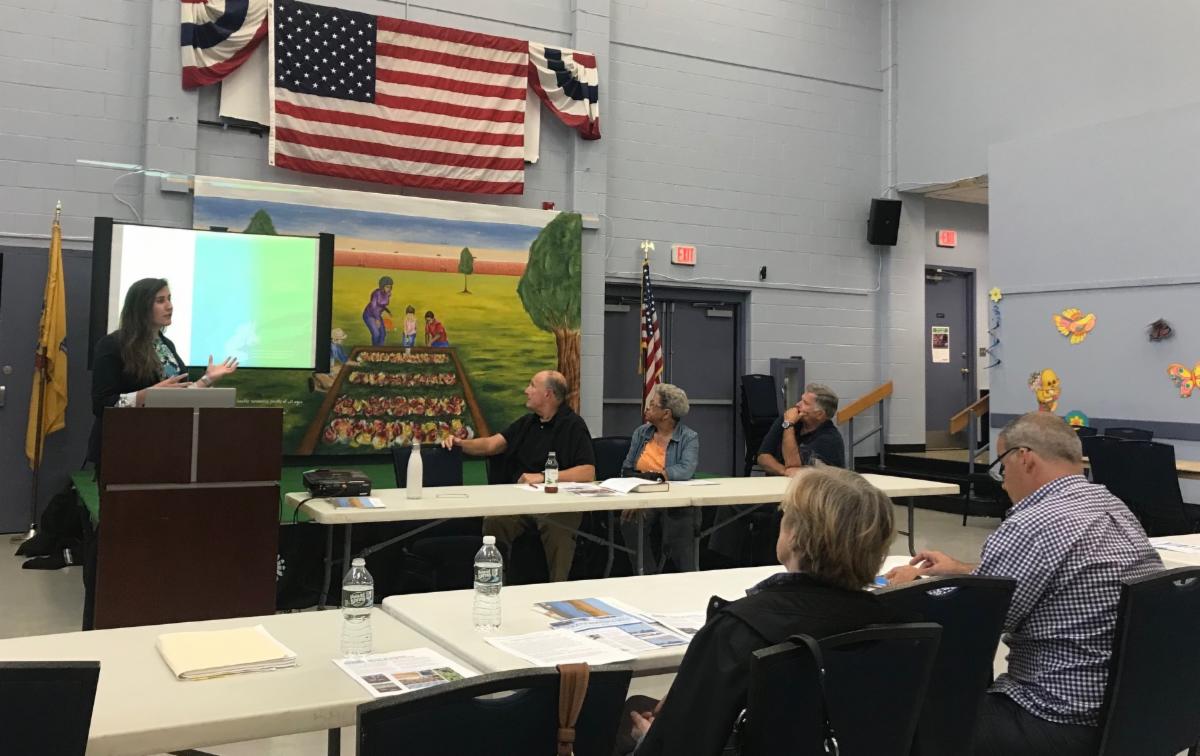
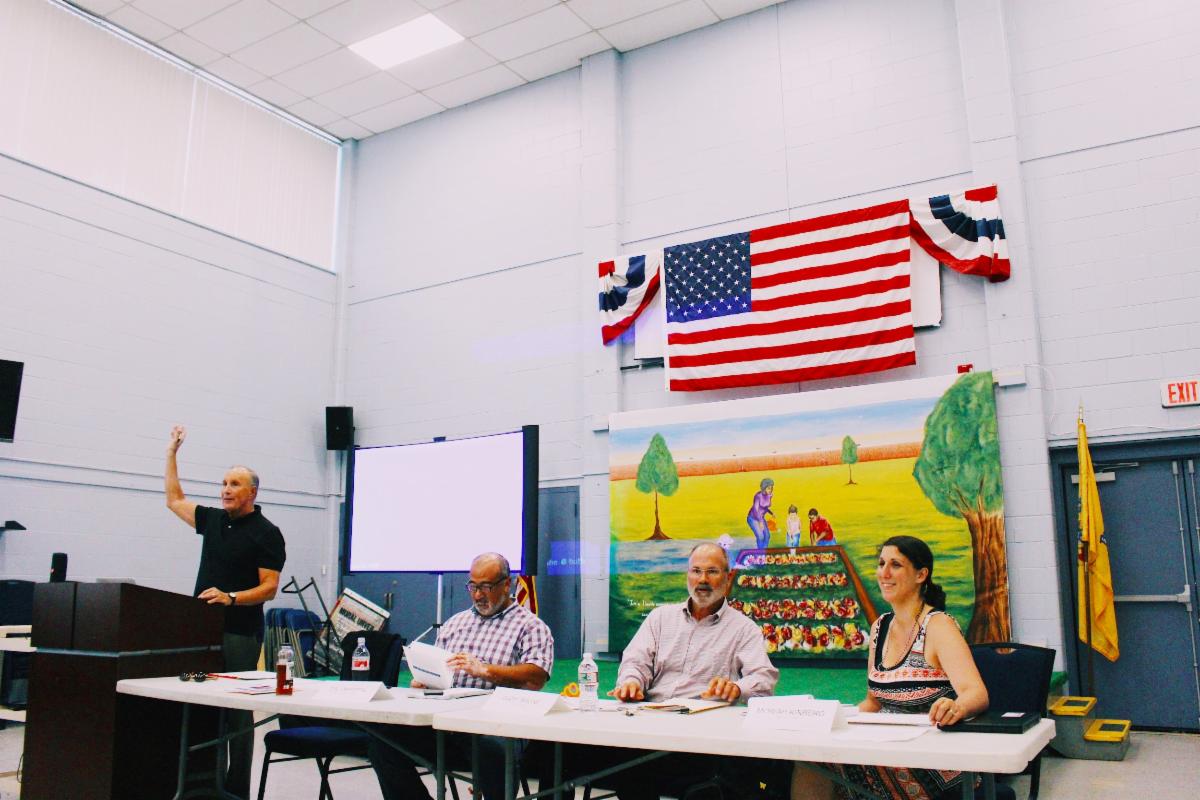
Perth Amboy, like many New Jersey municipalities, has faced flooding issues for many years. Since the 1860s, New Jersey and much of the North East have utilized combined sewer systems (CSS), where stormwater and sewage are combined in a single pipe and conveyed to a local wastewater treatment plant. On Wednesday, July 17th, community representatives met at a local community center to come to a mutual understanding of the issue. Learn more.
Sewage-Free Streets and Rivers is an action-oriented campaign that empowers community organizations to engage residents and small business owners to shape the solutions that will be adopted in July 2020 to reduce localized flooding and the raw sewage dumped into our waterways. It is organized by its partners and an advisory board, with the support of New Jersey Future.