|
Looking Back at Wild Care in 2025, and
Celebrating Growth and Service in 2026!
| |
Looking back on all of the wildlife patients that came through our doors in 2025, it’s easy to say that it was a very busy year! Spring and Summer months can be a frenzied pace with baby season, and the impact of the increased summer population here on the Cape, Fall migration, and Winter storms bring with them no shortage of storm weary birds. We cared for more than 1,800 animals including over 280 seabirds, dozens of raptors, turtles and their eggs, frogs, and nearly 656 orphaned animals including squirrels, opossums, Osprey and hundreds of songbirds. Your donations truly make a difference in the lives of these animals, and the care we can provide.
We are also beyond grateful for the hard work and support of our dedicated volunteers who donated hundreds of hours of their time in 2025.
2025 was another exciting year for Wild Care! In addition to our most important work of saving lives... We hosted our first ever Mother's Day "high tea" event at the beautiful Crosby Mansion in Brewster, and held our seoond event inside our new Education Center and on the new deck. We took a group of 13 people to the Galapagos with Lindblad and National Geographic, where they were immersed in nature. This trip was a significant fundraiser for Wild Care. We provided more than 40 educational outreach programs at local schools, libraries, senior centers and more, and look forward to serving our community in the new year!
Here's a look back at some of Wild Care's wonderful
success stories of 2025, made possible by your support.
Wishing you a very Happy New Year!
Stephanie Ellis,
Executive Director
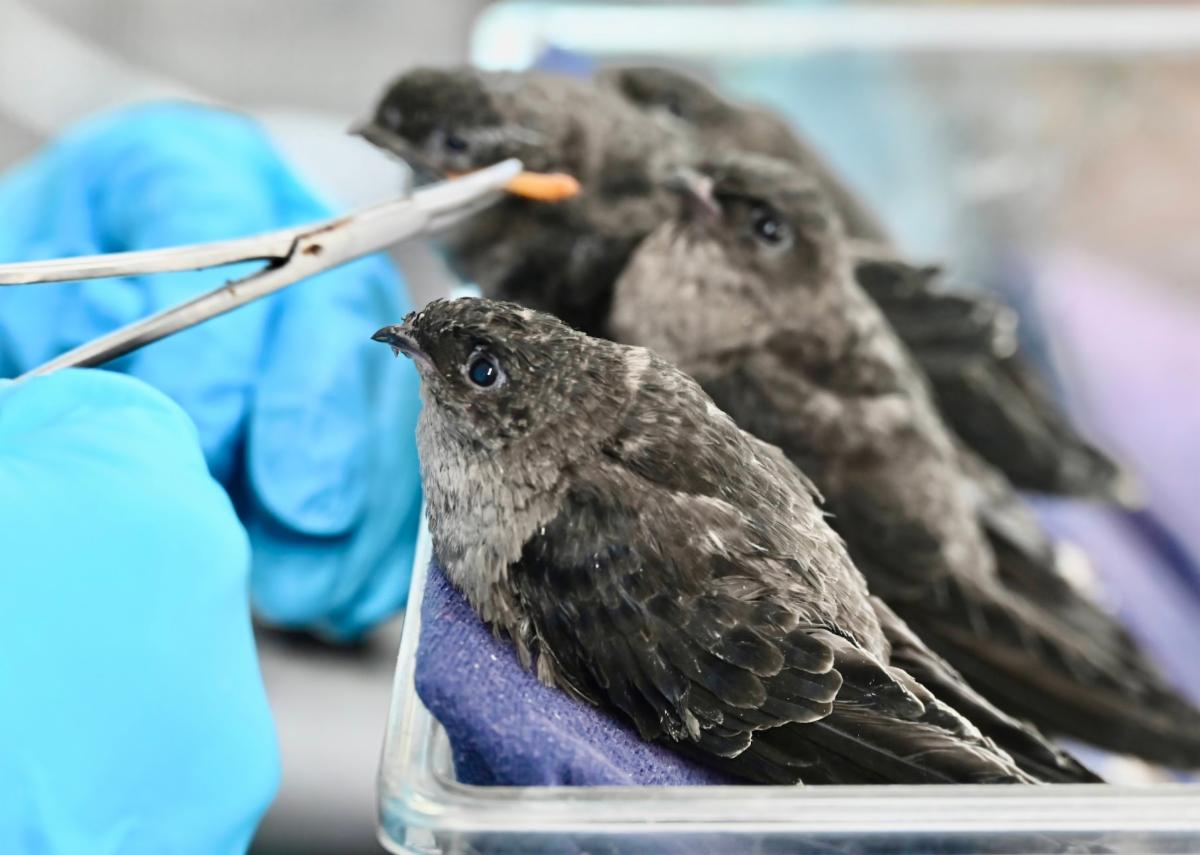
Chimney Swifts Photo by Kerry Reid
| | Thank You Wild Care's 2025 Animal Ambassador Sponsors! | | |
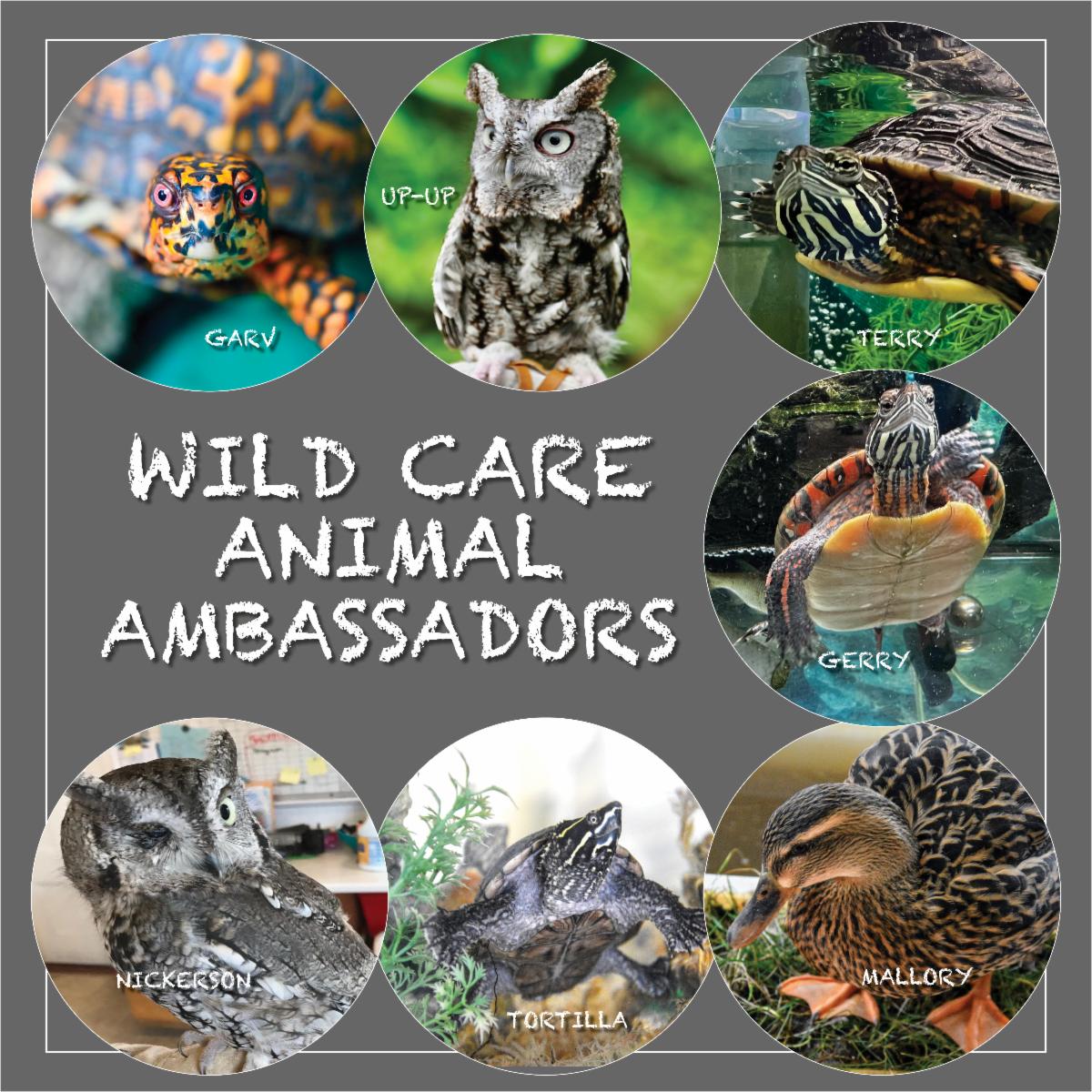
Wild Care's Educational Ambassadors play an important role in educational outreach in our community. They are all non-releasable animals that live year-round with us at the Wild Care clinic. Sponsors provide for the care, food, housing, and enrichment of their sponsored animal. We are incredibly thankful for the following 2026 sponsors:
Terry - an Eastern Painted Turtle
sponsored by Monica Smith
Garv - An Eastern Box Turtle
sponsored by John Garvey of
Garvey Communication Associates
Nickerson - an Eastern Screech Owl
sponsored by Jill and Alan MacDonald
Mallory - a Mallard Duck
sponsored by Jody Rice-Hines
Tortilla - a Musk Turtle
Sponsored by Gayle Rosenfeld and Steve Piraino
In Memory of Elsie-Marie Hopkins Barnett
Gerry - an Eastern Painted Turtle
sponsored by Chris McLaughlin
Up Up - an Eastern Screech Owl
sponsored by Jennifer Budryk of
Beach Road Muscular Therapy
| | A Look Back at Wild Care in 2025 | | |
Winter Storms Bring Weary and Wounded Sea Ducks
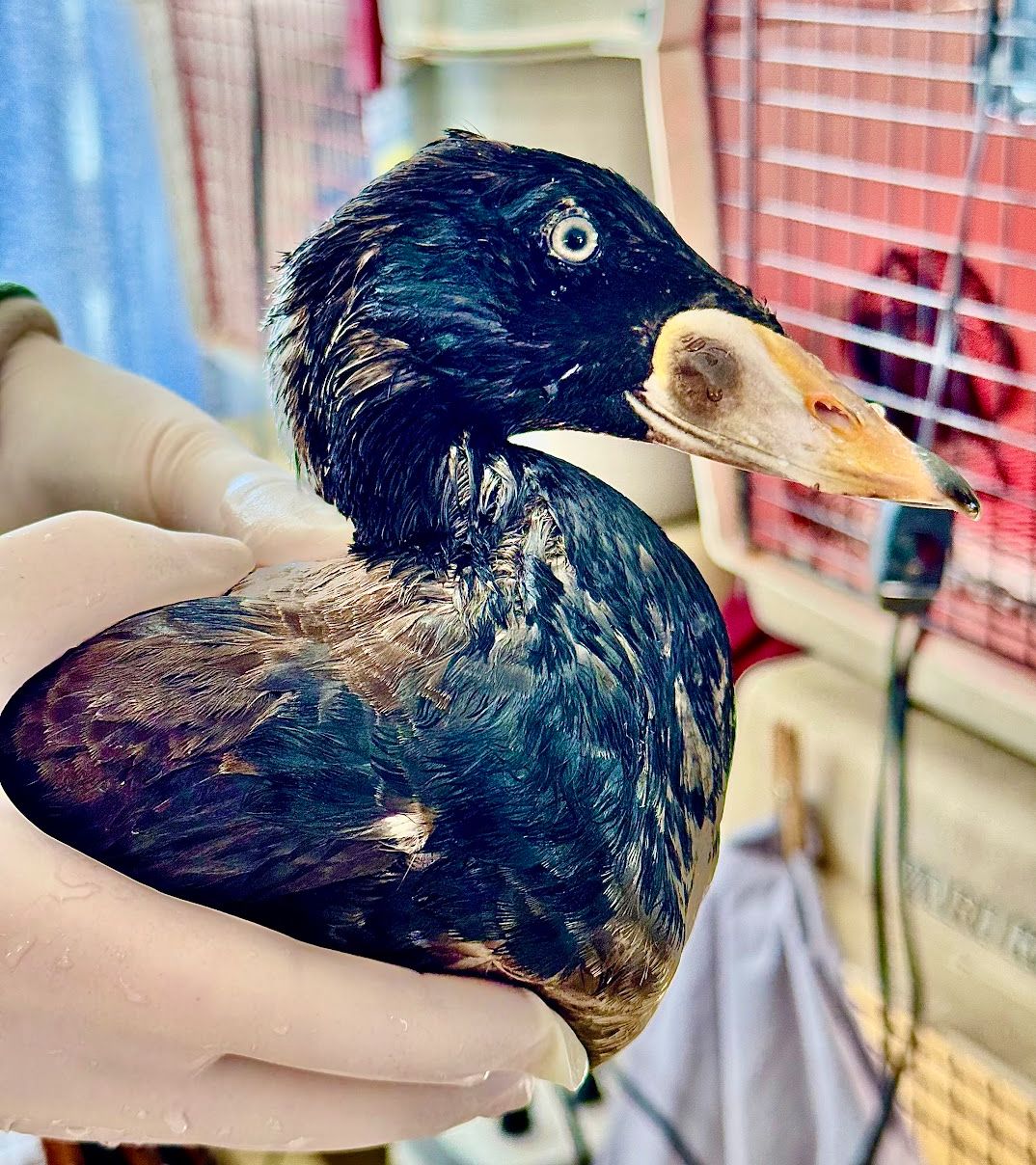
Each fall brings tens of thousands of sea ducks that winter off the shores of Cape Cod. Many of these birds migrate thousands of miles from their Arctic breeding grounds, and from Northern Canada and Alaska. Winter weather with strong winds, and cold temperatures can weaken strength, and blow birds off course. We rescued and cared for many sea ducks including a Long-tailed Duck with a wounded leg that required stitches, a White-winged Scoter found stranded with head trauma, and a Surf Scoter with eye and head injuries. All were successfully treated and released.
LEARN more about
winter waterfowl
PHOTO Surf Scoter - Kerry Reid
| |  | |
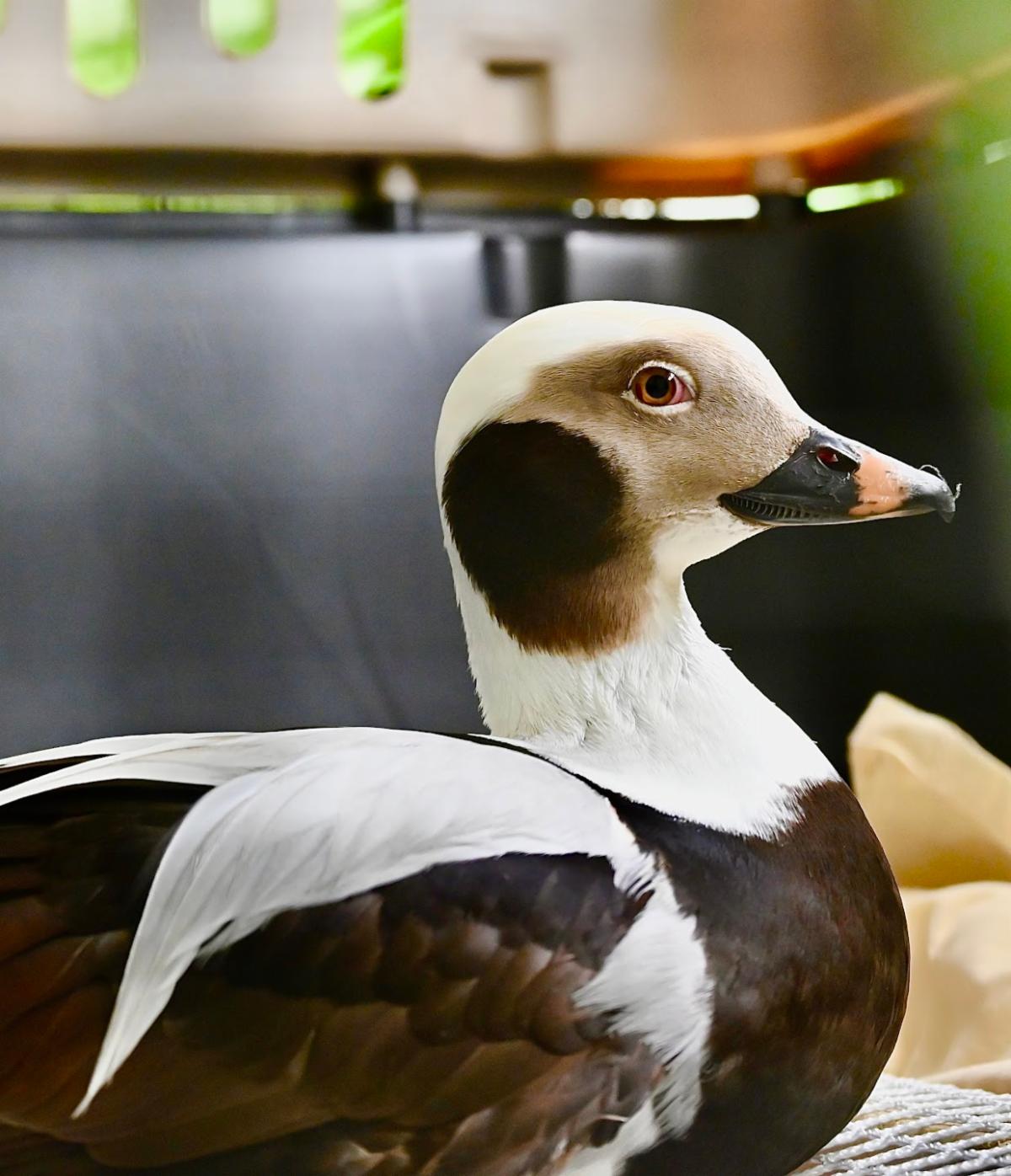
Long-tailed Duck Recovers from Leg Injury and Released
This stunning Long-tailed Duck was found in Truro with a large, deep wound to it’s right leg and unable to bear weight on it’s left leg. The wound was sutured by Dr. Larry Venezia, and the bird received wound management, was placed on antibiotics and B-Complex. After about two weeks in care with our staff of wildlife rehabilitators, it began to self-feed, and start swim therapy. After several months, it made a full recovery and was released. This duck’s beautiful plumage is an example of nature’s paintbrush at its very finest.
LEARN more about
Long tailed Ducks
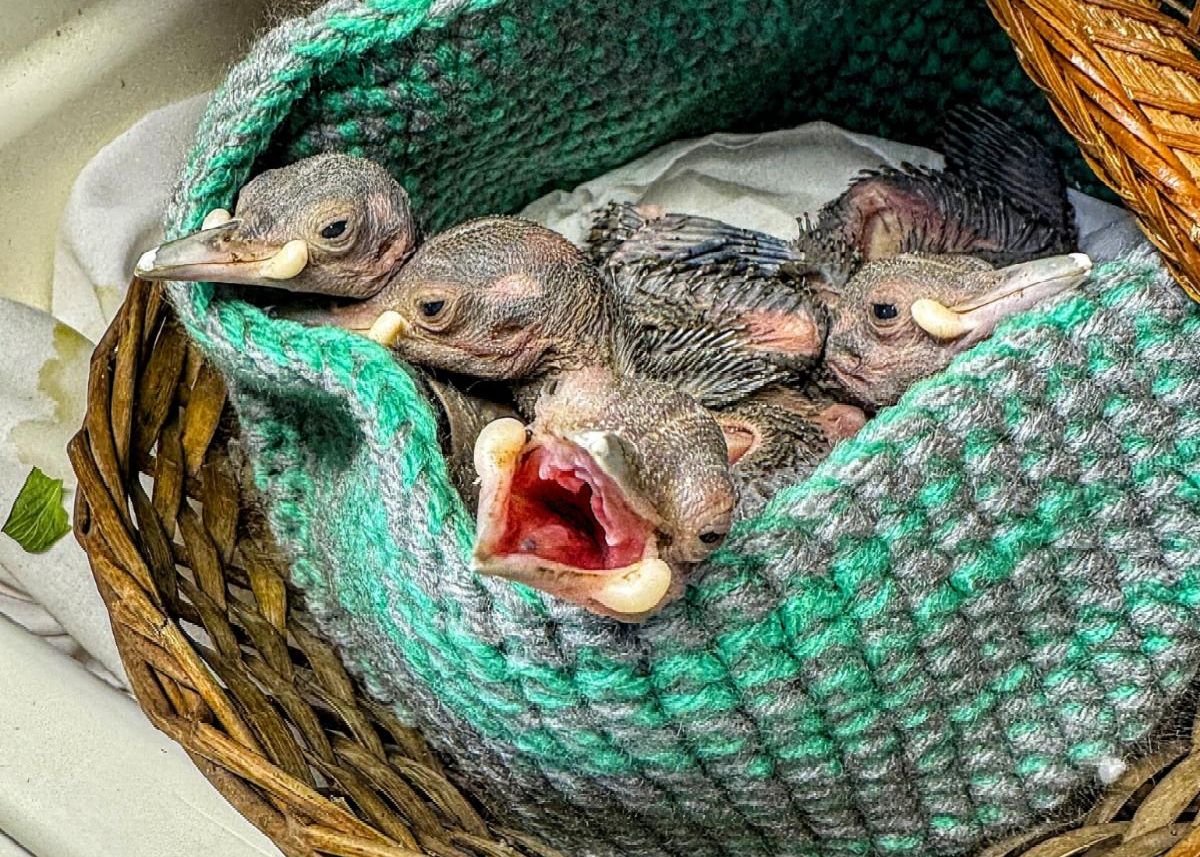
| | | Photo - Northern Flicker Hatchlings on intake | |
Northern Flicker Hatchlings Rescued After Spring Storm Downs Tree
A nest full of Northern Flicker hatchlings were found in a tree that fell during a spring Nor’easter. Dennis Department of Natural Resources were clearing debris and cutting up the tree when they found the hatchlings inside a cavity. Two of the baby birds were deceased, and the remaining birds were dehydrated and gray on admission. With warmth and hydration they grew quickly, made a full recovery and were released.
Please check for nests when cleaning up storm debris. These little ones were very lucky!
| Video - Northern Flickers after 13 days in our care | | | |
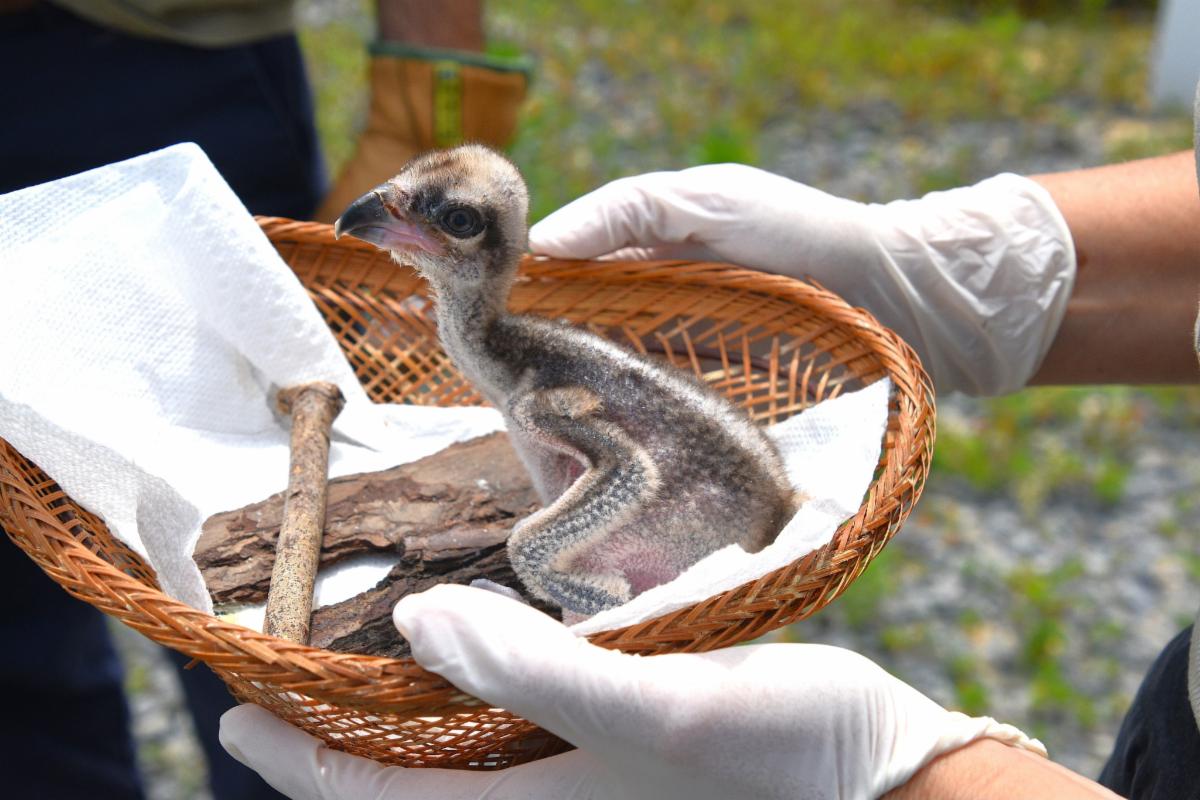
Above: Osprey chick
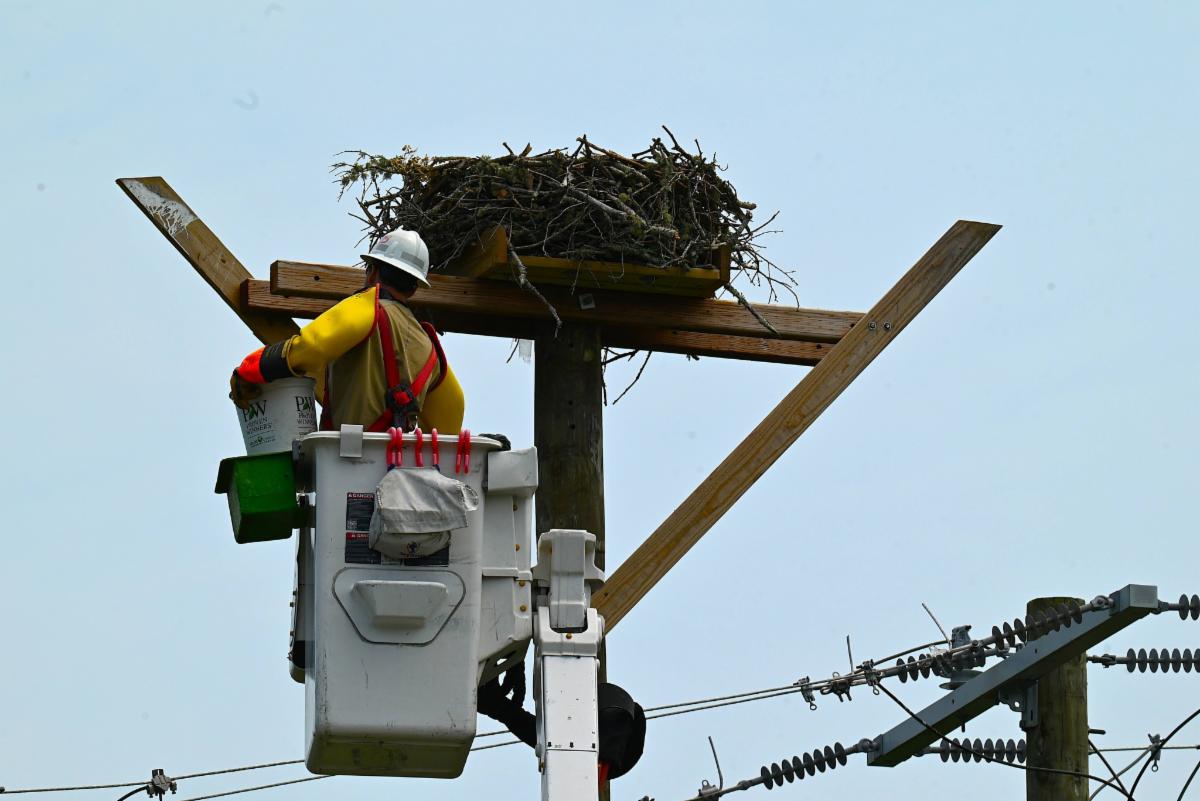
Below: Eversource places the chick in the nest
Photos, Kerry Reid
| |
Osprey Egg Incubated and Hatched at
Wild Care Accepted
by Foster Family
An Osprey chick we hatched at Wild Care from and egg received by USDA Animal and Plant Health Inspection Service was re-homed with a wild Osprey foster family thanks to some local team efforts. We put the word out to Karen Spirito, Supervisor, Electric Field Operations for Eversource MA that we were seeking a nest. She was able to locate a nest of Osprey chicks that were a good match for our 11 day old chick. Peter Darmetko, RSO Troubleshooter, Eversource, placed our chick into the nest. A perfect match! The chick was readily accepted, and mom and dad returned to the nest within three minutes.
| | | |
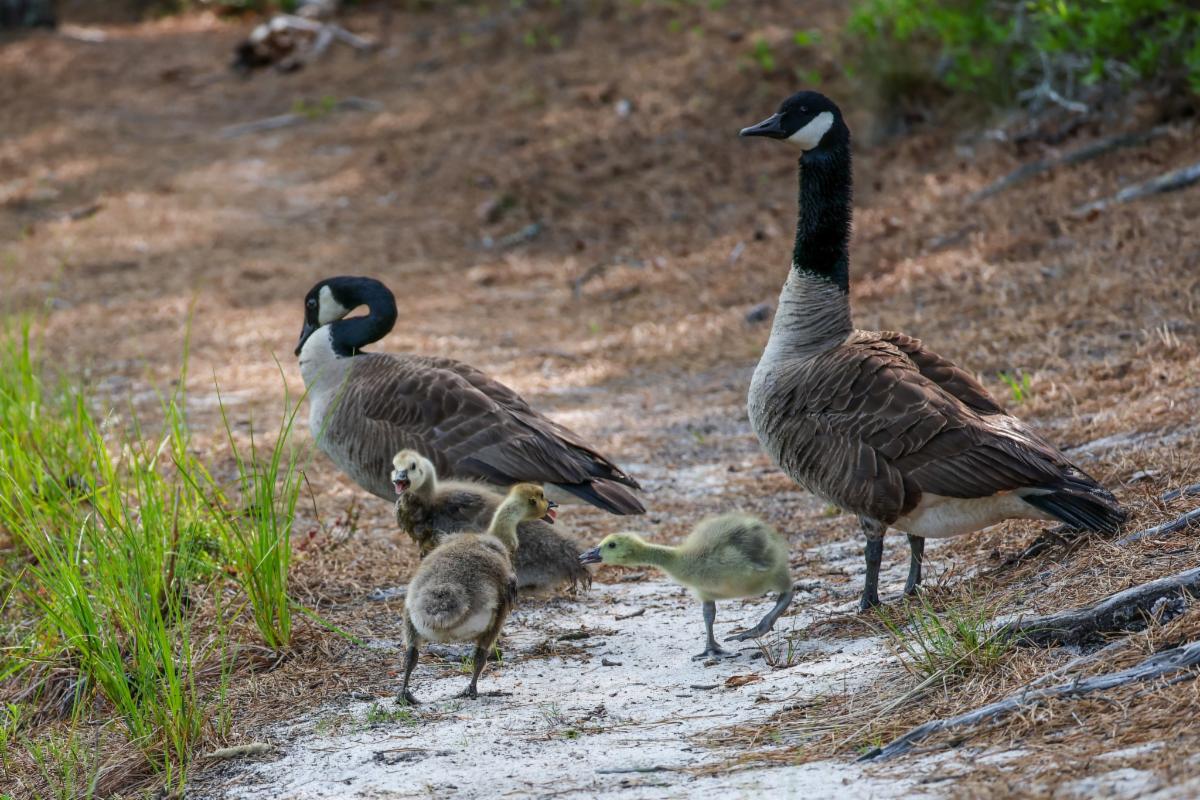
Orphaned Gosling Welcomed Into
Foster Family
An orphaned gosling was found wandering alone in Truro Center. The rescuer was unable to locate the parents. After two weeks in our care, a family of Canadian Geese was located, and the gosling was introduced to them. The family welcomed the baby immediately as one of their own. The reunion was incredibly heartwarming. We witnessed nature at its kindest that evening.
| |
WATCH the heart-warming video above. Wild Care's gosling is on the right. It is more yellow than its foster siblings.
| | | |
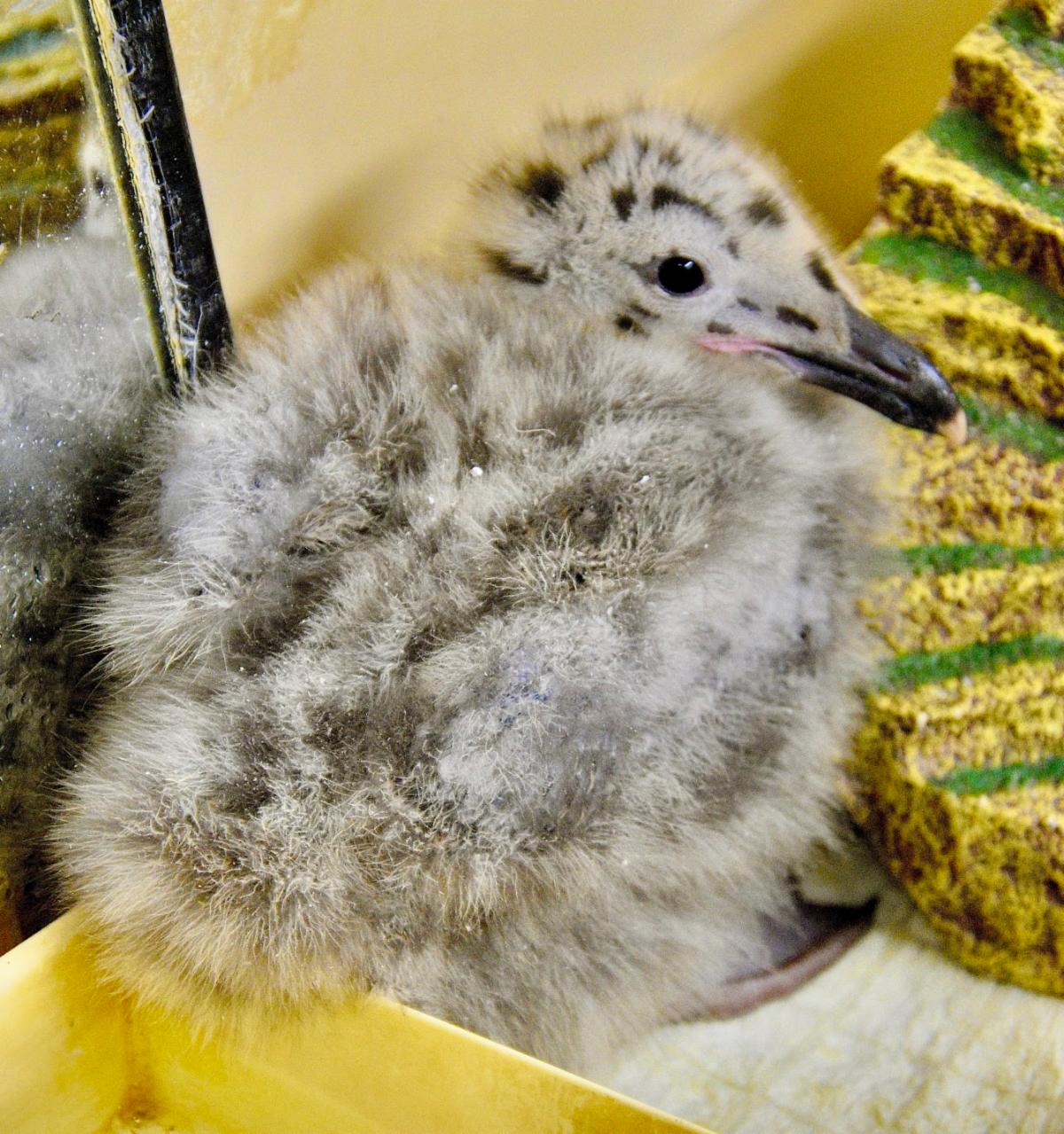
Fluffy Herring Gull Chick Found in Pick-Up Truck Bed
After spending the day making many work related stops at different locations from Sandwich to P-Town, a man heard peeping sounds from the back of his pickup truck. Unsure of where the bird came from, he brought it to Wild Care. Gulls nest on rooftops all over Cape Cod and we assume that it fell from a roof and into the bed of the truck making it impossible to know where it may have come from. After being examined for any injury, the fluffy little bird was placed into a small pen in our aviary in view of an adult Herring Gull that helped teach the young bird the ropes. “Seagull school” was in session! What a beautiful and lucky little bird!
PHOTO - Leah Myrbeck,
Wildlife Rehabilitator
| | | |
Soccer Net Snares Juvenile Great
Horned Owl
Wild Care received a call about a juvenile Great Horned Owl that was entangled in a soccer net in Harwich. Volunteer Lynn Adams responded and carefully cut the owl out of the net and transported it to Wild Care. Our staff wildlife rehabilitators Jennifer, Karen and Gionet removed all of the remaining net around the bird's body. It was then examined and thankfully determined to be unharmed. The owl was released where it was found, later that day.
Owls and other wildlife can easily become trapped in soccer nets left up overnight. Please cover up or take down nets when they’re not in use. This simple action can save owls and other feathered friends from unnecessary trauma.
LEARN more about
Great Horned Owls
| | | |
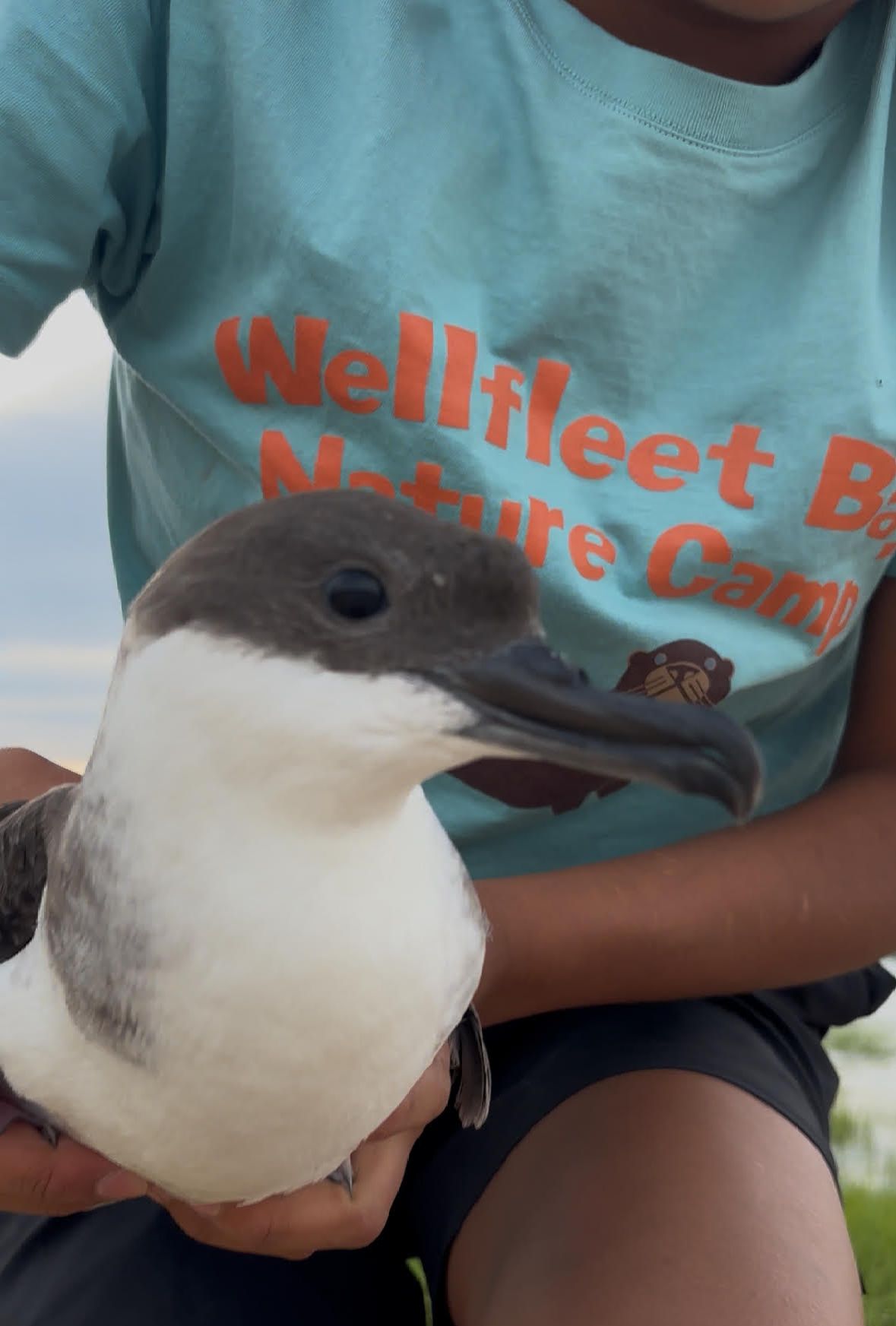
Great Shearwater Found on Provincetown Resort Porch Makes a Quick Recovery
This beautiful Great Shearwater was found stranded on a porch at a resort in Provincetown after a summer storm with strong winds. The legs on Great Shearwaters are positioned far back on their bodies making them skilled fliers and swimmers, but causing movement on land difficult and awkward for them. After arriving at Wild Care the bird was examined and found to be dehydrated and weak. It was provided fluids and supportive care and made a quick turnaround.
| |
VIDEO - Great Shearwater release
by Seasonal Wildlife Rehabilitation Assistant, Simone Marshall-Chafee
LEARN more about
Great Shearwaters
| | | |
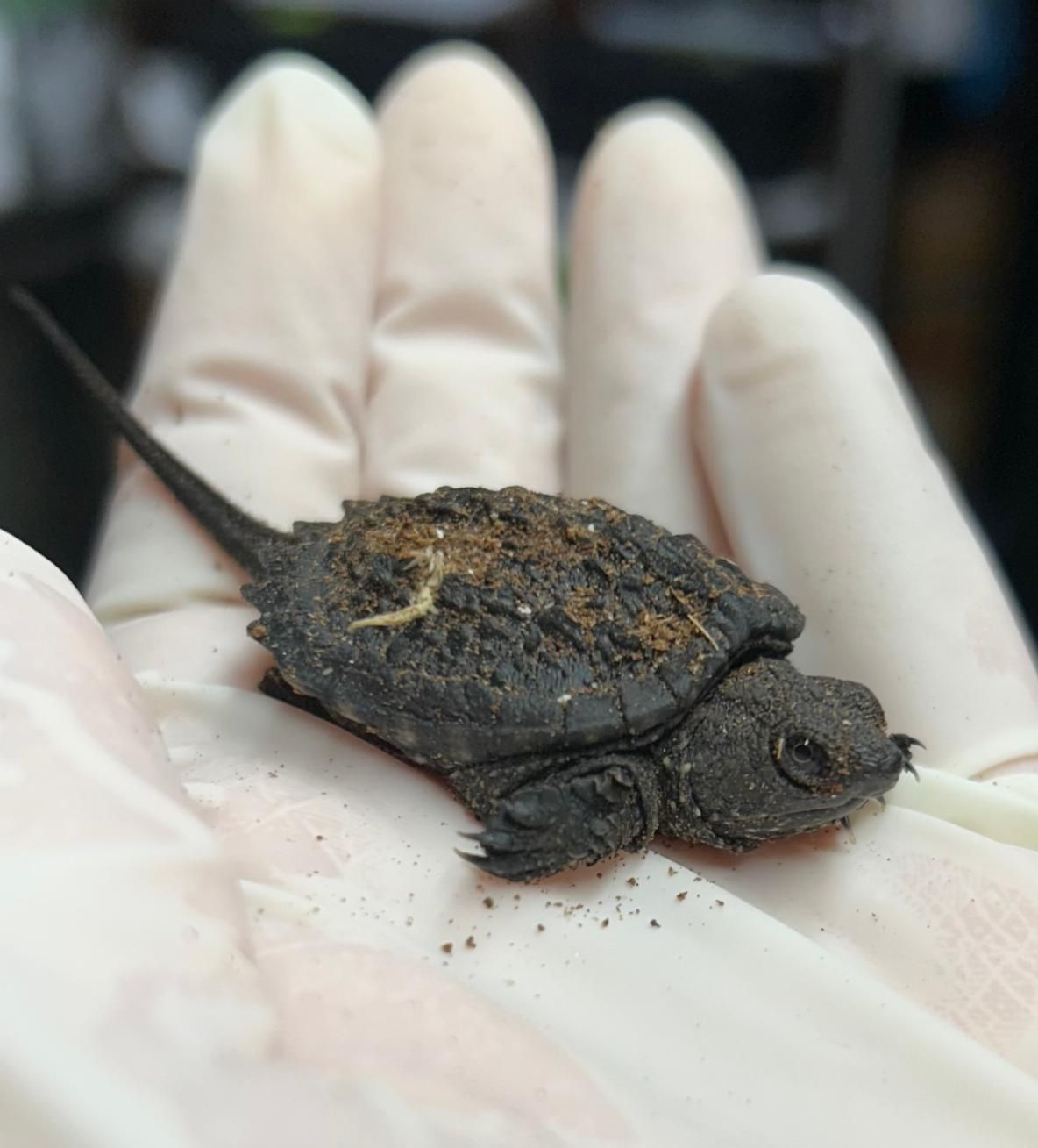
Turtle Eggs Incubated by Wild Care Staff. Hatchlings Released
Wild Care incubated Snapping Turtle, Diamondback Terrapin (an Endangered Species), and Eastern Box turtle eggs for a total of 72 eggs! Sadly most of the eggs came from a hit-by-car turtles that did not survive their injuries.. An Eastern Box Turtle was induced to lay her eggs so that she could heal from her injuries was later released back near the location she was found.
Wild Care staff incubated the eggs and cared for the hatchlings until they were ready for release. It was such an incredible experience for us to help them along from eggs to beautiful wild creatures!
| |
Snapping Turtle release video and photo
Chelsea Peck, Wildlife Rehabilitator
LEARN about the turtles of
Cape Cod's National Seashore
| | | |
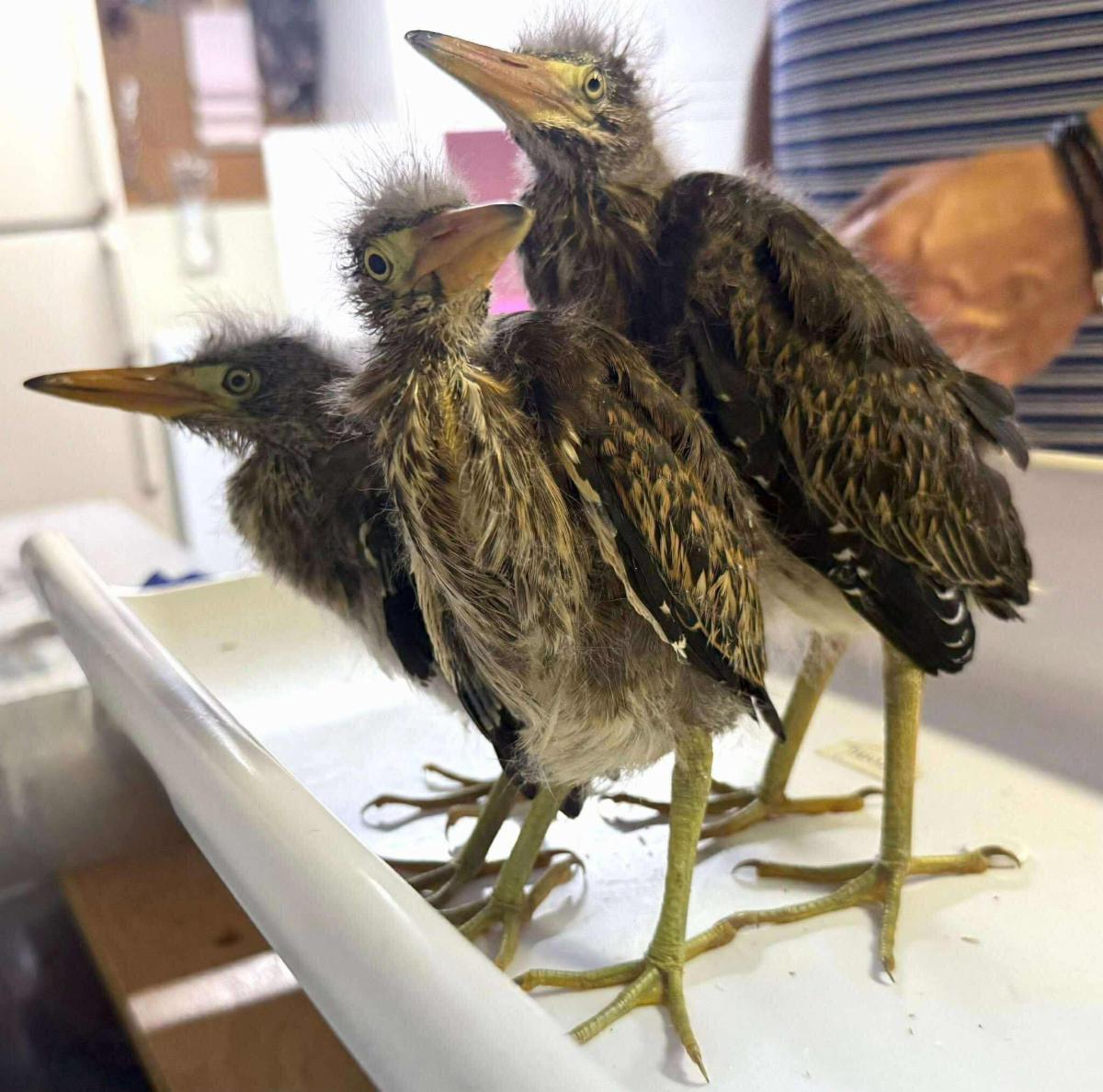
Green Herons Released at Boat Meadow Beach
Jessica Jorge of Raptor Tales Rescue in Shrewsbury received a call from Worcester Animal Control regarding three young birds on the ground. After searching Elm Park where the birds were last seen for three days they finally located the young Green Herons that appeared too young to have fledged. The young birds were brought to Tufts Wildlife Clinic, and then transferred to Wild Care for further treatment.
They birds were examined by Wild Care staff and were determined to be healthy orphans. Once placed in our outdoor aviary they were very high strung and secretive - natural behaviors. Staff provided them lots of enrichment to hide in, and gave them tubs of live fish to help with hunting skills. Because they utilize fresh water and brackish water habitats, we released them right from their aviary which is directly adjacent to the Boat Meadow Marsh in Eastham.
LEARN more about
Green Herons
| |
PHOTO: Jessica Jorge,
Raptor Tales Rescue
| | | |
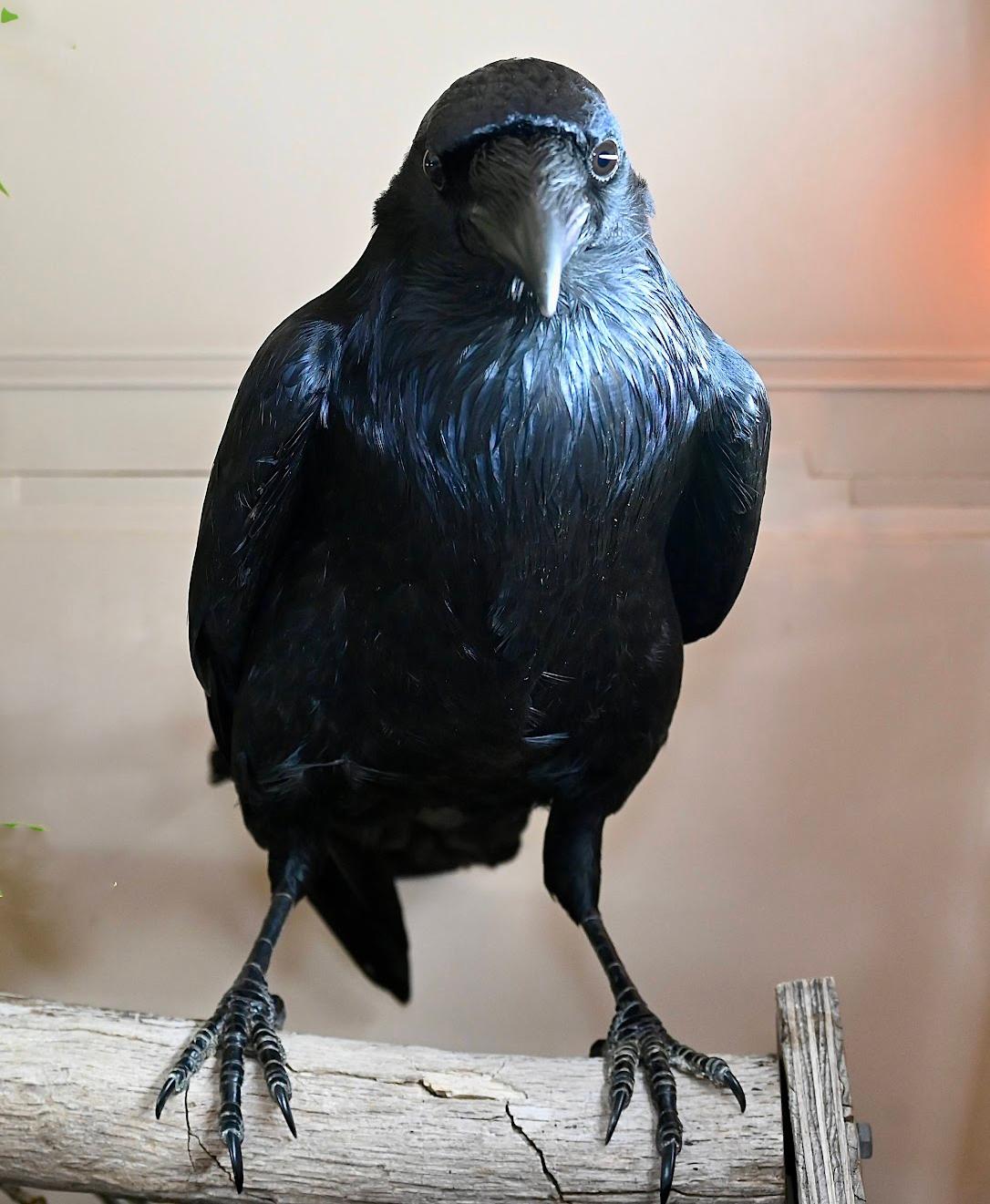
Common Raven Released After Recovering from Rodenticide Poisoning
This big, beautiful Common Raven was found eating lobster bait by a fisherman in his yard. When approached the bird could not fly away, and was transported to Wild Care. The bird had pink feces, which was most likely from eating the bait. It was treated with Vitamin K in case it was suffering from the effects of ingesting rat poison, given crate rest and exercise in our elliptical aviary until it was strong and flying well. It took a bit of coaxing to get the bird to leave, but eventually this beauty flew out on it’s own!
READ the differences between crows, ravens and grackles
PHOTO Kerry Reid
| | | |
West End Mute Swan Happily Wags it’s Tail as it Swims Away
This beautiful Mute Swan was found at the Hyannis West End Rotary in traffic. A concerned person brought it to Wild Care dehydrated, weak and easily handled. It received fluids and B Complex until it began to eat on its own. It made a fast recovery and was released. We believe it may have landed on a roadway thinking it was water, or perhaps it was kicked out of its territory. Swans cannot fly without water or long running space to take off of so it was probably wandering for a long time without food or water.
LEARN more about
Mute Swans
| | | |
Wild Care is Accepting Applications for
Spring & Summer 2026 Internships
| |
Do you Know Someone Looking for the BEST
SPRING / SUMMER OPPORTUNITY EVER?
t may be cold outside, but we are already preparing for the busy spring and summer months at Wild Care. Each spring and summer we offer an intensive internship program to graduate and undergraduate students ages 18+. This hands-on internship offers a great learning experience for interns as they provide care for our many animal patients, and work alongside our experienced and caring staff.
GET ALL THE DETAILS HERE
Deadline to apply is February 28th.
EMAIL QUESTIONS
| |
Check out our Amazon and Chewy WISH LISTS and donate much
needed supplies to help the animals being cared for at Wild Care.
| | | | |