Michigan State University Extension

Blueberry Newsletter - Blueberry Bites


View From The Field

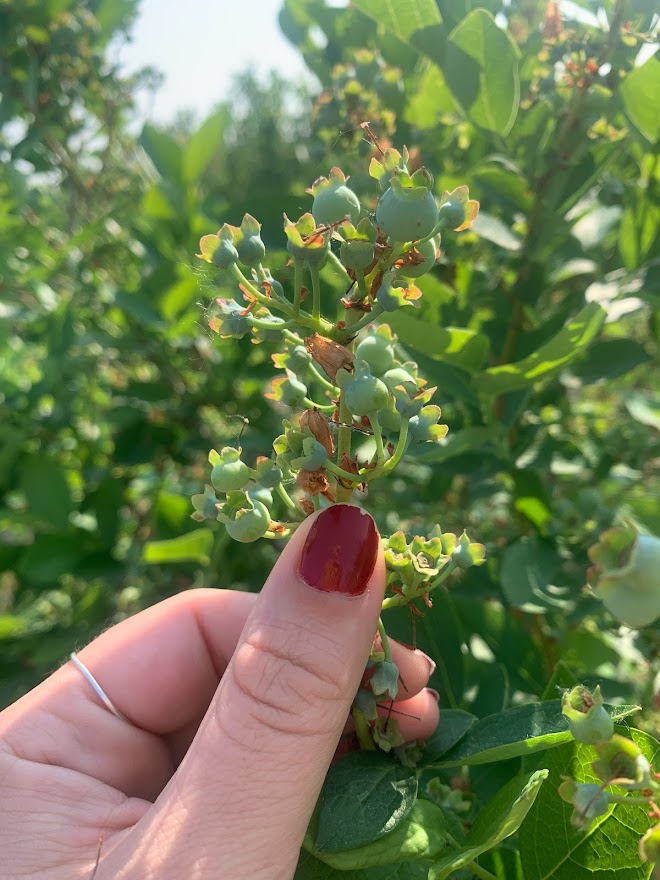
Bluejay - Paw Paw

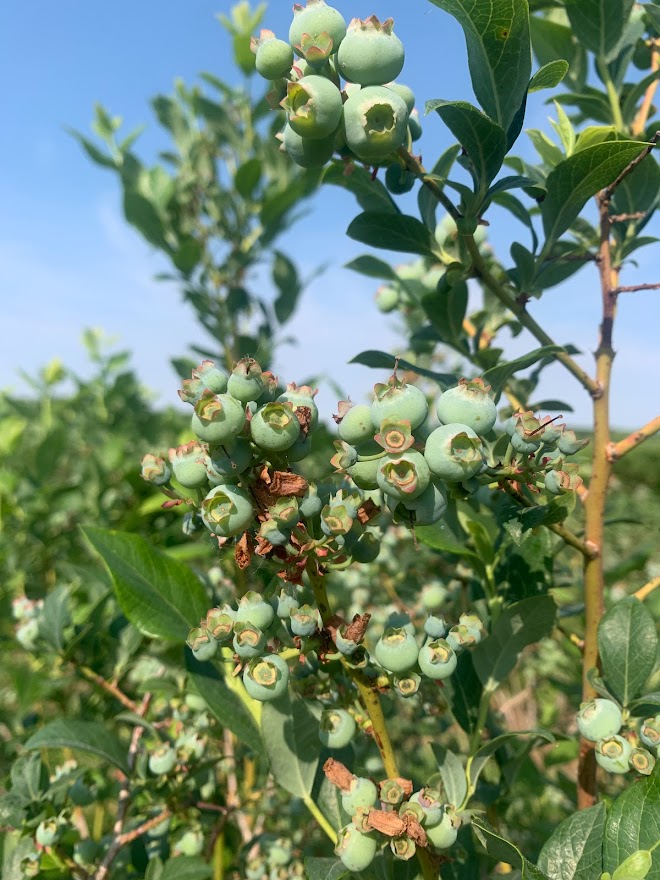
Bluecrop - Paw Paw

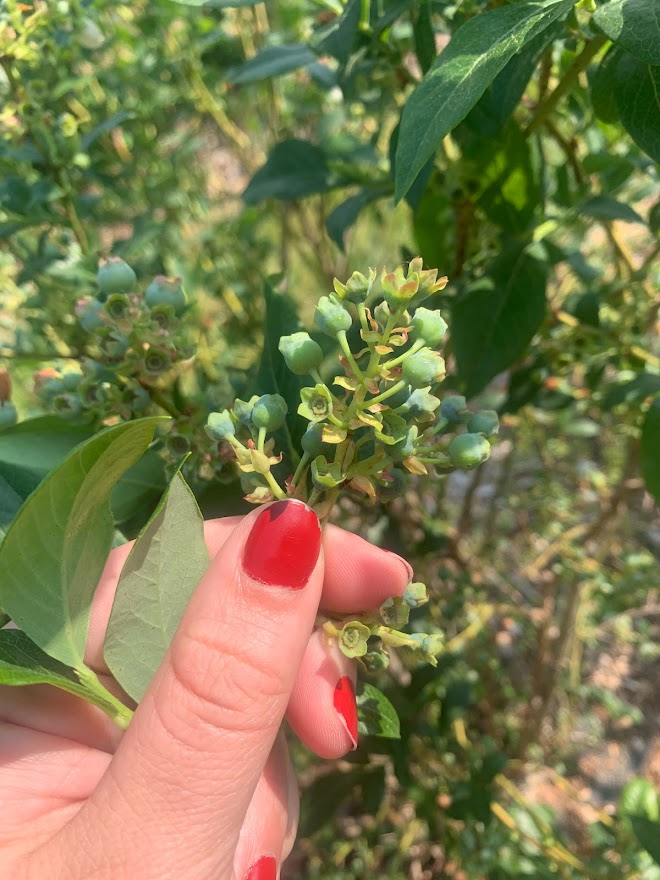
Bluecrop - Fennville

Thank you from the blueberry team!


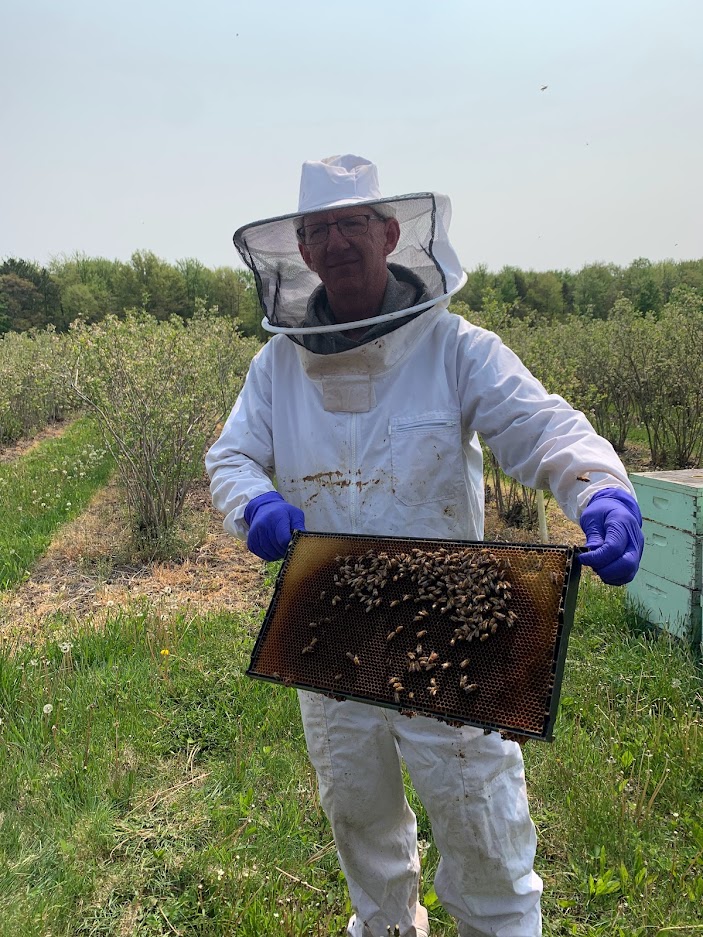
Thank you to everyone who attended our pollination workshops over the past few weeks! We had an excellent turnout for both days and I know I had a blast and learned a ton about hive health. Below is a link to the hive health grading video that Rufus mentioned at both events. (And bonus picture of our favorite on-campus entomologist in a bee suit!)

Hive Health Rating

Upcoming Events

What?

When?

Where?

Blueberry Season Update

June 7, 12-1 pm

Webinar

Pre-Season Meeting

June 15, 1-3 pm

Trevor Nichol's Research And Extension Center

Blueberry Field Day

Sept.6, 10-3

Trevor Nichol's Research And Extension Center

Pest Update: Insects


As bloom ends and fruit are sizing, this is the most important time for fruitworm control in fields with a history of this pest. Intrepid is a highly effective and selective option, which should be applied with a spreader-sticker to ensure it reaches all the places larvae might be hatching. B.t. such as Dipel and Javelin is also effective, and with the warm and dry conditions, the larvae are sure to consume the B.t. needed for it to work. This doesn’t last as long, so application every 4-5 days is needed. These selective options will not be active on two other insects active at this time – gall wasp and thrips. The wasp emerges during bloom and is damaging to susceptible cultivars, but the post-bloom timing is when effective treatments (that are toxic to bees) can be applied. For gall wasp, application of broad-spectrum insecticides to kill the wasps can reduce infestation, and we have also found a reduced number and size of galls in fields treated with the diamide Exirel or the systemic insecticide Movento. Timing any treatments for gall wasp immediately after honey bees are removed and with high gallonage is critical for effective control.  


We have also observed some high densities of thrips in blueberry flowers and on developing berries in the past week. Feeding by these insects can scar the inside of the calyx and in severe cases can lead to premature fruit drop. Check fields for these insects by inspecting the fruit and remaining flowers. Delegate or Entrust (organic) are both active on this pest, and if the timing lines up with treatment for fruitworm control these are also active on those pests.  


Looking ahead, we expect the long dry spell to have significantly impacted SWD populations this year. So expect a later development of that insect in 2023. Scouting for this insect and checking fruit to confirm the absence of larvae can be used to delay or reduce sprays on early- and mid-season varieties. We will be monitoring this in the coming weeks and will report in this newsletter. 


Disease Update


Anthracnose Fruit Rot (caused by the fungus Colletotrichum acutatum sensu lato) is the primary disease to control at this point. Bloom is a critical infection window but as we get past petal fall we can change our management practices. If you are planning an application, consider Ziram or a biological fungicide because they are multisite products and can be used as a resistance management tool. Also due to the hot weather we may be able to stretch our spray intervals because Colletotrichum is a fungal genus that thrives on wet summers and is splash dispersed. The most effective fungicides are in FRAC codes 3, 7, 9, 11, 12 and 29. Remember we have resistance to FRAC 11 so please limit using these products to no more than 2 applications per season. Also remember now that we are past bloom avoid using chlorothalonil because it can speckle fruit.  


Anthracnose Fruit Rot

Don't Guess, Test!


The diagnostic program supported by the Michigan Blueberry Commission (MBC) first piloted last year, is continuing in 2023. This program funded by the MBC will cover the diagnostic fees for up to two samples per Michigan blueberry grower. The samples will be evaluated and tested as appropriate by specialists in the MSU Plant & Pest Diagnostics (PPD) lab.  If there is anything concerning or puzzling in your blueberry field, be sure to take advantage of this opportunity.

Diagnostic Testing Form 

Pictured here is a blueberry with blueberry mosaic virus. While this virus test is still in the works, many other virus tests are able to be screened by the lab!

Horticulture Update


We head into (yet) another dry week with temperatures in the mid-to-high 80’s °F. Irrigation remains the most important horticultural input as bloom ends and early berry growth begins. At this point, irrigation is essential in newly planted fields, where plant root systems are still small. Over the past week, some drought stress symptoms have been observed more frequently in fields without wood chips or other amendments that aid in retaining soil moisture.  

Irrigation is Necessary in Michigan Blueberries
Irrigating Michigan Blueberries

In established fields, most growers apply a split application of fertilizer, with the first coming in the early spring near bloom. As temperatures hopefully cool down after this week, this will be a time to apply the second application, as development is progressing very quickly following the end of bloom.  

Time To Fertilize Blueberries

Extension Update


The southwest fruit team hosts weekly IPM meetings feel free to join us in-person or virtually from 5:30-7 at the southwest Michigan Research and Extension Center. 1 RUP credit is offered each week. Sign up here!


Upcoming Webinar - June 7, Season Update


Watch your email for sign-up information about an upcoming webinar on June 7. We will be covering insurance and pathogen updates during a short lunchtime webinar. Sign up here!

Blueberry Bites is compiled by Cheyenne Sloan, Blueberry and Small Fruit Educator

Contributors: Rufus Isaacs, Tim Miles, Josh VanderWeide, Cheyenne Sloan


Questions? Comments?

MSUE Small Fruit Educators

Blueberry and Small Fruit Educator - Cheyenne Sloan

Small Fruit Educator - Carlos Garcia Salazar

MSU is an affirmative-action, equal-opportunity employer, committed to achieving excellence through a diverse workforce and inclusive culture that encourages all people to reach their full potential. Michigan State University Extension programs and materials are open to all without regard to race, color, national origin, gender, gender identity, religion, age, height, weight, disability, political beliefs, sexual orientation, marital status, family status or veteran status.