Don't Sleep on Billing & Coding Education! | | |
No more hitting the snooze button on this opportunity – the 2026 Billing and Coding Bootcamp is only offered once this year at this drastically discounted cost. Billing and Coding are vital to the healthcare system, which means that maximizing those efforts is critical to keep the revenue flow pumping strong. Without these critical personnel, facilities cannot process claims, secure revenue or sustain operations. Make sure your team is fully prepared and in tiptop shape to maximize those efforts by attending the 2026 Billing and Coding Bootcamp! But HURRY, registration closes May 26.
The Michigan Center for Rural Health (MCRH) provides this workshop through ArchPro Coding and Consulting, a trusted partner in rural healthcare. This training is normally offered for $499 per person; but MCRH is providing the training for just $70 per person. Don’t delay! Get signed up for this bootcamp TODAY.
Program Schedule:
June 9 | Day 1: 12:00 pm - 4:00 pm
June 10 | Day 2: 9:00 am - 4:00 pm
Location: Soaring Eagle Casino & Resort, Mount Pleasant, MI 6800 Soaring Eagle Blvd, Mt Pleasant, MI 48858
| | | |
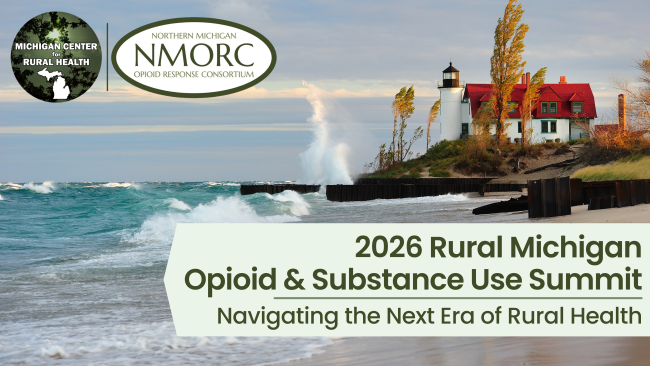
Registration is now open for the 2026 Rural Michigan Opioid and Substance Use Summit, taking place July 16, 2026, at Treetops Resort in Gaylord. Hosted by the Northern Michigan Opioid Response Consortium (NMORC), a program of MCRH, the Summit brings together partners working in prevention, treatment, recovery, healthcare, behavioral health, EMS, public health, and community services to support rural communities impacted by substance use.
Attendees can review the draft agenda and register online. Organizations interested in exhibiting can review the Exhibitor Prospectus and complete the Exhibitor Registration Form.
MCRH & NMORC are also accepting submissions for the Rural Recovery Hero Award, recognizing individuals making a meaningful impact in recovery efforts in rural Michigan communities. Nominations can be submitted through the Rural Recovery Hero nomination form.
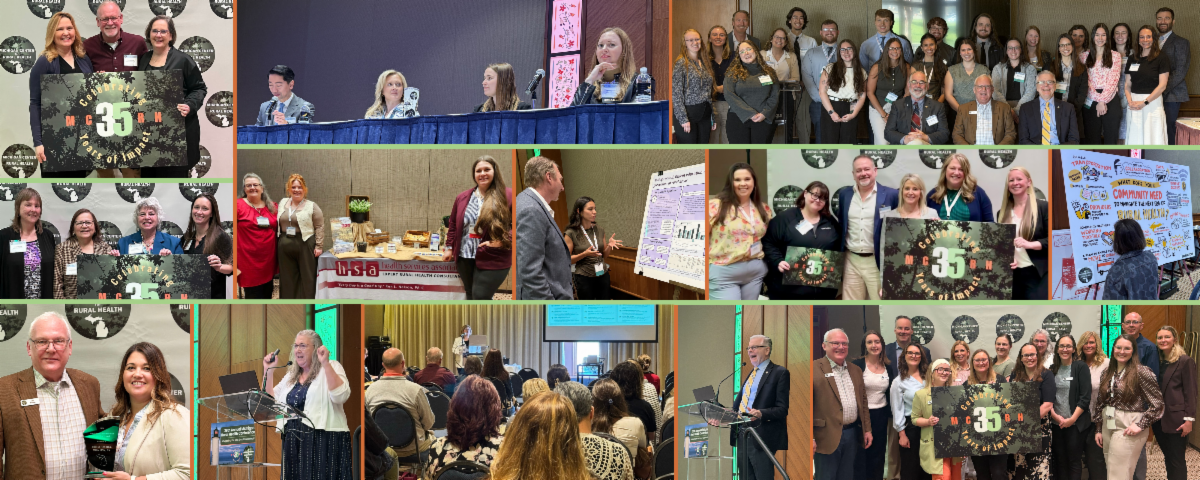
| | 29th Annual Michigan Rural Health Conference Brings Together Rural Health Leaders from Across the State | The Michigan Center for Rural Health welcomed 265 attendees and 56 sponsoring organizations to the 29th Annual Michigan Rural Health Conference this April in Mt. Pleasant. This year’s event focused on “Navigating the Next Era of Rural Health” and also kicked off MCRH’s celebration of 35 years serving as Michigan’s State Office of Rural Health. Read the full recap story featuring conference highlights, photos, and visual artwork created live during the event by an interactive visual note-taking artist. | New Behavioral Health Workforce Education Training | No Cost | |
Michigan Center for Rural Health has a new offering —an On-Demand Behavioral Health Workforce Training! This brand-new program is designed to support clinical staff at organizations that provide behavioral health or substance use disorder services to rural communities across Michigan. Available in both in-person and virtual formats, these free one-hour trainings can be scheduled to fit your team's needs. Topics cover a wide range of essential clinical skills, including Assessments, Treatment Planning, Documentation, Medical Necessity in Addiction Treatment and ASAM 4th Edition Updates, Discharge Planning, and Crisis Interventions & Safety Planning.
This program is available to organizations located in rural counties in the Lower Peninsula or those serving clients who live in rural counties. To request a training or learn more, contact Gennie Groover at genevieve.groover@affiliate.msu.edu. Don't miss this opportunity to strengthen your team's skills — at no cost to you!
| Rural Resilience in Focus: Michigan Critical Access Hospitals Recognized Among “100 CAHs to Know” | | |
Critical Access Hospitals (CAHs) continue to serve as the backbone of rural healthcare delivery across the United States. Designed with a maximum of 25 inpatient beds and a requirement to provide 24/7 emergency services, these facilities operate under significant resource constraints while maintaining broad clinical responsibility for the communities they serve. As highlighted in Becker’s 2026 list of “100 Critical Access Hospitals to Know,” these organizations are not only sustaining access—they are actively reshaping what rural care looks like.
Across the hospitals recognized, a common theme emerges: CAHs are expanding specialty services locally, reducing patient travel burdens, and investing in long-term infrastructure to strengthen community health outcomes. Selection for the list drew on national performance and recognition sources, including the National Rural Health Association and the Chartis Center for Rural Health, reinforcing the importance of outcomes, patient experience, and operational excellence in rural settings.
Several Michigan Critical Access Hospitals were highlighted for their measurable impact and forward-looking strategies, demonstrating how rural institutions can simultaneously preserve access and expand capability.
- OSF HealthCare St. Francis Hospital & Medical Group (Escanaba, Michigan)
- Scheurer Health (Pigeon, Michigan)
- Schoolcraft Memorial Hospital (Manistique, Michigan)
The recognition of Michigan’s Critical Access Hospitals among Becker’s “100 CAHs to Know” reinforces a larger narrative: rural healthcare is not static. It is evolving through strategic partnerships, targeted investments, and a continued commitment to meeting community needs where they are.
| | Rural Michigan Leaders Recognized Among Becker’s “Rural Hospital and Health System Presidents and CEOs to Know 2026” | | |
Becker’s Hospital Review recently recognized several Michigan rural healthcare leaders in its national feature, “Rural Hospital and Health System Presidents and CEOs to Know 2026.” The list highlights executives who are advancing healthcare access, innovation, and sustainability in rural communities across the country.
Rural hospitals continue to serve as a vital lifeline for millions of Americans, often representing the only accessible source of healthcare in their communities. Today’s rural healthcare leaders are tasked with navigating financial pressures, workforce shortages, and evolving care demands while simultaneously expanding services and improving patient outcomes.
Among those recognized were four outstanding leaders from Michigan critical access hospitals and rural health systems:
- Jeremiah Hodshire — Hillsdale Hospital
- Peter Marinoff — Munson Healthcare Cadillac Hospital
- Ross Ramsey, MD — Scheurer Health
- Andrew Raymond — Kalkaska Memorial Health Center
These leaders exemplify the dedication, innovation, and resilience found throughout Michigan’s rural healthcare community. Their recognition by Becker’s highlights the critical role rural hospitals play in ensuring access to quality care close to home while strengthening the communities they serve.
Be sure to follow MCRH on Facebook and LinkedIn for updated on rural healthcare in Michigan!
|   | | |
As those working in rural know, rural emergency medical services across Michigan are facing a genuine workforce crisis, and the Michigan Center for Rural Health (MCRH) is proud to be assisting in the solution. As part of the EMS Supplement of the Medicare Rural Hospital Flexibility (Flex) Grant, MCRH is working directly with seven rural EMS agencies across the state to strengthen their recruitment and retention efforts. We are currently in Year Two of a five-year commitment, and the momentum we’re seeing is encouraging. In 2024, MCRH was awarded the competitive EMS Flex Supplement to help rural EMS agencies build sustainable workforces by addressing the deep-rooted challenges that make recruitment and retention so difficult in rural communities.
To help carry out this work, MCRH partnered with Cambridge Consulting Group (CCG), a team of nationally recognized experts in paramedicine, ambulance operations, and EMS leadership, with hands-on experience at every level of service. Each of the seven participating agencies has a dedicated CCG consultant who, in partnership with MCRH, has developed an individualized plan specific to that agency’s needs, culture, and community context. Through monthly or bi-weekly calls, the consultant & MCRH checks in on progress, celebrates wins, helps the agency push forward on their plan, and adapts the approach when circumstances call for it. And if something comes up between scheduled calls, agencies have access to their consultant for up to five hours each week, a “phone-a-friend” resource that puts professional guidance within reach whenever it’s needed most.
The seven agencies participating in this project are:
- SONCO Ambulance in Bruce Crossing
- Forsyth Township EMS in Gwinn
- Whitefish Township EMS in Paradise
- NEMSA in Kincheloe
- Emmet County EMS in Petoskey
- East Bay Ambulance in Traverse City
- Cherry Grove Fire and Rescue in Cadillac
As part of the Flex Grant work, MCRH and CCG conduct site visits to each participating agency three times per year. One of those visit cycles took place in early April, including a swing through the Upper Peninsula, where the snowbanks were still house-high and very much a part of the landscape. A good reminder of the environment these agencies operate in every single day. We’re happy to report that recruitment and retention efforts are progressing across the board, and every agency is committed to continuing to move forward. What’s been especially exciting to see is how creatively these agencies are engaging their communities.
A few standout examples: one agency ran a “Stuff the Ambulance” campaign, turning their rig into a school supply collection point and building real community goodwill in the process. Another hosted a “Dad 101” class for new and expectant fathers, a class on supporting partners through postpartum, which positioned them as a community health resource far beyond emergency response. And one agency completed a merger with four surrounding townships, expanding their Advanced Life Support coverage area and improving care access for a much broader population.
To close out the week of site visits, MCRH hosted a Cohort Get-Together in St. Ignace (Thank you Mackinac Straits Hospital for hosting!). CCG led presentations on topics directly tied to the project’s goals, and the meeting became a genuine peer exchange, where agencies shared what’s working and picked up tools from each other’s successes. That kind of collaborative energy is exactly what this cohort model is designed to produce.
Looking ahead, the agencies will continue building on their community outreach work, deepening public education around the value and cost of EMS readiness, and using social media more intentionally to help their communities get to know the people behind the uniforms. Recruitment and retention remain the north star, but the path there runs straight through community trust.
As we round out Year Two of this five-year project, MCRH, CCG, and all seven agencies are eager to see what comes next. The progress made so far is a testament to what’s possible when agencies are supported with the right tools, the right partners, and a plan built specifically for them.
| | CADS Certification: Strengthening EMS Documentation | |
The Certified Ambulance Documentation Specialist (CADS) certification supports EMTs, paramedics, and EMS professionals in building stronger, more consistent documentation practices. It is also valuable for supervisors, QA/QI staff, compliance officers, and billing personnel involved in the EMS revenue cycle.
The CADS course includes 6–7 hours of instruction and a final exam. Once completed, certification is valid for life with no annual recertification required—making it a practical, long‑term investment in quality documentation and professional development.
| | May Spotlight Series | Community Reentry Simulations in Rural Michigan | | |
Do you have a story to share? Know a rural organization or individual making a difference? Email Laura Stoddard, Social Drivers of Health Manager, at laura.mispelon@affiliate.msu.edu, and let us share your story!
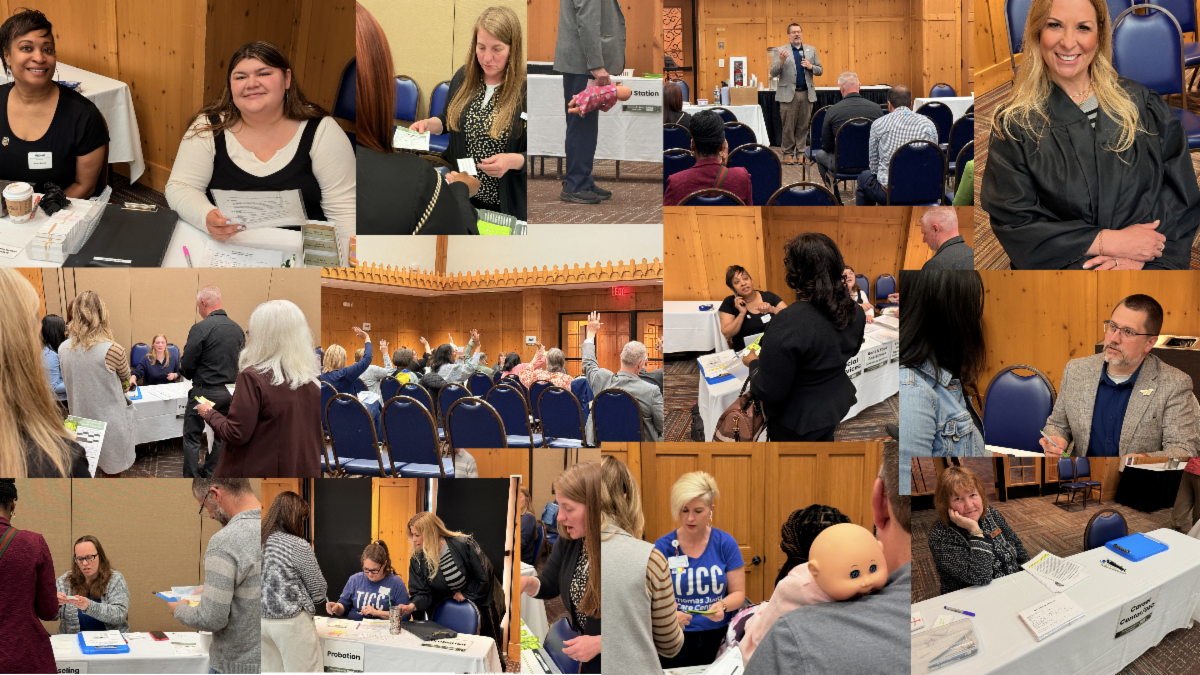
Across rural Michigan, communities are working to better understand and support individuals returning to their communities after incarceration. The Northern Michigan Opioid Response Consortium (NMORC), a program of the Michigan Center for Rural Health, has helped bring Community Reentry Simulations to communities across northern Michigan.
These experiential learning events help participants better understand the systemic, emotional, and logistical challenges individuals face during reentry. Participants navigate barriers related to housing, employment, transportation, healthcare, identification requirements, and parole obligations, creating opportunities to build empathy and awareness around the realities of reentry in rural communities.
Building on the impact of these simulations, NMORC has also helped communities engage in Sequential Intercept Mapping (SIM), an evidence-based framework designed to identify gaps in services and opportunities to strengthen behavioral health, substance use, and community support systems. These conversations continue to help rural communities identify practical strategies to improve collaboration and outcomes for returning citizens.
Read the full spotlight story to learn more about Community Reentry Simulations and Sequential Intercept Mapping efforts happening across rural Michigan.
| | Michigan Medicaid Releases CPT/HCPCS Code Updates Effective April 2026 | |
The Michigan Department of Health and Human Services (MDHHS) recently released Medicaid Bulletin MMP 26-15 outlining new and updated CPT/HCPCS code coverage changes impacting a broad range of provider types, including Rural Health Clinics (RHCs), Federally Qualified Health Centers (FQHCs), outpatient hospitals, ambulatory surgical centers, and physician practices.
The bulletin includes:
- Coverage of new CPT/HCPCS codes effective April 1, 2026
- New coverage of existing procedure codes
- Retroactive coverage for select services back to January 1, 2026
- Discontinuation of several HCPCS procedure codes effective March 31, 2026
Of particular interest to rural providers, RHCs and FQHCs were identified as eligible billers for several newly adopted codes. In addition, MDHHS announced retroactive coverage for select dental and medical procedure codes, which may create opportunities for rebilling or claims adjustments where appropriate.
The bulletin also serves as a reminder for organizations to review:
- Chargemaster updates
- Billing system edits
- Prior authorization requirements
- Coding workflows
- Claims reprocessing opportunities
Hospitals, clinics, and billing teams are encouraged to review the full bulletin carefully and coordinate with coding, finance, compliance, and outpatient departments to ensure systems and workflows are updated accordingly.
Questions? Reach out to Quality Improvement Advisor, Jeff Nagy.
| | Distance Learning and Telemedicine (DLT) Grant Program: Applications Now Being Accepted! | |
The Fiscal Year (FY) 2026 Distance Learning and Telemedicine (DLT) Grant Program funding notice has been posted to grants.gov. The Rural Utilities service (RUS or the Agency) estimates that approximately $27 million will be available.
The DLT program provides financial assistance to enable and improve distance learning and telemedicine services in rural areas. DLT grant funds support the use of telecommunications-enabled information, audio and video equipment, and related advanced technologies by students, teachers, medical professionals, and rural residents. These grants are intended to increase rural access to education, training, and health care resources that are otherwise unavailable or limited in scope. Funds can be used to purchase or support:
- Audio, video, and interactive video equipment
- Computer hardware, network components, and software
- Instructional programming
- Limited technical assistance and instruction on how to use distance learning and telemedicine equipment
- Broadband facilities used for distance learning or telemedicine (up to a certain percentage)
Applications must be submitted through grants.gov by 11:59 PM on June 30, 2026.
Visit the DLT website for resources and more information including:
- The 2026 Application Guide
- Application Resources
- Previous Year Award Summaries
- Upcoming Events
| Is Your Agency Ready for a Pediatric Emergency? Find Out Today! | |
With the help of the Prehospital Pediatric Readiness Project, assess your Pediatric Readiness. This tool will help you determine where you accel and where your care gaps are for pediatric calls. By determining what areas there are gaps, you can plan training, improve protocols, pursue quality improvement, and update your policies. This assessment is 100% voluntary and can be retaken anytime. If you do choose to retake the assessment, your current and previous scores will be displayed so you can easily track progress!
Identify your Pediatric Champion to head up this project and get started today.
| | New Webinar: Patients with Disabilities | | |
Join Accessible Pharmacy on Wednesday, June 3 at 12:00PM ET for an Improving Healthcare Interactions with Patients with Disabilities Webinar.
This session will feature the team from the Accessible Insulin Pump Taskforce as they discuss key communication strategies for engaging patients with disabilities.
This webinar is 100% virtual, free to attend, will have closed captioning, will have a live ASL interpreter, and a live Q&A session. If you have any questions, please email info@AccessiblePharmacy.com.
| | Free CME Available: Lung Cancer Screening Education for Clinicians | |
Free Continuing Medical Education (CME) is available through the Lung Cancer Screening Education Series, designed to help clinicians increase screening rates among eligible adults in Michigan.
This free, on-demand education is appropriate for internal and family medicine clinicians, nurses, nurse practitioners, physician assistants, medical assistants, and others interested in increasing knowledge of lung cancer screening and improving the screening process within their primary care practice.
Educational webinar topics include:
Lung Cancer Screening 101 – 1.0 AMA PRA Category 1 Credit
Presenters: Douglas Arenberg, MD, Ella Kazerooni, MD, MPH & Jim Pantelas, Patient Advocate
Patient-Centered Conversations about Lung Cancer Screening - 1.0 AMA PRA Category 1 Credit
Presenters: Ella Kazerooni, MD, MPH, Lawrence An, MD & Jim Pantelas, Patient Advocate
15-20 Minute Micro Learning Modules: CME available ranges from 0.25 to 0.50 per module, depending on the length of the recorded presentation. Module topics include:
- Overcoming Screening Barriers
- Current Evidence Based Interventions for Lung Cancer Screening
- Accurate Smoking History & Properly Calculating Pack Years
- Motivational Interviewing
- Stigma Reduction
- Michigan Tobacco QuitLink
- Lung Cancer Support Resources
Please visit the Lung Cancer Education Series webpage to access the recordings, CME Evaluations and PowerPoint Slides! Please feel free to share the opportunity within your networks and organizations. The series is free and open to the public. Direct any questions to educationcshp@mphi.org.
| | NKFM Finding Your Way – A Roadmap to Social Systems | | |
The National Kidney Foundation of Michigan (NKFM) is currently working to better understand the unique realities rural health workers and residents face as they navigate social systems and access essential resources. As they work to develop the next edition of Finding Your Way – A Roadmap to Social Systems and Resources, NKFM is gathering insight directly from those serving rural communities to help shape a resource that is practical, relevant, and grounded in real-world experiences.
The updated guidebook aims to simplify complex application processes, clarify eligibility requirements, and connect residents with available supports. As part of this effort, NKFM is specifically seeking feedback on barriers unique to rural communities, gaps in available resources, and the tools or information that would make it easier for both providers and community members to navigate basic needs.
Input from rural partners will help ensure the resource reflects the realities of rural life and supports stronger access to care and services across Michigan communities.
Feedback can be submitted here or scanning the QR code.
If you have any questions, please reach out to Shaun Taft at staft@nkfm.org.
| | MPH Program Stakeholder Survey | | |
The MSU Master of Public Health (MPH) Program is seeking feedback through a new stakeholder survey exploring interest in a potential course focused on substance use disorders (SUD), Public Health Approaches to Substance Use Disorders. The survey aims to better understand the interests and needs of students, alumni, public health professionals, and community partners as the program considers future curriculum development in this growing area of public health practice.
The brief survey takes less than 10 minutes to complete. Feedback gathered will help inform workforce-focused educational opportunities and ensure future coursework aligns with current public health priorities, prevention strategies, and community needs related to substance use disorders.
| | The Michigan Critical Access Hospital Quality Network (MICAH QN) convenes for May Quarterly Meeting - Collaboration, Data & Peer Wisdom Front and Center | | |
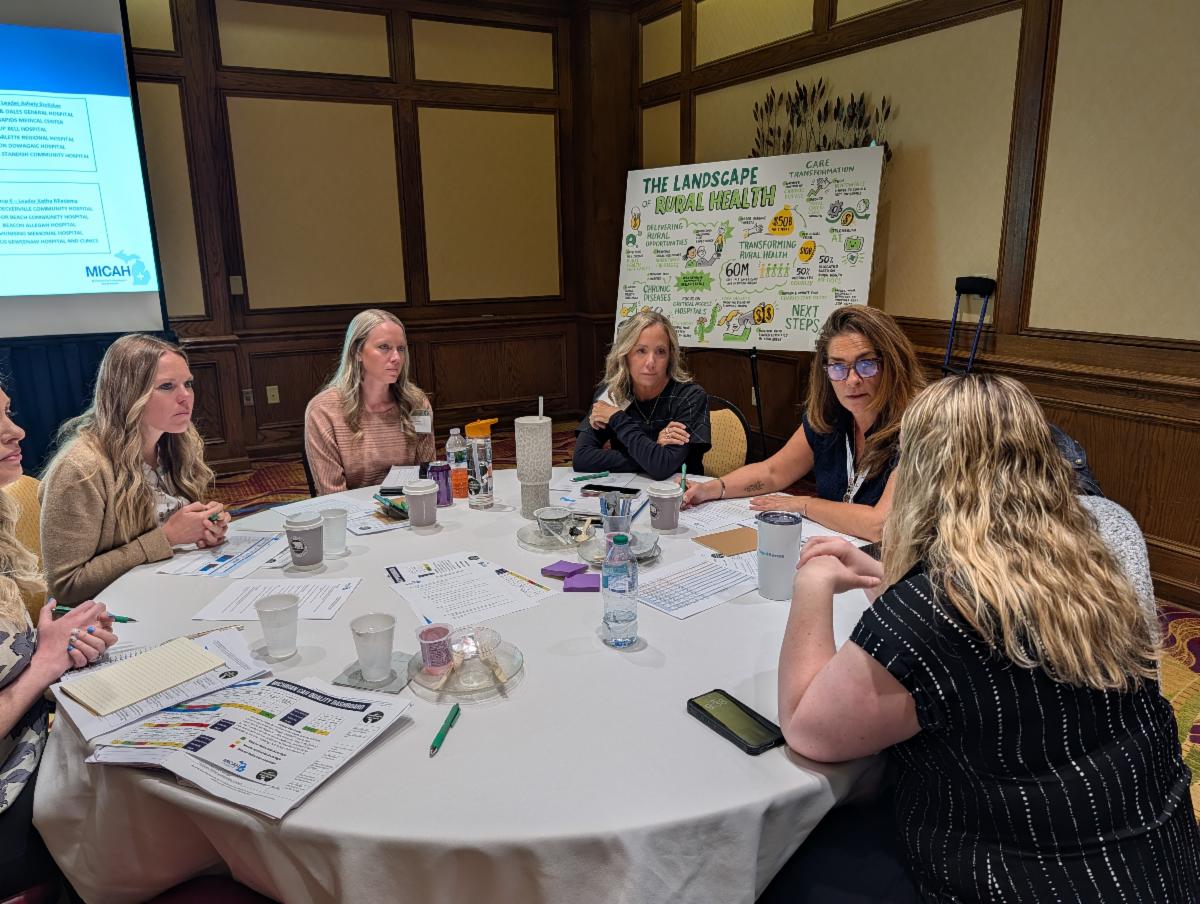
On May 7th, 2026, Critical Access Hospital (CAH) quality and patient safety leaders from across Michigan convened at the Grand Traverse Resort for the Michigan Critical Access Hospital Quality Network's (MICAH QN) spring in-person meeting. The gathering brought together this impressive network, in which members, all 35 MI CAHs, are united by a shared goal: delivering high-quality, data-informed care to rural communities. From a "Town Hall" on artificial intelligence in healthcare quality, to deep dives on emergency department throughput metrics and substance use disorder, the meeting reflected the breadth and urgency of issues facing Michigan's CAH quality leaders today. The Michigan Center for Rural Health facilitates and supports the MICAH QN.
About the MICAH Quality Network: The Michigan Critical Access Hospital Quality Network (MICAH QN) is Michigan's statewide peer-learning and quality improvement network specifically for Critical Access Hospitals. It exists to ensure that no rural hospital is left to navigate the complex landscape of quality reporting, patient safety improvement, and regulatory change alone.
MICAH QN’s Mission is: As a premier system of quality, MICAH QN will be a model in developing processes that demonstrate the high-quality service provided by CAHs — identifying opportunities for change that lead to continued improvement in the health status of the population we serve. The network's vision is to be recognized as the statewide and national leader in the measurement of healthcare quality for Critical Access Hospitals, a goal its members actively work toward through structured collaboration, peer accountability, and shared data. Four strategic priorities anchor the network's 2026–2029 plan:
- Innovation & Future State: preparing every MI CAH for the future of value-based care, and other quality-related changes.
- Patient Safety: Building a measurable, accountable culture of zero harm.
- Performance Improvement: Ensuring every CAH reports, analyzes, and acts on quality data.
- Value & Sustainability: Demonstrating and communicating the network's impact to hospital leadership and CEOs statewide
Leading the Network: The MICAH QN Executive Committee: Behind every MICAH QN meeting, resource, and strategic initiative is a dedicated Executive Committee, a group of CAH quality professionals who volunteer their time and expertise to lead the network's work. Meeting monthly and serving on state and national committees, EC members are described by colleagues as the ones who put in the work so that “No CAH is left behind”.
- President: Mariah Hesse, CNO, UMH Sparrow Clinton Hospital
- Vice President: Jen Anderson, Market Project Manager/Operational Excellence Specialist, University of MI Health Community Hospitals
- Treasurer: Christi Salo, CNO, Munising Memorial Hospital
- Strategy Group #3 Leader: Heather Schragg, Director of Quality, Risk Management, Medical Staff Services
- Strategy Group #2 Leader: Kena Nicholson, Quality Coordinator, Schoolcraft Memorial Hospital
- Strategy Group #1 Leader: Tiffany Friar, CNO, UMH Sparrow Eaton & Ionia
- Member: Christine Bissonette, Service Line Director, Acute Care Services, Kalkaska Memorial Hospital
- Member: Todd Peltola, Director of Quality and Risk, Baraga Community Hospital
- Member: Darcy Donnelly, CNO, Aspirus Keweenaw
- Member: Julia Harbuck-Valley, Quality Manager, Scheurer Health
- Member: Kimberly Shiner, Director of Compliance, Quality & Risk Management, Schoolcraft Memorial Hospital
- Member: Jennifer S. Duke, Patient Safety Quality Specialist, MyMichigan Health System
EC members don't just govern, they carry MICAH QN's voice to state and national committees, conduct strategic planning, onboard new members, model continuous improvement thinking, and document the network's growing list of successes.
The Three Strategy Groups: Where the Work Gets Done: MICAH QN's work is organized into three peer-led Strategy Groups, each focused on a core dimension of CAH quality. Members bring real challenges to these groups, share hard-won best practices, and develop resources that get deployed across the state.
- Strategy Group #1 — Making Care Safer: Reducing Harm in the Delivery of Care
The Aim: To identify common areas for CAH improvement, analyze patient safety data, align priorities, and share best practices, with the intention of improving patient outcomes.
SG #1 has built something rare: a genuinely safe space where quality leaders feel comfortable sharing specific challenges around patient safety. It has cultivated consistent attendance, expanded training opportunities, and surfaced Sepsis as the network's top patient safety priority through member-driven assessment. At May's meeting, SG #1 tackled one of the most pressing topics in rural emergency care: Substance Use Disorder (SUD) and Opioid Use Disorder (OUD) in patient safety and quality. Guest presenter Amy DeKorse, Senior Coordinator of Outpatient Behavioral Health at Munson Healthcare, shared how Munson has prioritized SUD/OUD integration into quality and safety work and then assisted with a facilitated discussion that gave members the opportunity to share challenges and strategies tailored to their facility size
- Strategy Group #2 — Data Management & Analysis
The Aim: To equip CAHs with the tools to drive data-informed changes, strengthen accountability, and improve health outcomes in rural communities.
SG #2 is the engine of MICAH QN's data infrastructure. At May's meeting, the group covered three major areas:
MI CAH Scorecard Showcase: Aspirus Health's Karin Markey presented Aspirus's Stoplight Report, a practical benchmarking tool that makes quality data visible and actionable at a glance
MBQIP Data Update: Amanda St. Martin and Jeff Nagy from MCRH provided the latest Medicare Beneficiary Quality Improvement Program data (MBQIP), helping members understand where Michigan's CAHs stand on key federal quality metrics
OP-18 Breakout Session: Members brought their current OP-18B (median time from ED arrival to ED departure for admitted patients) and OP-18C (boarding time) data to a collaborative peer discussion. The OP-18 breakout was guided by questions covering bottlenecks (provider availability, diagnostic delays, staffing patterns), transfer tracking practices, patient satisfaction during long wait times, and what one evidence-based tactic has had the greatest impact on reducing ED length of stay at each facility.
- Strategy Group #3 — CAH Priorities: What You Need to Know Now
The Aim: To assess new and timely topics that MI CAH quality leaders need to be aware of — and provide education on those topics.
SG #3 operates through focused "Information Sprints” rapid-cycle deep dives on the issues most pressing to CAH quality right now. Past sprints have covered Social Determinants of Health, Health Equity, Aging, HCAHPS, and Transitions of Care (including the February 2026 focus on behavioral health discharges from rural emergency departments).May's sprint turned to a topic that has moved from emerging to urgent: Artificial Intelligence in Healthcare Quality.
Built on Collaboration, Transparency & Peer Sharing: What makes MICAH QN distinctive is not any single program or resource, it is the culture the network has deliberately built. Every meeting element, from the opening Safety Story to the OP-18 breakout, is designed around the principle that Michigan's CAH quality leaders learn best from each other. In 2025 alone, MICAH QN members delivered eleven peer presentations, covering topics including HCAHPS improvement strategies, provider communication success stories, sepsis screening, lean ED process improvement, and Just-in-Time audits. Members are expected to show up as both learners and teachers. For example, in May, Julia Harbuck Valley at Scheurer Health presented a patient safety and quality training takeaway, modeling the network's expectation that members bring insights from external learning back to the full group. In addition, MCRH sends individual benchmarking reports to every MI CAH, and this data is shared transparently at every meeting, including being wrapped up into an overall MICAH QN Scorecard.
| | MBQIP Updates and Deadlines | | |
MBQIP Data Submission Deadlines
MCRH continues to provide monthly Medicare Beneficiary Quality Improvement Project (MBQIP) updates that will help improve the quality of care provided in Critical Access Hospitals (CAHs).
Resource Updates for Critical Access Hospitals that reflect the new MBQIP Core Measure Set:
MBQIP Navigator
MBQIP Information Guide
Monthly MBQIP Data Submission Deadlines
Data Submission Guides
These guides provide detailed instructions for submitting MBQIP measure data. They include measure details, linked trainings and step-by-step data submission instructions for the measure:
UPCOMING DEADLINES:
July 8, 2026
Hospital Consumer Assessment of Healthcare Providers and Systems (HCAHPS) Q1 2026 encounters (1/1/26-3/31/26) is due July 8, 2026. Submission is through the HQR Secure Portal-Vendor. Quality Assurance Guidelines V.19.0
July 31, 2026
Emergency Department Transfer Communication (EDTC) Q2 2026 encounters (4/1/26-6/30/26) is due July 31, 2026. Connect with Connect with Crystal Barter @ barthcry@msu.edu for submission process details.
| | Expand Your Expertise in Quality and Patient Safety with Free Access to IHI Open School | | |
Members of the Michigan Critical Access Hospital Quality Network have a special opportunity to deepen their knowledge of patient safety and quality improvement through the Institute for Healthcare Improvement (IHI) Open School.
Through the Michigan Center for Rural Health free spots are available for members to complete a curated series of online learning modules and earn the Basic Certificate in Quality and Safety. These self-paced, interactive courses build foundational skills that strengthen quality improvement work in rural healthcare settings, making them an excellent fit for both new and experienced team members.
MCRH encourages hospital quality leaders to take advantage of this opportunity to stay current with best practices that drive improved outcomes for patients. This program offers practical, applicable tools for day-to-day improvement efforts while also providing nationally recognized certification.
Participants who complete the required modules will earn the IHI Basic Certificate in Quality and Safety, a credential that demonstrates commitment to excellence in patient care.
To learn more or reserve your free spot, contact Amanda St. Martin, Hospital Programs Manager, at amanda.saintmartin@affiliate.msu.edu.
| | CDC: Prevalence of Selected Chronic Conditions Among Adults Age 45 and Older, by Age and Urbanization Level: United States, 2024 | | CDC: Prevalence of Selected Chronic Conditions Among Adults Age 45 and Older, by Age and Urbanization Level: United States, 2024. The Centers for Disease Control and Prevention (CDC) provide data on the prevalence of heart disease, cancer, chronic obstructive pulmonary disease, and stroke among adults age 45 and older by level of rurality, using data from the CDC’s 2024 National Health Interview Survey. | | How Montgomery County Memorial Hospital Cut Month-End Close by 79% and Created Financial Stewardship | |
Tuesday, June 23, 1:00 - 2:00 pm CST
What would it mean for your finance team if month-end close took 3 days instead of 14? At Montgomery County Memorial Hospital, that’s no longer a hypothetical scenario. With the right system and the right partnership, MCMH streamlined their financial workflows and now consistently closes the month in just 2–3 days.
Join Bryant Blay, CFO at Montgomery County Memorial Hospital, and Derek Garrett, to learn how the hospital:
- Went from a 12–14 day month-end close to just 2–3 days for monthly general ledger entries
- Integrated daily revenue data from their EMR to eliminate delays and bottlenecks
- Gave department leaders real-time access to revenue by department reports and budgeting tools—reducing manual work and improving accuracy and creating financial stewardship.
- Consolidated fragmented financial tools into a single login, improving productivity and reducing IT burden
This is a real-world roadmap to modern financial stewardship in a rural healthcare environment, led by peers who’ve been there.
| Nurse Engagement Strategies That Are Helping Rural Hospitals Cut Early Turnover | |
Wednesday, June 3, 1:00 - 2:00 pm CST
Rural healthcare leaders know the cost of losing good nurses — especially new graduates. With nearly 30% of new nurses leaving their first job within a year, it’s time to look beyond the usual fixes. In this educational session, you’ll explore what’s working in rural hospitals right now — from stronger onboarding to building a culture of engagement that keeps nurses invested long after orientation ends.
Nicole Weathers, MSN, RN, NPD-BC, a nursing professional development specialist with over a decade of experience supporting rural hospitals, will share research-backed insights and practical strategies rural facilities are using to reduce turnover and build stronger teams — even with limited resources.
You’ll leave with:
• Evidence-based insights into why new graduate nurses leave — and what keeps them engaged.
• Practical engagement strategies rural hospitals are using to improve retention.
• A clear understanding of how structured transition programs — including nurse residencies — fit into a broader rural workforce strategy.
Bring your questions — and leave with ideas you can put to work immediately.
| |
Upcoming MCRH Educational Events
| | |
Grand Rounds:
Tuesday, June 2, 12-1 pm EST
Behavioral Health Grand Rounds
Level of Care Reassessments in Addiction Treatment
Speaker: Genevieve Groover, MSW
Nursing, SW, and MCBAP CEs available
Register
June 30, 2026: 12-1 pm EST
Special Topics Grand Rounds
Ethical Situations in Rural Michigan
Speakers: Leonard Fleck and Jenny McCurdy
CEs available: Nursing and SW
*Registration open to those working in rural areas currently
Register
Project ECHO:
Tuesday, June 16, 12-1 pm EST
Diabetes ECHO
Physical Activity, Nutrition Resources, and Diabetes Education
Speaker: Kim Pfotenhauer, DO
Register
CME available
Wednesday, June 17, 12-1 PM EST
Infectious Disease ECHO
Topic TBD – potentially HPV
Speaker: Dr. Peter Gulick, DO
Register
Other Education Opportunities:
See more educational opportunities at https://mcrh.msu.edu/education
| | A SPECIAL THANK YOU TO MCRH 2026 ORGANIZATION SPONSORS | | Is your organization interested in becoming an MCRH Organization Sponsor? Please message jeanne.marriott@affiliate.msu.edu for more information on this branding opportunity. | | Stay updated by visiting the Michigan Center for Rural Health's website and following us on social media. | | | | |