Weekly update from the National Housing Conference | |
News from Washington | By Brittany Webb
| |
|
Fannie Mae predicts home prices will slow
A panel of 100 experts forecasted that the national home price growth will decelerate in 2024 and 2025, predicting a potential shift in the housing market. The panel is surveyed by Fannie Mae in partnership with Pulseconomics through Fannie Mae’s Home Price Expectations Survey.
The survey predicts that annual price growth will be 4.7% in 2024 and 3.1% in 2025, marking a deceleration of growth. Notably, the survey revealed that many of the panelists believe that streamlining the construction permitting process would have the greatest impact on expanding housing supply. Second came expanding zoning for multifamily units and investing in missing middle and light touch density housing construction.
"Recent measures of home price growth, including our own, have continued to come in stronger than previously expected, as reflected by the 100-plus HPES panelists who, on average, once again modestly upgraded their home price outlook for 2024," said Mark Palim, Fannie Mae Vice President and Deputy Chief Economist. "Strong home price appreciation has persisted despite purchase affordability remaining stretched for the vast majority of consumers, a dynamic that is still primarily a function of inadequate supply. Our panelists overwhelmingly agreed that there is a fundamental lack of housing in the United States relative to underlying demographic factors – and, on average, believe the nation to be short approximately 2.8 million homes. We've previously estimated the shortfall to be more than 4 million."
| | |
|
HUD invests in Fair Housing and climate resilience
The U.S. Department of Housing and Urban Development (HUD) recently announced two significant funding initiatives aimed at advancing housing equity and improving living conditions across the country. HUD awarded $31.7 million from its FY 2024 budget to support 75 fair housing organizations through the Fair Housing Initiatives Program (FHIP). These grants, part of the Private Enforcement Initiative (PEI), will enable recipients to continue their fair housing enforcement efforts. Activities will include conducting investigations, fair housing testing, and filing complaints to tackle discrimination in the rental and sales markets. Additionally, recipients will engage in educational outreach to inform the public, housing providers, and local governments about their rights and obligations under the Fair Housing Act. “Ensuring fair access to quality and affordable housing for people who have been historically discriminated against is one of the foundations of our mission,” said HUD Acting Secretary Adrianne Todman.
HUD also allocated $69.1 million through the Green and Resilient Retrofit Program (GRRP) to improve nearly 2,000 homes across 10 states. These funds will boost energy efficiency, reduce climate pollution, and enhance climate resilience in multifamily housing. This program, established by the Inflation Reduction Act, aligns with President Biden’s Justice40 Initiative, which aims to direct 40% of federal investments to disadvantaged communities. “These investments represent our dedication to improving the lives and homes of residents by making them healthier, more energy-efficient, and safer in the face of severe weather,” said Assistant Secretary for Housing Julia Gordon.
| | |
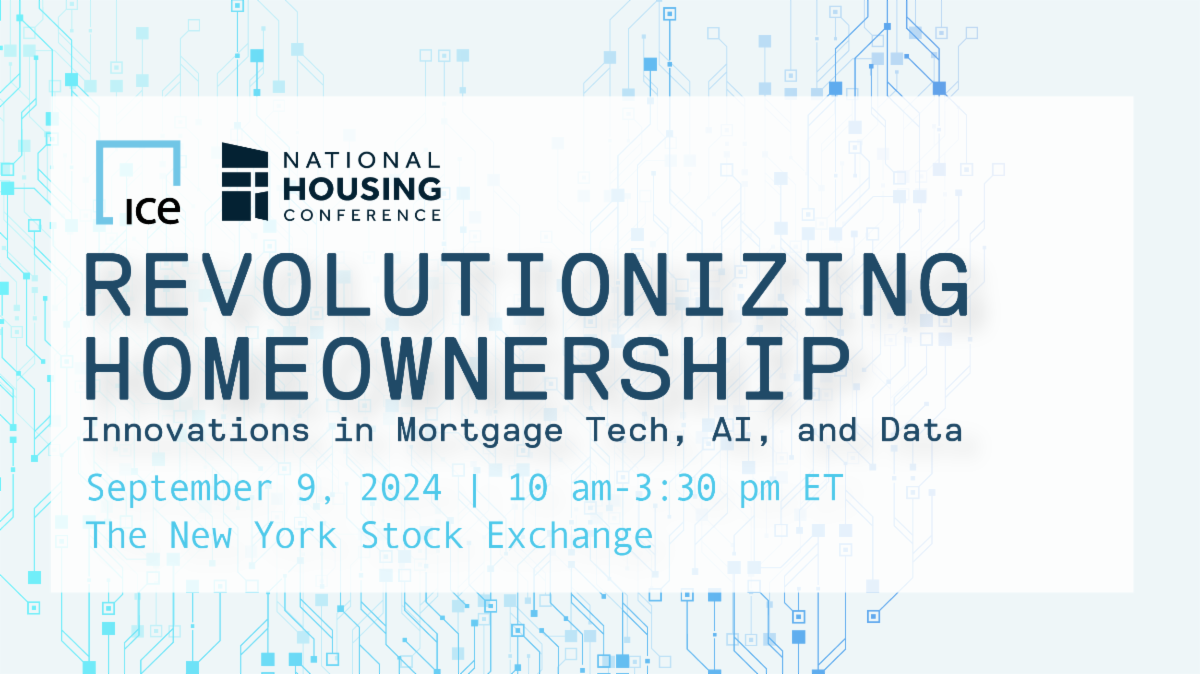
The National Housing Conference (NHC) and the Intercontinental Exchange (ICE) are excited to invite you to virtually participate in “Revolutionizing Homeownership: Innovations in Mortgage Tech, AI, and Data,” on September 9. This event will explore how technology is changing the housing industry, focusing on advancements in mortgage platforms, Artificial Intelligence (AI), and data transparency. | 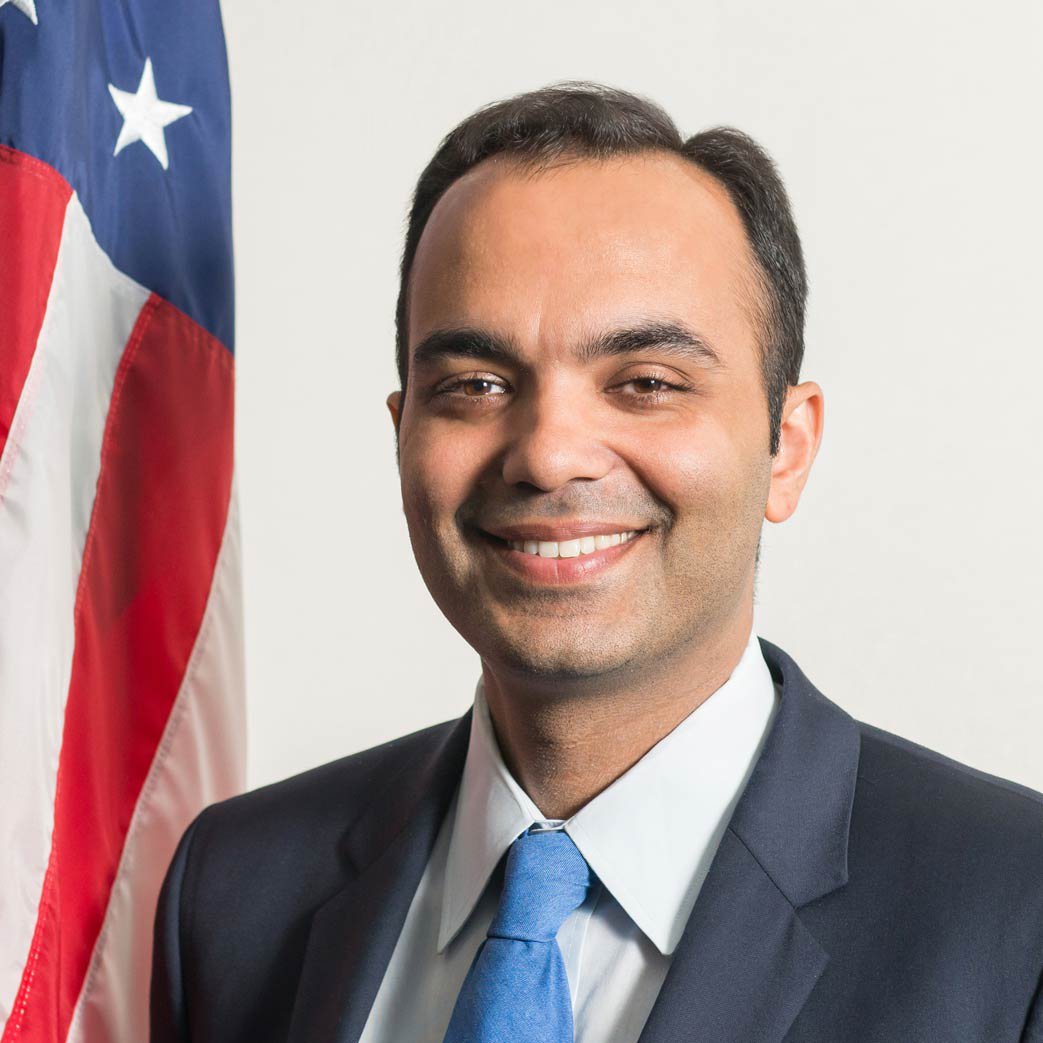 | |
CFPB Director Rohit Chopra will join us as he discusses his insights on the Consumer Financial Protection Bureau's efforts to address the impact of AI-driven decision-making tools on access to credit and fair housing practices.
Join industry leaders as they delve into the latest innovations that are automating and simplifying the home buying process, reshaping banking and finance, and broadening access to homeownership. Our expert speakers will share insights on AI’s growing influence in housing, its role in market sustainability, and its impact on fair and accurate property valuation and lending practices. Additionally, we’ll explore how enhanced data transparency is empowering consumers to make more informed decisions in their homeownership journey. Speakers include:
- The Honorable Rohit Chopra, Director, Consumer Financial Protection Bureau
- Anne Marie Pippin, Deputy Director of the Division of Conservatorship Oversight and Readiness, Federal Housing Finance Agency
- Timothy Bowler, President, ICE Mortgage Technology
- David M. Dworkin, President and CEO, National Housing Conference
- Sarah Myers West, Co-Executive Director, AI Now Institute
- Dr. Michael Akinwumi, Chief Responsible AI Officer, National Fair Housing Alliance
- Scott Levine, Head of Product, Tough Leaf
- Sipho Simela, CEO and Founder, Matrix Rental Solutions
- Vanessa Gail Perry, MBA, PhD, Professor of Strategic Management and Public Policy and Interim Dean, George Washington University School of Business
- Peter Carroll, Executive, Public Policy and Industry Relations, CoreLogic
- Castleigh Johnson, Founder and CEO, My Home Pathway
- Melissa Koide, CEO, FinRegLab
- Kelvin Brown, Sustainable Communities, Fannie Mae
| |
|
California seeking developers using AI to resolve housing issues
California is seeking developers to create generative AI solutions to address housing, homelessness, and budget analysis issues. Governor Gavin Newsom announced the state effort that involves using AI to help local jurisdictions track shelter availability, improve housing development, and analyze the state budget for more efficient policy decisions. The state has partnered with tech companies like Microsoft-backed OpenAI and Google-backed Anthropic, and developers will present their AI solutions later this month as part of an ongoing effort to incorporate AI into public services responsible. Specifically, GenAI adoptions would help to ease homelessness and connecting people to treatment, creating housing with more data and accountability on local permitting and development decisions, and supporting the state budget with faster policy and fiscal analyses of state programs.
“As the birthplace of the tech industry and the fifth largest economy in the world, California isn’t afraid of progress. We’ll deploy every tool to address some of the most vexing issues of our time, including the housing and homelessness crisis. California has the technology and the innovative spirit — let’s put them to use for the public good,” said Governor Newsom.
California lawmakers passed legislation last year requiring companies to comply with certain AI model rules, which the Governor has to sign into law or veto by the end of the month. The move also comes just a few weeks after Governor Newsom ordered the clearing of homeless encampments, sparking discourse on the most effective way to assist people experiencing homelessness.
| | |
|
Innovation Exchange with Mayors: Sharing Solutions for Housing Affordability
On September 18, 2024, Mayors and CEOs for U.S. Housing Investment, the National League of Cities, the National Housing Conference, Kaiser Permanente, and Enterprise Community Partners will convene bipartisan mayors, business leaders, lawmakers, thought leaders, and other stakeholders to discuss the importance of homeownership and issues impacting renters.
Speakers and panelists will explore local challenges, share best practices, and discuss innovative strategies for improving rental housing access and increasing homeownership opportunities over the course of two panels.
| |
|
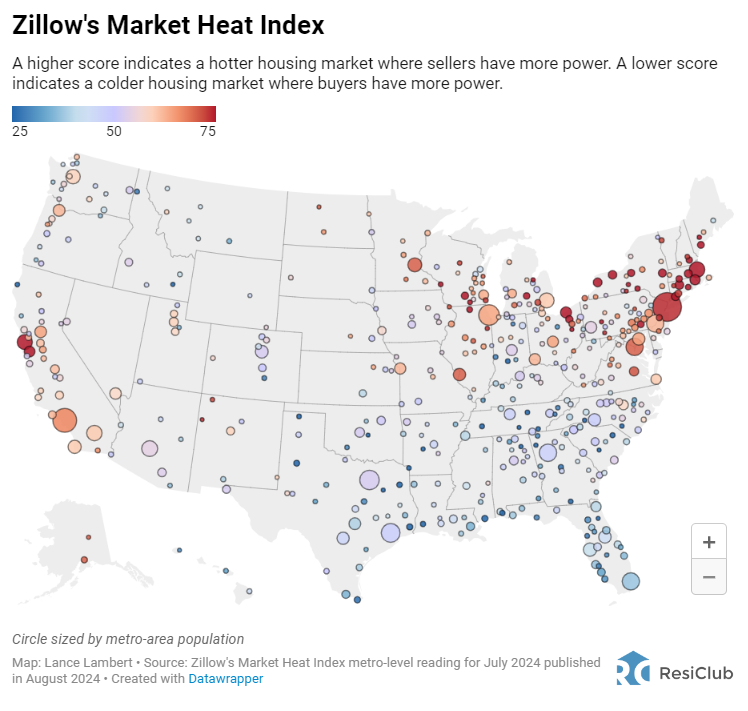
Zillow data reveals New York leads in market heat index
Zillow’s Market Heat Index, reported by Fast Company, reveals a shift in favor of buyers in certain regional housing markets. A higher score on the index indicates a seller’s market, while a lower score points to a buyer’s market. The hottest markets are Rochester, NY (154), Syracuse, NY (102), and Buffalo, NY (95), where tight inventory and high home price growth give sellers the upper hand. On the other hand, the coldest markets are Beaumont, TX (13), Gulfport, MS (14) and Longview, TX (23), where rising inventory has led to more favorable conditions for buyers. Housing markets in the Northeast and Midwest remain competitive due to a limited new supply, in contrast to Sun Belt regions, where increased homebuilding has cooled the resale market.
| |
|
Greater Cleveland Habitat for Humanity is constructing 19 modular homes across Cleveland to address the city’s affordable housing needs. The $2 million project will offer homeownership opportunities for individuals making 30%-80% of the area’s median income, with approved applicants contributing 200-300 hours of sweat equity. Habitat plans to expand this initiative to other Cleveland neighborhoods as part of its broader $33 million effort to build, restore, and repair homes in the region.
The Federal Housing Finance Agency published a paper analyzing the “lock-in” effect of interest rates. Interest rates reached historic lows in 2020-2021, leading many borrowers to refinance into fixed-rate mortgages well below the current market rates, leading to lock-in that discourages homeowners from selling. The analysis quantifies this effect, estimating that every percentage point of lock-in reduces the probability of a sale by 18.1%, with affluent and non-white borrowers being particularly sensitive. This phenomenon has restricted housing supply, contributing to a 7% increase in home prices between 2022 and 2024, despite the cooling effect of higher interest rates.
An article by Newsweek compares the housing plans between the two Presidential candidates, Kamala Harris and Donald Trump. It describes how the core differences lie between state and federal level changes, with Trump’s arguments focused on state and local regulations adding to home costs and Harris’ plan focusing on tax credits and developing new housing.
| |
|
Sunday, September 8
2024 Legislative Forum | PHADA, September 8-10
Congressional Caucus | Credit Union Conferences | NAFCU, September 8-11
Monday, September 9
Revolutionizing Homeownership: Innovations in Mortgage Tech, AI, and Data | National Housing Conference, 10-3:30 PM ET
Digital Assets Forum | Women in Housing and Finance, 1-2 PM ET
NAHB Professional Women in Building Week | NAHB, September 9-13
The promise and perils of AI: Issues at stake in the 2024 election | Brookings, September 9-10
2024 Utah Housing Matters Conference » NCRC, September 9-11
Tuesday, September 10
What we learned from the first Harris-Trump presidential debate | Brookings, 2-3 PM ET
Wednesday, September 11
Annual Legislative Conference | Congressional Black Caucus Foundation, September 11-14 PM ET
Thursday, September 12
Welcome Back Happy Hour | Women in Housing and Finance, 5-7 PM ET
Friday, September 13
An Update on The State of the Nation’s Housing | Joint Center for Housing Studies, 12:15 PM ET
Leaders Speaker Series - Former FHFA Director Mark Calabria | Bipartisan Policy Center, 2-3 PM ET
| |
The National Housing Conference is a diverse continuum of affordable housing stakeholders that convene and collaborate through dialogue, advocacy, research, and education, to develop equitable solutions that serve our common interest. | |
Defending Our American Home since 1931 | |
Copyright © 2024. All Rights Reserved. | | | | |