Welcome to the University of Oklahoma Carceral Studies Consortium Newsletter. The Carceral Studies Consortium strives to build a community for intellectual exploration that includes faculty, staff, graduate students, community members, practitioners, and organizers.
Carceral Studies is concerned with the independent function and nexus of the political and social systems that organize, shape, sustain, and entrench practices of punishment, surveillance, incarceration, and harm.
|
|
Carceral Studies Conversations Podcast |
|
Coming Soon: "Emancipation and Reparations" with Dr. Guy Emerson Mount |
|
|
|
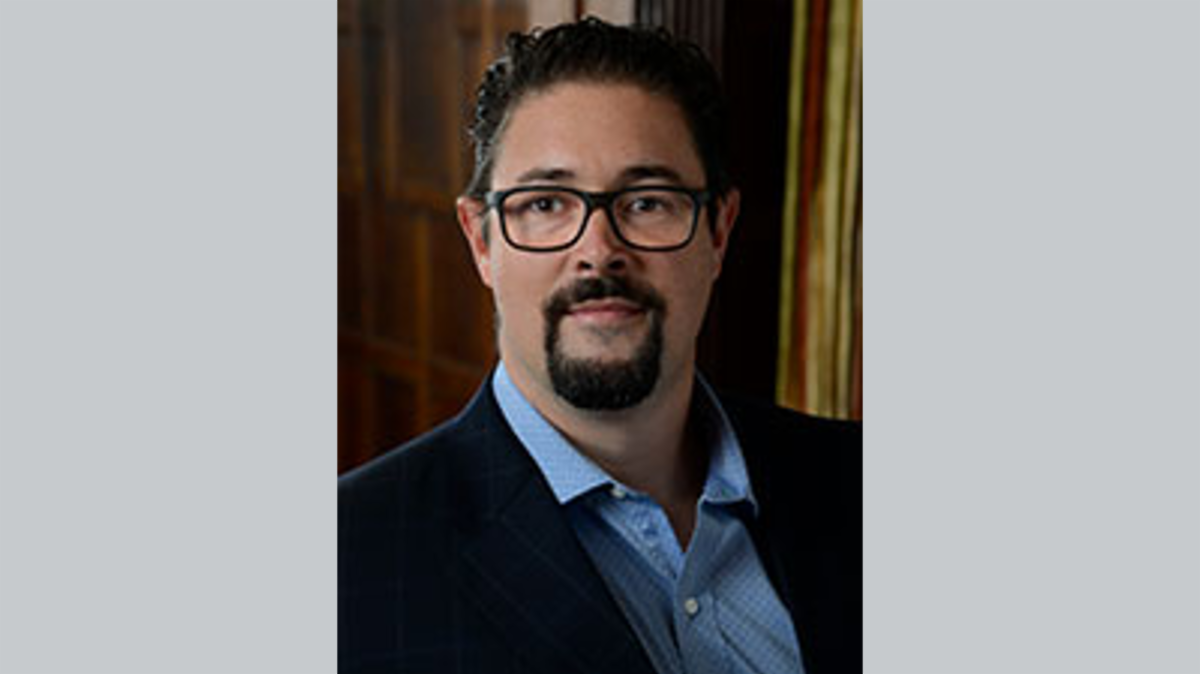
In this episode of the University of Oklahoma Carceral Studies Conversations podcast, Dr. Guy Emerson Mount explores the meaning of emancipation as it changed over time, the demands of reparations relative to repair and justice, and how the legacies of slavery and the lack of reparations has contributed to the Carceral State. Mount is an Assistant Professor of African American History at Auburn focusing on the intersection of Black transnationalism, Western modernity, and global empires. As part of his research into the lasting legacies of slavery, Prof. Mount recently co-founded the scholarly team that uncovered the University of Chicago’s historical ties to slavery. Mount currently serves as Associate Editor of Black Perspectives, the world’s largest online destination for African American history.
|
|
|
|
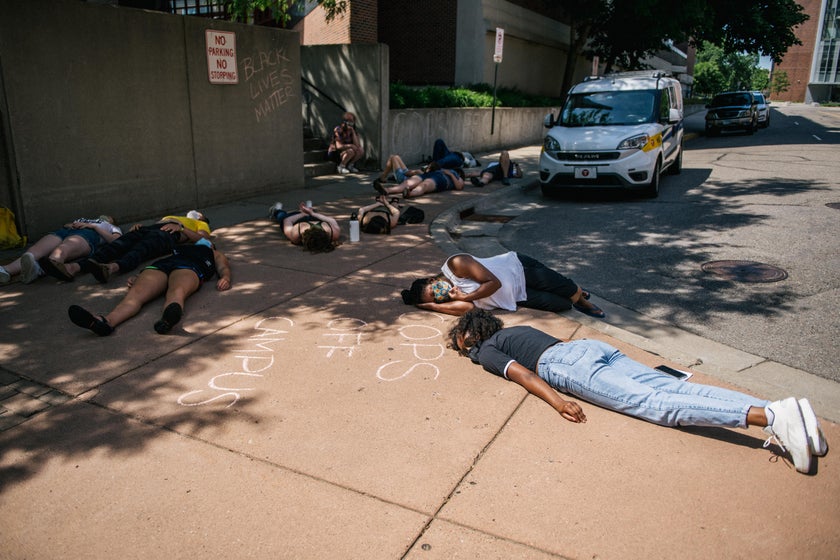
Campus police are present at 92% of public colleges and 38% of private colleges, yet during last summer’s Black Lives Matter protests “campus police officers have largely evaded scrutiny,” McWilliams argues. Campus police oftentimes are the interlocuters between colleges and the cities they inhabit, working with their cities to expand their universities’ jurisdictions. Campus police are nearly always permitted to carry arms and make arrests of local residents, both affiliated with the school and not. Students across the country, from Harvard to the University of Chicago and the University of California schools, have organized to defund and dismantle campus police departments.
|
|
|
|
Mulholland and NoiseCat argue that the rallying cry of “I can’t breathe” points to more than police violence; these words “also speak to other silent and often unseen killers, like pollution and poverty.” Environmental justice is “the idea that environmental benefits and burdens are distributed unequally throughout society, often along race, gender, and class lines.” Dr. Robert Bullard, whose pioneering work revealed how pollution maps onto racial divisions, explains in this interview how he became involved in the environmental movement and the struggle to get environmental and civil rights groups to recognize how their issues overlapped. Bullard argues: “Justice has to be at the heart of all plans to address climate change from adaptation to mitigation.”
|
|
|
|
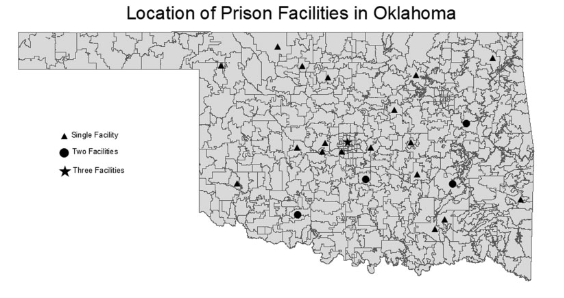
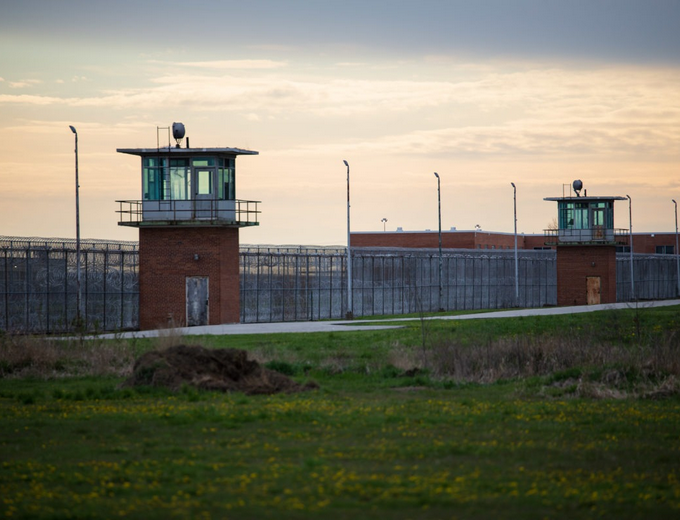
Prisons are often located on “undesirable land that is in close proximity to environmental hazards.” This study by Leon-Corwin et al. correlates data on toxic releases to prison locations in Oklahoma, and the authors “find that prison zip codes have a greater TRI emissions compared to non-prison zip codes.” The authors contextualize the environmental hazards and pollution around prisons within the context of how marginalized groups are exposed to these dangers more frequently and in greater amounts than the rest of the population. Because prisoners have no agency to relocate or effectively protest their conditions, this exposure to pollution may constitute “a violation of their basic human rights.”
|
|
|
|
Lisa Montgomery was a survivor of childhood sexual abuse who was failed by the legal system, and Grant argues (prior to Montgomery’s execution on Jan. 12) “To execute Lisa Montgomery would be a final act of violence in the lifetime of violence she has already endured.” This author questions the type of justice that the criminal legal system offers: “Having lived under the threat of punishment all her life, what can the kind of punishment meted out by our courts and prisons accomplish in this case?” Montgomery’s execution is part of a slate of executions in the waning months of the Trump presidency and during the COVID-19 pandemic, which presents difficulties such as members of the legal or clergy team having to risk their own health to travel to Terre Haute, IN, for the execution. Montgomery’s case “reveals the failure of the criminal legal system—from child protective services to police to the attorneys appointed to defend her in her initial trial.”
|
|
|
|
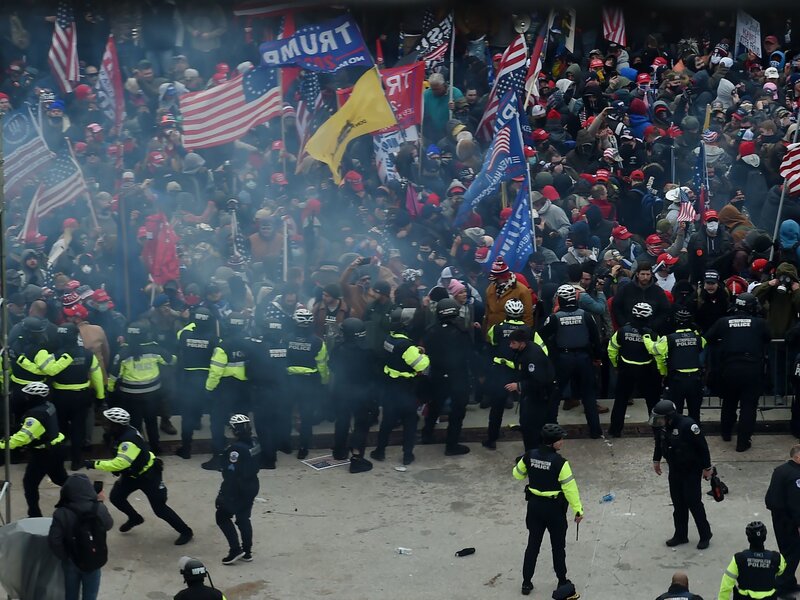
Alex Vitale argues that “in addition to examining the role of the police in these incidents, we need to open up a broader conversation about race, politics and justice.” In this interview, Vitale notes the disparities in the police response between mostly peaceful demonstrations over the last six years that have called for rethinking police and the status of Black people in the U.S. and between the militant and violent demonstrations on January 6. Vitale centers white supremacy and a kind of “angry white man” that feels the right to protest violently. Deep political divisions, racial inequalities, and mass homelessness, among other political problems, have been turned over to the police to manage, and “police are not capable of doing that.”
|
|
|
|
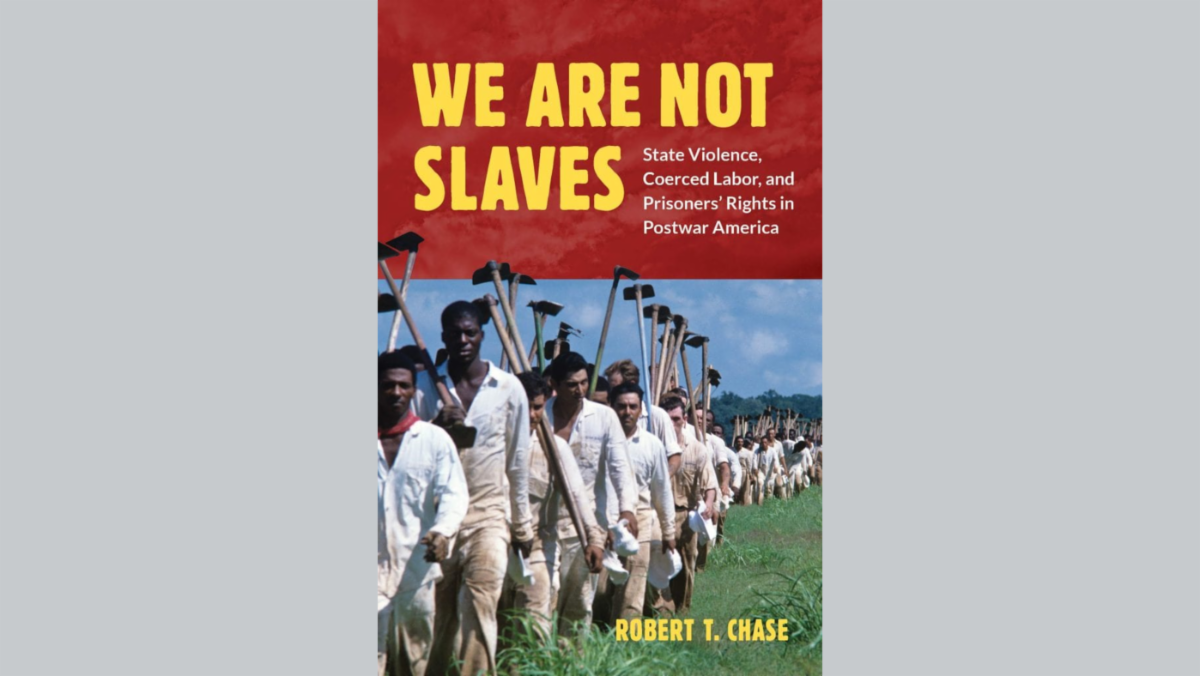
This review is part of a roundtable response to Robert T. Chase’s We Are Not Slaves: State Violence, Coerced Labor, and Prisoner’s Rights in Postwar America. Hughett emphasizes how this book demonstrates “how an interracial movement of imprisoned people dismantled Texas’s brutal plantation model of punishment... [through] a two-pronged strategy focused on direct action protest and constitutional rights litigation. This book “expands our definition of who counts as a policymaker” by showing how legal change begins with the individuals’ experiences. Indeed, Texas prison administrators enabled and encouraged such violence and injuries against their captives. Although the legal efforts succeeded in eliminating some of the worst abuses, “constitutional rights litigation is a limited tool for addressing abuse behind bars.” Hughett concludes: “ending carceral violence will require more than litigation; it will require abolishing the prison.”
|
|
|
|
Youth justice advocates are celebrating Ohio’s new prohibition on sentencing minors to life without the possibility of parole. The law is retroactive regarding parole eligibility, so people who committed a crime as a minor will be eligible for parole within eighteen years if the crime did not involve a homicide and 25-30 years if it did. Ohio is the 24th state, plus D.C., to end this type of sentencing for youth. This law may help confront racial inequalities in the state’s prison population because of disparate sentencing and “the rate at which children of color are transferred to adult court."
|
|
|
|
The Norman Police Department and Ruth Knee Institute for Transformative Scholarship in the Anne and Henry Zarrow School of Social Work at the University of Oklahoma established a “Partnership for Evaluating Police,” a data-sharing and decision-making collaboration. The partnership offers social work scholars the opportunity to provide “external, unbiased evaluation of police-related community contact data [and] to develop a consultation mechanism to learn more about how to adjust policies and procedures to better serve the needs of the Norman community.” The project will begin by focusing on how Norman Police’s traffic enforcement affects marginalized communities.
|
|
|
|
This article, with representative images, juxtaposes two events at the Capitol and the law enforcement responses: the January 6 invasion of the Capitol by a mostly white phalanx of Trump supporters and the diverse crowd on June 1 calling for an end to police brutality and racial inequity. These two demonstrations in Washington, D.C. highlight “the disparate treatment of Black and White people in America by law enforcement.” Unlike the forceful and violent clearing of protesters at Lafayette Square in June, the police were quickly overpowered and military reinforcements did not arrive for hours.
|
|
Announcements & Opportunities |
|
Apply for Carceral Studies Consortium Grants, Due Feb. 1
In support of the CSC mission, the Consortium offers a small number of micro-grants of up to $500 to OU faculty, staff and students to support the development of research, pedagogy, and community engagement projects relating to Carceral Studies. The Consortium encourages applications for projects that engage the community and/or support social or policy outcomes.
Spring 2021 applications are due February 1, 2021
|
|
|
Carceral Studies Spring Welcome Event, Feb. 8
You are invited to our spring semester kick-off event to be held via Zoom on February 8th, 2021, from 4:00 - 5:00 p.m. Please join the community to network and learn more about Carceral Studies.
This event will include short presentations on work being done throughout Oklahoma by Ellen Stackable (Poetic Justice), Constance Chapple (Sociology), Miles Francisco (Foundation for Liberating Minds), Jermaine Thibodeaux (African and African American Studies), Bailey Hoffner (Norman Collective for Racial Justice), and Stephanie Heinrich (Educational Leadership and Policy).
We look forward to seeing you at this event on Zoom.
|
|
|
ABOUT
The Consortium Newsletter will offer a roundup of a few selected articles that reflect today’s news, organizing, and thinking related to the carceral state. We understand that freedom work is built on education and engagement. Education requires an understanding of contemporary issues informed by their historical context. We hope that these curated articles will help you analyze the issues that we face and understand the community that we strive to construct.
Join the conversation!
We encourage feedback, suggestions, and article suggestions. Please reach out to carceralstudies@ou.edu with any ideas, thoughts, or recommendations.
If anyone you know is interested in receiving this newsletter and other information from the Carceral Studies Consortium, please forward them this email and they may click this link to subscribe.
|
|
Land Acknowledgment
The University of Oklahoma is on the traditional lands of the Caddo Nation and the Wichita & Affiliated Tribes. This land was also once part of the Muscogee Creek and Seminole nations. It also served as a hunting ground, trade exchange point, and migration route for the Apache, Cheyenne, Comanche, Kiowa, and Osage nations. Today, 39 federally-recognized Tribal nations dwell in what is now the State of Oklahoma as a result of settler colonial policies designed to confine and forcefully assimilate Indigenous peoples.
|
|
The University of Oklahoma is an equal opportunity institution. ou.edu/eoo |
|
|
|
|
|
|