Faulkner County Agriculture Update
September 4, 2026
| | |
USDA Approves Emergency Conservation Assistance for Conway and Faulkner Counties
Please read the following from Deborah Bolin, County Executive Director
Conway/Faulkner/Perry and Van Buren County Farm Service Agency
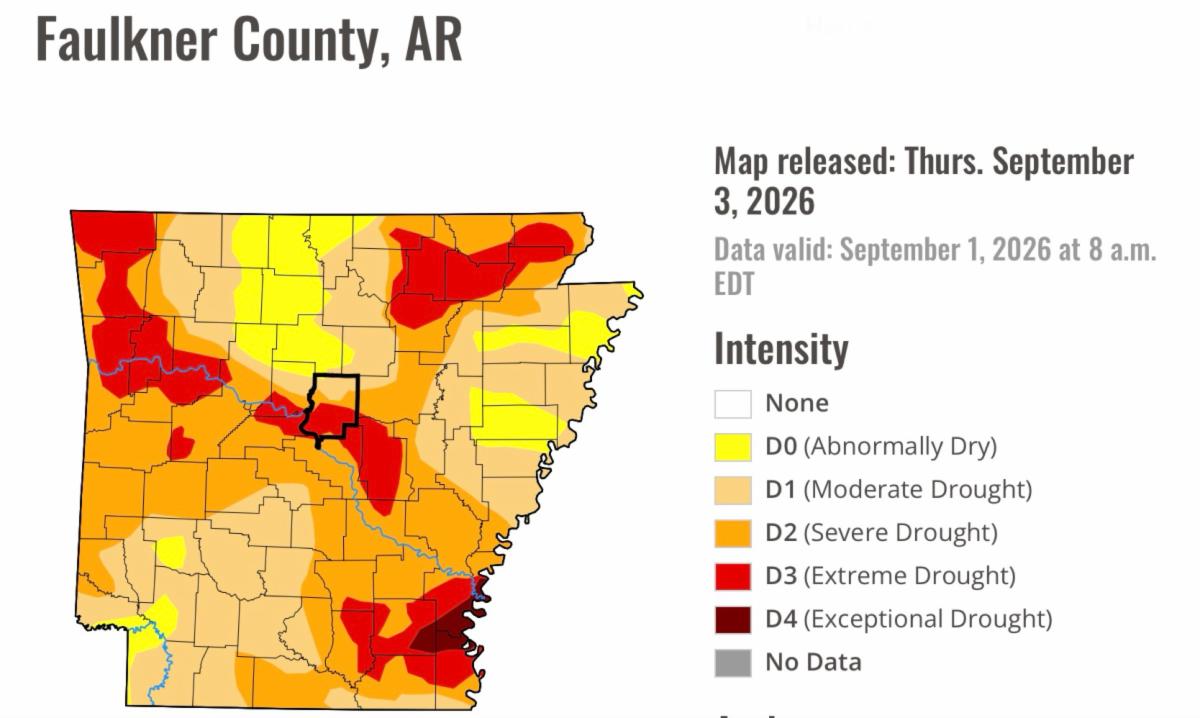
The U.S. Department of Agriculture (USDA) Conway/Faulkner/Perry Farm Service Agency (FSA) is accepting applications for the Emergency Conservation Program (ECP) to address emergency water conservation measures in periods of severe drought for areas affected by the severe water crisis involving Brewer Lake.
ECP provides cost-share and technical assistance to producers to restore farmland to pre-disaster conditions following a qualifying natural disaster. ECP signup began on August 10, 2026, and ends on September 9, 2026. Approved ECP applicants can receive up to 75% of the allowable cost of the approved restoration activity with a maximum cost share of $500,000 per natural disaster event.
Approved ECP practices include:
• Water Well
• Watering Facility
• Critical Area Planning
• Irrigation and Drainage Tailwater Recovery
• Livestock Pipeline
• Spring Development
Repairing, deepening, or removing silt from ponds is not authorized. Conservation concerns present on the land prior to the qualifying natural disaster event are not eligible for ECP assistance. Natural Resource Conservation Service (NRCS) will complete on-site inspections and needs determination. Practices must meet NRCS standards and specifications. Check with FSA before beginning any work. FSA County Committees will evaluate applications based on an on-site inspection of the area. An on-site inspection does not guarantee that cost-share funding will be provided.
ECP cost-share assistance can provide advance payments for up to 25% of the total allowable cost for all ECP practices before the restoration is carried out. The advance payment must be spent within 60 days. Producers who lease federally owned or managed lands, including tribal trust land, as well as state land, are eligible to participate in ECP.
To apply or learn more about ECP, producers can contact the Conway/Faulkner/Perry County FSA Office at (501) 354-2000 ext. 2 or visit farmers.gov/protection-recovery.
| | |
Weather
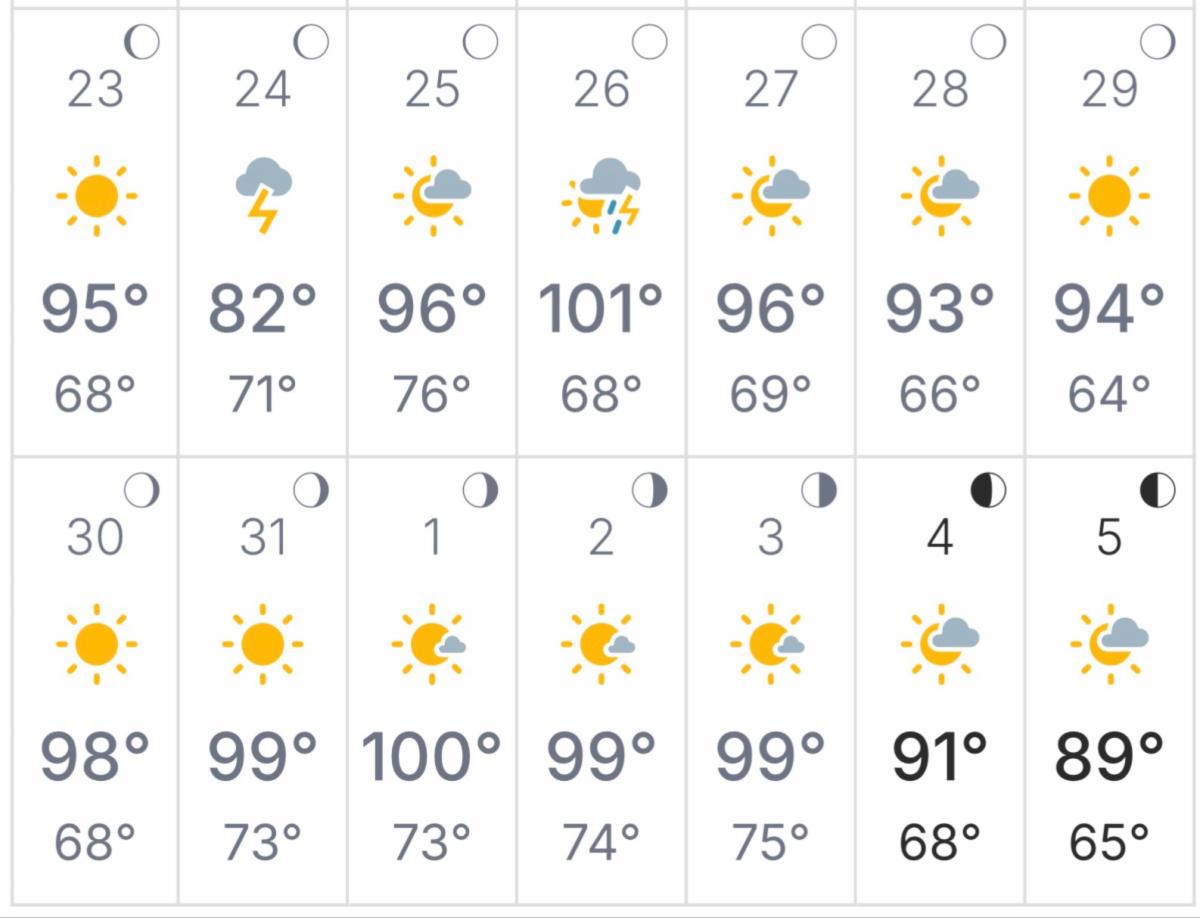
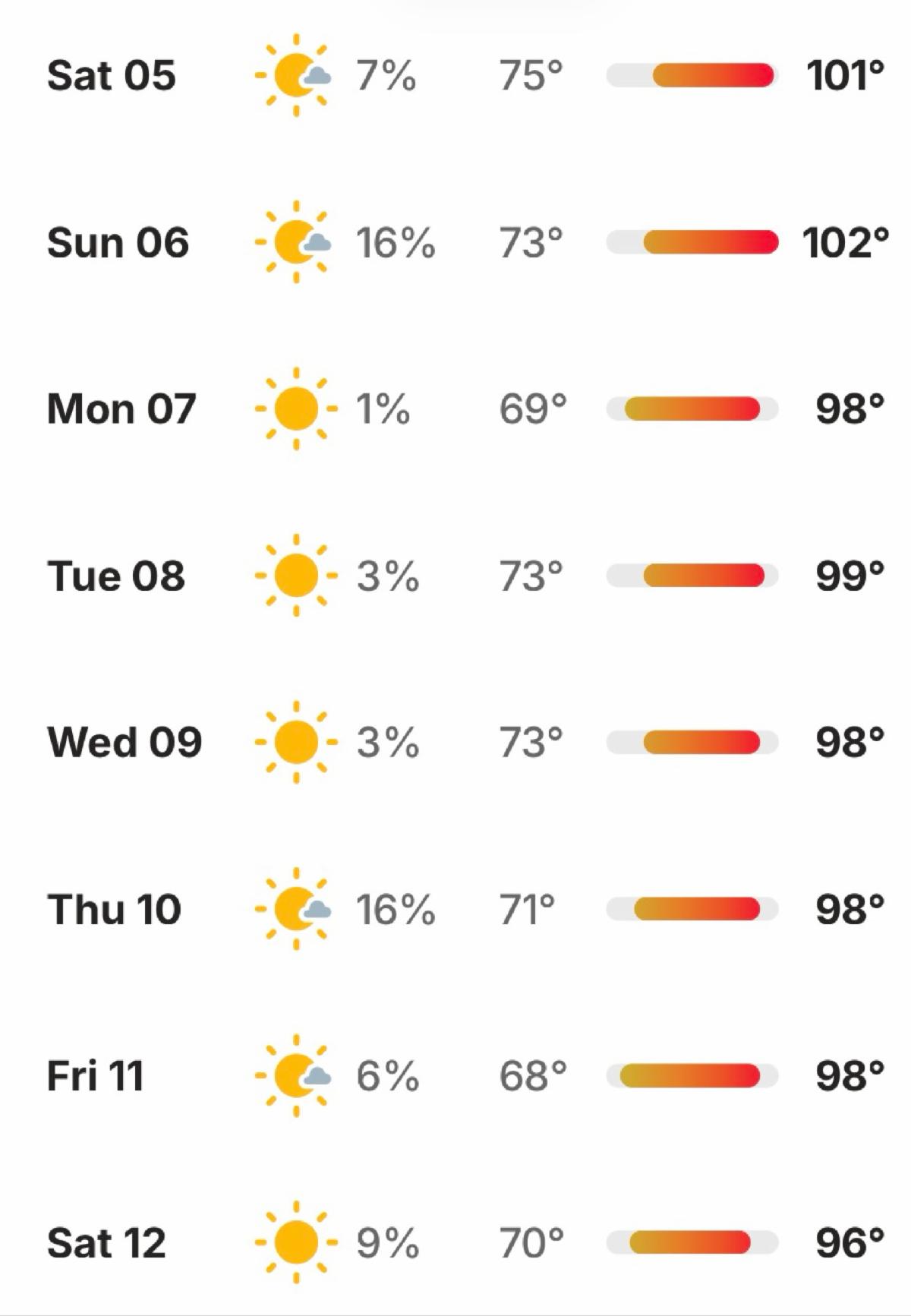
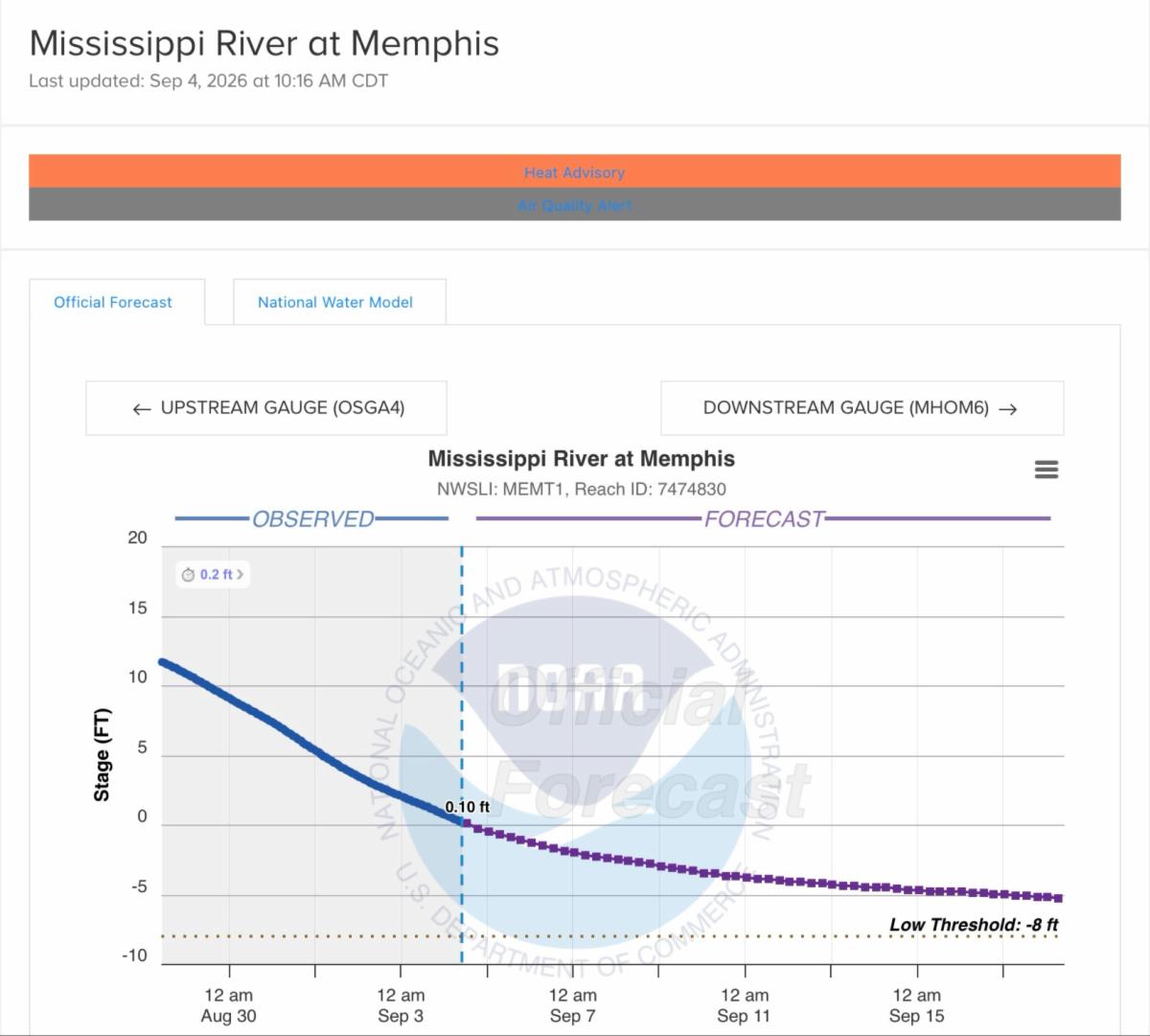
We are stuck in a hot and dry rut right now. There is no relief in sight as we have the same hot and dry weather predicted all through next week. Sunday and Thursday are the only chances of rain we are looking at and that is only 15%.
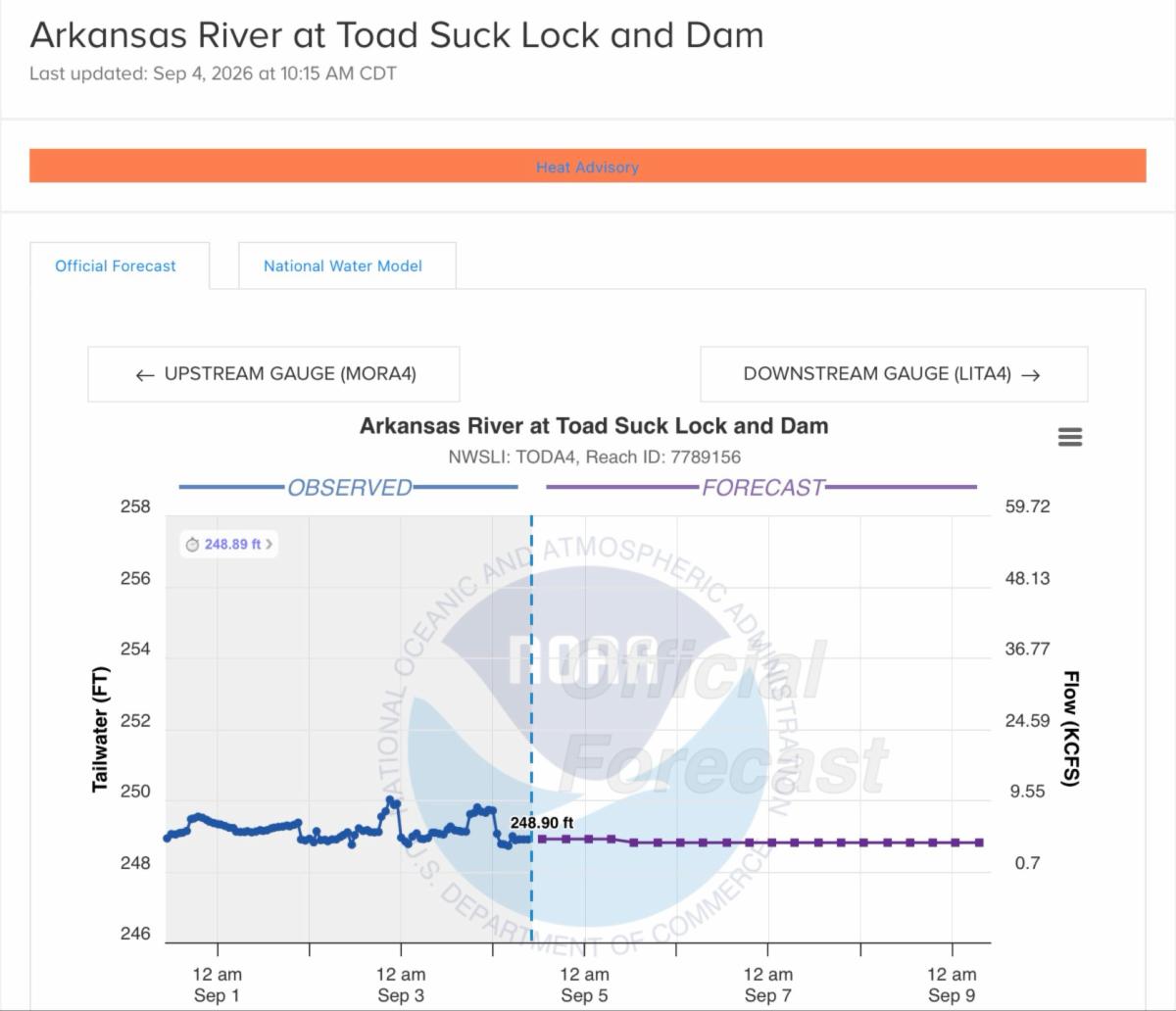
| | Arkansas and Mississippi River | |
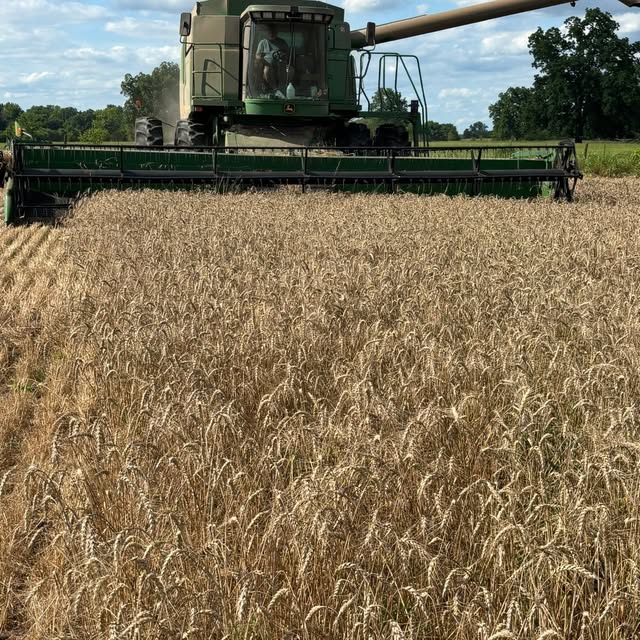
Wheat Production Meeting Breakfast
We will have a wheat production meeting on September 11, 2026 at the Barn in Lollie. We will have breakfast at 7:30 am followed by a quick wheat meeting with Dr. Jason Kelley.
The 2027 wheat enterprise and canola budgets are available online. Click the link below for more information.
| | |
Rice
Rice harvest continued this week. We are probably 50 to 60 % done in the county and it shouldn't take long to finish up with this kind of weather.
| | Dr. Jarrod Hardke's Rice Update and 2026 Rice Management Guide | | |
Soybeans
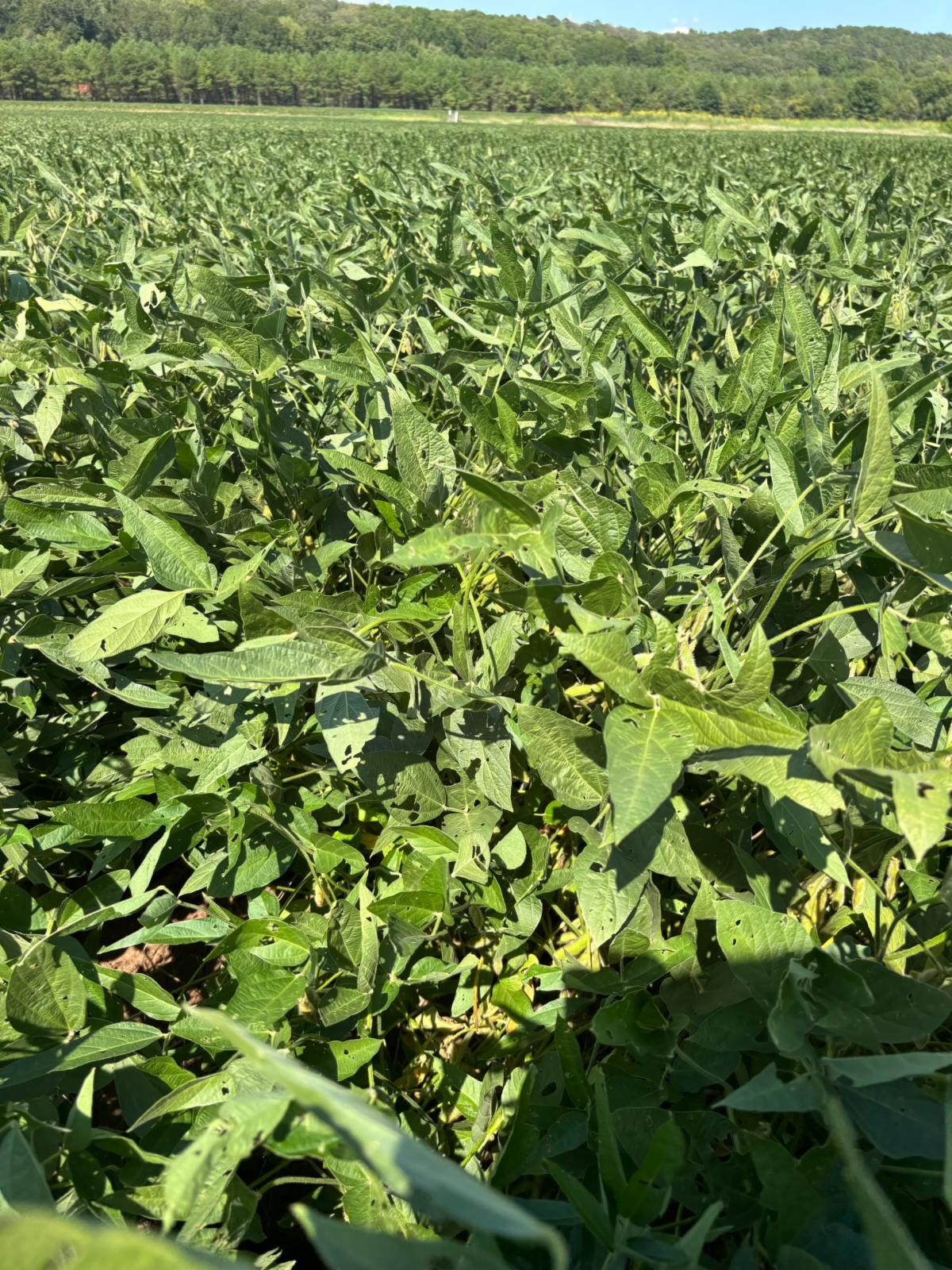
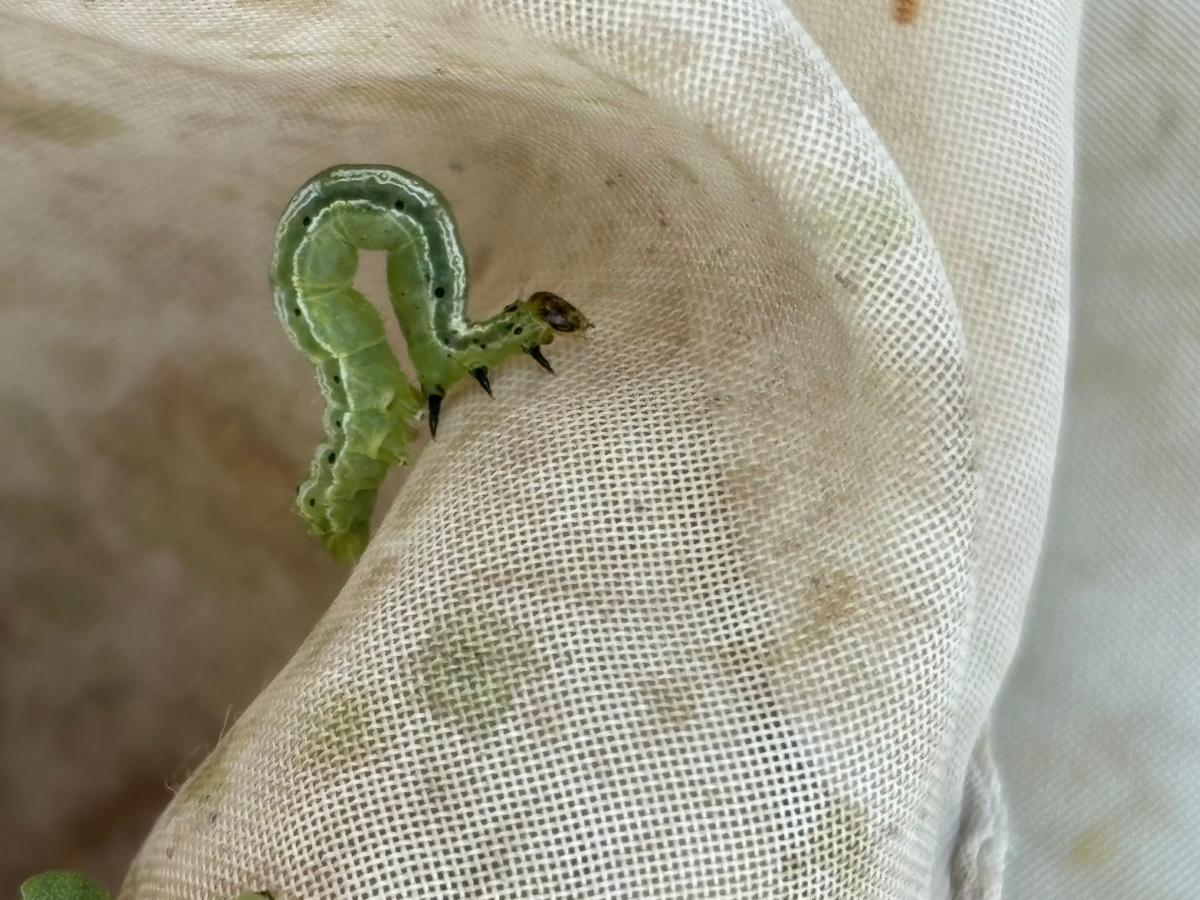
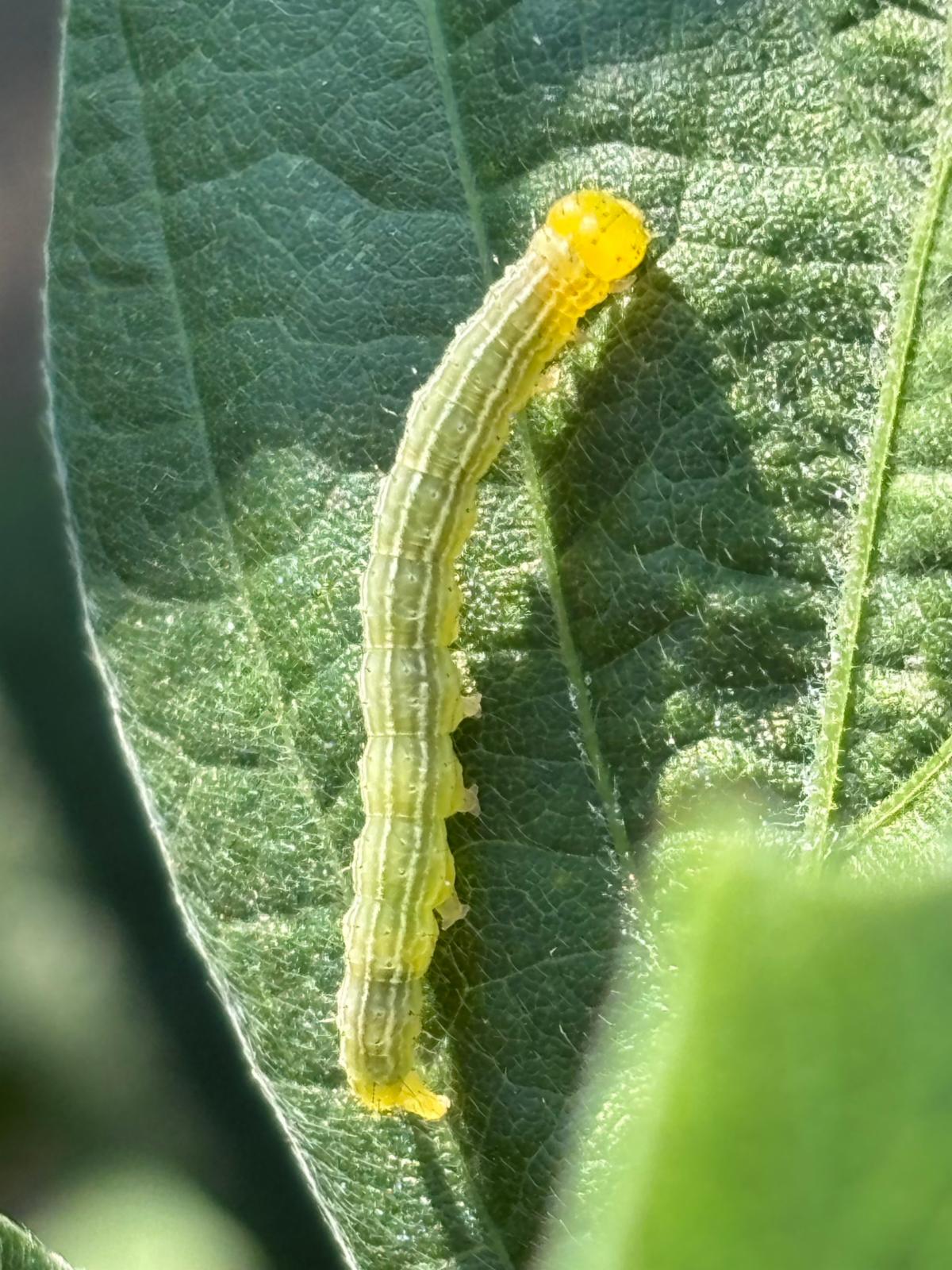
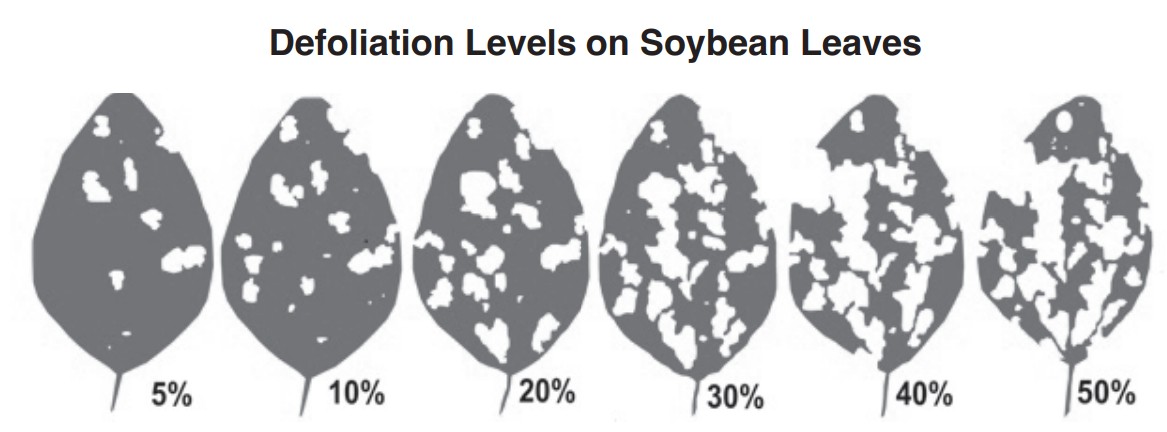
Velvetbean caterpillars and loopers took over this week. I looked at several fields and we ended up treating several fields that were behind wheat. These pests are really destroying leaves and we are easily approaching 25% defoliation on the whole plant. I also found some green stink bugs in one of these fields, so adding lambda or bifentrhrin will help with those. If you happen to find a field that really looks ragged get with me and let's look at it for treatment.
Below are some of your options for control. Check for generics for the cheapest options.
chlorantraniliprole = Vantacor/Coragen - 1.2 oz, OR Shenzi/Exceliprole 1.8 oz
chlorantraniliprole + lambda = Besiege 6 oz
chlorantraniliporle + bifenthrin = Elevest 6.8 oz
methoxyenozide + spinetoram = Intrepid Edge 4 oz
| | |
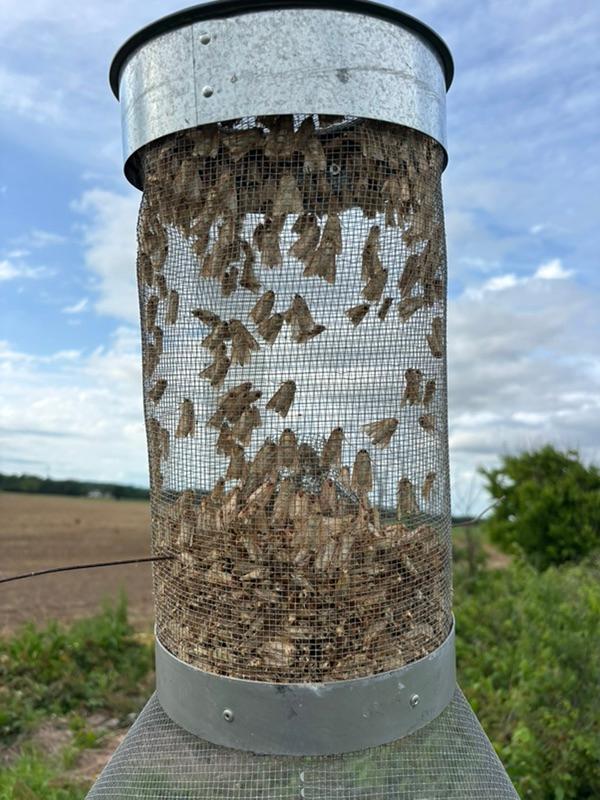
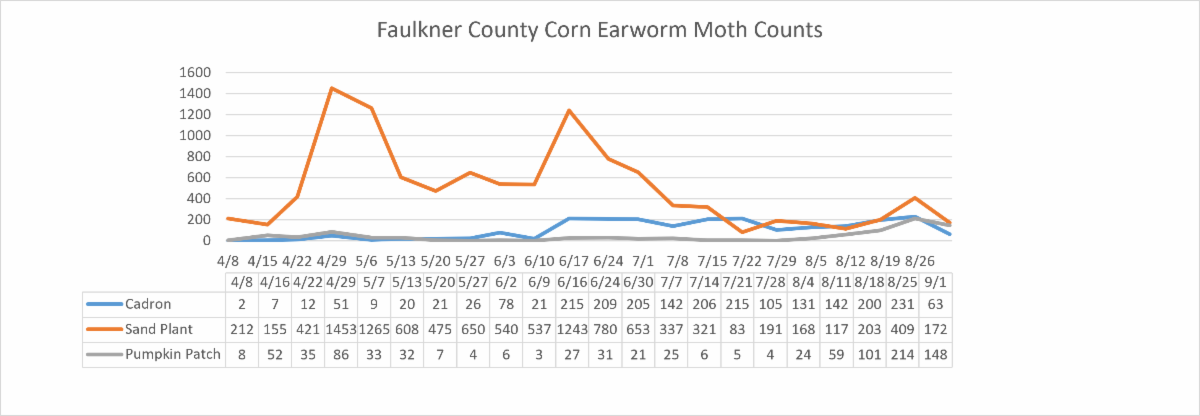
Corn Earworm Moth Traps
Corn Earworm Moth Counts for September 1 2026
Cadron - 63
Sand Plant - 172
Pumpkin Patch - 148
| |
Attractive Wheat and Canola Prices May Draw Acres This Fall
H. Scott Stiles, Program Associate and Extension Economist, University of Arkansas
Breana Watkins, Instructor, Crop Budgets, University of Arkansas
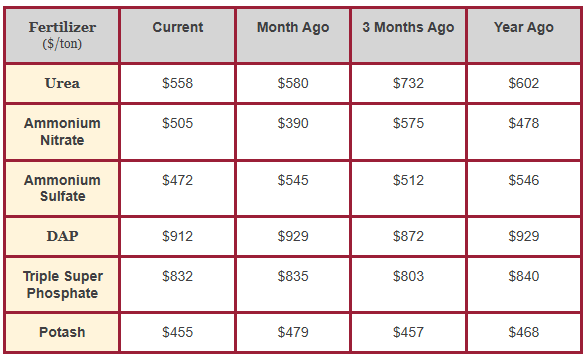
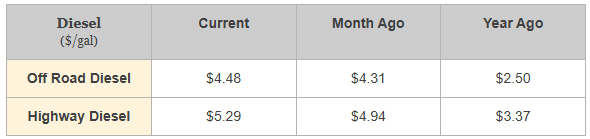
As the 2026 harvest gets underway, planning for 2027 begins. Growers have seen little to no relief this year from high input costs. With margins for the major row crops remaining compressed, growers are considering every alternative.
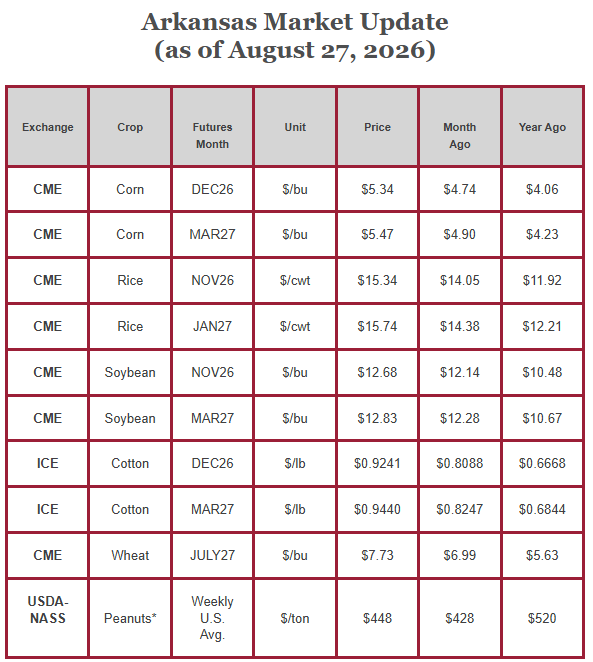
In recent days, CME July 2027 wheat futures have touched three-year highs, trading above $7.40 per bushel. This price level represents a massive pivot from recent years. In a tight agricultural credit environment, wheat requires significantly less working capital compared to the input-heavy corn or rice. Furthermore, with 2027 soybean prices above $12.00 per bushel, double-cropping may provide more revenue per acre than standalone full-season crops.
Growers in eastern Arkansas are also taking a close look at canola. It remains a small acreage crop for the state but is seeing rapid growth. About 1,800 acres of canola were harvested in the state in 2026. Industry sources indicate that 2027 acreage will more than double. A key driver behind the expansion is the canola program offered through a partnership among Bunge, Chevron and Corteva.
2027 Price Projections:
Wheat:
The USDA's preliminary average farm price for 2026/27 wheat is estimated at $6.20 per bushel, up significantly from the previous year's $5.06 per bushel. As mentioned earlier, CME July 2027 wheat futures currently trade above $7.40 per bushel and at the highest levels since mid-2023. Flat price bids for June delivery at river terminals are 15 to 20 cents under July 2027 futures.
Editorial Note: The crop insurance price discovery period for winter wheat runs from August 17th to September 14th, 2026. At roughly one-third complete, the running average Projected Price as of August 25th was $7.20 per bushel. The crop insurance Sales Closing Date for wheat in Arkansas is September 30th.
Canola:
Canola is marketed primarily through closed-loop buyback contracts, rather than standard open-market elevator cash bidding. Bids are tied to the Intercontinental Exchange (ICE) Canola futures contract, adjusted for local Mid-South basis. Currently, Midsouth participants in the Bunge Chevron Ag Renewables program are being offered a 2027 contract price of $13.25 per bushel.
Because canola is an emerging niche crop in the Mid-South, marketing relies on a vertically integrated system. For example, in the Bunge Chevron program, growers contract their acres prior to planting, agreeing to purchase proprietary Pioneer winter canola hybrid seeds and use specific chemical programs. In return, Bunge guarantees 100% buyback of the harvest. The contracted grain is explicitly marketed as low-carbon feedstock for the renewable diesel and sustainable aviation fuel (SAF) sectors. Chevron handles the distribution of fuel products.
Perhaps one headwind for canola production in Arkansas is the limited number of designated receiving locations. At present, the closest delivery terminals for Arkansas growers are located along the Mississippi River at West Memphis and Cottonwood Point, Missouri. From these river facilities, the canola is moved by barge to Bunge's dedicated oilseed crushing plant in Destrehan, Louisiana.
2027 Income Projections:
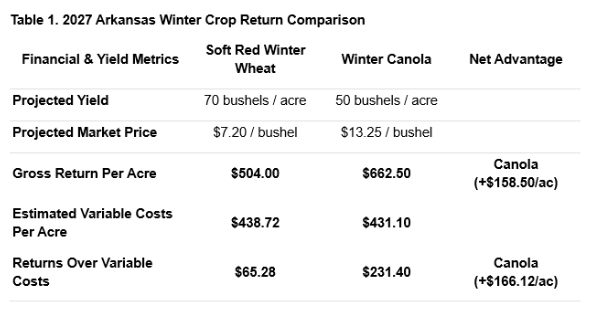
The core financial decision between wheat and canola in Arkansas centers on balancing high gross revenue potential against localized market access. While the numbers may favor canola on paper, the practical realities of managing a niche oilseed versus a highly familiar cereal grain make the "true" return highly farm dependent.
Looking at pure market pricing, canola holds an undeniable advantage (Table 1). At $13.25 per bushel, a standard 50-bushel canola yield produces over $158 more gross revenue per acre than a 70-bushel wheat yield priced at $7.20. Production costs for the two crops are comparable, which maintains canola’s advantage over wheat by $166 per acre. The projected returns in Table 1 do not include a return to land or machinery.
| | |
Final Thoughts:
For many growers, the ultimate winner is determined by the total profitability of a double-cropping system, not just the winter crop alone. There are other considerations as well. With any new crop, such as canola, there are agronomic and operational realities that must be evaluated. In terms of marketing, wheat will likely provide more flexibility and convenience in delivery. Canola requires a closed-loop commitment and much less flexibility in finding a local elevator willing to accept the grain.
The University of Arkansas Division of Agriculture has released its 2027 Crop Enterprise Budgets for winter wheat and canola. Growers can download the interactive Excel spreadsheets and plug in specific land lease structures as well as customized crop input quantities and prices.
Resources
2027 Planning Budgets: Crop Enterprise Budget | Arkansas crop budget resources
| | Beef, Small Ruminants, & Forages | | |
Forages
The last harvests of hay are taking place now. Everyone is getting that last cutting in. We are currently working on some research on cutting height, and even though we don't have all of the data back yet, I would recommend on this last harvest, turn the cutting bar up a little bit and cut at a higher height going into this winter. I feel like when we scalp the ground right now, and we continue to be hot and dry and don't get good growth and we have a chance for winter kill.
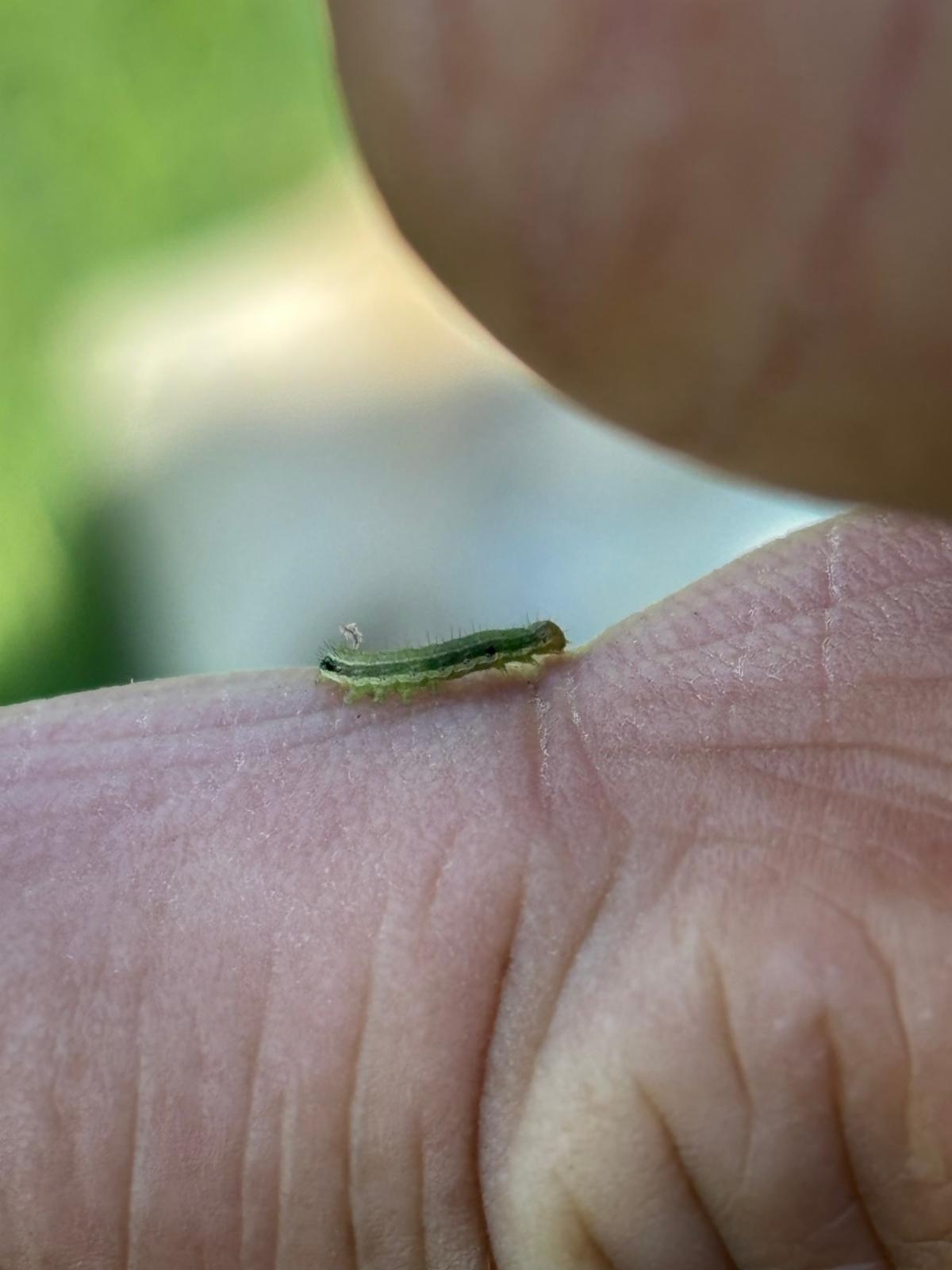
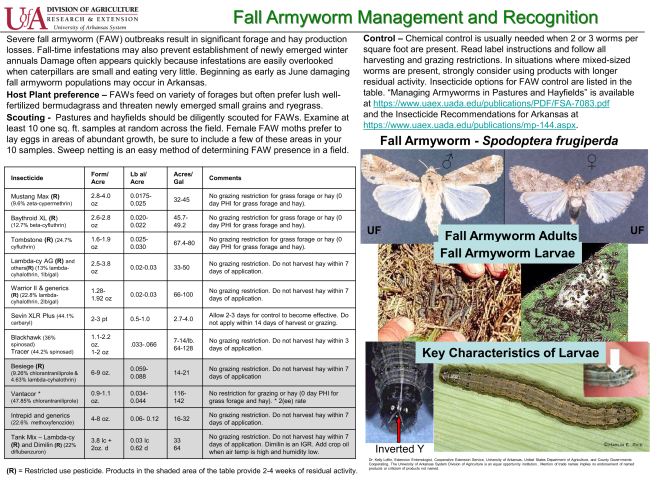
Armyworms are here. I talked to a few producers this week that are currently treating. There are some small worms out there, but I got a report today of 1 inch worms. That one will do a lot of damage. Below are some options of what you can apply for armyworms in pastures and hay. I do not recommend lambda cy alone. If you can find generics of these following insecticides, it may save you some money. Chlorantraniliprole by itself will control armyworms, but adding lambda cy will help with stem maggots.
chlorantraniliprole = Vantacor - 1.2 oz, OR Shenzi/Exceliprole 1.8 oz
chlorantraniliprole + lambda cy = Besiege 6 oz
diflubenzuron + 2lb lambda cy = Dimilin 2 oz + 2lb lambda cy 2 oz
diflubenzuron + 1lb lambda cy = Dimilin 2 oz + 1lb lambda cy 4 oz
| |
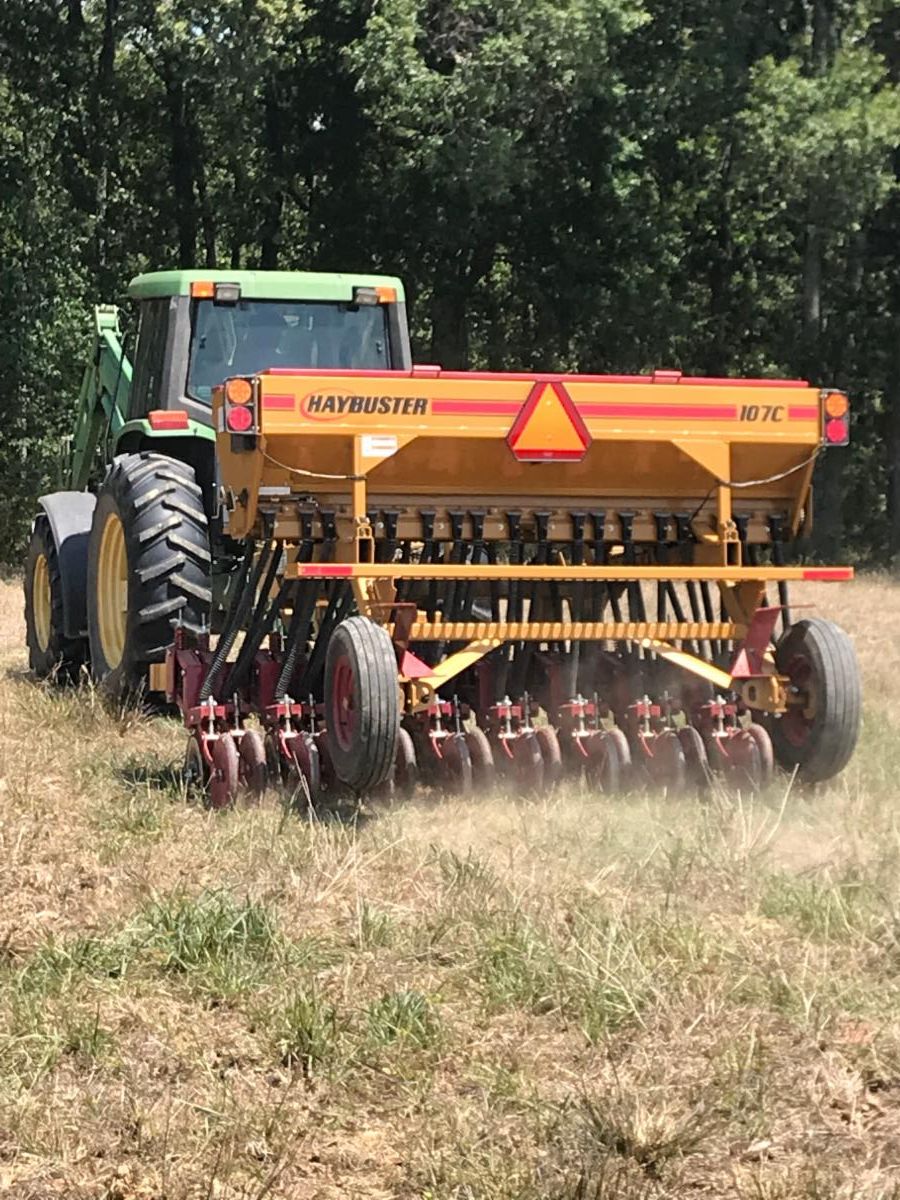
Winter Annuals
I will leave this winter annual section in for a few weeks as we get ready to plant. The links below are some good information if you think you want to plant some annuals for fall and winter grazing.
| | |
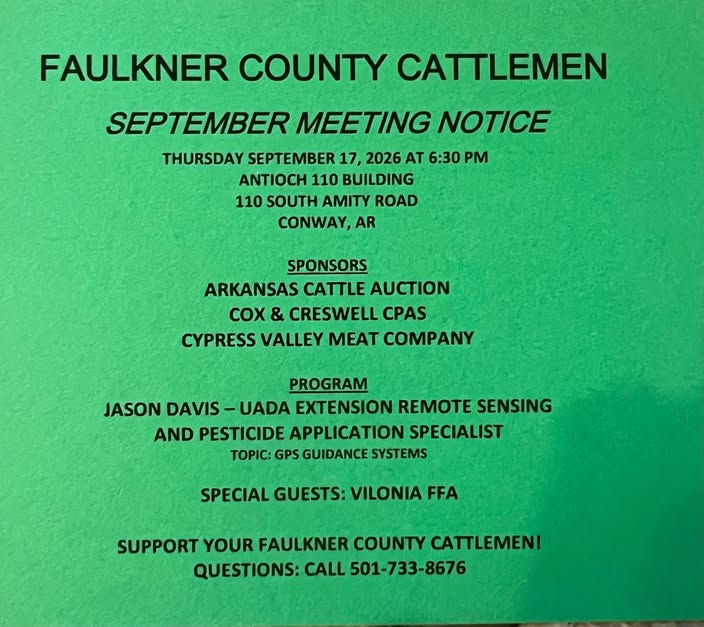
Faulkner County Cattlemen's Meeting
The next meeting of the Faulkner County Cattlemen's Association will be September 17 at 6:30 at the Antioch 110 building. Come out and check out the program from Dr. Jason Davis. He is an amazing speaker that I think everyone will like.
| | |
Faulkner County Sheep Success Series
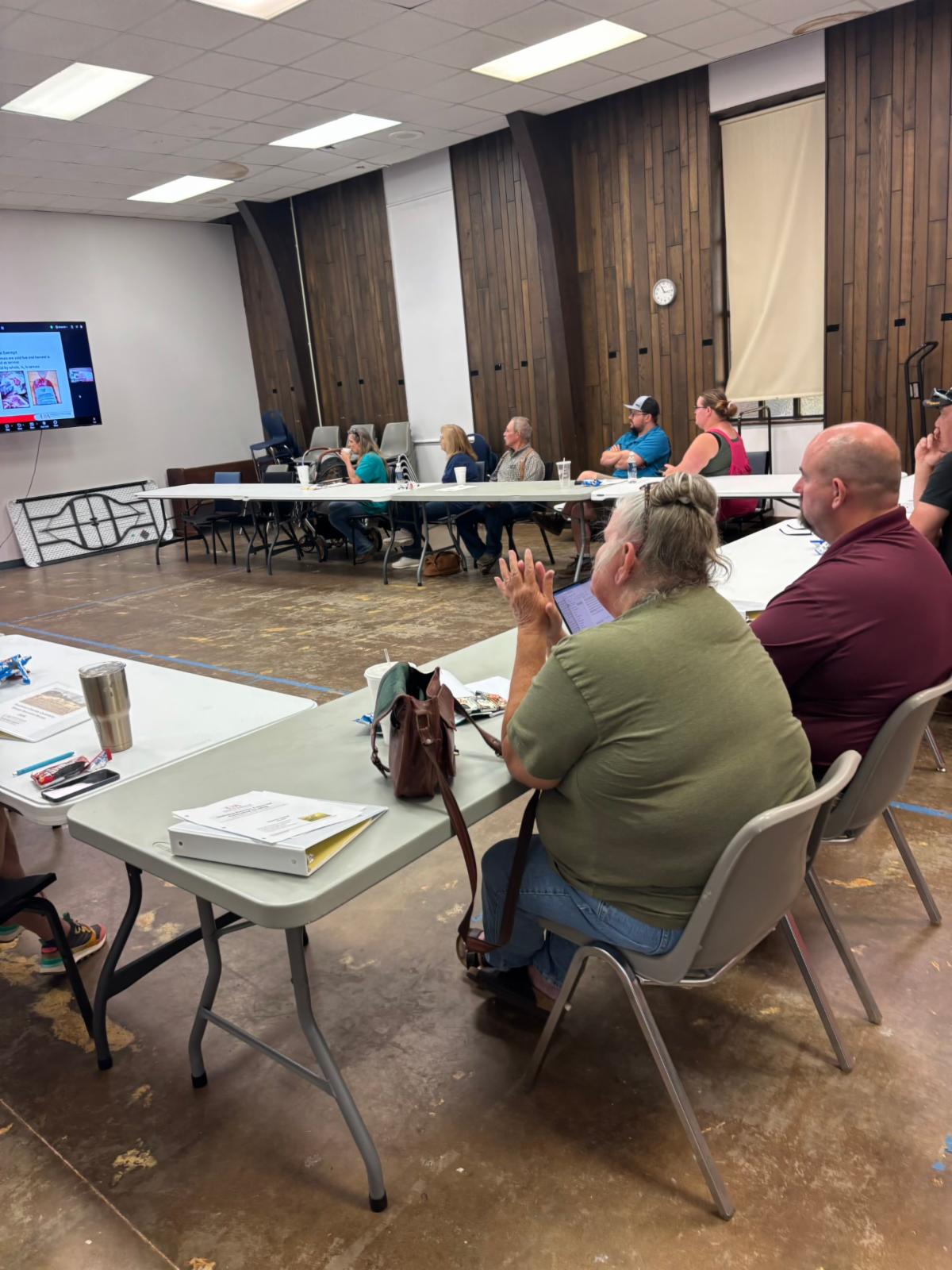
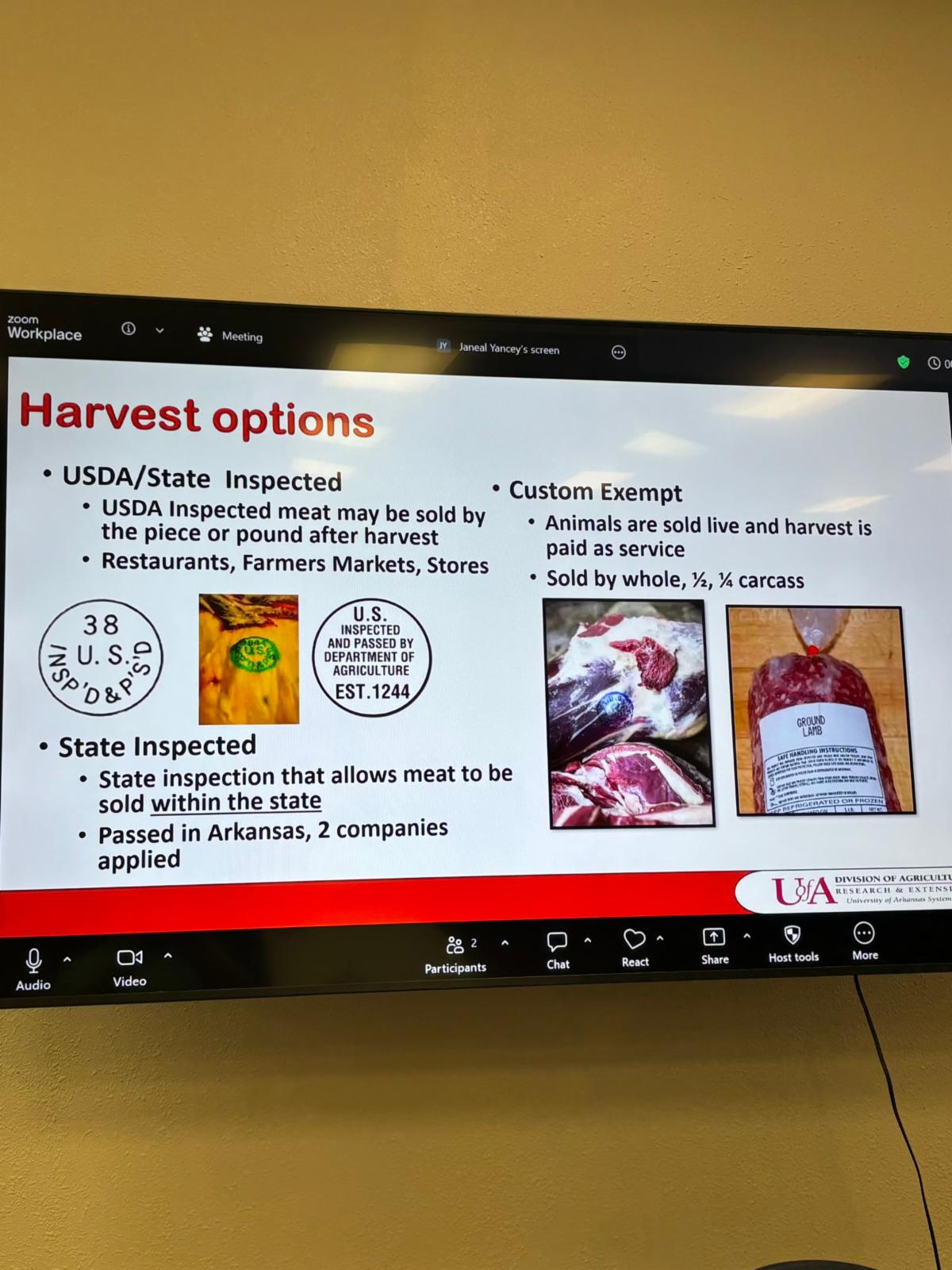
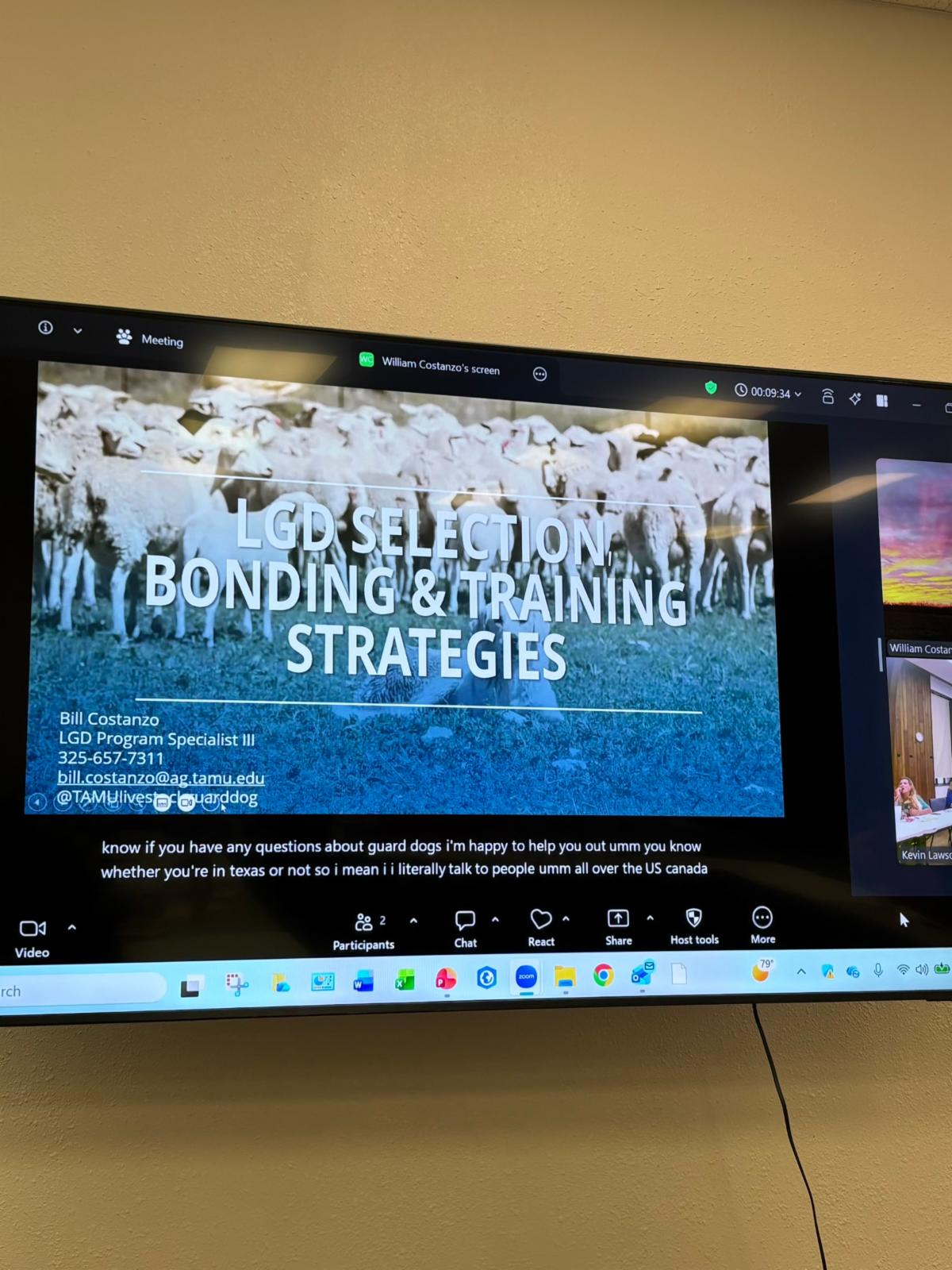
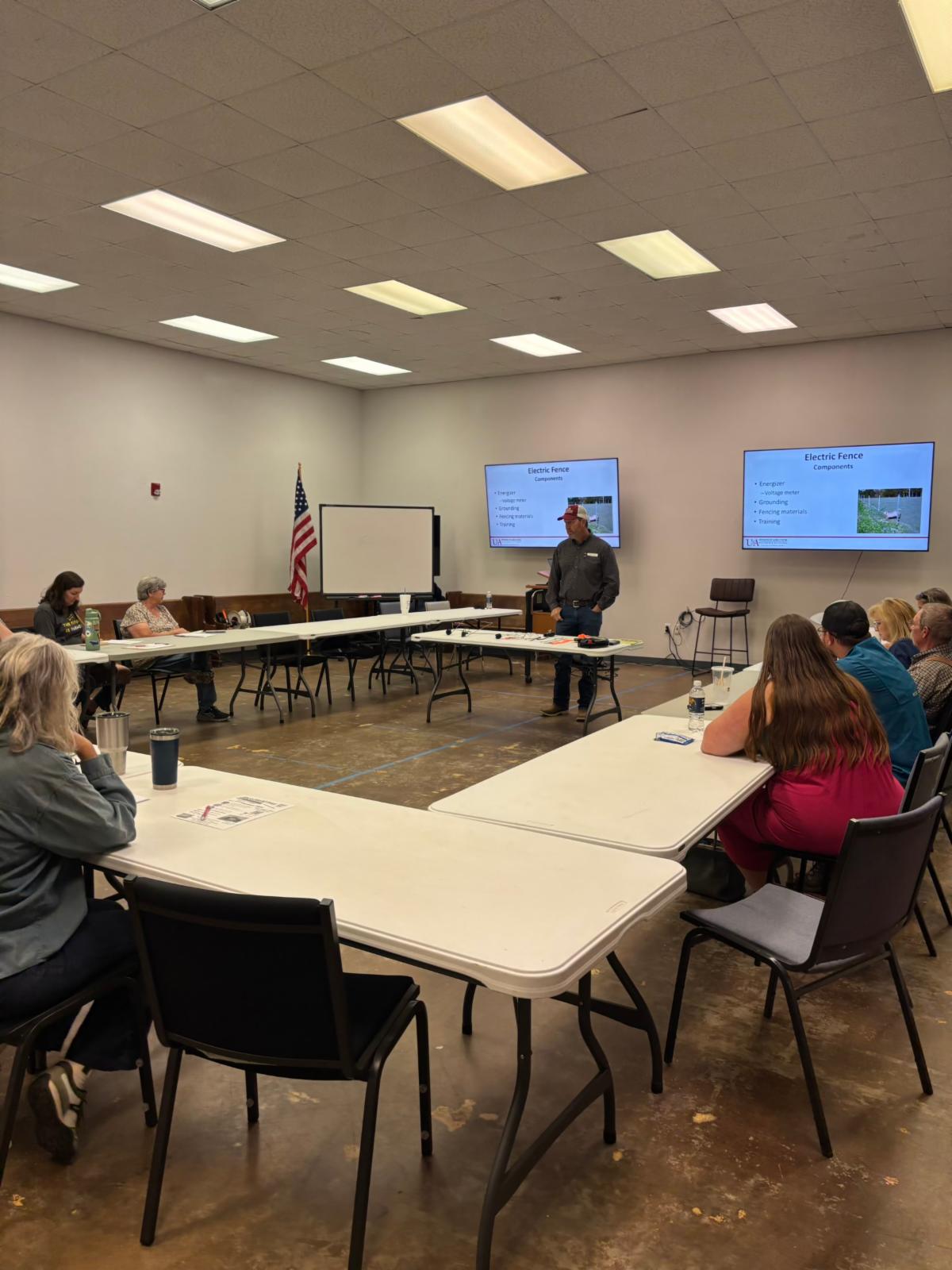
The Faulkner County Sheep Success Series Quarterly Meeting number 3 was held last Saturday and was a big success. Thanks to our speakers:
Kenny Simon - Arkansas Extension Forage Instructor - Electric Fencing
Bill Constanzo - Texas A&M - Guardian Dogs
Janeal Yancy - University of Arkansas Meat Science - Custom cuts of Lamb
Dr. Dan Quadros stopped by and answered some questions and with a little time left I went over planting winter annuals. Our last meeting will be soon, so keep on the look out for the date!
| | |
Calving Season Thoughts
Kirsten Midkiff, PhD – Animal Health and Wellbeing Specialist
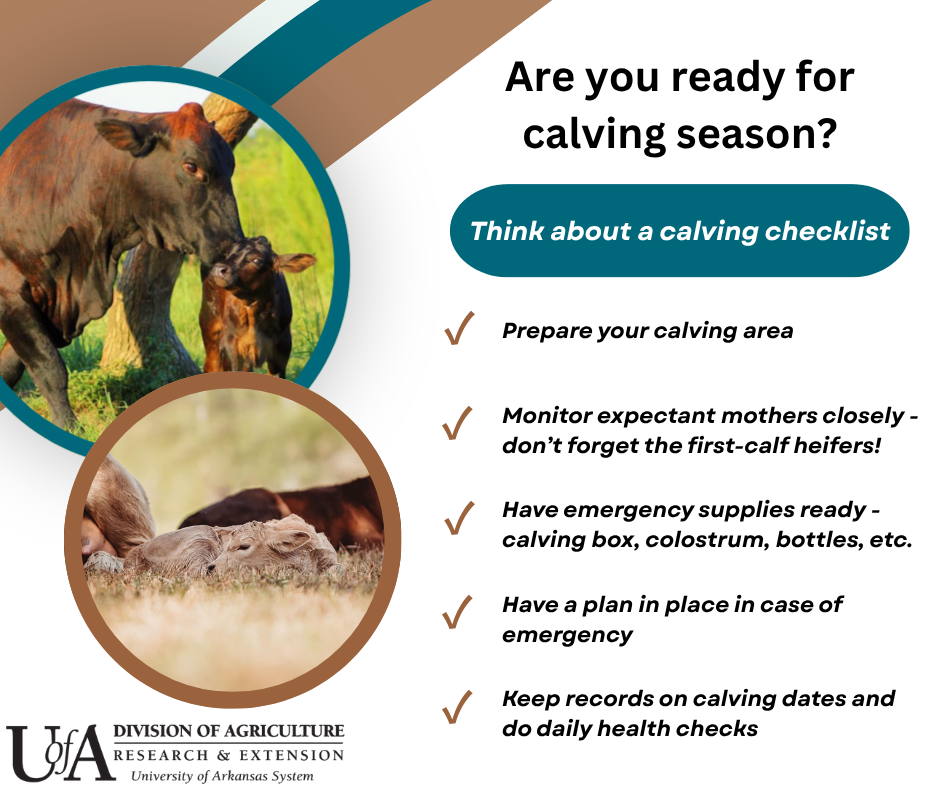
As we move into September, several of our producers might be starting their fall calving season. Though we can always hope for it to be smooth sailing for every birth, we all know that an emergency can lurk around the corner. Calf presentation may be normal in most cases; but, we can have difficulties with a foot or head back, rear legs and tail coming first, or a breech. Maybe we notice a cow that is in active labor, but it's been quite some time with no progression. What do we do here? Here are some tips that can help during the upcoming calving season.
Monitor the cattle closely around calving. Regular observation is one of the most important aspects of calving season, and being able to recognize normal signs of labor versus when one might need extra help. Keep an eye out for abnormal presentation (one foot out, only head out, breech, etc.), excessive bleeding or signs of distress, little to no progress in labor, or the cow/heifer's condition has become weak. Heifers may typically have more problems with dystocia than mature cows, as that first calf may be larger than what the she is capable of delivering easily. Heifers should be observed frequently, at least twice daily. Consider moving heifers a bit closer to the barn or chute, so that assistance may be given if needed. Keeping an accurate records of calving dates, difficult births, and other observations are important as well. These records could help identify problem cattle and can make future breeding and culling decisions easier.
Check out your facilities and make sure that they are prepared for calving. Areas where calves are born should be well-drained and safe for both cattle and people. In case of an emergency, know where the cow will be moved to and ensure that the fences, pens, gates, and working facilities are in order. It's not a great moment when the fence is off the hinge in a calving emergency! Lighting is always a top priority, especially when calving at night. Check the bulbs in the barn and the batteries in the flashlights and head lamps to make sure all is well before they are needed. This would be a good opportunity to consider the equipment that you have on hand, whether it is in the barn near the chute or easily accessible when needed.
When it comes to equipment, a checklist could be made with the most important items on hand in case assistance is needed. Lubricant, OB sleeves or gloves, clean towels, flashlights and headlamps, electrolytes, colostrum or quality colostrum replacer, calf bottles, OB chains and handles, and clean buckets and disinfectants are all items that could be included in a calving kit. Ensure that all items are in date, full, ready-to-go in case of an emergency. Once we have a live calf on the ground, make sure that it nurses. If a calf is weak and has not been seen nursing (or mom's udder does not look like it has been suckled), intervention may be needed to ensure that it gets colostrum. Have a plan in place for when a calf might need a bit of extra care.
In any instance, knowing when help is needed is critical. Be familiar with the stages of labor in cattle, and know when something is not right. Also, it's a time to remember our own limits, comfortability, and experience with calving difficulties. No amount of help from a veterinarian will be enough if we make a mistake. One of the most common mistakes made, according to veterinarians, is a decision to call for help that was delayed, leading to a negative outcome for both calf and cow. Keep a veterinarian's contact readily available, and know how to reach them after hours. Discussing calving plans, common problems surrounding calving season, and suggested on-hand supplies is key.
Being prepared for the calving season is key, regardless of what time of year our cattle may be calving. Good preparation can mean the difference in a quick response and a stressful situation that puts both the cow and calf at risk. Preparation now instead of later allows for us to focus on the situation at hand instead of searching for what is needed.
| | |
Weaning Calves During Hot, Dry Weather
Paul Beck, Oklahoma State University Extension Beef Cattle Nutrition Specialist
Many producers have considered starting to wean their calves early this year due to drought and declining forage quality. As Mark discussed in recent Cow-Calf Corner article from August 3 (https://extension.okstate.edu/programs/beef-extension/cow-calf-corner-the-newsletter-archives/2026/august-3-2026) early weaning is an effective drought-management tool to reduce the nutrient requirements of the cowherd, preserve cow body condition, and reduce forage demand.
Weaning is a stressful event in a calf’s life and we need to consider the added stress caused by hot weather. At weaning calves are separated from their dams, moved to a pen from the pasture they have been their entire life, and are presented with new unfamiliar in feed and water sources. Processing, vaccination, transportation and commingling occur at the same time. Adding severe heat stress to this list must be avoided. Our objective is not to just get the calves weane…it is to get them weaned, eating, drinking and healthy during the most stressful period they will experience.
Heat-stressed cattle have reduced feed intake, spend more time standing and increase water consumption in an attempt to dissipate heat (Cow-Calf Corner, July 13, 2026 https://extension.okstate.edu/programs/beef-extension/cow-calf-corner-the-newsletter-archives/2026/july-13-2026). As heat load increases, respiration rate increases and cattle begin panting. More severe signs include drooling, open-mouth breathing, an extended tongue and isolation from the herd. Water requirements increase greatly during heat stress, and bawling calves lose more water through the respiratory tract than normal. Newly weaned calves that are already eating and drinking less than normal have little margin for another environmental stressor.
Choose your weaning day carefully. Avoid beginning the weaning process immediately before a major heat event if possible. Heat load accumulates over several days, and when we have hot nights over 70 degrees cattle are unable to dissipate the heat accumulated during the previous day. Cattle handling should be postponed when little nighttime cooling occurs. The Oklahoma Mesonet Cattle Comfort Advisor (https://www.mesonet.org/agriculture/livestock/cattle-comfort-advisor?ref=1924) is a great resource to guide the decision for when to wean and process calves. It accounts for temperature, humidity, solar radiation and wind rather than relying only on the daytime high temperature.
Water is the top priority. Make sure calves can find the clean fresh water source quickly.
Calves that are bawling, walking fence lines searching for mom and unfamiliar with water sources are at the greatest risk for heat stress. Clean, cool water is particularly important because cattle drink less as water temperatures increase above about 80°F.
Shade is important. Natural or constructed shade reduces solar heat load and lowers respiration rate and body temperature. Shade around the receiving and weaning area is particularly valuable when early weaning during hot weather in August and early September.
Keep cattle handling short and early. Get started with cattle processing early in the morning. Cattle are still carrying the greatest accumulated body heat load late in the day. Work calves in small groups, minimize time in holding pens and handle them quietly.
When severe heat is forecast, it is better to separate the parts of the weaning process over several days with time for the calves to rest and cool down during the day.
- If possible, separate the calves from their dams and fence-line wean for a few days before hauling to another facility for processing.
- Haul in the early morning then let the calves rest.
- Conduct cattle processing early in the morning on another day.
- Process calves in small groups, keep cattle in holding areas for less than 30 minutes during processing.
- Return calves to pens promptly after processing.
Hot weather does not necessarily mean we should delay a needed drought-management decision. It does mean we need to plan the weaning process carefully. Watch the forecast, provide abundant clean water, have adequate shade available, work calves early and quietly, and avoid stacking unnecessary stressors on the same day.
| | |
Arkansas Shepherds Association Field Day
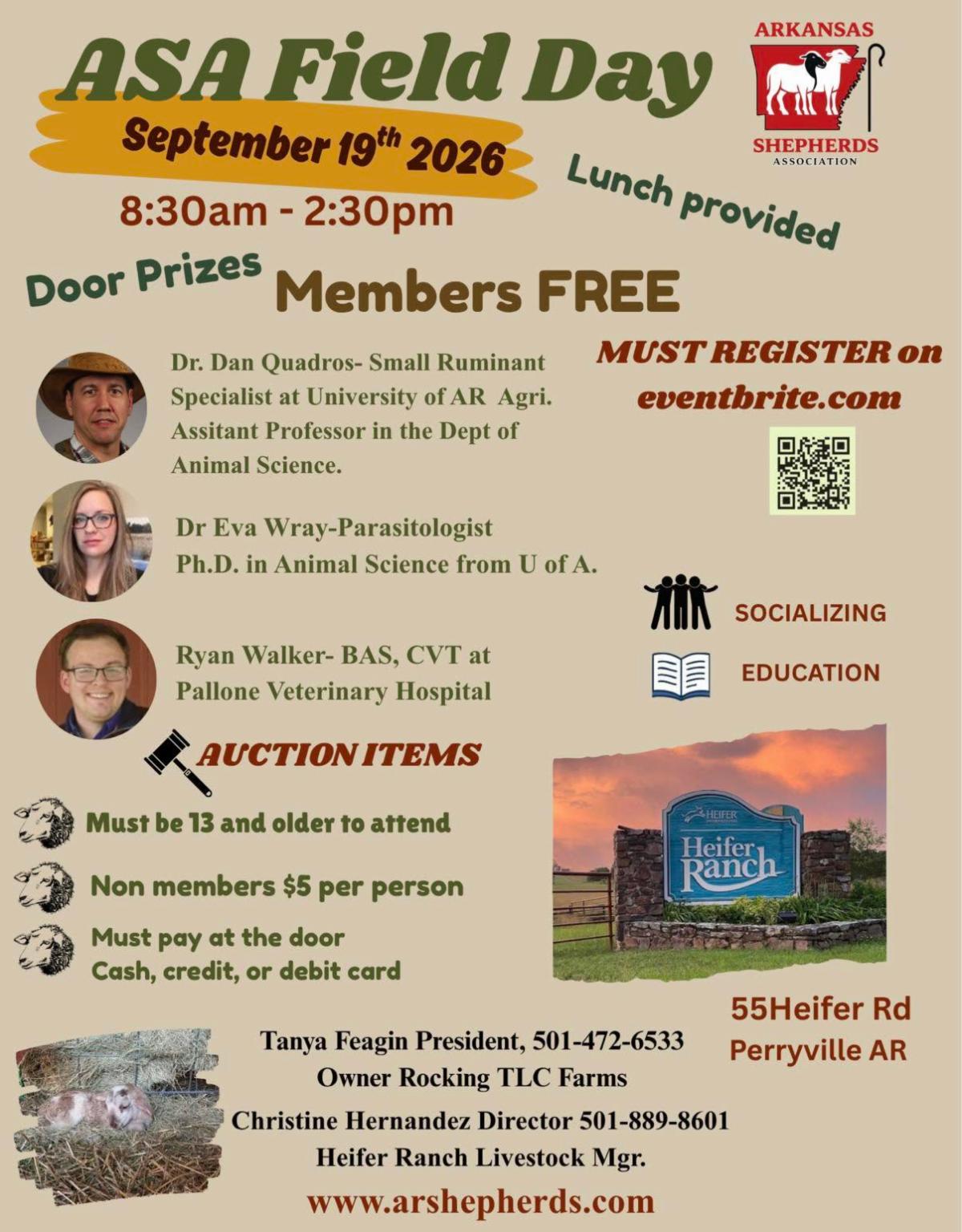
ASA Field Day — Saturday, September 19, 2026
8:30am - 2:30pm
Heifer Ranch, 55 Heifer Road Perryville, AR
Join us for a full day of hands‑on learning, great speakers, door prizes, and silent auction items benefiting the Arkansas Shepherds Association.
Members attend FREE.
Non‑members: $5 per person, paid at the door.
Must be 13 and older to attend.
Everyone must register on Eventbrite to attend.
Topics include:
Nutrition
Hoof care and trimming
How to draw blood
How to give shots
Parasites
Signs/Symptoms
Identifying
Treatment
We’re excited to see producers from across Arkansas and surrounding states come together for education, community, and a great day at Heifer Ranch.
| | |
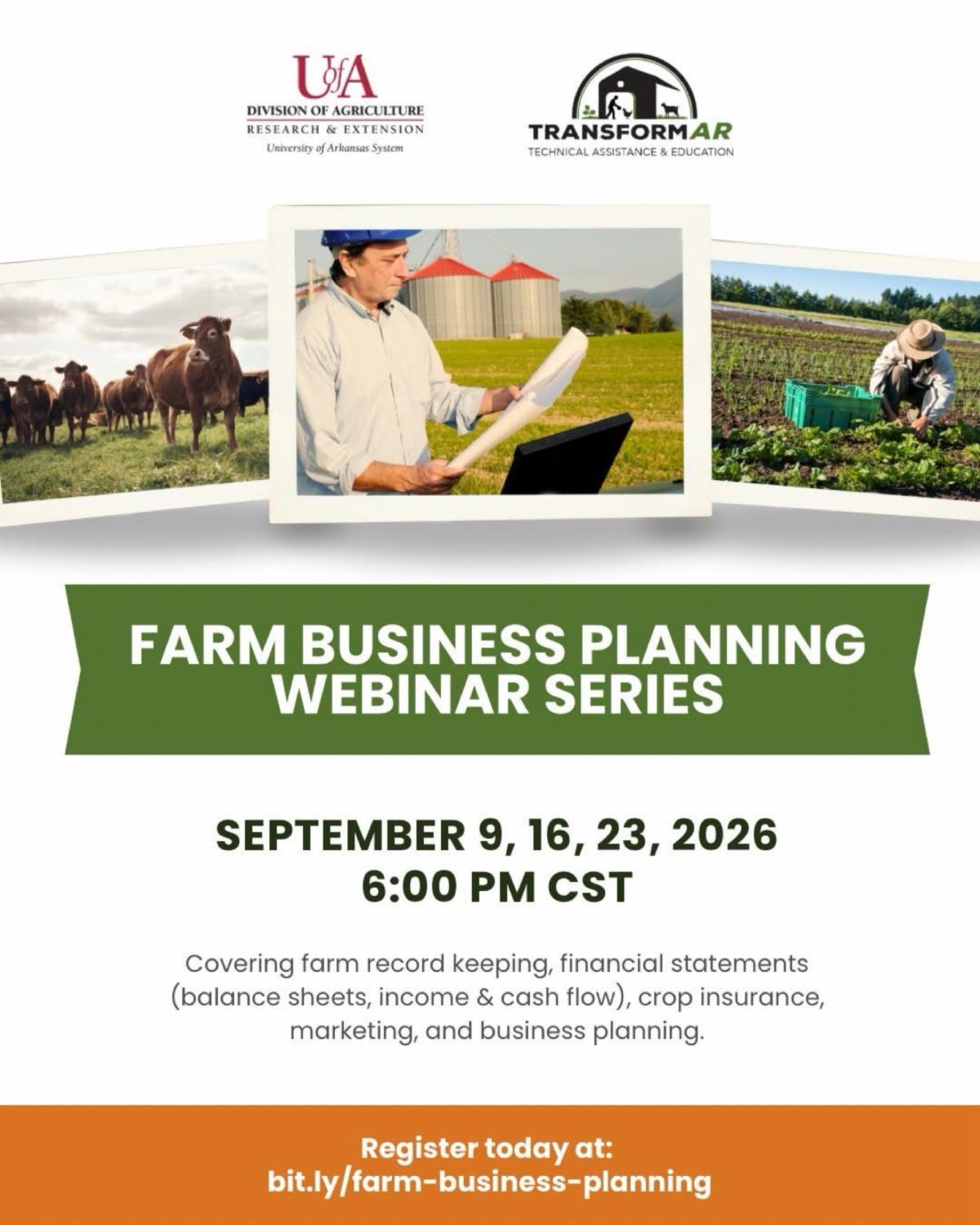
TransformAR Farm business planning
With Dr. Ryan Loy, Assistant Professor UADA | CES | Agricultural Economics & Agribusiness
-September 9, 2026 06:00 PM
-September 16, 2026 06:00 PM
-September 23, 2026 06:00 PM
Central Time (US and Canada)
Learn the fundamentals of farm record keeping, balance sheets, income statements, cash flow statements, crop insurance (microfarm/wholefarm & loan readiness), crop & livestock marketing, breakeven points, and business plan basics.
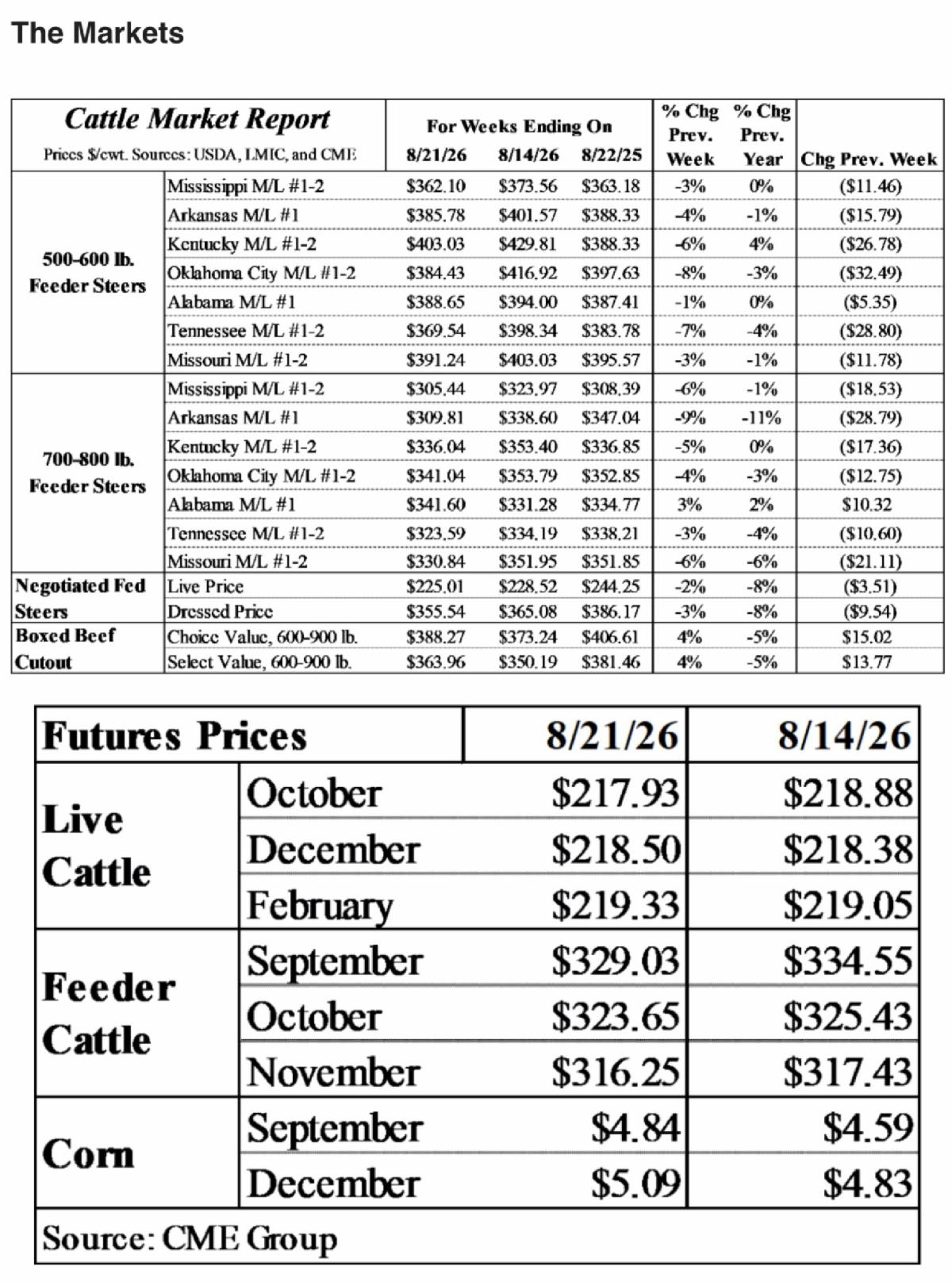
| Here is this weeks Cattle Market Notes Weekly | | |
Pesticide Applicator Trainings
There will be no more in person Pesticide Applicator Trainings until this winter. If you need a license you can still do the training online. There is a link below for the online training and a link to check your license status.
| | |
Livestock Market Report
The following links are for the weekly livestock market report from the Arkansas Department of Agriculture website and the Livestock Auction Dashboard from USDA. Both sites have marketing data for all livestock sold at Arkansas Sale Barns.
| | |
2025 Faulkner County Agriculture Demonstration Summary
The 2025 Faulkner County Agriculture Demonstration Summary is now available at the link below.
The 2025 Faulkner County Demonstration Summary is a collection of on-site demonstration results conducted in Faulkner County by local County Agents. Demonstrations are the cornerstone of the University of Arkansas System Division of Agriculture Cooperative Extension Service’s mission which is:
“We strengthen agriculture, communities, and families by connecting trusted research to the adoption of best practices.”
On-site demonstrations allow producers and homeowners to see firsthand how Extension recommended varieties and best management practices work in their counties and surrounding area.
| | |
Sign up for Text Alerts
You can now sign up for text alerts from me throughout the year. I have two areas you can sign up for which includes Faulkner Livestock or Faulkner Ag (Row Crop Updates). To sign up you can follow one of these links or use the QR Codes below.
| | Pursuant to 7 CFR § 15.3, the University of Arkansas System Division of Agriculture offers all its Extension and Research programs and services (including employment) without regard to race, color, sex, national origin, religion, age, disability, marital or veteran status, genetic information, sexual preference, pregnancy or any other legally protected status, and is an equal opportunity institution. | | | | |