Dear Friend of the Arendt Center,
Hannah Arendt once said to her friend Kurt Blumenfeld, “Nothing in the world is more important than friends.” She later explained why: A conversation between true friends, “is concerned with the common world, which remains ‘inhuman’ in a very literal sense unless it is constantly talked about by human beings.” Friendship is the way we come to share a world and build something that lasts. The world only becomes meaningful when we share it with friends.
Friendship can be private, a shared world amongst those we trust. And friendship can be political, a world that emerges amidst and between those with whom we respect in public. “Friendship,” Arendt knew, “makes political demands and preserves reference to the world.” In civic or political friendship, Arendt found her ideal of citizenship. The shared political world is thus held together when we treat others as friends.
Friendship is in crisis today. Between social media that hollows out the trust and depth of the reciprocal desire to know another, and hyper-partisanship that turns friendship into a shallow division between friend and enemy, the possibilities of creating a common world based upon mutual respect are failing in both personal and political life. One third of Americans say they don’t have one friend they can confide in. Over 40% of Americans won’t date someone of another political party. Nearly 99% of Americans now live in areas segregated by political partisanship. In a country that has struggled to overcome religious, racial, and class segregation, political belief is the new third rail of American life. To be friends with someone of a heterodox political persuasion is, for most of us, as unwelcome as it is rare.
|
|
**10 Days only! 2 for 1 membership deals** |
|
Amidst our epidemic of loneliness and our crisis of friendship, Arendt’s thinking about the importance of private and political friendship is central to thinking a path through our present predicaments. The Hannah Arendt Center is committed to nurturing provocative and bold thinking that seeks to understand and deepen our common world. Friendship and the crisis of friendship today is central to that Arendtian effort to “Think What We Are Doing.”
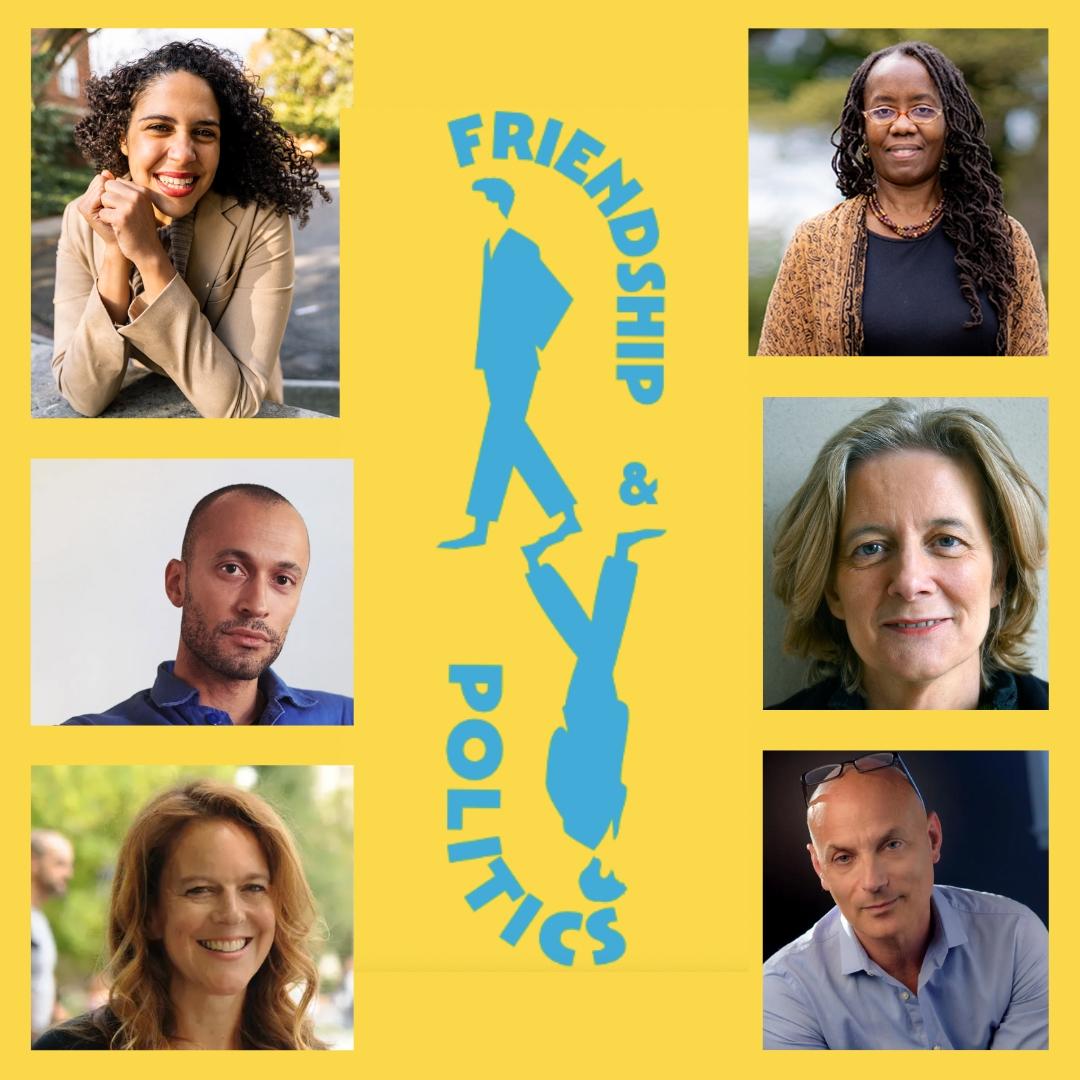
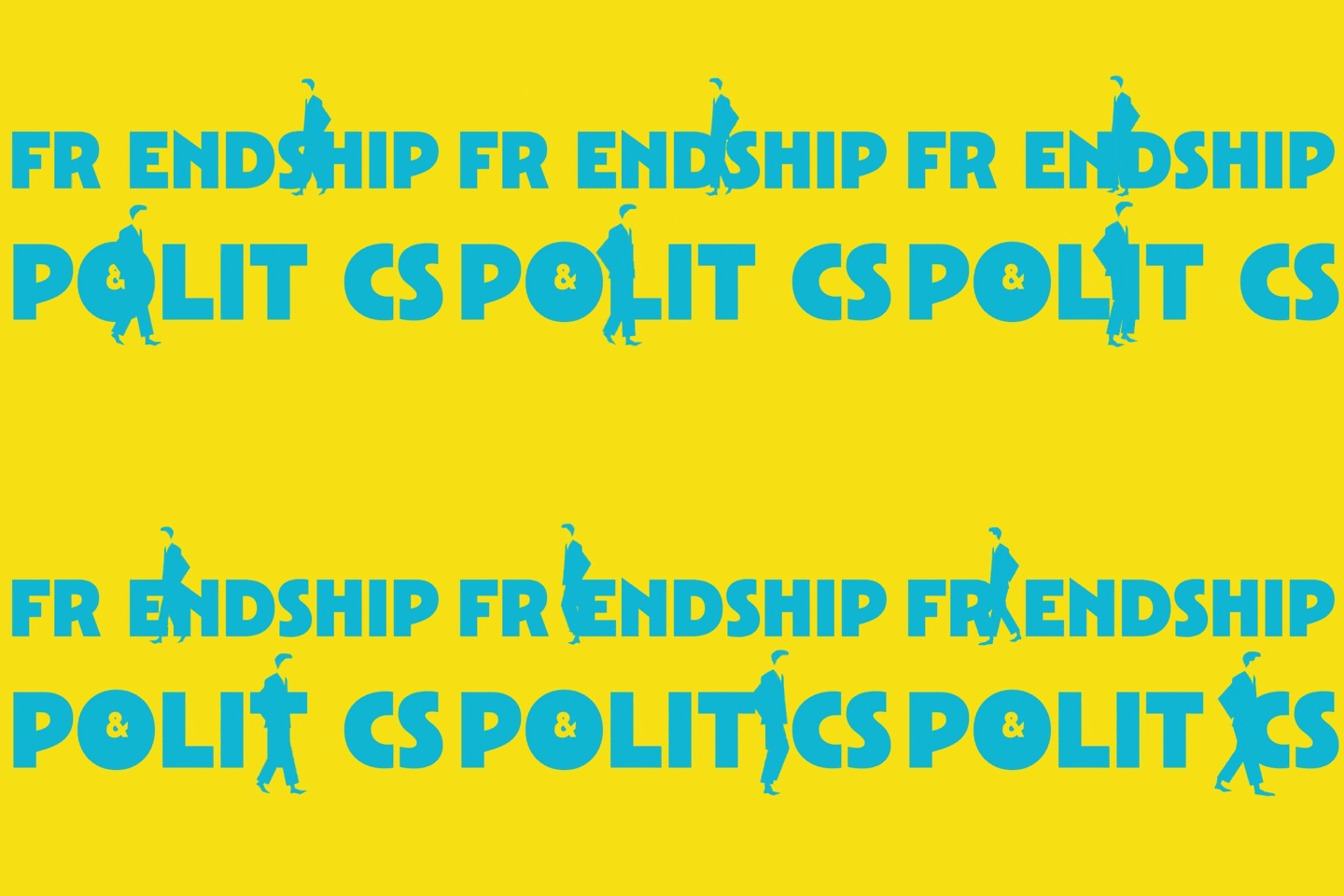
Our 2023 Arendt Center Fall Conference “Friendship and Politics” explores the art, psychology, and politics of human private and public connection. The conference brings together an exciting lineup of writers, public thinkers, psychologists, and scholars to ask: how can we nurture the intimate and public friendships that allow us to flourish?
|
|
|
|
October 12-13
Members (+1 guest)
attend for free!
($350 value)
|
|
Featured speakers include:
Marie Luise Knott, author of Unlearning with Hannah Arendt
Marisa Franco, author of Platonic: How the Science of Attachment Can Help You Make—and Keep—Friends
Angel Adams Parham, author of The Black Intellectual Tradition
Daniel Mendelsohn, best-selling author of The Lost and An Odyssey
Niobe Way, director of the Science of Human Connection Lab at New York University
Daniel Mason, author of The Piano Tuner
|
|
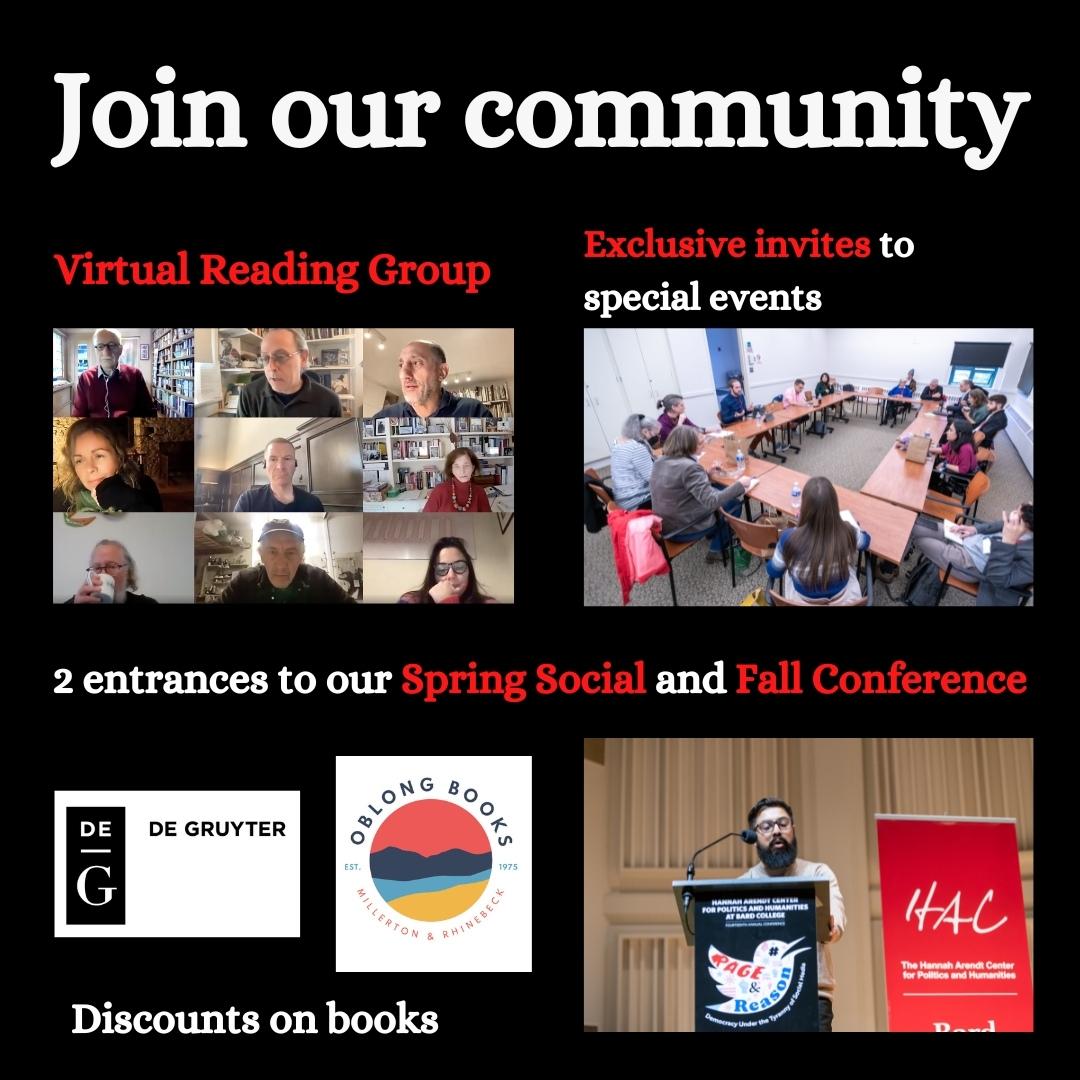
The Hannah Arendt Center’s Virtual Reading Group is a vibrant intellectual community of thinkers from around the world. In the last year we have read Arendt’s collection “The Jewish Writings” and “Responsibility and Judgment.” We also read a series of Arendt’s essays on Race, Prejudice, and Racism. We meet on Fridays at 1 pm EST to read Arendt and think together about our common world. Currently we are reading Arendt’s essays on friendship. Starting this fall we are returning to Arendt’s classic, The Origins of Totalitarianism. Learn more about the VRG here.
|
|
|
our Virtual Reading Group
|
|
|
The VRG is open to all members of the Arendt Center. Members are also eligible to join our Dialogue Groups where smaller groups of readers gather to further explore and discuss texts from the VRG. The HAC Dialogue Project offers two types of groups. VRG dialogue groups follow the readings from VRG. Themed dialogue groups are based on readings that address a theme in Arendt’s work. Both provide a space for Arendt readers to think together and share perspectives and experiences. We are currently finishing a 5-session dialogue on Forgiveness and Reconciliation. A new dialogue group begins in September on Arendt’s Concept of Experience. To learn more and register click here. As one participant in both VRG and its recent offshoot, The Dialogue Groups, expressed,
“These personal connections are an extraordinary outcome…
I’ve celebrated birthdays, offered condolences on losses… and ‘met-up’ … [with fellow HAC members] just to break bread, virtually, and to expand our own friendship and thinking circles.”
Read more about the Dialogue Groups here.
|
|
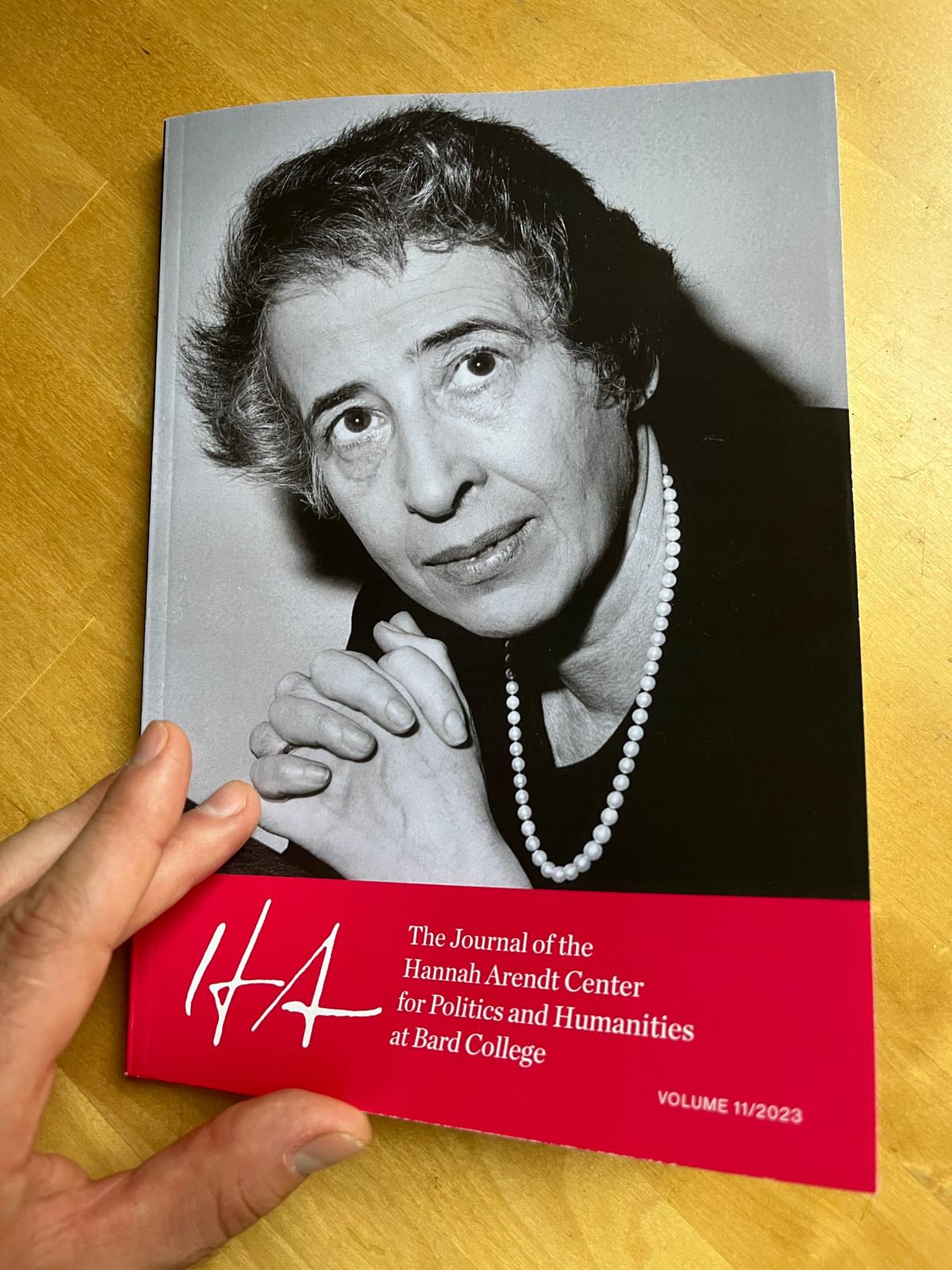
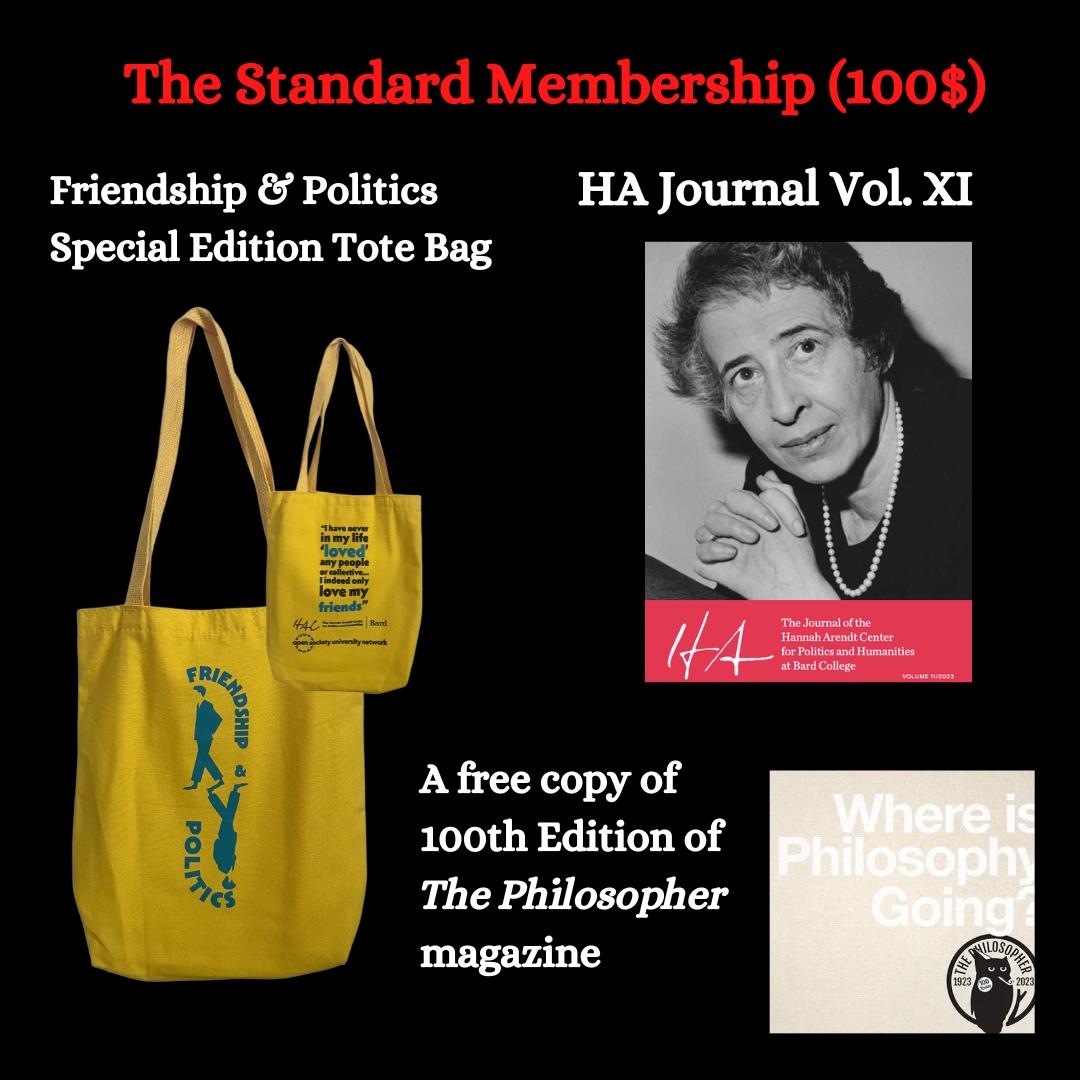
Volume XI of the Hannah Arendt Journal is out now! It explores the power of rage and social media in today’s world. At a moment when materially comfortable societies are teetering and the visceral attraction of tribalism is rising all around us, we must ask how our liberal democracies can survive and thrive amidst intensifying partisanship and the decline of public reason. The flip-flopping, nonscientific nature of our collective responses to travel bans, vaccines, masks, and lockdowns make clear that public discourse is driven by emotions rather than reason. The Journal includes contributions by Myisha Cherry, William Davies, and Pankaj Mishra who confront the apparent triumph of rage-fueled provocation over reasoned dialogue in contemporary American politics. All members joining or renewing at the $100 level or above receive a copy of Volume XI. Explore Volume XI here. |
|
The Hannah Arendt Humanities Network (HAHN) is a project of the Hannah Arendt Center and part of the Open Society University Network (OSUN). HAHN organizes conferences, symposia, and working groups in order to develop a horizontal network of scholars and institutions within the OSUN. Over the first three years of programming we created a vibrant network that has involved over 200 OSUN faculty, scholars, and students in programs that press them to think deeply about the foundations of the humanities in an open society. Visit the HAHN website here.
Most recently, the HAHN Annual Text Seminar convened 12 Arendtian scholars from all over the world for three days of study of Arendt’s writings on race and race thinking in Kingston, NY. The idea was to read from her early writings on Zionism and the "Jewish Question" in the late 1930s to the major work The Origins of Totalitarianism to her commentary on the politics of race in America in the 1960s, all with a select group of scholars coming from different perspectives and disciplines. Watch a video of participant testimonials on our YouTube channel.
|
|
On the heels of our 2021 conference on Revitalizing Democracy, we launched the Arendt’ Center’s Democracy Innovation Hub. In 2022, we hosted over 40 local and state politicians for a 3-day workshop to learn how to organize citizens’ assemblies. The workshop yielded two pilot projects in NYC. First, the NYC Civic Engagement Commission incorporated five borough-level assemblies into their first annual citywide participatory budgeting process. Second, NYC Council District 39 developed a climate assembly inspired by the over one hundred climate assemblies which have been organized around the world. The processes were highly rated by participants, many of whom became citizen ambassadors for the solutions proposed, and overwhelmingly wanted more time to go deeper into the issues. In May of 2023, we held our first training workshop for secondary school teachers, Doing Democracy Differently. This two-day continuing education course (accredited by the Bard Master of Arts in Teaching program) provided 12 middle and high-school teachers with the tools to rethink democracy in the classroom. Watch a video about the teacher’s experiences here. This November we will hold our second annual Democracy Innovation Hub workshop for public servants, educators and facilitators, which you can learn more about here.
|
|
As we transition to a new academic year, the Arendt Center is thriving and growing. I am delighted to announce that we have appointed Jana Mader as the new Director of Academic Programs. Jana brings a wealth of experience and expertise to the position. Jana taught at the University of North Carolina and Juilliard before coming to the Hannah Arendt Center as a visiting scholar in January 2019. She has continued to teach and work at Bard and many of you know Jana as an important part of our intellectual community. Jana holds a PhD in Comparative Literature and is also working on creative projects -- her first novel was published in 2018. This spring she published, "Natur und Nation. Landschaft als Ausdruck nationaler Identität, a comparative analysis of 19th-century nation-building in relation to literature, which focuses on the Hudson Valley. Jana’s essay on Arendt and the poet Friedrich Hölderlin appeared in the Journal of the Hannah Arendt Center in 2020, and she is currently working on Arendt and W. H. Auden. Jana's wide interests include 19th-century literature, politics, and art; nation-building; Hudson Valley history; Arendt; and poetry.
As the Director of Academic Programs, Jana will be responsible for overseeing and coordinating the Arendt Center's student-led programs, ensuring the quality and integrity of our annual journal, and collaborating with faculty and staff to enhance the overall learning experience for our students. She will organize the “Courage To Be” series and support/work with visiting scholars during their stay at the HAC. She will also continue to teach at Bard and help direct our academic programming.
Our current Director of Programs, Jana Schmidt, has been offered and accepted a tenure-track position in the German Studies Program at Bard College. We congratulate Jana and wish her the very best in her new role!
|
|
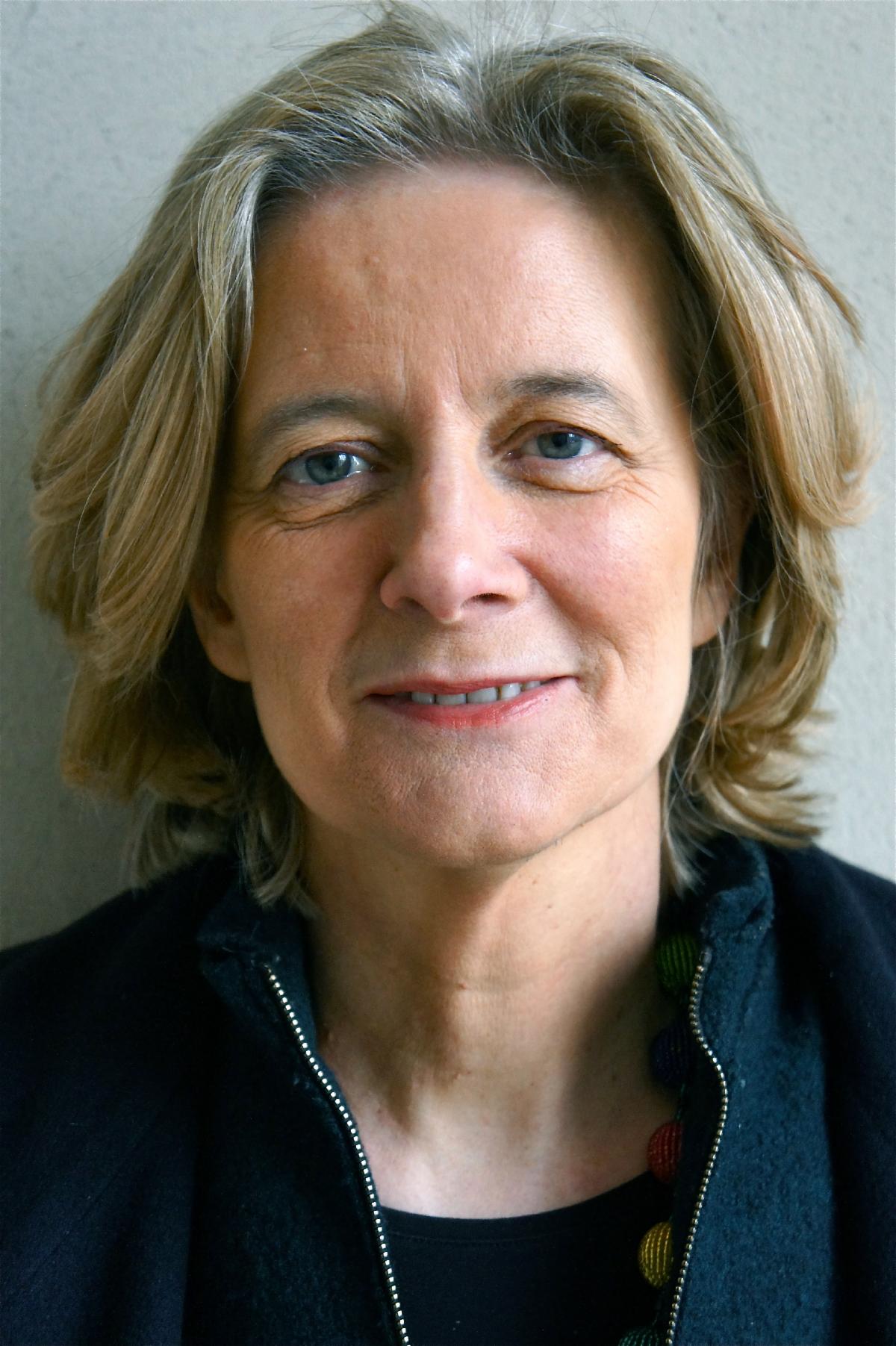
We are beyond excited to welcome Marie Luise Knott as the National Endowment for the Humanities/Hannah Arendt Center Distinguished Visiting Fellow. Knott is an independent scholar based in Berlin who has published many important books on Hannah Arendt. Her book Unlearning with Hannah Arendt (2011/2015) includes beautiful essays on Arendt’s particular way of thinking about politics and literature. Most recently, her long essay 370 Riverside Drive, 730 Riverside Drive: Hannah Arendt and Ralph Waldo Ellison (2022), won her the renowned Tractatus Prize for Philisophical Essais at the Philosophicum Lech. Knott has also edited the letters of Hannah Arendt and Gershom Scholem (2010), co-edited a book on John Cage (Empty Mind, 2012), translated several works by Anne Carson, and published Exhaustion of Modernity in 1930 (2017). Since 2006 she works as a curator, editor, translator and author.
|
|
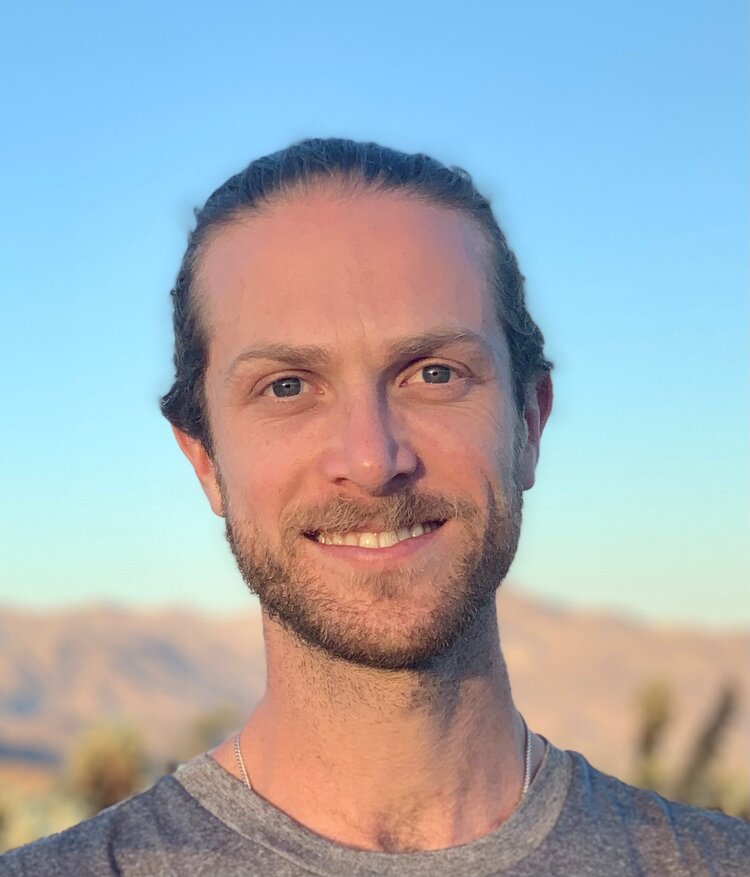
We are thrilled to welcome two post-doctoral fellows at the Arendt Center next year. Nicholas Dunn returns as the 2023-2024 Klemens von Klemperer Post Doctoral Fellow. Nick’s focus is on Arendt’s aesthetic politics and her connection with the work of Immanuel Kant. In addition to teaching at Bard and at the Bard Prison Initiative, Nick will be organizing reading groups, lectures, and a spring 2024 conference on Arendt, Constitutionalism, and the Supreme Court’s role in American Politics.
|
|
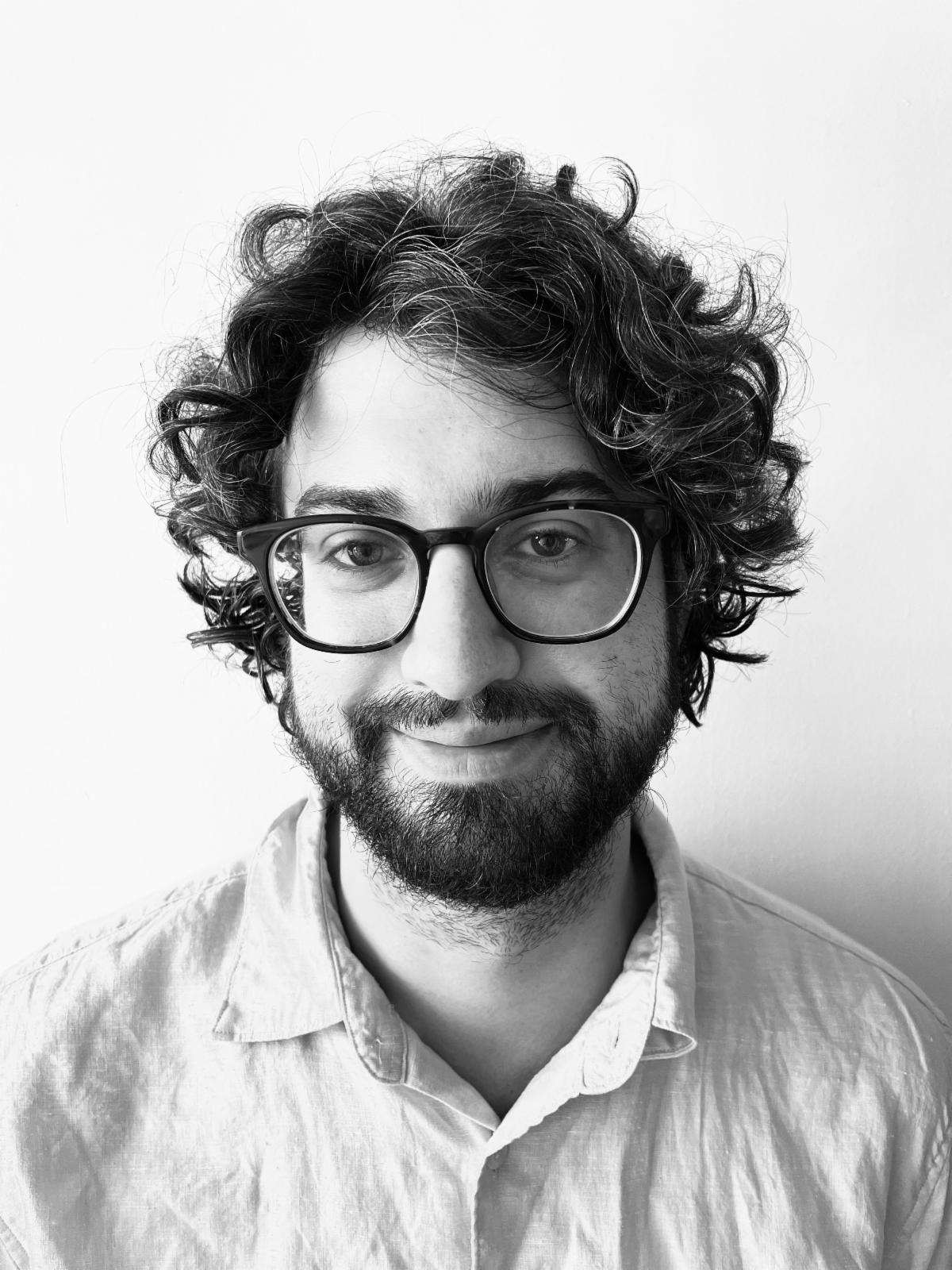
Maxim Botstein will be the inaugural Fritz Stern Postdoctoral Fellow at the Hannah Arendt Center. Botstein studies the intellectual history of modern Europe, with a focus on the development of higher education and democratic thought. His dissertation, “Democracy and the University: America and the Reconstruction of West German Higher Education, 1945-1966” (Harvard University, 2023), examined the postwar efforts to reform German universities and the debates over the role of education in the new German democracy. He is also the author of “The Idea of the University in Practice: Karl Jaspers, Heinrich Blücher, and the Common Course at Bard College.” His research interests include the transatlantic intellectual exchange between the United States and Europe, the interplay between intellectual debates and bureaucratic institutions, and the relationship between politics, society, and culture.
|
|
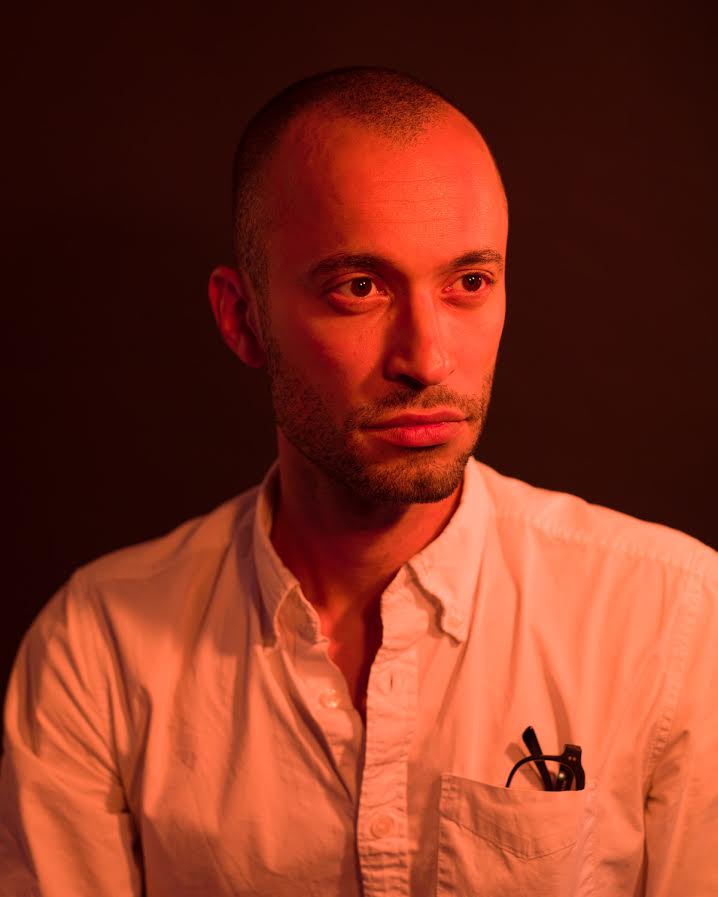
We are also thrilled to welcome back Thomas Chatterton Williams to the Arendt Center as a HAC Senior Fellow and a Visiting Professor of Humanities at Bard College. Thomas was the National Endowment for the Humanities/Hannah Arendt Center Distinguished Visiting Fellow in 2019 and has spoken at numerous Arendt Center events. We are thrilled he will be joining us as a more permanent member of our community.
|
|
This has been a great year for Arendt Center fellows and numerous books by members of the center have been published.
|
|
Membership helps make it possible for the Hannah Arendt Center to create a thriving community for bold and risky humanities thinking about our political world. Your support helps fund Student Fellowships. Student Fellows at the Hannah Arendt Center create and organize a series of programs and initiatives for the center’s Courage To Be and Autonomies programs. This past spring semester, students coordinated a number of lectures, organized events, and hosted many notable guests to Bard College including; Masha Gessen, Krys Belc, and Linda Zerilli.
|
|
This year, we are thrilled to announce limited-time offers that bring tremendous perks for both donors and our organization. Our esteemed partners have graciously stepped forward to help us raise funds for our "200 members in 10 days" drive. The partnerships with these generous organizations have created a unique opportunity! Read about our partnerships, exclusive perks, swag, and special gifts below. |
|
Limited-time only:
Perks, Partnerships and Merchandise!
|
|
|
|
All Members at the $100 Level and above will receive our 2023 Tote Bag and HA: The Journal of the Hannah Arendt Center Vol. XI (details here)
|
|
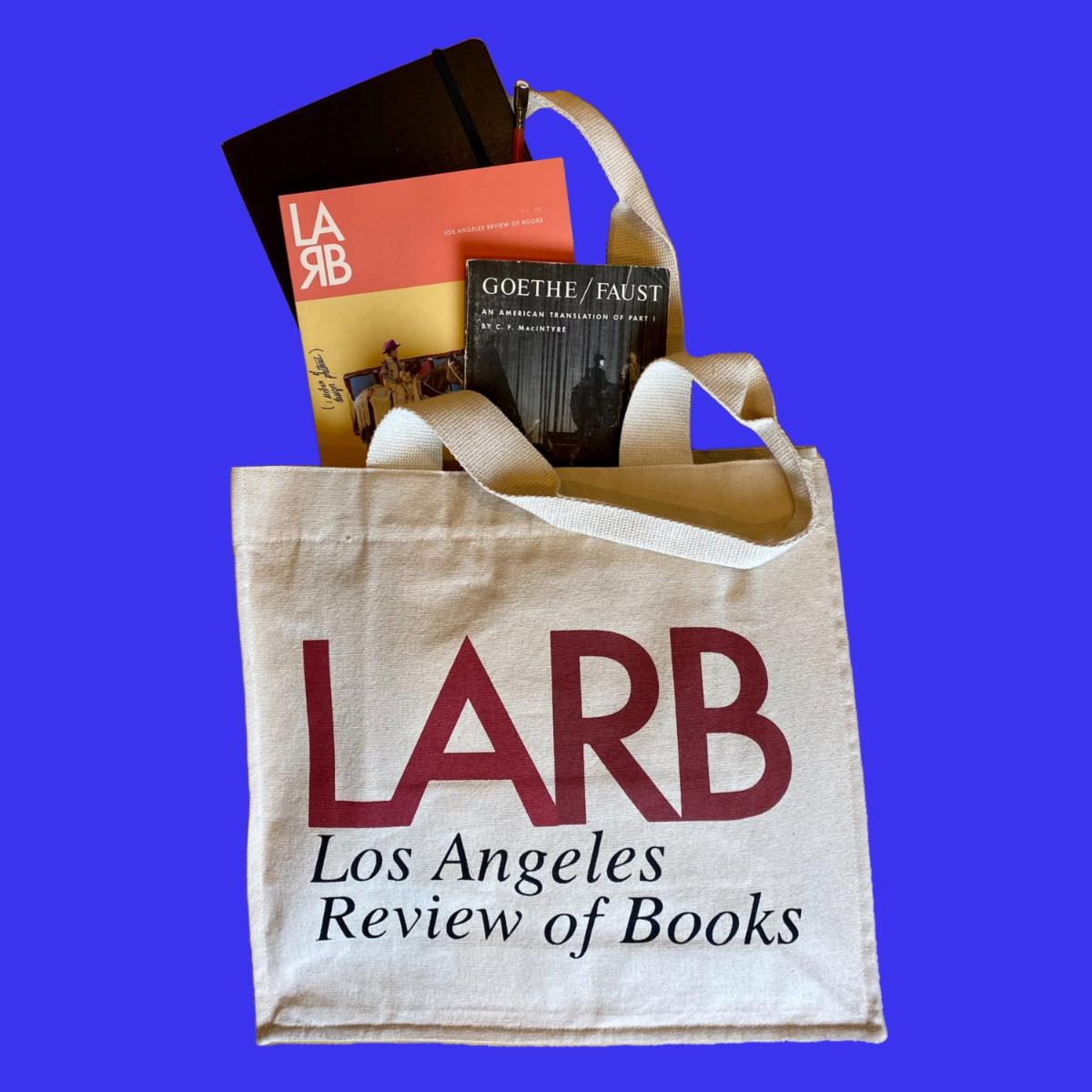
LA Review of Books Subscription +
HAC Membership ($200)
The LA Review of Books offers insightful and in-depth literary and cultural reviews, essays, and interviews.
Benefits Include:
HAC Journal Vol. XI, HAC 2023 Tote
LARB Digital and Print Subscription, LARB Member only Conversations
Independent Bookstore Discount Card LARB tote bag
PLUS 10% off all LARB merchandise.
|
|
|
DISSENT Subscription +
HAC Membership ($125)
Dissent is a magazine of politics and ideas. Founded by Irving Howe and Lewis Coser in 1954, it quickly established itself as one of America’s leading intellectual journals and a mainstay of the democratic left, publishing articles by Hannah Arendt, Richard Wright, Norman Mailer and many others. With a print subscription to Dissent, you'll receive: three print issues a year, digital copies of the issues, and full access to the magazine's seven decades of archives. More details and join here!
|
|
|
The Point Subscription +
HAC Membership ($175)
The Point is a quarterly magazine that provides thought-provoking and intellectually rigorous essays on a wide range of cultural, political, and philosophical topics. Members will receive all the member perks at the HAC $100 level, PLUS a one-year Print + Digital subscription, and The Point Tote Bag. More details and join here!
|
|
|
Salmagundi Subscription + HAC Membership ($175)
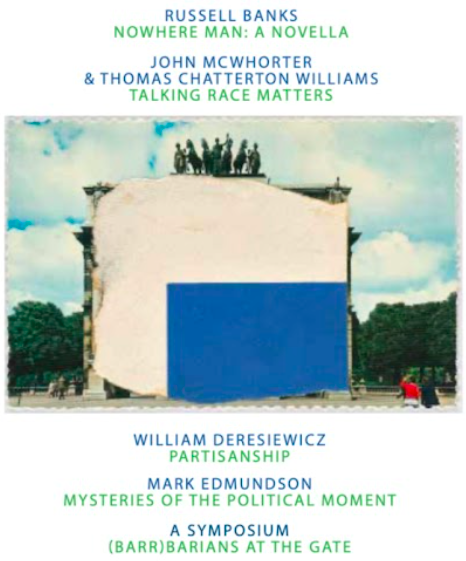
Salmagundi is a quarterly literary and cultural magazine known for its diverse and eclectic collection of essays, poetry, fiction, and artwork. Sign up and receive a HAC membership PLUS a one year subscription to Salmagundi, beginning with the spring-summer 2023 issue, featuring a novella by Russell Banks—his last completed work of fiction--, a dialogue entitled “Talking Race Matters with John McWhorter & Thomas Chatterton Williams, a new essay on “Partisanship” by William Deresiewicz, and a symposium on “(BARR)BARIANS at the Gate,” responding to former Attorney General William Barr. Also in the issue Charles Molesworth on Kara Walker and articles on the culture wars by Mark Edmundson, Jennifer Delton and others. Plus poems by Charles Simic, Robert Pinsky, Robert Pinsky and Rosanna Warren. Join here!
|
|
|
At the $350 level
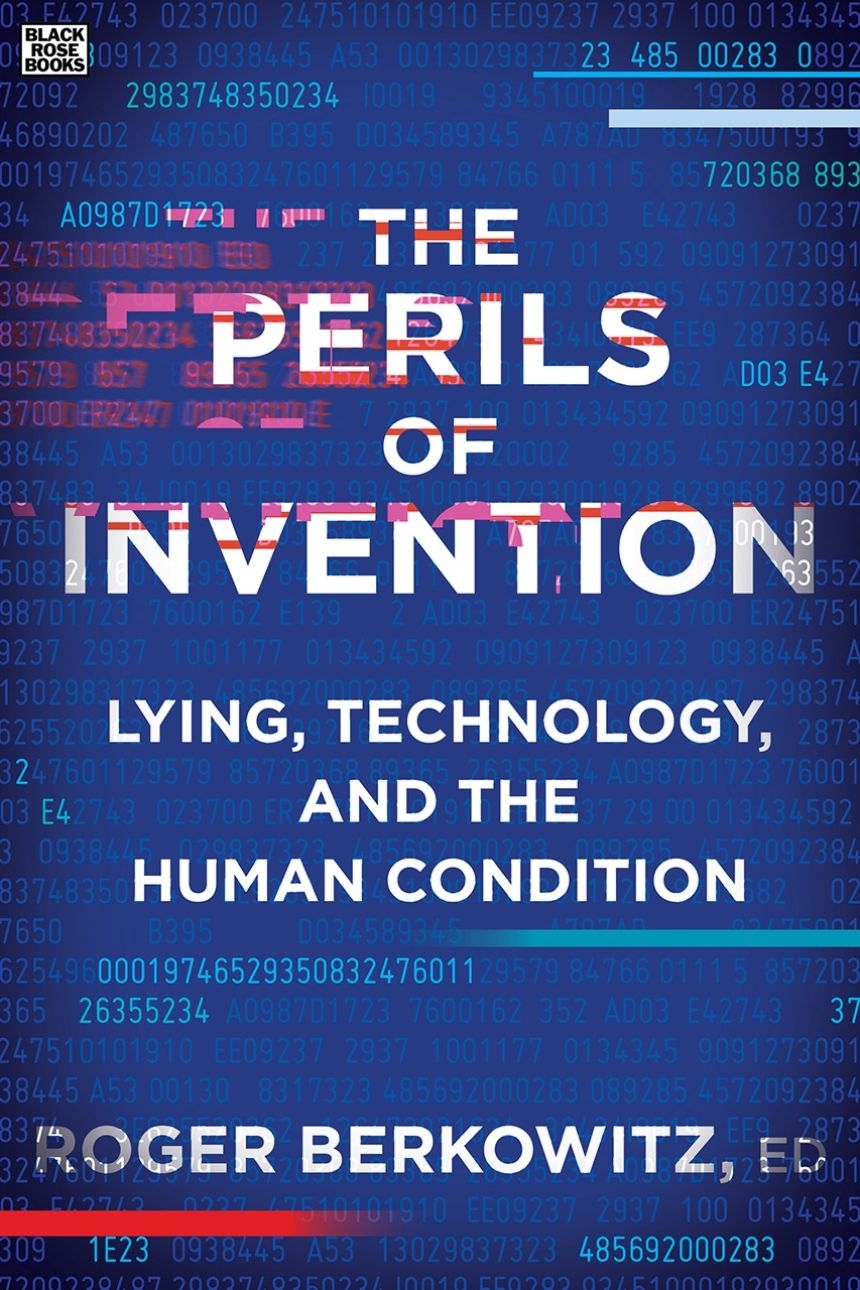
Members receive a free copy of The Perils of Invention: Lying, Technology, and the Human Condition, edited by HAC's Founder and Academic Director Roger Berkowitz. Join today and read about the book here.
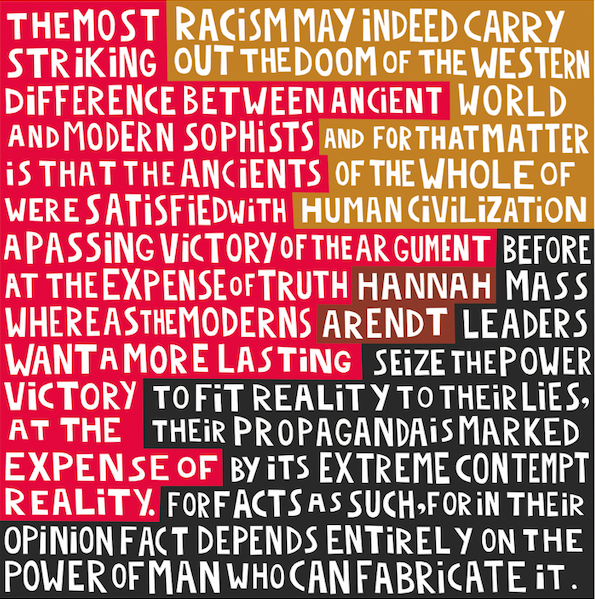
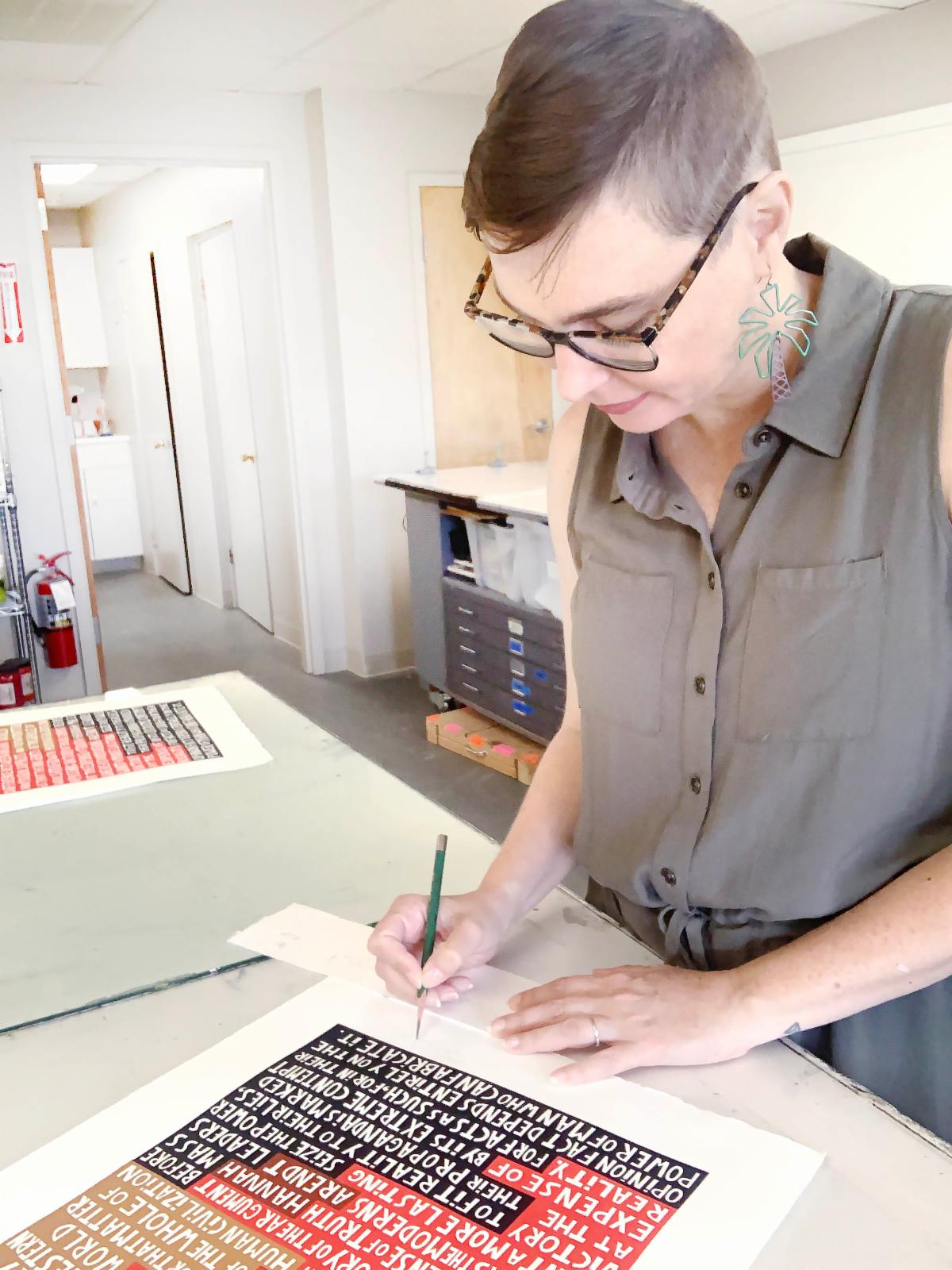
We are thrilled to offer a NEW limited edition print by Julia Csekö titled, “Speaking Truth to Power Series: Words by Hannah Arendt.” Join at $350 or above and be entered into a raffle to receive this beautiful Limited Edition Print!
Born in Colorado to Brazilian parents on self-exile during the Brazilian military dictatorship, Csekö grew up in Rio, Brazil. This limited edition print is a 4-color hand-pulled silkscreen print on Rives BFK paper. Watch a presentation by Julia about the series here.
|
|
|
HAC + The Philosopher
This year, HAC is teaming up with The Philosopher – UK’s oldest-running public philosophy journal. The Philosopher has been dedicated to “saving philosophy from the academy” since 1923 – making it public, free, and open to all. Check out their articles, forthcoming and past online events, and membership. We’re celebrating this partnership by giving all HAC members at the $100 level, a FREE copy of the 100th anniversary issue of The Philosopher, “Where is public philosophy going?” Featuring essays by Roger Berkowitz, the Director of the Center, Jana Bacevic (contributing editor of The Philosopher and visiting fellow at HAC), and others.
|
|
|
|
|
At the $1000 level:
The Centenary Print
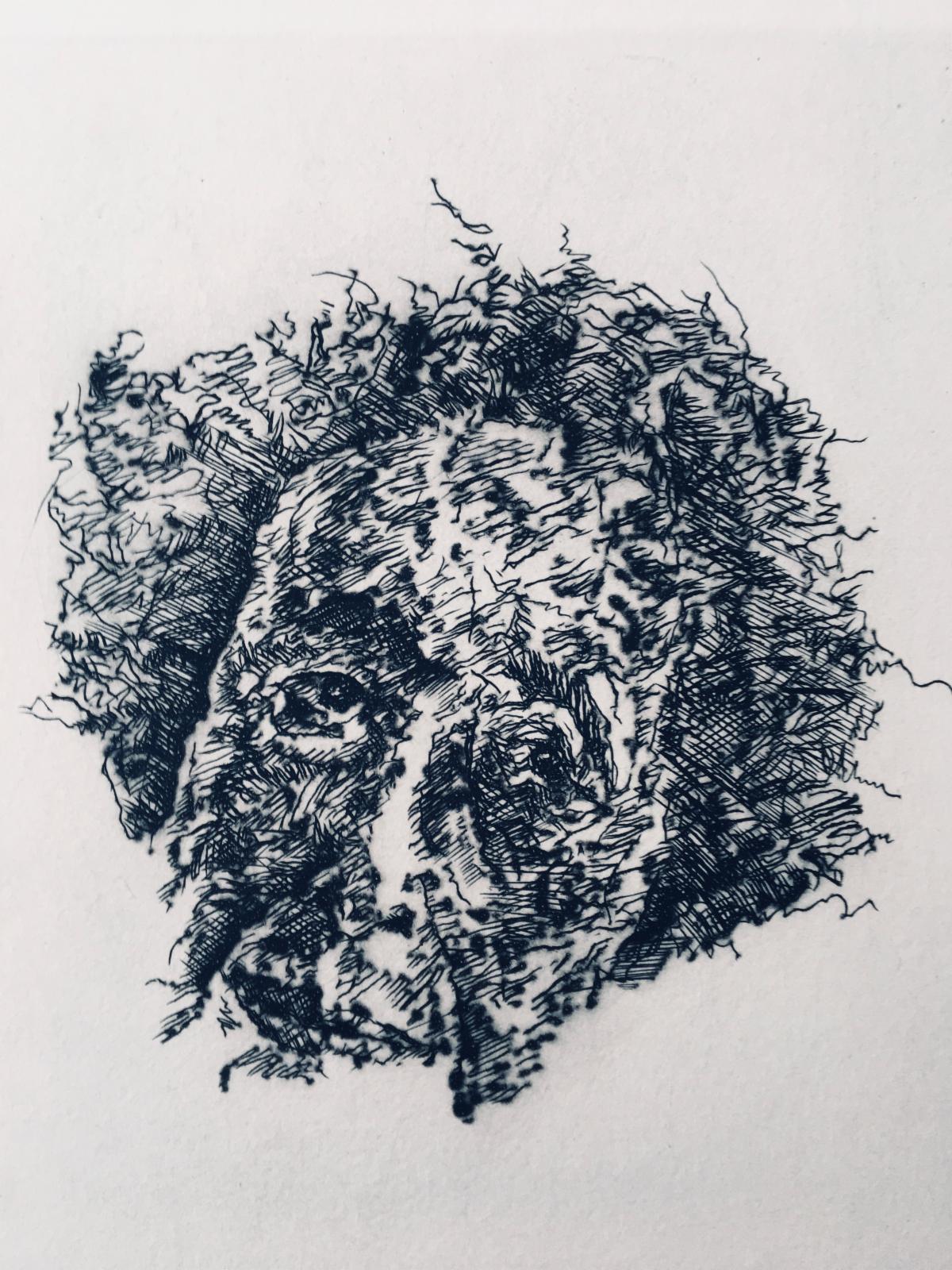
We are thrilled to offer a limited edition print by artist David Schorr to members at the $1,000 level. The print is titled, Hannah Arendt Center: The Centenary Print. Read Steven Maslow’s essay about the print and its rich history, “About Face: Autumnal Reflections on David Schorr.” Steven Maslow is a former chairman of the Hannah Arendt Center and former student of David Schorr.
|
|
Volume XI of HA: The Journal of the Hannah Arendt Center Volume XI of the Hannah Arendt Journal explores the power of rage and social media in today’s world. At a moment when materially comfortable societies are teetering and the visceral attraction of tribalism is rising all around us, we must ask how our liberal democracies can survive and thrive amidst intensifying partisanship and the decline of public reason. Read all the details here.
|
|
|
|
|
Membership comes with free Admission for you and a friend to "Friendship & Politics," our 15th annual Conference ($175 value)
|
|
|
|
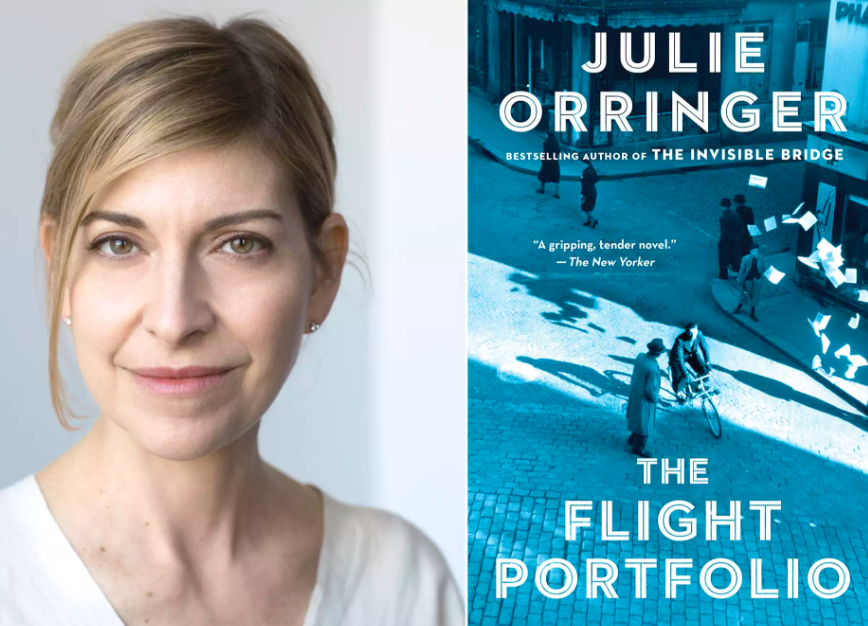
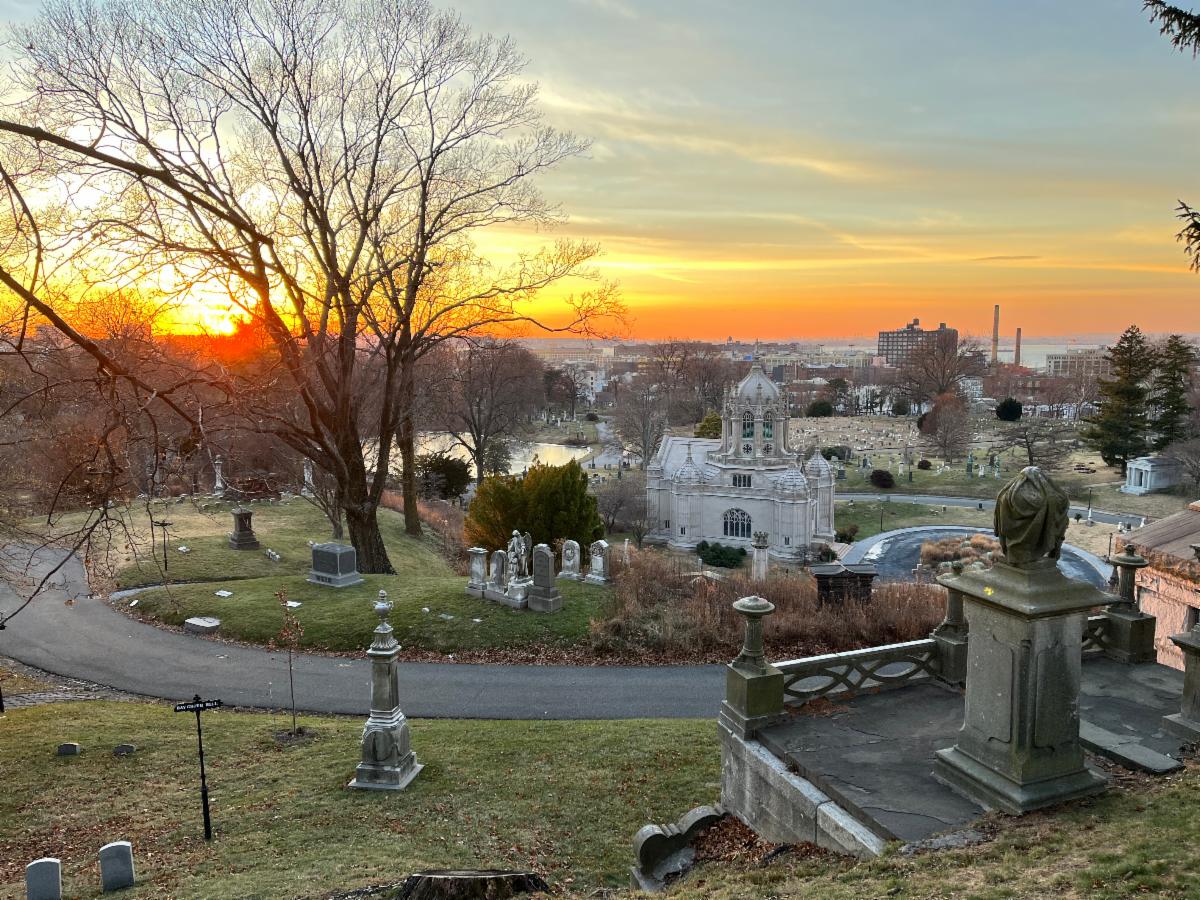
Members receive exclusive invitations to events like an Arendt & Varian Fry themed Fall Walk at Greenwood Cemetery in Brooklyn (featuring author of the Flight Portfolio Julie Orringer)
|
|
|
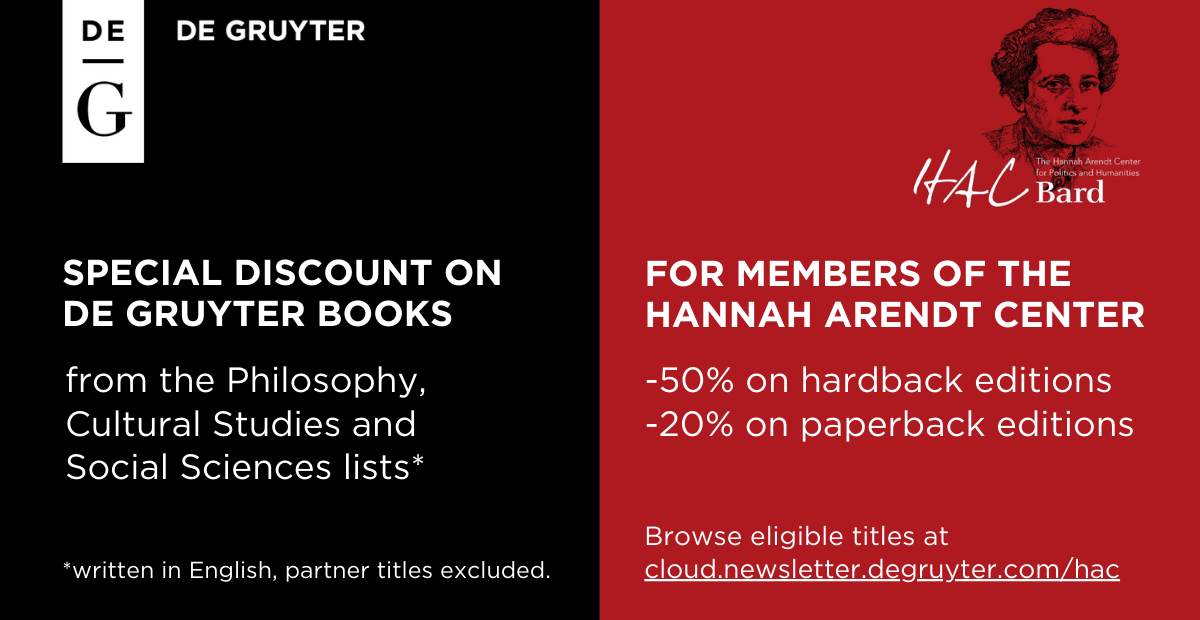
All Members receive a 20% discount at Oblong Books & Music on select Hannah Arendt titles, including The Origins of Totalitarianism, which will be the focus of our fall VRG series.
|
|
|
As part of our exclusive membership perks, you’ll be invited to a series of incredible special events that promise to be filled with opportunities to engage and connect with our community. Stay tuned for more events in the fall, winter and spring!
Your generous support is vital in sustaining our efforts to offer lectures, workshops, fellowships, programming, publications, and community engagement worldwide. We truly cannot do it without your help. Join us in making a meaningful impact, and please consider renewing or becoming a member today! Your membership will foster a thriving global community committed to intellectual exploration and understanding
|
|
Roger Berkowitz
Founder and Academic Director
The Hannah Arendt Center
|
|
|
Follow us on Instagram, Linkedin, Twitter, and Facebook |
|
Please email Executive Director Christine Stanton at cstanton@bard.edu with any questions about your membership status
|
|
|
|
|
|
|