| |
|
WMI FALL 2025 UPDATE
- Gas Cylinder Microcredit Program Launches
- WMI Named the 2025 Case Partner for University-Level Microfinance Competition
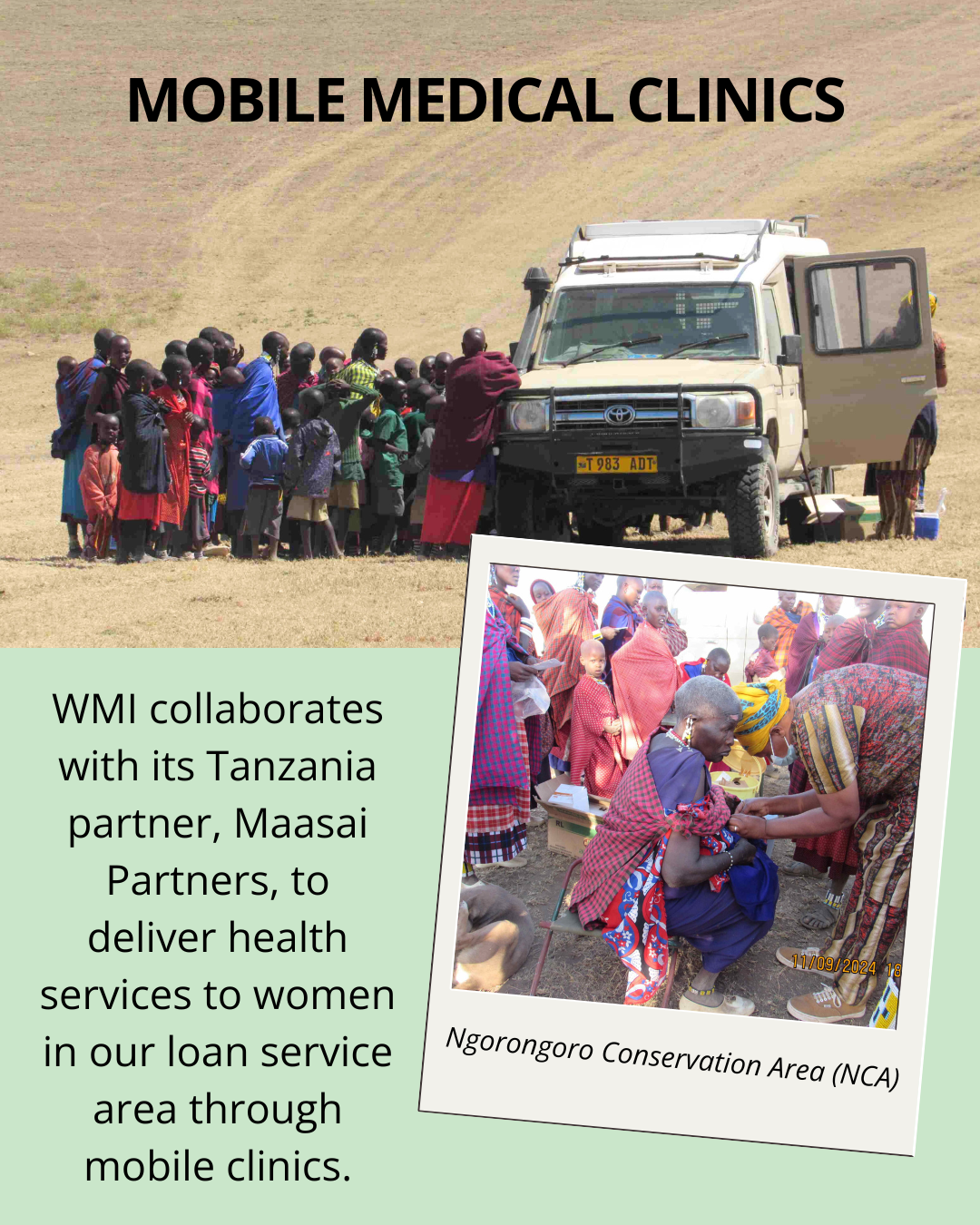
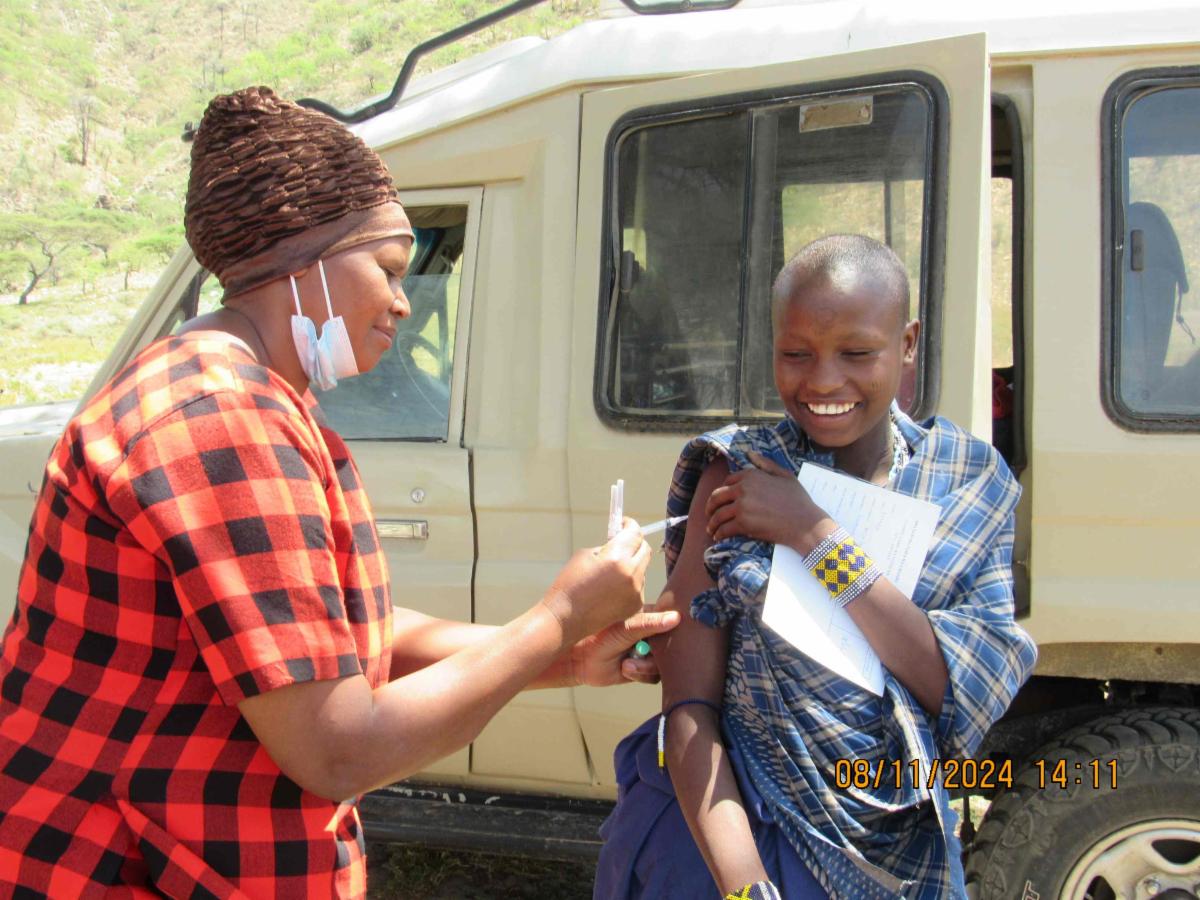
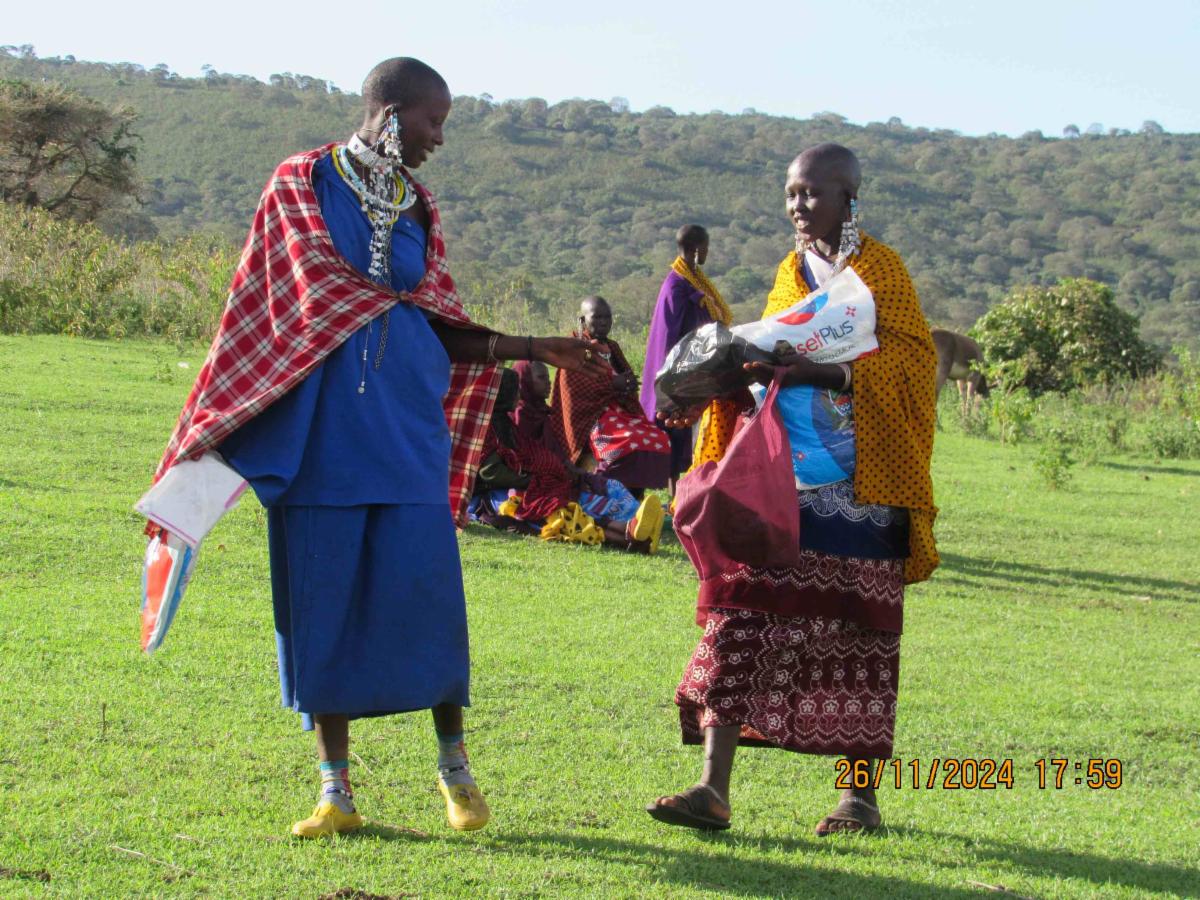
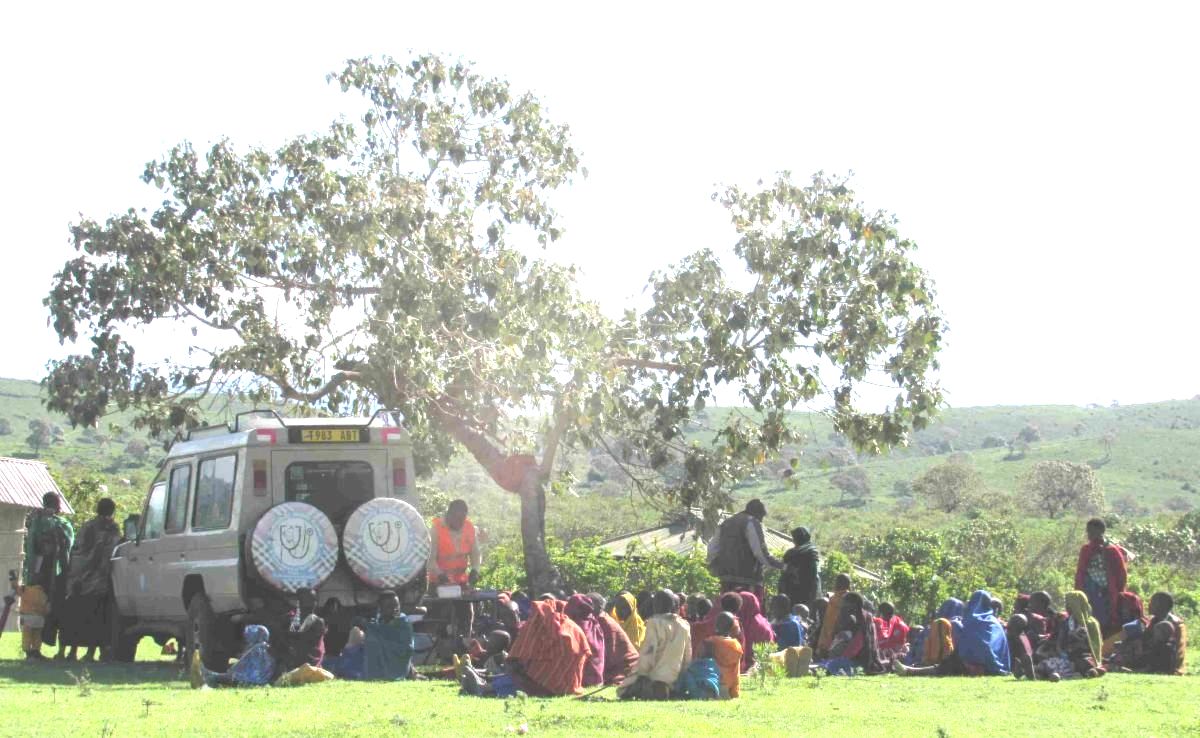
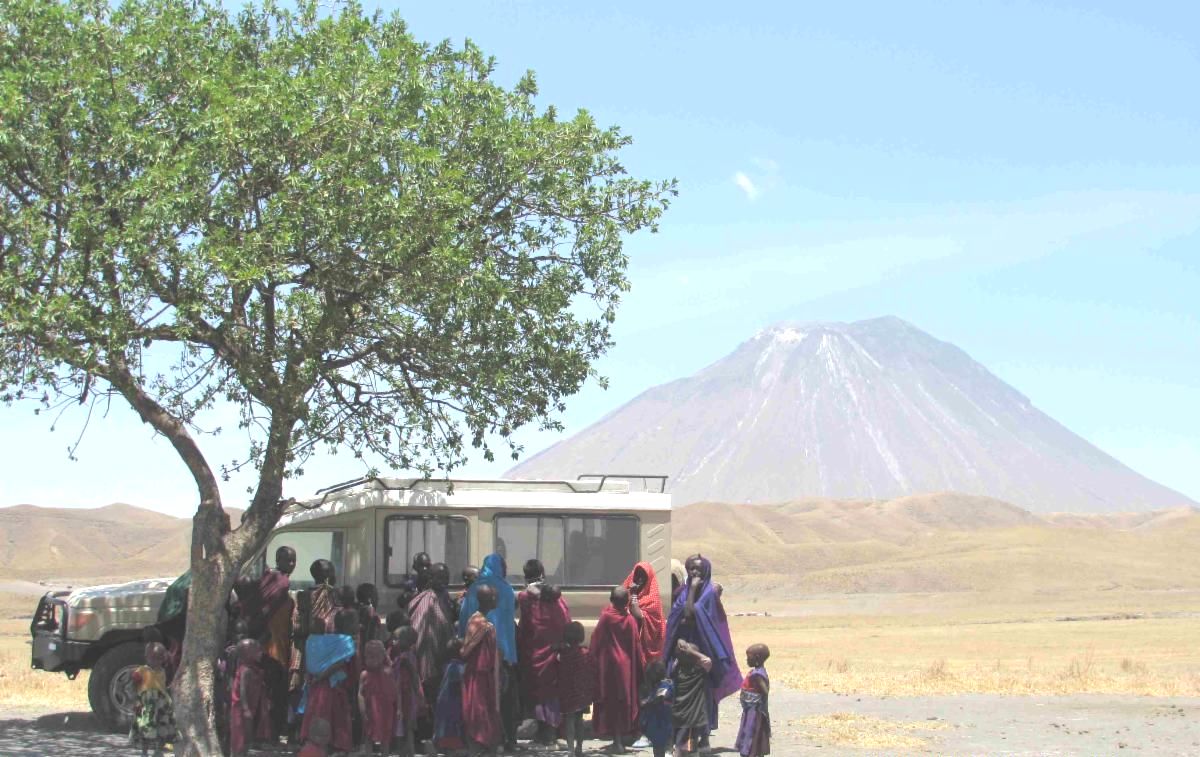
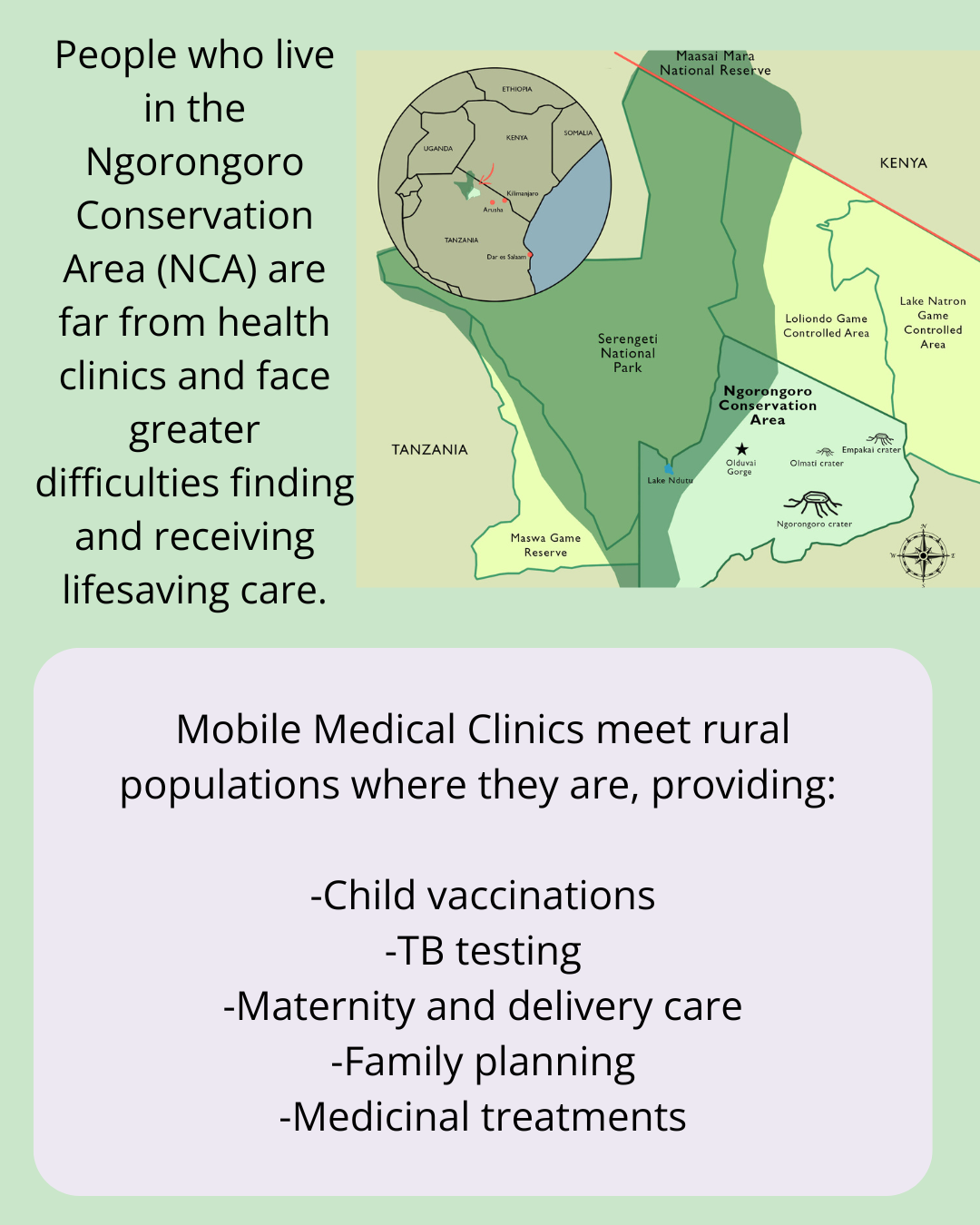
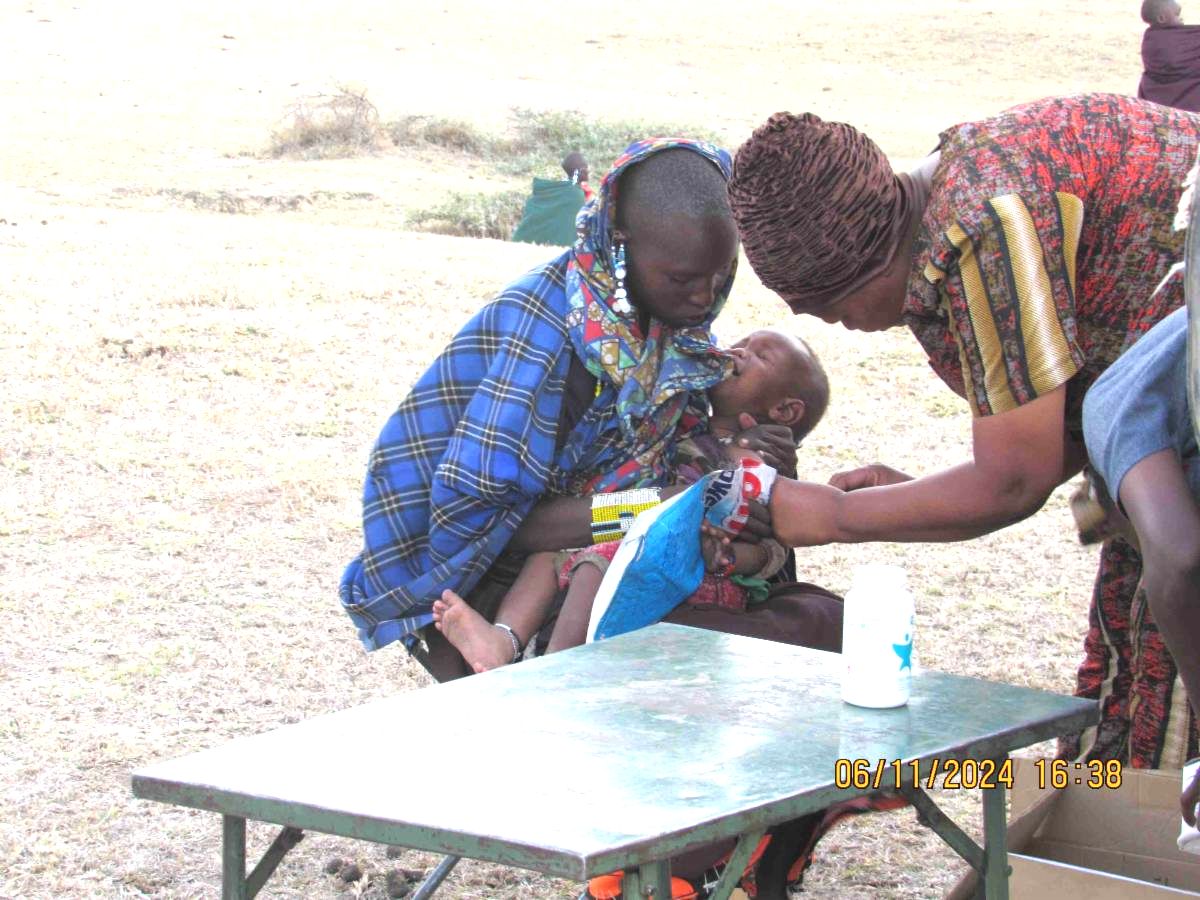
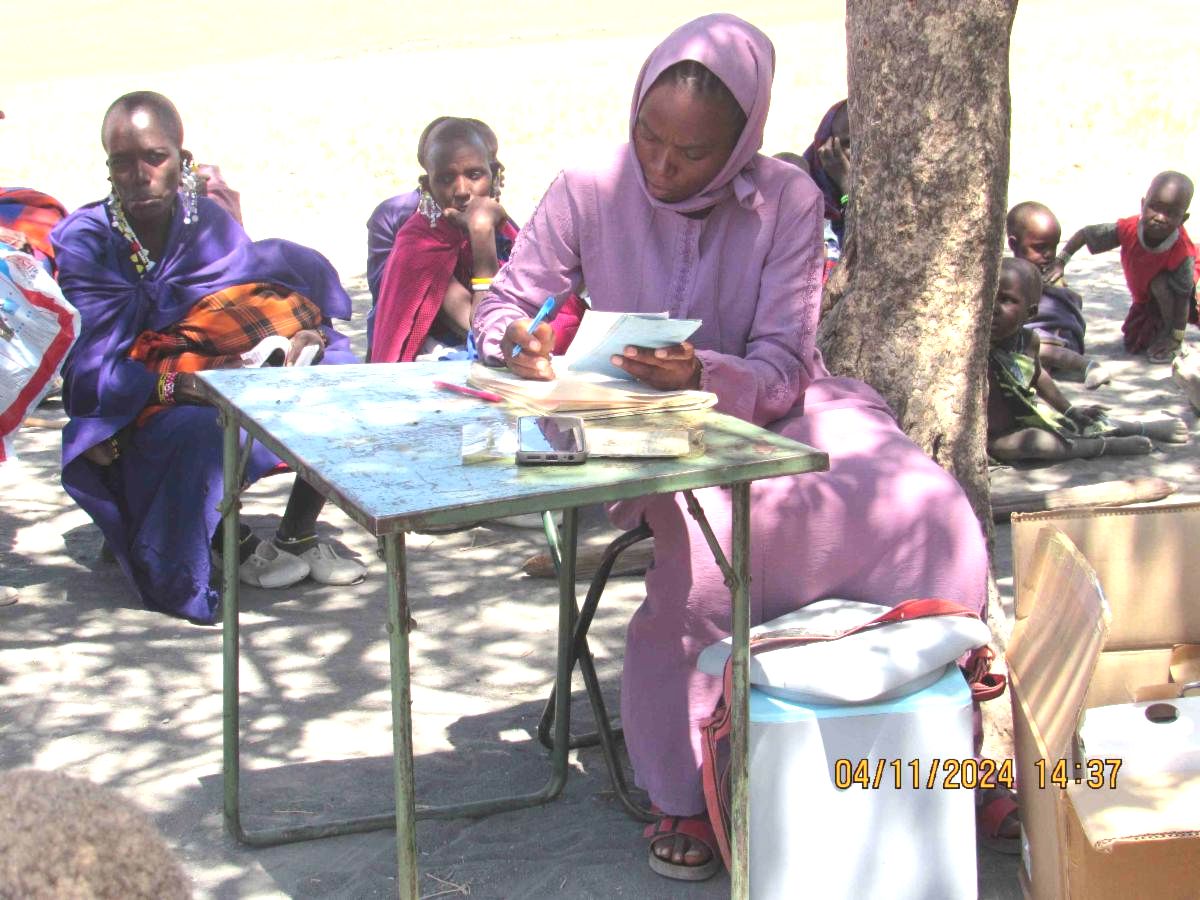
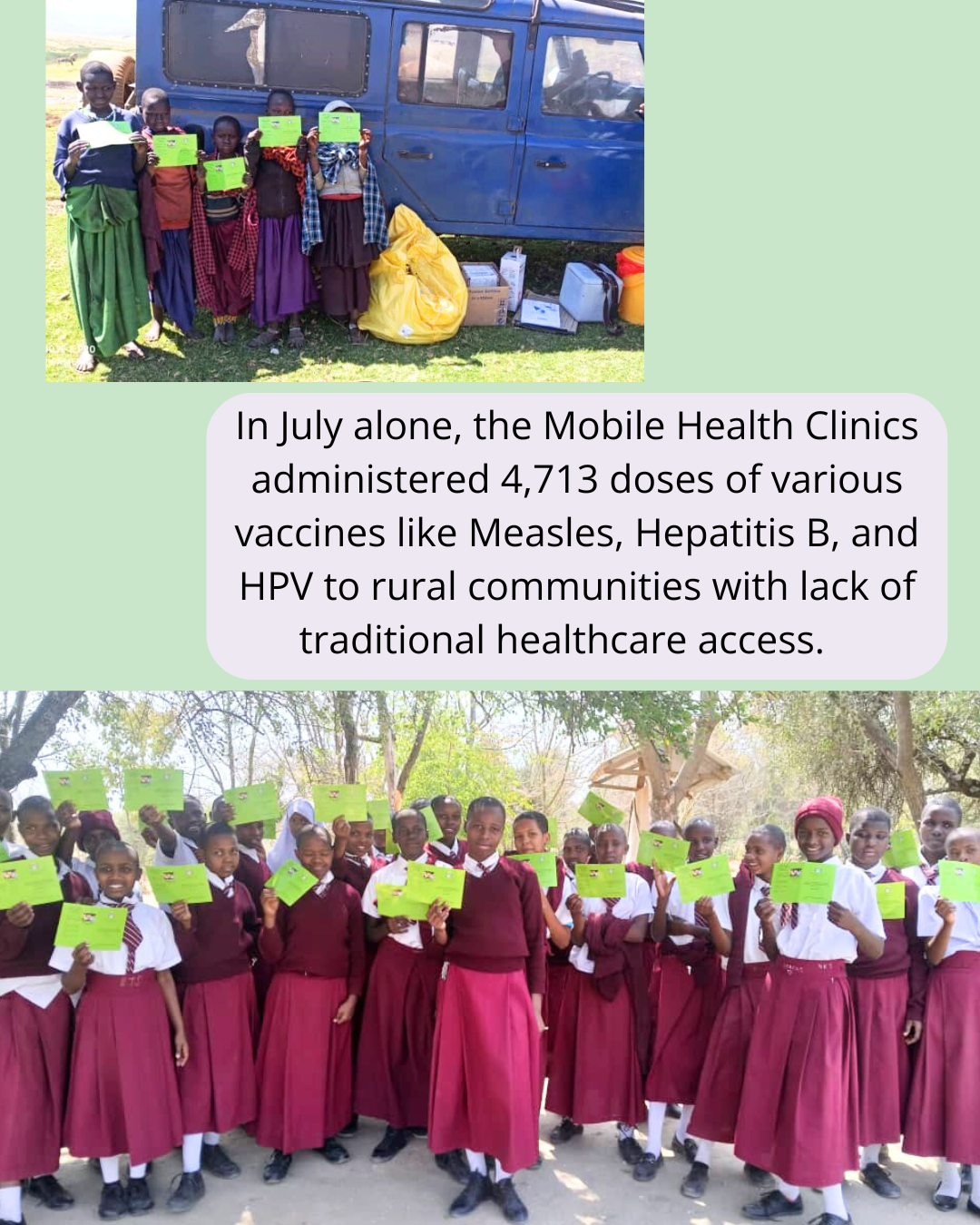
- Mobile Medical Clinics Continue to Support Rural Borrowers in Tanzania
- Uganda Tree Planting Initiative Finishes Its First Season
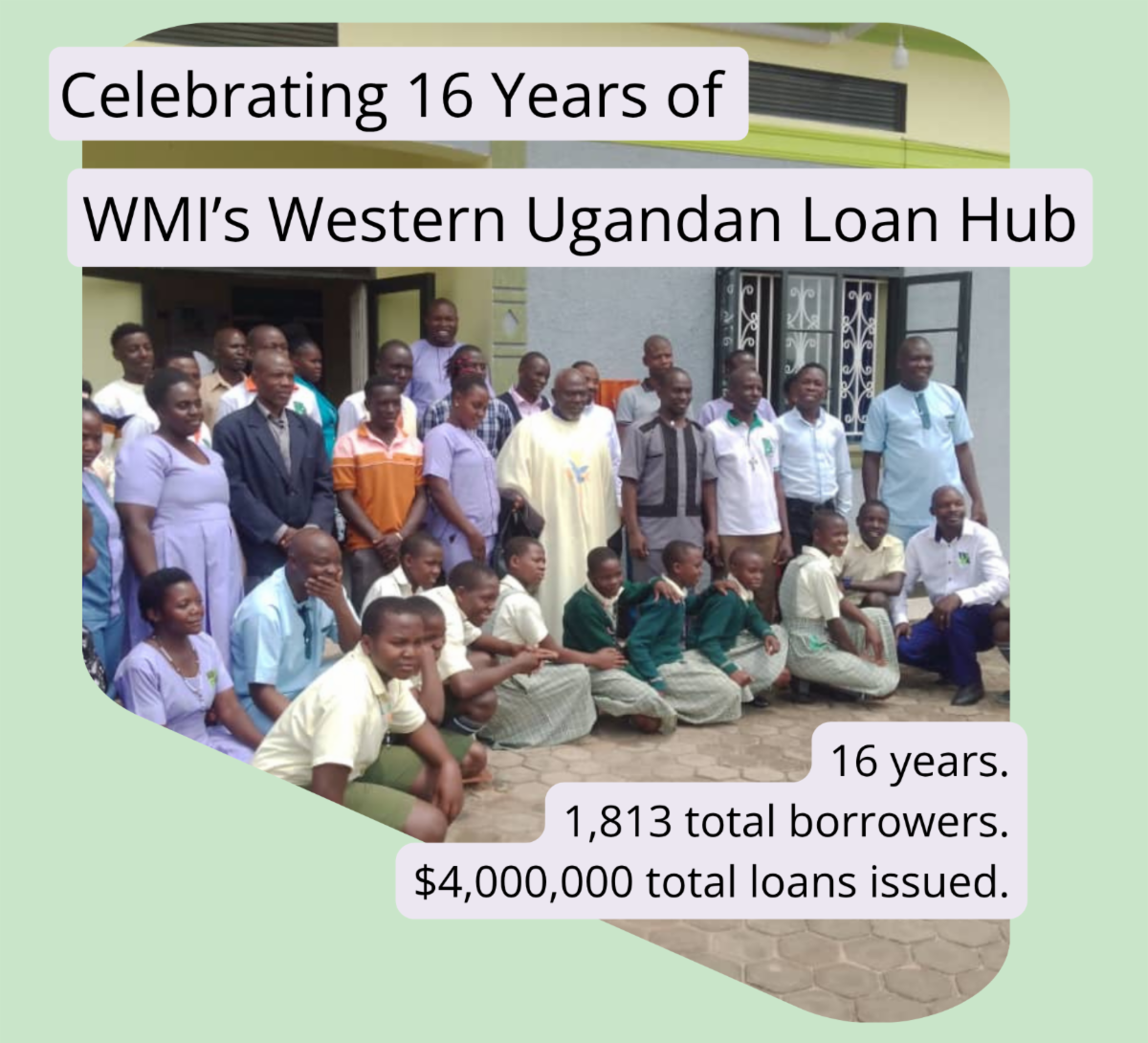
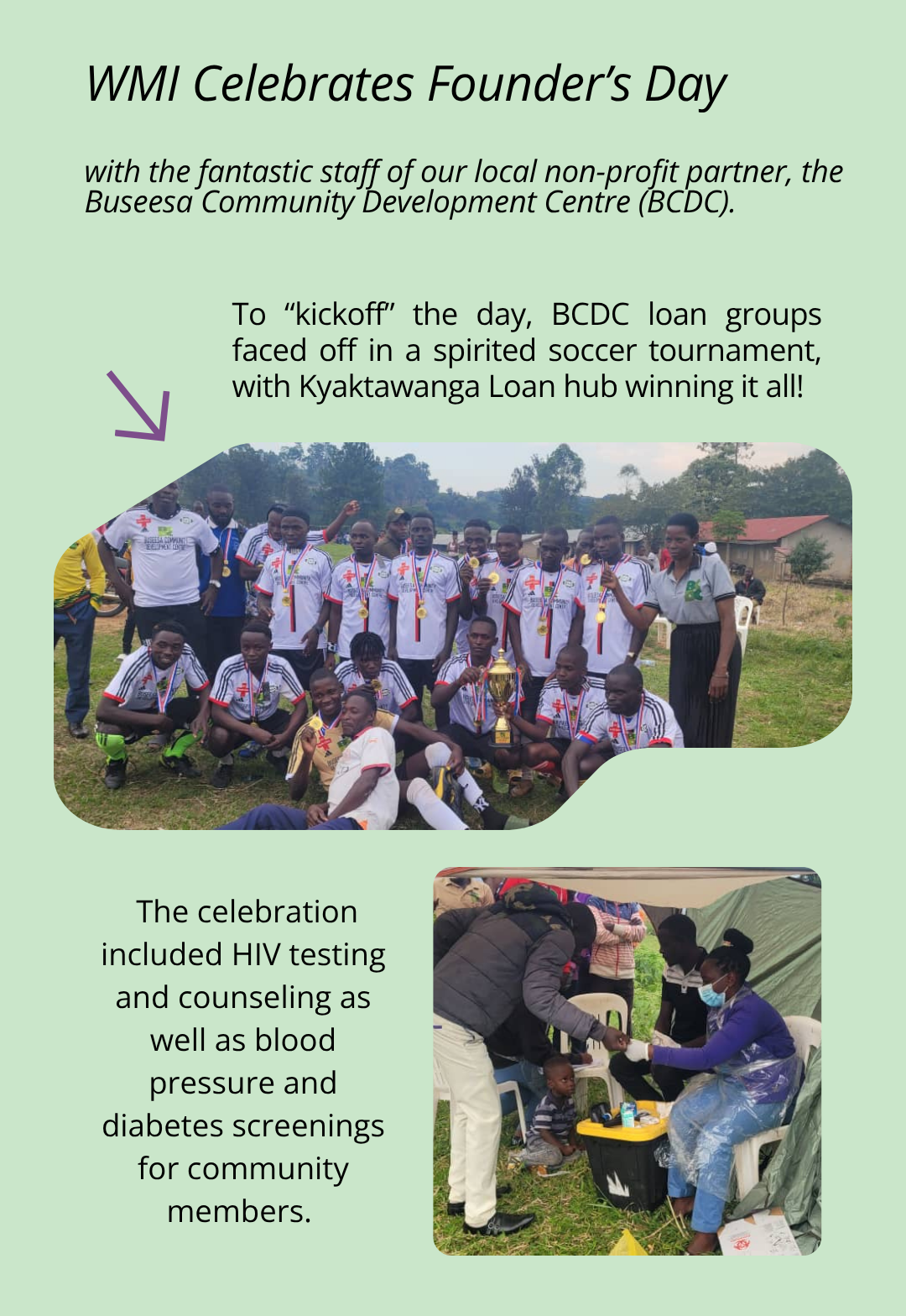
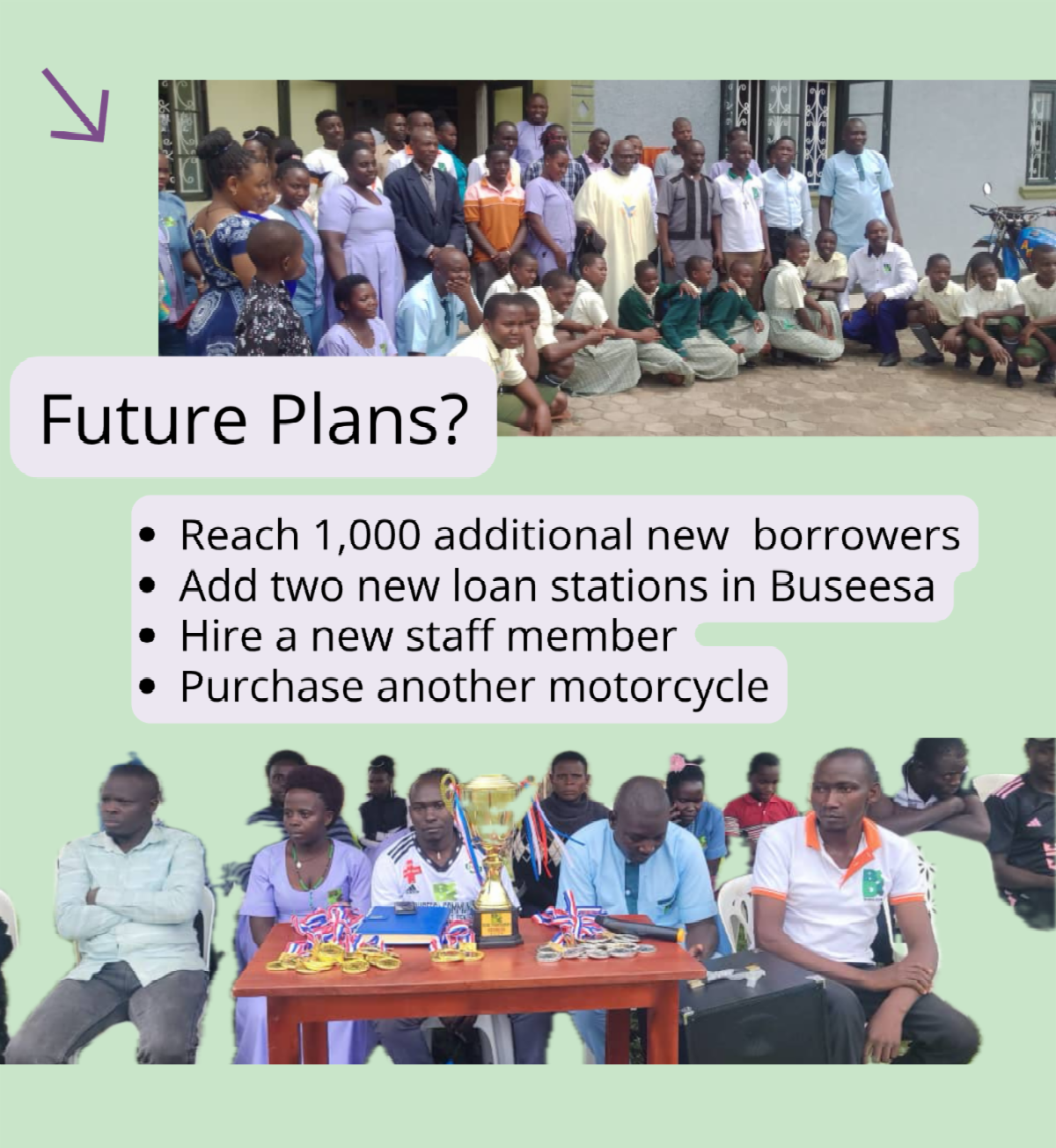
- Southwest Uganda Loan Hub Celebrates 16 Years of Operations
- Spotlight on Rural Tanzania Jumbo Loan Borrowers
- WMI Borrower Celebrates Her Daughter's Graduation
- WMI Board of Directors Transitions
| | | | |
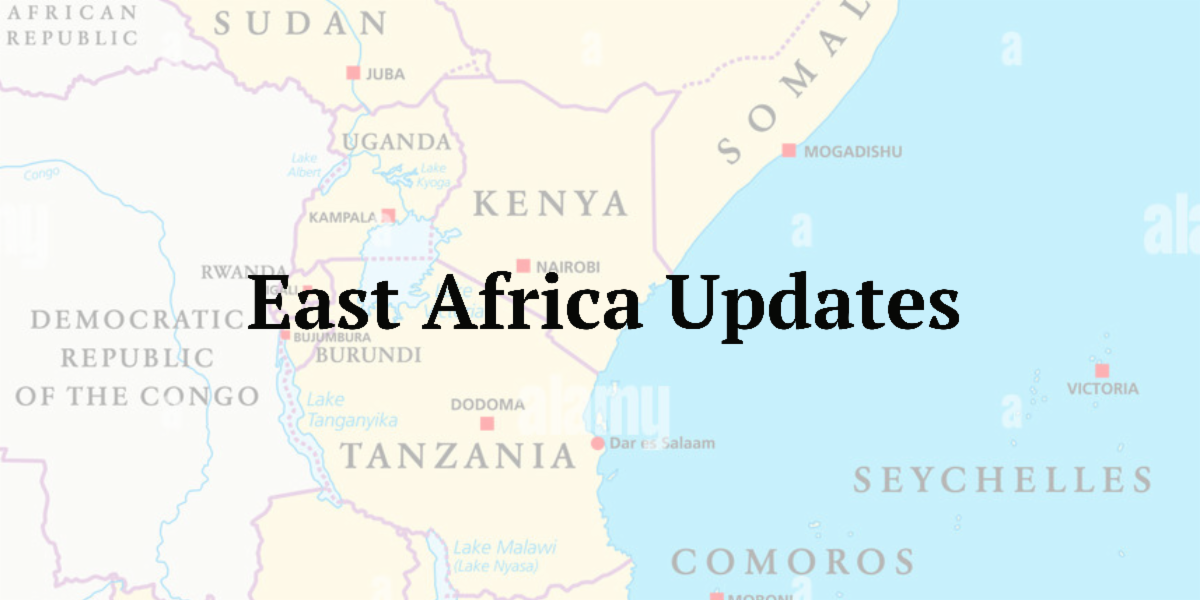
Kenya. Western Kenya’s Rift Valley Region, where WMI operates loan programs in the villages surrounding Eldoret, was inundated with heavy rains in early November, causing massive landslides that led to 26 deaths and another 30 missing. Flash flooding stymied rescuers and halted the search for survivors in the days after the catastrophe. Over 1,000 homes were destroyed. CNN reported that roads were cut off and the critically injured were airlifted to Eldoret Hospital. Natural disasters in the region have been exacerbated by climate change as the rainy season becomes more erratic and rainstorms increasingly violent. CNN Story | | Uganda. Born in Kampala and raised there for the first five years of his life, Zohan Mumdani, New York City’s newly elected mayor, is enjoying a wave of public support from his countrymen. The Associated Press reported that Mamdani’s father once arranged an internship for his teen-aged son in a Uganda newsroom, hoping that he would someday show an interest in politics. AP Story | Tanzania. The October 29 National elections in Tanzania were marked by violence as hundreds died in clashes throughout the country. NPR reported that the incumbent president, Samia Suluhu Hassan, was declared the winner, with 98% of the vote, even as the opposition party and poll watchers disputed the results, declaring the election neither free nor fair. NPR Story The U. S. Senate Foreign Relations Committee issued a press release criticizing the elections and the state-sponsored political repression. Press Relese | | | | |
| |
|
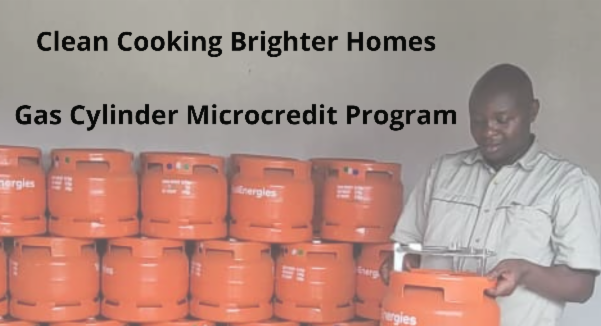
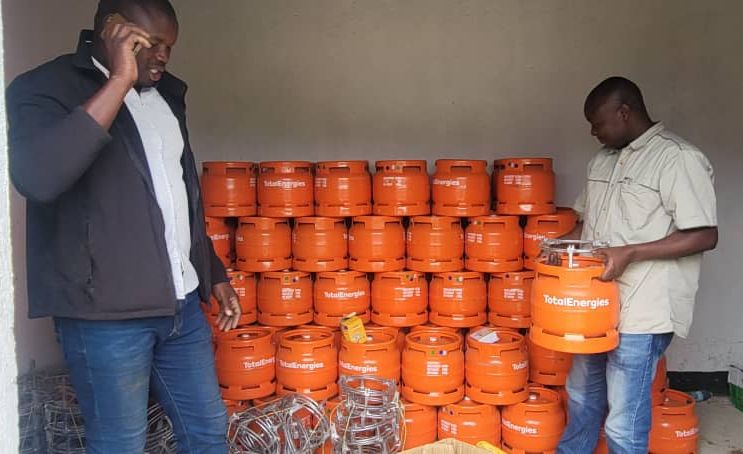
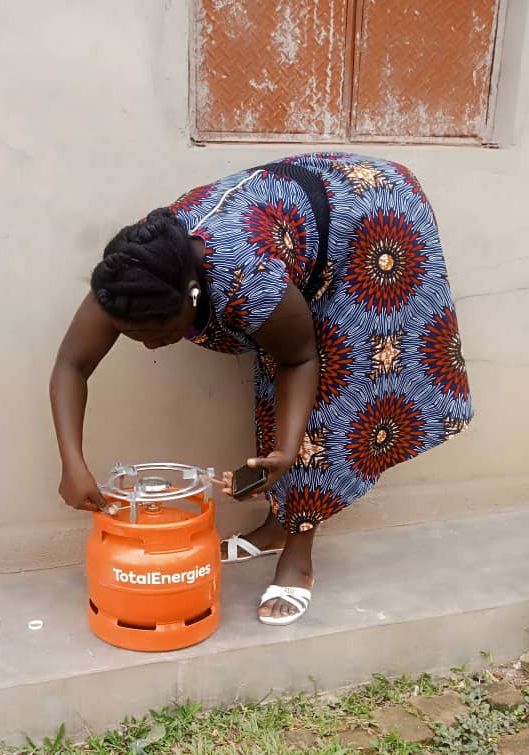
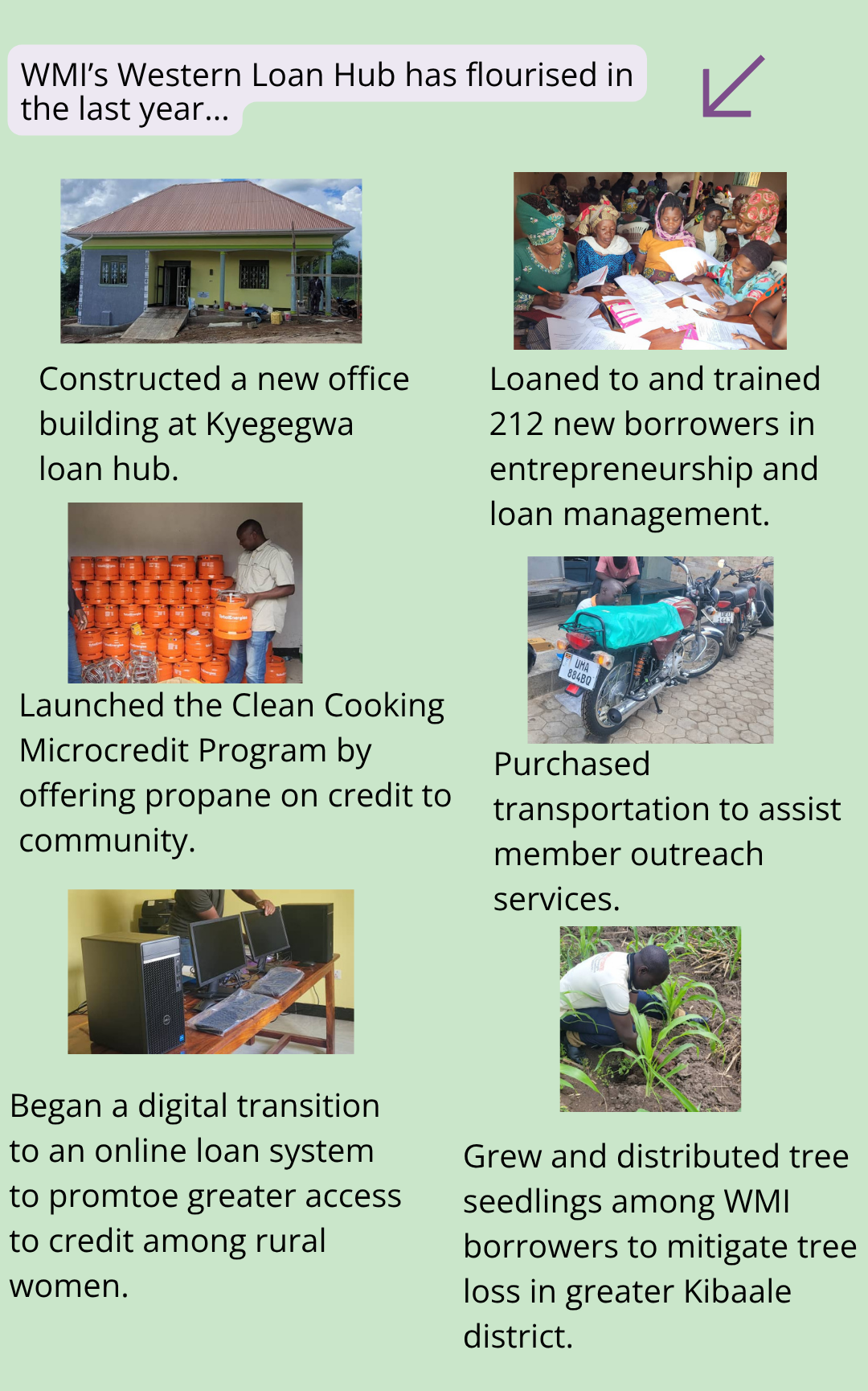
In August, WMI worked with its southwest Ugandan loan hub partner, BCDC, to facilitate a microcredit program with the mission to provide 100 rural households with affordable financing to make the switch to gas cylinders.
Why is this important?
- Traditional cooking materials like firewood and charcoal pose significant negative effects on personal and environmental health.
- Rural households face a high upfront cost barrier to acquiring gas cylinders. The closest place to purchase gas cylinders is 60km from BCDC headquarters!
- WMI always upholds fair and transparent loan practices. Even more, gas cylinders are sold on the market for around $50, but are being provided through financing for around $43.
| | |
Despite the many benefits of switching to gas, there is an increased concern over the outbreak of house fires when using gas as a fuel. To combat this potential risk, BCDC is providing program participants with comprehensive training to review how to safely and efficiently use and store gas cylinders.
The movement towards cleaner cooking fuel is critical to the health and wellbeing of the many rural villages that our loan program serves. WMI is continuously impressed by the creative solutions to longstanding issues offered by locals working at the ground level in these communities.
So far, the initiative has proven to be a sweeping success! After two months, all of the 100 gas cylinders we stocked were entirely sold out! WMI intends to expand this program next year.
| | | | |
|
WMI Named the 2025 Case Partner for University-Level Microfinance Competition
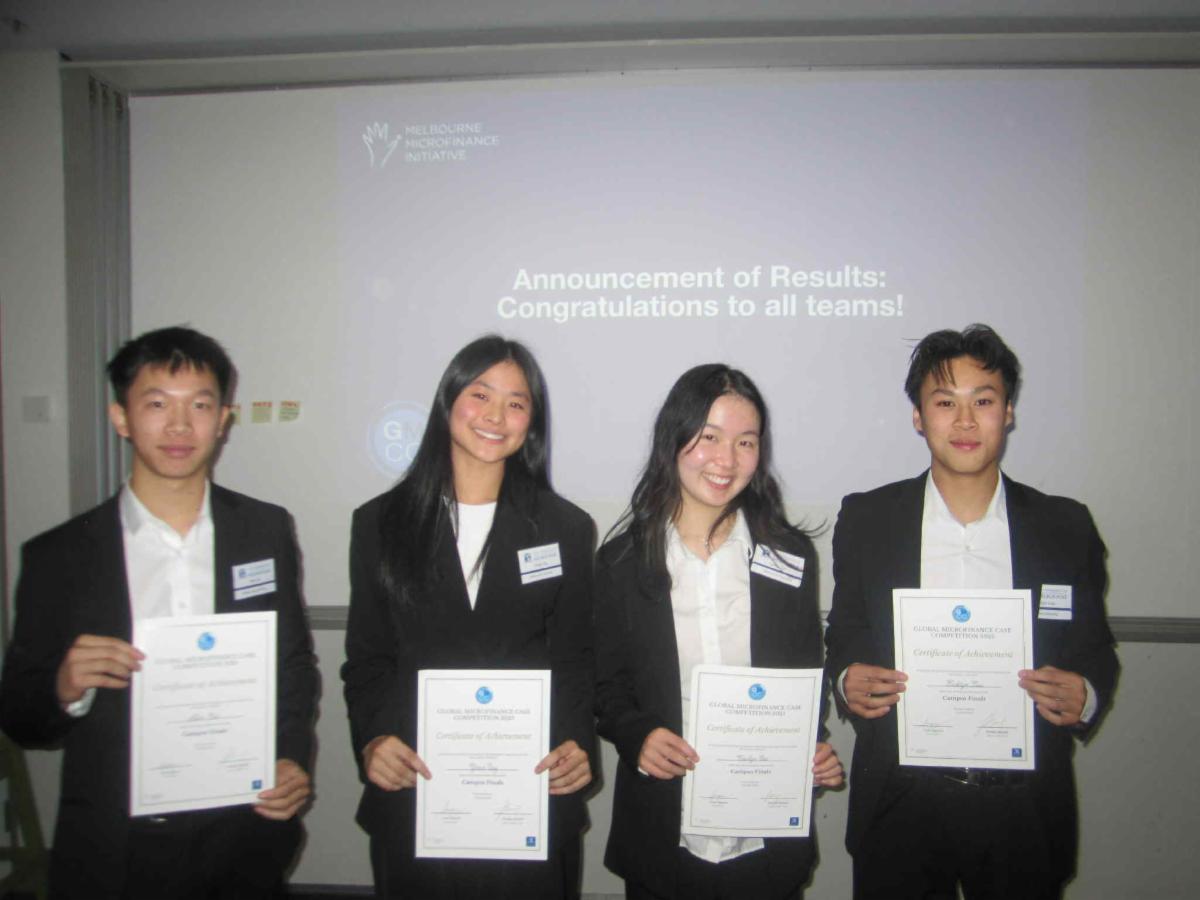
WMI was honored to be chosen as the 2025 Case Partner for the annual Global Microfinance Case Competition (GMCC) hosted by the Melbourne Microfinance Initiative (MMI) from University of Melbourne. Four teams of university students from across the globe participated in the GMCC this August. Teams were asked to research and develop innovative and sustainable approaches to optimize WMI’s success as a growing, grassroots nonprofit, and ultimately answer the following question: “How can WMI maintain its mission of keeping its program locally-led while expanding to meet growing demand?”
WMI was awed by the diverse and creative proposals submitted by all four teams. After deliberation among the panel of judges, MMinus One Consulting from University of Melbourne was named the winner of this year’s competition. WMI sincerely enjoyed the opportunity to receive insights from talented and passionate students and remains open to learning from younger generations as our organization grows and adapts to a changing world.
| | | | |
| |
|
Thousands of Trees Planted So Far as Tree Planting Initiative Finishes First Season in WMI’s Southwestern Uganda Loan Hub
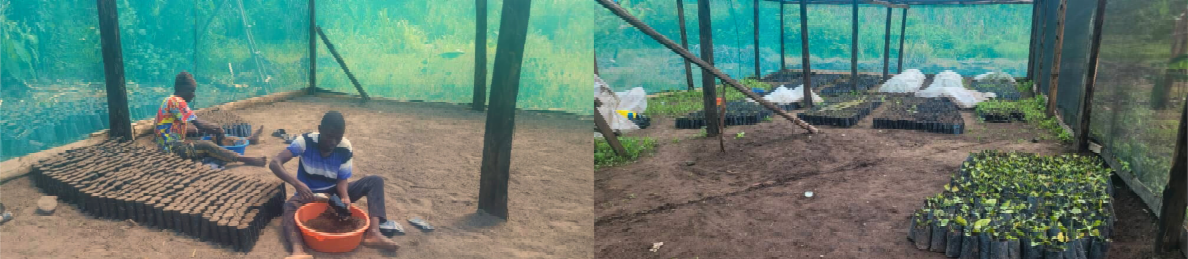
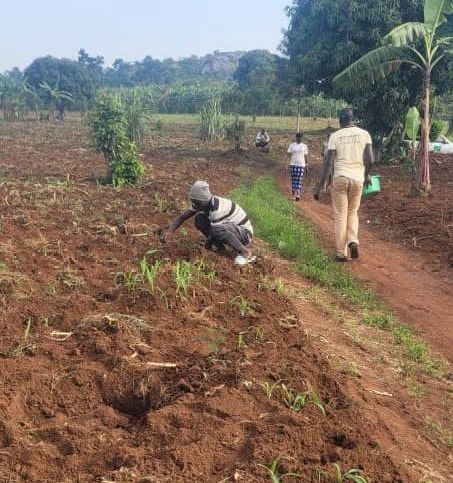
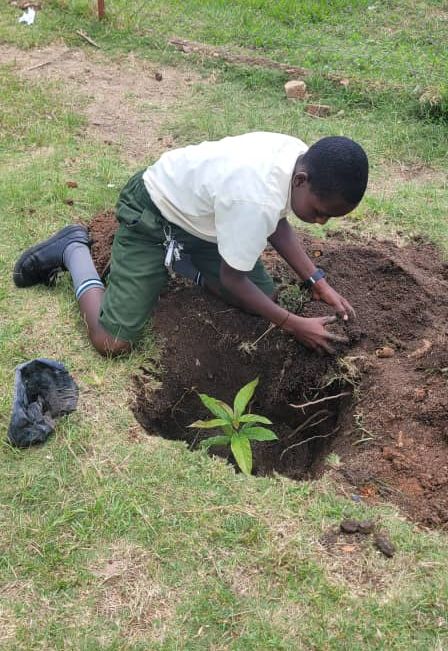
Back in April, WMI provided funds to help its southwestern Uganda loan hub partner, BCDC, launch a tree planting initiative in effort to counteract growing levels of deforestation across the Kibaale District. Since the first seeds were planted in newly constructed nursery beds in Spring 2025, thousands of grieveria and eucalyptus trees have sprouted from the soil and have been distributed to borrowers for replanting in their respective plots of land across the district.
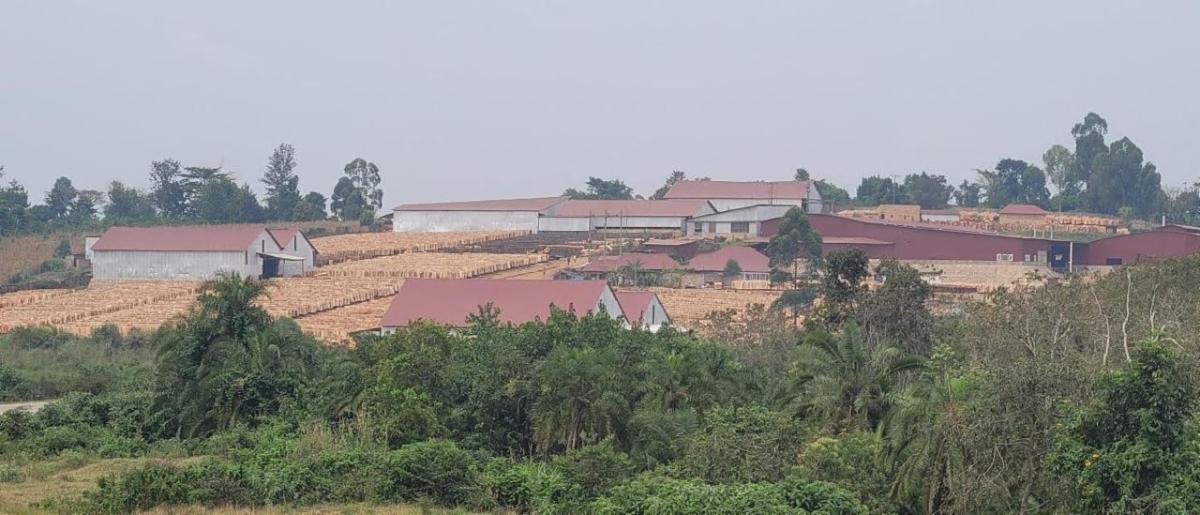
| | The tree planting initiative sprung into existence when a series of Chinese plywood factories opened in southwest Uganda in 2023. The foreign companies offered landowners small, lump sums of money to clear trees on their land, resulting in not only an unprecedented loss of trees and biodiversity in the area, but also a significant decline in the soil and water quality. | |
Grieveria tree seeds were the first to grow inside the new nursery beds. By August, they sprouted as treelings and were distributed to 600 borrowers.
In July, eucalyptus seeds were planted in the nursery bed and program leaders plan to plant 3,600 eucalyptus treelings on three acres of land by the end of the season! Even more eucalyptus seeds are now growing in the nursery beds for replanting this coming spring.
| | |
For WMI borrowers, who rely on the agricultural land for their livelihoods, this sudden environmental change had the potential to cause devastating consequences if the community had not intervened.
Local loan leaders, WMI borrowers, and village youth, joined forces to construct the nursery bed, add the greenhouse for shade, and dig a pond to feed a basic irrigation system. Once the seeds grow into young treelings, WMI borrowers will be responsible for replanting and caring for the trees on their own property.
| | | | |
| |
|
WMI Jumbo Loans Support Growing Businesses in Rural Tanzania
As WMI businesswomen in rural Tanzania expand their operations, they need larger loans to finance inventory and capital improvements. To meet this need, WMI introduced a Jumbo Loan Program, offering loans of $250-$1,000. Meet some of the women in the rural areas outside Tloma and Karatu who are using their Jumbo Loans to grow their businesses and meet customer demand.
| | |
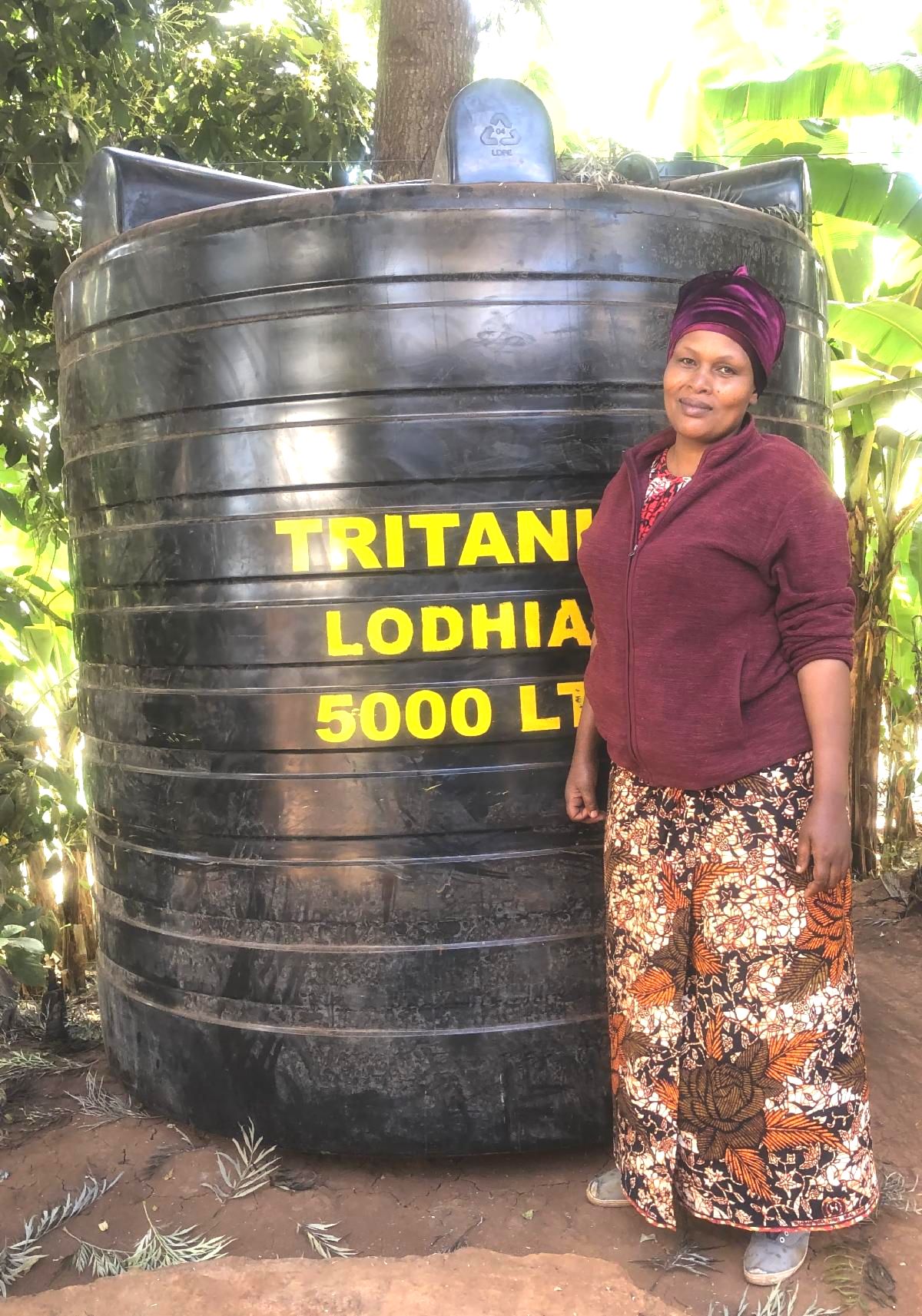
Karmela started with the WMI Loan Program in 2019 to help expand her vegetable farm. In 2022, she joined the Jumbo Loan Program to make capital improvements to her business.
With her farm plot yielding excellent harvests of carrots, cabbages and beans, Karmela decided she needed to ensure that she could water her crops in times of drought. Her solution was to buy a 5,000 liter water tank and an irrigation system, including a generator, with her Jumbo Loan. The national power grid is unreliable so she decided a generator was essential to protect her investment in the farm. The high quality water pipes she installed and drip irrigation lines now deliver a regular water supply directly to the roots of her crops, in a method that preserves this precious resource.
To diversify from farming, Karmela also went into the brick manufacturing business. In rural areas, families construct homes in stages, buying bricks periodically as they have funds available to add on rooms. The bricks are made from clay and Karmela always has a steady supply on hand to meet local demand. With the proceeds from her businesses, Karmela has been able to send all of her children to school.
| | |
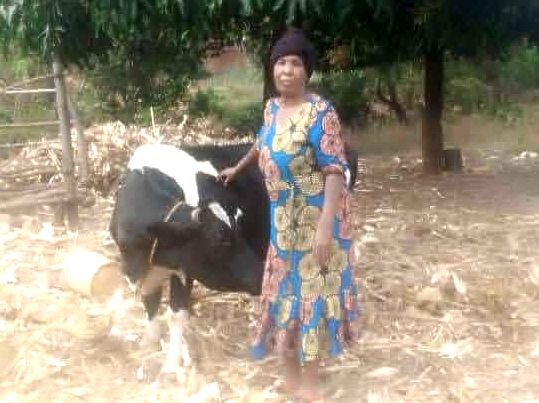
Elizabeth is a veteran of the WMI loan program and at 72, she is one of our oldest members. A widow, she joined WMI in 2015 so she could start a business to help support her eight children. Ten years later, she now has 31 grandchildren that she helps support. Having honed her business skills over the years, Elizabeth applied for a WMI Jumbo Loan of $800 to support her three small businesses.
Loan proceeds helped Elizabeth buy a cow which gives about eight liters of milk a day that she sells to villagers at 60 cents/liter. This generates a steady income of $5/day.
Along with her dairy business, Elizabeth raises chickens who run wild on her small farm plot, laying eggs in hiding places that she checks every day. Villagers routinely stop by to purchase a few fresh eggs.
Her plot of land is planted with maize plants but the crop is not for sale. It is to ensure her family can always have the security of a full belly. But the pea plants are a money-maker. She harvests four or five bulging sacks that sell for $100-$120/each. The income is used to pay school fees for two of her grandchildren whose parents are both deceased.
With income from her businesses, Elizabeth has added two rooms to her house as rental units that will generate monthly income. Her philosophy was, “Today I am here but what if tomorrow I pass away? At least I have left a house for them.”
| | |
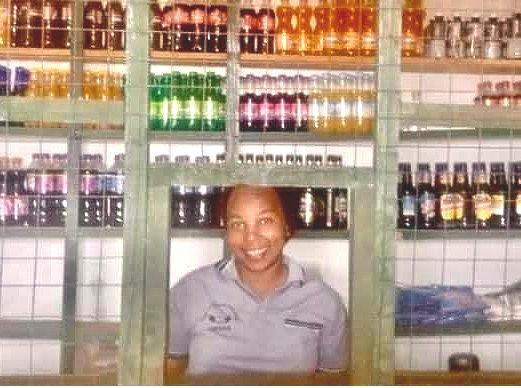
Matilda first received a WMI loan of $50 in 2020 and started a business selling fruits and vegetables. She steadily expanded her operations to meet the demands of her growing customer base. Currently, she operates a small grocery where she sells beer, soft drinks, snacks and sundries.
Having developed very good customer relations, Matilda applied for a WMI Jumbo Loan of $400 this year to add a business as a mobile financial agent for Airtel (a cell phone provider) and Mpesa (a mobile money provider). She can now accept electronic payments from customers who do not have cash to purchase goods at her store. She can also transact withdrawals and deposits for customers on their bank accounts.
Matilda is a petite woman with a big vision that she is turning into a reality through the WMI Loan Program.
| | | | |
|
Proud Kenyan Mom of a Daughter Graduate
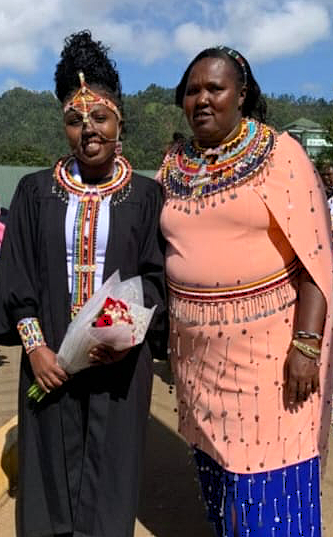
Like moms all over the world, WMI borrower, Pamela Kilua, a rural businesswoman in northern Kenya, was excited to share the news about her daughter’s graduation. In a Whats App text she announced:
“I wanted to inform you that my first born has finished her diploma that she was doing. I thank God for that. We are looking forward to see if she can go for the degree. God will help us...I take this opportunity to thank WMI. I know that the business I am doing has assisted my daughter to learn. Thank you sooo much.”
| | |
This is the power of a business loan and training. The income rural women earn ripples through generations. Both boy AND girl children can continue their educations because their moms have the funds to pay school fees and expenses.
Pamela’s daughter, Sofia, checked in with us to let us know about her achievement: “I pursued a course in perioperative theatre technology (PPT), I studied in Methodist Medical School of Health and Science, located in Maua, Meru County. I am planning to continue with school for my degree for a period of two years. I will try to maybe study through distance learning so I could have a chance to search for a job.”
A PPT diploma is a two year course that teaches essential skills for managing operation theaters in hospitals. A degree in PPT would be equivalent to a Bachelor’s Degree. Sofia is obtaining the essential training necessary to enter the skilled labor force in Kenya.
But this story does not end with Pamela’s daughter’s accomplishment. Pamela is the chairwoman of her 30-member loan group called Naibala. She told us: “My job now as Chairwoman is to keep hope alive for other group members. There was a lot of poverty before WMI because everyone was depending on livestock. Families were subject to a lot of domestic violence. Spouses quarrel because of poverty. Marriages break up.” With WMI loans and training, Pamela reported: “Now they have something to do and contribute to the household. They are empowered.”
| | | | |
WMI's Video Submission to the #PoweredByWomen Campaign | Check out WMI's video submission to Global Giving's #PoweredbyWomen campaign that took place this October. Global Giving is a wesbite that connects non-profits like WMI to supporters interested in specific causes. The #PoweredbyWomen campaign was launched to provide a platform for female-focused organizations like WMI to share how women and girls are making positive impacts in their community. | | | | |
|
WMI Board of Directors Transitions
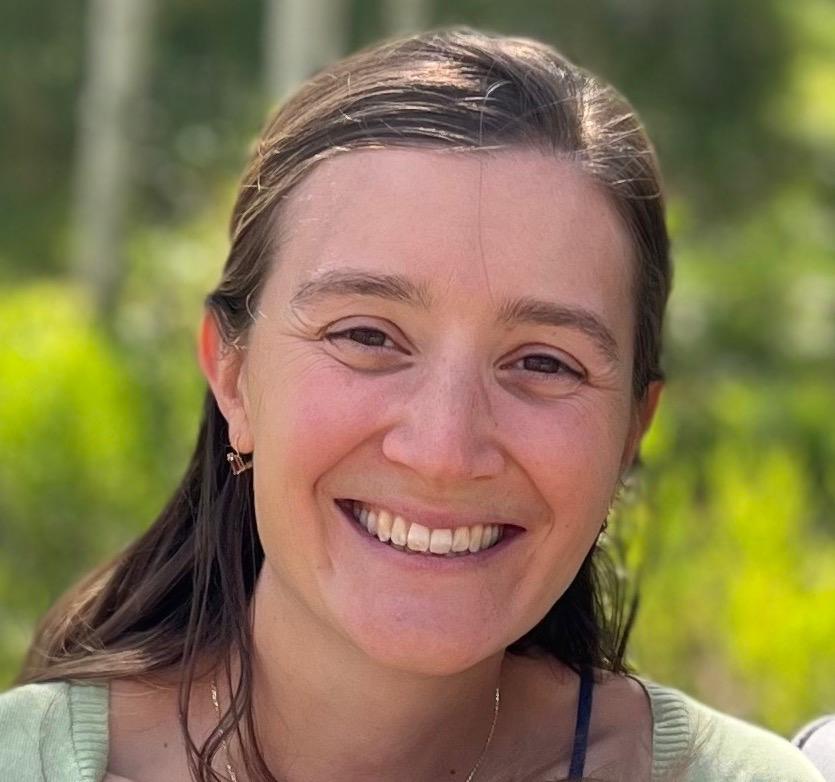
WMI is very pleased to welcome three new members to its board of directors: Ainsley Morris Cohen, Montana Stevenson, and Ashley Van Waes. All three are past WMI Fellows, having spent the better part of a year living at our headquarters in Buyobo, Uganda, where they helped shepherd the loan program through major developmental stages. They have all been serving on WMI’s Advisor Board.
| | |
Ainsley is a Founding Partner at Newid Capital, an impact investing firm focused on expanding financial services in developing markets. Previously, she was an Investment Analyst at QED Investors, a VC firm focusing on financial services and online advertising technology. As a WMI Fellow and Assistant Project Director from 2010-2011, she worked side by side with Montana in Buyobo, Uganda, to build loan program capacity. Ainsley graduated in 2010 from the University of Edinburgh in Scotland with a Master of Arts degree with Honors in Economics. She is now a mom with four young children and lives in Alexandria, VA.
| | |
Montana is an independent consultant supporting companies in the food and agriculture sector to develop responsible sourcing and supply chain sustainability strategies. Previously, she was the Responsible Sourcing & Production Manager at Danone N. A. She also worked on international projects as an analyst at Abt Associates in Bethesda, MD, and handled a fair labor and human rights project regarding procurement contracts at Univ. of Michigan. She graduated from the Erb Institute at University of Michigan, with an MBA and M.Sc. in Natural Resources and received a B.A. from UVA. As WMI's Project Director from 2010-2011, she worked with Ainsley in Buyobo, Uganda to develop WMI’s local infrastructure. Montana is also a mom now with two young children and lives in Denver, CO.
| | |
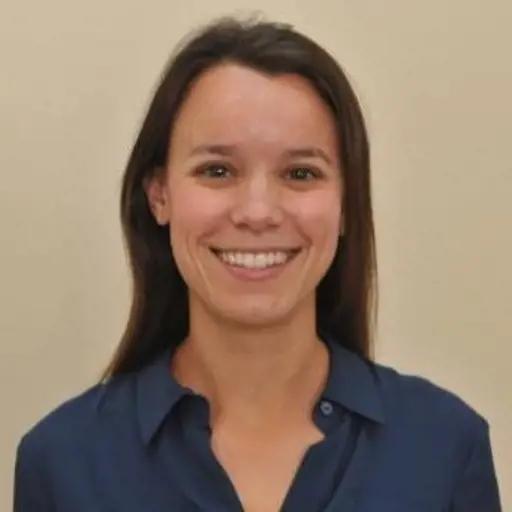
Ashley is a Program Manager on the Policy & Regulatory Affairs team at Remitly, where she works on digital innovations for financial services. She began her career in the international development sector as a WMI Fellow from 2015–16, where she supported development of loan program operations. This experience grounded her commitment to advancing economic opportunity and women's financial empowerment - principles that have guided her work ever since. Prior to joining Remitly, Ashley worked at USAID, where she focused on climate change issues. Ashley holds a master’s degree in International Development Economics from Georgetown University’s School of Foreign Service and a B.A. in International Business from the University of Nebraska–Lincoln. She lives in Washington, D.C.
| | At the same time as we welcome the new energy and ideas these young women bring to the WMI board, we are saying good-bye to three founding board members: Betsy Gordon, Jane Erickson and Terry Ciccotelli. These dedicated team members were each instrumental in founding WMI and without their input and commitment WMI would have never gotten off the ground. With enormous gratitude, we wish Betsy, Jane and Terry all the best for their future endeavors. | | | | |
|
Thank You!
The WMI Board of Directors is extremely grateful to our donors - you make WMI's work possible. Thank you for your thoughtfulness and commitment to supporting WMI's program to empower rural women and families in East Africa. You are providing a lifeline that is truly making a difference in reducing global poverty.
Gratefully,
The WMI Board of Directors
Robyn Nietert ........Trix Vandervossen ........June Kyakobye .........Deborah Smith
........Ainsley Morris Cohen ......Montana Stevenson ......Ashley Van Waes
| | | | |
| |
| |