Hello!
Happy Spring (with a little bit of snow mixed in)! With a new season upon us, I hope you are able to see the positive things in your life and gain renewed strength to keep going through tough times.
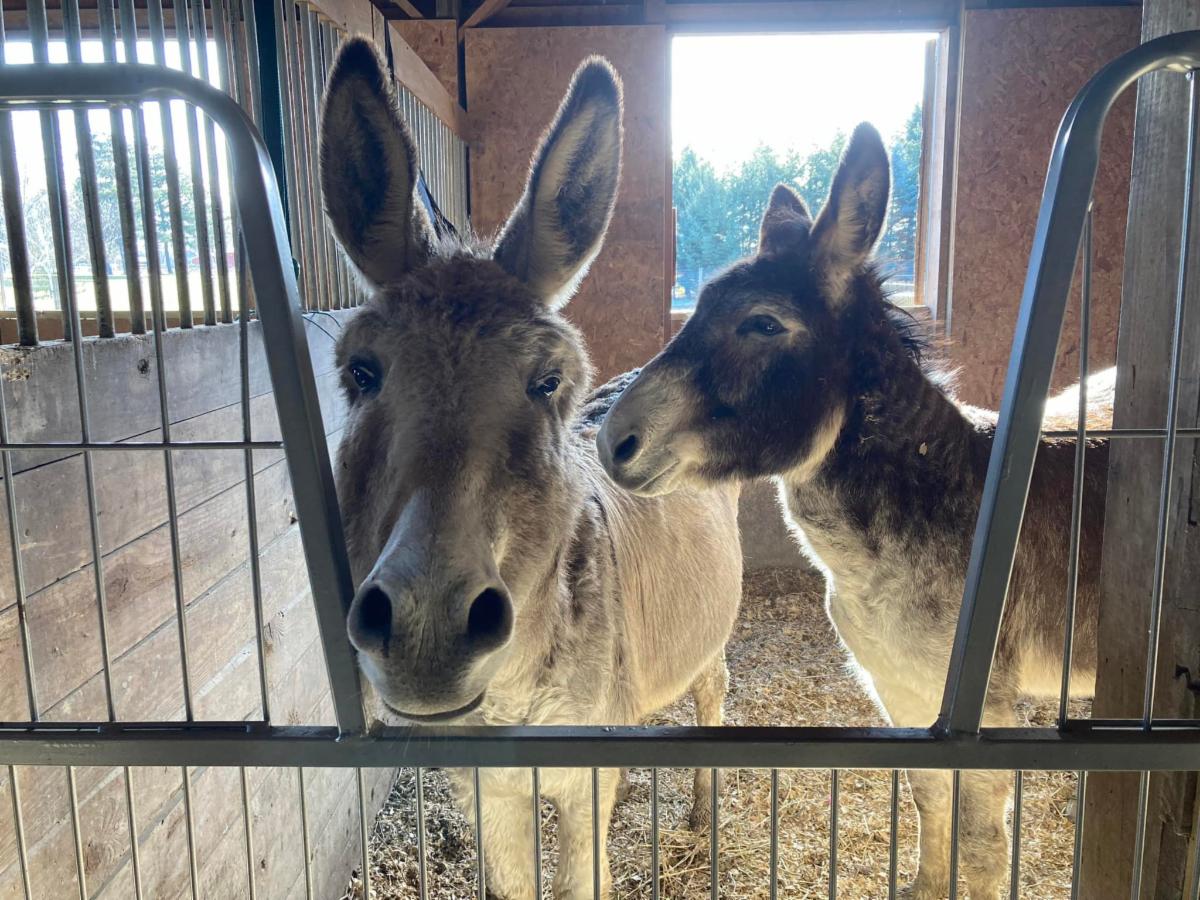
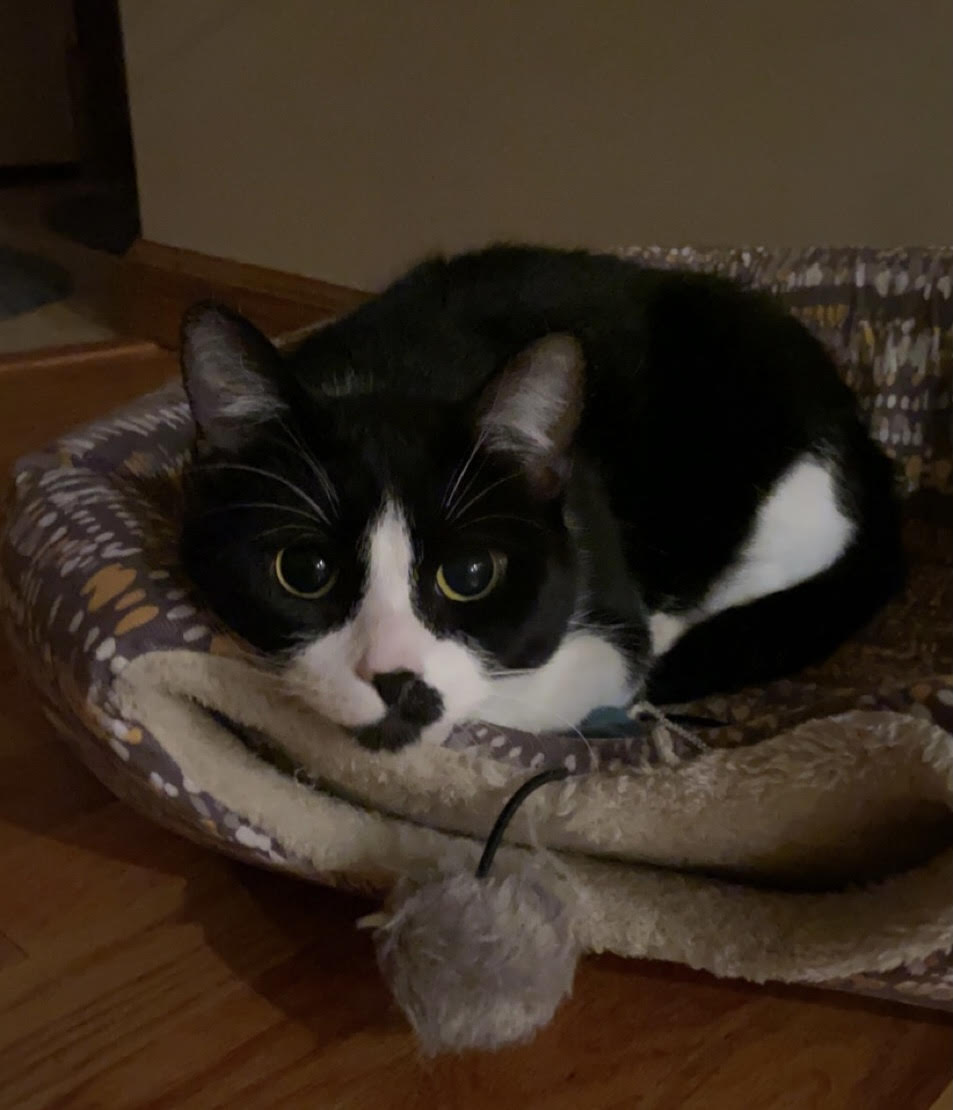
Scroll down to see our animal family members (one may surprise you!) and learn more about how pets impact mental health and the role of Emotional Support Animals!
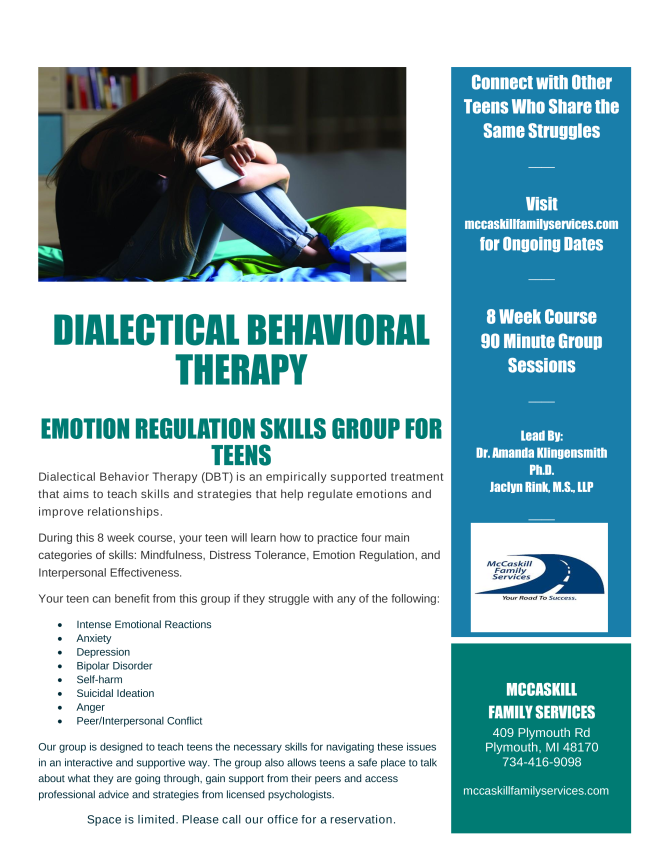
We are also excited to be resuming our in-person DBT skills groups this summer for teens struggling with their emotions and relationships!
All my best to you,
Dr. Pam McCaskill
734-416-9098
|
|
McCaskill Family Services Newsletter
Term: Spring| Issue 27| March 29th, 2022
|
|
What's one of the best things about walking into your home at the end of a long day? Maybe it's seeing the sweet face of your children, enjoying some silence and solitude, or just feeling the overall relief that the day is ending.
Another reason? Your pets. There is something so special about being greeted by a furry animal who is nothing but excited to see you. They help us to feel loved, welcomed and appreciated. Studies have shown that pets reduce anxiety, stress, depression, ease loneliness and encourage physical activity. Engaging with them helps to improve our overall mood, triggering a release of our "happy hormones" serotonin and dopamine. Didn't realize that had such a profound impact? Check out the facts below!
How being a pet owner impacts your health:
- Pet owners tend to have lower blood pressure, with studies showing a decrease in blood pressure after 5 months of owning a pet.
- Pet owners are less likely to suffer from depression.
- Playing with pets can increase imagination and creativity in children.
- Pet owners measure a 31% increase in physical fitness after owning a pet.
- Docile animals can help soothe and decrease aggressive behaviors in both children and the elderly suffering from Alzheimer's.
- For children with certain diagnoses such as Autism, owning a pet can be an effective way to teach nonverbal communication skills.
- Pet owners report being about 12% happier than people without pets.
- Having a pet promotes responsibility and routine. A study asked teens with Type 1 diabetes to feed and check water levels for their fish twice a day. By the end of 3 months, the teens showed improvements in managing their diabetes.
|
|
At McCaskill Family Services, we specialize in working with children and adults who are struggling with all kinds of presenting mental health issues. If your family or someone you know could benefit from our services, please contact us. Our clinicians are trained and experienced in empirically-based techniques, and would be happy to promptly schedule an appointment in person or via tele-health. We can be reached by phone at 734-416-9098 or by email at office@mccaskillfamilyservices.com.
|
|
Emotional Support Animals |
|
|
|
There are lots of different terms and questions floating around in our community with regard to animals and their role in mental health care.
Over very own Dr. Nicole Wozniak helps to clarify the difference between emotional service animals, certified therapy dogs, and why your provider may be willing or unwilling to recommend one. Click Below!
|
|
Dr. Nicole Wozniak, Psy.D., is our Brighton location clinical director and runs our Equine-Assisted Therapy Program.
Dr. Nicole is a Fully Licensed Clinical Psychologist who specializes in working with adolescents struggling to overcome behavioral problems, anxiety, depression, and/or self-esteem issues. She utilizes a variety of evidence based treatments in therapy, such as cognitive behavioral therapy, dialectical behavior therapy, and motivational interviewing.
In addition to clinical work, Dr. Nicole is a PATH certified Therapeutic Riding Instructor, specializing in equine therapy. She is an avid horse lover, committed to the idea that the power of the horse contributes uniquely to the therapeutic experience.
Dr. Nicole is an animal lover by nature and her favorite activity is spending time on her farm with her animals. She currently owns 2 horses, 2 donkeys, 2 barn cats, 2 house cats, and a dog. In the summers, Dr. Nicole spends most of her time preparing for and competing in jumping competitions with one of her horses, Neo. She feels very fortunate to have been able to combine her love of psychology with her passion for horses!
|
|
|
Dialectical Behavioral Therapy Group |
|
Summer Group Starts: June 22nd, 2022. Wednesdays from 5:30-7:00pm |
|
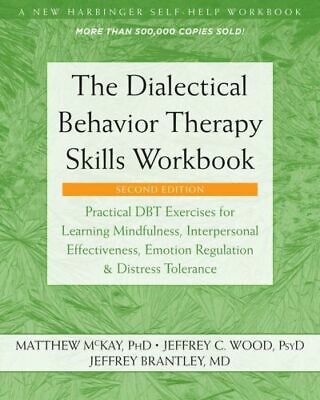
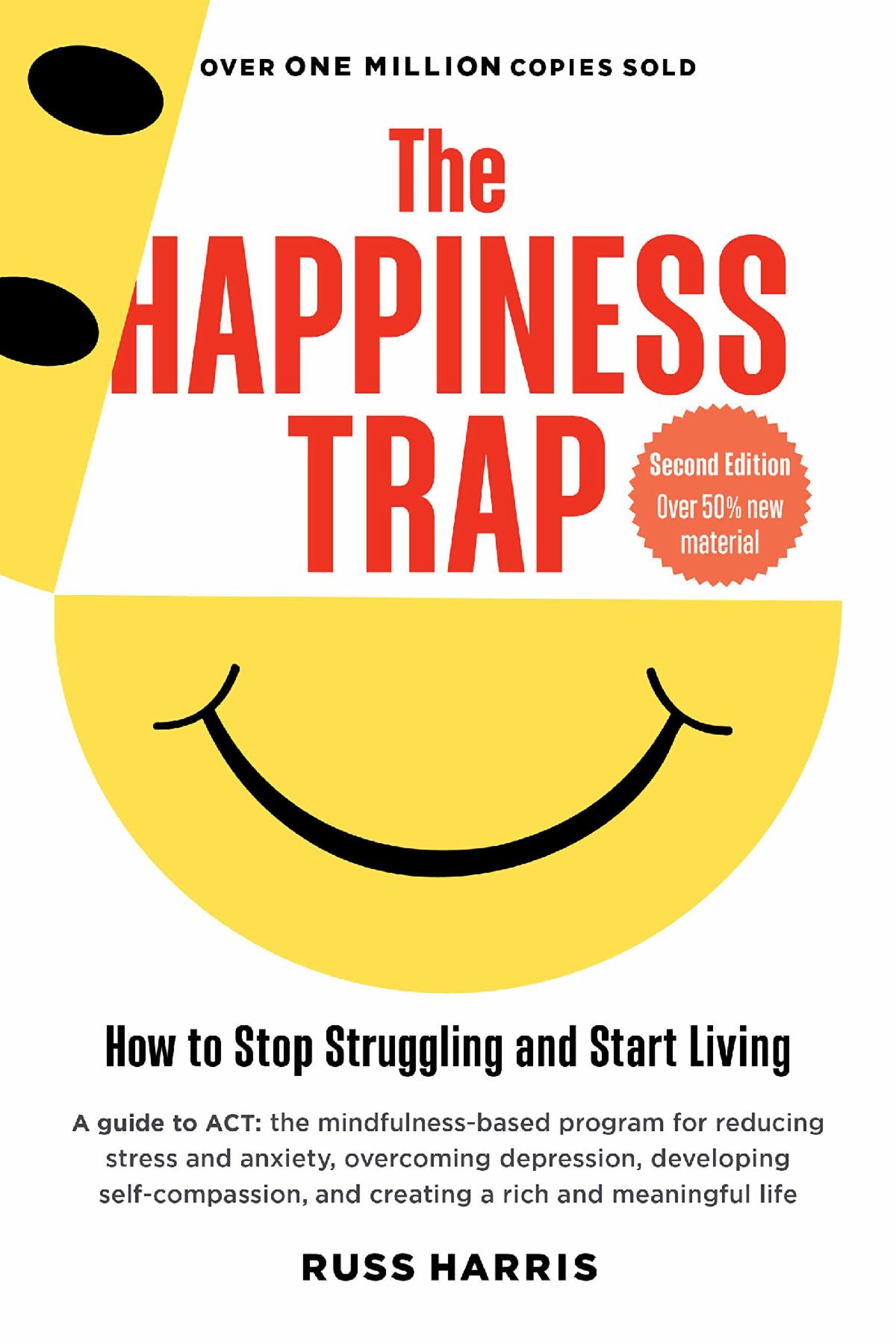
With the ongoing mental health crisis in America, we are aware that many professionals have limited availability and month-long waitlists. In an effort to help ease the anxiety a patient can feel while waiting to see a provider, we've put together a few of our favorite book resources for various concerns. |
|
Newsletter Editor's Notes |
|
Connection is Key
There are many psychology facts that I love to share with patients, and this is one of my favorites.
Perceived support is one of the most important predictors of someone's overall sense of loneliness. This means that as long as we feel like we are being supported, the actual number of people we have in our lives is irrelevant.
(Perceived vs. actual support)
So what's the difference between having 10 acquaintances and 1 really close friend who you feel supports you and loves you for exactly the way you are? Apparently, a lot.
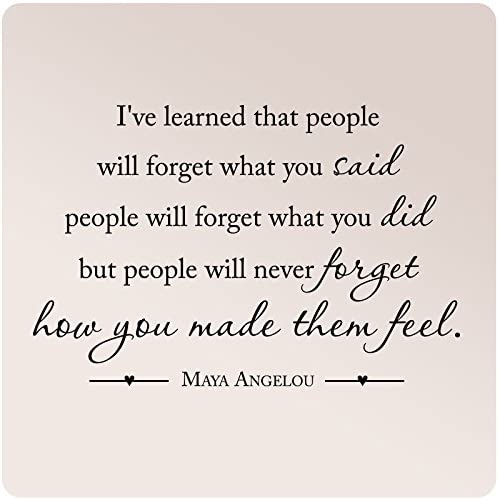
As we start to see the light again after a long and lonely pandemic, how are you attempting to (safely) reconnect with those around you? I have a suspicion this newsletter may have made you want to adopt a new pet to connect with (yes, they count), or maybe it reminded you that during the toughest times, connection can heal. Whomever you choose to reach out to, remember that connection with others requires vulnerability and courage, but is the most rewarding experience one can have. The human connection can be defined as a deep bond that's formed between people when they feel seen and valued, inherently drawing strength and sustenance from the relationship.
What more could we hope for in this life?
Warmly, -Jaclyn
|
|
Spring is right around the corner, folks!
Welcome. I'm Jaclyn, a masters level clinician at McCaskill Family Services who specializes in the treatment of OCD, anxiety, self-harm, and eating disorders for all ages. I co-run the McCaskill Family Services DBT groups for teens and adults, and specialize in psychological assessment. I am also our monthly newsletter editor and social media manager!
I'd like to personally thank you for staying in touch with our practice, and hope you find this newsletter inspirational and informative. If you or someone you know would like to schedule an appointment with me, please contact our office at 734-416-9098 or email us at office@mccaskillfamilyservices.com. I look forward to working with you!
|
|
409 Plymouth Road, Suite 250, Plymouth, MI 48170 • 734.416.9098
|
|
|
|
|
|
|
|