|
From Family Tables to Street Festival
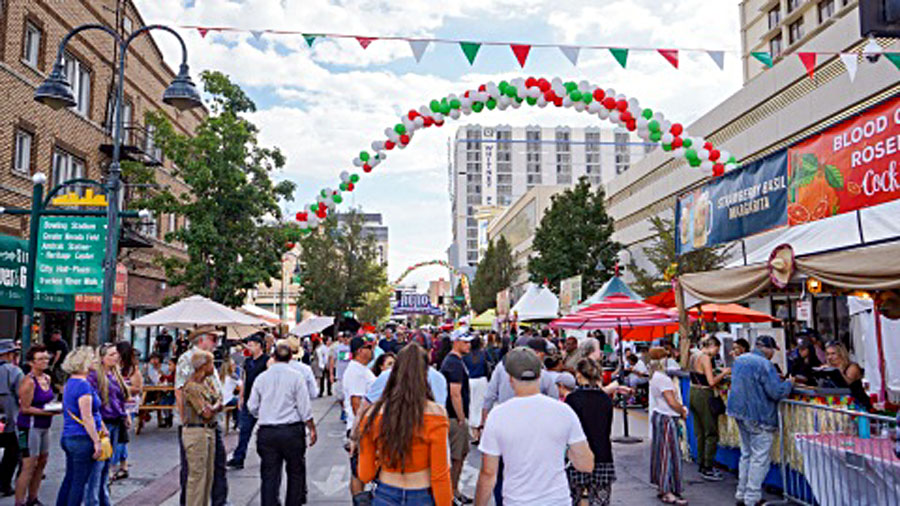
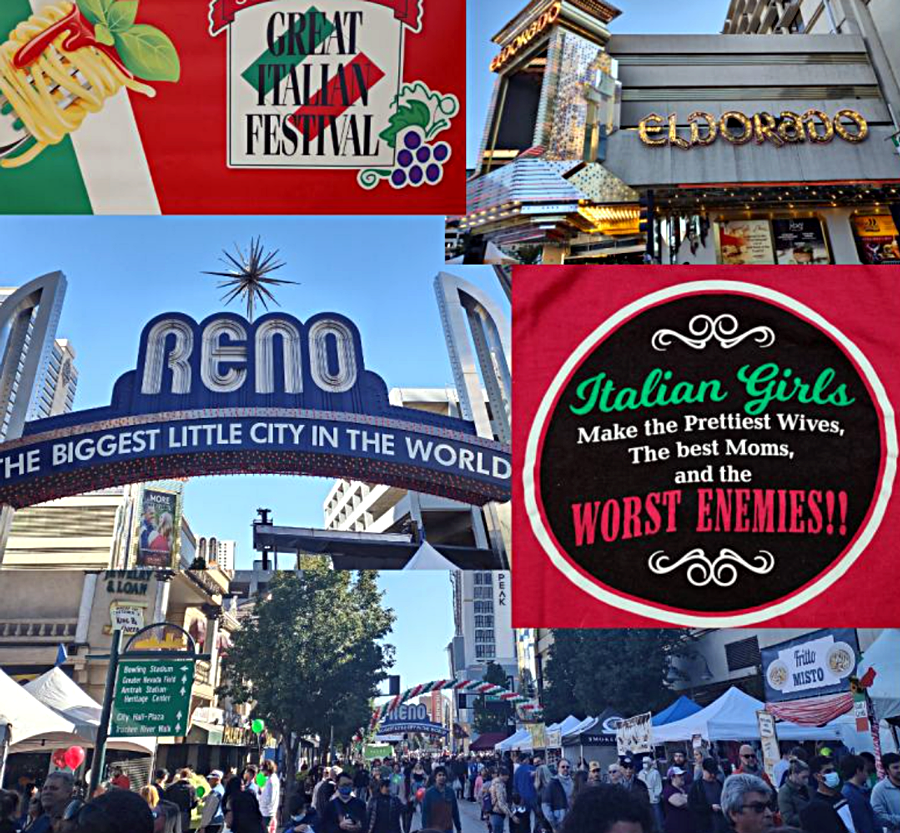
Every fall, downtown Reno transforms into something that feels far removed from neon lights. For one lively weekend, the city trades its casino soundtrack for the rhythm of accordions, the scent of garlic and simmering tomato sauce, and the unmistakable energy of a street festival rooted in tradition.
The Great Italian Festival (October 10-11, 2026) is more than just a food event. It is a cultural celebration that pulls thousands into the heart of the city for a shared experience that blends heritage, nostalgia, and a lot of pasta.
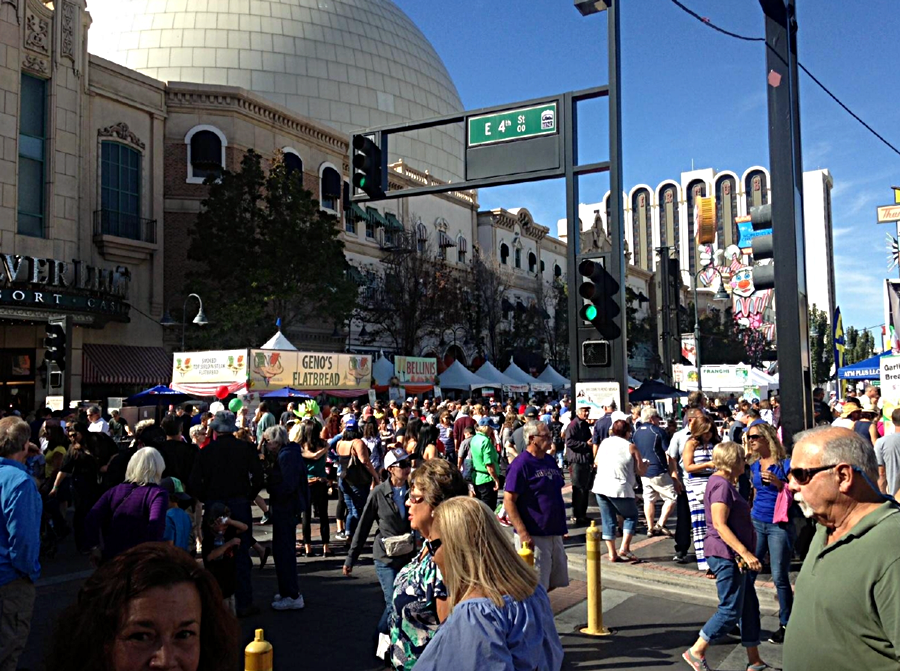
Set along Virginia Street in the downtown corridor known as The ROW, the festival has grown into one of northern Nevada’s most recognizable annual gatherings. It draws locals, visitors, and a strong contingent of Italian American families who treat the weekend as both a reunion and a showcase. What began as a relatively modest celebration has evolved into a full scale production that includes food competitions, live entertainment, grape stomping, and enough carbs to keep a marathon runner going for days.
| |
The Art of the Sauce
By the early 1980s, organizers saw an opportunity to celebrate that heritage in a more visible way. What started as a tribute to Italian food and culture quickly gained traction. People showed up not just for the novelty, but for the familiarity. The recipes tasted like something out of a grandmother’s kitchen. The music felt lived in rather than staged. And the atmosphere carried a sense of authenticity that is hard to manufacture. Over the decades, the festival expanded in both size and ambition.
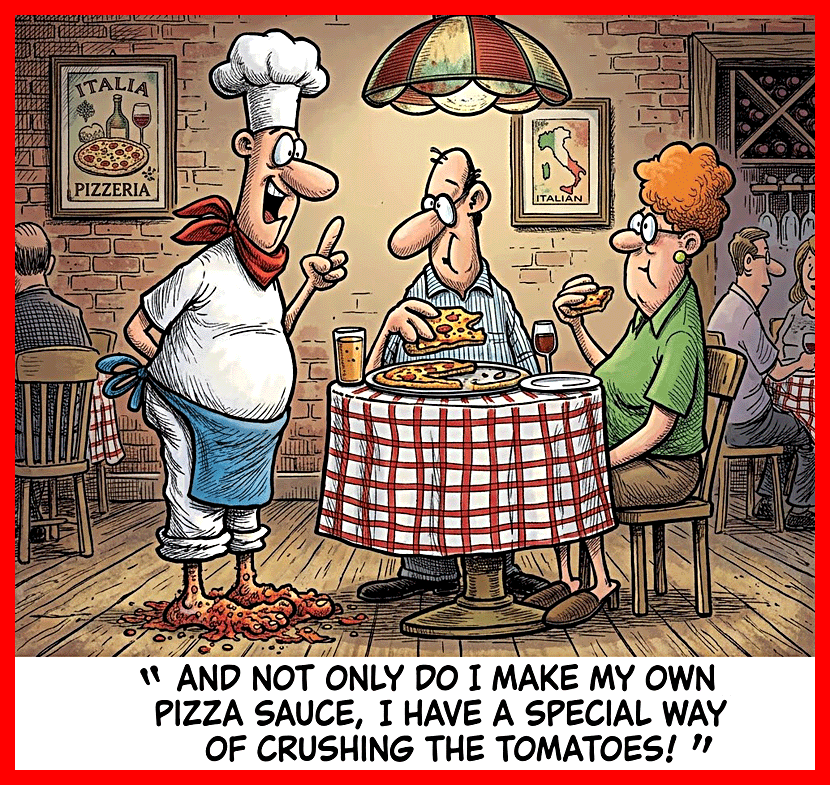
At the center of the festival is food, and not just any food. This is the kind of cooking that sparks debates, inspires loyalty, and occasionally leads to good natured arguments over what constitutes the perfect marinara. The highlight is the annual sauce cook off, where teams compete for the title of best gravy. In Italian American tradition, “gravy” often refers to a slow cooked tomato sauce, rich with meat and layered flavors. Competitors range from seasoned chefs to passionate home cooks, each bringing their own interpretation to the table. Some lean into old world simplicity, while others add modern twists.
Judging is serious business, but the tone never becomes overly formal. Spectators crowd around, sampling and offering their own opinions, which are rarely subtle. Winning the competition carries real prestige, especially among locals who understand the effort and pride behind each entry.
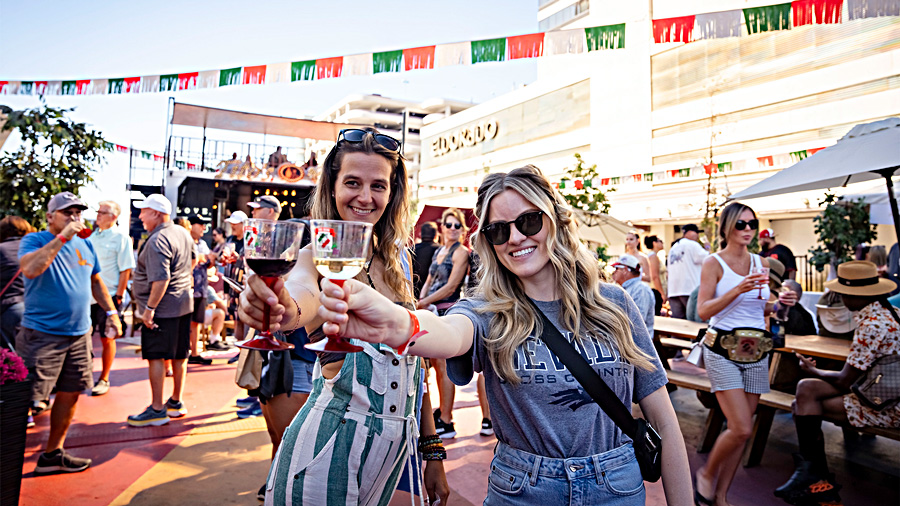
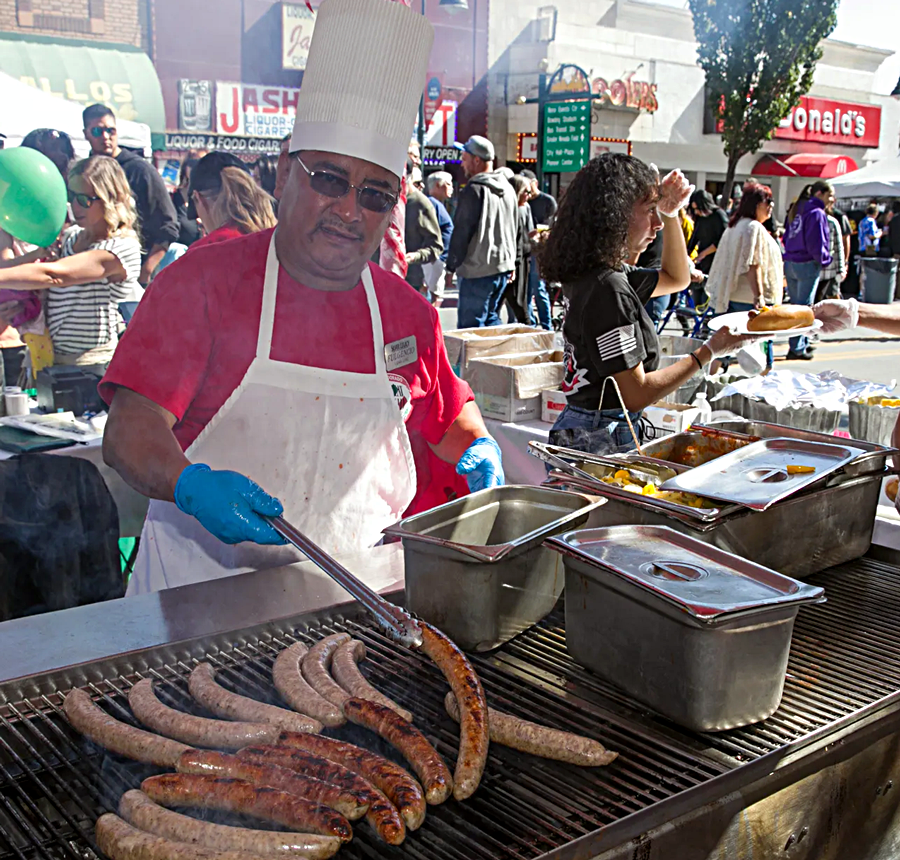
Beyond the cook off, the festival offers an expansive lineup of Italian favorites. Think handmade pasta, wood fired pizza, sausages, cannoli, and gelato. Vendors line the streets, creating a kind of open air trattoria where every booth has its own personality. The experience is immersive in the best way. You do not just eat. You wander, you sample, and you inevitably eat more than you planned.
| |
Music, Motion, and a Lot of FUN
Food may be the anchor, but the festival thrives on movement and sound. Live entertainment runs throughout the weekend, featuring everything from traditional Italian music to contemporary acts that keep the energy high. Accordions, guitars, and vocalists fill the air, creating a soundtrack that feels both festive and slightly nostalgic.
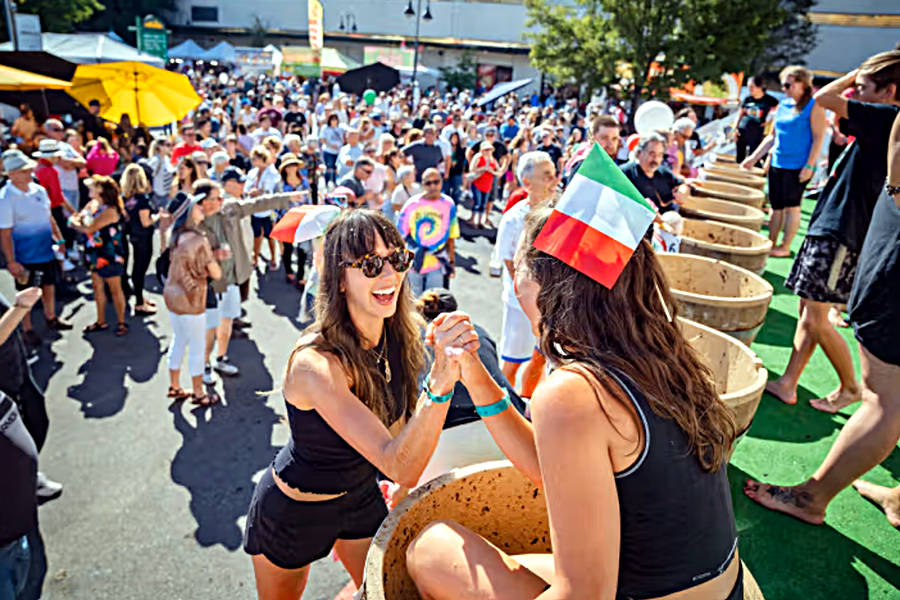
One of the most beloved traditions is the grape stomp. Participants climb into large barrels and crush grapes the old fashioned way, competing to produce the most juice in a set amount of time. It is messy, loud, and wildly entertaining. Spectators cheer, laugh, and occasionally get splashed, which only adds to the fun.
There is also a bocce ball tournament, another nod to Italian heritage. The game, which dates back centuries, becomes a focal point for friendly competition. Teams take it seriously, even as the surrounding atmosphere remains relaxed and celebratory.
Children have their own space to explore, with activities designed to keep younger attendees engaged. Families move through the festival together, creating a multi generational dynamic that reinforces the event’s roots in community and tradition.
| |
A Downtown Renaissance
While the festival is undeniably about Italian culture, it also plays a significant role in the ongoing evolution of downtown Reno. Events like this bring foot traffic, energy, and visibility to an area that has seen waves of reinvention over the years. The ROW, which includes several major resort properties, becomes a central hub during the festival. Streets close to traffic, allowing pedestrians to take over. The shift is dramatic. What is usually a corridor dominated by cars and casinos turns into a walkable, vibrant public space.
For local businesses, the influx of visitors provides a substantial boost. Restaurants, shops, and nearby attractions benefit from the increased attention. More importantly, the festival showcases Reno as a destination that offers more than gaming. It highlights the city’s ability to host large scale cultural events that feel both polished and personal.
| |
Why It Still Matters
After decades of growth, it would be easy for an event like this to lose its original charm. Large crowds, corporate sponsorships, and logistical complexity can sometimes dilute what made a festival special in the first place. Yet the Great Italian Festival has managed to hold onto its core identity.
Part of that comes down to participation. Many of the people involved are not just vendors or performers. They are families, volunteers, and community members who have been part of the event for years. Their investment keeps the festival grounded, even as it continues to expand. There is also something universal about the appeal. You do not need Italian heritage to enjoy the experience. Food, music, and shared celebration cross cultural boundaries with ease. The festival creates a space where people can connect over simple pleasures, which is increasingly rare in a fast paced, digital world.
In the end, the Great Italian Festival is less about any single activity and more about the collective atmosphere it creates. It is the sound of laughter echoing down Virginia Street, the smell of sauce simmering in the open air, and the sight of strangers becoming temporary neighbors for a weekend.
| |