Q2 2026 | The Conduit: Connected Solutions for a Better Built Environment 

Humidity in the Desert: The Invisible Load

Top Poll Results


24% Humidity Control / RH Limits

20% Supply Air Too Cold

19% Ventilation Air

The results from last month's poll were neck and neck, proving just how tricky troubleshooting can be and that there are many possible root causes.


So, without further ado, let's find out what happened...

Testing Beyond Design Conditions


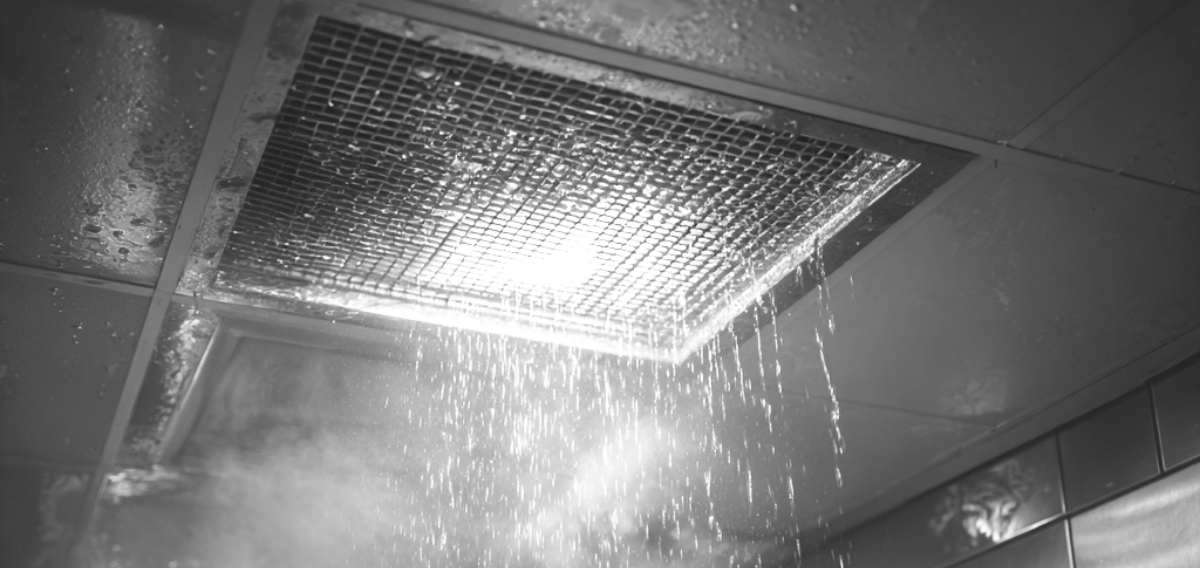
To understand why condensation was occurring, the team replicated nighttime operating conditions when loads, airflow, and coil behavior differed from normal daytime operation.

That testing revealed the system was operating much closer to saturation than expected.


The equipment allowed supply air humidity up to 90% RH per the manufacturer Installation & Operation Manual (IOM). While technically acceptable, the team recognized the system was operating dangerously close to saturation.


So, they reduced the supply air RH limit from

90% → 80% RH


That extra 10% buffer created enough psychrometric separation to prevent condensation formation.


The Root Cause Analysis

Relative Humidity vs. Dew Point

Relative humidity (RH) is not moisture content, it’s a ratio of how close air is to saturation at a given temperature.


  • At 90% RH, air is extremely close to saturation.
  • Cold surfaces (diffusers, ductwork, ceiling elements) become condensation points
  • A small drop in temperature → air hits 100% RH
  • At 100% RH → condensation forms


The humidity issue was not traced back to a single failure, programming error, or isolated design mistake. Instead, it resulted from several operating conditions aligning at the same time, including...

Regional Considerations


In higher elevation cities like Albuquerque, system behavior can differ significantly from lower elevation assumptions.


Think about...

Air density 

Coil performance 

Capacity shifts 


High allowable supply air 

RH limits   

Limited separation between dew point and surface temperature 


Coil and airflow behavior during

low-load operation

Real-world operating conditions outside original design assumptions


The system was technically operating “within spec,”

but too close to the edge.

The Bigger Lessons

1

Sequence and Equipment Capabilities Must Match


Even great sequences can’t maintain humidity if the equipment lacks the latent capacity, airflow stability, or reheat capability required for real operating conditions.


The sequence must match what the equipment can physically achieve.

2

“Within Spec” Doesn’t Always Mean Safe


A system may technically satisfy design criteria while still operating too close to condensation risk during certain conditions.


Design margin matters, especially in critical healthcare spaces.


3

Real Building Operation Changes Everything


Operating rooms are rarely used exactly as designed. Surgeon temperature preferences, occupancy patterns, and adjustments can dramatically impact psychrometric behavior.


Lower room temperatures without reducing dew point proportionally can quickly increase condensation risk.

4

Humidity Problems Aren’t Always Controls Problems


Controls are often blamed first because they’re the visible layer of the system.


In reality, many humidity issues originate from mechanical limitations, psychrometric assumptions, airflow instability, or sequence/equipment mismatch.


What's

 Next?

In next month's issue, we'll talk about visibility into a system, ways to prevent humidity spikes, along with tips and tricks to installing, troubleshooting and servicing humidification and dehumidification systems.


Unlock Humidity Calculations


Varitec

Psychrometric Charts

Get your psyc charts for all of our locations: Phoenix, Tucson, El Paso and Albuquerque

Psychrometric Calculations

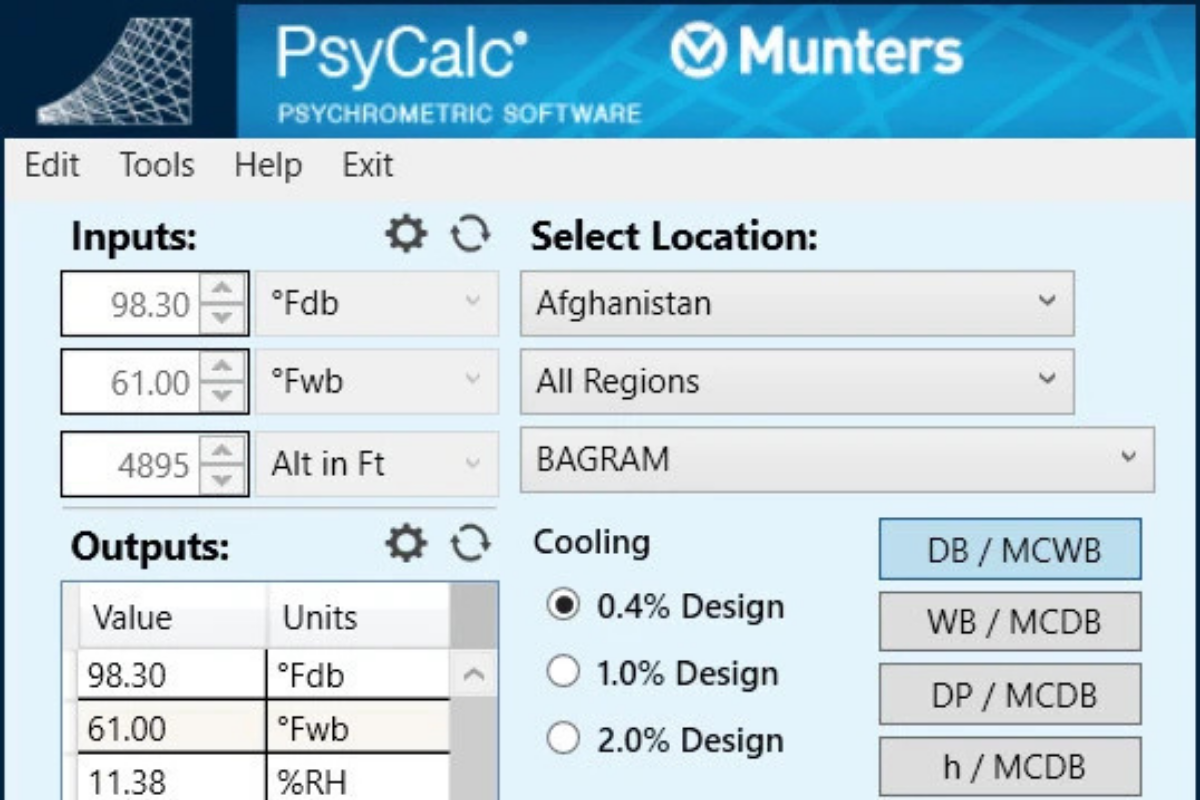
Psych Calculations made easily and accurately with Munters' tool.


Rule of Thumb Moisture Load Guides

General rule-of-thumb guides for calculating CFM on equipment in the southwest


LinkedIn  Instagram  Facebook