3rd Quarter 2026


NewfCare:

Research & Rescue

Introducing Newfoundland NCA Rescue – Texas 

Newfoundland NCA Rescue – Texas would like to introduce itself as a part of the NCA Charitable Trust rescue network. This rescue represents the completed transition of longstanding regional club rescue (OWNCRescue) to a direct arm of NCA Charitable Trust - bringing its intake, evaluation, and placement work under the Trust's established protocols while retaining the on-the-ground expertise built over years of rescue work in the region.


For fellow coordinators and volunteers across the network, Newfoundland NCA Rescue – Texas now serves as the designated intake point for Texas, and several neighboring states including Louisiana, Arkansas, and Mississippi, which have historically fallen outside any regional club rescue's coverage.


This closes the coverage gap for owner-surrendered dogs and shelter pulls for this region. Our rescue has already hit the ground running: Ten dogs adopted out to date, four dogs currently in foster, and a senior bonded pair awaiting intake into the rescue.


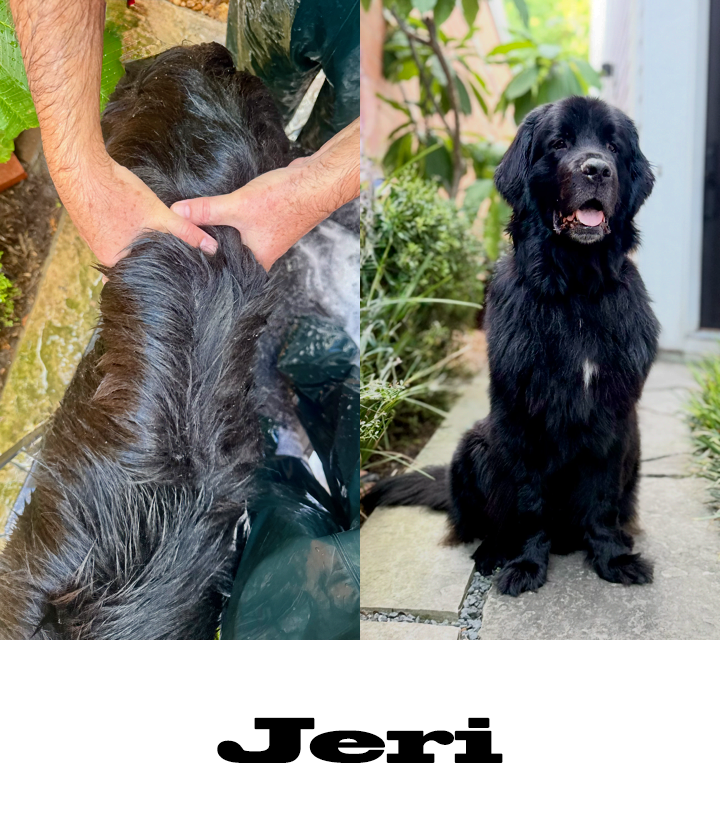
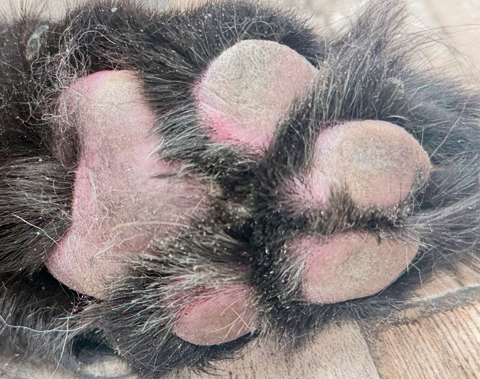
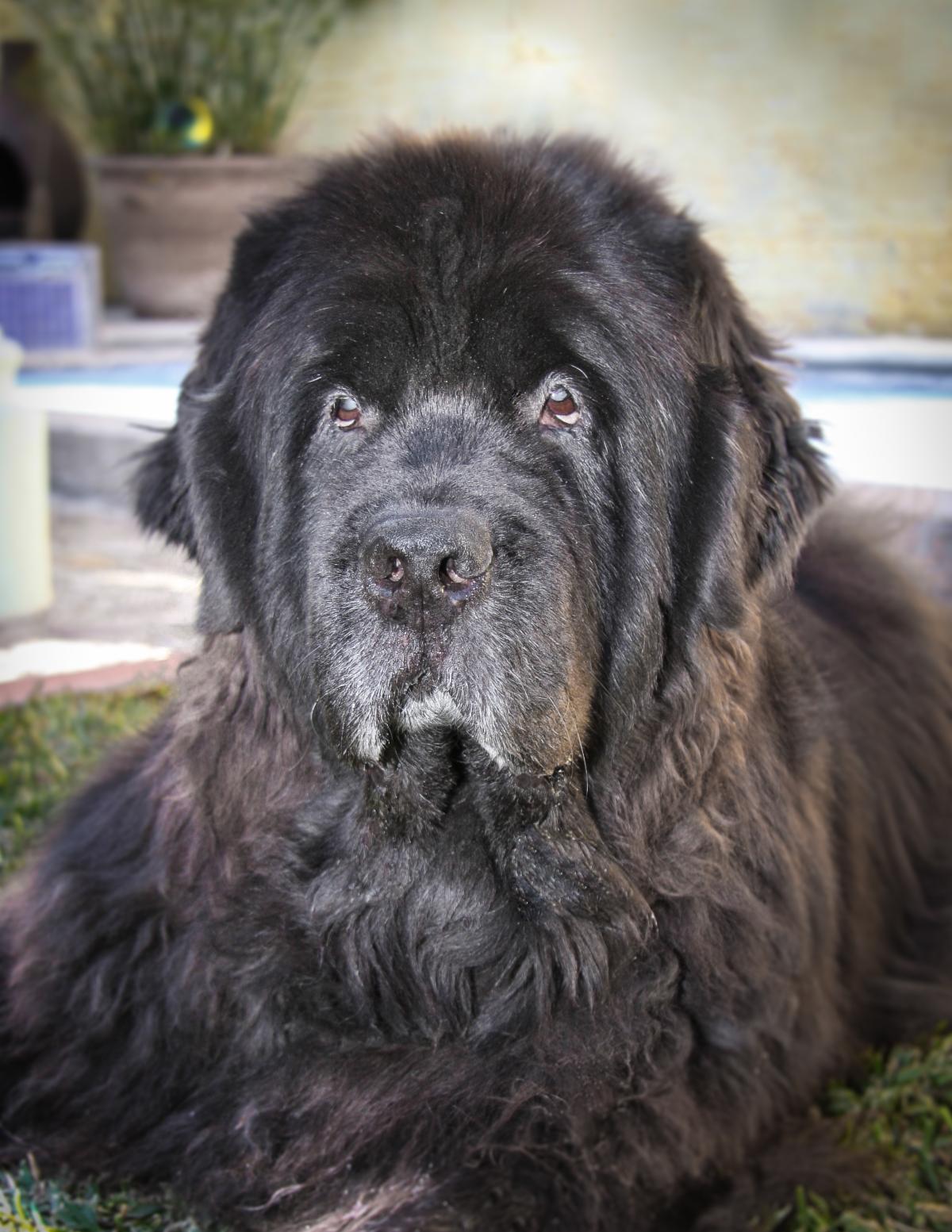
Jeri, unfortunately, is a good representative of our intakes. Jeri, a four year old male, came into our rescue because his family had a loss of work and needed to move and downsize. Jeri came in weighing 85 lbs and we quickly learned he had a series of other issues. He had ear infections, a skin infection, digestive worms, heart worms and all 20 pads on his feet were profoundly burned due to living outside on concrete in the Texas heat. With much care, Jeri is making a full recovery and is scheduled to head far North to live out the rest of his life with a wonderful adoptive family that include two children and another Newf. They will make sure he is well cared for and never too hot again. 


Update from Dr. Herbert on the Cutting Balloon Angioplasty Study.

Dr. Herbert presented the Cutting Balloon Angioplasty for SAS project at the most recent ACVIM conference in June. The talk was well received. The University of Florida is considering re-starting their aortic cutting balloon valvuloplasty program as a result! 


Key Findings:

Cutting balloon followed by high pressure balloon valvuloplasty results in immediate improvement in stenosis pressure gradient 

Re-stenosis is high at 60.9% but is not associated with significant changes in echocardiogram measurements or survival

Median survival time of our patient population is 6.95 years for all-cause mortality and 7.13 years for left sided cardiac mortality. Life expectancy for untreated severe SAS is typically 19-24 months.


Next steps:

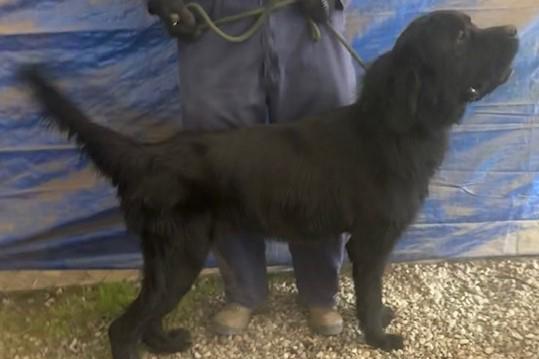
Dr. Herbert has decided to do some new measurements on the collected data from 26 subject dogs to see if there is a way to better predict success, or lack thereof, based on the angiograms taken intra-operatively. He is also interested in seeing if some echocardiographic measurement techniques which have previously been published could help us determine if patients are better or worse candidates for the surgery. These additional results will be incorporated in his final project report.


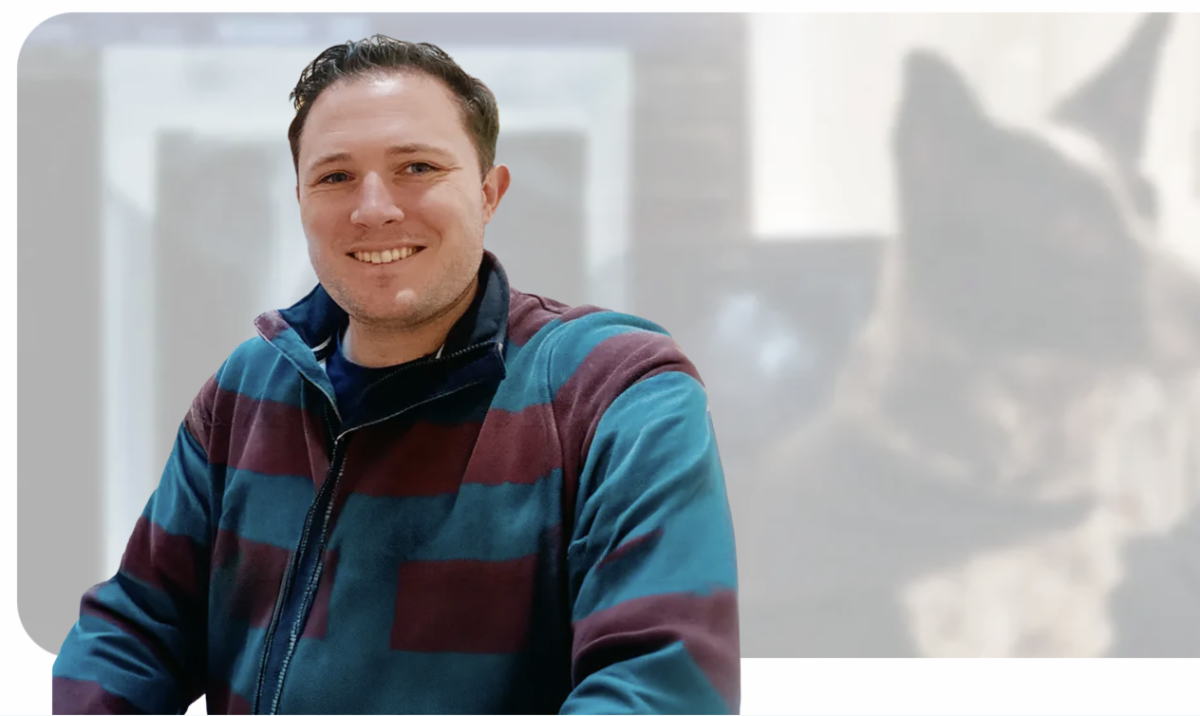
Dr. Herbert has completed his residence and has moved to a private clinic in Vancouver where he will be performing the cutting ballon angioplasty procedure. Anyone in the pacific northwest/western Canada (or further afield) that is interested in pursuing this procedure for a SAS affected dog can contact him at: 


https://canadawestvets.com/

1988 Kootenay Street, Vancouver, B.C. V5M 4Y3

T: 604.473.4882 | F: 604.473.4898


Help Close the Gap


Support the next chapter in rescue.

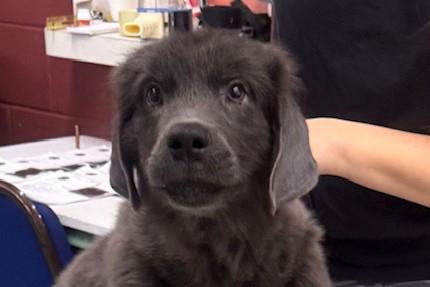
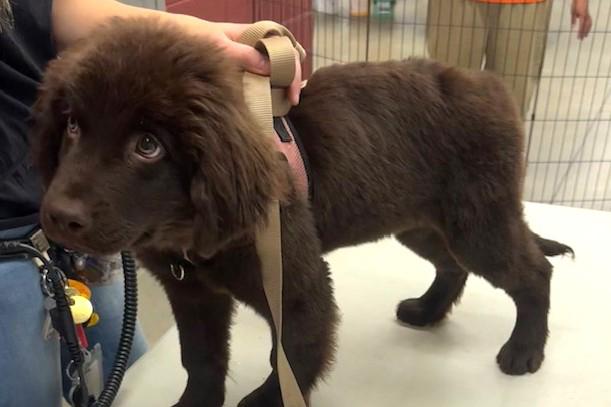
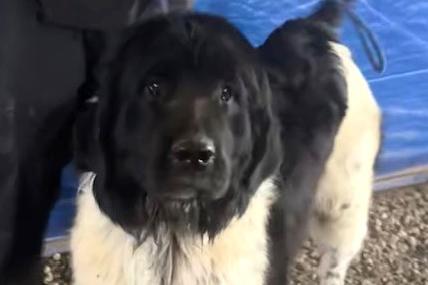
Look at these faces.


Six months ago, these Newfoundlands didn't know what a full bowl looked like. They knew hunger. They knew neglect. Some weighed half what a healthy Newf should.


Today, they know something else: a soft bed, a family that shows up every day, and a person who calls their name like it matters. Because it does.


Every one of the 37 Newfs rescued from Montana has been placed in a loving home. The photos here are proof of what's possible when a community refuses to look away — a vet who spoke up, a Sheriff's Department that acted, and hundreds of people who gave what they could so these dogs could heal.


We're not done. The cost of getting them here — vet care, vaccines, surgeries, quarantine — still outpaces what's been raised, and we need your help to close that gap.


Their second chance was made possible by people like you. Help us make sure the next one is too.

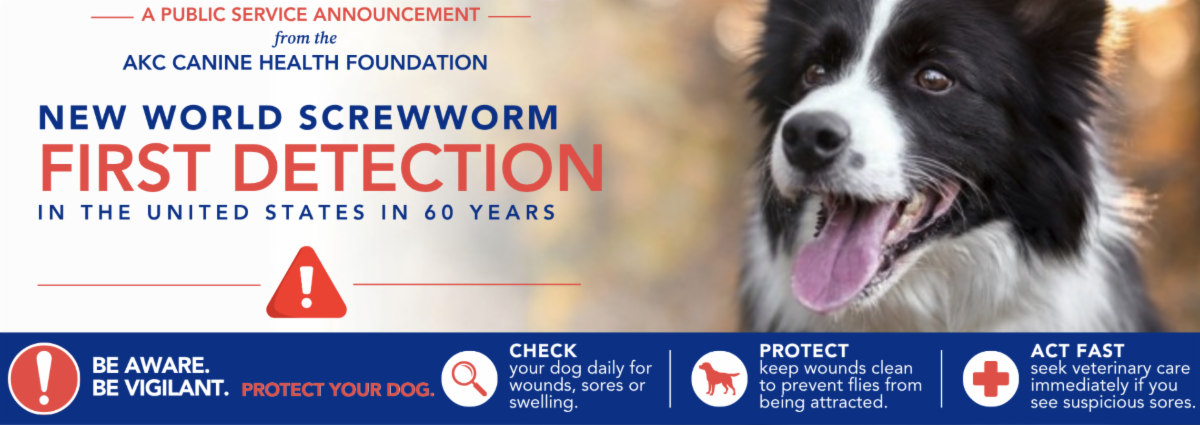
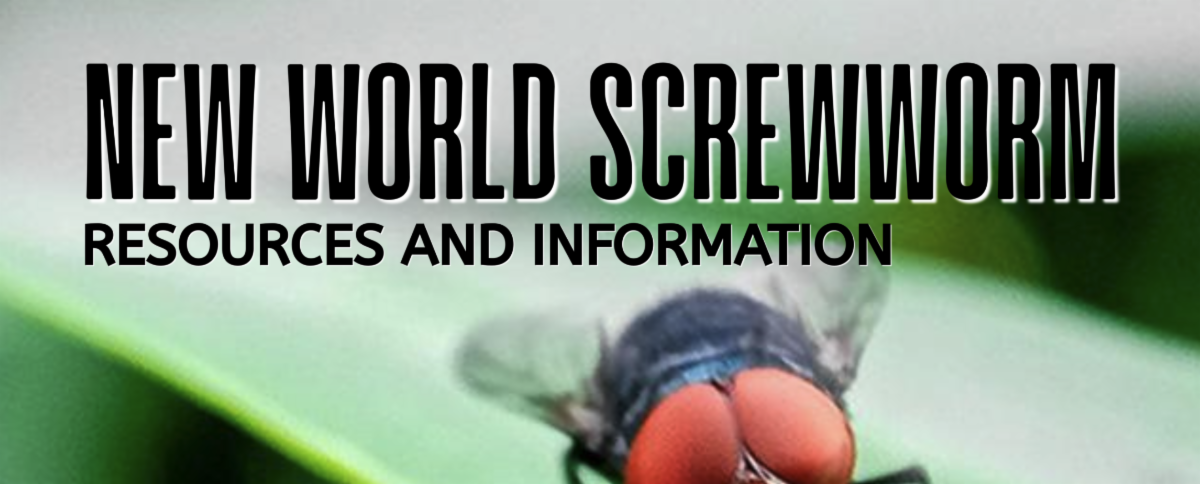
New World Screwworm Update

As of this writing, 48 cases of New World Screwworm (NWS, or screwworm) have been detected since the first American case was identified on June 3, 2026. NWS is a parasitic fly whose larvae burrow into the living tissue of warm-blooded animals, typically through an open wound. Typically, painful wounds and serious infections result. If not identified and treated in time, death may also result. All areas classified as Infested Zones or Adjacent Surveillance Zones are in Val Verde and Crockett Counties, Texas. USDA, the Texas Animal Health Commission, and agriculture officials from other states are working to eliminate NWS, primarily through the release of sterilized flies to prevent further generations of the pests.


AKC recommends that (1) anyone potentially engaging in interstate transportation with dogs and (2) show and trial secretaries learn about NWS and stay updated on developments and animal movement restrictions.

What Owners Need to Know

AVMA Update

AKC Travel Update


Planned Giving Guide

October is National Estate Planning Awareness Month. The NCA Charitable Trust has many planned giving opportunities, please contact us to learn more. Learn more

 
Facebook  Instagram  Email