|
|
The May TPA Magazine is full of information! "Carbon Credits" are of great interest to many, and hopefully this months article give you all the information you need.
The ALC "As We See It" article highlights the Washington Fly-In that took place in April. Mike Monte brings a bit of humor, and Gary Zimmer writes about "Whiskey Jack's.
We would like to send out a huge THANK YOU to all who attended the 2023 Spring Celebration event on April 5th in Green Bay, WI. We had a record number of attendees, exhibitors, and excellent speakers. If you missed the event be sure to watch for the June TPA highlights. Until then - THINK SPRING!
|
|
|
Visit our Website: www.gltpa.org |
|
|
|
|
From the President's Desk
Troy Brown
|
“Interest Rate Increases Affecting the Timber Industry”
There is a quandary in the housing market. Interest rates are up, and there is a continued threat by the Federal Reserve to continue rate increases. Wages have increased in the last 12 months, but this is being eaten up by increases in essential living items like groceries and gas. A housing shortage has kept prices of existing homes at the highest prices in history. Combining housing prices and interest rates makes home affordability at the highest cost of all-time.
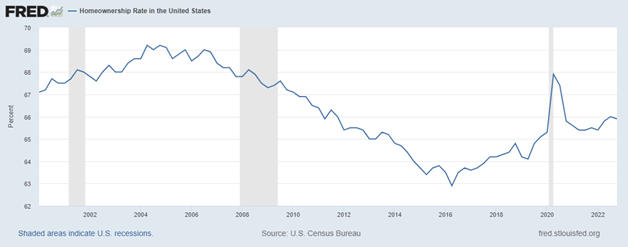
This graph depicts the rate of homeownership in the U.S. since 2000. In 2005 home ownership peaked at 69.2% of the population in this country. The average Fed Rate in 2005 was 3.22%. Soon to follow this period was the Great Recession, which took our country years to recover from. Many homeowners were underwater with their mortgages and needed to find housing alternatives beyond ownership. This phenomenon led to a low ownership rate of 62.9% in 2016. Interestingly, the Fed started to raise rates in 2016.
|
|
|
|
GLTPA Director Notes
Henry Schienebeck
|
Greetings,
Road use issues are the gift that keeps on giving and try as we may, there is no indication as to when a lasting solution will be developed and placed in service. In the meantime, road restrictions, although well-intended as a method of preserving roads, are placing restrictions on freedom of movement, and adding significant cost to trucking operations and shipment of products.
Based on incoming calls to GLTPA, weight restrictions are not prone to one geographic area indicating the broadness of the problem at hand. The problem is an ongoing lack of effort to adequately fund infrastructure investment to keep the economy and products moving without hindrances like weight limited roads. Rarely is there a forestry meeting at which the topic of weight restrictions is not mentioned or discussed. Gross vehicle weight limits, axle weight limits, bridge weight limits, class “B” restrictions, and no trucks allowed are tools that ultimately kick the funding can down the road.
Most people know and understand the problem and as unfortunate as it is, no one seemingly wants to take responsibility for the current state of infrastructure funding. Legislatures, whether congressional or state, think transportation departments should be better at spending money. Maybe a good look in the mirror is in order. By definition, ALL government spending is third party spending. Third party spending is using money that wasn’t earned whereby the return on investment is not always the highest priority like it is on a personal level. Tax money comes to the coffers and gets distributed in part for transportation and other so-called “pet projects” not related to transportation. When third-party spending is in play, the best to be expected is that checks and balances are in place to ensure some degree of accountability. Local government closest to the people has proven to be the most accountable.
|
|
|
BARKO
Celebrates
60 Years
as King of
the Forest
|
|
|
|
|
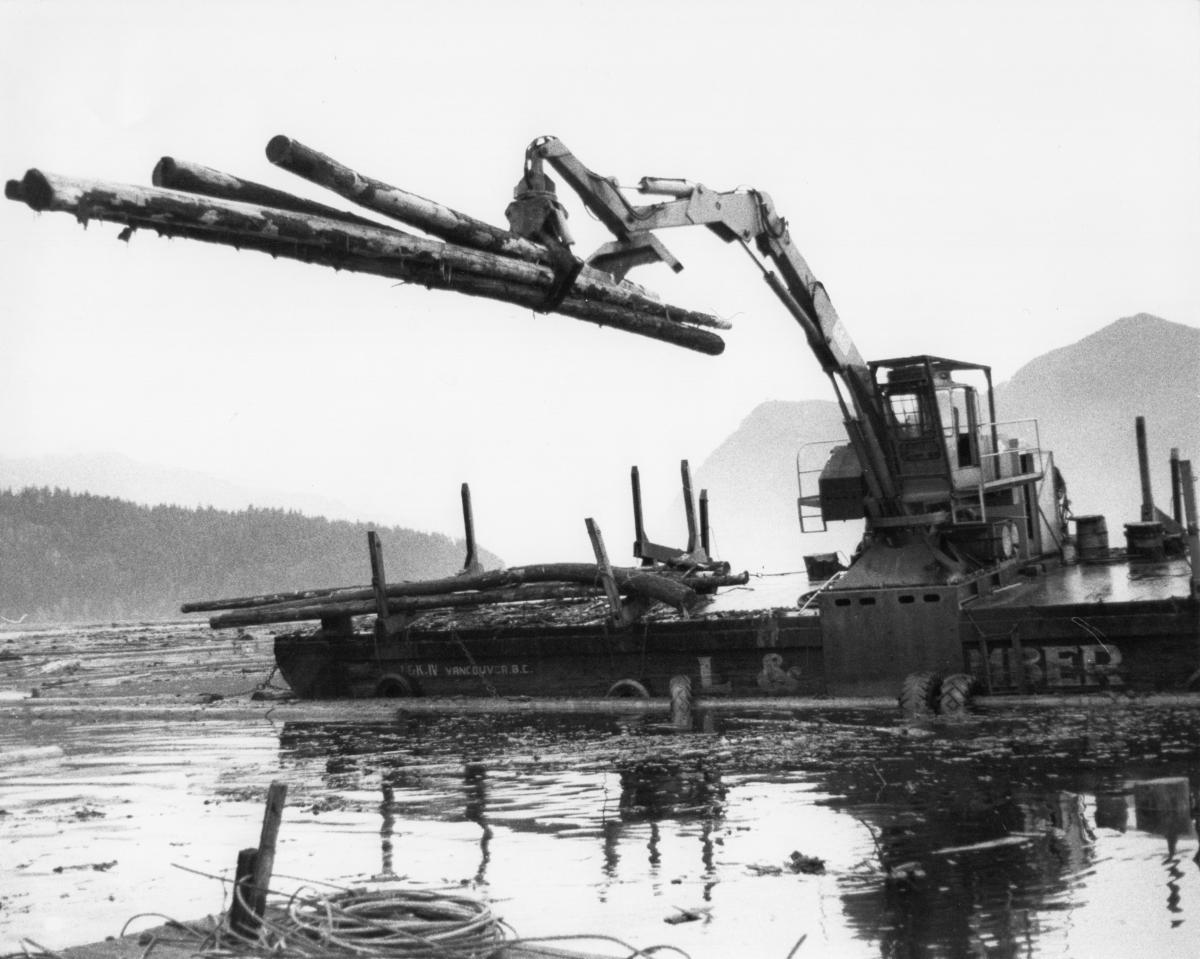
The years following the dark days of WWII, were, famously, among the most productive years in our country’s history. Duluth, Minnesota, at the tip of Lake Superior—Land of 10,000 lakes and, at that time, about as many business ideas of varying degrees of enlightenment.
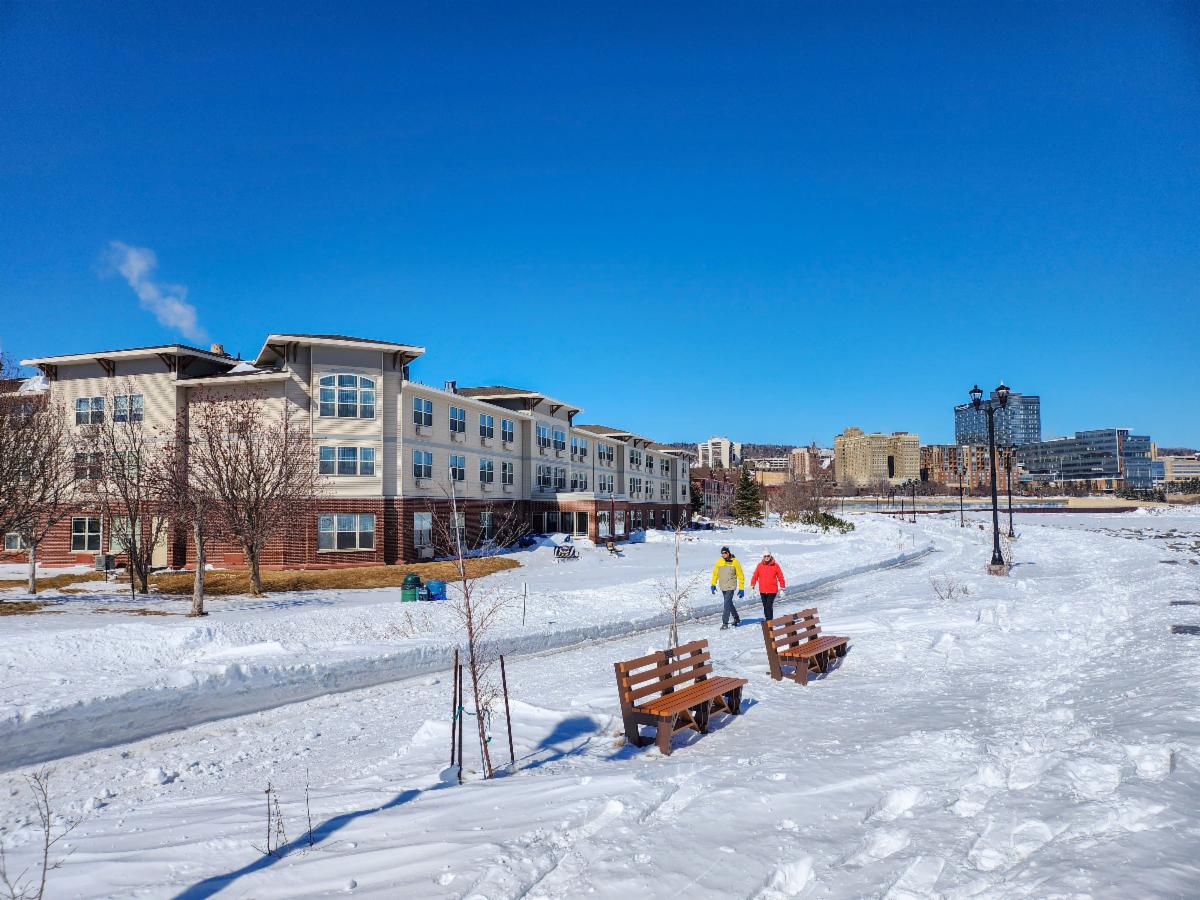
One such entrepreneurial enterprise was the blacksmith shop owned by the Bartell family, located at 310 S. First Avenue East, an industrialized part of town on lakefront real estate that, today, is a commercial hive of activity and tourist attraction.
The Bartell brothers, Edward and Maurice, and their father were smart, hard-working and forthright with their customers and by the mid 1950’s had grown their bustling workshop into a humming business. The company, Lakeshore Body and Equipment, built a reputation for excellent workmanship and landed a couple of nice contracts fabricating panels for mail trucks, milk trucks, dump truck bodies and other work.
The first years of the 1960’s were busy ones for the Bartell brothers. In addition to their traditional work, more and more engineers, pipe fitters, lumberjacks, mechanics and carpenters had begun approaching the brothers with “ideations” about how their lives could be made simpler, safer, easier, if only these two ingenious-but-busy brothers would stop fooling around with their little blacksmith shop and spend their talent producing something truly innovative and make some real money!
|
|
|
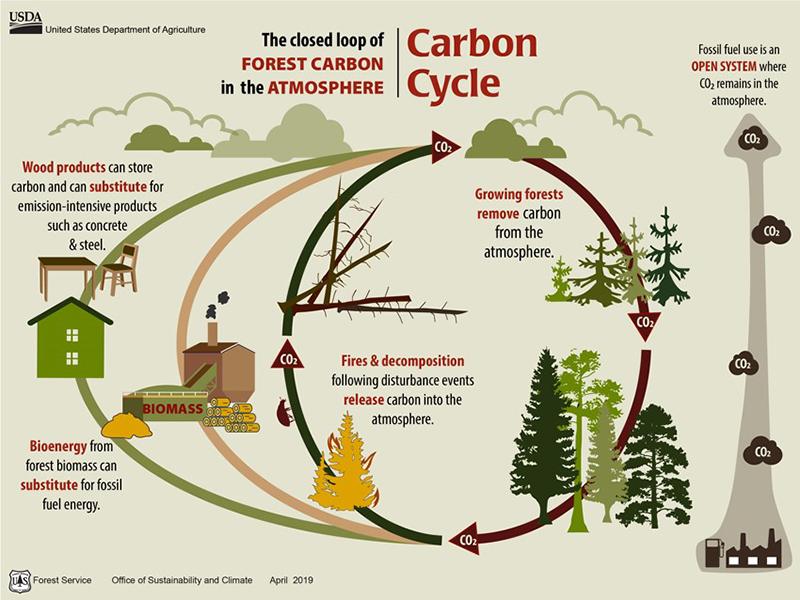
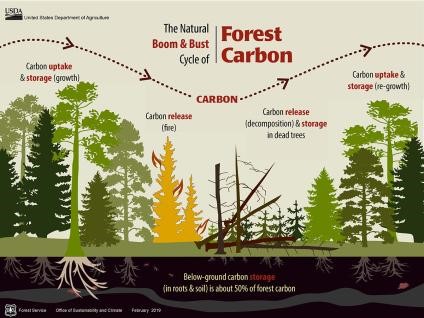
Carbon credits, also known as carbon offsets, are permits that allow the owner to emit a certain amount of carbon dioxide or other greenhouse gases. One credit permits the emission of one ton of carbon dioxide or the equivalent in other greenhouse gases.
The carbon credit is half of a so-called cap-and-trade program. Companies that pollute are awarded credits that allow them to continue to pollute up to a certain limit, which is reduced periodically. Meanwhile, the company may sell any unneeded credits to another company that needs them. Private companies are thus doubly incentivized to reduce greenhouse emissions. First, they must spend money on extra credits if their emissions exceed the cap. Second, they can make money by reducing their emissions and selling their excess allowances.
Proponents of the carbon credit system say that it leads to measurable, verifiable emission reductions from certified climate action projects, and that these projects reduce, remove, or avoid greenhouse gas (GHG) emissions.
- Carbon credits were devised as a mechanism to reduce greenhouse gas emissions.
- Companies get a set number of credits, which decline over time, and they can sell any excess to another company.
- Carbon credits create a monetary incentive for companies to reduce their carbon emissions. Those that cannot easily reduce emissions can still operate, at a higher financial cost.
- Carbon credits are based on the cap-and-trade model that was used to reduce sulfur pollution in the 1990s.
- Negotiators at the Glasgow COP26 climate change summit in November 2021 agreed to create a global carbon credit offset trading market.
|
|
Great Lakes Timber Professionals Association
PO Box 1278, 3243 Golf Course Road Rhinelander WI 54501
PHONE # 715-304-2861
|
|
|
|
|
|
|