DEECEMBER 22, 2025

Facebook  X  Instagram  Email  Web

Another Day, Another Court Ruling: Appeals Court Freezes Election Changes Ahead of Primary


The attached documents include the HR investigation concerning the election equipment that was removed from the secure location during the Tempe election, as well as email communications between the Elections Department and the Recorder's Office staff regarding the primary election.


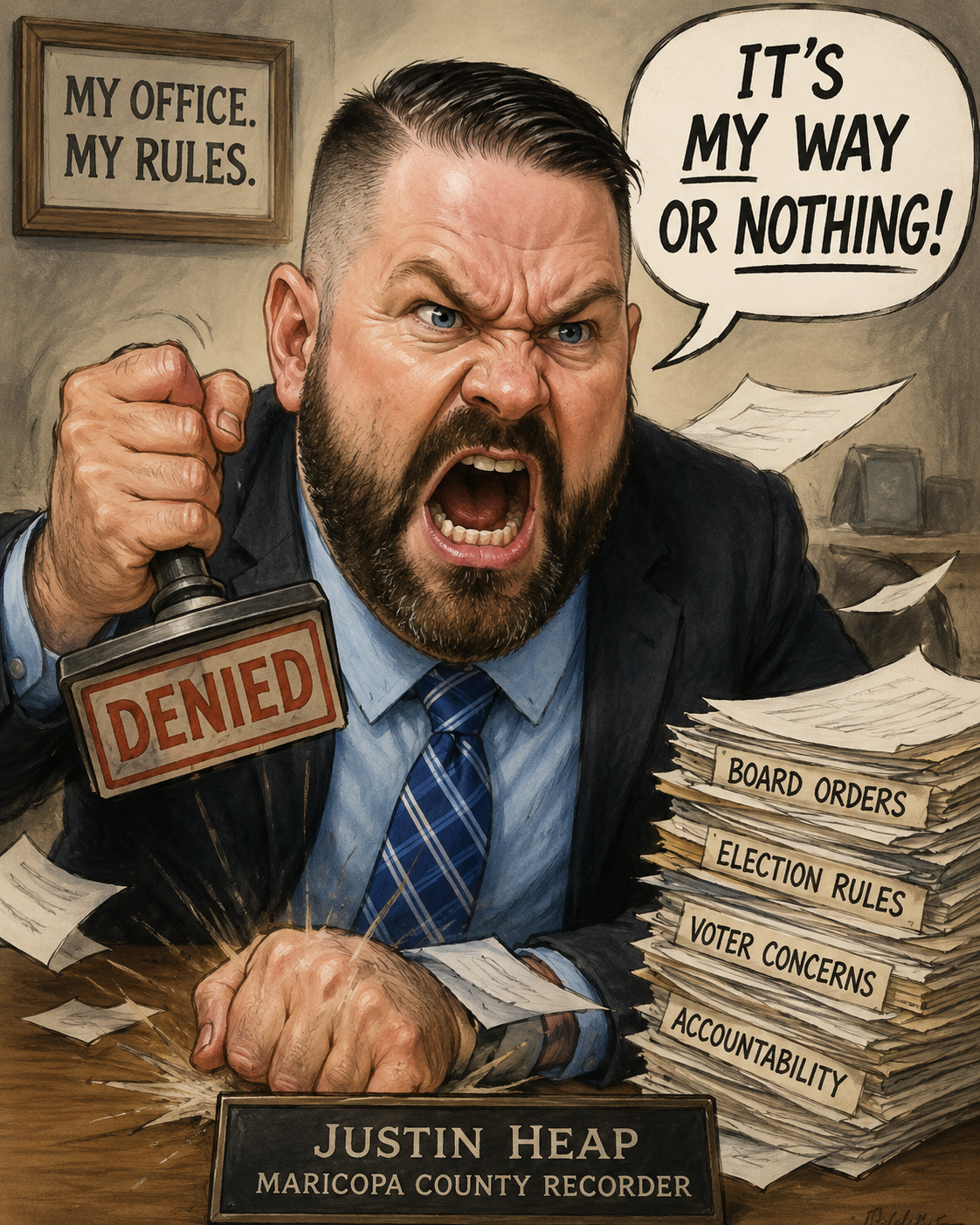
Another day, another court ruling in the continuing dispute between Maricopa County Recorder Justin Heap and the Maricopa County Board of Supervisors.


Just days before early voting begins on June 24 for Arizona's July 21 primary election, a three-judge panel of the Arizona Court of Appeals issued a stay blocking changes to election administration ordered earlier this year by Superior Court Judge Scott Blaney.


The appellate court ruled 2-1 that the Board of Supervisors is "very likely to succeed" in its appeal and agreed that implementing major operational changes on the eve of an election could create unnecessary disruption. Judges Andrew Jacobs and James Morse formed the majority, while Judge Brian Furuya dissented.


Board Chair Kate Brophy McGee called the decision "a win for Maricopa County voters."

"The issuance of this stay order puts a hold on the lower court decision — meaning voters can expect a consistent, high-quality voting experience, and election workers will have confidence they can follow established, lawful and proven procedures," Brophy McGee said.

Later, she added that the ruling "averts potential chaos at the polls" that could have resulted from forcing broad changes to election administration in the middle of one election cycle and on the eve of another.


A Dispute Dating Back to Heap's Arrival


The long-running feud began after Recorder Justin Heap took office. Heap argued that an agreement between the Board of Supervisors and his predecessor, Stephen Richer, improperly transferred statutory responsibilities away from the Recorder's Office.


Under Arizona law, county recorders and boards of supervisors share election responsibilities. Judge Scott Blaney largely sided with Heap in an April ruling, determining that certain election functions and information technology resources had been improperly withheld from the Recorder's Office. He ordered the county to restore those responsibilities and IT personnel.

The Board appealed, arguing that implementing those changes immediately before the primary election risked confusion and operational problems.


The Court of Appeals agreed, relying heavily on the "Purcell principle," a doctrine named after former Maricopa County Recorder Helen Purcell that discourages courts from making significant election changes immediately before voting begins.


Former Recorder Helen Purcell herself filed a brief supporting the Board's position, arguing that there was insufficient time to implement the court-ordered changes without jeopardizing election operations.


In its opinion, the court wrote:


"The practical impacts of these changes, and even the injunction's claim to mitigate practical harms for the voter, all demonstrate that this is no mere backroom dispute over accounting principles or organizational charts. It is, by everyone's assessment, a live conflict hurtling toward real-world consequences in elections about to begin."


Contempt Motion and Calls for Cooperation

The latest appellate ruling follows a contentious hearing before Judge Blaney earlier in the week

.

Recorder Heap had asked the Superior Court to hold the Board of Supervisors in contempt and impose fines of up to $100,000 per day, arguing that the Board had failed to comply with Blaney's April ruling.


Heap's attorney, James Rogers of America First Legal, argued that no information technology assets or personnel had been returned and claimed that the Recorder still lacked control over important aspects of early voting despite ballots being scheduled to go out within days.


Board attorney Kory Langhofer strongly disputed those claims, accusing Heap's legal team of repeatedly making false statements. Langhofer noted that the Board had previously approved funding for eight new IT positions requested by the Recorder, but said the Recorder's Office had failed to fill those positions.


Judge Blaney declined to impose contempt sanctions and once again urged both sides to settle their differences outside the courtroom.

"I know it would be a miracle if this thing resolved outside of court, but miracles are still possible," Blaney remarked.


Mediation Instead of More Fighting

The Board expressed a willingness to participate in mediation.


Rogers rejected public negotiations with Board members, arguing previous meetings had turned into political theater. He initially suggested conservative attorney Cleta Mitchell as a mediator.


That proposal drew objections from Langhofer, who argued Cleta Mitchell was "overtly biased" because of her role in efforts to challenge the 2020 presidential election.


Questions regarding Mitchell's impartiality were further fueled by her public comments on social media. On June 13, 2025, she posted on X:


"Why are the Maricopa County Supervisors always intent upon screwing up the elections there? Baffling. Thankfully America's First Legal is challenging the latest action."

Rather than appointing Mitchell, Judge Blaney selected retired Maricopa County Judge Christopher Coury to serve as mediator in hopes of achieving what more than a year of litigation has failed to accomplish.


Other Legal Battles Continue

The hearing also touched on the ongoing investigation involving the removal of a ballot scanner and affidavit envelopes from the Maricopa County Tabulation and Election Center during the Tempe election earlier this year.


Board officials emphasized that the investigation is being conducted by a special prosecutor appointed by Maricopa County Attorney Rachel Mitchell and not by the Board of Supervisors itself.


Another unresolved issue involves County Attorney Rachel Mitchell's request to limit the authority of America First Legal in representing the Recorder's Office. Additional hearings had been scheduled later this month.


However, the Court of Appeals' stay appears to temporarily halt several pending matters.

During a June 15 hearing, Blaney indicated that if the appellate court granted a stay, his authority to address the contempt proceedings would effectively disappear.


The ruling may also affect the scanner investigation and Rachel Mitchell's separate grievance involving America First Legal, though county officials indicated they are still evaluating the decision's impact.


Heap Plans Appeal to Arizona Supreme Court

Heap emphasized that the appellate ruling addresses timing rather than the underlying legal issues.


"Today's ruling does not address the underlying dispute over the Recorder's statutory authority and instead rests entirely on concerns about implementing changes close to an election," Heap said.


"We respectfully disagree with the majority's decision and note that one judge dissented."

Heap added that the decision was "not unexpected" and "not the final word on Arizona law."

"We remain confident that the courts will ultimately affirm the Legislature's clear assignment of responsibilities to the County Recorder's Office," he said. "We will continue fighting to ensure Arizona's election laws are faithfully followed."


Heap announced that he intends to seek immediate review by the Arizona Supreme Court.


Election Procedures Remain Unchanged — For Now

For the time being, election procedures will remain unchanged as Maricopa County prepares to conduct another election while fundamental questions about election administration remain unresolved.


With early ballots set to be mailed beginning June 24, county officials and voters alike can expect the same election procedures that have been in place throughout the dispute.


Whether mediation, the Arizona Supreme Court, or future court rulings ultimately settle the matter remains to be seen.


But one thing is certain: the long-running feud between the Recorder's Office and the Board of Supervisors is far from over.

Arizona Public Safety in Jeopardy after State Senate Approves HCR2040


In the final days of the Arizona legislative session, Senate President Warren Petersen allowed House Concurrent Resolution 2040 to be amended, voted on the Senate floor and placed on the November ballot, despite concerns that its broad and ambiguous language could have consequences far beyond its stated target. This resolution was sold to members as being aimed at teacher's unions. But critics, including public safety advocates, warn that the measure could undermine the ability of police officers, firefighters, and other public employees to negotiate for better pay, equipment, benefits, and working conditions. Because the proposed constitutional amendment would supersede existing agreements and prohibit government entities from negotiating with labor organizations, opponents fear it could jeopardize long-standing protections that help first responders keep communities safe.


Arizona’s police associations now have Kris Mayes who wants to shoot them and Warren Petersen who wants to defund them. As early ballots hit mailboxes this week, voters who care about protecting police may consider taking another look at Maricopa County Sheriff Jerry Sheridan’s choice for Attorney General, Lt Colonel Rodney Glassman, the only Republican candidate with actual experience as a practicing attorney, criminal prosecutor and civil litigator.


House Concurrent Resolution 2040, a constitutional amendment, was sold to members as limiting the influence of the Arizona Education Association. Yet, a reading of the language added with Senate President Warren Petersen’s blessing before the final Senate vote may have consequences that extend beyond teachers.


Joe Clure, executive director of the Arizona Police Association, warned:

"It's either disingenuous or deceptive. We can't take the chance that it might include all of labor, including public safety."


The legislation originally focused on school districts and teachers. However, Senate amendments expanded the language to state that "this state or any political subdivision of this state" may not negotiate with labor organizations regarding employment agreements.


The language closely mirrors legislation proposed in 2012, which sought to prevent state agencies and political subdivisions from recognizing unions or entering employment agreements. That proposal ultimately failed.


Supporters of HCR 2040, including the Freedom Foundation and Senate leaders, maintain that the measure is intended to apply only to school districts. Senator Jake Hoffman stated that it would be "wrong" to interpret the proposal as a statewide ban affecting police and fire unions. But critics point out that unlike a narrower anti-union law enacted in 2022, HCR 2040 does not contain specific exemptions for police officers and firefighters.


Clure was sharply critical of the proposal, calling it:


"One of the worst-written bills I've ever seen."


These concerns have created an unusual political dynamic. While Republicans have traditionally enjoyed strong support from law enforcement organizations, some public safety groups are raising questions about whether broad anti-union language could have unintended consequences for police officers and firefighters.


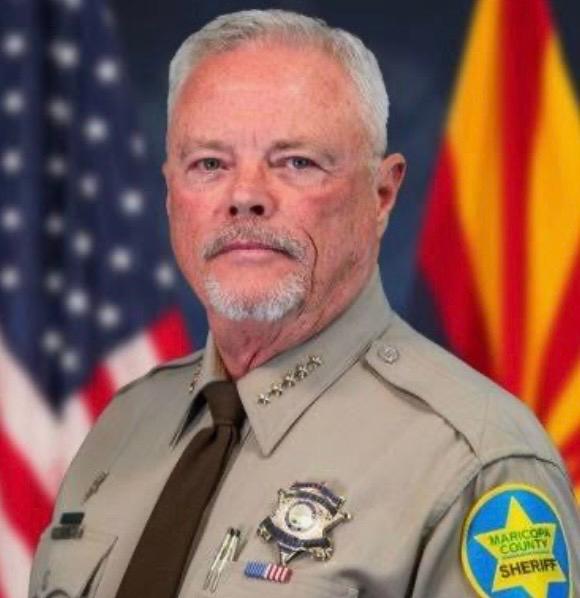
Against that backdrop, Maricopa County Sheriff Jerry Sheridan has endorsed Rodney Lt Col Rodney Glassman for Attorney General. Sheridan's support highlights the importance many in law enforcement place on legal acumen, actual legal experience as a practicing attorney, and maintaining strong relationships with Arizona's public safety community.


As primary voting begins, voters will decide which candidate they believe is best prepared to serve as Arizona's chief law enforcement officer. The elected office which could have provided a non-binding legal opinion to prevent poorly drafted legislation from moving forward and the office which will ultimately be charged with enforcing the new constitutional amendment if passed by Arizona voters this Fall.

Could the ICE Warehouse in Surprise Be Abandoned?


Recent reports indicate that Immigration and Customs Enforcement (ICE) is preparing to sell, transfer, or give away seven warehouses purchased during the early days of the Trump administration's immigration crackdown. Under former Homeland Security Secretary Kristi Noem, ICE acquired 11 facilities at a cost approaching $1 billion, with plans to spend nearly $40 billion expanding detention capacity.


However, after Secretary Markwayne Mullin took over the Department of Homeland Security, those plans were put on hold. According to reports, DHS now intends to rely more heavily on existing detention facilities operated by state and county partners rather than constructing or retrofitting massive warehouse complexes.


At this time, it remains unclear what the future holds for the warehouse located in Surprise. There has been no public indication that retrofitting has begun, and no announcement has been made regarding whether the property will remain in federal hands, be sold, or be transferred to another agency.


From the beginning, I have opposed locating an immigration detention facility in Surprise. My concerns have never been about immigration enforcement itself. Rather, I believe such a facility would fundamentally change the character of our community. Surprise has earned a reputation as one of the safest cities in Arizona, consistently ranking among the state's safest communities.


Last week's Surprise City Council meeting demonstrated how divisive this issue has become. Protesters gathered outside the meeting, carried signs directed at the council, and delivered a petition to the Maricopa County Board of Supervisors seeking to have Surprise unincorporated because they claim the city is unsafe.


I disagree. Surprise is a safe city, and I want it to remain that way.


I am also concerned about groups that have promoted what they call "rapid response training." Supporters describe such training as educating individuals about their rights and helping communities respond to immigration enforcement activity. However, it is training to encourage confrontation and heighten tensions. Regardless of one's position on immigration policy, our community should reject violence and intimidation. Disagreements should be handled peacefully and respectfully.


My hope is that DHS ultimately decides to sell or donate the Surprise warehouse and pursue alternatives that do not place our city at the center of a national political battle. The residents of Surprise deserve to preserve the character, safety, and quality of life that have made our city one of the most desirable places to live in Arizona.

After Years of Progress, Why Did MCSO Suddenly Drop 12 Points?


After more than a decade of federal oversight and years of reports documenting steady improvement, the latest report from the federal monitor overseeing the Maricopa County Sheriff's Office raises an interesting question: What changed?


The newest quarterly report shows MCSO's Phase Two compliance rate dropping from 92% to 80%, a significant 12-point decline from the previous quarter. The report contains unusually harsh language, criticizing senior leadership and alleging ethical breaches and improper handling of internal affairs investigations.


The criticism centers largely on the Professional Standards Bureau and its handling of investigations involving allegations of deputy misconduct.


MCSO pushed back against the findings.


"Reasonable people may disagree about the proper balance between accountability and due process," the Sheriff's Office said in a statement. "Those disagreements, however, should not be confused with a failure to investigate complaints, a refusal to follow the law, a disregard for constitutional policing, or the Court's Orders."


The report stems from the long-running Melendres case, in which a federal judge found that former Sheriff Joe Arpaio's office violated the constitutional rights of Hispanic residents through racial profiling during traffic stops and immigration enforcement operations. As a result, an independent monitor was appointed more than a decade ago to oversee reforms.


Since then, however, report after report has documented improvements. Compliance levels have steadily increased, and Maricopa County officials have argued that the Sheriff's Office has substantially met the requirements imposed by the court.


In fact, county officials recently asked the court to consider whether continued federal oversight remains necessary.


That timing makes the latest report particularly noteworthy. Just as members of Congress on the House Judiciary Committee have begun questioning the continued necessity and costs associated with long-running federal consent decrees and monitorships, the latest report suddenly shows one of the largest declines in recent memory.


Supporters of continued oversight argue that the findings demonstrate exactly why independent monitoring remains necessary. They contend that constitutional policing requires constant vigilance and that backsliding is always possible.


Critics, however, question whether the monitor's role has evolved beyond ensuring compliance and into perpetuating an expensive process with no clear end point. They note that after years of documented progress, a sudden 12-point drop based largely on disagreements regarding internal disciplinary procedures raises legitimate questions about whether the goalposts are being moved.


The issue is larger than Maricopa County. Across the country, federal consent decrees and monitorships often continue for decades, costing taxpayers millions while raising concerns about accountability and whether outside oversight eventually becomes self-perpetuating.


None of this excuses misconduct or suggests that constitutional rights are unimportant. Accountability is essential, and any legitimate violations should be addressed promptly and transparently.


But after more than ten years of oversight and years of reports showing improvement, taxpayers are justified in asking a simple question: At what point does success become success?


If 92% compliance after a decade of reforms is not enough, and if a disagreement over internal affairs procedures can suddenly erase years of progress, perhaps it is time for the court to hold a serious hearing on whether the federal monitor has completed the mission for which it was originally appointed.


After all, oversight was intended to be a remedy—not a permanent business model.

Data Centers: Separating Myths from Facts


It has become fashionable to oppose data centers. Social media, advocacy groups, and sensational headlines have created an environment where fears often spread faster than facts. Legitimate concerns deserve discussion, but misinformation should not drive public policy.

Here are some of the most common myths—and the facts behind them.


Myth #1: Data Centers Are Draining Local Water Supplies

The Claim: Data centers use millions of gallons of water every day and are depleting communities.

The Facts:

Water use varies greatly depending on cooling technology, climate, and the source of water. According to Brookings Institution research, some large facilities can consume significant amounts of water, but many use closed-loop systems, air cooling, or reclaimed water.

A 300,000-gallon-per-day facility and a 5-million-gallon-per-day hyperscale campus are not the same thing. The highest numbers often cited represent the largest facilities and should not be treated as the norm.

Source: Brookings Institution; "Small Bottle, Big Pipe" (2026).


Myth #2: Data Centers Are Driving Up Everyone's Electric Bills

The Claim: Your power bill is increasing because of data centers.

The Facts:

According to the Department of Energy and Lawrence Berkeley National Laboratory, data center electricity demand is growing rapidly. However, electric rates are determined by utility companies and regulators. Factors such as fuel prices, transmission costs, generation investments, and rate structures all influence electricity prices.

In many states, large users pay their own infrastructure costs, reducing impacts on residential customers.

Source: DOE and Lawrence Berkeley National Laboratory, 2024 United States Data Center Energy Usage Report.


Myth #3: Data Centers Create Massive Heat Islands

The Claim: Data centers are creating microclimates and heating neighborhoods.

The Facts:

Many of these claims originate from a recent preprint study that has not undergone peer review. Temperature changes are influenced by roads, parking lots, rooftops, loss of vegetation, and urban growth.

All buildings generate heat. Data centers are not unique in this regard.

Scientists themselves acknowledge that more study is needed.


Myth #4: Data Centers Are Giant Fossil Fuel Plants

The Claim: Data centers constantly run diesel generators and pollute communities.

The Facts:

Backup generators are common at hospitals, airports, and manufacturing facilities. Their purpose is emergency power, not continuous operation.

Testing periods are typically brief and regulated under federal and state environmental laws.

The existence of backup generators does not mean a data center is functioning as a power plant.

Source: EPA Clean Air Act guidance.


Myth #5: Data Centers Create Few Jobs

The Claim: Data centers provide little economic value.

The Facts:

Data centers are infrastructure projects, not labor-intensive factories. Their economic value extends beyond permanent employees.

Benefits include:

  • Construction jobs.
  • Billions of dollars in private investment.
  • Utility infrastructure improvements.
  • Tax revenue for schools and local governments.
  • Secondary business growth.

Judging data centers solely by employee count ignores their broader economic impact.

Source: Brookings Institution; Georgia State Economic Analysis.


Myth #6: Data Centers Destroy Property Values

The Claim: Property values decline near data centers.

The Facts:

Property values are influenced by many factors including buffers, landscaping, noise controls, site design, and the strength of the local housing market.

Research conducted by George Mason University's Center for Regional Analysis found that homes near data centers in Northern Virginia actually sold for higher prices. However, that does not mean every project will increase property values.

Broad claims in either direction oversimplify a complicated issue.

Source: George Mason University Center for Regional Analysis.


Myth #7: Data Centers Are Environmental Disasters

The Claim: Data centers are inherently harmful to the environment.

The Facts:

Like every industry, data centers have environmental impacts that should be studied and managed. But they are also becoming increasingly efficient.

Modern facilities employ:

  • Reclaimed water.
  • Closed-loop cooling systems.
  • Renewable energy contracts.
  • Improved energy efficiency.
  • Advanced recycling programs.

No industry is impact-free. The question is whether facilities are planned and regulated responsibly.


Myth #8: Secrecy Means Data Centers Have Something to Hide

The Claim: Code names and nondisclosure agreements prove developers are hiding something.

The Facts:

Code names and confidentiality agreements are common throughout commercial real estate and corporate site selection. They protect negotiations and proprietary information.

Communities still deserve transparency regarding:

  • Water usage.
  • Power demand.
  • Traffic impacts.
  • Noise mitigation.
  • Environmental controls.

Lack of information should lead to questions—not assumptions.


The Bottom Line

None of this means every data center belongs everywhere. Communities deserve answers, transparency, and thoughtful planning. Poorly designed projects should be challenged.

But data centers are increasingly being judged by headlines, social media posts, and worst-case scenarios rather than facts.

America's digital economy runs on data centers. Every email, smartphone app, streaming service, online purchase, artificial intelligence platform, and cloud-based medical record depends on them.

Public policy should be guided by sound science, peer-reviewed research, and facts—not fear, speculation, or internet soundbites.

Sources

  • U.S. Department of Energy and Lawrence Berkeley National Laboratory, 2024 United States Data Center Energy Usage Report
  • Brookings Institution, AI, Data Centers, and Water
  • Brookings Institution, The Local Implications of Data Centers for Rural Communities
  • World Resources Institute, 7 Ways Data Centers Affect U.S. Communities
  • Han, Li, Wierman, and Ren, Small Bottle, Big Pipe: Quantifying and Addressing the Impact of Data Centers on Public Water Systems
  • Environmental Protection Agency, Clean Air Act Guidance for Data Centers
  • George Mason University Center for Regional Analysis


Lisa Everett Announces Campaign Priorities for Dysart Governing Board


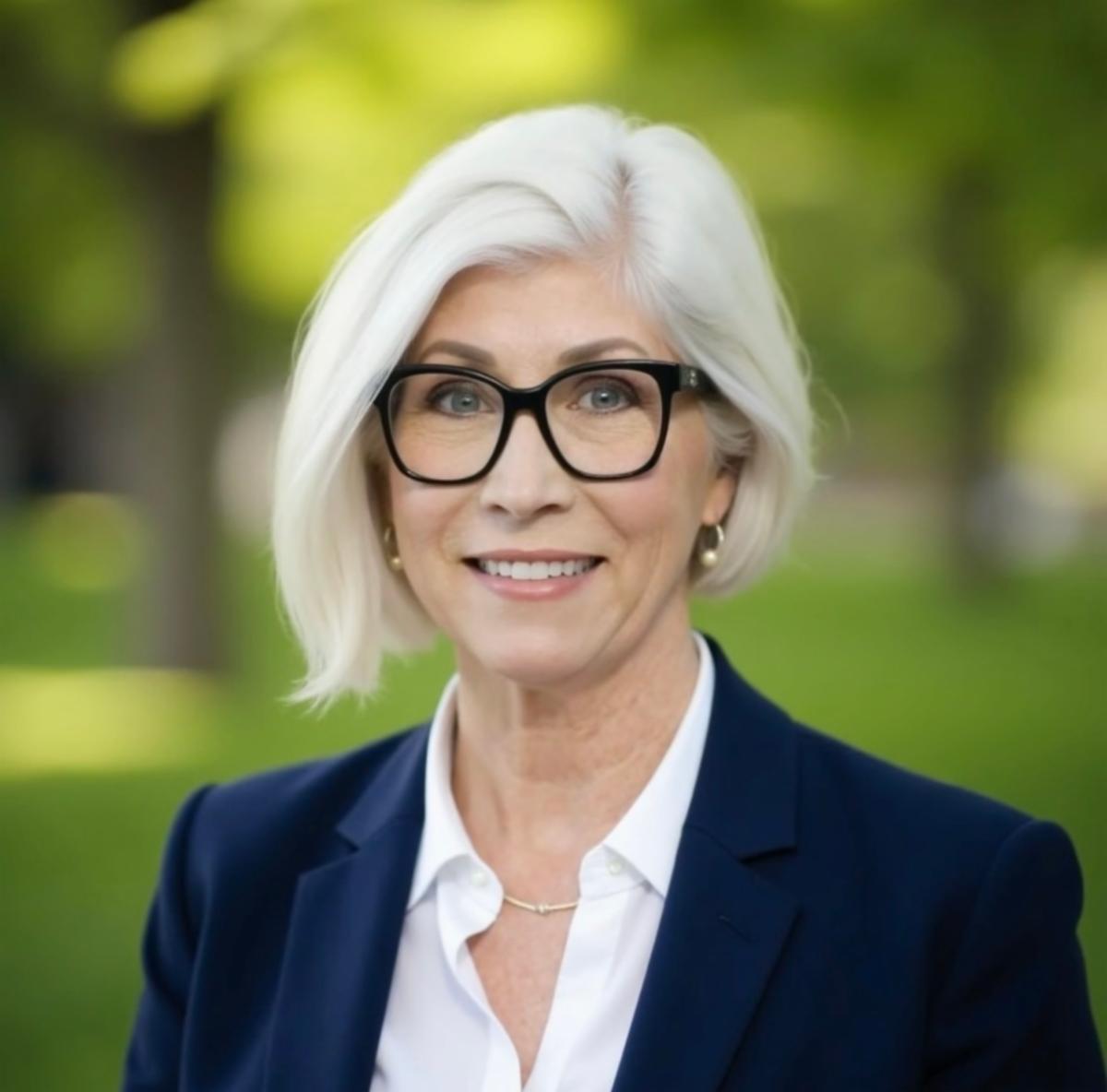
As a mother, grandmother, longtime community advocate, and candidate for the Dysart Governing Board, I believe our schools should focus on what matters most: students, parents, teachers, and academic excellence.


Above all, I support parental rights. Parents are a child's first and most important teachers, and families deserve to have a meaningful voice in their children's education. I also support Arizona's Empowerment Scholarship Account (ESA) program. School choice and strong public schools are not mutually exclusive. Families should have options, and Dysart should strive to remain a destination district that parents choose because of its excellence.


I believe we need to rethink the role of technology in our classrooms, especially for younger students. Research shows that children learn differently than adults. The physical act of writing helps develop memory and comprehension, and younger students benefit from hands-on learning, play, and interaction with teachers. I support limiting technology use in the early grades and returning to a stronger emphasis on phonics, handwriting, and foundational skills.


Transparency is another important priority. Parents should know what materials are available to their children. I support creating an online catalog of all books located in school libraries as well as books contained in classroom libraries and reading corners. Transparency builds trust between schools and families.


Student safety and fairness matter. I support protecting girls' sports and ensuring privacy for all students. Schools should provide a safe and respectful environment where every student can learn and thrive.


Teachers also deserve support. I believe discipline policies should be developed by those who understand the classroom best. I support establishing a committee made up of teachers and administrators to create consistent discipline standards and consequences throughout the district. Teachers should know that administration will stand behind them when discipline issues arise.


Finally, I believe in fiscal responsibility. Taxpayer dollars should be spent wisely, with as much money as possible directed into the classroom. Dysart has earned an A-rating and a reputation for excellence, and I want to ensure we preserve that success while preparing our students for the future.


Together, we can keep Dysart strong by putting students first, empowering parents, supporting teachers, and maintaining the high standards our community expects.

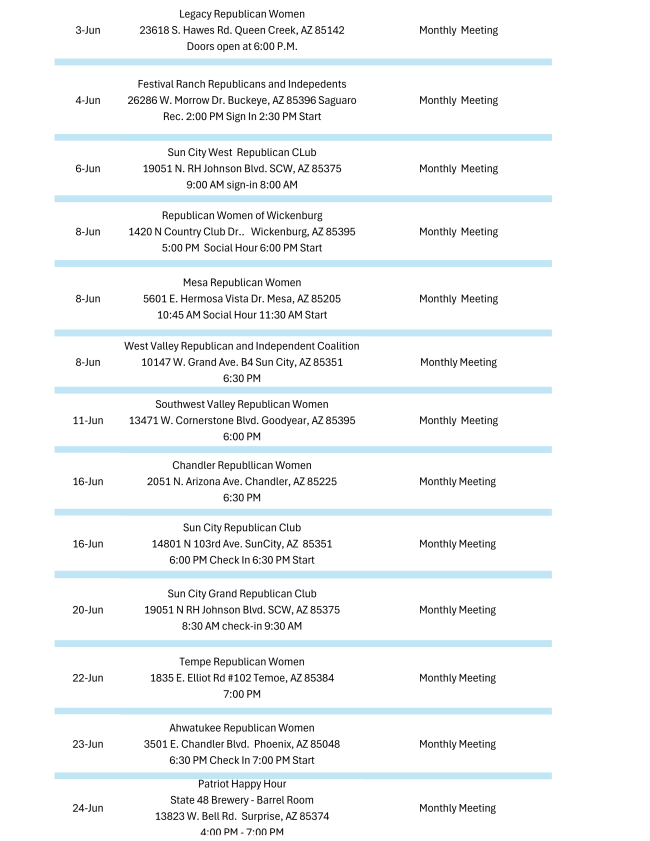
IF YOU WOULD LIKE YOUR CLUB LISTED PLEASE CONTACT ME

Thank you,

Lisa Everett


www.patriotnheels.com


Follow me on:

X - @patriotnheels

Facebook - @patriotnheels

Instagram - @patriotnheels