|
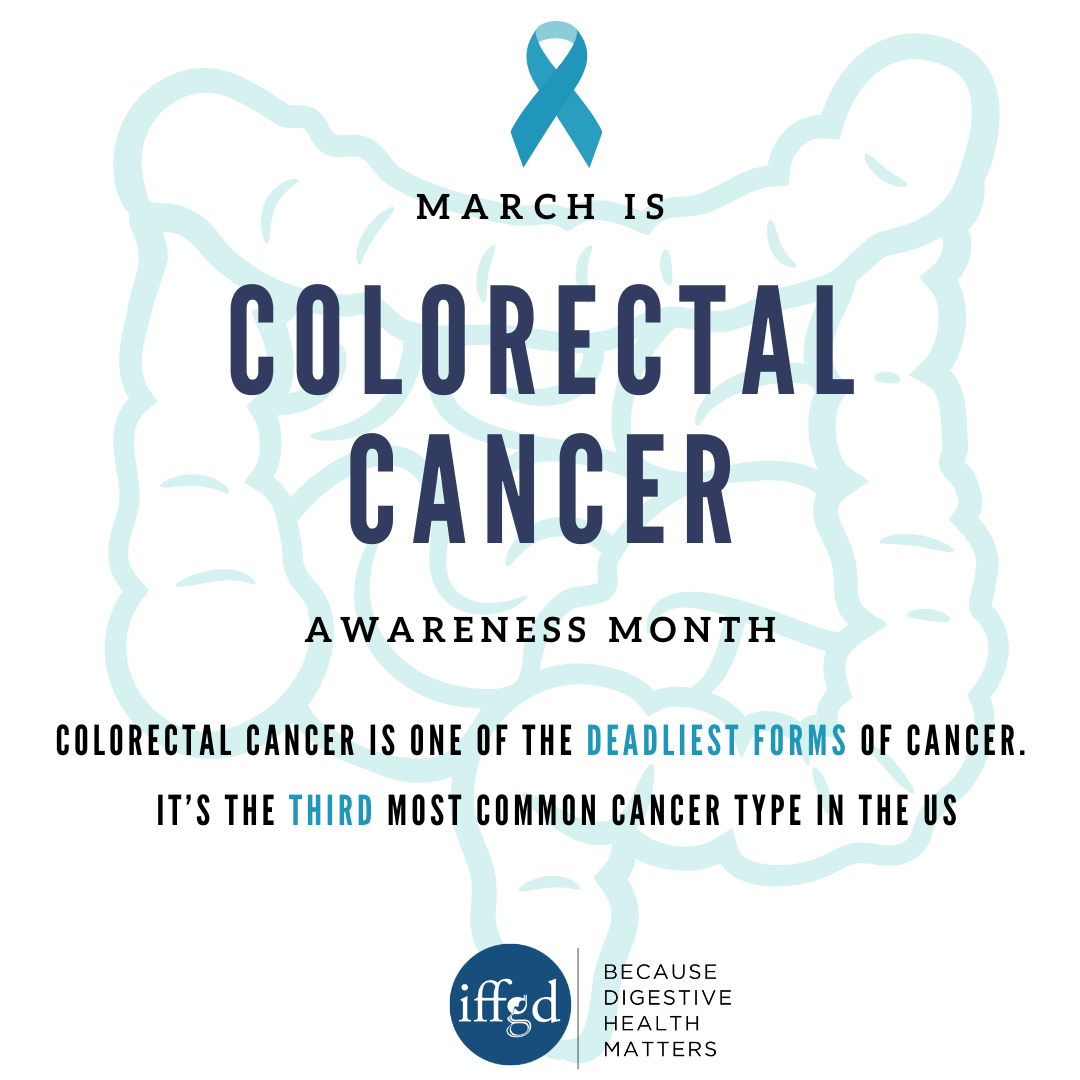
March is National Nutrition Month, a time to focus on the significance of making informed choices about food and cultivating healthy eating and physical activity habits. Nutrition significantly contributes to the management of gastrointestinal health and serves as a proactive measure in reducing the risk diseases like colorectal cancer—an awareness month we also recognize this March.
Nutrition assumes a pivotal role in the effective management of gastrointestinal health, concurrently mitigating the risk of colorectal cancer—an awareness we duly recognize this month.
Many people may notice a change in symptoms depending on what they eat. Individuals living with chronic gastrointestinal (GI) disorders often find that food significantly influences their symptoms. Some may notice symptoms worsening after meals or identify specific foods that trigger or alleviate their symptoms.
Understanding GI disorders involves a complex exploration of the relationship between what we eat and the digestive symptoms we experience. Finding a balance between obtaining proper nutrition and minimizing symptoms can be difficult. When challenges arise in managing your GI disorder, seeking assistance from a registered dietitian or other nutrition support specialists, such as healthcare providers or therapists becomes crucial. These trained professionals can help you pinpoint triggers and formulate a dietary plan tailored to your needs.
|